

How to Gap Spark Plugs Properly: Tools, Tips, and Precise Steps for Best Performance
Knowing how to gap spark plugs ensures your engine runs efficiently and avoids misfires. To gap spark plugs correctly, use a precise gauge to measure and adjust the gap to the vehicle manufacturer’s recommended size, usually between 0.018 and 0.032 inches. Start by cleaning the plug, then gently bend the ground electrode to achieve the exact gap.
Key Takeaways
- Use a wire-type or feeler gauge for precise spark plug gap measurements.
- Check the vehicle’s owner manual for the exact spark plug gap specification.
- Do not attempt to adjust gaps on iridium or platinum spark plugs to avoid damage.
- Inspect and gap new plugs before installation to ensure proper engine performance.
- Replace copper plugs every 5,000 to 10,000 miles to maintain optimal gap and function.
- Smaller spark plug gaps are often used in high-power engines to improve spark intensity.
How to Gap Spark Plugs Correctly Every Time

To gap spark plugs correctly, you need to measure the distance between the center and ground electrodes and adjust it to the exact specification for your engine. Using the right tools, handle the electrodes gently, and re-check the gap after adjusting. Setting the correct gap ensures efficient firing and optimal engine performance.
Measuring the Initial Spark Plug Gap
Begin by using a feeler gauge or a spark plug gap tool to measure the distance between the two electrodes. The gap is the space where the spark jumps to ignite the fuel-air mixture, so precision is key. Do not apply pressure to the center electrode because it is fragile, especially on premium plugs like iridium.
- Select the spark plug gap tool or a feeler gauge with the size closest to your vehicle’s recommended gap, typically between 0.028 and 0.060 inches.
- Insert the tool between the center and ground electrodes carefully without forcing it. The gauge should slide in with a slight drag but not be loose.
- Note the size of the gauge that fits snugly. This is your plug’s current gap.
Adjusting the Gap Safely
Adjust only the ground electrode when the gap isn’t the right size. Use a spark plug gap tool or the hook on a wire loop tool to bend the electrode slowly. Avoid bending the center electrode or touching the ceramic insulator, as these parts can break easily.
To widen the gap, gently slide the hook under the ground electrode and lift it upward; for narrowing, carefully tap the electrode down using a small hammer or press with the tool. Make tiny adjustments and check frequently to avoid weakening the electrode.
- Hold the spark plug firmly by the threaded shell, not the electrodes.
- Hook the gap tool under the ground electrode and gently pull or push to widen or narrow the gap.
- Avoid bending the ground electrode back and forth repeatedly to prevent fatigue and breakage.
Verifying the Final Gap
After adjusting, use the same feeler gauge or gap tool to re-measure the gap. It should match the exact specification provided by your vehicle manufacturer. A properly set gap allows the spark to jump efficiently without requiring excessive voltage.
Check that the gauge fits with a slight resistance but can still be inserted and removed smoothly. Readjust the gap even when it is off by just a thousandth of an inch. Never guess a gap size, as this can lead to misfires or engine problems.
- Re-insert the appropriate gauge between the electrodes.
- Confirm the gauge fits snugly without forcing it in.
- Repeat measuring and adjusting as needed until the gap matches the manufacturer’s recommended size exactly.
Choosing the Right Tools for Gapping Spark Plugs
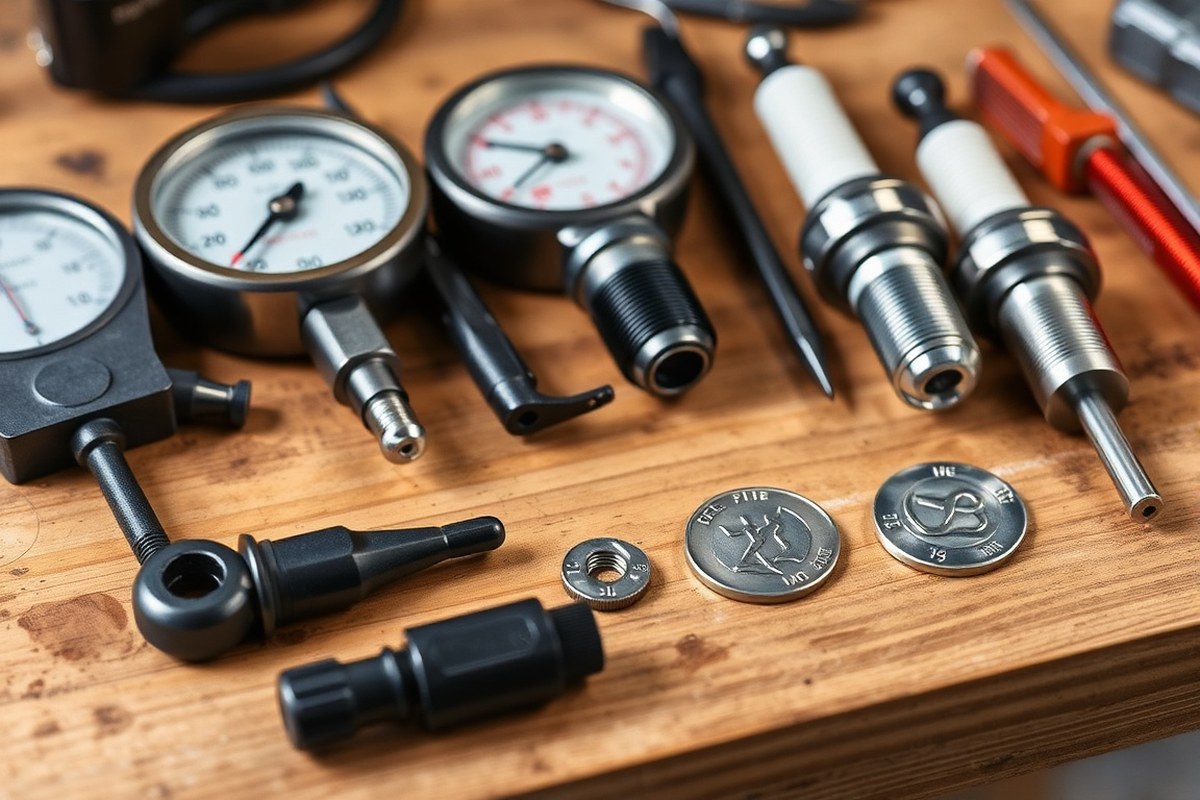
Choosing the right tool for gapping spark plugs depends on the plug type and the level of precision needed. Coin style tools and wire loop gauges suit most standard plugs, while feeler gauges offer the precision required for delicate iridium or platinum electrodes. You can use improvised tools when a dedicated gauge is unavailable, but caution is critical to avoid damaging the plug.
Feeler Gauges
Feeler gauges consist of thin metal blades of varying thickness that slide between the spark plug electrodes to measure the exact gap. They provide high precision and are ideal for sensitive plugs like iridium or platinum, where delicate electrodes may be damaged by rough handling. This precision helps you maintain the recommended gap without risking electrode deformation.
To use a feeler gauge effectively, select the blade closest to your target gap, then gently slide it between the center and ground electrode. The blade should fit snugly with slight resistance. Avoid forcing the blade through the gap to prevent bending the electrodes.
Feeler gauges allow controlled adjustment because you only need to widen the gap if necessary. Narrowing the gap isn’t recommended since excessive bending can weaken electrodes, especially on premium plugs.
Wire Loop and Coin Style Tools
Wire loop gauges feature several looped wires or thicknesses attached to a flat handle, while coin style tools often have stepped thicknesses on a rounded metal piece. Both types are designed for quick spark plug gap checks and easy adjustments on typical copper or nickel plugs. They combine measuring and prying functions, allowing you to test and widen the gap efficiently.
Although they work well for common plugs, coin style tools are best avoided on platinum, iridium, or twin-tip plugs because these tools might chip or damage the fine electrodes. Wire loop gauges offer a more delicate approach but still aren’t ideal for precious metal plugs.
Using these tools involves passing the appropriate wire or coin thickness through the gap to test fit. If the wire won’t fit, the gap is smaller than the provided thickness. To widen the gap, carefully pry the ground electrode outward with the tool’s bottle-opener section or a flat edge.
| Tool Type | Suitable Plug Types | Pros | Cons | Typical Cost Range |
|---|---|---|---|---|
| Feeler Gauges | Iridium, Platinum, Twin Tip, Standard | High precision, gentle on electrodes | Slower to use, no gap narrowing | $5, $15 |
| Wire Loop Gauges | Standard copper/nickel plugs | Quick measurement, can widen gap | Less precise, not safe for precious metals | $3, $10 |
| Coin Style Tools | Standard plugs only | Easy to use, combined check and adjust | Dangers damage to fine electrodes | $2, $8 |
Choosing between these tools depends on your plug type and whether you prioritize accuracy or convenience. For most DIYers working on conventional spark plugs, coin or wire loop tools offer a good balance. For high-end spark plugs, always select feeler gauges to avoid damage.
Improvised Tools and Their Limits
You can gap spark plugs without a dedicated tool by using household items carefully. A thin stiff piece of cardboard or a business card can approximate the gap size, but this method lacks precision. Small flathead screwdrivers can pry open gaps gently but risk bending electrodes unevenly.
Coins or metal washers work as rough measuring tools if you know their thicknesses; for example, a US penny is about 1.52 millimeters thick, which is close to some spark plug gaps. Slide the item carefully in the gap to check fit and adjust by gently bending the electrode, although this should be a last resort.
Improvised tools pose risks including uneven gap widening, electrode damage, or inaccurate readings. Use caution and avoid forcing any object through the gap to minimize the chances of damaging fine electrodes, especially on iridium or platinum plugs.
Never force any tool or object through the spark plug gap; this can permanently damage the electrodes and affect engine performance.
Understanding Why Spark Plug Gaps Matter
The gap size on a spark plug is essential for the engine’s ignition efficiency, power output, fuel economy, and emissions control. A precise gap ensures the spark happens at the right moment and with the right intensity to ignite the air-fuel mixture fully. Incorrect gaps lead to misfires, reduced engine power, poor mileage, and more pollution.
How Gap Size Affects Ignition and Combustion
A spark plug generates an electric spark to ignite the air and fuel inside the combustion chamber. The gap between the center and ground electrodes determines how strong and consistent that spark will be. When the gap is set correctly, the spark travels easily across it, igniting the mixture efficiently so the engine runs smoothly.
A gap that is too narrow causes a weak spark, as less voltage is needed to jump the space but the flame kernel may not grow enough to fully ignite the mixture. This can cause incomplete combustion, rough idle, less power, and higher fuel usage. Conversely, a gap that is too wide demands more voltage than the ignition system can reliably provide, leading to delayed or missed sparks called misfires. Misfires reduce engine power, increase emissions, and cause rough running.
Why Proper Gap Size Matters for Engine Performance
The spark plug gap directly impacts the timing, strength, and consistency of ignition. The right gap size allows the spark to ignite the air-fuel mix at the optimal moment and with enough energy to kickstart combustion thoroughly across the chamber. This maximizes power output and fuel efficiency by using the fuel completely during each combustion cycle.
For high-performance or forced induction engines, smaller gaps (often under .032 inches) help manage the higher cylinder pressures and prevent misfires caused by the higher voltage demands. Lower compression or leaner air-fuel mixtures often need wider gaps (around .050 inches) to produce a strong enough spark. Matching the gap to your engine’s design and fuel type prevents loss of power and excessive fuel consumption.
Consequences of Incorrect Spark Plug Gaps
An improperly set spark plug gap leads to commonly observed engine problems like misfires, hesitation, hard starts, and decreased fuel mileage. A gap that is too wide causes the ignition coil and ignition components to strain under higher voltage output requirements. This can result in early wear of ignition parts and inconsistent firing. A narrow gap risks incomplete combustion cycles that foul the plug electrodes faster, reducing the plug’s lifespan and performance.
Engines operating with incorrect gaps may also emit higher levels of unburned hydrocarbons or carbon monoxide, contributing to pollution and possibly failing emissions tests. Over time, problems linked with poor gaps affect engine reliability and increase maintenance costs.
Adjusting Gap Size to Engine and Fuel Type
Different engines and fuel types require different spark plug gaps to optimize performance. High-power engines, particularly those producing 1,000 horsepower or more, commonly use small gap sizes around .016 inches to manage extreme cylinder pressures. Engines running on fuels with high alcohol content typically call for smaller gap sizes due to leaner air-fuel mixtures and different combustion characteristics.
Consult the vehicle manufacturer’s specifications or spark plug packaging for the recommended gap. Setting the gap within the recommended range helps ensure consistent ignition without overheating the spark plug or causing misfires. Proper adjustment maintains engine smoothness and longevity while protecting emissions equipment.
How to Find the Correct Spark Plug Gap for Your Vehicle
To find the correct spark plug gap for your vehicle, start by checking the owner’s manual or the service manual specifically for your make and model. Manufacturers provide precise gap specifications there because the ideal gap depends on the engine design, combustion chamber size, and ignition system type. These specs typically range from about 0.020 inches to 0.055 inches. A gap larger than 0.055 inches is uncommon unless the manufacturer pre-sets it that way.
Besides manuals, many manufacturers offer online charts or printed reference tables that list recommended spark plug gaps by part number or engine code. For example, Briggs & Stratton lists their standard resistor spark plugs for certain small engines at 0.030 inches, while some special plugs for Quantum engines are set at 0.020 inches. These charts help ensure you match the correct gap to the plug type and engine model.
Gap specifications vary with engine type and plug material. Conventional copper plugs generally require a slightly wider gap, often around 0.030 inches, while platinum and iridium plugs may come pre-gapped from the factory to a smaller width, such as 0.020 inches. Avoid changing the gap on iridium or platinum plugs beyond what the manufacturer directs, as they can be delicate. Engines with electronic ignition systems might need different gap settings compared to older points-based systems because the ignition coil and firing voltage differ.
Modifications to your vehicle, like performance upgrades, forced induction, or changes in fuel type, often influence ideal spark plug gaps. A turbocharged or supercharged engine may require a smaller gap to ensure reliable spark under higher pressure conditions. Manufacturers or performance tuners sometimes recommend adjusting the gap up or down slightly, usually no more than plus or minus 0.008 inches, to maintain optimal combustion.
When you locate your vehicle’s gap spec, confirm it against the actual plug you have. Use a feeler gauge to measure the gap, then carefully adjust it if needed by bending the ground electrode. Limit adjustments to no more than three times per plug to avoid damaging the electrode. After adjusting, retest the gap to ensure it matches the recommended value precisely. This attention to detail helps maintain proper ignition, fuel efficiency, and engine performance.
When and How Often Should You Check Your Spark Plug Gap?
The frequency of checking your spark plug gap depends largely on your vehicle’s age, driving conditions, and manufacturer recommendations. Generally, you should inspect the gap when installing new spark plugs and then as part of routine maintenance every 30,000 to 50,000 miles. Older vehicles or those showing symptoms of rough running warrant more frequent checks, possibly every 15,000 miles.
Significant engine performance issues often signal that your spark plug gap may be out of specification. These symptoms include rough idling, difficulty starting the engine, reduced acceleration, and increased fuel consumption. A misgapped plug acts like a restriction in the ignition system, similar to how a leaky hose reduces water flow, forcing the ignition coil to work harder and causing inefficiencies.
Worn spark plugs can sometimes be regapped effectively, but it depends on the wear level. When the electrodes show heavy wear, become rounded, or are damaged, adjusting the gap won’t bring back peak performance, so replacing the plugs is a better choice. Regularly checking the gap helps catch problems early before plugs wear beyond useful adjustment.
- Check spark plug gap every 30,000 to 50,000 miles during routine service.
- Inspect plugs and gaps immediately when symptoms like rough running or hard starts appear.
- Perform gap checks during every new spark plug installation.
- Increase check frequency for vehicles over 100,000 miles or in harsh driving environments.
- Replace plugs if electrodes show heavy wear or damage rather than just adjusting the gap.
Always use a proper feeler gauge for measuring spark plug gaps; guessing or using coins can damage the electrodes or give inaccurate readings.
To check the gap, carefully remove the plug and clean off carbon deposits before measuring with a feeler gauge. When the gap doesn’t match the vehicle specifications, either too narrow or too wide, carefully bend the ground electrode to make the adjustment. After adjustment, recheck the gap to ensure accuracy. Maladjusted gaps can cause misfires, poor fuel economy, and increased emissions, so accurate measurement and adjustment are important steps in maintenance.
Why You Should Not Adjust Gaps on Iridium or Platinum Plugs
Iridium and platinum spark plugs have finer, more delicate electrodes than traditional copper plugs. Unlike copper plugs, which can be safely adjusted with coin-style or ramp gauges, the thin electrodes on iridium and platinum plugs risk bending or breaking if you try to gap them manually. This is because these metals are harder and more brittle, and their precise factory gaps are designed to ensure optimal performance and longevity.
Attempting to force an adjustment on these fine electrodes can damage the tip, leading to misfires, poor fuel efficiency, or shorter plug life. For example, bending the electrode could widen or narrow the gap unevenly, disrupting the spark pattern. Once damaged, the plug might not ignite the air-fuel mixture properly, causing rough idling or even engine hesitation. Since these advanced plugs are usually more expensive, replacing a damaged one can cost $10 to $20 or more per plug, depending on the brand and vehicle.
Manufacturers typically pre-gap iridium and platinum plugs to the exact measurements needed for your engine. Before installation, check the gap with a feeler gauge, which provides the most accurate reading without risking wear on the electrodes. If the gap is slightly off, consult your vehicle’s service manual or manufacturer’s guidelines to see if it is acceptable within tolerance levels, usually a few thousandths of an inch. Sometimes, slight variations won’t significantly affect performance.
When you find that a plug’s gap is outside recommended specifications, replacement is often better than adjustment. While it may seem inconvenient, this avoids the risk of damaging the plug or impairing engine operation. Some newer spark plugs also feature multiple small electrodes or surface discharge designs that depend on the exact factory gap and cannot be adjusted without compromising their unique performance benefits.
To handle these plugs safely, use a precise feeler gauge rather than a coin-style tool. Always inspect the gap before installation and avoid attempting to bend or adjust the electrodes. Keep in mind that factory pre-gapping exists to optimize ignition timing and combustion efficiency. Disregarding these precise settings may lead to engine knocking or performance loss, costs often higher than simply replacing the plug.
Common Spark Plug Gapping Mistakes and How to Fix Them
Common errors when gapping spark plugs include excessive bending of the ground electrode, setting the wrong gap size, and improper tool use. Over-bending the electrode risks breaking or weakening it, which can lead to misfires or spark loss. Using a gap that is too wide or too narrow causes inefficient combustion and poor engine performance. Relying solely on cap-style tools without proper control may also damage the plug or lead to inaccurate gaps.
To avoid damaging the electrodes, use a specialized spark plug gap tool. These tools secure the plug in place and allow controlled adjustments using a tightening knob. You can gently close or open the gap without applying uneven pressure. Avoid prying the electrode with makeshift objects like screwdrivers or pliers, which are likely to bend the metal too sharply or scratch it.
Fixing a mis-gapped spark plug starts by measuring the gap with a feeler gauge or dedicated gap tool to confirm its current width. When the gap is too narrow, gently open it by prying the gap tool’s side. When the gap is too wide, close it by carefully tightening the tool’s knob. Always check the gap repeatedly during adjustment to ensure it matches the manufacturer’s recommended measurement, commonly between 0.028 and 0.060 inches depending on the engine.
- Don’t bend the electrode more than a few degrees; small increments prevent breakage.
- Use a spark plug gap tool designed to hold the plug safely with a tightening knob for control.
- Check and adjust the gap in small steps, measuring frequently.
- Avoid dirt or deposits on the electrode, which can affect measurements.
- Never use makeshift tools that can scratch or weaken the electrodes.
- Replace the plug if the electrode is damaged or bent beyond repair.
Visual warning signs of mistakes include a visibly bent or cracked ground electrode, uneven gap width, and inconsistent spark path. Spot any of these signs and either discard the plug or adjust it carefully with the correct tool. Performing precise gap adjustments keeps your engine running efficiently and prevents costly ignition problems down the line.
Adjusting Spark Plug Gap Based on Engine Type and Usage
Engine type and usage critically influence the ideal spark plug gap size. Engines with higher compression ratios or forced induction systems, like turbochargers or superchargers, create increased combustion chamber pressure. This higher pressure makes it harder for a spark to jump across a wide gap. To ensure reliable ignition in these engines, narrower spark plug gaps are generally necessary, often ranging between 0.028 and 0.035 inches. This smaller gap helps maintain a consistent spark under tough conditions and prevents misfires.
Conversely, naturally aspirated engines with lower compression and less restrictive intake systems can handle wider gaps, commonly between 0.035 and 0.045 inches. This larger gap size creates a bigger spark, which can improve combustion efficiency and power output when paired with the right ignition system. When tuning for performance on a naturally aspirated engine, selecting the widest gap spec recommended by the manufacturer or slightly increasing it within safe limits can provide a noticeable improvement in throttle response and fuel burn.
Modifications like high-output ignition coils also affect the spark plug gap you should set. Upgraded coils can deliver stronger sparks, allowing for safely larger gaps even on engines with moderate compression. For example, if you install aftermarket coils on a naturally aspirated engine, you might bump the gap from 0.040 up to 0.045 inch. That adjustment takes advantage of the coil’s power to support a more strong spark without risking misfires or rough idle.
Small engines found in motorcycles, lawnmowers, or other handheld equipment usually require smaller spark plug gaps, typically around 0.020 to 0.030 inches. These engines operate with lower voltages and compact ignition systems, so a narrower gap ensures the spark is strong enough to ignite the air-fuel mix consistently. Attempting to use a larger gap on these engines can lead to weak sparks, misfires, and poor performance.
Tuning your spark plug gap depends on knowing your engine’s specifics, including compression, ignition system strength, and whether it is naturally aspirated or boosted. Start by checking the manufacturer’s specifications for the base gap. For modified engines, reduce the gap if you added forced induction or increase it slightly for more powerful ignition coils and naturally aspirated setups. Use a good feeler gauge to measure and carefully adjust the gap by bending the ground electrode. Avoid exceeding recommended values since too large a gap can cause misfires and damage to the ignition system, while too small a gap reduces spark intensity and efficiency.
Always use a precise feeler gauge to set the spark plug gap; relying on visual checks alone often leads to incorrect gaps and engine performance issues.
Step-by-Step Action Plan for Gapping Your Spark Plugs
Follow this action plan to ensure your spark plugs are properly gapped and ready to improve your engine’s performance.
- Before You Start: Gather a quality spark plug gap tool and your vehicle’s recommended gap specs from the owner’s manual or a trusted database. This ensures you work with the right measurements.
- At Your Garage: Remove one spark plug at a time to avoid mixing up gaps. Check the existing gap with your tool; it should match the recommended size for your engine type.
- After Measuring: If the gap is too wide, gently tap the electrode on a hard surface to close it slightly. If it’s too narrow, use the tool’s gapper to carefully widen the gap. Re-measure to confirm accuracy.
- Before Reinstalling: Inspect the spark plug for damage or heavy deposits; replace any plug that looks worn or fouled. Proper condition helps maintain the right gap and performance.
- During Installation: Tighten the spark plug to the correct torque specified in your vehicle’s manual to prevent damage to the threads or gap.
- After Completing All Plugs: Start your engine and listen for smooth operation or any misfires, which can indicate a misaligned gap.
- After 3,000-5,000 Miles: Recheck the gap to catch any changes from wear or deposits, especially if your vehicle is older or driven under heavy conditions.
Frequently Asked Questions
Do Spark Plugs Have to Be Perfectly Gapped?
Spark plugs need to be gapped accurately to the manufacturer’s specification for optimal engine performance. A gap that’s too wide or too narrow can cause misfires or poor fuel economy, so precise adjustment is important.
How to Know If Spark Plugs Are Gapped Correctly?
Use a spark plug gap tool or feeler gauge to measure the gap against the vehicle’s recommended spec. The gap should fit the tool without forcing it, showing the plug is set correctly.
What Is the Correct Gap for Spark Plugs?
The correct gap varies by engine and plug type, found in your vehicle’s manual or spark plug packaging. Common gaps range from 0.028 to 0.060 inches, but always check your specific recommendation.
How to Properly Gap a Spark Plug Without a Tool?
Without a tool, use a thin piece of paper or a business card as a rough gauge, but this is less accurate and risks damaging the electrode. A proper gap tool is strongly recommended for precision and safety.
Can I Reuse Spark Plugs After Adjusting the Gap?
Yes, you can reuse spark plugs after carefully adjusting the gap as long as the electrodes aren’t damaged or worn. Always inspect plugs for cracks or excessive wear before reinstalling.
Does Gapping Spark Plugs Affect Engine Start Time?
Properly gapped spark plugs help ensure quick, smooth starts by producing the right spark at the right time. Incorrect gaps can cause slow starts or stubborn engine cranking.
Before You Go
Properly gapping your spark plugs directly impacts your engine’s efficiency and longevity. Adjusting each plug to the exact specification reduces misfires and improves fuel economy. Start today by checking your vehicle’s recommended gap and carefully measuring a single plug to build confidence before adjusting others.


