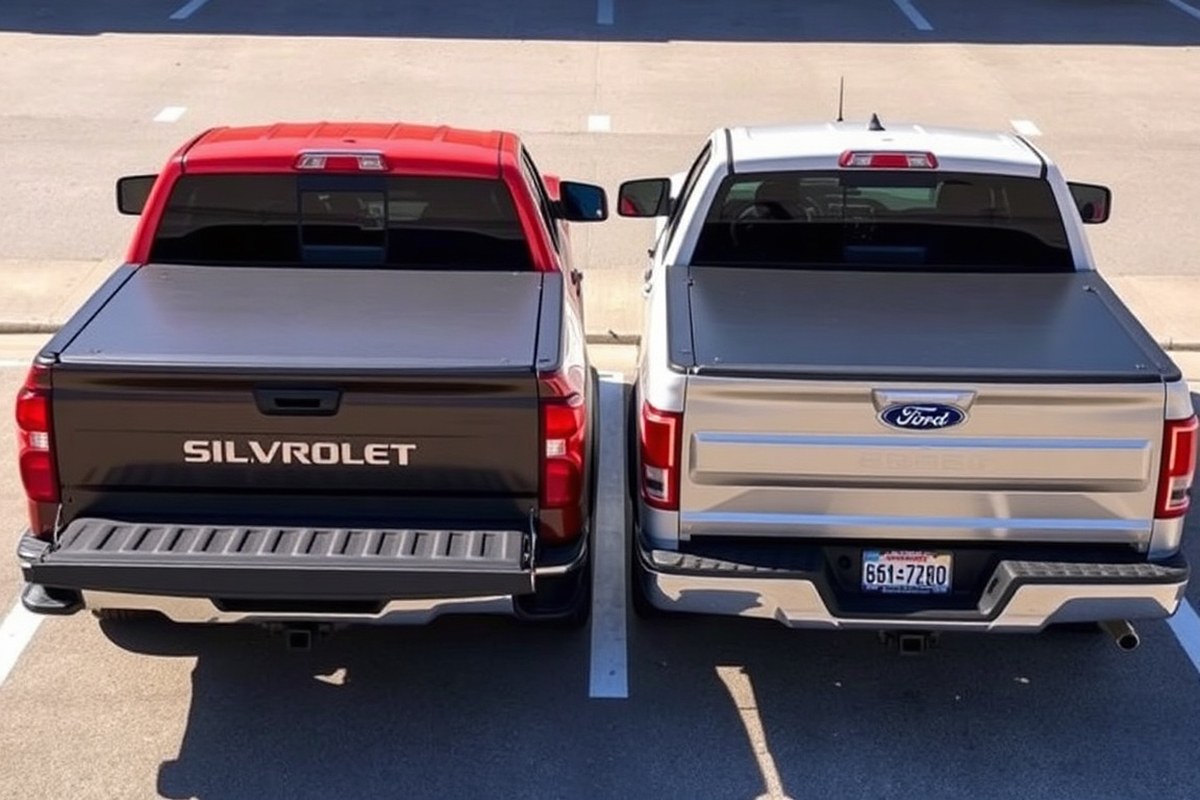
Will a Chevy Tonneau Cover Fit a Ford? Clear Compatibility Rules and Tips
Will a Chevy tonneau cover fit a Ford? Most Chevy tonneau covers will not fit Ford trucks properly due to differences in bed dimensions and rail systems. Verifying your truck’s specific bed length, model year, and trim helps determine if a cover can work across brands. Start by measuring your bed and checking compatibility based on exact dimensions rather than just bed length labels to avoid fitment issues.
Key Takeaways
- Chevy and Ford truck beds of the same nominal length often differ in width, affecting cover fit.
- Bed length variations within the same model, such as 5.5-foot and 6.5-foot beds, require specific covers.
- Model year changes frequently alter rail design and attachment points, preventing cross-year cover compatibility.
- Truck trims can include or exclude factory rails that impact how tonneau covers attach.
- Soft roll-up, hard folding, and retractable covers each need rails compatible with their mounting style.
- Measuring your truck bed’s length, width, and rail system before buying ensures accurate fitment.
Can a Chevy Tonneau Cover Fit a Ford Truck Bed?

Chevy tonneau covers generally will not fit Ford truck beds due to differences in bed dimensions and mounting systems. Both Chevy and Ford trucks come in multiple bed lengths like 5.5, 6.5, and 8 feet, but even if the lengths match, the widths, rail heights, and attachment points usually differ enough to prevent a proper fit. This incompatibility also extends to truck model years, as manufacturers frequently update bed designs and rail systems over time to improve fit or add features.
Mounting systems are a critical factor in compatibility. Chevy and Ford often use unique rail configurations and hardware setups for their tonneau covers. A cover designed for Chevy’s bed rails, which might be recessed or have specific clip placements, will not align securely with the Ford’s typically different rail structure. For example, a hard folding or retractable cover requires precise rail dimensions that Chevy and Ford do not share. Soft roll-up covers are slightly more forgiving but still require the bed width and rail design to match closely for proper seal and fastening.
Fit depends primarily on three factors: the truck’s make (Chevy vs. Ford), bed size (length and width), and model year. Even within one brand, covers rarely interchange between different models or years without fit issues. For cross-brand compatibility, a universal or adjustable tonneau cover is the only reliable option, but these often sacrifice fit precision and can cost between $300 and $800 depending on features. They use adaptable clamps or rails to fit a range of truck beds but may not provide the same tight seal or aesthetics as a cover designed specifically for your truck.
To decide if a Chevy tonneau cover will fit your Ford truck bed, check these points: first, verify the exact bed length for both trucks, as a 6.5-foot Chevy bed will not exactly match a 6.5-foot Ford bed in width or rail design. Second, confirm the model years because even within the same brand, rail systems can change, an example is the 2019 Ford F-150 versus earlier years. Third, inspect the mounting hardware; if the Chevy cover uses factory rails or deck rails that your Ford does not have, installation will be impossible without modification. Avoid assuming covers from different brands, even with the same bed length, are interchangeable.
Good results mean a snug fit with a tight seal that prevents water intrusion and minimizes wind noise. Poor results can include flapping, leaks, or damage to the truck bed and cover caused by forced or misaligned installation. Considering the cost of custom or brand-specific covers ranges between $400 and over $1,000, investing in the correct fit upfront saves time and money. When cross-brand compatibility is required, prioritize covers labelled as universal or adjustable and be prepared to compromise slightly on fit precision.
Key Differences in Chevy and Ford Truck Beds and Rails
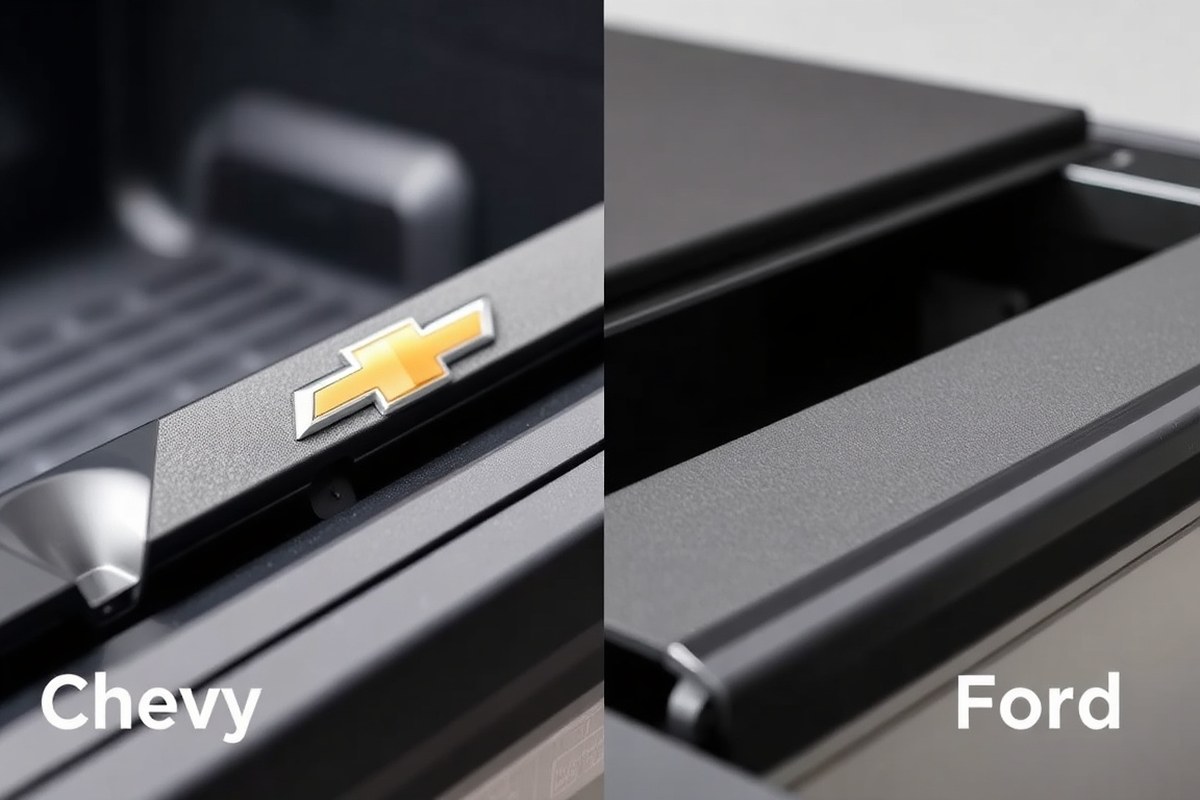
Chevy and Ford truck beds differ enough in dimensions and rail design that swapping a tonneau cover between the two brands usually won’t work. The main dimensional differences involve bed width and rail profiles, which impact how securely a cover clamps down.
The length of Chevy and Ford beds might sometimes look similar on paper, for example both having a 6.5-foot option. Still, the actual width of the bed and the shape of the rails is rarely the same. Width matters more for compatibility because a cover needs to clamp evenly along the side rails to seal properly. Meanwhile, the bed rail design affects if the mounting hardware will align or fit snugly. Chevy tends to use a low-profile rail about 1.3 inches thick with waterproof sealed edges. Ford rails often vary more by trim and may include step or track systems that increase rail height or add features, altering where clamps will engage.
| Feature | Chevrolet Silverado 1500 (2007-2026) | Ford F-150 Common Models |
|---|---|---|
| Bed Length Options | 5.8 ft (69.9 in) commonly, also 6.5 ft available | 5.5 ft, 6.5 ft, and 8 ft options |
| Bed Width | Narrower than Ford at same length | Generally wider than Chevy at same length |
| Rail Thickness | Low-profile 1.3 in thick aluminum, waterproof sealed edges | Varies by trim, may include higher rails with step or utility tracks |
| Rail Material & Design | Full aluminum construction including endcaps, no plastic | Steel or aluminum with optional step/track accessories |
| Rail Features Affecting Fit | Smooth, uniform clamping surface | Added step or utility systems change clamp clearance and position |
The structural setup of the bed rails and their thickness means a cover designed for Chevy’s thinner, sealed rails may have clamps that are too loose or misaligned on a Ford rail, especially if that Ford model includes steps or tracks. Even between different trims or model years within a brand, rail profiles can change, leading to a need for a new cover. Focus on checking both width and rail design along with bed length for fit.
Always measure your actual bed width and inspect rail shape before buying a cover to avoid compatibility issues, even if bed length matches.
How Bed Length, Model Year, and Trim Affect Fit
Tonneau cover fit depends heavily on your truck’s bed length, model year, and trim level. Even small differences in bed size or updates to the bed design across model years can cause covers made for one truck to not fit another. Trim packages with added rails or accessories may need covers specifically designed to accommodate those variations.
Typical Truck Bed Lengths by Model
Chevy and Ford pickups come with various bed lengths that affect cover size and fit. Covers are tailored to fit these exact lengths and their matching rail structures. Common bed lengths include:
- Ford F-150: 5.5 feet, 6.5 feet, and 8 feet (depending on cab style)
- Chevy Silverado 1500: 5.8 feet (short bed), 6.5 feet (standard bed), and 8.2 feet (long bed)
- Ford Super Duty (F-250 and up): 6.75 feet and 8 feet
- Chevy Silverado HD models: 6.5 feet and 8 feet
Even slight differences matter. A 6.5-foot Chevy bed cover will not fit a 6.75-foot Ford bed perfectly. When shopping, match your truck’s exact bed length to the cover’s listed fitment to avoid gaps or overhangs.
Major Model Year Changes Affecting Bed Design
Manufacturers update truck bed designs during major model redesigns. These changes can alter bed dimensions, rail configurations, or mounting points, affecting tonneau cover compatibility.
- Ford F-150 underwent a notable bed redesign in 2015 with altered tailgate and rail dimensions.
- Chevy Silverado’s 2014 redesign adjusted the bed rails and tie-down system.
- Ford Super Duty models were refreshed significantly in 2017, impacting bed height and rail shape.
Covers made before these years may not fit properly on trucks from newer generations. Always verify the cover is specified for your truck’s year range to ensure compatibility.
Impact of Trim and Factory Accessories on Fit
Trim levels like Chevy’s Trail Boss or Ford’s FX4 often add factory-installed accessories such as bed liners, tie-down hooks, or rail caps. These features change the bed’s profile and mounting surfaces.
You should inspect your truck’s cab and bed configuration, noting any added equipment that might interfere with the cover’s clamps or rails. Consult the cover manufacturer’s fitment guide for specific trims.
- Some trail or off-road trims have wider or reinforced bed rails.
- Spray-in liners or bed mats might raise the bed floor, impacting fitment of certain covers.
- Factory-installed rails or bed caps require covers that integrate or clear those parts.
Carefully measuring and matching the cover to your trim’s setup prevents poor seals and ensures ease of installation. When in doubt, consult with a dealer or the cover brand for trim-specific compatibility advice.
Types of Tonneau Covers and Their Fit Requirements
Tonneau covers come in soft, hard folding, and retractable styles. The fit and installation differ significantly between these types, which affects how easily a cover made for one truck brand might work on another. Soft covers generally offer the most cross-brand adaptability because they use flexible vinyl or fabric stretched over the bed with clamps. Hard folding and retractable covers tend to be more precise and often need to match specific bed dimensions and rail styles, making brand interchange less likely.
Soft covers usually clamp onto the bed rails without permanent modifications. This allows a moderate level of cross-compatibility, for example, a soft cover designed for a Chevy Silverado might fit a Ford Ranger if the bed sizes are close and the clamp areas line up. The downside is that soft covers don’t create a flush seal, so they may allow more dust and water entry. Installation takes about 30 to 60 minutes with common tools, and prices typically range from $150 to $600.
Hard folding covers add protection through rigid panels that fold toward the cab. These require precise measurements and truck-specific mounting hardware. This precision prevents gaps, protects your cargo, and ensures smooth operation, but means a hard folding cover made for Chevy rails will likely not fit Ford rails properly. A common issue with improper fit is rear latches that don’t lock correctly or panels that rub the cab. Installation can take 1 to 2 hours and costs between $800 and $1,500 depending on features. Maintenance includes folding the cover with the rear latches closed to avoid puncturing aluminum panels.
Retractable tonneau covers, which slide open into a box near the cab, are the most brand-specific. The rail alignment, bed width, and length must match exactly since these covers are designed to operate smoothly within tight tolerances. A retractable cover for a 2019-2026 Chevy Silverado with a 5-foot-8 bed, for example, won’t fit well on a Ford F-150 with different dimensions. Repair and replacement parts for retractable covers are often tied to the original truck model as well. Pricing often starts around $1,000 and can exceed $2,000. The table below summarizes the fit likelihood and installation details for each tonneau cover type:
| Tonneau Cover Type | Cross-Brand Fit Likelihood | Installation Method | Typical Installation Time | Price Range | Notes on Fit and Use |
|---|---|---|---|---|---|
| Soft Cover | Moderate | Clamp-on rails, no drilling needed | 30-60 minutes | $150 – $600 | Flexible, may allow dust/water entry, fits beds of similar size |
| Hard Folding Cover | Low | Truck-specific mounting brackets, precise alignment required | 1-2 hours | $800 – $1,500 | Flush seal, latches must be closed before folding, risk of panel damage if misaligned |
| Retractable Cover | Very Low | Exact rail fit, sometimes hardware integration | 1-3 hours | $1,000 – $2,000+ | Requires precise bed length and width match, parts often brand/model-specific |
Your choice depends on how much protection you need and how closely the cover’s fit must match your truck bed. Soft covers give flexibility but with less security. Hard covers protect better but need a proper fit to avoid operational problems. Retractable covers offer convenience but demand exact compatibility with your truck’s brand, model, and bed size. Taking careful measurements and double-checking hardware compatibility helps avoid fitment issues, especially for hard and retractable types.
How to Measure Your Truck Bed for Compatibility
Measuring your truck bed carefully is essential to determine if a Chevy tonneau cover will fit a Ford or the other way around. Focus on three main measurements: bed length, bed width, and rail height and shape. Accurate measurements prevent costly mistakes and ensure the cover will provide good coverage and easy access.
Measuring Bed Length Accurately
Bed length is the most critical dimension when checking cover compatibility. It usually differs between Chevy and Ford models, especially across different model years and trims. Measure from the inside of the bulkhead (the front wall of the bed) straight to the inside edge of the tailgate opening, making sure the tailgate is closed.
- Lower the tailgate fully and close it securely to create a flat surface.
- Place a steel tape measure at the inside front edge of the bulkhead, where the cover will rest.
- Extend the tape measure straight along the bed floor to the inside edge of the tailgate.
- Record this length in inches, rounding to the nearest quarter inch.
- Repeat the measurement on both sides to check for symmetry.
Measuring from outside edges often leads to errors because bed rails and walls vary in thickness. Always measure from the inside surfaces where the cover will fit.
Checking Bed Width and Rail Shape
Width measurements ensure the cover matches the truck’s rail spacing. Measure the distance between the inside edges of the side rails near the top, as this is where most covers clamp or seal. Also, take note of the rail’s shape, rounded, tapered, or flat, which affects how the cover attaches.
- Stand at the rear of the truck and measure the inside width between the top edges of the bed rails.
- Measure at several points: right behind the cab, mid-bed, and near the tailgate.
- Note any differences and identify the narrowest width, as the cover must fit this point.
- Inspect the rails’ profiles visually or by touch to describe the mounting surface (flat or curved, lip presence).
Documenting Measurements and Comparing
Keep a detailed record of all measurements and rail shapes. Many tonneau cover manufacturers provide detailed fit specs in product descriptions or installation guides, which include exact bed lengths, widths, and rail designs required for fit. Use your measurements to create a checklist for comparing product specs.
- Write down the measured length, width (minimum and maximum), and the rail shape characteristics.
- Find the exact cover model you want and check its fit specs against your measurements.
- Confirm that the cover’s recommended bed length and width range includes your numbers.
- If possible, contact the manufacturer or dealer with your measurements to confirm compatibility.
- Keep photos of your measurements and rail profiles as a reference during purchase or installation.
Do not rely solely on model name or year for compatibility. Trucks with identical model names can have different beds depending on trim or cab configuration.
Common Fitment Mistakes When Mixing Chevy and Ford Covers
One common mistake when trying to fit a Chevy tonneau cover on a Ford truck is not recognizing differences in rail shapes and attachment points. Chevy and Ford beds often have distinct rail designs, which means the cover’s clamps or mounts may not align properly. When the cover doesn’t sit flush, gaps can form, leading to water leaks and poor security as the cover might lift in wind or be easier to open without a key.
Another issue occurs when the truck bed length and width measurements aren’t matched correctly to the cover, even if they seem close. Small variations of an inch or less, especially along the side rails, can cause the cover to be stretched too tight or fail to latch fully. This distorts the cover fabric or hard panels, which can void warranties or cause premature wear.
- Assuming a tonneau cover made for one brand fits the other without checking rail design differences
- Ignoring minor bed dimension mismatches under an inch that affect seal and fit
- Overlooking the model year changes that subtly alter bed rail profiles
- Trying to force clamps or fasteners into incompatible slots or holes
- Not using proper measurements tools such as a tape measure with a level for accuracy
- Failing to check for necessary aftermarket adjustment kits or rails
- Mistaking style-focused appearance for functional compatibility
To troubleshoot these mistakes, first remove any universal clamps and closely inspect how the cover’s mounting brackets line up with your Ford’s rails. You can measure from the front of the bed to the first clamp hole or bracket before attempting to tighten bolts. Minor misalignments can be addressed with aftermarket adapter kits that allow Chevy covers to fit Ford rails, usually costing between $30 and $70. These kits include custom brackets or clips tailored to different profiles, helping the cover seat tightly and reducing leaks.
For serious mismatches, such as length differences over two inches or incompatible fastener designs, altering the cover frame is not recommended. Instead, invest in a universal or adjustable cover with rails that match your exact Ford bed dimensions within 0.5 inches for best results. RealTruck’s fitment guide for 2025 models explains that model-specific tonneau covers create better seals and security than universal versions, but adjustable products offer necessary flexibility for cross-brand use.
Good results mean the cover fits flush along the rails without gaps, the latches click firmly, and water runs off without pooling or dripping inside the bed. Watch for loose edges or flapping fabric when driving at highway speeds, as these signs indicate a poor fit. Regularly check fasteners and seals especially after heavy rain or washing to prevent leaks. Repairs or adjustments that fail to improve the fit usually mean switching to a Ford-specific cover is more cost-effective over time.
When to Consider Universal or Adjustable Tonneau Covers
Universal tonneau covers can fit both Chevy and Ford trucks because they come with adjustable rail systems that clamp onto various bed widths and depths. These covers provide flexibility when you can’t find a brand-specific option or want one cover that works across multiple truck models. Unlike covers made for a specific truck like a Chevy Silverado or a Ford F-150, universal covers sit higher off the bed rails to accommodate different shapes and sizes. This design allows them to install on a wider range of trucks but comes with tradeoffs in fit and performance.
The higher mounting position of universal covers often creates small gaps between the cover and the bed rails. These gaps can let in water and dust more easily compared to brand-specific covers engineered to seal tightly against the truck’s bed. Because universal covers are not tailored to the exact shape and rail dimensions of one truck model, they may develop rattling noises while driving. This can be an annoyance if you drive long distances or on rough roads.
Despite these limitations, universal covers can still offer reasonable weather protection and security as long as they are installed correctly. Tightening the clamps securely and checking them periodically helps minimize gaps and rattles. Many universal covers use durable materials that resist rain and UV damage, protecting your cargo from the elements. However, the weatherproofing won’t match that of a precision-fit cover made for your truck’s specific model year and trim.
Choosing between a universal and a brand-specific tonneau cover depends on your priorities and truck setup. If you want the best seal, reduced noise, and a perfect fit, selecting a cover designed for your exact Chevy or Ford model is best. These covers cost more but make installation simpler and lock out dust and moisture effectively. You can expect to pay anywhere from $300 to over $1,000 depending on the type of cover and model specificity.
Universal covers usually cost less, often ranging from about $150 to $400, making them an economical option if you are looking for flexibility or own multiple trucks with different beds. Keep in mind that you may spend more time adjusting and maintaining the fit. For best results, measure your truck bed carefully before buying and follow the manufacturer’s instructions for clamp positioning and strap tightening. Poor installation is the main cause of leaks and rattles with any cover.
In short, universal tonneau covers fit both Chevy and Ford trucks but at the cost of a less snug fit and potential weatherproofing issues. They’re a practical choice when exact-brand covers aren’t available or if you prefer one cover for multiple trucks. Taking the time to measure and install properly can ensure your universal cover still offers solid protection and security for your gear.
Steps to Confirm Fit Before Buying a Cross-Brand Cover
Before purchasing a Chevy tonneau cover for a Ford truck bed, thoroughly check compatibility to ensure safe and effective fit. Gather specific model details, use official fitment resources, and assess installation needs to avoid costly mistakes and poor performance.
Verify Model and Year Compatibility
Start by identifying the exact make, model, year, and bed length of your Ford truck. Chevy and Ford truck beds vary even within the same size category, so accuracy matters. Measure your truck bed width and length precisely, include details like the rail design and any factory bed liners.
Compare these measurements against the Chevy tonneau cover’s specified fit range. Check if the cover aligns with your truck’s year and model since design changes across years impact fit. Narrowing down your options to covers explicitly supporting your truck’s specifics reduces the guesswork.
Consult Manufacturer or Dealer Fitment Guides
Manufacturers typically publish fitment charts or guides detailing which truck models and years their cover fits. Access these resources on the product webpage or request them from vendors. These guides include important info such as bed length compatibility, rail types, and installation method requirements. Use this standard script when contacting support to confirm fitment:
“Hello, I’m considering purchasing your tonneau cover, model [insert model number]. My truck is a Ford [year, model, bed length]. Could you please confirm if this cover is compatible? Does installation require drilling or modifications specific to my Ford truck bed?”
Vendors appreciate clear questions and can provide insights on common fit issues. Always keep manufacturer responses for reference before finalizing your purchase.
Decide on Professional Installation Need
Evaluate the installation complexity of the cover and your own skills with truck modifications. Some covers require drilling or permanent mounting, which may risk damage without experience. Covers with clamp or rail systems generally offer easier installation but still demand careful measurement and alignment.
Consult a professional installer whenever answers seem unclear, when manufacturer fitment is not fully confirmed for cross-brand use, or when your truck has aftermarket bed accessories. Installation services typically cost between $100 and $250 depending on complexity. This cost offsets risks of improper fit that can cause leaks or cover failure.
- Measure your Ford truck bed length, width, and rail design accurately.
- Note your truck’s exact year and trim level to find compatible covers.
- Search for the Chevy tonneau cover’s model number and read detailed specifications online.
- Download or request the manufacturer’s official fitment guide or chart.
- Contact the seller or manufacturer using a precise script to confirm your truck’s compatibility.
- Assess the installation method and your ability to perform it without damage.
- When uncertain, schedule a professional installer consultation or service.
- Recheck measurements and fitment details before final purchase.
Always trust manufacturer fitment charts over assumptions; a wrong cover can cause water leaks, poor security, and damage to your truck bed.
Step-by-Step Action Plan for Checking Tonneau Cover Compatibility
Follow these steps to determine if a Chevy tonneau cover will fit your Ford truck bed and make an informed purchase.
- Before you start: Gather your Ford truck’s model year, bed length, and trim details. Knowing these ensures you compare the right sizes.
- Day 1: Measure your Ford truck bed’s length, width, and rail style carefully. Confirm these measurements against the Chevy cover specifications to spot any mismatches.
- Day 2: Identify the type of Chevy tonneau cover you want (roll-up, folding, retractable) and check if similar types fit your Ford’s rail system.
- Day 3: Consult the Chevy cover’s fit guide or manufacturer details. Look for any notes on cross-brand use or required adapters.
- Day 4: Research adjustable or universal tonneau covers compatible with both brands if direct Chevy covers don’t fit perfectly.
- Day 5: Contact the cover seller or manufacturer with your measurements and truck details to confirm fit advice and return policies.
- After purchase: Test fit the cover carefully. Ensure the clamps or mounts align and that the cover secures tightly without gaps.
- After 1 week: Check for any signs of shifting or wear to know if the cross-brand cover holds up under normal use.
Frequently Asked Questions
Are Tonneau Covers Interchangeable Between Chevy and Ford Trucks?
No, tonneau covers are generally not interchangeable between Chevy and Ford trucks due to differences in bed dimensions, rail designs, and bolt patterns, even for the same bed length or model year. Always check specific fitment before purchasing.
What Tonneau Cover Does Ford Use on Its Trucks?
Ford trucks use tonneau covers designed specifically for their varying bed lengths and rail systems, like the F-150 and Ranger models. Covers are made to match these specs rather than a universal design.
Does Ford Have the Same Bolt Pattern as Chevy for Tonneau Covers?
No, Ford and Chevy trucks use different bolt patterns and rail dimensions, preventing direct interchange of tonneau covers without modifications.
Are Ford and Silverado Beds the Same Size for Tonneau Cover Fit?
No, Ford truck beds and Chevy Silverado beds differ in dimensions, rail shapes, and trim-specific features, which makes their tonneau covers incompatible without adjustment.
Can a Hard Tonneau Cover from a Chevy Fit a Ford Bed?
Hard tonneau covers from Chevy typically won’t fit a Ford bed due to differences in mounting systems and bed rail design, even if bed lengths are similar.
Is There a Universal Tonneau Cover That Fits Both Chevy and Ford Trucks?
Some universal or adjustable tonneau covers exist, but they often compromise on fit and security; custom covers remain the best option for each brand’s truck bed.
Final Thoughts
Chevy tonneau covers generally don’t fit Ford truck beds perfectly due to differences in bed length, rail design, and model specifics. Checking measurements and cover types helps you avoid common fit issues and choose the right option. Start measuring your Ford bed today to narrow down covers that suit your truck without guesswork.