How to Adjust Tension on Truxedo Tonneau Cover: Simple Steps for Fast Results
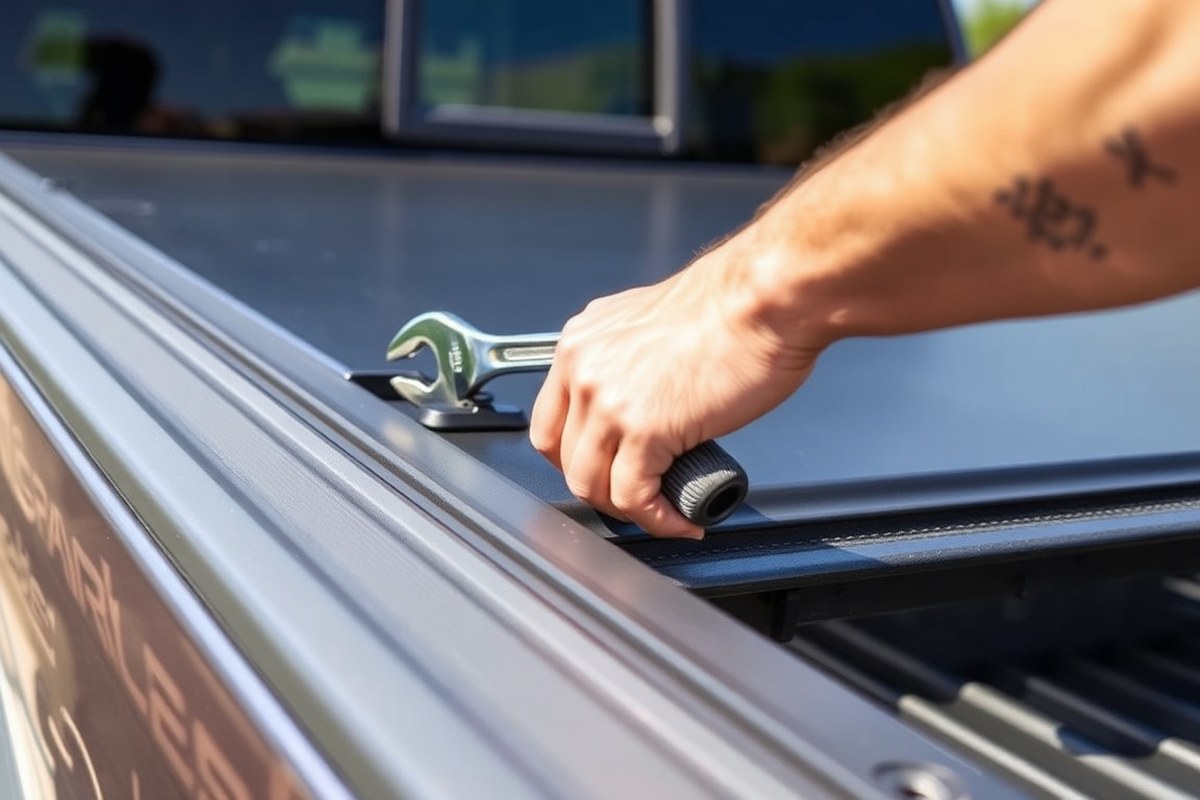
To keep your Truxedo tonneau cover snug and prevent it from sagging or flapping, learn the proper way to adjust its tension hardware. Open the cover completely, loosen the side tension straps, then use a 7/16” wrench on the front tension control to make it tighter or looser. This adjustment helps preserve the cover’s waterproof seal and cuts down on road noise.
Key Takeaways
- Use a 7/16” wrench or ratchet to adjust the front tension control on your TruXedo cover.
- Always clean and dry your tonneau cover before adjusting tension to ensure proper fit and alignment.
- Loosen side tension straps slightly before making adjustments to the front tension control for easier tuning.
- Adjust tension if you notice water pooling in the cover’s center or excessive wind noise over 55 MPH.
- Regularly check and adjust tension after weather or seasonal changes to keep the cover secure and tight.
- Maintaining correct tension helps extend the cover’s life, preventing sagging and reducing wear.
How to Adjust Tension on Your TruXedo Tonneau Cover Yourself
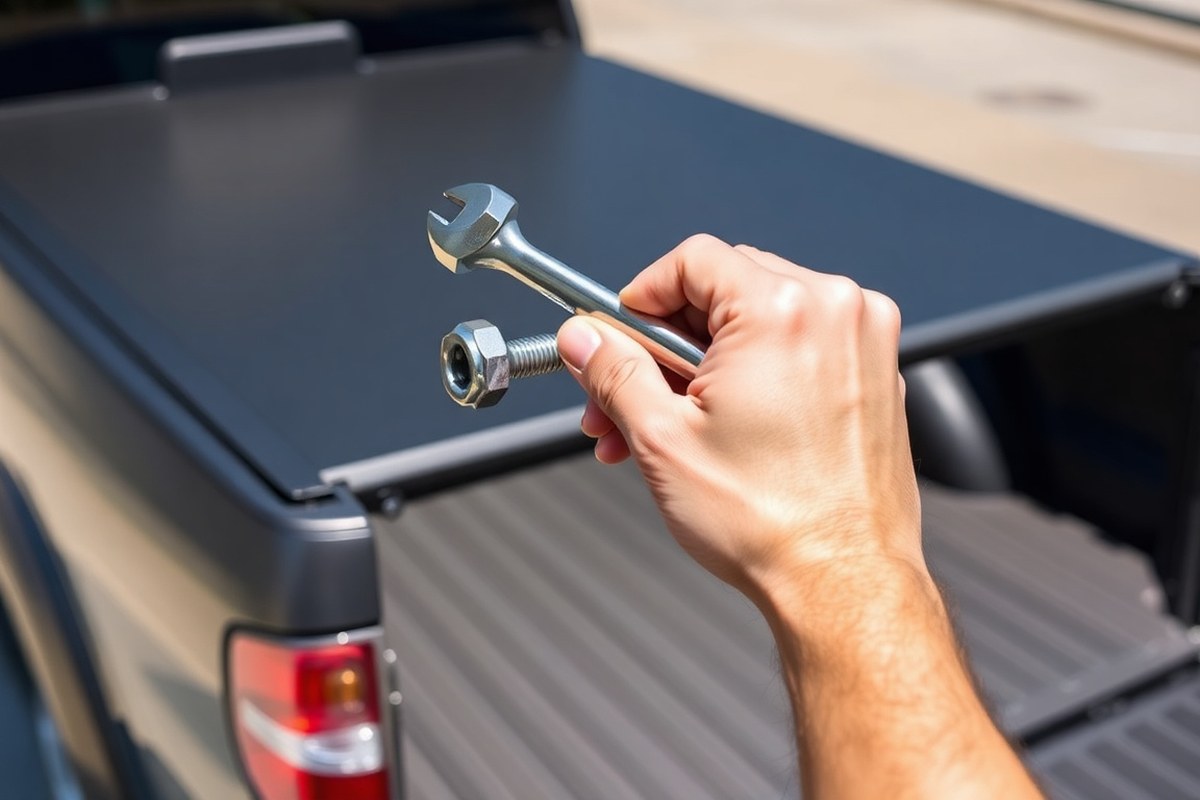
Adjusting the tension on your TruXedo tonneau cover involves tightening or loosening the tension bolts or straps near the front of the truck bed. The cover needs to be fully closed and latched during the adjustment to ensure even tension. Making small, even turns on the adjustment hardware prevents damage and ensures your cover fits snugly to avoid issues like flapping or water pooling.
Prepare Your Cover and Tools
Start by gathering a 7/16 inch wrench or a ratchet with a 7/16 inch socket, as these tools are needed to adjust the tension bolts on most TruXedo covers. Before working on the adjustment, make sure the cover is clean and dry to avoid dirt or moisture interfering with the fit and to protect the cover material. Fully close and latch the cover so it is properly aligned; uneven tension from an unlatched cover can cause damage or ineffective tightening. Performing the adjustment when the cover is clean also helps you spot any damage or wear that might need attention before tightening or loosening tension.
Locate and Identify Tension Controls
The tension adjustment hardware is located near the front of the truck bed, close to the cab, on both sides of the tonneau cover. Look for small bolts, knobs, or straps designed for tension control. Most TruXedo covers feature tension bolts that you can turn with a wrench or ratchet, while some models include tension straps that can be pulled or loosened for precise adjustment. Knowing the location of both sides’ adjustment points is important because you need to adjust them evenly to maintain proper cover alignment and tension across the surface.
Adjust Tension Incrementally
Adjustments should be made slowly and evenly, turning each bolt or strap a little at a time to avoid over-tightening or uneven tension. Typically, turning the bolts clockwise tightens the cover, which is necessary if you experience flapping or water pooling. Turning them counterclockwise loosens the tension, useful if the cover is hard to latch or showing stress marks.
Begin by loosening the tension straps slightly if necessary, then tighten or loosen the tension bolts by one quarter turn on each side. Repeat this process, moving side to side, to keep tension balanced and avoid pulling the cover unevenly.
- Loosen the side tension straps slightly with your hands to reduce slack.
- Use the 7/16 inch wrench or ratchet to turn a tension bolt one quarter turn clockwise to tighten or counterclockwise to loosen.
- Move to the opposite side and perform the same quarter turn adjustment.
- Repeat these small adjustments back and forth evenly until the cover sits taut without flapping.
- Check the tension straps for snugness and pull evenly to fine-tune tension if your model uses straps.
- Stop adjusting after 2 to 3 quarter turns to avoid over-tightening and potential damage.
Test and Balance the Fit
After adjusting, close and latch the cover fully to test how it holds tension. Pay attention to signs like flapping, sagging, or water collecting in the center. The ideal result is a smooth, taut cover surface without excessive tightness that can stress the vinyl or hardware.
Make small, additional turns in either direction if necessary, but avoid overly tight adjustments. Over-tightening can cause white stress marks and make the cover hard to latch. If the cover is too loose, it will flap during driving and may allow water to pool. Maintain a balance by testing the fit multiple times during the adjustment process for the best results.
Signs Your TruXedo Cover Needs Tension Adjustment
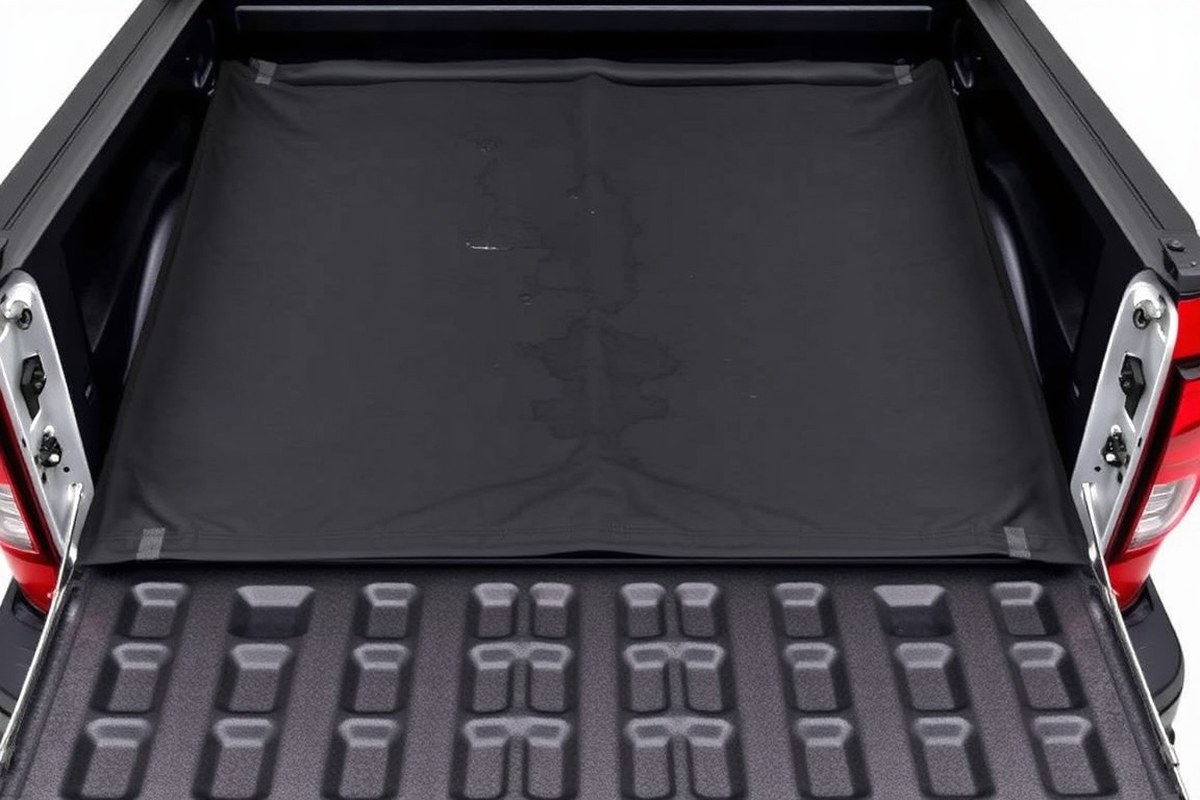
You’ll know your TruXedo tonneau cover needs tension adjustment when it shows signs like water pooling, flapping in the wind, or difficulty latching securely. These issues happen when the cover’s tension loosens or tightens beyond its ideal range, affecting its fit and performance. Recognizing these signs early allows you to keep your cover snug, protect your truck bed, and extend the cover’s life.
Visual Signs: Sagging, Wrinkles, and Water Pooling
A loosely tensioned TruXedo cover often sags or develops wrinkles across its surface. These wrinkles are visible especially near the front and edges. When tension is too low, rainwater or dew can pool in these sagging areas instead of running off, leading to water accumulation. This pooling not only weighs down the cover but increases the chance of leaks or damage to the cover material over time.
Check your cover early in the morning or after rainfall when water pooling is easier to spot. A well-tensioned cover should appear smooth and taut without drops collecting in pockets.
Auditory Signs: Flapping and Increased Wind Noise While Driving
When you hear flapping sounds or more wind noise while driving, the tension is probably too loose. This happens because the cover lifts slightly in the wind due to slack, causing it to flap repeatedly. Over time, this flapping can wear out the cover’s edges or seams and may reduce the security of the cover over the truck bed.
Securely tensioned covers remain quiet and stable, even at highway speeds. Flapping is most noticeable on windy days or when passing large vehicles.
Functional Signs: Difficulty Latching or Unlatching
A cover that’s too tight can make it hard to latch or unhook properly. Excessive tension pulls the cover material tightly against the rails, sometimes causing extra resistance when rolling or folding. This can strain latches and hinges and even cause premature wear or breakage.
You may need to ease the tension slightly if extra force is required to secure or open the cover. Conversely, a loose cover might fail to engage latches securely, risking the cover coming undone while driving.
Why Tension Problems Occur over Time
TruXedo tonneau covers need regular tension adjustments because materials expand, contract, and shift over time. Temperature changes, especially the transition between hot summers and cold winters, cause the cover fabric and frame to expand and contract. Humidity and rainfall can also affect the fabric tension. Without adjustment, these natural shifts loosen the cover’s fit or create overly tight spots.
Wear and regular use gradually affect the elasticity of straps, buckles, and clamps, leading to tension loss. Dirt buildup and debris in the clamps or rails can also impair tension maintenance.
Signs Checklist for Tension Adjustment
Spotting tension problems before they worsen helps you keep your TruXedo cover in top shape. Look out for these indicators:
- Visible sagging or wrinkles on the cover surface
- Pooling of water or moisture accumulation after rain
- Flapping noises or cover movement while driving
- Difficulty latching, unlatching, rolling, or folding the cover
- Increased wind noise coming from under the cover
- Loose edges that do not seal tightly against the truck bed
- Uneven tension causing certain areas to feel tighter or looser
It’s good practice to inspect your cover every few weeks, especially after big weather changes, to identify these signs early.
Adjusting cover tension promptly prevents damage and ensures your TruXedo tonneau cover remains durable and secure. Avoid driving with a loose or overly tight cover to protect your investment.
Tools and Safety Tips for Adjusting Tonneau Cover Tension
Adjusting the tension on your TruXedo tonneau cover requires just a few basic tools and some careful safety measures to avoid damage or injury. The main tool you’ll need is either a wrench or a socket set. These tools allow you to turn the tension adjustment bolts that control how tightly the cover fits over your truck bed. Having these at hand saves time and ensures a proper fit during the adjustment.
Before starting, make sure the cover is clean and dry. Moisture or dirt can cause the cover to slip during adjustment or potentially damage the material. Also, adjust the cover’s tension in mild weather conditions. Extreme cold can make the cover material stiff, increasing the risk of cracking, while excessive heat may cause it to stretch more than usual.
You can safely adjust the tension on your cover by yourself, but it’s important to proceed slowly and check your work frequently. Over-tightening creates too much stress on both the cover fabric and the tension mechanisms, which can lead to tears, permanent deformation, or difficulty operating the cover. Ensuring the truck is parked on a stable, level surface also helps you avoid slipping or misalignment issues while working.
- Gather a wrench or socket set suited to your cover’s adjustment bolts
- Clean and dry the tonneau cover completely before starting
- Park the truck on a flat, stable surface to prevent movement
- Work in moderate temperatures to maintain material flexibility
- Adjust tension gradually, tightening little by little on each side
- Avoid wrenching bolts too tight; aim for a snug fit without material stress
- Check the fit as you adjust to ensure even tension and smooth operation
Following these steps minimizes the risk of damaging the cover or causing injury. Checking the manufacturer’s specific tension recommendations for your TruXedo model helps you avoid accidental overtightening. A well-adjusted cover protects your truck bed while potentially improving fuel efficiency by reducing wind drag. Taking your time and handling the tension bolts carefully leads to better performance and longer cover life.
How Weather and Seasonal Changes Affect Tension and How to Adapt
Temperature and weather have a direct impact on the tension of your TruXedo tonneau cover. Vinyl material naturally stretches when exposed to heat and contracts in cold weather. Over a summer, the vinyl may loosen due to heat cycles and UV exposure, which can cause a less secure fit and allow water or debris to enter the bed. Moisture, like heavy rain or humidity, can also affect the vinyl’s flexibility and tension temporarily.
Adjusting the tension seasonally helps maintain a proper fit. Most TruXedo owners find it necessary to check and adjust tension once or twice a year, typically in early spring and late summer. After the hot summer months, vinyl often slackens and needs tightening to create a tight, secure seal. You should avoid adjusting the cover when the temperature is extremely high or low, as the vinyl behaves differently under extreme conditions and can give inaccurate tension feedback.
To adapt your cover’s tension for hot weather, tighten the tension straps slightly to compensate for vinyl stretching. Start by adjusting the straps a few clicks or small increments, then test the cover to ensure it fits snugly without wrinkles or sagging. In cold weather, the vinyl contracts, so you may want to loosen the tension slightly to prevent overstressing the material. Again, small adjustments work best; tighten or loosen a little at a time, then check the fit.
Testing the cover after adjustments includes closing the cover and pressing down lightly to check for gaps or loose areas. The cover should sit flat across the bed rails without excessive slack. If the cover feels overly tight during cold weather, this might cause damage to the vinyl or hardware due to stiffness, so reducing tension is important. Spring-loaded tension systems inside the cover help maintain consistent tension as the weather shifts but still require manual seasonal checking.
Maintaining proper tension through seasonal changes does not require professional help or costly tools, basic tension straps are typically adjusted by hand or with common hand tools included with the cover. Paying attention to seasonal cycles and making small, regular adjustments contributes to the longevity and waterproof performance of your TruXedo tonneau cover. Keeping the vinyl tight and secure helps prevent water seepage and extends the cover’s lifespan, reducing the need for replacement within the recommended 3 to 5 years.
Comparing Tension Adjustment Systems: Roll-Up vs Folding Covers
Adjusting tension on TruXedo tonneau covers varies notably between roll-up and folding styles because of their structural designs and tension systems. Roll-up covers use adjustable tension rods or straps integrated into the cover edges, while folding covers rely on set hinge points and less frequent tension adjustments. Tools and access points differ, making some methods easier and faster depending on your cover type and truck model.
Roll-Up Cover Tension Features
Roll-up covers have a built-in tension system designed to keep the vinyl material taut and weather-resistant. Tension rods usually run along the side rails or inside the cover edges. These rods can be tightened or loosened by turning knobs or screws located near the tailgate or along the rails. This direct adjustment prevents sagging and pooling of water, which protects the truck bed and preserves the cover’s shape.
The tension mechanism is often easy to reach without removing the cover. Users find that small, precise tweaks every few months maintain optimal performance, especially after temperature swings or heavy rain. Since tension rods react to seasonal changes, adjustments might be needed more frequently in climates with extremes in heat or cold.
Folding Cover Tension Features
Folding TruXedo covers rely on hinges and seal strips to maintain proper tension across panels. Rather than adjustable rods, the tension is set by the fit and condition of the hinges and the grab rails that secure each fold. Some folding covers may have straps or clamping points allowing minor tension tweaks, but these are not as prominent or adjustable as in roll-up covers.
Because the tension system on folding covers is more rigid, tension adjustments happen less often and are typically simpler. However, wear or damage to the hinge areas can affect tension quality, so inspections should focus there instead of adjustable tension hardware. Adjusting slack in folding covers usually involves repositioning or tightening clamps rather than turning tension screws.
User Adjustment Differences
Adjustment tools and locations vary between cover types. Roll-up covers typically require a flathead screwdriver or just your hands to turn knobs and tighten rods. These controls are often located near the tailgate or inside the rails, making access straightforward without removing the cover.
Folding covers may need a socket wrench or Allen wrench for clamps, but less often than roll-up covers need tension tweaks. The adjustment points on folding covers tend to be near hinges or side rails and might require lifting part of the cover for access. Because of fewer adjustable components, folding covers are generally easier to maintain tension over time. Here is a comparison table summarizing these differences to help you identify what applies to your TruXedo cover model and truck.
| Feature | Roll-Up Cover | Folding Cover |
|---|---|---|
| Tension Mechanism | Adjustable tension rods or straps | Hinges and clamps, fewer adjustable parts |
| Adjustment Location | Tailgate edge, inside rails | Near hinges, side rails |
| Tools Needed | Flathead screwdriver, or hand-turn knobs | Socket wrench, Allen wrench for clamps |
| Frequency of Adjustment | More frequent due to vinyl stretch and weather | Less frequent, mainly after damage or wear |
| Maintenance Ease | Moderate; requires access to tension rods | Generally easier; fewer adjustments needed |
| Effect on Warranty | Designed for user adjustment without voiding warranty | Minor adjustments allowed, no warranty impact |
Do not overtighten roll-up cover tension rods; excessive tension can damage the vinyl or interfere with smooth rolling.
Choosing between roll-up and folding covers for ease of tension maintenance depends on your climate and usage. Roll-up covers allow finer tension control but require more frequent tweaks. Folding covers hold tension well with less intervention but limit adjustment options if tension slips outside the ideal range. Either system supports user tension adjustment without voiding your TruXedo cover’s warranty, encouraging regular maintenance for longer cover life.
Troubleshooting Common Tension Problems and How to Fix Them
Adjusting the tension on your TruXedo tonneau cover solves most common issues like flapping, wrinkles, or water pooling. Using the right tools, such as a tension adjustment wrench or provided knob, and following specific steps helps restore proper tightness. The cover continues to flap loudly above 55 MPH or water gathers in the middle after adjustments, meaning the tension is still too low. Uneven tension causing wrinkles or sagging signals either uneven tightening or a deeper problem that may require professional assessment.
| Symptom | Adjustment Direction | Tools Needed | Suggested Action |
|---|---|---|---|
| Loud flapping over 55 MPH | Increase tension by tightening the adjustment knob clockwise | Tension wrench or adjustment knob (usually included) | Tighten gradually in 1/4 turn increments and test driving in between |
| Water pooling in the center of cover | Increase tension to tighten cover flat | Tension adjustment tool or wrench | Adjust slowly, ensure even tension on both sides; avoid over-tightening |
| Wrinkles or uneven tension on one side | Adjust tension independently on each side to balance | Individual side tension wrench or knob | Loosen more tense side slightly, tighten looser side incrementally |
| Persistent sagging after adjustment | Try increasing tension but within manufacturer’s limits | Tension adjustment tools | When sagging doesn’t get better, arrange for a professional inspection. |
| Cover still flaps after multiple adjustments | Double-check all fasteners and seals, then try tension adjustments again | Basic hand tools, tension knob | Stop if no improvement, contact pro for detailed evaluation |
Start each tension adjustment by loosening the adjustment knob or wrench to release any excessive tightness. Then, tighten by quarter turns while testing the cover’s tautness and functionality after each turn. Check driving noise above 55 MPH and watch for water pooling in rain. Even tension across the entire cover is important to prevent wrinkles. Balancing side-to-side tension can fix uneven load distribution, reducing sag and creases. Over-tightening can damage the cover or your truck’s rails, so be careful.
When repeated adjustments don’t eliminate flapping, sagging, or wrinkles, it might indicate damage or wear beyond simple tension fixes. Such cases call for professional inspection and repairs. A professional will check for bent rails, torn material, or faulty seals that impact tension retention. Letting a technician handle serious issues preserves your cover’s longevity and prevents costly replacements.
Best Practices for Maintaining Proper Cover Tension Long-Term
Regular cleaning and tension checks are essential for keeping your TruXedo tonneau cover tight, functional, and durable over time. Clean the vinyl with mild soap and water every 1 to 3 months to remove dirt and debris that can cause wear and fading. Apply a vinyl conditioner specifically designed for tonneau covers after cleaning to slow UV damage and keep the fabric flexible. Maintaining the vinyl prevents cracks and keeps the cover looking good for years.
Check the cover’s tension at least every three months, or more often if you notice sagging or flapping when driving. Many TruXedo users adjust tension as needed on the fly to maintain a snug fit. Proper tension prevents water pooling, reduces wind noise, and improves security by keeping the cover tight against the truck bed rails.
- Clean the cover surface with a soft cloth and mild detergent, rinsing thoroughly.
- Apply a UV-protective vinyl conditioner every two to three months.
- Inspect the tension straps or adjustment knobs for wear or slack monthly.
- Adjust tension after cleaning or following major weather changes.
- Store the cover rolled up or flat when not in use to avoid unnecessary stretch.
- Avoid harsh chemicals or abrasive tools during maintenance.
- Use a rubber protectant on seals and rails to maintain flexibility and seal quality.
Consistency prolongs your cover’s life and keeps tension stable through changing temperatures and road conditions. Avoid ignoring small sagging spots, they often indicate tension loss that worsens quickly. Performing simple habits such as wiping the cover clean after muddy trips and re-tightening tension straps monthly takes only minutes but prevents stretching and premature failure. These steps also reduce UV damage and protect the cover material, which may cost around $20 to $30 for a quality conditioner. Investing time in these basic upkeep tasks will save on costly replacements and keep your TruXedo tonneau cover working smoothly for years.
When to Replace Instead of Adjusting Your TruXedo Cover
Tension adjustments can improve your TruXedo tonneau cover’s fit for a while, but signs of wear or damage often signal that it’s time to replace the cover instead. Regularly inspect your cover for tears, holes, or loose stitching. Small repairs may hold, but once these flaws start to affect the integrity of the fabric or its attachment points, tension changes won’t restore the cover’s proper function or appearance.
Check the material and seams carefully. Vinyl cracking, peeling, or seams coming apart are problems that adjustment won’t resolve. Continued tension adjustments on a weakened cover can lead to bigger damages and wasted effort. Also, if hardware like clamps, rails, or tension rods are bent, broken, or severely corroded, replacing those parts or the entire cover may be safer and more cost-effective than constant tweaks.
Many TruXedo covers last between 5 and 10 years depending on exposure and care. Outdoor weather, sunlight, and temperature swings cause material to age and stiffen. Your cover nearing this lifespan and showing brittleness or frequent tension problems means replacement is likely a better choice. Continual adjustments can only stretch a cover so far before it loses its ability to hold tension properly and protect your truck bed.
The cost of a replacement TruXedo cover generally ranges from about $350 to $700 depending on the size and model, with some higher-end versions over $1,000. While this is a larger upfront cost compared to adjusting tension yourself or repairing minor tears, newer covers restore full functionality and often come with updated protective features or warranties. This reduces ongoing maintenance hassles and the risk of damage to your truck bed from a failing cover.
Replacing the cover will also ensure a clean fit and optimal tension that adjustments can no longer provide. After installation, the cover should hold firm, lay flat, and easily secure without sagging or flapping. Failed covers tend to sag tightly deformed or do not seal well, allowing water, debris, or dust inside. You can loosely test the cover’s tension by pressing down on it. A loose, inconsistent cover that resists strong tension adjustments or shows visible damage should be replaced.
Inspect your cover at least twice a year and after harsh weather to spot damage early before it worsens and leads to replacement.
Some minor issues like a small stitch opening or light surface dirt can be repaired or cleaned without replacing the cover. Consider the severity and frequency of needed adjustments. Repeatedly tightening tension or repairing tears indicates your cover may have worn beyond what adjustment can fix.
Step-by-Step Action Plan for Adjusting TruXedo Tonneau Cover Tension
Follow these steps to adjust your TruXedo cover tension properly and keep it secure and tight.
- Before you start: Gather necessary tools such as a screwdriver or wrench stated in your cover’s manual, and wear gloves for protection.
- Day 1: Close the tonneau cover completely and check for any loose or sagging areas by pressing lightly along the edges.
- Day 1: Locate the tension adjustment points, usually near the rear clamps or rail, and turn the adjustment screws or knobs in small increments (quarter turns).
- Day 1: After each adjustment, close the cover and test its tightness by feeling for slack; repeat until the cover feels snug but not overly tight.
- After 3 days of use: Inspect the cover for any wind noise or water pooling, signs the tension still needs tweaking, and readjust if necessary.
- After 1 week: Clean the cover and apply a manufacturer-recommended protectant to maintain flexibility and prevent cracking that affects tension.
- Every 3 months: Recheck and adjust the tension as needed, especially after seasonal weather changes that can affect material expansion or contraction.
Frequently Asked Questions
How to Adjust Tension on TruXedo Tonneau Cover?
Use a 7/16” wrench to slightly loosen side straps then tighten to remove slack. Make sure the cover is clean and latched for best results.
What Tools Do You Need to Adjust TruXedo Tonneau Cover Tension?
You need a 7/16” wrench or ratchet to adjust the tension bolts properly.
Can Temperature Changes Affect Tonneau Cover Tension?
Yes, warmer weather can loosen the cover, so adjust tension seasonally to keep it tight.
Why Does My TruXedo Cover Flap at High Speeds?
Flapping means the tension’s too loose; tightening the straps stops movement.
How Often Should I Check My Tonneau Cover’s Tension?
Check tension every few months and after extreme weather for optimal fit and protection.
What Happens If I Overtighten the TruXedo Cover?
Over-tightening can stress the material, causing damage; adjust until snug but not stretched.
Before You Go
Keeping the tension properly adjusted on your TruXedo tonneau cover ensures it stays tight, protects your truck bed, and lasts longer. Start by making small tension tweaks, and monitor how the cover performs with daily use. Regular checks and adjustments will help you avoid damage and keep your cover secure through all seasons. Your next step is to test the cover tension after your initial adjustment and make minor tweaks as needed for a perfect fit.