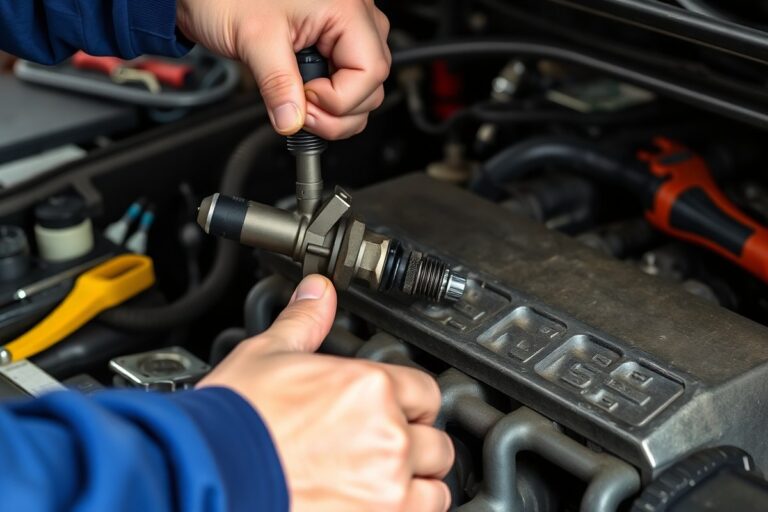
Are Spark Plugs Covered Under Warranty? What You Need to Know
Are spark plugs covered under warranty depends on the type of warranty and the spark plugs installed in your vehicle. Most manufacturer warranties cover spark plugs only if they fail within the warranty period, which often aligns with their expected lifespan of 12 to 24 months or up to certain mileage limits around 30,000 to 60,000 miles. To know your coverage, check your vehicle’s warranty details focusing on powertrain and electrical systems.
Key Takeaways
- Standard spark plugs typically last 30,000 to 50,000 miles, often matching basic warranty coverage periods.
- Iridium spark plugs have a longer lifespan of 100,000 to 120,000 miles but may outlast standard warranties.
- Powertrain warranties usually cover 5 years or 60,000 miles, but may not specifically cover spark plugs separately.
- Electrical system warranties may only cover spark plugs for 2 to 3 years, depending on the manufacturer.
- Extended and aftermarket warranties can cover spark plugs for longer periods, sometimes up to 10 years and 100,000 miles.
- Review mileage and time limits on your warranty to determine if spark plug replacement costs are covered.
Are Spark Plugs Usually Covered Under Warranty?

Vehicle warranties usually do not cover spark plugs because they fall under routine maintenance items that degrade over time. Depending on the type and brand, spark plugs often last from 30,000 up to 100,000 miles. Since replacing spark plugs is a normal part of keeping a car running well, warranties exclude them to prevent taking responsibility for usual wear and tear.
Standard warranties mainly cover defects in materials or workmanship. Premature failure of spark plugs caused by a manufacturing defect might qualify for coverage under the warranty. This defect-related coverage means the manufacturer would replace spark plugs that fail well before their typical lifespan because of a fault in production or materials. However, normal spark plug wear or damage caused by external factors will not qualify for coverage.
The type of warranty plays a major role in sparking coverage possibilities. Powertrain warranties generally exclude spark plugs, even though the engine is covered. This exclusion happens because spark plugs are seen as consumable parts requiring regular replacement. In contrast, bumper-to-bumper warranties may sometimes include spark plugs, but even then, most exclude parts like brakes and tires due to their wear-prone nature.
To determine whether spark plugs are covered, carefully review the specific terms of your vehicle’s warranty document. Manufacturers set different policies and mileage or time limits, often ranging from 12 to 24 months or a specified number of miles, which may align closely with the expected life of spark plugs. Any replacement or repair claim should clearly show that a defect caused the failure within the warranty period.
It’s also important to understand that warranties commonly do not cover labor charges for spark plug replacement, even if the plugs themselves are covered due to a defect. This means you may need to pay for installation unless the warranty explicitly states otherwise. Performing routine maintenance yourself or using an independent shop will not void the warranty, based on Federal Trade Commission rules, as long as proper procedures are followed.
Regular maintenance items like spark plugs fall outside most extended or aftermarket warranty plans, although exceptions exist depending on the provider’s coverage terms. Staying proactive by inspecting and replacing spark plugs according to the manufacturer’s schedule helps avoid premature failures that might complicate warranty claims or lead to costly repairs.
Common Types of Spark Plugs and Lifespans

There are several types of spark plugs, each with different materials and lifespans that affect how often you need to replace them and their warranty expectations. The most common types include copper, platinum, and iridium spark plugs. Copper plugs are typically the least expensive but have the shortest lifespan, usually between 30,000 and 50,000 miles. Platinum spark plugs last longer, around 60,000 to 100,000 miles, while iridium spark plugs tend to have the longest lifespan, often exceeding 100,000 miles depending on engine conditions and maintenance.
The variations in spark plug types matter because warranties often exclude routine maintenance parts. Standard warranties usually do not cover spark plugs due to their wear-and-tear nature, even though some extended or specialized warranties might include limited coverage. The type of spark plug installed can influence your replacement schedule and thus when you might expect warranty coverage to end. For example, if your vehicle uses iridium plugs designed to last over 100,000 miles but your basic warranty only lasts 36,000 miles, you’ll likely need to replace spark plugs outside of warranty service.
It helps to understand how warranties treat each plug type. Typically, copper plugs require more frequent service, which makes coverage under warranties less common since they are seen as consumables. Higher-end plugs like platinum and iridium may be covered for a longer duration under warranties that factor in their extended lifespan but still generally fall under maintenance exclusions. Your warranty documents will clarify whether the spark plugs used in your vehicle’s engine fall within any coverage or must be replaced at your expense.
Comparing the types offers a practical approach to managing expectations and planning maintenance. If you want fewer spark plug replacements and lower out-of-pocket costs, opting for iridium plugs makes sense because of their durability, albeit at a higher upfront price, often between $15 and $30 per plug versus $5 to $10 for copper plugs. Knowing the typical mileage each type lasts helps you decide when maintenance or warranty claims might be necessary. For example, if your maintenance schedule suggests plug replacement every 50,000 miles and you are nearing that mileage, you should verify if your warranty still covers that service or if you’re responsible for the cost.
Always check your warranty terms to confirm if spark plugs are excluded as routine maintenance; replacing them prematurely can void claims if they don’t truly fail.
Understanding this distinction is important because spark plugs are critical to your engine’s performance, and neglecting their replacement can lead to engine misfires or damage that might be harder to cover under warranty. Being proactive with maintenance aligned to your specific spark plug type helps you avoid costly repairs later and keeps your vehicle running efficiently.
How Manufacturer and Powertrain Warranties Address Spark Plugs
Manufacturer warranties usually cover spark plugs only under certain conditions. Coverage typically applies if spark plugs malfunction because of faulty materials or workmanship during the warranty timeframe. This timeframe commonly spans 3 to 5 years or 36,000 to 60,000 miles, varying by manufacturer and vehicle type. The warranty focuses on early failures rather than normal wear, since spark plugs face extreme heat and electrical load and are expected to be changed routinely.
Powertrain warranties usually focus on protecting essential engine components, transmissions, and driveline parts. While some luxury brands extend their powertrain coverage to include spark plugs, especially those designed for longer service lives like iridium plugs, most standard powertrain warranties exclude wear items such as spark plugs, filters, and brake pads. Typical powertrain warranty durations range from 5 to 10 years, with mileage limits between 60,000 and 100,000 miles, but this extended time and distance do not guarantee spark plug coverage unless specified.
Common exclusions in both manufacturer and powertrain warranties are important to understand. Most warranties exclude routine maintenance parts and wear components, including spark plugs that have reached the expected end of their service life. Damage or failure from improper use, contamination, or maintenance negligence is also outside warranty coverage. Extended warranties or service contracts might offer additional protection that includes spark plugs, but it’s essential to review the contract details closely, as these plans can vary widely in what they cover. Below is a summary comparing typical coverage aspects of manufacturer and powertrain warranties for spark plugs:
| Warranty Type | Typical Spark Plug Coverage | Common Exclusions | Duration and Mileage |
|---|---|---|---|
| Manufacturer Warranty | Coverage for defects in materials or workmanship; limited to early failures | Wear and tear; maintenance-related failures; damage from misuse | 3, 5 years or 36,000, 60,000 miles |
| Powertrain Warranty | Usually excludes spark plugs; some luxury brands include coverage if defect-related | Normal wear parts, including spark plugs, filters, and brake components | 5, 10 years or 60,000, 100,000 miles |
Understanding these distinctions helps you know when spark plugs might be replaced under warranty and when replacement is expected as routine maintenance. Checking your vehicle’s specific warranty booklet provides exact terms. Your warranty generally allows for free repair or replacement of spark plugs that fail from manufacturer defects within the coverage period. However, normal replacement due to mileage or fouling usually requires payment.
Do Extended and Aftermarket Warranties Cover Spark Plugs?
Extended warranties often include coverage for spark plugs, especially since these components wear out with regular use and are not typically covered under original manufacturer warranties. This coverage is important because spark plugs experience significant stress and heat, which can lead to premature failure. Having them covered means you can replace worn or faulty plugs without bearing the full cost yourself.
The specific inclusion of spark plugs in extended or third-party warranties varies widely between providers and plans. Some extended warranties bundle spark plugs with other wear items like brake pads and filters, while others exclude them completely. It matters to check your warranty paperwork carefully to see if spark plugs are explicitly mentioned. Look for terms like “wear items,” “ignition components,” or “spark plug coverage” to confirm whether they are included.
Typically, warranties that cover spark plugs will have conditions related to proper maintenance and usage. For example, many plans require you to follow the recommended maintenance schedule for replacing spark plugs, using the correct parts, and avoiding engine abuse. Driving styles that cause excessive fouling or wear can void spark plug coverage, as can using low-quality fuel that leads to deposits or corrosion on the plugs. Similarly, improper engine tuning or operating the vehicle under extreme temperatures or loads might exclude you from filing a claim for spark plugs.
Before buying an extended warranty, ask the provider directly about spark plug coverage and request a copy of the terms relating to wear items. Some plans may charge a higher premium for including spark plugs or impose a separate deductible for wear-related repairs. Understanding this upfront can help you decide if the additional cost offers value based on how often you expect to replace your spark plugs.
To verify coverage once you have an extended warranty, review the warranty booklet or contract carefully. If the language is unclear, contact customer service and ask specifically about spark plugs. For example, say, “Does my extended warranty cover spark plug replacement if the plugs fail due to normal wear within the coverage period?” Keep in mind that warranties typically exclude routine replacements that happen as part of normal maintenance, so coverage may only apply if plugs fail prematurely under covered conditions.
Having spark plugs covered under a third-party or extended warranty can save money on repairs, but plan details vary widely, so do not assume coverage without verification. Paying close attention to your warranty’s terms, maintenance requirements, and exclusions can help ensure you understand your rights and responsibilities regarding spark plug service. This approach helps you avoid unexpected expenses and maintain your vehicle’s performance.
How to Determine If Your Spark Plugs Are Covered
To determine if your spark plugs are covered under warranty, start by reviewing your vehicle’s warranty documents to understand the terms and coverage details. Then, contact your dealership or the manufacturer’s customer service for confirmation. Be prepared with your vehicle’s identification and service history to ensure an accurate assessment.
Locate Your Warranty Documents
The first step to check if your spark plugs are covered is to find your vehicle’s warranty documents. These documents come with your new car purchase and should be kept in your glove compartment, original paperwork folder, or online vehicle account. They contain specific information about which parts are covered, how long the coverage lasts, and any limitations or exclusions. You cannot find the physical copy, but many manufacturers offer digital access through their websites or apps where you can view or download the warranty manual.
Locating these documents is critical because spark plug coverage can vary widely by vehicle age, mileage, and manufacturer policies. Some warranties exclude parts subject to normal wear and tear, such as spark plugs, so you need to know what your specific warranty states. Without the documents, you can’t check durations or the exact scope of coverage, which risks unexpected costs when repairs become necessary.
Identify Spark Plug Coverage Clauses
Once you have your warranty paperwork, look for sections that mention ignition components or the powertrain warranty. Most vehicle warranties explicitly list covered parts and any common exclusions. Spark plugs are often excluded as they wear out under normal use. However, if the spark plug fails prematurely due to a defect, some manufacturers may cover replacement.
Focus on language that describes “wear and tear exclusions” or “normal maintenance items.” This helps you understand whether spark plugs fall under those categories. Also, check for any add-on or extended warranties you might have purchased, as these sometimes include spark plug coverage. Knowing these details upfront can prevent surprises when you need a replacement.
Carefully read the exclusions section to verify if spark plugs are classified as normal wear parts excluded from coverage.
Contact Dealership or Manufacturer
Calling your dealership or the vehicle manufacturer’s customer service line provides the most direct confirmation of your spark plug warranty status. Have your vehicle’s identification number (VIN), current mileage, and purchase information ready when you call. These details allow representatives to access your exact warranty profile and clarify if spark plug replacement is covered.
Staff at the dealership’s service department or the manufacturer’s warranty department can explain any ambiguous terms or policy exceptions. They can also tell you if additional warranty plans that include spark plugs are available for purchase. This step is essential because coverage can differ even between models from the same manufacturer and may change over time.
Document Your Vehicle Mileage and Service History
Keeping an accurate record of your vehicle’s mileage and all service work performed on your spark plugs is essential for warranty claims. Most warranties set limits based on mileage or time, like 3 years or 36,000 miles, whichever comes first. Proof of regular maintenance protects you against warranty denial due to neglect or improper use. Service records with dates and mileage readings also help show that any spark plug failure was not caused by misuse.
You suspect a defective spark plug, and having purchase receipts and service history at hand will speed up the claim process. Without documentation, warranty providers may refuse coverage due to lack of evidence or improper installation by third parties. Maintain these records digitally or in a folder for easy access during warranty checks and claims.
Factors That Affect Spark Plug Warranty Eligibility
Your spark plugs’ eligibility for warranty coverage depends on several important factors, including the age and mileage of the vehicle, maintenance practices, installation quality, and specific vehicle policies. Typically, warranties set limits based on mileage or time, such as 36,000 miles or 3 years. If your spark plugs exceed these limits, they usually won’t qualify for warranty claims. This cutoff reflects that spark plugs are considered routine maintenance parts subject to wear and tear. Tracking your mileage and knowing the age of your plugs helps you understand whether they fall within the warranty period.
Maintaining spark plugs according to your vehicle manufacturer’s recommended schedule is important for warranty coverage. Missing scheduled replacements or failing to follow service intervals often voids claims. Manufacturers require evidence of proper maintenance, including service records showing the plugs were inspected and replaced on time. Poor upkeep like neglecting inspections, extended use beyond recommended intervals, or improper cleaning can cause damage that is clearly the owner’s responsibility, not a defect eligible for warranty.
Improper installation also impacts warranty eligibility. Spark plugs damaged because of wrong torque, incorrect gap settings, or using unsuitable plugs for your vehicle do not qualify for warranty coverage. Signs of cross-threading, broken insulators, or overtightening suggest installation problems. To avoid this, have spark plugs installed by a licensed mechanic or follow the exact procedures in the owner’s manual, including torque specifications and gap measurements. Documenting professional installation or keeping detailed receipts may strengthen your warranty claim if needed.
Vehicle-specific policies can differ in how they handle spark plug warranty coverage. Some manufacturers exclude spark plugs entirely from powertrain or basic warranties since they are maintenance parts. Others may cover spark plugs if there is proof of a defect in materials or workmanship, usually within early mileage limits. Always refer to your vehicle’s warranty booklet for specifics on what is and isn’t covered, what documentation is required, and how long coverage lasts. Using spark plugs specified by the vehicle manufacturer avoids compatibility issues that can void warranties.
Driving habits can influence your spark plugs’ lifespan and warranty claims, too. Aggressive driving or engine modifications may cause premature spark plug failure, which warranties typically exclude. Damage caused by fouling, overheating, or external factors like accidents also falls outside coverage. Staying within recommended maintenance schedules, using factory-approved parts, and professional installation all help protect your warranty rights for spark plugs.
Tips for Maintaining Spark Plugs to Avoid Warranty Issues
Maintaining your spark plugs properly helps you keep your vehicle running smoothly and ensures your warranty remains valid. Following the manufacturer’s recommended service intervals, keeping thorough records, using the right spark plugs and tools, and avoiding installation errors can protect your warranty rights and reduce engine problems. Staying on top of these steps is an effective way to prevent warranty denials related to spark plugs.
Follow Manufacturer Service Intervals
Staying on top of spark plug replacement according to your vehicle’s owner manual is essential. Manufacturers typically suggest checking or swapping spark plugs between 30,000 and 100,000 miles. The exact interval depends on the spark plug type and driving habits. Iridium or platinum plugs usually last longer, approaching 100,000 miles, while copper plugs often require replacement around 30,000 miles.
Adhering to these intervals helps maintain engine performance, fuel efficiency, and emissions compliance, all factors your warranty may cover. Going beyond the recommended mileage can cause poor combustion and damage that voids warranty claims related to spark plugs. Set reminders to check your spark plugs or have a professional inspect them at each major service.
Keep Detailed Service and Replacement Records
Documenting every spark plug inspection, replacement, and related engine maintenance is important. This includes recording dates, mileage, the part numbers of installed plugs, and any service provider information. Keeping receipts and notes on the exact procedures performed shows clear evidence you followed proper maintenance steps required by your warranty.
Some vehicle owners save their old spark plugs as proof that replacements were made and to help diagnose issues without warranty disputes. Detailed records also help mechanics verify spark plug compatibility and installation quality, improving your chances of successful warranty repairs. Store these documents in a dedicated file or use a digital app designed to track vehicle service history.
Use Correct Spark Plug Types and Tools
Always install the spark plugs specified by the manufacturer or those that meet the original equipment (OE) specifications. Using lower-quality or incompatible plugs can trigger engine problems and cause your warranty provider to deny coverage. Confirm the correct plug size, heat range, and gap before purchase.
Using proper tools matters as well. Applying a torque wrench to tighten spark plugs to the manufacturer-recommended torque, often between 13 and 22 foot-pounds, prevents overtightening or under-tightening that could damage threads or cause misfires. Avoid using impact tools or makeshift devices that risk improper installation.
Avoid DIY Installation Errors
Installing spark plugs yourself can save money but risks damaging the plugs or engine if done incorrectly. Common mistakes include cross-threading spark plugs, failing to apply anti-seize compound when recommended, or not setting the gap properly. These errors can cause misfires, engine knocking, or stripped cylinder head threads, which often void warranty claims.
When replacing spark plugs on your own, make sure to verify the torque specifications and use a gap gauge to set the electrode spacing accurately. Take pictures or video of your work as added proof of proper installation. When unsure about tools or technique, have a licensed technician handle the job to avoid problems that might lead to warranty denial.
How to File a Warranty Claim for Spark Plug Issues
To file a warranty claim for spark plug issues, start by gathering all related documents, contact the manufacturer or your dealer’s service department, submit the claim with required evidence, and be prepared for possible denials or appeals. This process ensures you handle the claim efficiently and increase the chances of approval under warranty terms.
Gather Purchase and Maintenance Documentation
Keep the original proof of purchase for your spark plugs, such as the sales receipt or invoice, dated and showing where you bought them. This documentation is important because manufacturers require it to confirm your claim falls within the warranty period. Also, collect service records that show regular maintenance was performed according to the manufacturer’s guidelines, including any prior spark plug inspections or replacements.
Properly maintaining your spark plugs helps reduce claim denials. The warranty administrator may reject your claim when neglect or improper care caused the failure. Having detailed records provides clear evidence you followed recommended maintenance, strengthening your case for a warranty replacement.
Contact Manufacturer or Dealer Service Department
Reach out first to the dealer where you purchased your vehicle or the authorized manufacturer service center. Explain the spark plug issue clearly, describing symptoms like misfires or rough idling, which can help them understand the problem. They can verify warranty coverage and guide you through their specific claim process.
The manufacturer’s warranty terms vary, so checking with the dealer or directly with the manufacturer prevents misunderstandings. Dealers have technical departments equipped to evaluate spark plug failures and can confirm if your warranty includes replacements for defects or premature wear.
Submit Warranty Claim and Follow Up
When submitting your claim, provide the dated proof of purchase and any relevant service documentation as requested. You may need to return the faulty spark plugs for inspection, as the manufacturer typically requires an evaluation before approving a replacement. This step helps confirm the failure was due to a defect, not external factors such as maintenance neglect.
After submission, maintain communication with the warranty administrator or dealer service staff to monitor the claim’s progress. Claims can take several days or weeks, depending on evaluation complexity. Prompt follow-up allows you to address any requests for additional information quickly, preventing unnecessary delays.
Handle Possible Denials or Appeals
Review the reasons carefully when your claim is denied. Denials often happen if the spark plug failure results from improper maintenance, like using incorrect types or intervals, which voids warranty coverage. Ask for detailed findings to understand the decision and determine if you can provide additional proof or corrections.
You may have the option to appeal by submitting more evidence or requesting a second evaluation. Clearly document communications and keep all records of maintenance and repairs handy. While appealing, continue using professional service centers to ensure future maintenance meets warranty standards and reduces the chance of further denials.
Always keep your original purchase receipt and maintenance records safe; missing these documents often causes warranty claims to be denied.
Step-by-Step Action Plan for Managing Spark Plug Warranty Coverage
Follow these steps to quickly check your spark plug warranty status and handle any potential claims efficiently.
- Day 1: Find your vehicle’s manufacturer warranty booklet or online warranty information to see if spark plugs are specifically mentioned.
- Day 2: Locate the warranty expiration timeline for powertrain or basic coverage; note if spark plugs fall within covered components during this period.
- Week 1: Inspect your spark plugs for wear or damage, or have a mechanic check them to determine if replacement is necessary under warranty conditions.
- Week 2: Contact your dealership or warranty provider with your vehicle info and spark plug condition to verify coverage eligibility before any repair or replacement work.
- Week 3: If coverage applies, schedule the spark plug repair or replacement through authorized service to ensure warranty remains valid.
- Month 1: Keep detailed records and receipts of any spark plug maintenance or warranty work for future reference or disputes.
- Ongoing: Maintain your spark plugs and follow recommended service intervals to prevent issues that might not be covered under warranty.
Frequently Asked Questions
Are Spark Plugs Covered Under a Bumper-To-Bumper Warranty?
Spark plugs are typically not covered under bumper-to-bumper warranties because they are considered normal wear items. These warranties usually exclude parts like spark plugs, brakes, and tires due to their routine maintenance nature.
Can You Claim Warranty If Spark Plugs Fail Prematurely Due to a Defect?
You can claim warranty if spark plugs fail early because of a manufacturing defect. Regular wear or use-related issues do not qualify, so you’ll need proof that the failure was not from normal use.
Does Powertrain Warranty Cover Spark Plugs?
Powertrain warranties usually do not cover spark plugs, as these are maintenance items. This warranty focuses on major components like the engine and transmission, excluding parts that wear out during normal operation.
Are Labor Charges for Spark Plug Replacement Covered by Warranty?
Labor costs for replacing spark plugs are generally not covered under warranty. Even if the part is replaced under warranty, labor is usually considered a separate expense and not reimbursed.
How Can You Check If Your Spark Plugs Are Covered Under Your Specific Warranty?
Check your vehicle’s warranty booklet or contact the dealer to see if spark plugs are covered. Warranty coverage varies by manufacturer and model, so official documentation is your best source.
Does an Extended Warranty Typically Include Spark Plug Coverage?
Extended warranties rarely include spark plug coverage since these are viewed as routine maintenance. Always read the terms carefully, as coverage details vary widely among providers.
Key Points to Remember
Spark plugs are sometimes covered under manufacturer warranties, especially within the powertrain or specific component period, but coverage depends on your vehicle and warranty details. Extended and aftermarket warranties may offer different rules, so checking your documentation is important. Start by verifying your warranty terms and inspecting your spark plugs to understand your coverage better. Acting promptly with this information helps you avoid unnecessary out-of-pocket spark plug repairs.