Is Cybertruck Tonneau Cover Waterproof? What Actually Works to Keep It Dry
Is Cybertruck tonneau cover waterproof? Yes, the Cybertruck’s stainless steel slat tonneau cover offers solid water resistance but isn’t completely waterproof in every condition. Carefully installed slats and seals minimize water entry, but occasional leaks can occur, especially in heavy rain or with wear. To keep your bed dry, inspect seals regularly and address any fitting issues quickly.
Key Takeaways
- The Cybertruck’s slat cover uses 30X cold-rolled stainless steel slats for durable water resistance.
- Proper installation by Tesla or a professional can take up to 8 hours to ensure tight waterproof seals.
- Soft tonneau covers generally provide less effective waterproofing compared to Tesla’s hard slat design.
- Regularly check for seal wear or gaps after heavy rain to prevent potential leaks.
- Maintaining the tonneau cover and replacing worn hardware improves long-term waterproofing performance.
- Minor water intrusion under the cover is common, but significant leaks should prompt Tesla service consultation.
Is the Cybertruck Tonneau Cover Fully Waterproof?
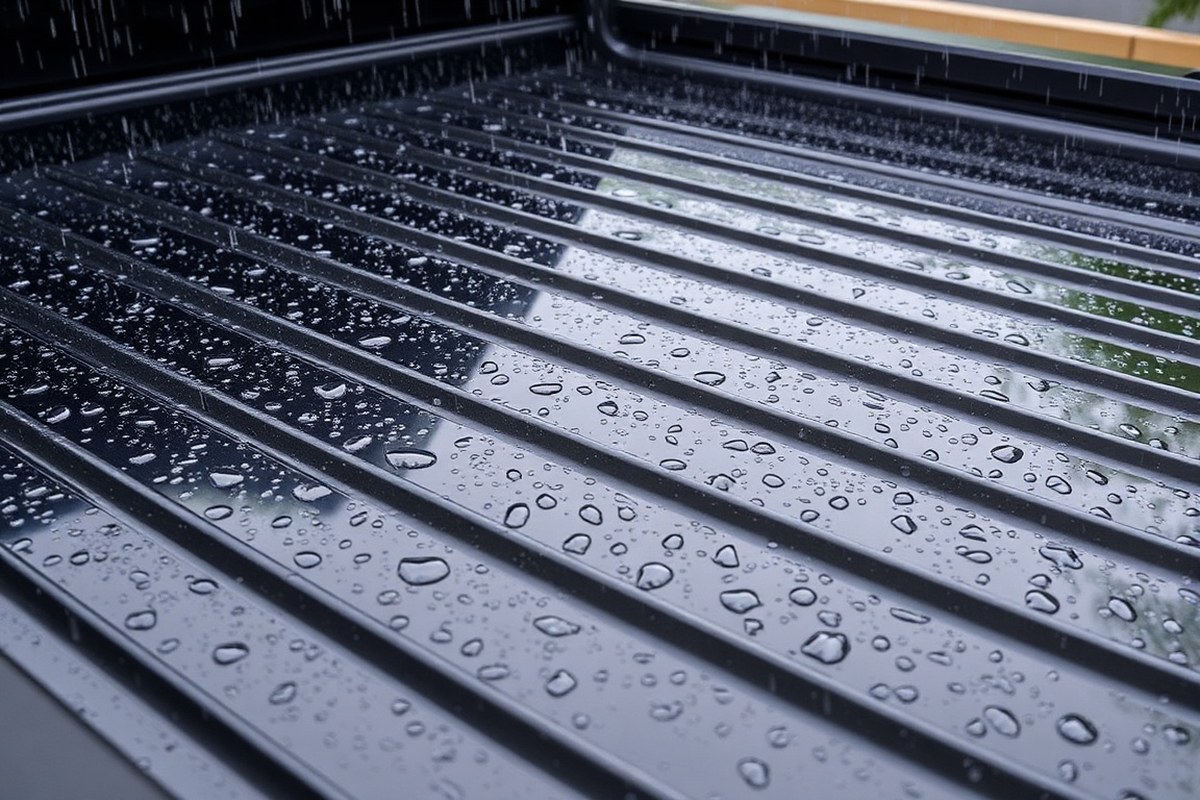
Tesla’s Cybertruck tonneau cover is water-resistant but not fully waterproof. This means it protects your truck bed and cargo from most rain and moisture but does not guarantee complete water exclusion during heavy downpours or car washes. Tesla does not offer a warranty or official guarantee that the cover keeps all water out under every condition.
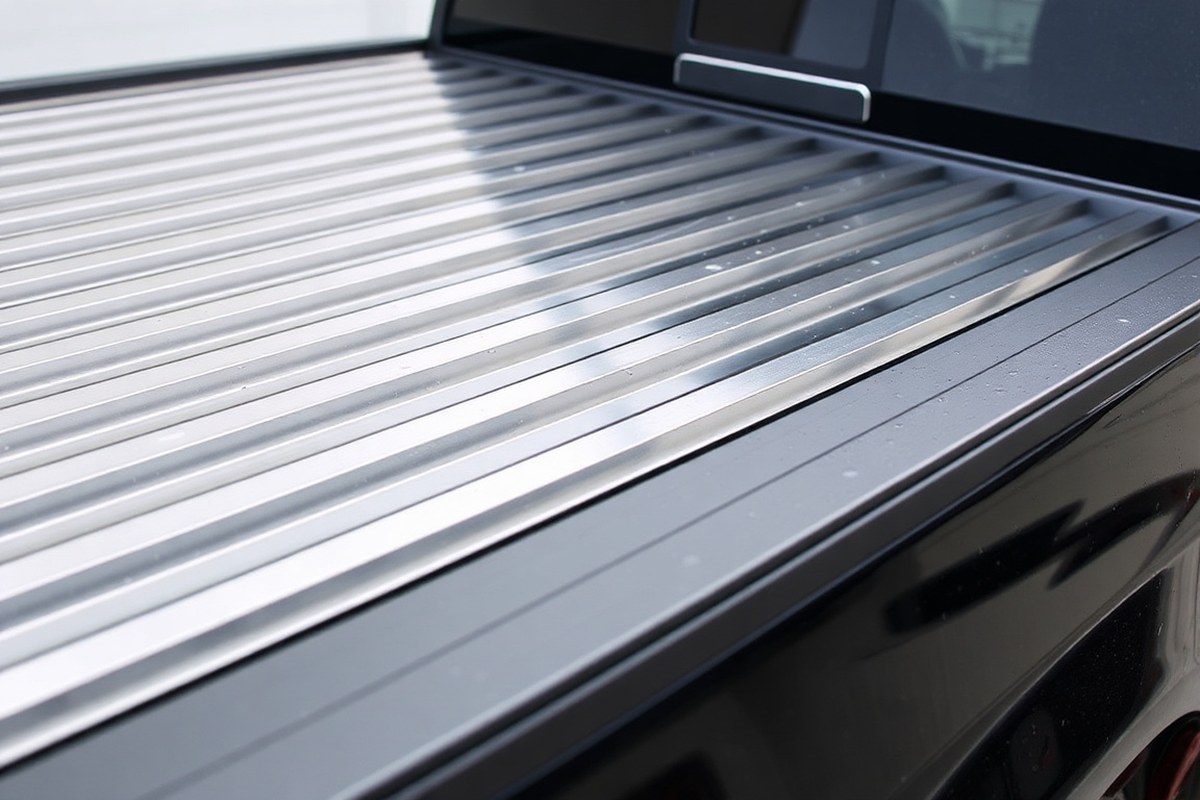
Water resistance in the Cybertruck’s tonneau cover comes from its construction of 29 extruded stainless steel slats, the same high-grade steel as the truck’s exoskeleton. These slats shed water and prevent pooling on the surface, which reduces dripping into the bed when the cover retracts. A video demonstration of the motorized cover shows water sliding off effectively without collecting on top.
However, some water can still enter around the edges or between slats during heavy rain or when spraying the truck with a hose. Tesla has addressed this by adding additional overlapping slats under the main aero cover to improve water shedding and reduce leaks. Despite this, owners report varying levels of water inside the bed, indicating it functions as a water-resistant barrier rather than a seal.
Understanding the difference is important for protecting your cargo. Waterproof would mean a fully sealed enclosure that excludes all water in virtually any weather. Water-resistant means it blocks most moisture but may allow some water intrusion under sustained or intense exposure. The Cybertruck’s cover fits the latter category, suited for normal rain and light water exposure rather than flooding or heavy storms.
For better water protection, Tesla technicians can inspect your Cybertruck to recommend upgrades or repairs to improve water resistance. Some options may involve seals or additional coatings, which typically add cost and maintenance. Choosing a soft tonneau cover, available only on the base trim without motorization, offers less water protection and should be expected to perform similarly or less effectively.
To maximize the effectiveness of the standard cover, keep the drain channels around the bed clear of debris and operate the cover carefully during wet conditions. Frequent exposure to water and UV light can degrade seals and protective coatings over time, potentially increasing leakage. Periodic inspection and maintenance can extend the cover’s ability to keep water out.
Overall, expect the Cybertruck tonneau cover to resist water enough for everyday use and range gains by reducing aerodynamic drag, but do not rely on it to fully waterproof your truck bed. For cargo highly sensitive to water, consider additional protective measures or storage solutions inside the bed. This approach balances the cover’s design intentions with real-world conditions and user experiences.
How Tesla’s Stainless Steel Slat Cover Handles Water
Stainless Steel Material and Its Water Resistance
The Cybertruck tonneau cover uses stainless steel slats designed to resist corrosion and maintain durability over time. Stainless steel is a strong and rust-resistant material that doesn’t fade like paint, offering a tough barrier against environmental damage. Although it won’t rust easily, standing water sitting on the steel surface can still etch or pit the metal if left too long, making proper water shedding critical.
Its resistance to corrosion matters because it preserves the cover’s strength and appearance while preventing the common rust issues faced by painted steel covers. The heavy-duty nature of the stainless steel slats also supports the automatic folding mechanism and lockability built into the design. However, regular inspection and cleaning help avoid damage caused by water pooling or debris accumulation.
Grooves and Gaps That Manage Water Flow
The tonneau cover’s slats are engineered with precise gaps and channels that shed water away from the bed surface. The overlapping stainless steel slats leave small gaps where rainwater can run through or collect temporarily. The design intends to guide this water toward drainage points rather than allowing it to pool excessively.
Proper installation is essential. Improper alignment can create unintended gaps that let water seep underneath, leading to leakage into the bed. Owners have reported that adjusting or reinstalling the slats, often taking a full day at a Tesla workshop, can restore water resistance. Avoid DIY adjustments unless you’re confident in handling the mechanism to prevent worsening the gaps.
Automatic Locking and Folding Features Relevant to Water Protection
The Cybertruck’s tonneau cover locks firmly in place in any position, preventing slat movement during rain or storms that could invite water ingress. This feature not only secures valuables under the cover but also helps maintain tight seals along the bed edges. When the slats fold back to open, they retract into a canister designed to shield them from weather exposure.
The cover’s automatic operation adds convenience but requires proper care to keep water channels clear. Dust, leaves, or ice blocking the drainage areas can cause water to back up and pool on the cover. Frequent checks of these drainage points and occasional clearing improve water shedding performance considerably over time.
Impact of Installation and Alignment on Waterproofing
Despite the strong design and materials, water intrusion often stems from how the tonneau cover is installed or aligned. Gaps appear when the stainless steel slats do not sit flush due to misalignment or damage. This creates weak points where water can flow into the truck bed during heavy rain.
Technicians at Tesla Service Centers recommend inspecting the cover for exposed water management channels and repositioning slats carefully. Most installations do not require drilling, but adding or clearing drain hoses could be necessary in some setups to redirect water effectively. On-site service visits typically take around 8 hours or longer for complete waterproofing adjustments.
Durability Considerations and Maintenance Advice
The stainless steel slats remain durable over time but are vulnerable if water pools persist or debris accumulates. Pooled water can cause etching, gradually degrading the surface despite the corrosion resistance. Regular cleaning to remove dirt, leaves, and other blockages from the joints between slats helps maintain optimal water flow and cover integrity.
Using gentle cleaning solutions avoids damaging the steel finish. Avoid harsh abrasives or chemicals that could accelerate surface damage. Routine inspections, especially after storms, catch issues early like misaligned slats or clogged drainage, preserving both water shedding function and the cover’s lifespan.
Check and clear water management channels regularly to prevent water pooling that can etch the stainless steel slats over time.
Common Water Leakage Problems and Owner Reports
Leaks with the Cybertruck tonneau cover most often appear near the front edge where the cover meets the truck bed’s low nose. This is a common weak point since generic truck covers rarely match perfectly with the Cybertruck’s angular front end. Owners report gaps in coverage at this spot that allow water to seep in during heavy rain or when driving through puddles. Checking for light penetration under the closed cover can help identify these tiny leaks before water becomes a bigger problem.
Another typical leakage area is around the cover’s rolling mechanism canister. Some owners have noted that water collects on the cover surface and pools in the canister, then leaks through once rolling the cover back. This exposes the bed to water despite the cover’s design. Keeping an eye on water buildup here and wiping it off quickly can reduce this issue over time. However, it remains a known inconvenience among users, especially in sustained wet weather.
Owner feedback suggests that leaks also arise due to the tonneau cover not fitting exactly around the Cybertruck’s side mirror pockets. These pockets have a unique shape that many aftermarket tonneau covers do not accommodate well, causing small gaps where water can drip inside. Confirming fitment with the specific make, model, and production year is critical. Some owners with 2024 and 2025 models report similar water ingress problems, indicating Tesla has not fully resolved these concerns across those years.
Many Cybertruck owners have shared experiences on forums like Reddit, describing frustration with persistent water ingress despite proper installation. Though the cover blocks most rain, issues with condensation arise inside the bed, particularly when storing electronics or paper goods. This means moisture-sensitive items need extra protection such as sealed bags or crates to prevent damage. Waterproofing efforts for a tonneau cover have proven difficult, because the truck’s unconventional design challenges sealing and weatherproofing standards commonly found with regular pickups.
Addressing these leaks usually involves careful inspection of the cover fit and weatherstripping at the critical contact points. Making sure the cover is tightly secured and replacing worn seals can improve waterproofing somewhat. Owners also recommend regular cleaning and drying of the cover assembly to prevent water stains and mold buildup, which can further compromise the seals over time. While professional installation usually helps, some leaks persist due to gaps Tesla’s design has yet to fully accommodate.
Soft vs Hard Tonneau Covers: Waterproofing Compared
Hard tonneau covers like Tesla’s stainless steel slat design generally offer better waterproofing compared to soft covers. Soft tonneau covers tend to be water-resistant but not fully waterproof, especially under heavy rain or pressure. Each type comes with unique advantages and drawbacks depending on your priorities for security, ease of use, and weather protection.
Materials and Water Resistance Levels
Hard covers for the Cybertruck typically use materials like aluminum or stainless steel, which provide a rigid, sealed surface that blocks water effectively. Tesla’s stainless steel slat cover fits tightly, preventing water intrusion with no flapping or gaps. Soft covers usually consist of vinyl or heavy-duty fabric layered to repel water. While these materials resist light rain, soft covers may allow water to seep in through seams or wear points during storms.
Water resistance is key because your truck bed must stay dry to protect any cargo or gear. Soft covers often rely on tensioned edges and Velcro seals that can degrade over time, reducing effectiveness. Hard covers maintain consistent water barriers without needing as much regular attention to tightness or sealing.
Installation and Maintenance Differences
Installing a hard cover like Tesla’s slat cover requires correct alignment and fastening, which might take longer and need tools. The RealTruck UnderCover SE hard cover, for example, demands some mechanical work and own tools for proper setup. Soft tonneau covers are usually simpler to install, often using clamps or snaps and requiring less hardware. This makes soft covers popular for those who prefer a quicker, tool-free install.
Maintenance also varies widely. Hard covers need occasional cleaning to prevent dirt buildup but hold up well to UV and water exposure. Soft covers require more frequent inspection to check for tears, loss of waterproofing, or Velcro wear. Over time, soft covers might also need recoating or seam sealing to maintain water resistance.
Security and Weather Durability
Hard covers excel in security because they use tougher materials that resist theft and protect against harsh weather. They generally do not flex or flap, which reduces wear and keeps rain or snow from pooling or entering the bed. Soft covers are less secure, as they can be cut or removed easily and their flexible nature allows wind or water infiltration under extreme conditions.
Weather durability favors hard covers, which withstand UV rays, heavy rain, snow, and temperature shifts better than soft covers. Soft covers are more prone to fading, cracking, or stretching with time and intense sun exposure. Still, soft covers are lighter and easier to fold or roll, providing better access to the bed when fully opened. Below is a table summarizing key differences between Tesla’s hard cover and common soft tonneau covers:
| Feature | Hard Tonneau Cover (Tesla / RealTruck) | Soft Tonneau Cover |
|---|---|---|
| Material | Aluminum or stainless steel slats | Vinyl or heavy-duty fabric |
| Waterproof Level | Fully waterproof with tight seals | Water-resistant; not fully waterproof under heavy rain |
| Installation | Requires tools and precise fitting | Clamps or snaps; tool-free or minimal tools |
| Maintenance | Occasional cleaning; durable to UV and weather | Frequent inspection; may need recoating or seam sealing |
| Security | High; hard to break or cut | Low; easy to cut or remove |
| Ease of Use | Heavier and less flexible; slower to open | Lightweight and easy to roll or fold |
Choosing between hard and soft covers involves balancing water protection against cost, convenience, and security. Hard covers like Tesla’s provide reliable waterproofing and toughness but cost more and are heavier. Soft covers cost less and offer quick access but require more upkeep and don’t fully block water under heavy conditions.
How to Maintain and Improve Waterproofing on the Cover
Maintaining the Cybertruck’s tonneau cover for waterproofing involves regular cleaning, seal inspection, and applying water-resistant treatments. Performing these tasks every few months, especially after harsh weather, keeps the cover water-tight and extends its lifespan. Small upgrades like using silicone-based lubricants on seals help prevent leaks.
Cleaning the Cover and Slats Safely
Cleaning removes dirt and debris that could damage the cover’s surface or affect seal performance. Use mild soap and water with a soft cloth or sponge to avoid scratching Tesla’s stainless steel slats or any soft cover material. Avoid harsh chemicals or abrasive tools that degrade waterproof coatings. Here is a simple step-by-step routine to clean the cover safely:
- Rinse the cover with clean water to loosen dirt.
- Mix mild car wash soap with water in a bucket.
- Use a soft sponge or microfiber cloth to gently wash the cover and slats.
- Pay attention to seams and edges where dirt accumulates.
- Rinse thoroughly with clean water to remove soap residue.
- Dry the surface with a clean, soft towel to prevent water spots.
Never use high-pressure washers directly on seals or slats, as the force can damage seals or push water beneath the cover.
Inspecting and Replacing Seals
Seals help block water from entering where the cover meets the truck bed and slats. Over time, they can crack, shrink, or lose flexibility, allowing leaks. Inspect seals visually every 3 to 6 months, especially after extreme temperatures or heavy rains.
Look for cracks, gaps, or areas where the seal has detached. Replace any worn or brittle seals promptly using Tesla-approved or compatible rubber weatherstrips, which usually cost between $20 and $50 per seal. Properly installed seals improve waterproofing significantly.
Lubricate seals quarterly using a silicone-based spray or rubber conditioner. This keeps rubber supple, prevents drying, and maintains a tight seal. Apply lightly to avoid attracting dirt.
Applying Water-Resistant Treatments
Improving waterproofing can be done by applying treatments to soft cover fabrics or seals. Use waterproof sprays made for automotive fabrics or rubber parts to repel water and reduce absorption. These sprays typically cost $10 to $25 and last a few months depending on use and weather exposure. Follow these steps to apply water-resistant treatment:
- Ensure the cover and seals are clean and dry.
- Spray the treatment evenly from about 6 inches away, focusing on seams and edges.
- Allow the treatment to soak and dry completely, usually 1 to 2 hours.
- Reapply every 3 to 6 months or more often if the cover is exposed to frequent rain.
Test any spray product on a small hidden area first to confirm it does not discolor or weaken the cover’s material.
When and How to Call Tesla Service for Water Issues
Your Cybertruck’s tonneau cover is designed to keep water out, but persistent leaks or excessive water intrusion could indicate a serious waterproofing problem that requires professional attention. Large puddles inside the Vault after rain, water dripping on your gear, or damaged and misaligned seals around the cover and tailgate are clear signs that you should arrange for service. Tesla recommends owners experiencing these issues make an appointment at a Tesla Service Center as early as possible to prevent damage to the bed or items stored inside.
Tesla has acknowledged waterproofing complaints for the Cybertruck tonneau cover and is working on official repairs. Although a formal service code for water intrusion hasn’t been widely released yet, Tesla is testing corrective parts with owners who report significant leaks. This means the company plans to provide specific repair procedures and replacement components to restore proper waterproofing.
Tesla technicians will carefully check the cover, seals, and tailgate alignment to find the cause of leaks. Repairs may include replacing weatherstripping, adjusting the tonneau cover’s fit, or fitting new parts designed to better block water. The truck bed measures precisely 72.9 inches long with the tailgate up and about 96 inches down, plus 51 inches wide on the floor, so technicians focus on exact measurements to keep the Vault dry.
Service times vary depending on the severity of the issue but typically range from a few hours up to a full day to allow for parts ordering and warranty processing. Tesla sometimes schedules multiple appointments if the problem is intermittent or complex. Costs for the repair may be covered under warranty if the problem is confirmed to be a manufacturing defect. Vehicles outside warranty face varied costs based on parts and labor, so it’s wise to ask for a detailed estimate when you schedule your service.
Only consider service if your leaking is significant or worsening despite your own maintenance and waterproofing efforts, such as cleaning seals or reapplying water-resistant coatings. Small drips or minor condensation on the underside of the cover often don’t require professional repair. Tesla’s service updates sometimes coincide with software updates that help improve related system functions, but physical waterproofing repairs still require in-person attention.
To arrange service, use the Tesla app or website to book a Service Center appointment. When describing the issue, mention water intrusion inside the Vault explicitly so the technicians can prepare the correct diagnostic tools or replacement parts. Following the repair, your Cybertruck should keep the bed dry during rain without additional intervention.
Practical Tips to Keep the Cybertruck Bed Dry in Rain
Storing items in your Cybertruck bed during rain depends on how well the cover seals and how prepared you are. Since some covers include water management channels, water can still accumulate or enter if the bed isn’t properly sealed or maintained. You want to avoid direct exposure, especially with electronics or materials sensitive to moisture.
Closing the tonneau cover immediately after rain usually helps minimize water dripping into the bed. When the cover’s edge holds water, wait a few minutes for it to drain or wipe it down quickly to prevent pooling. Always check and clear debris from seals and channels before shutting the cover to reduce trapped water risks.
Outdoor covers or liners add a layer of waterproofing that can be beneficial in wet climates or if you keep your Cybertruck parked outside frequently. Some owners use removable bed liners or weatherproof mats inside the bed, which can cost from $100 to $300 depending on material and thickness, providing extra protection for cargo and simplifying cleanup.
- Park with the truck bed facing downhill or on level ground to help water drain away from the cover seals.
- Before loading, dry the bed and the underside of the tonneau cover to reduce trapped moisture.
- Use waterproof storage bags or containers for sensitive items stored in the bed.
- Regularly clean and inspect seals and water management channels to prevent clogging and leaks.
- Consider using additional bed liners or protective mats for frequent long-term outdoor parking.
- After heavy rain, leave the cover open briefly to air out if weather allows and the bed is empty.
Proper parking direction helps water flow off rather than pooling around the cover edges, which matter more in steep or uneven lots. Drying the bed and cover underside before loading reduces moisture buildup, especially important when loading gear right after rain. Using waterproof containers physically protects cargo even if some water bypasses the cover seals.
Routine maintenance like clearing water drainage channels and inspecting snap fasteners or seals costs little and prevents leaks that may require costly repairs. Relying solely on the tonneau cover means heavy sustained rainfall and harsh outdoor conditions can challenge its resistance. Adding liners or storage wraps can make the difference between dry gear and water damage. For daily-use protection, combining these approaches offers the best results with manageable effort and costs.
How Weather and UV Exposure Affect Cover Waterproofing over Time
UV exposure damages waterproof seals and coatings by breaking down the chemical bonds that repel water. Prolonged sun exposure can make coatings brittle or chalky, reducing water resistance. Wind plays a role by blowing road grime and dust against the cover fabric, acting like sandpaper. This mechanical wear, combined with chemical breakdown from grime, wears away waterproof layers faster over time.
Temperature fluctuations cause materials in the cover and its seals to expand and contract. This stress can create tiny cracks or gaps that let water seep in. For example, if temperatures swing from near freezing to over 90°F regularly, sealing materials can lose elasticity. This degrades their ability to form a tight waterproof barrier.
Seasonal care helps maintain waterproofing. After winter, clean the cover gently with mild soap and water to remove salt and grime that can break down coatings. Avoid harsh chemicals or pressure washing, which can strip sealants. Checking sealant condition every 6 months allows early detection of chalking or seam fraying. Reapply a waterproof spray formulated for automotive fabrics about twice a year, especially before summer, to restore protective layers.
Protect the cover from prolonged sun or heat exposure by parking in shaded locations or using a cover shield when parked for extended periods. UV-blocking sprays can add a layer of protection, but choose one compatible with the cover’s material. Avoid letting bird droppings or rainwater sit on the cover for days, as acidic droppings combined with baking sun can etch coatings and vehicle finishes.
Regularly inspect your cover for signs like loss of water beading, chalky fabric, or frayed seams to catch waterproofing issues before leaks start.
Replacing the cover is necessary if waterproofing fails significantly. Expect prices for quality Cybertruck tonneau covers to range from around $500 for soft covers to $1500 or more for hard covers. Proper upkeep can extend cover life several years beyond the typical 3 to 5-year window. The cost of regular waterproofing maintenance products is usually under $30 per application.
Keeping these factors in mind lets you preserve the cover’s waterproof seal. Continuous sun, wind, grime, and temperature cycles naturally degrade materials, but thoughtful seasonal cleaning, reapplication of waterproof coatings, and avoiding harsh conditions can slow this process significantly. This proactive approach protects your Cybertruck bed and extends cover durability.
Step-by-Step Action Plan to Protect Your Cybertruck Bed from Water
Follow these steps to ensure your tonneau cover stays as waterproof as possible and your cargo remains dry in all conditions.
- Before your first ride: Inspect the stainless steel slats and seals for any manufacturing debris or gaps that could allow water in. Confirm the cover closes firmly and evenly.
- Week 1: Test the cover with a gentle water spray to identify any leaks. Focus on seams and hinges. No water spots inside means a good seal.
- After 1 month: Apply a silicone-based lubricant to the seals to maintain their flexibility and water resistance. Check for any areas where the lubricant beads water.
- Every 3 months: Clean the cover and seals with mild soap and water to remove dirt and UV residue that can degrade waterproofing. Dry thoroughly afterward.
- After heavy rain: Open the cover and inspect the bed for moisture or pooling water. Use a towel to dry any wet spots promptly.
- Seasonal check (every 6 months): Examine the cover for UV damage or seal wear that might reduce water resistance. Replace seals if brittle or cracked.
- When you notice leaks: Contact Tesla Service for a cover inspection and possible adjustment. Persistent water intrusion could signal a manufacturing defect or damage.
Frequently Asked Questions
Are Tonneau Covers 100% Waterproof on the Cybertruck?
No, the Cybertruck’s tonneau cover is not fully waterproof. It protects most cargo from water, but some rain or car wash water can still enter the bed, which is why Tesla offers fixes to improve water resistance.
Is a Cybertruck Water Resistant Overall?
The Cybertruck itself has a water-resistant design, but water can still seep into the bed under certain conditions, mainly if the tonneau cover isn’t properly sealed or maintained.
Can You Drive a Cybertruck in Heavy Rain Without Water Damage?
Yes, you can drive in heavy rain, but water may get into the truck bed if the tonneau cover has gaps or isn’t fully sealed. Proper maintenance and Tesla’s waterproof upgrades help minimize this.
Why Do Some Cybertruck Owners Report Water Leaks in the Tonneau Cover?
Some original tonneau covers had gaps that let water in, prompting Tesla to add extra slats for better sealing. Fixing this can take hours at a Tesla service center to improve waterproofing.
Does the Soft Tonneau Cover Offer the Same Water Protection as the Hard One?
The soft cover available on base trims does not auto-open or close and generally provides less water resistance compared to the hard stainless steel slat cover.
Can Using the Tonneau Cover Improve the Cybertruck’s Driving Range?
Yes, driving with the tonneau cover closed can recover up to 13 miles of range by improving aerodynamics, which is a notable benefit aside from cargo protection.
The Bottom Line
The Cybertruck tonneau cover offers solid water resistance but is not guaranteed fully waterproof under all conditions. Proper maintenance and timely inspection will help you avoid unexpected leaks and protect your cargo. Start with a careful water test and seal care to keep your bed dry as you enjoy your Cybertruck’s innovative design.