
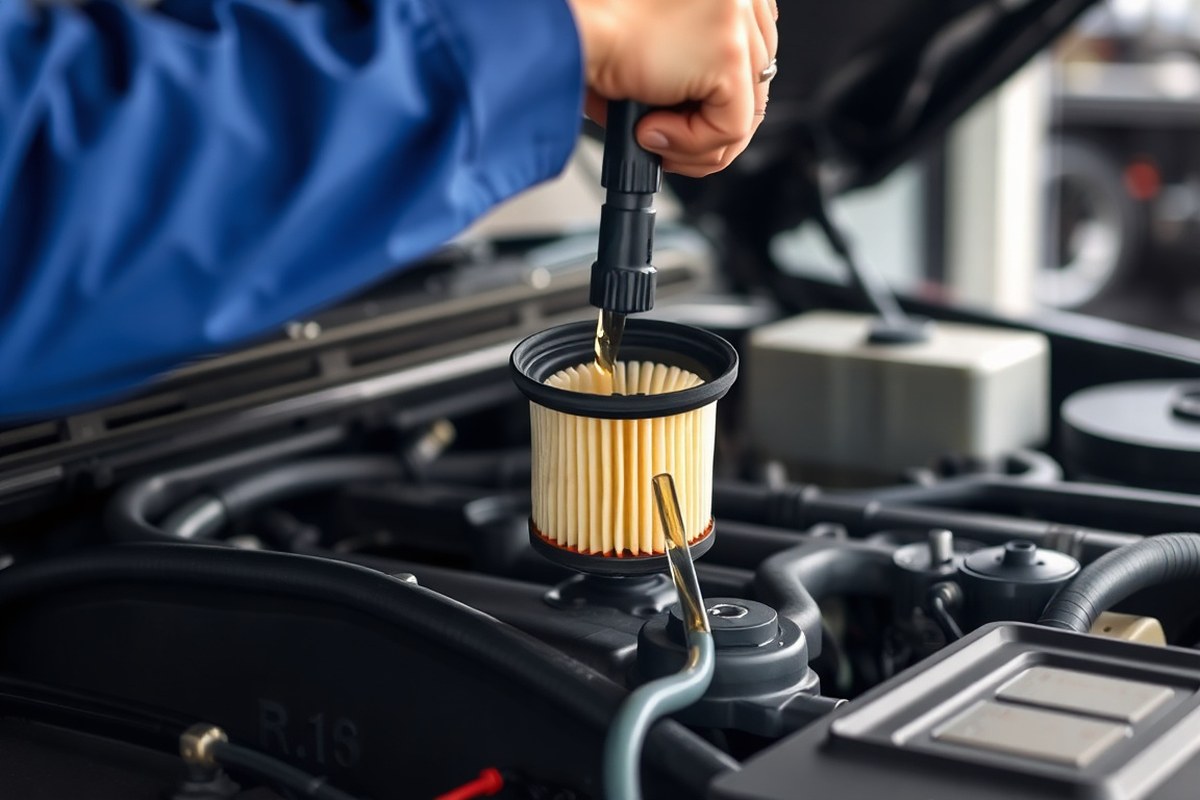
Does Oil Change Include Oil Filter? What’s Actually Included Explained
Does oil change include oil filter? Most standard oil changes do include replacing the oil filter because it traps contaminants and protects your engine. Skipping the filter change risks dirt buildup, so it’s best to replace both together for reliable engine health. Always confirm with your service provider whether the oil filter is included to avoid unexpected costs and ensure maintenance is complete.
Key Takeaways
- Replacing the oil filter during every oil change prevents contaminants from circulating and damaging the engine.
- Oil and filter replacement together typically takes 15 to 30 minutes depending on the vehicle and condition.
- Full-service oil changes often include fluid top-offs, tire pressure checks, and multi-point inspections for added value.
- Some shops separate oil and filter charges to avoid adding $20 or more without your consent.
- Using OEM or equivalent-quality filters protects your engine better than cheaper alternatives.
- Drive conditions and oil type affect how often you should replace both oil and filter, usually every 7,500 to 10,000 miles.
Does an Oil Change Include Replacing the Oil Filter?
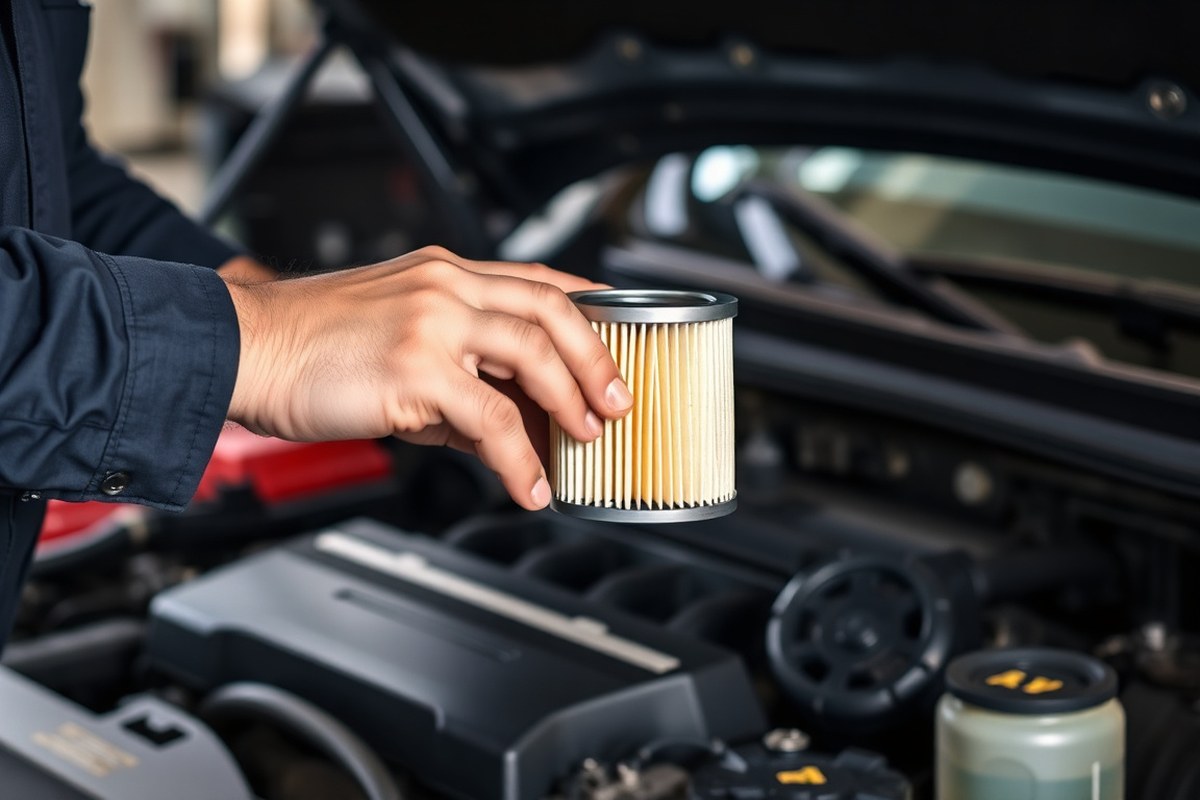
An oil change usually includes replacing the oil filter, but this depends on the service provider and the type of oil change you select. Most standard and full-service oil changes drain the old engine oil, remove the used oil filter, install a new OEM spec filter, and fill the engine with fresh oil. This process keeps your engine running smoothly by ensuring that clean oil circulates without contaminants. Skipping the oil filter replacement during an oil change can reduce the effectiveness of the fresh oil and potentially harm your engine.
Replacing the oil filter at every oil change is recommended because the filter traps dirt, metal shavings, and other particles from circulating oil to protect your engine. Over time, the filter becomes clogged and less efficient. If you delay replacing the filter or try changing it every second oil change, it is easy to forget it on the next visit. This can lead to the filter being used for three to four oil changes, which increases the risk of engine wear and damage. A new oil filter maintains proper oil flow and filtration, supporting the longevity of your engine.
The oil change service and replacing the oil filter are often bundled as one job, but they are technically two distinct actions. An oil change refers to draining and refilling the engine oil, while an oil filter replacement swaps out the old filter for a clean one. In practice, most professional shops and quick lube services combine both steps to provide a thorough maintenance service. For example, a Jiffy Lube Signature Service® Oil Change includes up to five quarts of quality motor oil plus an OEM filter replacement by a trained technician.
For synthetic oil users, the oil change interval is longer, often twice as long as conventional oil, which may mean replacing the filter less frequently per mile. However, the filter still needs to be changed regularly to match those intervals. Some consider draining and flushing the filter at every oil change and replacing it every second change as a compromise. Still, continually replacing the filter at every oil change is safer for your engine and protects against clogging and wear.
The cost of including an oil filter in an oil change varies but usually adds around $10 to $20 for the filter itself. Some places may charge extra for the filter or additional oil beyond a certain amount. Confirm with the service provider beforehand whether the oil filter is included in the quoted price. Since an oil change without a filter replacement leaves old contaminants in the system, the slight extra cost is worthwhile. A full-service oil change, typically costing about $65, is an affordable way to maintain engine health by replacing both oil and filter regularly.
During the service, a technician drains the old oil, removes the used filter, installs the new filter, and refills with fresh oil. This process usually takes about 10 minutes at a quick lube center. A clean, properly installed oil filter keeps the new oil clean as it circulates through the engine oil passages, preventing damage from worn particles or sludge. Neglecting to replace the oil filter every oil change risks engine performance and lifespan, making regular filter changes essential to vehicle maintenance.
Why Changing the Oil Filter Every Oil Change Matters
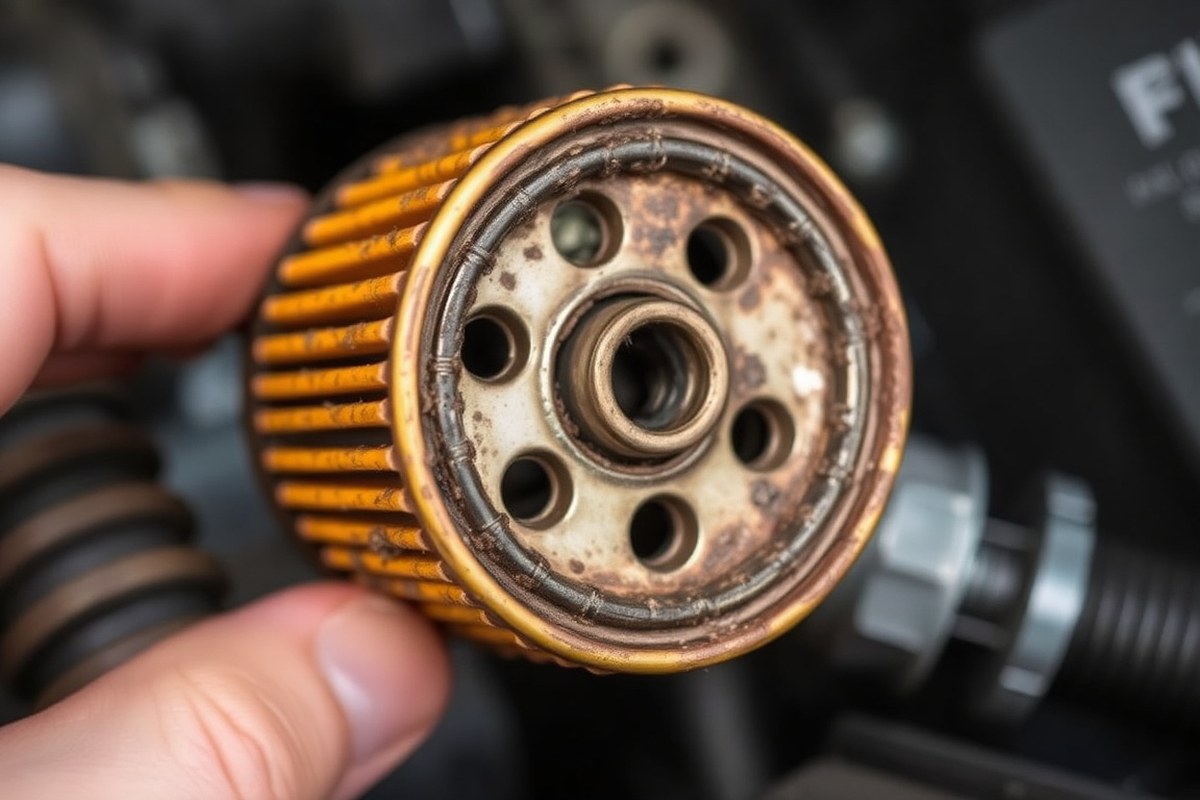
The oil filter captures dirt, metal particles, and other debris from the motor oil, preventing contaminants from circulating through the engine. Not replacing the oil filter with every oil change raises the risk of dirty oil harming engine parts, reducing lubrication quality, and accelerating wear. Old oil sitting inside an unchanged filter can mix with fresh oil, lowering its ability to protect the engine effectively.
Function and Importance of the Oil Filter
The oil filter serves as a barrier that traps contaminants from the engine oil before it circulates through the engine’s moving parts. It removes metal fragments, dust, and sludge that accumulate during engine operation. Without a clean filter, these particles cause increased friction and wear on the engine.
Since the oil filter holds some amount of oil between changes, it keeps that oil cleaner inside the engine. This is especially important because oil gradually loses its lubrication properties over time due to heat and contamination. Regularly replacing the filter keeps the oil cleaner for longer, helping maintain optimal engine performance and longevity.
Consequences of Skipping Oil Filter Replacement
When the oil filter isn’t changed regularly, it becomes clogged with debris. A clogged filter loses its ability to clean the oil effectively, allowing contaminants to circulate freely. This accelerates engine wear by increasing friction between moving parts, potentially leading to decreased fuel economy, power loss, and costly repairs.
Filters have anti-drain-back valves designed to stop oil from leaving the filter when the engine is shut down. These valves may wear out if the filter remains unchanged, leading to moments when engine components operate without enough oil after startup. This short period without lubrication risks major engine harm, especially in cars with many miles or older models.
Impact of Old Oil Inside the Filter
Some oil remains trapped inside the filter after draining the engine oil. This old oil can contain sludge and contaminants from previous use. Introducing fresh oil into a filter that hasn’t been changed mixes clean oil with contaminated oil, reducing the overall effectiveness of the oil change.
This mixing effect undermines the purpose of the oil change, as fresh oil loses some of its protective properties immediately. The potential risk increases if the oil filter is cheap or of low quality. Using OEM-equivalent or high-quality oil filters helps ensure that trapped oil is less damaging and the filtration process remains reliable.
How to Replace the Oil Filter Properly
The oil filter should be removed and replaced during each oil change. Start by draining the old oil from the engine’s oil pan. Then carefully remove the used filter, taking care not to spill old oil. Before installing the new filter, apply a thin layer of fresh oil to the rubber gasket to ensure a proper seal and prevent leaks.
Install the new filter by hand, tightening it according to the manufacturer’s specifications, usually about three-quarters of a turn after the gasket seats. Refilling the engine with new oil follows. The engine should then be run briefly to circulate the oil and check for leaks near the oil drain plug and the filter. Oil change appointments typically take around 15 minutes for a basic service, but complete checks and filter replacement can extend to 30 to 45 minutes depending on the vehicle and the shop.
Variations Based on Oil Type and Driving Conditions
Synthetic oils generally allow longer intervals between oil changes but still require filter replacement with every oil change to maintain cleanliness. Conventional oils with shorter change intervals might tempt some drivers to skip filter replacement occasionally, but regularly replacing both oil and filter is recommended to protect the engine.
Severe driving conditions, such as frequent short trips, heavy towing, or extreme temperatures, increase contamination levels in the oil. Under these conditions, changing the oil filter becomes even more critical to avoid accelerated engine wear. Regular maintenance according to the car manufacturer’s schedule is the safest approach.
Never reuse an old oil filter during an oil change; even a sealed filter holds contaminated oil that reduces the effectiveness of fresh oil and can accelerate engine wear.
What Happens Step-by-Step During an Oil and Oil Filter Change
The oil change process includes draining the old engine oil, removing and replacing the oil filter, refilling with fresh oil, and performing final system checks. It typically takes about 15 to 30 minutes, depending on whether the oil filter is replaced and the service type.
Draining the Old Engine Oil
The first step in an oil change is draining the used engine oil. This removes degraded oil and contaminants that build up during engine operation. Removing the old oil ensures that the new oil can properly lubricate and protect engine components.
To drain the oil, the vehicle is lifted and secured on a ramp or jack stands to access the oil drain plug underneath the engine. After removing the plug carefully, allow the oil to flow completely into a drain pan. This may take several minutes until dripping stops.
Removing and Replacing the Oil Filter
The oil filter collects dirt and metal particles from the oil but becomes clogged over time. Replacing this filter during an oil change allows fresh oil to circulate cleanly through the engine. Skipping filter replacement reduces the benefits of new oil.
After draining the oil, unscrew the old oil filter using an oil filter wrench if needed. Before installing the new filter, apply a thin layer of fresh oil to the rubber gasket to create a proper seal and prevent leaks. Finally, thread the new filter by hand until snug, then tighten an additional 3/4 to 1 full turn.
Changing the oil filter yourself is possible with the right tools and precautions. Ensure the engine is cool to avoid burns from hot oil. Use gloves and dispose of the used filter properly.
Adding Fresh Oil and Checking Levels
Once the old oil and filter are removed, refill the engine with the recommended amount and type of fresh oil, often synthetic for better protection. Consult the owner’s manual for specifications. Pour oil slowly to avoid overfilling.
After filling, start the engine briefly and turn it off to allow new oil to circulate. Check the oil level with the dipstick and add more if necessary until it reaches the proper mark. This ensures the correct lubrication and pressure throughout the engine.
Final Checks and Service Completion
Finish the oil change by inspecting for any leaks around the drain plug and oil filter. Tighten components if needed. Wipe away any spilled oil to keep the engine bay clean.
Many full-service oil changes also include checking tire pressure, fluid levels, belts, and lights, which typically adds a few minutes but helps catch potential issues early. The entire process at a professional shop usually takes 15 to 30 minutes, depending on vehicle specifics and service type.
- Lift vehicle and safely secure it.
- Remove oil drain plug and allow used oil to drain completely.
- Use a wrench to remove old oil filter.
- Apply fresh oil to new filter gasket and install new filter by hand.
- Replace drain plug securely once draining is finished.
- Add fresh oil to manufacturer’s recommended level.
- Start engine briefly to circulate oil, then check level with dipstick.
- Inspect for leaks and clean any spills before finishing.
Types of Oil Changes and How They Affect Filter Replacement
Different types of oil changes can come with varying levels of service, and this often affects whether or not the oil filter is replaced. A basic oil change typically involves draining the old oil and adding new conventional oil without changing the filter. This may save money upfront but can impact engine protection over time if the filter is clogged or dirty.
Full service oil changes include more thorough steps, commonly replacing the oil filter along with the oil. These are generally recommended because changing the filter helps remove contaminants trapped in the old oil, supporting smoother engine operation and longer engine life. Full service changes often use higher-quality oil types, including synthetic blends or full synthetic oil.
Synthetic oil changes usually occur as part of a full service oil change. Synthetic oil costs more than conventional, but it offers better performance under extreme temperatures and extended intervals between changes. Synthetic oils typically last at least 10,000 kilometers and sometimes up to 15,000 kilometers, which means changing the oil, and often the oil filter, less frequently compared to conventional oils.
Choosing synthetic oil can affect not only how long between oil changes but also when to replace the oil filter. Since synthetic oil maintains its lubricating properties longer, some vehicles might allow filter replacement intervals to be extended, but many mechanics recommend changing the filter every time the oil is changed for optimal engine protection.
| Type of Oil Change | Oil Type | Filter Replacement | Typical Change Interval | Cost Factors |
|---|---|---|---|---|
| Basic Oil Change | Conventional | Usually not included | Every 3,000, 5,000 miles (4,800, 8,000 km) | Lower oil cost, less labor |
| Full Service Oil Change | Conventional or Synthetic Blend | Included | Every 5,000, 7,500 miles (8,000, 12,000 km) | Higher labor, filter replacement, higher quality oil |
| Full Synthetic Oil Change | Full Synthetic | Included | Every 7,500, 10,000+ miles (12,000, 15,000+ km) | Higher oil cost, filter included |
Using synthetic oil may increase the interval between oil changes, but routine filter replacement remains important. Extending filter change intervals beyond recommended distances risks reduced oil flow and filter clogging, which can hurt engine health. The cost increase for using synthetic oil comes mainly from the oil itself, while labor doesn’t typically change. This makes synthetic oil changes more about oil performance and longevity than more complicated service steps.
Does the Oil Change Price Usually Include the Oil Filter?
Most oil change prices include the cost of the oil filter, but this is not always the case. Many full-service shops quote a price for an oil change that assumes the filter replacement is part of the service, often called an “LOF” for lube, oil, and filter. However, some quick oil change places might advertise low prices where the filter cost is extra or use lower-quality filters to keep costs down. Confirming what’s included prevents surprises at the counter.
To verify if the oil filter is included in the advertised price, start by asking the service provider directly. Check their written estimate or invoice for a line item listing the oil filter. When you book online or by phone, ask for details about the type of oil and filters used and whether the price includes parts and labor. Look for terms like “oil change and filter replacement” or “full-service oil change” in the service description. Some key points to consider when confirming inclusion:
- Review the service description or advertisement carefully for filter replacement details.
- Ask if any discount or promotion price excludes the filter or uses a basic substitute.
- Inquire about the brand and quality of the oil filter included in the price.
- Compare prices from several shops, noting if filter replacement is explicitly part of the service.
- Read customer reviews for mentions of upselling filters or unexpected fees.
- Request a written quote to avoid miscommunication about included services.
Sometimes, quick lube shops like Jiffy Lube include the filter in their oil change price but may use economy filters to keep costs low. Full-service dealerships and trusted repair shops often charge a bit more but include a premium filter and more thorough inspection during the oil change. Be cautious of extremely low advertised prices that might exclude the filter or add it on during checkout.
Always ask for an itemized estimate before the oil change to see exactly what you’re paying for, especially the oil filter and quality of materials used.
The variety in oil types, vehicle models, and shop practices means the price and filter inclusion can vary widely. Confirming upfront saves you from paying extra unexpectedly or receiving lower-quality parts. Quality oil filters protect your engine better, so budget accordingly if your preferred shop charges separately.
What Additional Checks and Services Come with a Full-Service Oil Change?
A full-service oil change often includes more than just replacing your engine oil and oil filter. Many service providers perform a multi-point inspection to identify potential issues that could affect your vehicle’s performance and safety. These inspections help catch problems early, which can save you from costly repairs and breakdowns later.
Technicians typically check several key areas during a full-service oil change. They look over essential components such as brakes, tires, belts, and hoses to ensure they are in good condition. Checking tire pressure and tread wear helps maintain proper handling and fuel efficiency. Belt and hose inspections look for cracks or leaks that might cause mechanical failures.
Fluid top-offs are another common part of the service. Besides the engine oil, mechanics usually check levels of transmission fluid, brake fluid, coolant, windshield washer fluid, and power steering fluid. Ensuring proper fluid levels prevents overheating, brake failure, and visibility problems.
- Check tire pressure and tread depth for safety and fuel economy
- Inspect brake pads and rotors for wear that affects stopping power
- Look for cracks or leaks in belts and hoses to avoid engine damage
- Top off fluids, including transmission, brake, coolant, and windshield washer
- Examine air and cabin filters for cleanliness, replacing if clogged
- Test battery terminals and connections to prevent starting issues
- Scan for dashboard warning lights and engine codes with diagnostic tools
These checks typically take around 15 to 30 minutes on top of the oil change process. The cost is often included in a full-service oil change price, though it varies by location and provider. For example, national chains might charge between $40 and $70 for these complete services, reflecting both labor and materials.
Performing these inspections and maintenance steps regularly supports smoother operation and extends your vehicle’s life. Skipping them may mean missing early signs of trouble, resulting in more expensive repairs or unsafe driving conditions. Different vehicles may require emphasis on certain fluids or parts, especially if they have high mileage or were driven in extreme weather. Always communicate any concerns you have with your provider so they can adjust their focus accordingly.
How Driving Conditions and Oil Type Affect Oil and Filter Change Intervals
How often you should change your oil filter depends largely on your vehicle manufacturer’s recommendations, the type of motor oil you use, and your driving conditions. The owner’s manual typically provides a clear mileage or time interval for oil and filter changes. Commonly, oil filters are replaced every time the oil is changed to ensure the new oil stays clean and can circulate properly. Skipping the oil filter change when replacing oil can reduce the effectiveness of the fresh oil due to contaminants left behind in the old filter.
Your driving conditions play a significant role in determining oil and filter change intervals. Frequent short trips, stop-and-go traffic, towing heavy loads, or driving in extreme temperatures increase engine stress and oil contamination, which can shorten the life of both oil and filter. Under such conditions, it may be necessary to change oil and filter every 3,000 to 5,000 miles, even if your vehicle’s manual suggests longer intervals. On the other hand, highway driving in moderate climates usually allows for longer intervals between changes, often 7,500 to 10,000 miles, especially when using synthetic oils.
The type of oil you use also impacts how often you should change the oil and filter. Conventional oils generally need to be changed more frequently, typically every 3,000 to 5,000 miles. Synthetic blends or full synthetic oils can often extend intervals to 7,500 miles or more. Some premium oils, such as those from Amsoil, advertise extended use, but they recommend changing the filter at the regular service interval unless you use their specific filters designed to last longer.
A practical decision rule to follow is this: always check your owner’s manual first for the recommended mileage or time limit. Then consider your driving conditions and oil type. Driving mostly on highways with synthetic oil allows you to safely extend oil and filter change intervals toward the longer recommended times. Experiencing severe conditions or using conventional oil means you should schedule oil and filter changes more often. Never skip the filter change unless your oil is nearly new, as indicated by the dipstick showing very clear oil. Even then, consider the risks to engine health and discuss it with a trusted mechanic.
Changing the oil filter with every oil change generally takes 15 to 30 minutes and costs between $10 and $30 for the part, depending on your vehicle and filter brand. Not replacing the filter risks contaminating the fresh oil, potentially leading to reduced engine performance or damage over time. Keeping to recommended intervals ensures optimal engine protection and longer engine life.
Choosing the Right Oil Filter and Avoiding Common Mistakes
Choosing the correct oil filter and understanding its quality plays a key role in engine health and performance. OEM and aftermarket filters differ mainly in fit, filtration standards, and price, while poor filter choices or installation can cause damage and waste money. A professional service should match high-quality filters to your vehicle’s specifications, avoiding common mistakes that reduce oil change benefits.
OEM vs Aftermarket Filters
OEM (Original Equipment Manufacturer) filters come directly from your vehicle’s maker or approved partners, ensuring compatibility and meeting the exact performance standards designed for your engine. These filters often cost more, typically between $7 and $15, but they guarantee the correct fit and meet manufacturer warranties.
Aftermarket filters usually cost less, around $5 to $10, and can vary widely in quality. Some meet or exceed OEM standards, offering advanced filtration media or higher dirt-holding capacity. However, others may cut corners, leading to poor sealing, incorrect thread size, or less effective filtering, which can allow contaminants to circulate or cause oil leaks. For most drivers, reliable aftermarket filters from reputable brands can offer good value, but using cheap, generic parts risks engine wear.
Signs of Low-Quality Filters
Low-quality filters may fail to maintain proper oil pressure or trap dirt effectively, which affects engine performance and increases wear over time. Look for signs like oil leaks around the filter, engine noise or knocking shortly after an oil change, and rising engine temperature. In some cases, poor filters detach internally, causing oil starvation or even serious engine damage.
A high-quality filter typically features a durable canister, multi-layer filtration media, and a strong anti-drainback valve. For engines operating in hot climates or under heavy stress, filters designed to withstand higher temperatures (up to 275°F) and higher flow rates help sustain protection. Skipping a high-quality filter could reduce the life span of your oil by allowing dirt and sludge to remain in circulation, shortening oil change intervals and increasing repair costs.
Common Oil Change Mistakes and Fixes
Professionals avoid mistakes that many DIY oil changers face, such as failing to replace the oil filter every time they change oil, over-tightening or under-tightening the filter, and neglecting to lubricate the filter’s rubber gasket with fresh oil. These errors can cause leaks, damage the filter’s seal, or strip threads, risking oil loss and engine harm.
A proper oil change service includes checking the filter for leaks after installation, using the right torque settings, usually about 3/4 turn after gasket contact, and selecting the filter type recommended by the vehicle maker. Dirt or metal debris found on the old filter’s magnet or in the oil should prompt additional engine checks. Skipping the filter replacement or using an unapproved filter saves only a few dollars upfront but may cause expensive damage down the road.
Always replace the oil filter every time you change the oil and use the correct torque to install it; this simple step prevents leaks and engine damage.
Step-by-Step Action Plan for Your Next Oil and Oil Filter Change
Follow this straightforward plan to make sure your oil change service includes the oil filter and meets your vehicle’s needs.
- Before scheduling: Check your vehicle owner’s manual for oil and filter change intervals based on your engine type and driving habits.
- At the service shop: Confirm with the technician that the oil filter will be replaced as part of the oil change and clarify any additional charges.
- During the service: Watch or ask about the steps they follow to remove the old oil and filter and install the new ones to ensure thorough maintenance.
- After the service: Inspect the receipt to make sure the oil filter replacement is itemized and verify the type of oil and filter used match your vehicle’s requirements.
- One week after: Monitor your dashboard for oil warning lights or leaks around the filter area, which could indicate installation issues.
- Monthly check: Periodically check your oil level and condition to catch any problems early until the next service.
- Before your next oil change: Review your driving conditions and oil type to adjust the interval if needed and keep your engine protected.
Frequently Asked Questions
Does an Oil Change Include Replacing the Oil Filter?
Most oil changes do include replacing the oil filter to protect your engine from contaminants and prolong oil life. Always confirm with the service provider to be sure it’s part of the package.
Are Oil Filters Included in Oil Changes?
Typically, oil filters are included in oil change services, especially at full-service shops, but you should verify this beforehand to avoid extra charges.
Do I Replace the Oil Filter After an Oil Change?
You replace the oil filter during the oil change, not after, to ensure your new oil stays clean and your engine runs smoothly.
Is Replacing Oil and Filter the Same as an Oil Change?
Replacing both oil and filter is the standard oil change process, but some places offer oil-only changes without filter replacement, which isn’t ideal.
What’s Usually Included in an Oil Change?
A standard oil change includes draining old oil, replacing the oil filter, and adding fresh oil; full-service options add inspections and fluid top-offs.
Can You Skip Replacing the Oil Filter Every Oil Change?
Skipping filter changes risks dirt buildup and engine damage; it’s safer to change the filter each time with the oil.
Wrapping Up
Most oil change services do include an oil filter replacement, especially if you opt for a full-service option, but it’s smart to confirm this before you book. Knowing what to expect helps you avoid extra costs and maintain your engine’s health. Schedule your next oil change with these points in mind, and keep your car running smoother for longer.


