Are Champion Spark Plugs Good? A Complete Guide That Reveals the Truth
Are Champion spark plugs good? Yes, they offer reliable performance and solid build quality that’s trusted by many drivers and mechanics. Their widespread use across various engine types confirms they deliver consistent ignition and durability. Start by choosing the right Champion spark plug type for your engine to maximize efficiency and lifespan.
Key Takeaways
- Champion spark plugs are known for dependable ignition and lasting durability in most driving conditions.
- They compare favorably with other leading brands in price and performance but vary by specific model.
- Choosing between copper, platinum, or iridium Champion plugs depends on your vehicle’s engine requirements.
- Typical lifespan ranges from 30,000 to 100,000 miles depending on plug type and driving habits.
- Signs to replace plugs include rough idling, poor acceleration, and increased fuel consumption.
- Common issues like fouling or misfires can often be resolved by correct gapping and installation.
Are Champion Spark Plugs Good Quality and Reliable?
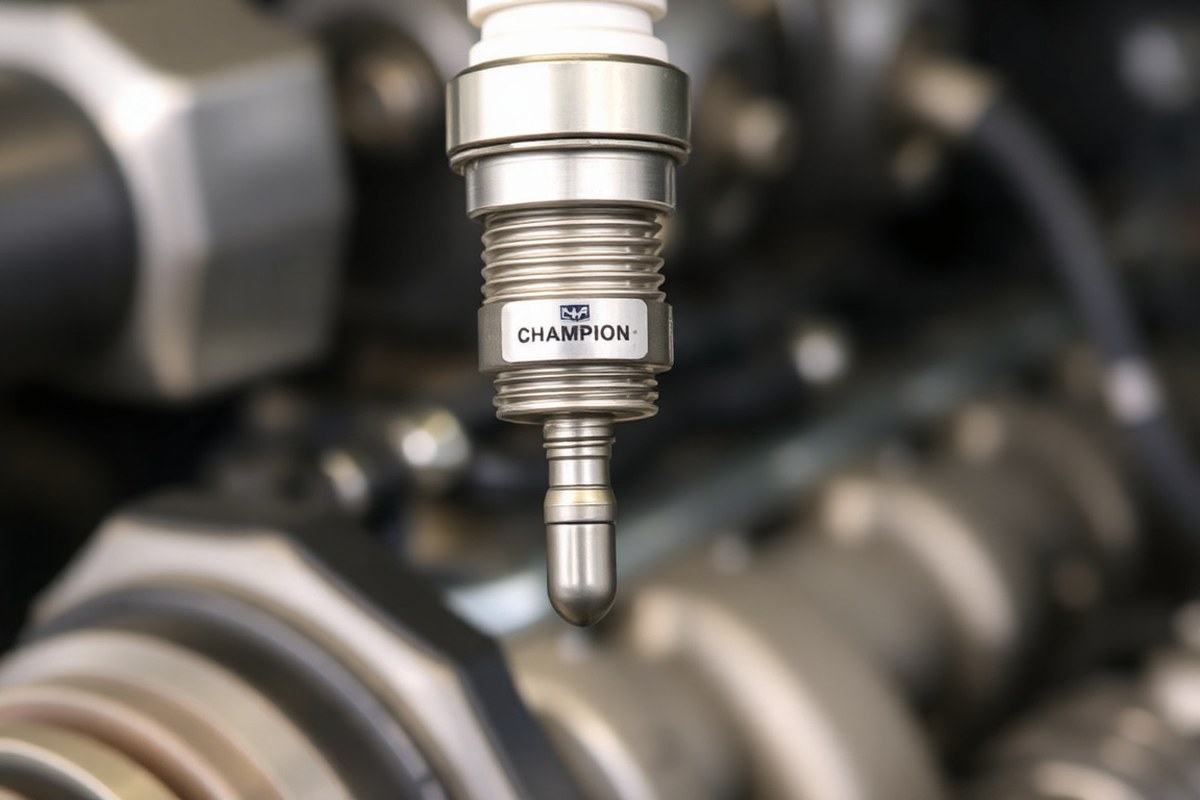
Champion spark plugs are widely regarded as good-quality components that deliver reliable performance across a broad range of vehicles. They have a long history in the automotive parts industry, known for consistent manufacturing standards and materials that meet or exceed OEM requirements. Their construction typically includes strong alloys and corrosion-resistant coatings, which contribute to their durability and sustained performance under varying engine conditions.
The reliability of Champion spark plugs is confirmed by their widespread use in passenger cars, trucks, and even motorcycles. Users report stable ignition and smooth engine operation, which translates to fewer misfires and better overall reliability. This consistency matters because spark plugs must operate effectively under high temperatures, often ranging from 450°F to 1,600°F, and withstand combustion pressures. Champion’s ability to meet these demands helps maintain engine efficiency and performance over time.
Warranty coverage from Champion usually includes a limited time or mileage guarantee, typically around 12 months or 12,000 miles, depending on the specific plug type and vehicle application. This warranty assures that if a spark plug fails prematurely due to manufacturing defects, it can be replaced. Always check the warranty details when purchasing, as they provide insight into expected lifespan and the manufacturer’s confidence in the product’s quality.
Consumers looking for reliable spark plugs find that Champion balances quality with affordability. Champion plugs typically cost between $3 and $8 each, making them accessible for regular maintenance without sacrificing performance. This cost range fits well within the budget for routine vehicle upkeep, especially compared to premium brands that can run twice as much per plug.
Typical user experience points to smooth engine starts, improved throttle response, and stable idling, especially when replacing old or worn spark plugs. However, results can vary depending on your vehicle’s engine type, driving environment, and maintenance habits. For example, vehicles operated in dusty or high-altitude areas may experience faster plug wear, which means more frequent replacement regardless of brand. Regular inspection and replacement according to your vehicle’s maintenance schedule help ensure Champion plugs continue performing well.
While Champion spark plugs generally show high reliability, occasional complaints revolve around premature fouling or inconsistent gap settings. Such issues are often linked to incorrect installation, engine problems, or counterfeit products rather than plug quality itself. Proper installation involves using a torque wrench to avoid over-tightening and verifying the gap with a feeler gauge. This careful attention helps avoid damage and maintains spark efficiency.
In summary, Champion spark plugs offer solid quality and dependable performance for most vehicle owners, backed by reasonable warranties and reasonable pricing. Their proven track record in diverse applications supports their reputation as a trustworthy choice. To get the best results, pair them with correct installation and routine maintenance while monitoring for any vehicle-specific factors that might affect plug life.
How Do Champion Spark Plugs Compare to Other Leading Brands?
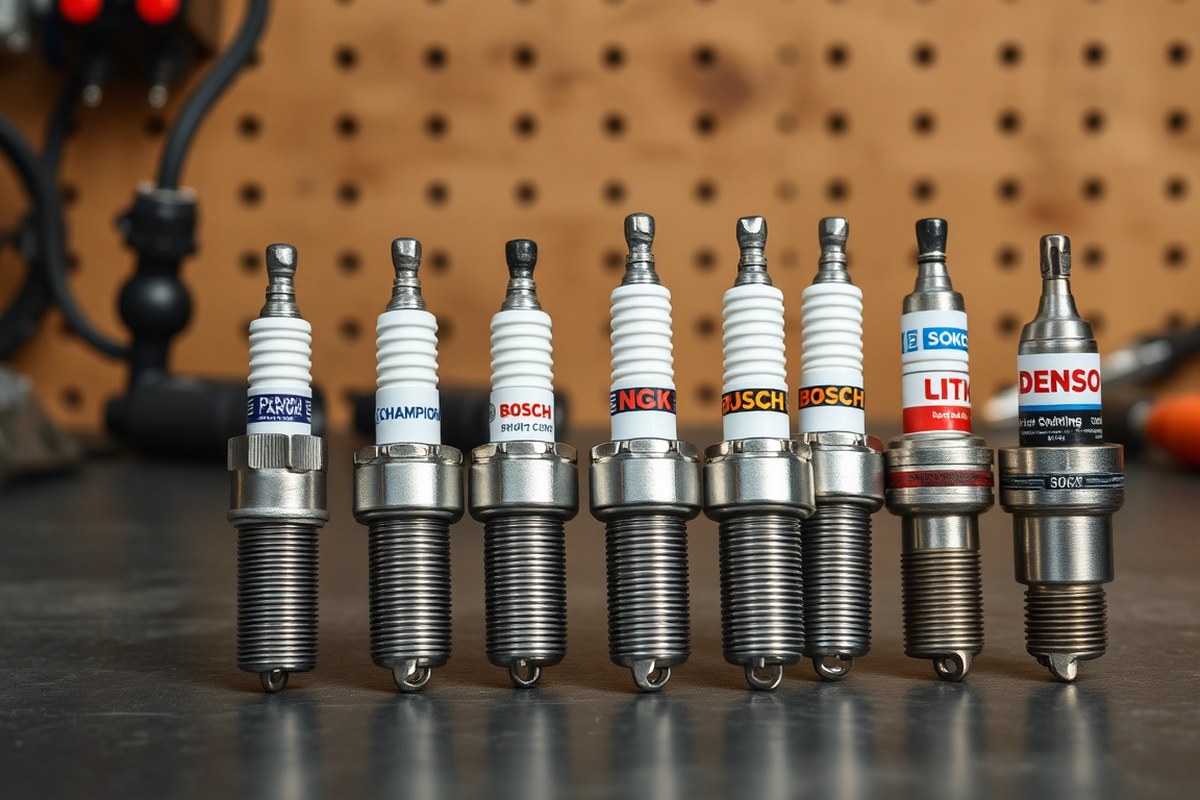
Champion spark plugs hold their own when compared to top competitors like NGK, Bosch, and Denso, with key differences in performance, materials, price, and longevity depending on your vehicle type and driving habits. Choosing the right spark plug depends on what you prioritize: cost efficiency, service lifespan, or peak engine output.
Performance-wise, Champion plugs use a mix of copper and precious metals like platinum and iridium in various models, similar to NGK and Denso. Copper core plugs generally offer strong spark energy but have shorter lifespans, around 20,000 to 30,000 miles. Platinum and iridium versions last longer, often 60,000 to 100,000 miles, supporting smoother starts and stable combustion common to all premium brands.
Price varies notably. Champion spark plugs often come in at a lower cost than NGK or Bosch while offering near-equal durability. This makes Champion a reasonable choice if you want quality without paying a premium. Bosch and NGK tend to charge more for specialty or aftermarket plugs with advanced electrode designs that slightly improve ignition in performance engines.
| Category | Champion | NGK | Bosch | Denso |
|---|---|---|---|---|
| Typical Lifespan | 20,000, 100,000 miles (model dependent) | 30,000, 100,000 miles | 30,000, 90,000 miles | 30,000, 100,000 miles |
| Materials Used | Copper, Platinum, Iridium | Copper, Platinum, Iridium | Copper, Platinum, Iridium | Copper, Platinum, Iridium |
| Price Range (per plug) | $3, $12 | $5, $15 | $5, $14 | $4, $14 |
| Performance Focus | Good balance of cost and durability | High durability, better for performance cars | Advanced ignition tech for cleaner burn | OEM fit with consistent performance |
The longevity of spark plugs depends on the material and specific vehicle needs. For example, iridium plugs across all brands hold up well in engines under heavy use, lasting towards the upper end of the lifespan estimates. Copper plugs wear out faster and may lead to more frequent maintenance but cost less upfront. When evaluating value, Champion’s lower price combined with solid durability provides better overall savings for most everyday driving conditions.
Tip: Always consult your vehicle’s manufacturer recommendations before switching spark plug brands or types to avoid mismatch that can lead to engine misfires or damage.
Ultimately, if your priority is budget-friendly replacement without sacrificing too much on durability, Champion spark plugs offer a compelling value. For specialized vehicles requiring peak performance ignition, NGK or Bosch might justify their higher price for the advanced materials and design. Denso fits well as a reliable OEM option that balances cost and technology. Weigh these factors against your car’s requirements and driving style to make an informed choice.
What Types of Champion Spark Plugs Are Available and Which Should You Choose?
Champion spark plugs come in several material types and designs, each made for different driving conditions, engine types, and budgets. Choosing the right Champion spark plug depends on your vehicle’s requirements, expected performance, and how often you want to replace plugs. The key types are copper, platinum, and iridium, plus specialized versions tailored for high-performance engines.
Copper Spark Plugs: Basics and Best Use
Champion copper spark plugs are the most affordable option and use a solid copper core for excellent conductivity. Copper plugs heat up quickly and provide reliable ignition in many older or carbureted engines that run cooler. They typically last around 20,000 to 30,000 miles because copper erodes faster under high heat and combustion pressures.
Use copper plugs if your vehicle’s manufacturer recommends them or if you own an older car that doesn’t generate high combustion temperatures. They work well in low-compression engines or those with simpler ignition systems. Copper plugs require more frequent replacement than platinum or iridium but cost much less, usually around $2 to $4 per plug. Avoid copper plugs in modern engines with electronic ignition systems or turbochargers, as they wear out quickly.
Platinum Spark Plugs: Balance of Cost and Durability
Champion platinum spark plugs improve on copper with a platinum disc welded to the center electrode, which resists wear and erosion. This makes them last longer, typically 60,000 miles or more, cutting maintenance costs and downtime. Platinum plugs also handle higher engine temperatures better, providing more consistent performance in today’s fuel-injected vehicles.
These plugs tend to cost about $6 to $10 each, offering a middle ground between price and lifespan. They suit daily drivers with moderate performance requirements, especially if your car’s manual specifies platinum or platinum-improve spark plugs. Using platinum plugs means less frequent changes and better fuel efficiency than copper but without the higher price tag of iridium. Avoid platinum if you require the utmost performance or longevity, as iridium outperforms it in those areas.
Iridium Spark Plugs: Performance and Longevity Benefits
Champion iridium spark plugs use an iridium tip, which is harder and melts at higher temperatures than copper or platinum. Iridium plugs last significantly longer, up to 100,000 miles, and maintain better spark quality under extreme conditions such as turbocharging, high compression, or racing. Their fine electrode design also helps reduce voltage requirements, improving ignition efficiency and fuel economy.
Iridium plugs cost between $10 and $20 each, reflecting their advanced materials and durability. Choose iridium plugs if your vehicle demands top-tier performance, runs hot, or if you want the longest service interval possible. Modern engines that rely on precise ignition timing and maximum fuel efficiency benefit most from iridium’s stable spark properties. However, they are more expensive upfront, so they may be less cost-effective for older or low-performance vehicles.
Specialty Champion Plugs for High-Performance Engines
Champion offers specialized spark plugs designed for racing and heavy-duty use, such as plugs with multiple ground electrodes or unique tip shapes to improve flame propagation and combustion. Some are platinum or iridium-based but include design tweaks for increased durability under extreme RPMs and temperatures common to performance engines.
These high-performance plugs often feature resistors and advanced insulator materials to prevent fouling and misfires in forced-induction or high-output applications. They can carry a premium price, sometimes well over $20 per plug, justified by improved power delivery and engine protection. Select these plugs if you modify your engine for racing or towing and need every bit of ignition reliability and efficiency under stress. Stock vehicles typically won’t see a clear benefit and may be better served by standard platinum or iridium options.
How Long Do Champion Spark Plugs Last and How to Know When to Replace Them?
Champion spark plugs typically last between 30,000 and 60,000 miles, depending on the specific type and vehicle use. Knowing the signs of wear and when to replace them can avoid engine misfires, poor fuel economy, and rough idling. Regular inspections every 30,000 miles or according to your vehicle’s maintenance schedule help keep your engine running smoothly.
Expected Lifespan of Champion Spark Plugs
The lifespan of Champion spark plugs varies by type. Conventional copper plugs usually last about 20,000 to 30,000 miles. Platinum and double platinum plugs often reach 60,000 miles or more. Iridium plugs, the most durable option, can last upwards of 100,000 miles under normal driving conditions.
Driving conditions affect spark plug life as well. Frequent short trips, heavy towing, or extended idling can shorten their lifespan. Follow your vehicle owner’s manual recommendations for the best replacement interval.
Common Signs That Champion Spark Plugs Need Replacement
Several symptoms indicate it’s time to replace spark plugs. Watch for engine hesitation during acceleration, difficulty starting, and noticeable drops in fuel efficiency. Rough idling, engine misfires, or increased exhaust emissions also signal worn plugs. Visually inspecting the plugs after removal can confirm wear. Look for these signs:
- Electrode erosion or rounded edges
- Heavy carbon or oil deposits on the insulator or electrodes
- Cracks in the ceramic insulator
- Corrosion or rust on metal parts
- Gap widening beyond manufacturer specifications
Any of these indicate the plugs aren’t firing efficiently and should be replaced to prevent engine damage.
How Often to Check and Replace Champion Spark Plugs
Routine inspections every 30,000 miles are a practical baseline for most Champion spark plugs. Some iridium or platinum types can last twice as long, but confirming their condition at this interval helps avoid surprises. Checking the plugs during oil changes or tune-ups saves labor costs and downtime. Replacement intervals vary by vehicle and the type of spark plug installed:
- Conventional copper plugs: Replace every 20,000 to 30,000 miles
- Platinum plugs: Replace every 60,000 miles
- Iridium plugs: Replace every 90,000 to 100,000 miles
Always use the spark plug gap specified by your vehicle manufacturer, checking with a feeler gauge before installation to ensure optimal performance.
Inspecting and Replacing Champion Spark Plugs: Step-by-Step
Start by letting the engine cool completely to avoid burns. Locate the spark plugs, usually on the engine head, and remove the spark plug wires or coils carefully. Use a spark plug socket and ratchet to remove each plug.
Examine each spark plug’s electrode and insulator for wear signs listed earlier. Compare the gap to the recommended size using a feeler gauge. If plugs show damage, excessive wear, or the gap is incorrect, replace them with new Champion spark plugs matched to your engine specifications.
Apply a small amount of anti-seize compound to the threads of new plugs if recommended by the manufacturer. Install the plugs by hand initially to avoid cross-threading, then tighten with a torque wrench to the exact torque specifications. Reattach the wires or coils securely.
Considerations for Different Driving Conditions
Severe driving conditions like heavy stop-and-go traffic, idling, or frequent short trips can accelerate plug wear. In such cases, more frequent inspections, such as every 20,000 miles, help catch early issues.
Vehicles used for towing or in dusty environments may also require earlier spark plug changes. Watch for symptoms even if you haven’t reached the typical mileage interval. Prompt replacement saves fuel and prevents damage to ignition and emission systems.
What Are the Common Issues with Champion Spark Plugs and How to Troubleshoot Them?
Champion spark plugs, like any automotive part, can cause engine problems if they develop faults. Common issues include fouling, misfires, and poor ignition, all of which affect engine smoothness and efficiency. Fouling happens when deposits build up on the spark plug’s electrode, preventing the spark from firing properly. This results in rough idling, reduced power, increased fuel consumption, and sometimes difficulty starting the engine.
Misfires linked to Champion plugs often show as hesitation during acceleration, uneven engine running, or a check engine light. Poor ignition can be caused by worn or damaged plugs failing to create a strong enough spark, leading to incomplete combustion. These problems can stem from incorrect heat range plugs, improper installation, or use under unsuitable conditions.
Diagnosing these issues usually starts with a visual inspection. Remove the spark plugs and check for signs like black, sooty deposits (carbon fouling), oily residue, or physical damage like cracked insulators and eroded electrodes. Using a spark plug tester or diagnosing codes from your vehicle’s OBD-II scanner can pinpoint misfire sources related to spark plug performance. Troubleshooting includes the following steps to fix or avoid common Champion spark plug problems:
- Check and use the correct heat range and plug type for your engine as per the manufacturer’s recommendations.
- Clean fouled plugs lightly with a wire brush and inspect gap size, adjusting to the exact gap (usually between 0.028 and 0.060 inches depending on the engine) using a gauge tool.
- Replace plugs that have physical damage or excessive wear instead of attempting to repair.
- Ensure proper torque during installation (typically 13 to 15 ft-lbs) to avoid poor contact or thread damage.
- Use dielectric grease on the spark plug boots to prevent moisture and corrosion that lead to misfires.
- Consider engine conditions like oil leaks or rich fuel mixtures, which can cause repeated fouling even with new plugs.
Regular maintenance includes inspecting plugs every 30,000 miles or as specified by your vehicle. Replacing Champion spark plugs according to their expected service life, usually 30,000 to 50,000 miles for standard types, prevents many ignition issues. Using genuine parts purchased from trusted suppliers avoids counterfeit plugs that tend to fail prematurely.
Always follow your vehicle’s manual for spark plug specifications and installation torque to prevent damage and ensure reliable ignition performance.
Ignoring spark plug issues can escalate engine damage or emissions problems. Keep an eye on symptoms like rough running or slow starts, and address spark plug faults promptly to maintain smooth driving and better fuel economy.
How to Safely Install Champion Spark Plugs Step-By-Step
Champion spark plugs are generally straightforward to install if you follow the correct steps and use the right tools. Proper installation prevents engine damage and ensures optimal performance. You’ll need to prepare, remove old plugs carefully, install the new ones with the right torque, and then verify the installation by running the engine.
Preparing the Engine and Tools
Start with a cool engine to avoid burns and prevent damaging the spark plug threads. Gather the required tools: a spark plug socket (usually 5/8 inch or 13/16 inch), a ratchet wrench with an extension, a torque wrench, and optionally a spark plug gap gauge. Make sure you have safety gloves and eye protection to reduce injury risk.
Disconnect the negative battery terminal to prevent electrical shorts. Locate the spark plugs guided by your vehicle’s service manual. Clean the surrounding area to keep dirt from entering the combustion chamber when you remove the plugs.
Removing Old Spark Plugs Safely
Use a spark plug socket paired with the ratchet wrench and extension to loosen each spark plug. Turn the socket counterclockwise carefully to avoid breaking the plug or damaging the threads. When the plug feels stuck, apply a few drops of penetrating oil and wait 10-15 minutes before trying to remove it again.
Remove plugs one at a time to keep track of their locations. Inspect each old plug for signs of damage, fouling, or wear, which can hint at engine issues. Keep the threads intact without over-forcing the socket.
Installing and Torquing Champion Plugs Correctly
Check the air gap on each Champion spark plug using a gap gauge. Adjust the gap according to your car manufacturer’s specifications, usually between 0.028 to 0.060 inches. Hand-thread the spark plugs into the cylinder head carefully to avoid cross-threading.
Use a torque wrench to tighten plugs to the recommended torque. This typically ranges from 13 to 22 foot-pounds (18 to 30 Nm), depending on your engine type and plug model, consult your vehicle’s manual for exact specs. Tighten in a smooth motion until you click the torque setting. Avoid overtightening, which can damage threads or the spark plug.
Post-Installation Engine Start and Check
Reconnect the battery’s negative terminal and reattach spark plug wires or ignition coils securely. Start the engine and listen for smooth idling without misfires or unusual noises. When the engine runs rough, double-check wire connections and make sure the plugs are seated properly.
After running the engine for a few minutes, turn it off and inspect for any signs of leakage or loose plugs. Re-torque if you notice any looseness after the initial run. Proper installation should restore engine efficiency and reduce fuel consumption.
- Ensure the engine is cool and disconnect the battery.
- Gather tools: spark plug socket, ratchet, torque wrench, gap gauge, gloves.
- Clean the spark plug area to prevent debris entry.
- Remove old plugs carefully using the socket and ratchet; apply penetrating oil if needed.
- Check and adjust the gap on new Champion plugs as per vehicle specs.
- Hand-thread each plug, then torque to manufacturer’s recommended foot-pounds using a torque wrench.
- Reconnect wires or coils securely and battery terminal.
- Start the engine, listen for issues, then inspect plugs and retorque if necessary.
Where to Buy Genuine Champion Spark Plugs and Avoid Fakes
Buying genuine Champion spark plugs is essential to keep your engine running smoothly and avoid damage caused by counterfeit products. The safest option is to purchase directly from authorized retailers and well-known auto parts stores, both in physical locations and online. Trusted sellers include major chains like AutoZone, O’Reilly Auto Parts, NAPA Auto Parts, Advance Auto Parts, and the official Champion website. These sources guarantee authentic products backed by the manufacturer’s warranty.
Authenticating Champion spark plugs involves a few key steps. Start by examining the packaging closely: genuine products have clear, consistent printing and official logos. Check for a holographic sticker or a QR code that you can scan to verify the product on the Champion website. Genuine plugs also come with proper part numbers etched onto the plug itself, often in small, precise lettering. Fake plugs might have misspellings, blurry logos, or lower-quality packaging materials.
When you handle the spark plugs, look for differences in weight and build quality. Real Champion plugs maintain strict manufacturing tolerances and feel solid, while counterfeit ones often feel lighter or flimsier due to cheaper materials. Inspect the electrodes and insulator carefully; authentic ones should have smooth finishes without rough edges. Verify the seller’s authenticity before purchasing spark plugs that come in bulk packaging without individual boxes, as this can be a red flag.
Fake spark plugs pose serious risks. They can have improper heat ranges or poor electrode design causing engine misfires, reduced fuel efficiency, or even damage to the cylinder head over time. Using counterfeit plugs might also void your vehicle’s warranty or cause check engine light issues. The costs from these problems far outweigh the savings from buying suspiciously cheap spark plugs.
Prices for genuine Champion spark plugs vary by type and vehicle application but typically range from $4 to $12 each. Be cautious of prices far below the market average. When buying online, check customer reviews to see if anyone reports receiving fake items. Do not install a spark plug if you suspect it might be counterfeit. Instead, return it to the seller and report the issue to Champion customer service for assistance.
For added security, retain proof of purchase such as receipts or order confirmations. This documentation will help you claim warranty support if needed. Always prioritize buying from well-known suppliers or directly from the manufacturer. This approach minimizes the chances of receiving counterfeit spark plugs and protects your engine’s performance and longevity.
Do Champion Spark Plugs Improve Engine Performance and Fuel Efficiency?
Champion spark plugs can positively impact your engine’s combustion efficiency, which plays a direct role in performance and fuel economy. These spark plugs provide a strong, consistent spark that helps ignite the air-fuel mixture more efficiently, leading to more complete combustion. This not only improves engine power by ensuring a more effective burn but also reduces unburned fuel waste, contributing to better fuel consumption.
A clean and stable spark reduces the chances of engine misfires and rough idling, resulting in smoother engine operation. This smoothness affects how your engine responds to throttle input and maintains power under various driving conditions. Improved combustion also limits the production of harmful emissions like hydrocarbons and carbon monoxide, which benefits your vehicle’s environmental footprint and may help it pass emissions inspections.
These benefits make Champion spark plugs suitable for modest performance upgrades as well. Their design often includes materials like copper or fine wire iridium, which tolerate higher temperatures and resist wear better than standard plugs, making them capable of maintaining optimal combustion under more demanding conditions. This can make a noticeable difference if you use premium fuel or have made other engine modifications that increase compression or boost.
To get the best results, use spark plugs that match your engine’s specifications, including the correct heat range and gap size. A spark plug that is too hot or too cold can cause pre-ignition or fouling, harming both power and efficiency. Adjusting the gap to the manufacturer’s recommended setting, usually between 0.028 and 0.060 inches, is important. For example, if you drive mostly in stop-and-go city traffic, a slightly colder plug can help avoid overheating, whereas highway drivers can often use a hotter plug for optimal combustion.
Costs for Champion spark plugs vary by model but typically range from $3 to $8 per plug. Replacing all spark plugs on a standard 4-cylinder engine would usually cost under $40 in parts. The installation time usually runs 30 to 45 minutes for an experienced DIYer, but avoid overtightening to prevent damaging threads or the spark plug itself. You might see improvements in fuel economy around 3-4%, depending on your previous plug condition and driving habits.
Improper installation or choosing the wrong spark plug type can worsen performance issues or cause engine damage. Signs of poor spark plug function include difficulty starting, engine hesitation, reduced power, and increased fuel consumption. Regular inspection every 30,000 miles or according to your vehicle’s maintenance schedule helps maintain the benefits in combustion efficiency and emissions control.
Use a torque wrench to tighten spark plugs to the manufacturer’s specified torque (often around 13, 15 lb-ft) to avoid damaging the threads or the plug itself.
Step-by-Step Action Plan for Choosing and Using Champion Spark Plugs
Follow this plan to select, install, and maintain Champion spark plugs effectively and see if they meet your vehicle’s needs.
- Before Replacement: Check your vehicle’s manual for the recommended spark plug type and gap size to match with Champion’s options.
- Day 1: Purchase genuine Champion spark plugs from a reputable dealer or the official website to avoid fakes; confirm part numbers match your vehicle’s specs.
- Day 2: Inspect the new spark plugs for damage or defects before installation; clean the area around the spark plugs in your engine to avoid debris entry.
- Day 2: Install the Champion spark plugs using a torque wrench to the manufacturer’s specified tightness to ensure a proper seal and avoid thread damage.
- After 1,000 Miles: Drive normally and monitor engine performance, fuel economy, and starting; note any improved smoothness or misfires.
- Every 20,000 to 30,000 Miles: Inspect the spark plugs for wear, deposits, or damage; replace them if signs of fouling or misfires appear despite normal intervals.
- As Troubleshooting Steps: If you experience rough idling or poor fuel economy, clean or replace spark plugs promptly to maintain engine health with Champion parts.
Frequently Asked Questions
Are Champion Spark Plugs Suitable for High-Performance or Racing Engines?
Yes, Champion offers spark plugs designed for high-performance engines, including racing. These plugs often feature materials and designs that withstand higher temperatures and stress, improving ignition reliability under extreme conditions. Check your engine requirements before selecting a performance-grade spark plug.
Can Champion Spark Plugs Cause Engine Misfires?
Champion spark plugs can cause misfires if they are worn, damaged, or incorrectly installed. Proper gap setting and correct heat range are essential to avoid misfires and ensure smooth engine operation. Always double-check compatibility with your vehicle.
Do Champion Spark Plugs Require Special Tools for Installation?
No special tools are usually required beyond a standard spark plug socket and ratchet. Using a torque wrench is recommended to avoid overtightening and ensure proper installation torque, which protects the threads and ensures a good seal.
Are Champion Spark Plugs Compatible with Older Classic Cars?
Many Champion spark plugs fit older or classic car engines, as the brand has a wide product range. Verify plug size, heat range, and thread type according to your vehicle’s manual before buying. Availability can vary based on the model year.
Can Champion Spark Plugs Withstand Extreme Cold Weather?
Champion spark plugs are designed to perform well in a range of temperatures, including cold weather. Selecting a plug with the correct heat range ensures proper ignition during cold starts and avoids fouling or overheating issues.
Do Champion Spark Plugs Have a Warranty?
Yes, Champion spark plugs typically come with a manufacturer’s warranty that covers defects in materials or workmanship. Warranty terms vary by product and seller, so keep the purchase receipt and check warranty details before use.
The Bottom Line
Champion spark plugs provide a reliable and quality option for many vehicles, offering good durability and performance that can improve engine efficiency when matched correctly. Stick with genuine products to avoid installation and performance issues. Start by checking your vehicle’s requirements and purchasing the correct Champion spark plugs today to keep your engine running smoothly.