Do Spark Plugs Come Pre Gapped? A Complete Guide to Spark Plug Gapping
Spark plugs often arrive with a preset gap, but this gap could differ from what your engine requires. Verifying and tweaking the gap helps your engine run smoothly and avoids starting issues. This guide is designed for car owners and mechanics wanting to learn about proper spark plug gapping and how to achieve the right setup during replacements.
You’ll learn why the correct spark plug gap affects your engine, how factory gaps differ by plug type, and practical methods to measure and adjust gaps safely. Knowing this helps extend spark plug life, improve starting, and maintain smooth engine operation.
Key Takeaways
- Most spark plugs have a factory-set gap usually between 0.028 and 0.060 inches.
- Always check the gap before installation to match your vehicle’s specifications.
- Use a feeler gauge for precise gap measurement, available for under $5 at auto parts stores.
- Newer iridium or platinum plugs last longer but still require correct gapping for peak performance.
- Adjust the gap carefully by bending the ground electrode, avoiding damage to the ceramic insulator.
- Rotate spark plug boots 90 to 180 degrees before removal to prevent wire damage.
Do Spark Plugs Come Pre Gapped from the Factory?

Most spark plugs come pre-gapped from the factory, meaning the gap between the center and ground electrode is set during manufacturing. Manufacturers like Autolite® and Denso often supply spark plugs with popular gap sizes that fit a wide range of engines. For example, Denso iridium plugs typically come pre-set to a gap suitable for many modern engines.
Factory gap standards usually fall within 0.028 to 0.060 inches, depending on the spark plug type and its intended engine application. These preset gaps serve as a convenient starting point, reducing the amount of adjustment needed during installation. However, since engine designs vary significantly, pre-gapped spark plugs might not match the precise requirements of your specific vehicle.
Not all spark plugs are pre-gapped equally. While many iridium and platinum models come with a pre-established gap, some basic or budget options might require manual adjustment before installation. Manufacturers set these initial gaps to common or popular specifications, but they cannot cover every engine’s unique needs. For this reason, it remains essential to check the gap with a feeler gauge yourself and adjust if necessary.
Verifying the gap ensures the spark plug delivers optimal performance and avoids misfires, poor fuel economy, or hard starts. The process involves measuring the distance with feeler gauge strips and bending the ground electrode slightly if the gap is too narrow or too wide. Gaps that are off by just a few thousandths of an inch can affect the spark’s intensity and timing, so taking a few extra minutes to check can save time and money later.
Considering the many gap sizes required by different engines, no manufacturer can offer spark plugs pre-gapped perfectly for every vehicle. The pre-gap is a baseline rather than a final adjustment. Even if your spark plugs come pre-gapped, start by consulting your owner’s manual or a trusted service database to confirm the exact gap your engine needs. Then, use a feeler gauge to verify that each plug matches that measurement before installation.
In some cases, especially with high-performance engines or modified vehicles, you might need to adjust the gap more precisely than the factory setting. Differences between factory presets and the ideal engine gap can cause damage or reduce efficiency over time. Careful checking and adjustment help avoid these issues, ensuring each cylinder receives a consistent spark gap and reliable ignition performance.
Why the Correct Spark Plug Gap Is important for Engine Performance
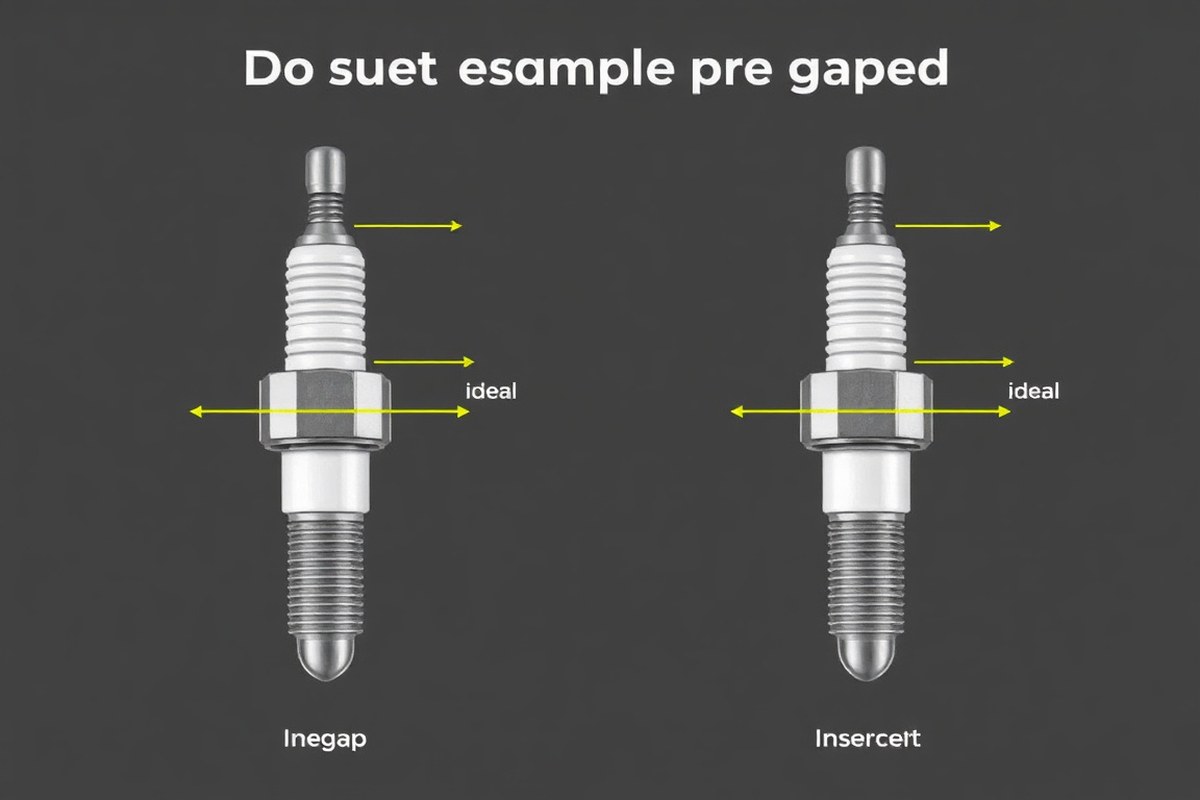
The spark plug gap measures the space between the central electrode and the ground electrode. This tiny gap allows the spark to jump and ignite the air-fuel mixture inside your engine’s cylinder. The gap size plays an important role in spark quality, which impacts combustion efficiency, engine power, and fuel economy.
A correctly set spark plug gap produces the strongest, most consistent spark possible. This ensures the air-fuel mixture ignites fully and efficiently, leading to smoother engine operation and better fuel economy. For example, if the gap is set to your vehicle manufacturer’s recommended measurements, the spark can generate enough energy to ignite the mixture effectively without wasting fuel or causing misfires.
A gap that’s too narrow reduces the spark’s strength. This can cause incomplete combustion, leading to engine hesitation, rough idling, and decreased fuel efficiency. Also, plugs with a too-tight gap may foul faster because the spark does not burn off deposits effectively. You might notice a dull throttle response and higher emissions in this scenario.
On the other hand, if the gap is too wide, the ignition system struggles to produce a strong enough spark to bridge the space consistently. This can cause frequent misfires, loss of power, and slower vehicle starts. The ignition coil and spark plug wear out faster as they work harder to overcome the excessive gap. In some cases, a very wide gap can result in no spark at all under certain engine loads or temperatures.
Precise spark plug gap adjustment helps your engine ignite the fuel-air blend efficiently and consistently. Even small changes in gap size, often between 0.028 inches to 0.060 inches (0.7 mm to 1.5 mm) depending on the engine, can make a noticeable difference. Checking and setting this gap requires a feeler gauge or a dedicated spark plug gap tool. Gaps outside the recommended range contribute to misfires, reduced power, and higher fuel consumption.
Different engines and ignition systems may call for specific gap sizes. For instance, engines running high-energy ignition (HEI) systems sometimes use a larger gap than older points-type ignition engines. This adaptation improves combustion effectiveness under higher voltage conditions. The manufacturer’s service manual is the best source to find the exact recommended gap for your engine.
Properly gapped spark plugs also reduce the risk of plug fouling caused by carbon buildup or oil deposits. A correctly sized gap produces a strong spark that burns off deposits more effectively, keeping the plug clean and functional longer. In addition, maintaining the correct gap helps extend spark plug life and keeps emissions within acceptable limits.
Always ensure the engine is cool before adjusting spark plug gaps, and use a precise feeler gauge or gap tool to avoid over-bending the electrodes, which can damage the plug and affect performance.
Types of Spark Plugs and Their Factory Gap Characteristics
Most spark plugs, including copper, platinum, and iridium types, come pre-gapped from the factory to fit common engine specifications. You can usually adjust copper plugs with ease, while platinum plugs allow small gap changes with care. Iridium plugs often come with warnings about gap adjustments because they can be delicate, so only minor changes are recommended if the manufacturer permits.
Copper Spark Plugs: Usually Adjustable
Copper core spark plugs are known for their durable center electrodes but tend to wear faster than platinum or iridium types. These plugs typically come pre-gapped according to manufacturer specifications listed on the box. Adjusting the gap is generally safe and straightforward, using a proper spark plug gap tool that gently bends the ground electrode without applying excessive force.
Because copper plugs are less fragile, you can perform more significant adjustments if necessary. This flexibility is useful if your vehicle’s engine requires a specific gap different from the factory setting. Make sure to measure the gap precisely with a wire loop or tapered cone tool before installation.
Platinum Spark Plugs: Small Adjustments Allowed
Platinum spark plugs last much longer than copper, lasting up to 100,000 miles thanks to their resistant electrode material. They usually come pre-gapped from the factory but still allow for small gap adjustments if needed.
Adjust the gap carefully to avoid damaging the fine electrode wire or the ceramic insulator. Use a gentle touch and the right gapping tool to slightly open or close the gap within the recommended range. Too much bending can weaken the electrode or cause erratic spark performance.
Iridium Spark Plugs: Adjustment Restrictions and Warnings
Iridium spark plugs are fine-wire, high-performance plugs that normally come pre-gapped for common engine specs. Their electrodes are very delicate, which often leads manufacturers to advise against any gap adjustments.
If you need to adjust the gap on iridium plugs, only make very small changes and avoid applying pressure to the center electrode or insulator. Many performance iridium plugs are shipped with a narrower gap to minimize electrode wear, so excessive adjustment can reduce their lifespan or damage the plug.
Because of the risk involved, some iridium plugs come with explicit warnings not to attempt gap changes. Respect those instructions to maintain optimal spark plug function.
| Plug Type | Factory Pre-Gap | Can You Adjust? |
|---|---|---|
| Copper Core | Usually stated on box | Yes, gentle bending with proper tool |
| Platinum | Usually pre-gapped | Small changes allowed with care |
| Fine-Wire Iridium | Pre-gapped for common specs | Only if maker allows, very small moves |
This table clearly shows which spark plug materials typically come pre-gapped and the allowance for gap adjustment. Follow the manufacturer’s recommendations to avoid damaging delicate electrodes, especially on platinum and iridium plugs. Using the right gapping tool and a careful approach helps you get the best performance and lifespan from your spark plugs.
How to Check and Measure Spark Plug Gap Accurately
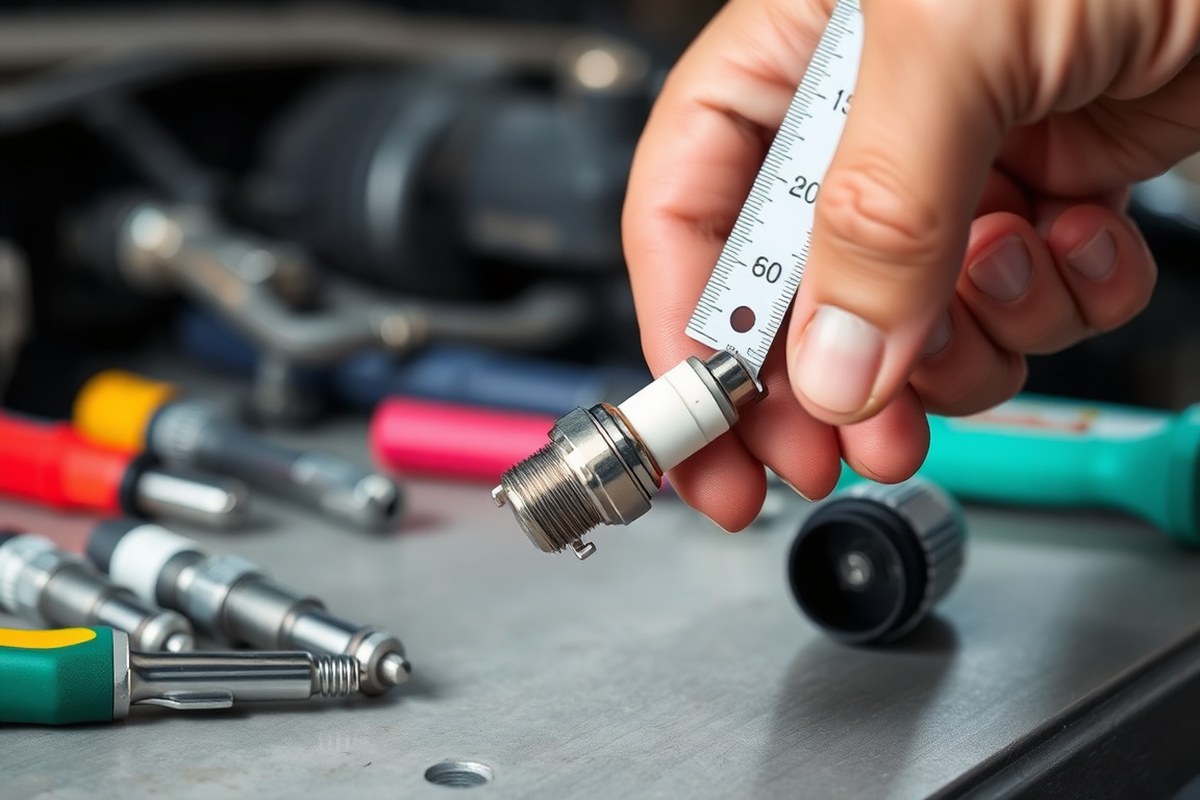
You can check your spark plug gap using a feeler gauge, a plastic or metal wire gauge, or a dedicated spark plug gap tool. A feeler gauge is the most accurate option and typically costs under $5. Measuring the gap carefully ensures better engine performance and fuel efficiency.
Tools Needed to Check Spark Plug Gap
A feeler gauge is the preferred tool for measuring spark plug gaps because it provides precise readings. It features thin metal blades of different thicknesses, usually from about 0.020 to 0.040 inches in increments of 0.001 or 0.002 inches. You can find feeler gauges at most auto parts stores for less than $5.
Alternatives to a feeler gauge include plastic or metal wire gap gauges. These tools slide into the gap and give a quick estimate but usually lack the accuracy needed for exact tuning. Also consider a spark plug gap tool that combines a round wire gauge and a flat feeler gauge for convenience.
Before measuring, clean the spark plug thoroughly and the area around it to avoid dirt interfering with the measurement. Use compressed air or a shop vacuum to remove debris around the plug.
Step-by-Step Gap Measurement Procedure
Follow these steps to check your spark plug gap accurately using a feeler gauge or similar tool.
- Clean the spark plug: Remove any debris, carbon buildup, or oil from the electrode and insulator tip.
- Select the feeler gauge blade: Choose the blade size that matches the recommended gap for your engine, typically between 0.028 and 0.060 inches depending on your vehicle’s specifications.
- Insert the gauge into the gap: Slide the blade gently between the center and ground electrode. It should fit snugly with slight resistance but not force.
- Check the fit: If the blade doesn’t fit, try a thinner blade. When it fits too loosely, try a thicker one. The properly gapped plug will hold the blade firmly without bending or forcing it.
- Repeat measurements: Test with a few blades around the target size to confirm the correct gap reading.
- Adjust if necessary: If the gap is too wide or narrow, use a gap adjustment tool or a flathead screwdriver to carefully bend the ground electrode, then re-measure.
- Clean the plug again: After adjustment, remove any metal filings or dirt before installation.
Tips for Accurate and Consistent Measurement
Take your time when measuring spark plug gaps to avoid mistakes. Use clean, dry spark plugs and a clean feeler gauge to get consistent results. Avoid forcing the gauge into the gap as this can bend the electrode and ruin accuracy.
Measure several times and compare readings to verify accuracy. Always check the recommended gap for your specific engine model to avoid improper settings that hurt engine performance. Smaller gaps generally produce more reliable ignition at lower voltage, while larger gaps may boost power but increase misfire risk.
Use a wire gap gauge to speed up a rough check, but confirm settings with a feeler gauge afterward. Accurate gap measurement reduces wasted fuel and leads to steadier engine firing.
Safe Methods for Adjusting Spark Plug Gap Without Damage
Adjusting a spark plug gap requires care to avoid damaging the electrodes or affecting performance. Use the right tools and gentle techniques tailored to the plug type. Certain plugs, especially iridium, should be adjusted only if absolutely necessary and with great caution.
Using a Wire Loop or Cone Gap Tool
A wire loop or cone gap tool is designed to measure and adjust spark plug gaps precisely while minimizing damage. These tools offer a controlled way to widen or narrow the gap by either sliding the wire or gently pressing the ground electrode. They work well with most plug types, especially copper and platinum. Follow these steps to safely use a wire loop or cone gap tool:
- Clean the spark plug to remove dirt and debris.
- Select the correct size on the gap tool matching your vehicle’s specified gap.
- Slide the wire loop through the gap gently without forcing it.
- Move the ground electrode slightly outward to widen or inward to narrow the gap.
- Re-measure the gap after each adjustment for accuracy.
- Repeat until the gap matches the manufacturer’s specification.
- Avoid applying excessive force to prevent bending or cracking electrodes.
Do not pry or twist the electrode with the tool tip; use a straight, gentle motion to prevent damage.
Gentle Bending for Copper and Platinum Plugs
Copper and platinum spark plugs typically have sturdier ground electrodes that can be safely adjusted by bending. Use pliers with smooth jaws or a dedicated spark plug gapping tool for bending. Always work slowly to avoid snapping or cracking the electrode. Here’s how to gently bend the electrode:
- Hold the spark plug firmly in one hand, avoiding pressure on the ceramic insulator.
- Use smooth-jawed pliers to grasp the ground electrode near the base.
- Bend the electrode outward slightly to increase the gap or inward to decrease it.
- Check the gap measurement after each slight bend to stay within the recommended range.
- Stop adjusting once the desired gap is reached, ensuring the electrode shape remains consistent.
Bending too quickly or with excessive force can alter the electrode shape, leading to misfires or poor engine performance. Proceed with small adjustments and frequent checks.
When to Avoid Adjusting Iridium Plugs
Iridium spark plugs have very fine, delicate center electrodes that are easily damaged. Adjusting their gap can cause cracks or breaks, reducing plug life and reliability. Most iridium plugs come pre-gapped for specific applications and should be used as is.
Only consider adjusting iridium plug gaps if the application differs significantly from the OEM recommendation and if you have the proper tools and experience. In that case, use a dental pick or a plastic-tipped tool to nudge the ground electrode very gently. Avoid touching the iridium tip itself. Here are precautions when dealing with iridium plugs:
- Inspect the plug visually for any damage before attempting adjustment.
- Use specialized gap tools with very fine adjustment capability.
- Adjust the gap only in small increments, rechecking frequently.
- Do not pry or apply force directly to the iridium center electrode.
Iridium plugs are best left unadjusted unless absolutely necessary; replacing the plug is often safer and more cost-effective.
When and Why You Should Re-Check Spark Plug Gaps After Installation
Rechecking spark plug gaps after installation is necessary in several situations to maintain optimal engine performance. As spark plugs endure high temperatures, pressure, and voltage during engine operation, their gaps can change over time due to electrode wear and deposits. This gradual change affects the spark intensity and timing, which can lead to misfires, rough idling, or reduced fuel efficiency.
You should recheck the gap during regular maintenance, especially if your engine shows symptoms such as hesitation during acceleration or difficulty starting. Also, any time you remove the spark plugs for inspection or servicing, it’s a good idea to verify the gap before reinstalling them. Vehicle modifications like turbocharging, supercharging, or engine tuning often increase cylinder pressure and temperature, which typically requires adjusting the spark plug gap to a wider or narrower specification as recommended by the vehicle or spark plug manufacturer.
Wearing of the electrodes from normal use widens the gap, which can cause the ignition coil to work harder or spark to weaken. Conversely, carbon deposits can narrow the gap, disrupting proper spark formation. Both conditions reduce engine efficiency and can cause damage over time if not corrected.
- Consult your vehicle’s service manual or spark plug packaging for the exact gap specification.
- Use a precise gap tool, such as a feeler gauge or a dedicated spark plug gapper, to measure the gap accurately.
- Check the gap before installation and after removal, especially if replacing plugs or diagnosing engine issues.
- Adjust the gap gently by bending the ground electrode, avoiding damage to the center electrode or ceramic insulator.
- Consider engine modifications or tuning changes as reasons to adjust the gap from standard factory settings.
- Perform gap checks during routine tune-ups, typically every 30,000 to 50,000 miles, depending on the spark plug type and usage.
Following the correct procedure ensures the gap remains within specification, optimizing ignition performance and preventing premature ignition system failures. Over-gapping increases the voltage demand, risking coil or plug damage, while under-gapping results in weak sparks and incomplete combustion. Checking and adjusting spark plug gaps costs little beyond a small investment in a quality gap tool and time, but it can improve fuel economy, power, and reduce emissions significantly. Always adhere to the proper installation steps as outlined by the vehicle manufacturer to avoid complications or safety concerns during spark plug service.
Common Mistakes When Handling Pre-Gapped Spark Plugs and How to Avoid Them
One common mistake with pre-gapped spark plugs is assuming they are perfectly set for your engine straight out of the box. Shipping and handling can cause the gap to shift, sometimes significantly beyond the recommended range of 0.028 to 0.060 inches. This misalignment can lead to poor combustion, misfires, or difficulty starting the engine.
Another frequent error is rough handling during gap adjustments. Spark plug tips, including the electrodes and ceramic insulator, are fragile and can be damaged by incorrect tools or excessive force. Damaged electrodes reduce spark efficiency and may cause early plug failure or engine performance loss.
Users sometimes notice gap inconsistencies within a set of plugs labeled as pre-gapped. Variations happen due to manufacturing tolerances or impacts during shipping. Running your engine with uneven gaps can cause uneven firing, rough idling, or lower fuel efficiency. To prevent these issues, follow these steps carefully:
- Check each spark plug gap before installation using a precise feeler gauge suited for your engine’s specifications.
- Use a dedicated spark plug gap tool when any adjustment is necessary; avoid using pliers or hard tools that could chip or bend the electrodes.
- Adjust the gap gradually and gently by bending the ground electrode only, never the center electrode.
- Compare each plug’s gap to ensure uniformity across the set, matching the exact requirement of your vehicle or engine modifications.
- Replace any spark plug that has a damaged tip or insulator instead of trying to repair it.
- Contact the manufacturer’s customer service if you suspect quality or gap issues beyond your control.
- Keep in mind that some performance engines, like those with high-boost turbos, require tighter gaps to prevent spark blowout.
Checking and adjusting gaps carefully uses minimal time, typically under 15 minutes for a full set, and saves you money by avoiding misfires and engine wear. Properly gapped plugs produce a consistent spark, improving fuel efficiency and smooth engine operation. Neglecting the gap or damaging the electrodes can cause uneven ignition and may require costly repairs or premature spark plug replacement.
How Engine Type and Modifications Affect Spark Plug Gap Needs
Engine upgrades and modifications often require changes to the spark plug gap to maintain reliable ignition and performance. For example, turbocharged or supercharged engines compress air to increase power, but the denser air-fuel mixture demands a smaller spark plug gap than naturally aspirated engines. Smaller gaps, typically around 0.028 to 0.035 inches, help ensure a strong, consistent spark that can ignite the compressed mixture without misfires or pre-ignition risks.
Performance ignition systems, such as coil-on-plug setups or upgraded ignition coils, also influence gap size. These systems deliver higher voltage and more focused sparks, which means you often need a smaller gap compared to older distributor-based ignition systems. While a distributor-based system might tolerate gaps around 0.045 inches or larger, coil-on-plug usually requires gaps closer to 0.028 to 0.035 inches to prevent misfires and coil damage.
Engine design and modifications affect the recommended spark plug choice as well. For instance, engines with custom ignition upgrades or race-tuned setups may require plugs with specific heat ranges or finewire electrodes to handle increased combustion temperatures and prevent fouling. Always consult your vehicle’s service manual or parts supplier for gap specifications tailored to your engine modifications and ignition system.
To adjust the gap correctly, measure it using a feeler gauge before installing the plugs. If you need to reduce the gap, gently bend the ground electrode with a tool designed for spark plug gapping to avoid damaging the plug. Increasing the gap is usually done by carefully bending the electrode outward, but avoid going beyond the recommended size or you could cause misfires or increased wear on ignition components. Frequent re-checks and adjustments might be needed if you tune your engine or ignition settings repeatedly.
Always match the spark plug gap to your engine’s exact specifications, especially after adding forced induction or ignition upgrades, to prevent misfires and engine damage.
Changing the gap on upgraded or turbocharged engines can cost just a few minutes of your time with a gap tool but can save you from expensive repairs due to misfires or poor combustion. Incorrect gaps often show up as rough idling, poor fuel economy, or reduced power output. Paying close attention to these details helps maintain optimal engine performance and ignition system health.
Step-by-Step Action Plan for Handling Spark Plug Gaps
Follow these steps to make sure your spark plugs have the correct gap and your engine runs smoothly.
- Before you start: Check your vehicle’s service manual for the recommended spark plug gap. This ensures you know the exact measurement needed.
- Day 1: Inspect the new spark plugs right out of the box. Use a gap tool to measure the factory gap and compare it to the recommended gap to confirm it’s close.
- Day 1: If the gap is off, carefully adjust it using a proper gap tool, avoiding force that could damage the electrodes. Re-measure to confirm accuracy.
- Installation: Install the adjusted spark plugs, hand-tightening first to prevent cross-threading. Torque to the manufacturer’s specification for a secure fit.
- After 500 miles: Check engine performance signs like smooth idling and fuel efficiency. A well-gapped plug will usually show improvements in these areas.
- After 1,000 miles: If possible, remove one plug to verify that the gap remains consistent and electrodes show normal wear without damage.
- Ongoing maintenance: Repeat gap checks during spark plug replacement intervals or when you notice engine misfires or reduced efficiency.
Frequently Asked Questions
Do Spark Plugs Come Pre Gapped?
Spark plugs are usually pre-set to a specific gap by the manufacturer, though confirming the gap fits your engine’s specs is essential before you install them. This step prevents possible engine problems or reduced performance.
Are All Types of Spark Plugs Pre Gapped the Same?
No, different spark plug brands and types like Denso or iridium often come pre gapped, but their specific gap sizes can vary, so always verify your vehicle’s spec.
Can I Install Pre Gapped Spark Plugs Without Any Adjustments?
You can, but it’s not recommended because the preset gap might not match your engine’s specifications, which could affect performance and fuel efficiency.
How Do Pre Gapped Spark Plugs Affect Engine Fuel Efficiency?
Properly gapped spark plugs, including pre gapped ones, improve fuel efficiency by creating the correct spark size needed for optimal combustion.
Do Pre Gapped Spark Plugs Save Time During Installation?
They can save some time since the initial gap is set, but checking and adjusting to the precise gap still takes a minute or two to ensure proper engine function.
Why Do Spark Plugs Need to Be Re-Checked After Installation?
Spark plug gaps can change during installation due to handling, so re-checking ensures the gap remains correct for stable engine operation.
Key Points to Remember
Spark plugs generally come pre-gapped close to factory specifications, but always verify and adjust to match your engine’s exact requirements. This step saves you from performance issues and costly repairs later. Start by measuring the gap on any new plugs before installing, and keep an eye on how your engine runs after installation. Taking this careful approach puts you in control of your engine’s performance.