
Does Diesel Fuel Evaporate? A Complete Guide to How and Why It Happens
Diesel fuel escapes into the air slower than gasoline because of its chemical makeup and higher boiling point. At normal room temperature, it loses very little volume, which keeps it stable during storage and regular use. This knowledge helps diesel vehicle owners, fleet managers, and those managing fuel storage better understand diesel’s behavior and its effects on safety and engine operation.
You will learn how temperature, humidity, and other factors influence diesel evaporation, why it evaporates slower than gasoline, and best practices to reduce evaporation-related issues. The article also explains how evaporation affects fuel quality, engine performance, and environmental safety.
Key Takeaways
- Diesel evaporation at room temperature is slow, rarely exceeding 5-10% per hour under typical conditions.
- Higher temperatures increase diesel evaporation rates by lowering viscosity and boosting vapor release.
- Humidity slows evaporation by creating a moisture barrier that limits diesel vapor loss.
- Diesel’s higher boiling point (180°C to 360°C) makes it evaporate slower than gasoline.
- Keep diesel stored in cool, airtight containers to reduce evaporation and preserve the fuel’s quality over time.
- Prolonged evaporation can reduce fuel volume and degrade engine performance over time.
Does Diesel Fuel Evaporate at Room Temperature?
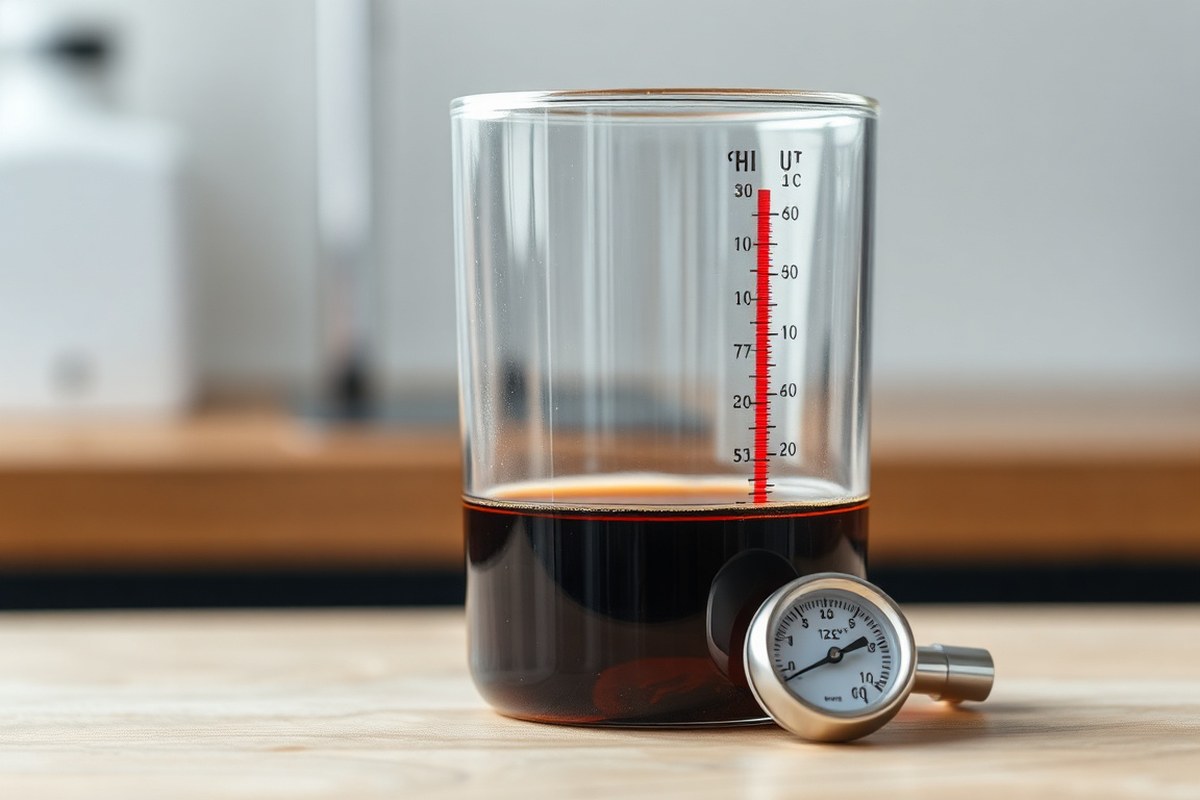
Diesel fuel evaporates at normal room temperatures, but much more slowly than gasoline. Around 68°F to 77°F (20°C to 25°C), diesel loses roughly 20% of its volume over the course of a year, showing a slow evaporation rate. This happens because diesel has a lower vapor pressure and contains heavier molecules.
Vapor pressure measures how readily a liquid’s molecules escape into the air as vapor. Diesel fuel has a notably lower vapor pressure than gasoline, with values usually ranging between 0.2 and 0.8 psi, compared to gasoline’s 5 to 7 psi at room temperature. This means fewer diesel molecules enter the air compared to gasoline molecules, slowing evaporation. Also, diesel contains longer, heavier hydrocarbon chains with higher boiling points, typically between 300°F and 700°F (150°C to 370°C), whereas gasoline boils between 100°F and 400°F (38°C to 204°C). The higher boiling point means diesel molecules require more heat energy to vaporize.
| Property | Diesel Fuel | Gasoline |
|---|---|---|
| Typical Boiling Point Range | 300°F to 700°F (150°C to 370°C) | 100°F to 400°F (38°C to 204°C) |
| Vapor Pressure (at 77°F / 25°C) | 0.2 to 0.8 psi | 5 to 7 psi |
| Evaporation Rate at Room Temp | Slow (loses ~20% volume over one year) | Fast (substantial evaporation within days or weeks) |
This difference in vapor pressure and boiling points explains why diesel evaporates more slowly than gasoline and other lighter fuels. Diesel’s heavier molecules are less volatile and less likely to produce flammable vapor clouds at room temperature, which reduces immediate ignition risks. For diesel vehicle owners and fuel storage operators, understanding this slow evaporation is important for managing fuel loss and environmental impact.
Handling diesel requires care but differs from gasoline because spills don’t evaporate quickly. Storage away from heat and sunlight helps slow evaporation further, preserving fuel quality. The slow evaporation means diesel fuel is less evaporative, so you won’t notice vapors as readily at room temperature compared to gasoline. Yet, even with slow evaporation, diesel fuel will eventually lose volume and degrade over extended exposure, which should guide storage and usage practices in fleets and fuel management.
How Temperature and Humidity Affect Diesel Evaporation
Temperature and humidity both play key roles in how quickly diesel fuel evaporates. Higher temperatures generally increase the evaporation rate, while higher humidity tends to slow it down slightly. These factors create noticeable differences in diesel evaporation in hot, dry climates compared to cold, humid ones.
How Temperature Influences Diesel Evaporation
Diesel fuel evaporation speeds up as the temperature rises. Molecular movement intensifies in higher heat, causing diesel molecules to break free from the liquid surface more easily. For example, storing diesel at 77°F (25°C) or below helps slow evaporation, while exposure to temperatures above 86°F (30°C) can increase the evaporation rate by 5-10% per hour. Such acceleration means fuel tanks in warm climates lose more volume to evaporation over time compared to cooler environments.
On the other hand, lower temperatures reduce molecular activity, significantly slowing the evaporation process. In cold climates, diesel evaporation rates may be negligible over short periods. However, freezing temperatures can affect other fuel properties, like cloud point or wax formation, which are unrelated to evaporation but important to overall fuel quality.
Role of Humidity in Diesel Evaporation
Humidity affects diesel evaporation by influencing how easily fuel vapor disperses into the surrounding air. High relative humidity, such as 80% or above, means the air holds more moisture, which slightly reduces diesel evaporation rates. This happens because moisture molecules saturate the air, limiting the space available for diesel vapor to escape. In more humid conditions, diesel molecules face more resistance leaving the liquid phase.
Conversely, low humidity environments, especially those below 40%, allow diesel vapor to spread out quickly, encouraging faster evaporation. This is particularly relevant in arid regions or climate-controlled storage facilities with dry air. The combined effect with increased temperature in dry air can cause noticeably higher evaporation losses than in moist or humid settings.
Diesel Evaporation in Hot, Dry Versus Cold, Humid Climates
Hot, dry conditions represent the highest risk for diesel evaporation because both temperature and low humidity drive faster evaporation. Fuel stored outdoors in desert-like climates can lose several percentage points in volume over a few days if not sealed properly. Increased airflow and air pressure in such environments further exacerbate evaporation by removing vapor quickly from the fuel’s surface.
In contrast, cold and humid environments tend to slow evaporation considerably. Diesel stored in temperate or northern regions with high humidity may show minimal loss over weeks or months. However, moisture ingress in humid areas might introduce water contamination risks even if evaporation is reduced, affecting fuel quality differently.
Always use airtight containers and store diesel away from direct sunlight to reduce evaporation and maintain fuel quality, especially in hot, dry environments.
Why Diesel Evaporates More Slowly Than Gasoline
Diesel evaporates slower than gasoline because of its molecular makeup and physical traits. Diesel contains longer chains of hydrocarbons, making its molecules bigger and heavier than those in gasoline. Typically, diesel molecules have about 12 to 20 carbon atoms, while gasoline’s hydrocarbons range from 5 to 12 carbon atoms. These heavier diesel molecules need more heat to turn into vapor, which causes the slower evaporation rate.
The volatility of a fuel, which measures how readily it turns into vapor, is directly related to vapor pressure, a physical property influenced by molecular weight and chain length. Diesel’s longer hydrocarbon chains lead to a significantly lower vapor pressure than gasoline. For example, gasoline vapor pressure can range from about 40 to 60 kilopascals at room temperature, while diesel’s vapor pressure is often less than 5 kilopascals under the same conditions. Lower vapor pressure means fewer molecules escape from the liquid surface into the air, so diesel produces fewer vapors and evaporates more slowly.
Diesel evaporates over a wide temperature range, approximately 180°C to 360°C (356°F to 680°F), unlike gasoline, which boils within a narrower range of about 30°C to 200°C (86°F to 392°F). This broad range causes diesel’s hydrocarbons to evaporate gradually, starting with the lighter fractions and leaving the heavier fractions in liquid form longer, which results in a slower, less uniform evaporation compared to gasoline.
Visualizing hydrocarbon structures helps clarify this difference. Gasoline molecules resemble shorter chains or rings, such as octane (C8H18), while diesel contains longer, straight-chain hydrocarbons like cetane (C16H34). The longer chains have stronger intermolecular forces, making the molecules stick together more firmly. This effect further reduces volatility and slows evaporation.
These chemical and physical properties carry practical effects. For example, diesel spills release vapors more slowly, reducing immediate vapor hazards but prolonging environmental exposure. From a fuel handling perspective, lower volatility means diesel systems can tolerate higher temperatures without excessive vapor loss, but storage tanks must still be properly sealed to prevent long-term evaporative losses. Understanding that diesel’s big, heavy molecules vaporize sluggishly explains why diesel fuel behaves so differently than gasoline at room temperature and beyond.
Factors That Influence Diesel Fuel Evaporation Rate
Diesel fuel evaporates faster when its surface is exposed to more air. A bigger surface area means more fuel molecules can enter the air, increasing evaporation. For instance, diesel stored in a shallow, open container will evaporate quicker than the same amount kept in a sealed drum.
Ventilation or air movement near the fuel surface also impacts evaporation. Good airflow carries away vapors, preventing saturation of the air and promoting faster evaporation. However, storing diesel in a sealed or poorly ventilated area will slow vapor loss because the air quickly becomes saturated with fuel vapors.
The type of container used for storage makes a major difference. Containers made from materials that restrict oxygen penetration and have airtight seals, like steel or certain plastic drums with gasketed lids, significantly slow evaporation. Containers with loose-fitting or damaged lids increase surface exposure and vapor loss.
Fuel additives also play a key role. Some additives reduce diesel volatility by altering its chemical makeup, which lowers evaporation rates. Blends with biodiesel or other components may evaporate differently based on their individual volatilities. Knowing the additives and how they affect evaporation helps you pick fuels that stay stable longer.
- Minimize surface area exposure by using narrow, tall containers instead of shallow, wide ones.
- Store diesel in airtight containers with intact seals to prevent vapor escape.
- Keep storage areas with minimal airflow to reduce vapor removal and slow evaporation.
- Choose containers made of materials that block oxygen and maintain airtight conditions.
- Consider diesel blends and additives designed to reduce volatility when selecting fuel.
- Limit container opening duration and frequency to reduce air contact with fuel.
- Use underground or insulated tanks to minimize temperature swings and evaporation.
Implementing these steps can significantly reduce diesel evaporation. For instance, sealed steel drums stored in cool, poorly ventilated spaces limit vapor loss compared to open containers in warm, breezy outdoor areas. Using fuels with additives that lower volatility further preserves fuel quality. Poor container choice or frequent exposure of diesel to air wastes fuel and degrades quality, potentially causing engine problems. Managing these factors helps you extend diesel storage life and maintain optimal performance for your vehicles or equipment.
How Long Does Diesel Take to Evaporate Completely?
Diesel fuel evaporates slowly compared to lighter fuels, and the time it takes to evaporate completely depends greatly on environmental factors and the surface involved. A spill on pavement or soil will lose volatile components faster under heat and air exposure, but evaporation alone does not fully remove the fuel. In typical storage conditions, diesel can last 6 to 12 months, especially when kept in tightly sealed containers that limit air and temperature fluctuations.
The evaporation timeline varies widely. For example, diesel spilled on hot asphalt at 90°F may evaporate its lighter fractions within days to weeks, while a spill on cooler soil around 50°F could take weeks to months for noticeable evaporation. Closed containers cut evaporation to minimal levels, preserving fuel quality by preventing exposure to air and heat.
| Condition | Temperature (°F) | Surface | Estimated Complete Evaporation Time |
|---|---|---|---|
| Open container, shady cool area | 50 | Steel or plastic container | Several months (lighter fractions evaporate first) |
| Open container, sunny hot area | 90 | Steel or plastic container | 1 to 3 months |
| Spill on soil | 70 | Loamy soil | Several weeks to months (partial evaporation only) |
| Spill on asphalt | 90 | Hot pavement | Days to weeks (lighter components only) |
| Sealed container storage | Cool (50-60) | Steel fuel tank | 6 to 12 months with minimal evaporation |
Here is a worked example: a diesel spill on a 90°F hot asphalt surface will see the lighter 9- and 10-carbon molecules evaporate within a few days to weeks, but the heavier 18- to 20-carbon molecules remain and may persist in the soil or on the surface. This partial evaporation reduces some fuel volume but leaves hazardous residues.
Open containers in hot conditions accelerate evaporation, significantly reducing fuel volume within months if left unsealed. In contrast, sealed containers stored in cool environments preserve diesel by limiting air contact and temperature extremes, keeping the fuel usable for up to a year. Soil and pavement spills rarely reach complete evaporation naturally due to diesel’s heavier hydrocarbons and soil absorption.
Always store diesel in tightly sealed containers away from heat and direct sunlight to minimize evaporation and preserve fuel quality for longer periods.
Diesel Evaporation’s Impact on Fuel Quality and Engine Performance
Evaporation changes diesel fuel by removing its lighter, more volatile hydrocarbons, leaving behind heavier compounds that burn less efficiently. This shift in composition reduces the fuel’s volatility and can cause incomplete combustion in your engine. As a result, you might notice lower power output, increased smoke, or rough idling. These symptoms happen because the altered fuel-air mixture affects how well the engine ignites and burns the fuel. Over time, gradual evaporation also decreases the total volume of diesel available, leading to reduced mileage and higher fuel costs.
Fuel quality degradation from evaporation often shows up through a few clear signs. You may detect unusual fuel odors or notice the diesel looks darker and thicker due to heavier hydrocarbons dominating the mix. Engine performance issues such as difficulty starting, lowered responsiveness, and increased exhaust emissions also point to evaporative loss degrading your fuel. Contaminants including water and microbes, which can accumulate as the fuel composition changes, contribute to this decline by clogging filters and damaging injectors.
Maintaining diesel quality requires controlling evaporation and its effects by following practical steps. Store your diesel in cool, shaded, and tightly sealed containers or tanks to slow down evaporation and prevent fuel degradation. Using opaque containers blocks light, which can heat the fuel and worsen chemical breakdown even if it doesn’t cause evaporation directly. Incorporating diesel fuel additives designed to reduce evaporation rates and improve stability helps preserve combustion quality and stabilizes performance. Regularly inspect your fuel for signs of contamination or change in consistency and rotate your stock by using older fuel first to avoid long storage times that improve evaporation risks.
Routine maintenance complements these storage practices. Drain water separators and change fuel filters according to your equipment’s schedule to prevent microbial buildup encouraged by evaporation-related changes. For fleets or storage operators, investing in fuel monitoring systems can detect quality shifts early, allowing timely action to maintain engine efficiency and lower emissions. Although some prevention steps can increase costs slightly, such as buying additives or upgrading storage tanks, these expenses are generally offset by longer fuel life, fewer engine issues, and better overall performance.
Successful management of diesel evaporation means your fuel stays closer to its original composition, preserving energy content and combustion behavior. You get more consistent engine starts, maintain power output, and reduce unwanted emissions. Avoid letting diesel sit uncovered or in warm, exposed environments for extended periods to minimize loss. Taking these measures leads to a reliable fuel supply that supports operational efficiency and cost savings while reducing the environmental footprint of your diesel-powered equipment.
Best Practices for Storing Diesel to Minimize Evaporation
To minimize diesel fuel evaporation during storage, maintain cool temperatures, use airtight containers made from appropriate materials, and consider using fuel additives that reduce volatility. Proper sealing prevents vapor loss, while additives help preserve fuel quality over time. Matching storage solutions to your climate and operational needs is key for effective evaporation control.
Ideal Storage Temperatures
Diesel fuel evaporates slower at lower temperatures because evaporation rates increase significantly with heat. Aim to store diesel below 77°F (25°C) if possible, ideally in a shaded, ventilated area to avoid temperature fluctuations. Warehouses or underground tanks provide more temperature stability compared to outdoor above-ground tanks. For fleet storage in warm climates, implementing temperature control measures such as insulating tanks or cooling systems can greatly reduce evaporation losses.
Higher temperatures above 90°F (32°C) can accelerate evaporation, leading to fuel degradation and loss. Monitoring temperature daily helps you adapt storage practices and avoid excessive fuel evaporation, especially during summer months or in hot warehouses.
Best Container Types and Sealing Options
Containers designed for diesel storage should be made from materials that limit vapor permeability, such as steel or specialized high-density polyethylene (HDPE). Steel tanks offer durability and low vapor permeability but can be costly. HDPE containers designed for fuel storage offer a balance of cost, weight, and vapor resistance.
Sealing is critical to prevent evaporation. Use containers with tight-fitting caps equipped with rubber gaskets or seals that block vapor leaks. Avoid containers with loose or degraded seals to limit vapor escape. Vapor recovery systems on large tanks can capture evaporated fuel gases and reduce loss.
- Decision Checklist for Storage Solution:
- Climate: Cooler and stable temperatures reduce evaporation.
- Container material: Steel for long-term, HDPE for portable or smaller volume.
- Seal quality: Ensure airtight caps with rubber gaskets.
- Storage location: Indoors or shaded with good ventilation.
- Consider vapor recovery or temperature control for large-scale storage in warm areas.
Effective Additives for Evaporation Control
Certain fuel additives can reduce diesel volatility, slowing evaporation rates and preserving fuel quality. Additives may include stabilizers, anti-oxidants, and evaporation inhibitors formulated to maintain the hydrocarbon balance. They are especially useful for long-term or seasonal diesel storage where evaporation and fuel degradation risks grow over time. Below is a table comparing common additive types and their benefits related to evaporation and fuel preservation.
| Additive Type | Evaporation Benefit | Additional Effects | Approximate Cost |
|---|---|---|---|
| Fuel Stabilizers | Reduces fuel breakdown, indirectly limiting vapor release | Prevents gum and sediment | $10 to $20 per gallon treated |
| Anti-oxidants | Slows oxidation, maintaining hydrocarbons | Extends shelf life 6 to 12 months | $15 to $25 per gallon treated |
| Evaporation Inhibitors | Directly lowers volatility, reducing evaporation losses | May improve cold weather performance | $20 to $35 per gallon treated |
Choosing the right additive involves balancing your storage duration, climate conditions, and cost constraints. For large fuel volumes, investing in additives can save money by reducing fuel loss and maintaining performance over months of storage. Treat diesel soon after delivery to maximize additive effectiveness.
Safety and Environmental Concerns of Diesel Fuel Evaporation
Diesel fuel vapors do present health and environmental risks during evaporation, though they are less volatile than gasoline vapors. Proper handling, spill cleanup, and emissions control help minimize these hazards while protecting air quality and public safety.
Health Risks from Diesel Vapors
Inhaling diesel vapors can cause respiratory irritation, headaches, and dizziness, especially in enclosed or poorly ventilated areas. While diesel vapors are less flammable and volatile than gasoline vapors, they still contain harmful volatile organic compounds (VOCs) that affect lung function. Exposure at higher concentrations increases the risk of more severe health effects. The health risks vary based on vapor concentration, which can be roughly mapped as follows:
| Vapor Level (ppm) | Health Effect |
|---|---|
| 0, 50 | Minimal or no symptoms |
| 50, 200 | Irritation of eyes, nose, throat; mild headache |
| 200, 500 | Dizziness, nausea, respiratory discomfort |
| Above 500 | Severe respiratory distress, risk of unconsciousness |
Regular exposure to diesel vapors should be limited, and respiratory protection used when levels may exceed 50 ppm. Ventilation is key in areas handling diesel fuel to reduce inhalation hazards.
Environmental Impact of Evaporated Diesel
Evaporated diesel significantly contributes to urban air pollution by releasing VOCs, which account for about 30% of these compounds in some city environments. These VOCs react with nitrogen oxides in sunlight to form smog and ground-level ozone, harming human health and vegetation.
Diesel vapors also contain compounds with greenhouse effects that contribute to climate change. Spills that evaporate slowly extend the period during which harmful vapors enter the atmosphere, increasing pollution risks. Environmental regulations limit VOC emissions, so controlling diesel evaporation is important beyond just fire safety concerns.
Practical Spill Cleanup Steps
Diesel spills require quick action to contain the fuel and prevent prolonged evaporation. Effective cleanup reduces vapor release and the risk of soil and water contamination. Follow these steps for cleanup, considering evaporation slows but does not eliminate risk immediately:
- Contain the spill using absorbent booms or barriers to prevent spread.
- Ventilate enclosed areas to disperse vapors and reduce inhalation hazards.
- Apply appropriate absorbent materials to soak up pooled diesel.
- Collect the contaminated absorbents carefully using non-sparking tools.
- Dispose of collected materials according to local hazardous waste regulations.
- Decontaminate the surface with suitable detergents or solvents if required.
- Monitor the area for lingering vapors or contamination and re-clean if necessary.
Always avoid open flames or sparks during cleanup, since evaporated diesel vapors can ignite under the right conditions, even though they are less flammable than gasoline vapors.
Step-by-Step Action Plan to Manage Diesel Fuel Evaporation
Take control of diesel fuel evaporation by following these steps to preserve fuel quality and maintain safety.
- Before storage: Choose a cool, dry, and shaded location to keep diesel containers or tanks. Check that the area has good ventilation to prevent vapor buildup.
- Day 1: Seal diesel containers tightly using approved caps or lids. Confirm no visible leaks or gaps to minimize evaporation losses.
- Week 1: Inspect stored diesel for water contamination or microbial growth, which accelerate degradation. Use water-detection paste and treat if necessary.
- Week 4: Rotate fuel stock by using the oldest diesel first to avoid prolonged storage time, which increases evaporation and quality loss.
- Month 2: Check tank or container vents for proper function, ensuring pressure release without excessive vapor loss.
- Ongoing: Monitor diesel temperature and humidity; aim to keep fuel below 80°F and humidity low to further reduce evaporation and contamination risks.
- As needed: Dispose of or recycle any diesel that shows signs of degradation or prolonged storage beyond recommended limits to protect engine performance.
Frequently Asked Questions
Can Diesel Fuel Evaporate in Cold Weather?
Diesel fuel can evaporate in cold weather but at a much slower rate due to lower temperatures reducing vapor pressure and molecular movement, which limits evaporation compared to warmer conditions.
Does the Color of Diesel Fuel Indicate Its Evaporation Rate?
The color of diesel fuel does not affect its evaporation rate; evaporation depends on vapor pressure and temperature, not fuel color or dye additives.
Can Diesel Fuel Evaporation Affect Emissions?
Yes, evaporated diesel releases hydrocarbons that contribute to air pollution and smog, highlighting the need for proper storage and handling to reduce environmental impact.
Is Diesel Fuel Evaporation Different Between Biodiesel and Petroleum Diesel?
Biodiesel generally evaporates slower because it contains heavier molecules and oxygen, affecting volatility compared to conventional petroleum diesel.
Does Stirring Diesel Fuel Speed Up Its Evaporation?
Stirring diesel fuel can increase the evaporation rate by exposing more molecules to air and promoting heat exchange, but effects are minor under typical storage conditions.
Can Evaporated Diesel Create an Explosion Hazard?
Yes, evaporated diesel can form flammable vapors concentrated enough to ignite if exposed to a spark, especially in enclosed or poorly ventilated areas.
Final Thoughts
Diesel fuel does evaporate but much more slowly than gasoline, mainly due to its heavier hydrocarbons and lower volatility. Managing storage conditions and handling practices carefully can significantly reduce evaporation and maintain fuel quality. Your next step is to check your current diesel storage setup and implement tighter controls on sealing and environmental conditions to limit fuel loss and safety hazards.


