Does AutoZone Change Spark Plugs? What They Offer and How to Replace Yours
AutoZone does not offer spark plug replacement services for customers, but they sell a wide range of spark plugs and provide helpful advice for replacing them yourself. This suits car owners and DIY enthusiasts who want to handle maintenance without professional help.
This article explains what spark plug types AutoZone carries, when to replace your spark plugs, and how to safely swap them out. You’ll also learn the cost differences between DIY replacements and professional services to make a wise maintenance choice.
Key Takeaways
- AutoZone sells copper, platinum, and iridium spark plugs, typically priced from $5 to $20 each.
- Replacing spark plugs yourself can save $100 to $250 compared to professional services.
- Look for signs like engine misfires or reduced fuel efficiency to know when your spark plugs need replacement.
- Essential tools for spark plug replacement include a spark plug socket, torque wrench, and anti-seize lubricant.
- Follow your vehicle manufacturer’s mileage recommendations, usually between 30,000 and 100,000 miles, for plug replacement.
- Over-tightening spark plugs is the top cause of failure in modern engines, so use a torque wrench to avoid damage.
Does AutoZone Change Spark Plugs for Customers?

AutoZone does not change spark plugs for customers. Unlike some automotive repair shops or dealerships, AutoZone locations do not offer installation or replacement services for spark plugs or other parts. Their staff cannot perform mechanical work such as spark plug removal or installation, primarily because AutoZone is set up as a parts retailer, not a service center.
Spark plug replacement requires specific tools, knowledge, and time, which professional mechanics or dealerships possess. Installation often involves carefully loosening and tightening plugs to the correct torque, checking gaps, and sometimes removing components to access hard-to-reach plugs. Improper installation risks engine misfires, damage to spark plug threads, or poor engine performance. Since AutoZone does not have service bays or certified technicians on hand, they do not provide these procedures themselves.
Customers who want professional spark plug replacement typically need to visit a dealership, independent repair shop, or mechanic. These alternatives charge for labor, which varies depending on vehicle type and spark plug difficulty, but they ensure proper handling and quality assurance. Dealerships may charge more, often $150 to $300 or more for parts and labor combined, while independent shops could be more affordable.
Although AutoZone won’t replace the spark plugs for you, they offer several alternatives to help with the process. First, their staff can help you pick the right spark plugs for your vehicle based on make, model, and engine specifications. They also provide loaner tools like spark plug sockets or gap gauges, which you can borrow to perform the replacement yourself. Plus, many stores can read check engine codes with an OBD2 scanner, which helps diagnose if misfiring or other engine issues point to worn spark plugs.
For customers who prefer a hands-off approach, AutoZone can provide referrals to trustworthy local mechanics or service centers. This way, you get professional installation without searching blindly. Their knowledgeable team offers guidance on timing the replacement and the costs involved in parts, making it easier for you to budget and plan the repair.
Choosing to replace spark plugs yourself after purchasing parts and borrowing tools from AutoZone saves labor costs, which can be over $100 in many shops. However, you should only attempt this if you feel confident with basic auto repairs and have a repair manual or step-by-step instructions handy. Spark plug replacement generally takes about 30 to 60 minutes for most vehicles with easy access, but may take longer if components must be removed first.
In summary, AutoZone does not perform spark plug replacement services. Their role is to provide the parts, guidance, diagnostic help, and tool lending necessary for you to tackle the job yourself or connect you with professionals who can do it. This setup fits customers who want DIY control or those needing a reliable parts source before visiting a repair shop.
What Spark Plug Services and Support Does AutoZone Provide?

AutoZone supports DIY spark plug replacement by providing several in-store services and resources that help you tackle the job with confidence. They offer a wide selection of the right spark plugs for your car, along with the necessary tools for installation. Although they do not perform the installation themselves, their loaner tool program, free diagnostics, and expert advice make them a reliable resource for spark plug maintenance.
You can borrow tools such as spark plug sockets, ratchets, gap gauges, and torque wrenches at many AutoZone locations without an upfront cost. This tool loan program helps you avoid investing in expensive tools that you might only use once or twice. It’s important to call your local store ahead of time to confirm tool availability and the loan deposit or ID requirements.
AutoZone provides a free engine light diagnostic (OBD-II scan) to help you determine if your spark plugs or ignition system components are causing issues. This scan gives you trouble codes that you can research or discuss with AutoZone staff. Getting a diagnostic scan before buying parts helps you avoid unnecessary purchases and ensures the new spark plugs will address the real problem.
AutoZone’s knowledgeable employees will assist you in selecting the correct spark plugs based on your vehicle’s make, model, engine type, and usage. They can also recommend the proper installation techniques and tips for safely removing and installing spark plugs. Their advice includes how to check and adjust spark plug gaps correctly, how to clean the spark plug hole, and torque specifications to avoid damage.
Return policies for spark plugs vary but generally allow returns or exchanges if the plugs are unused and accompanied by a receipt within a certain time frame, typically 90 days. This flexibility is useful if you buy the wrong part or your diagnostic results change.
- Borrow spark plug sockets, gap gauges, and torque wrenches through AutoZone’s loaner tool program
- Get a free OBD-II diagnostic scan to check engine codes before purchasing spark plugs
- Receive expert advice on choosing the right plugs and installation tips
- Buy from a wide range of spark plug brands suited for various engines
- Return or exchange unused spark plugs within about 90 days with a receipt
- Pick up spark plug replacement guides or worksheets from the store to follow during installation
Using AutoZone’s resources effectively means preparing ahead: call to reserve tools, bring your vehicle’s information, and take notes during the diagnostic and advice sessions. This way, you reduce errors and improve your repair experience.
Always double-check spark plug gap specifications for your vehicle before installation, as incorrect gaps can lead to misfires or engine damage.
Which Types of Spark Plugs Does AutoZone Sell and Their Costs?
AutoZone offers a broad selection of spark plugs that cover different vehicle needs and budgets. You can find copper, platinum, and iridium spark plugs here, with prices ranging from about $2.50 to $50 each. These plugs vary in lifespan, with copper usually lasting 30,000 to 40,000 miles, and platinum or iridium versions going up to 100,000 miles depending on use.
Copper Spark Plugs: Cost and Lifespan
Copper spark plugs at AutoZone usually cost between $2.50 and $4.99 per plug. They use a copper core combined with a nickel alloy electrode. These plugs provide basic ignition performance but wear out faster than other types. Copper plugs often need replacement within 15,000 to 30,000 miles, but some budget copper plugs sold at AutoZone might last up to 40,000 miles.
They tend to erode quickly and may not keep their spark gap consistent over time, which can cause engine misfires or reduced fuel efficiency. These plugs generally don’t meet OEM vibration standards and have limitations in performance lifetime, so they are better suited for older vehicles or drivers on a tight budget who prefer more frequent maintenance.
Platinum and Iridium Options Explained
Platinum spark plugs offer longer service lives, typically lasting 60,000 to 80,000 miles. They perform better than copper plugs because platinum is harder and more resistant to erosion, which helps maintain the spark gap. Iridium plugs go even further, often reaching lifespans close to 100,000 miles. Iridium’s melting point is higher, which allows for better durability and a more stable spark in harsh engine conditions.
Prices for platinum plugs at AutoZone generally start around $10 and can reach $20 per plug. Iridium plugs are more expensive, ranging from $20 up to $50 or more depending on the brand and specific technology used. Their higher upfront cost can save money long term by reducing how often you replace them. These plugs are ideal for newer cars, high-performance engines, or vehicles driven under stressful conditions like heavy traffic or extreme temperatures.
| Tier | Price Range (per plug) | Core Technology | Real-World Lifespan | OEM Equivalent? | Key Limitations |
|---|---|---|---|---|---|
| Budget | $2.50, $4.99 | Copper core, nickel alloy electrode | 30,000, 40,000 miles | The product does not pass the SAE J200 vibration durability test after 500 hours. | High erosion rate; inconsistent gap retention; not approved |
| Mid-Range | $5.99, $12.49 | Copper core, iridium-tipped center electrode (0.4mm tip) | 60,000, 80,000 miles | This meets original equipment standards for 92% of non-turbo models from 2012 and 2019. | Not rated for turbo or high-performance applications |
| Premium | $20, $50+ | Iridium core, fine-wire electrode | 80,000, 100,000+ miles | Yes, often used as OE parts on newer vehicles | Higher cost upfront; suited for long-term use and performance |
The table summarizes the price ranges, technology, and service life you can expect from various spark plug types at AutoZone. Picking the right one depends on your vehicle’s demands and how long you want your spark plugs to last before swapping them out.
Popular Brands Carried by AutoZone
AutoZone carries well-known brands like Denso, NGK, and ACDelco, which include a range of copper, platinum, and iridium spark plugs. These manufacturers typically offer products that meet or exceed OEM standards for many vehicle makes and models.
Most of these spark plugs come with warranties, varying by brand and plug type. For instance, iridium or platinum plugs often include coverage for defects or premature wear for mileage up to their expected lifespan, usually between 60,000 and 100,000 miles. Warranty details are usually printed on the packaging or available through the AutoZone website, so checking there before purchase can clarify any specific coverage or return policies.
How to Know When Your Vehicle Needs Spark Plug Replacement
Worn or failing spark plugs cause several noticeable symptoms that affect your vehicle’s performance and efficiency. You may experience engine misfires, where the engine hesitates or sputters while driving. Rough idling and difficulty starting the engine are also common signs. A drop in fuel efficiency often accompanies plug issues, as inefficient combustion uses more gas and increases emissions. Ignoring these symptoms can lead to long-term engine damage and increased repair costs.
The check engine light can illuminate due to faulty spark plugs. Modern vehicles’ onboard diagnostics detect misfires caused by bad plugs, triggering a P0300, P0304 error code related to specific cylinders. AutoZone offers free OBD-II code reading to help identify if spark plugs or related components like coil-on-plugs (COP) or sensors might be the cause.
Replacement intervals for spark plugs vary based on their material and engine design. Most spark plugs fall into a range between 30,000 and 100,000 miles. For example, standard copper plugs usually require replacement closer to 30,000 miles, while iridium or platinum plugs can last up to 100,000 miles. Always consult your vehicle’s owner’s manual or use resources available at AutoZone to confirm the recommended interval for your make and model.
Certain driving conditions can shorten spark plug life. Frequent short trips do not allow the engine to reach optimal operating temperature, increasing fouling risk. Stop-and-go city driving and heavy acceleration can also wear plugs faster. Conversely, regular highway driving at steady speeds tends to extend their lifespan.
- Engine misfires or sputtering during acceleration
- Rough or uneven idling
- Hard starting or failure to start
- Check engine light appearing with misfire codes
- Reduced fuel efficiency or increased fuel consumption
- Intervals typically between 30,000 and 100,000 miles based on spark plug type
- Driving habits and conditions that increase plug wear
Replacing spark plugs on schedule helps maintain smooth engine operation, fuel economy, and lower emissions. Neglecting timely replacement can worsen performance and raise gas costs. Paying attention to the signs above and following your vehicle’s recommended maintenance interval will protect your engine’s reliability and lifespan.
Essential Tools and Supplies for DIY Spark Plug Replacement
To replace spark plugs safely and effectively at home, you need a specific set of tools and supplies to avoid damage and ensure proper installation. Essential tools include a spark plug socket with a rubber insert to grip the plug securely, a ratchet wrench, extension bars to reach deeply set plugs, and a torque wrench to tighten the plugs to manufacturer specifications. These tools minimize the risk of over-tightening, which can damage the threads, or under-tightening, which can cause poor engine performance.
AutoZone offers a helpful Loan-A-Tool program where you can borrow specialty tools like spark plug sockets and torque wrenches for a refundable deposit. This way, you don’t have to buy expensive tools outright if you only plan to change plugs occasionally. Of course, if you prefer to keep the tools, they are available for purchase as well. Buying ensures they’re on hand for future maintenance jobs.
- New spark plugs matched to your vehicle’s make and model.
- Spark plug socket and ratchet or breaker bar.
- Extension bars suitable for your engine’s plug depth.
- Torque wrench calibrated in foot-pounds or newton-meters.
- Anti-seize compound to prevent plug threads from sticking.
- Feeler gauge to check and adjust spark plug gap if needed.
- Dielectric grease for spark plug boots to improve electrical contact.
Using anti-seize compound on the spark plug threads is generally recommended to make future removal easier and prevent galling, especially with metal plugs. However, some modern spark plugs come with a special coating that may negate the need for anti-seize. Check the plug manufacturer’s instructions. When applying anti-seize, use a small amount evenly on the threads and avoid getting any on the electrode or firing surface to prevent misfires.
Proper spark plug gap is critical for optimal combustion and engine performance. Many purchased spark plugs come pre-gapped, but checking is still advisable. Use a feeler gauge to measure the gap between the center and ground electrode, referencing your vehicle’s service manual for the correct specification, usually between 0.028 and 0.060 inches depending on the engine. If adjustment is needed, gently bend the ground electrode to widen or narrow the gap without damaging the plug.
Always torque new spark plugs to the manufacturer’s recommended setting to avoid thread damage or engine issues; hand-tightening alone is not enough.
Step-by-Step Guide to Replacing Spark Plugs Safely and Correctly
You can replace your spark plugs safely and correctly by following a clear, step-by-step process. Doing one plug at a time helps keep wires and coils in order, preventing misfires. Using the right torque and verifying the gap ensures your engine runs smoothly and avoids damage.
Preparing Your Vehicle and Workspace
Start by parking your car on a flat surface and turning off the engine. Let it cool down for at least 30 minutes since spark plugs and engine parts can get extremely hot. Gather all necessary tools and parts nearby to avoid interruptions once you start.
Clear enough space around your engine bay for easy access to the spark plugs. Using a flashlight or headlamp helps when plugs are in tight or dark locations. Disconnect the negative battery cable to prevent accidental electrical shocks or shorts.
Removing and Inspecting Old Spark Plugs
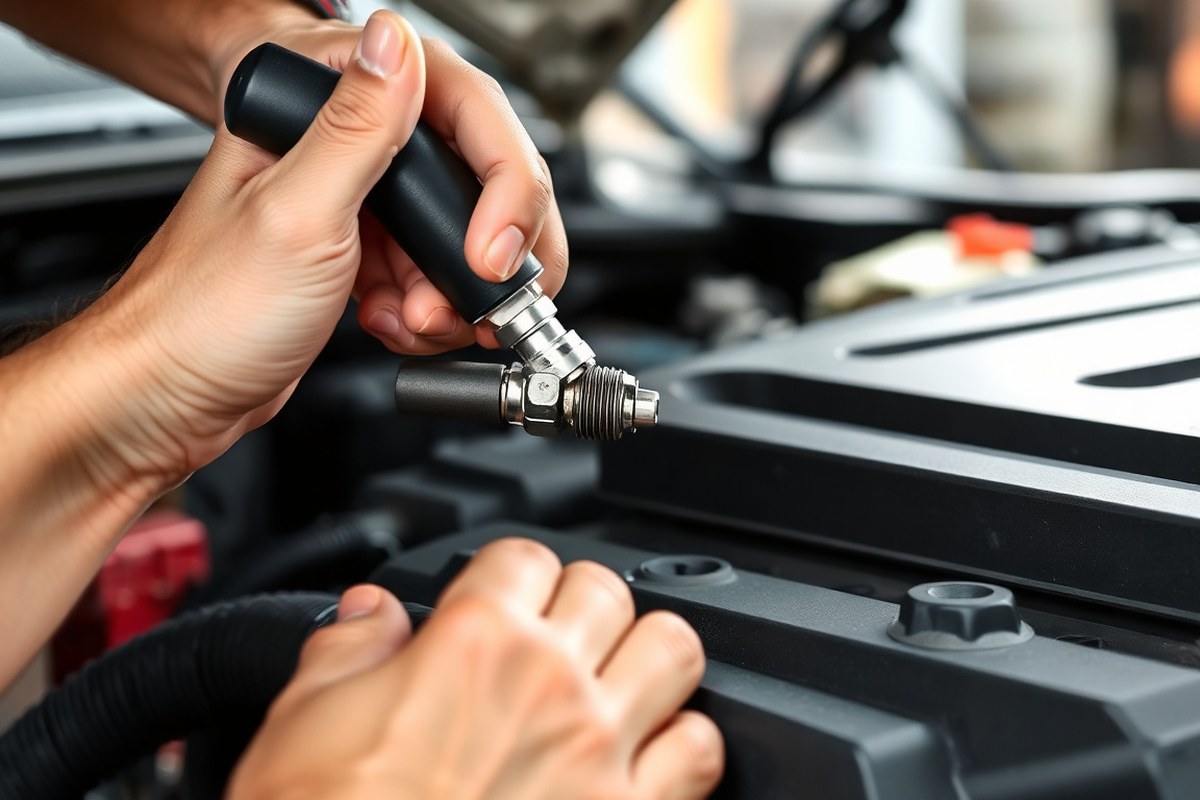
Removing the old spark plugs carefully prevents damage to the threads and ignition components. Remove spark plugs one at a time to maintain the correct firing order and avoid confusion. Use a spark plug socket with a rubber insert or foam pad to protect the plug body while loosening.
- Remove the ignition coil or spark plug wire from the first spark plug by gently twisting and pulling it off.
- Use a spark plug socket attached to a ratchet and extension to carefully loosen and unscrew the plug counterclockwise.
- Extract the spark plug, taking care not to drop it or damage the threads.
- Inspect the old plug for signs of wear, oil fouling, or carbon buildup to help diagnose engine health.
- Repeat the process for each spark plug, one at a time, until all are removed.
If spark plugs are in hard-to-reach places, using swivel adapters and longer extensions can improve access and use.
Installing New Plugs with Correct Torque and Gap Settings
Before installing, check the spark plug gap with a feeler gauge. Adjust the gap to your vehicle’s specifications, usually between 0.028 and 0.060 inches depending on the engine. Proper gapping ensures efficient combustion and engine performance.
Hand-thread new plugs into the cylinder head to avoid cross-threading, then tighten with a torque wrench. The typical spark plug torque is 15 to 25 ft-lbs, but always follow your vehicle manufacturer’s exact specifications. Over-tightening can damage threads and under-tightening risks poor contact and misfires.
- Verify and adjust the spark plug gap using a feeler gauge, following your vehicle’s recommended gap.
- Insert the new spark plug into the cylinder head and hand-tighten it clockwise until snug to prevent cross-threading.
- Use a torque wrench to tighten the spark plug to the manufacturer’s recommended torque, usually 15-25 ft-lbs.
- Reattach the ignition coil or spark plug wire securely to the spark plug.
- Repeat for each plug, working one at a time to maintain proper wire order.
- Reconnect the negative battery cable after all plugs are installed.
Wear safety glasses and gloves throughout the process to protect your eyes and hands. Keep the work area clean and free of oil or debris to avoid engine contamination.
Comparing Costs: DIY Spark Plug Replacement vs Professional Service
Replacing spark plugs yourself can save a significant amount of money compared to going to a mechanic or dealership. At AutoZone, a set of six spark plugs typically costs around $60, which covers most standard vehicles. Labor is where the expenses add up. Independent mechanics often charge about $120 for labor, while dealerships can charge up to $180 or more due to higher hourly rates and potentially longer service times. Here’s a clear breakdown of costs by provider type:
| Service Provider | Parts Cost (6 plugs) | Labor Cost | Total Cost |
|---|---|---|---|
| AutoZone (DIY) | $60 | N/A | $60 |
| Independent Mechanic | $60 | $120 | $180 |
| Dealership | $90 | $180 | $270 |
Buying plugs at AutoZone and installing them yourself can cut the total cost by more than half compared to professional service. For people familiar with car maintenance and equipped with the right tools, this option is often cost-effective. You only need to allocate the time and ensure safety procedures to avoid damage to spark plugs or your engine.
If you’d prefer to skip the labor, purchasing parts at AutoZone and bringing them to an independent mechanic or dealership might save some money. Professional shops usually charge separately for parts and labor, so providing your own plugs can lower your overall expenses by $30 to $50 or more. Just confirm with the mechanic beforehand that they accept customer-supplied parts and that the plugs meet your vehicle’s specifications.
Labor times for spark plug replacement vary by engine complexity. Most spark plug jobs take between 1 and 2 hours. Higher labor costs reflect this, especially at dealerships where rates tend to be $75 to $250 per hour. Independent shops are generally less expensive, with labor fees around $120. The dealer route offers convenience and warranty coverage but costs the most.
When to Choose Professional Spark Plug Replacement Instead of DIY
Choosing professional spark plug replacement makes sense when your vehicle’s design or condition complicates the job. Certain engines have tight spaces or require special tools, increasing the chance of damage or wasted time for a DIY attempt. Also, if other ignition parts seem faulty or the engine has unusual symptoms, a professional can properly diagnose and fix the root cause.
Signs Your Spark Plug Job Is Too Complex
Some vehicle models have spark plugs located beneath engine covers, manifolds, or tightly packed components. This makes access difficult without removing multiple parts, which can be challenging and time-consuming. For example, many modern V6 or turbocharged engines require special deep-socket tools and torque wrenches to avoid breaking spark plug threads. Here are factors signaling you should skip DIY:
- Engine layout limits tool access in the spark plug area
- Your car’s service manual calls for specific tools unavailable in basic kits
- You notice signs of corrosion or damaged spark plug threads
- Previous improper spark plug installations or repairs
- Engine performance problems accompanied by oily or wet plugs due to leaks
- Coil packs or ignition modules require simultaneous replacement or testing
- You lack the time or experience to carefully follow precise torque specs
A risky DIY without these considerations could strip threads, break plugs, or worsen ignition issues.
How to Pick a Reliable Mechanic or Dealership
Start by looking for shops certified by recognized organizations like ASE (Automotive Service Excellence). Dealerships offer brand-specific experience, which is valuable for modern engine electronics and parts. Ask for clear estimates, including labor and parts, and find out about warranties on the work performed. Follow these tips to choose the right place:
- Check online reviews and ask friends or family for recommendations
- Confirm the shop uses proper tools such as torque wrenches and diagnostic scanners
- Request that the technician inspects ignition coils and wires along with spark plugs
- Verify current certifications relevant to your vehicle’s make and model
- Ensure the shop offers a clear warranty on both parts and labor, typically 12 months or more
- Compare estimates from multiple shops to avoid overcharging
Reliable professionals avoid guessing. They will run tests like a compression check or coil testing before deciding on spark plug replacement.
Distinguishing Spark Plug Issues from Ignition Coil Failures
A common mistake is replacing spark plugs when the actual cause is failing ignition coils or spark plug wires. Symptoms like engine misfires or rough idling overlap but need different fixes. Professionals use diagnostic scanners to read engine codes and measure coil resistance, identifying the true source of ignition trouble. Signs pointing to coil or ignition part issues include:
- Multiple misfire codes appearing simultaneously
- Visual inspection showing cracked, oily, or burnt ignition coils
- Intermittent engine stalling or difficulty starting not resolved by new plugs
- Electrical tests revealing coil pack or wire resistance outside factory specs
Never replace spark plugs without first confirming ignition coil health; replacing the wrong part wastes money and may not fix engine problems.
Technicians often test each component step-by-step, ensuring the solution targets the actual malfunction rather than a symptom.
Step-by-Step Action Plan for Replacing Your Spark Plugs
Use this plan to decide whether to replace your spark plugs yourself or get professional help, and to carry out the replacement if you choose DIY.
- Before You Start: Check your vehicle’s owner manual to find the recommended spark plug type and replacement interval. This ensures you buy the right parts and don’t replace plugs prematurely.
- Day 1: Visit AutoZone or a similar store to buy spark plugs and necessary tools such as a spark plug socket, gap tool, and torque wrench. Verify the plugs are the exact fit by using your vehicle’s make, model, and year.
- Day 2: Prepare your workspace by parking on a flat surface and allowing the engine to cool. This reduces risk of burns or damage during replacement.
- Day 3: Follow the step-by-step procedure to remove old spark plugs and install new ones, tightening them to manufacturer torque specs. Successful replacement is indicated by smooth engine start and reduced misfires.
- After Replacement: Test-drive your vehicle for about 10 miles and monitor engine performance. If you notice engine hesitation or poor idle, re-check plug connections or consult a professional.
- Within 1 Month: Keep an eye on your dashboard for check engine lights. A light may signal improper installation or other engine issues needing attention.
Frequently Asked Questions
Does AutoZone Change Spark Plugs for Customers?
AutoZone sells spark plugs but does not install or replace them since it functions solely as a parts retailer, not a service provider or repair facility.
Can I Get a Free Diagnostic Scan at AutoZone to Check Spark Plug Issues?
Yes, AutoZone offers a free engine light diagnostic scan to help identify if spark plugs or other issues are causing trouble.
Does AutoZone Provide Tools for Spark Plug Replacement?
AutoZone lends some essential tools needed for spark plug replacement, making it easier for DIY repairs.
What Types of Spark Plugs Can I Buy at AutoZone?
AutoZone sells a wide range of spark plugs including copper, platinum, and iridium types to fit many vehicles.
Can AutoZone Staff Help Me Choose the Right Spark Plugs?
Yes, AutoZone employees are trained to help select the correct spark plugs and offer advice on installation steps.
How Much Do Spark Plugs Cost at AutoZone?
Spark plugs at AutoZone typically cost between $5 and $15 each, depending on the type and vehicle model.
The Bottom Line
AutoZone does not offer spark plug replacement services but provides parts and tools to help you do it yourself. Taking on spark plug replacement can save you money and improve your understanding of your vehicle, as long as you follow safety steps carefully. Your next move is to pick up the right spark plugs and tools, so you’re ready to start the job with full confidence.