How Many Fuel Injectors Are in a V6? Complete Guide with Costs and Replacement Tips
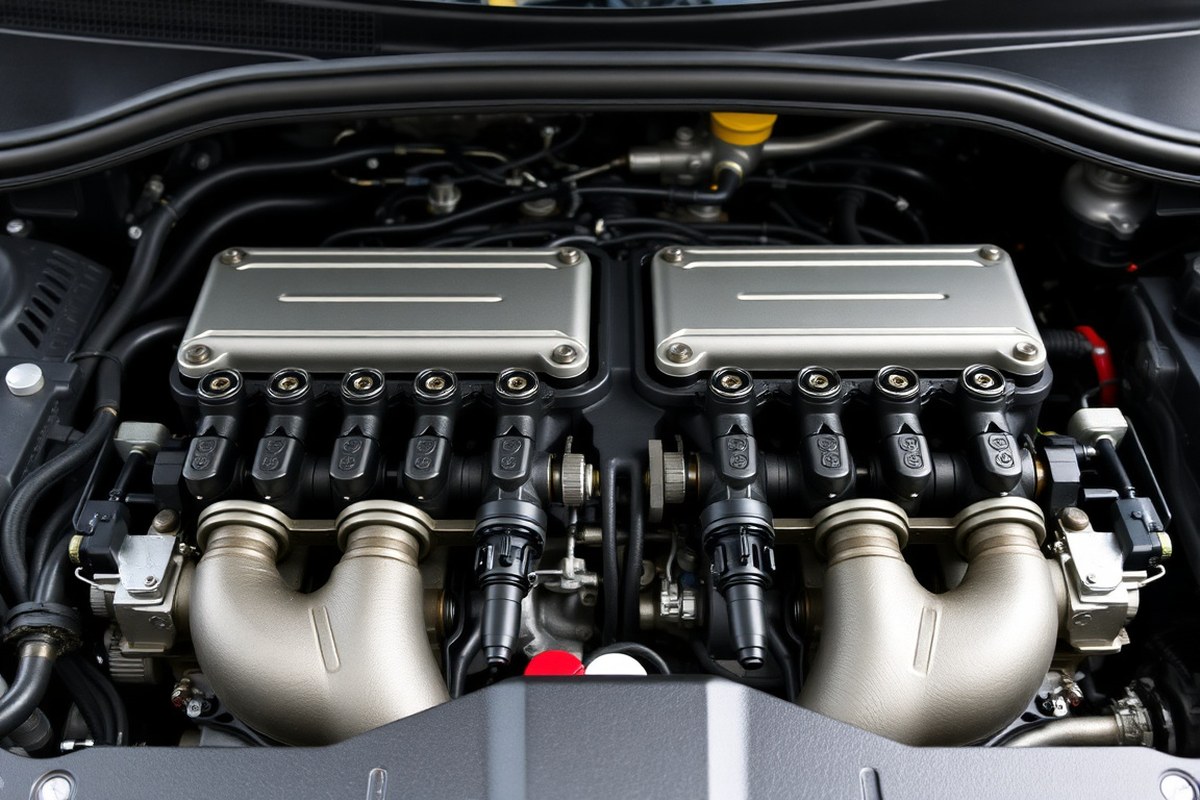
How many fuel injectors are in a V6? Every standard V6 engine has six fuel injectors, one for each cylinder. These injectors are typically arranged in two banks of three, matching the V-shaped layout of the engine. This setup ensures each cylinder receives the right fuel amount for efficient combustion.
The location of fuel injectors in a V6 is designed for optimal air and fuel mixing, improving engine performance and fuel efficiency. Checking these injectors regularly helps maintain smooth engine operation and catch problems early.
Key Takeaways
- A V6 engine always has six fuel injectors, corresponding to its six cylinders.
- The injectors are split into two banks of three, following the engine’s V configuration.
- Each injector is critical for delivering fuel precisely to its respective cylinder’s combustion chamber.
- Fuel injectors mounted in the intake manifold promote better air/fuel mixture for improved combustion.
- Proper injector function in a V6 prevents rough idling, misfires, and power loss.
- Compared to V6, V8 engines have eight or more injectors; inline-6 engines have six injectors in a straight line.
How Many Fuel Injectors Are in a Standard V6 Engine?
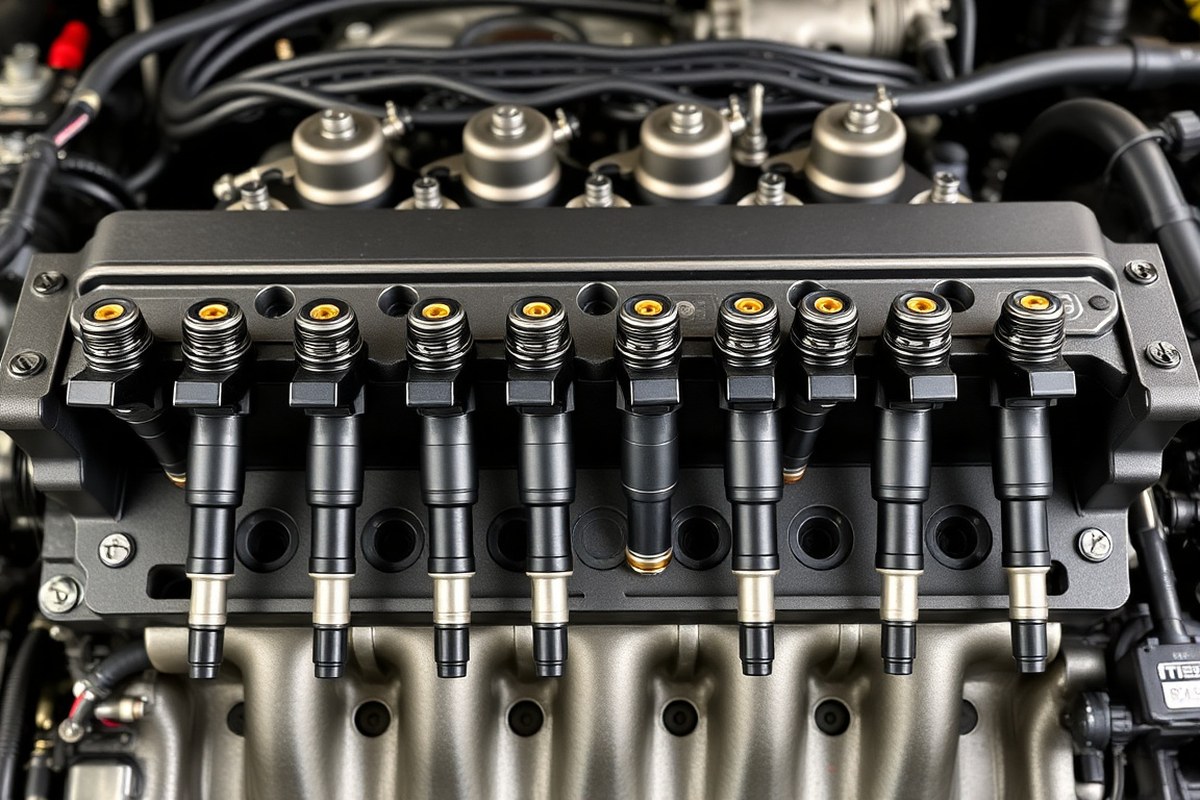
Most standard V6 engines have exactly six fuel injectors, one for each cylinder. This rule holds true for the majority of modern gasoline engines, including many V6 configurations found across different manufacturers. Having one injector per cylinder allows precise delivery of fuel to each combustion chamber, helping the engine maintain efficient performance and optimal fuel economy.
There are exceptions to this general rule depending on the fuel system design. Older throttle body injection (TBI) systems sometimes use only one or two injectors that feed multiple cylinders, rather than individual injectors for each. Some advanced engines might even employ dual-injection setups, where each cylinder has two injectors, one for port injection and one for direct injection. These systems aim to improve performance or emissions but are less common than the one-to-one injector-to-cylinder pairing typical of a V6.
Manufacturers generally follow the one-injector-per-cylinder approach because it simplifies fuel management and ensures even fuel distribution. Injectors are typically mounted on fuel rails positioned along each bank of the “V” configuration, injecting fuel into the intake manifold near the intake valve. This placement supports forming an optimal air-fuel mixture for efficient combustion. Although engine technology varies across manufacturers, this injector count and arrangement remain consistent in most V6 engines.
Confirming the exact fuel injector count in your vehicle is important before buying replacement parts or performing diagnostics. For example, if you own a 2010s V6 gasoline engine, it likely has six injectors. However, a V6 diesel engine or a hybrid powertrain might have a different fuel injection setup. Also, some performance or aftermarket modified engines can feature customized injector counts. Checking the vehicle’s service manual or parts catalog will verify the correct injector number and specifications.
Fuel injector maintenance matters because failing injectors can cause rough idling, poor throttle response, and reduced fuel efficiency. Replacing all six injectors in a V6 engine usually takes around two to four hours and costs between $450 and $700 in parts for standard aftermarket units, not including labor. Using the correct injector count and model restores the engine’s factory performance and prevents drivability issues.
Why Are Fuel Injectors Placed Differently in V6 Engines?
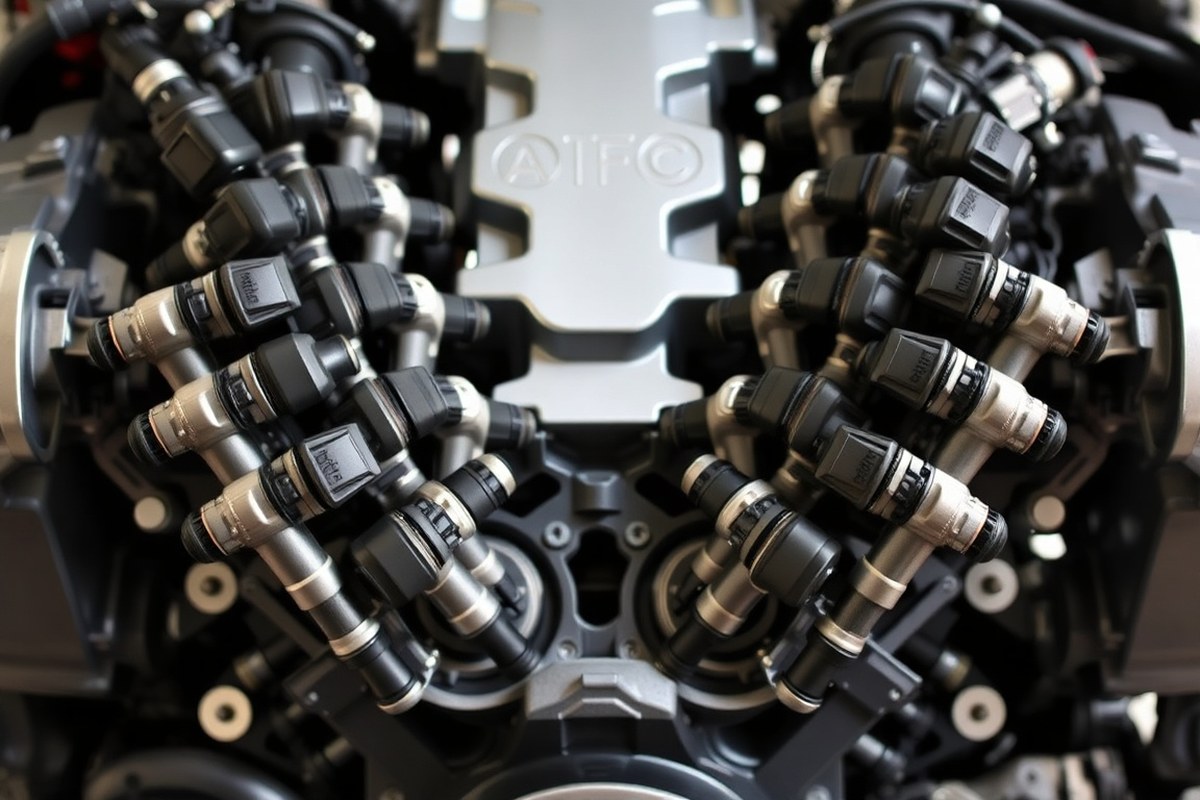
The V-shape of a V6 engine means its six cylinders are split evenly into two banks of three cylinders each, arranged at an angle to form a “V.” This layout directly influences how fuel injectors are placed. Each bank has its own fuel rail with three injectors, one injector per cylinder. Positioning the injectors this way ensures direct and balanced fuel delivery to each bank, which is important for optimal combustion and engine performance.
Mounting injectors separately on each bank allows the system to manage fuel flow more accurately, matching the needs of the cylinders on that side. When injectors are too far from the intake valves, fuel can vaporize too early or unevenly, leading to inefficient combustion, poorer fuel economy, and emissions issues. Proper injector placement near each bank’s intake ports ensures that fuel mixes evenly with air right as the intake valves open. This timing and location help keep the air-fuel mixture consistent for all cylinders and prevent misfires or fuel leakage.
How the injectors sit relative to the intake manifold and valves impacts how well the engine breathes and responds. For example, fuel injectors that deliver fuel just upstream of the intake valves allow the injected fuel to atomize finely and enter the combustion chamber at the best time in the intake stroke. This directly improves throttle response, power output, and fuel efficiency. Placing all the injectors in a single line on one bank only leads to less precise fuel delivery on the other bank, causing uneven performance and possible drivability problems.
Technicians installing or replacing injectors in a V6 should keep the banks separate and ensure each injector is secured properly with its retaining clip to avoid fuel rail leaks or injector movement. Make sure to keep the protective caps on injectors until installation to prevent contamination. Vehicles with two injectors per cylinder in performance setups require careful attention to injector spacing and sealing to prevent flooding or lean areas in the combustion chamber.
In some cases, injector placement varies depending on the engine’s design and manufacturer specifications. High-performance or turbocharged V6 engines might have injectors positioned closer to the intake valves than standard engines to handle increased fuel demands. This layout difference can also affect how you diagnose fuel delivery problems, as uneven injector firing or placement can cause hesitation or rough idling localized to one bank.
Always verify that each injector’s retaining clip is securely fastened during installation to prevent fuel leaks and ensure consistent fuel delivery.
How Fuel Injectors Work in a V6 Engine
Fuel injectors in a V6 engine operate by spraying a precise amount of fuel into the intake ports or directly into the cylinders. This process is triggered electronically and timed to coordinate with the engine’s intake valve opening and the four-stroke combustion cycle, ensuring efficient fuel delivery for power and emissions control.
Stages of Fuel Injection Timing
The timing of fuel injection in a V6 engine aligns with the four-stroke cycle: intake, compression, power, and exhaust. Injectors typically release fuel just before or as the intake valve opens to allow the atomized fuel to mix thoroughly with incoming air. This timing is critical because if the fuel sprays too early or late, it affects combustion quality and engine performance.
Fuel injectors fire based on signals from the engine’s camshaft and crankshaft sensors. These sensors relay real-time position data to the powertrain control module (PCM), which triggers the injector’s electrical pulse to open the injector nozzle. This pulse usually lasts a few milliseconds and controls how much fuel injectors spray, adapting to engine speed, load, and temperature.
In some direct injection V6 engines, fuel is injected directly into the combustion chamber during the compression stroke rather than the intake stroke. This requires even more precise timing because fuel must mix with air under high pressure and temperature to ensure complete combustion and reduce emissions.
Types of Injectors Used in V6 Engines
Most modern V6 engines use either port fuel injection or direct fuel injection systems. Port injectors spray fuel into the intake manifold just upstream of the intake valve, mixing with air before reaching the cylinder. These are common in older or less advanced engines because they are simpler and less costly.
Direct fuel injection injectors deliver fuel straight into the combustion chamber at very high pressure, improving fuel atomization and combustion efficiency. This method is common in newer V6 engines with advanced technology like variable valve timing and cylinder deactivation. However, direct injection systems are more complex and tend to have higher maintenance costs, often between $500 to $1,000 for injector replacements depending on the make and model.
Some V6 engines may employ dual injection setups combining port and direct injection to balance fuel economy and emissions. The injector types vary accordingly and are controlled dynamically by the PCM based on driving conditions.
Role of Fuel Rails and Electronic Control
Fuel injectors in a V6 engine receive pressurized fuel through fuel rails that distribute fuel evenly to each injector. Maintaining consistent fuel pressure here is important, typically ranging between 40 and 60 psi in port injection systems or up to 2,000 psi or more in direct injection systems.
The electronic control of fuel injectors is managed by the PCM using input from several sensors, including throttle position, oxygen, and engine temperature sensors. This system adjusts fuel injector pulse widths and timing, optimizing performance, fuel economy, and emissions across different operating conditions.
Proper synchronization between injectors and valve timing ensures effective atomization of fuel for combustion. Misalignment or faulty signals can cause rough idling, poor acceleration, or increased emissions. Diagnosing injector timing issues often requires scanning the PCM for error codes and verifying injector pulse signals with specialized diagnostic tools operated by experienced mechanics.
Differences in Fuel Injector Counts: V6 vs V8 vs Inline-6
Fuel injector counts vary notably among V6, V8, and inline-six (I6) engines due to their design and performance needs. V6 and I6 engines typically have one injector per cylinder, which means six injectors for six cylinders. However, some V6 engines can have two injectors per cylinder, increasing the total count to 12. V8 engines commonly feature one injector per cylinder but may have configurations with multiple injectors per cylinder, especially in performance or direct injection systems, leading to four or more injectors per cylinder in some cases. This variation stems from different fuel delivery strategies tailored to optimize power and efficiency across engine types.
| Engine Type | Cylinders | Injectors per Cylinder | Total Injectors | Common Configuration | Advantages |
|---|---|---|---|---|---|
| V6 | 6 | 1 or 2 | 6 or 12 | Dual injectors for better atomization | Improved fuel efficiency and reduced emissions |
| V8 | 8 | 1 to 4+ | 8 to 32+ | Multiple injectors in high-performance setups | Improve power output, finer fuel control |
| Inline-6 (I6) | 6 | 1 | 6 | Single injector per cylinder | Simpler design, balanced operation |
Having multiple injectors per cylinder, such as two in some V6 engines, primarily helps achieve better fuel spray patterns and stays effective under different operating conditions. This setup can reduce fuel consumption and emissions by improving combustion efficiency. V8 engines may have higher injector counts to meet the higher fuel demand as well as to support advanced injection sequences or cylinder deactivation technologies.
Exceptions to the one injector per cylinder norm include engines with direct injection systems that might use multiple injectors to optimize fuel delivery precision. The injector arrangement, whether in-line on a fuel rail or grouped in banks, affects maintenance ease and diagnostic checks. Identifying the right layout helps you understand replacement costs, which vary depending on injector count, the complexity of the system, and labor time.
Signs Your V6 Fuel Injectors Need Replacement
Failing fuel injectors in a V6 engine often cause rough idling, misfires, and poor acceleration. Recognizing these symptoms early helps prevent more serious engine problems and higher repair costs. Troubleshooting usually involves checking engine response, emissions, and fuel delivery system.
Engine Performance Symptoms
The most common signs of bad fuel injectors include rough idle and engine misfires, which happen because the injector is not delivering the right amount of fuel to each cylinder. Hard starting or complete stalls can also occur, especially when an injector is clogged or leaking. Since a V6 has six cylinders, a faulty injector will typically affect only one, causing that cylinder to run lean or rich. Weak acceleration and unexpected power loss often signal an injector problem as well.
Identifying which cylinder causes the issue can narrow down which injector is failing. Pay attention to cylinders that seem less responsive or produce uneven power. Diagnosing by plugging in an OBD-II scanner can show misfire codes related to specific cylinders, indicating possible injector struggles.
Fuel Economy and Emission Indicators
Faulty fuel injectors affect fuel economy because they disrupt the precise fuel-air mix. If an injector leaks or sprays too much fuel, it leads to wasted fuel and higher consumption. On the other hand, clogged injectors starve a cylinder, forcing the engine to work harder and also burn more fuel overall. Expect a noticeable drop in miles per gallon, sometimes by 10 percent or more depending on driving conditions and severity.
Higher emissions may also result from injector issues, as incomplete combustion releases more hydrocarbons and carbon monoxide. During emissions testing, failing injectors can cause a vehicle to fail due to unburned fuel escaping through the exhaust system.
Physical Signs and Smells Related to Injector Issues
You may detect fuel odors around the engine bay or inside the vehicle if an injector is leaking. This smell results from raw fuel escaping before entering the combustion chamber. Inspect the engine for wet spots or stains near the injectors and fuel rails, which often indicates leakage.
In addition, black smoke from the tailpipe when accelerating strongly suggests over-fueling caused by faulty injectors. On the contrary, sputtering or stalling at idle can point to injectors that deliver too little fuel. Pay close attention to strange smells, as they often signal injector sealing problems that need immediate attention.
Diagnostic Tools You Can Use at Home
An OBD-II scanner is the most straightforward tool to identify misfires linked to specific cylinders, offering a direct clue on which injector might be failing. Listening for irregular engine sounds during idle or acceleration helps detect uneven cylinder firing caused by injector issues.
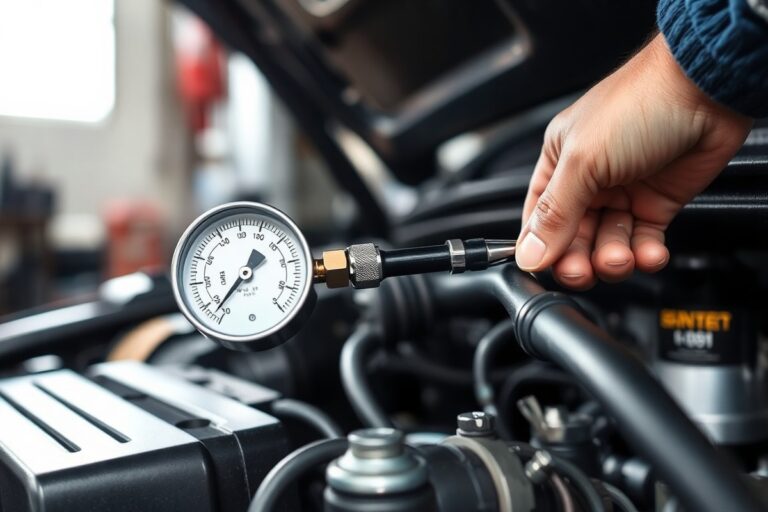
Alternatively, you can perform a simple fuel injector balance test if you have access to a fuel pressure gauge. Removing the fuel pump fuse and watching pressure drop can indicate a leaking injector if the pressure falls faster than normal. However, these tests require caution and proper safety measures, as fuel is highly flammable.
Never attempt injector testing or repairs without proper ventilation and protective gear to avoid exposure to fuel vapors and fire risk.
Cost and Time Estimates to Replace All Six V6 Fuel Injectors
Replacing all six fuel injectors on a V6 engine typically costs between $300 and $1,200, depending on whether you do it yourself or hire a professional. The main cost factors include the price of the injectors, labor rates, and the availability of replacement parts like fuel injector retainers or clips. Doing the job yourself can save you significant money but requires some mechanical skill, special tools, and access to detailed instructions, especially if your injector set does not include them.
The time needed for a full replacement often ranges from 1 to 3 hours. Professionals usually complete the task closer to 1.5 to 2 hours, while DIY repairs might take longer, especially for first-timers or those without specialized tools like a fuel pressure gauge or injector removal tool. Removing the fuel rail, disconnecting fuel lines, and securing the new injectors properly to the fuel rail are critical steps that impact the overall time and success of the replacement. Several factors influence the overall cost and time:
- Injector brand and compatibility with your specific V6 model
- Whether you replace injectors individually or as a full set
- Condition and accessibility of fuel rail and injector clips (some parts like Holley’s Fuel Injector Retainer PART# 534-102 help secure injectors and can add to cost)
- Labor rates at your local repair shop or dealership
- Additional maintenance needs discovered during replacement, such as cleaning fuel rails or replacing o-rings
Use the following table for an estimated breakdown of costs and times for a full set of six fuel injectors on a V6 engine:
| Task | DIY Cost | Professional Cost | Estimated Time |
|---|---|---|---|
| Set of 6 Fuel Injectors | $150 – $400 | $150 – $400 | N/A |
| Injector Retainers/Clips | $20 – $50 | $20 – $50 | N/A |
| Labor | 0 (your time) | $100 – $600 | 1.5 – 2 hours |
| Additional Parts (O-rings, seals) | $10 – $30 | $10 – $30 | Included in labor |
| Total Estimated Cost | $180 – $480 | $280 – $1,080 | 1.5 – 3 hours |
Good results show consistent engine performance with smooth idling and better fuel efficiency after installation. Injector leaks or improper seating can cause rough running or fuel odors, requiring immediate checks. Always follow manufacturer instructions or detailed guides when replacing injectors yourself. Avoid shortcuts like skipping fuel system depressurization or inadequate retainer installation, as they can lead to fuel leaks and potential hazards.
Step-by-Step Guide to Replacing Fuel Injectors on a V6
You can replace just one fuel injector on your V6 engine if only one is faulty, saving time and cost. Make sure you have the right tools and follow safety steps to avoid fuel leaks and damage. The process involves carefully removing the fuel rail, extracting the old injector, installing the new one with retaining clips, and testing performance.
Preparing for Injector Replacement
Begin by disconnecting the car battery to prevent electrical shorts. Gather the necessary tools: a ratchet with the correct size sockets, screwdrivers, pliers, a fuel line disconnect tool, and replacement O-rings if not included with your injectors. Clean the area around the fuel injectors to reduce dirt entering the system during removal. Wear safety glasses and gloves to protect yourself from fuel spray and debris. Proper ventilation is important since fuel vapors can be harmful and flammable.
Relieve fuel system pressure by removing the fuel pump fuse and running the engine until it stalls, which helps minimize fuel spray when disconnecting injectors. Have a rag ready to catch drips and avoid skin contact with fuel. Replacement injectors typically come with three outlet holes instead of six because each injector services one cylinder, so matching the new injector model with your engine specifications is key.
Removing Old Injectors Safely
Start by disconnecting the electrical connectors from each injector, pressing the locking tab to avoid damaging the clips. Use the fuel line disconnect tool to carefully detach fuel lines from the fuel rail. Remove bolts holding the fuel rail in place, then gently lift the rail to expose the injectors. Pull each injector straight out to avoid damaging the mounting ports or seals.
Avoid using excessive force that could crack the fuel rail or intake manifold. Inspect each injector’s retaining clip before removal; they lock the injector to the rail and prevent leaks, so note their original positions. It is possible to replace a single injector this way, but test and inspect surrounding injectors during removal for potential future issues.
Installing New Injectors and Reassembly
Lubricate the new injector’s O-rings with clean engine oil or a small amount of the supplied lubricant to ensure smooth installation and proper sealing. Slip the injector into the fuel rail or intake manifold port, pushing firmly until the retaining clip snaps into place, locking the injector securely. Do not skip installing these clips as they prevent fuel leaks and keep injectors properly seated under pressure.
Reattach the fuel rail, tightening bolts to manufacturer torque specs to avoid warping or misalignment. Reconnect fuel lines using the quick disconnect fittings until you hear a click, indicating a secure connection. Then, plug the injector electrical connectors back in, ensuring they lock firmly. Double-check all connections before reattaching the battery and turning the ignition on.
Testing and Verifying Injector Performance
Start the engine and allow it to idle for several minutes while inspecting around the injectors and fuel rail for leaks. Listen for smooth, consistent idling without misfires, which indicates proper injector function. If the engine runs rough or fuel odors persist, turn off the engine and recheck injector installation and clips.
Use an OBD-II scanner to check for diagnostic trouble codes related to injector circuits. A live data monitor can also show injector pulse width and electrical load, confirming new injectors operate correctly. Completing these steps ensures your replacement injectors perform well and extend your V6 engine’s efficiency and reliability.
How Fuel Injector Count Affects V6 Engine Performance and Efficiency
The number of fuel injectors in a V6 engine typically matches the number of cylinders, six injectors for six cylinders. However, simply having one injector per cylinder does not alone determine fuel efficiency. The design, precision, and flow rate of these injectors play a more critical role in how well your engine uses fuel. Properly calibrated injectors deliver the correct amount of fuel for combustion, directly impacting power output and emissions.
Upgrading to higher-quality fuel injectors can improve both performance and fuel economy, but it requires careful matching to your engine’s specifications. Injectors with higher flow rates can deliver more fuel, supporting increased power when tuned properly. On the other hand, injectors that flow too much fuel without matching the engine’s needs can cause poor fuel economy and higher emissions. A balance is key, and changes typically involve adjustments in your engine’s fuel management system, often through ECU tuning.
Injector flow rate is measured in cubic centimeters per minute (cc/min) or pounds per hour (lb/hr). For instance, stock injectors in a typical V6 might flow around 20-30 lb/hr. If you decide to install injectors with a flow rate of 35-40 lb/hr, your ECU must be recalibrated to prevent running overly rich, which wastes fuel and increases emissions. Without proper tuning, upgrading injectors can lead to rough idling, increased carbon deposits, or even damage to the catalytic converter.
Fuel injector quality also affects spray pattern and atomization, which influence how efficiently fuel mixes with air. A consistent, fine spray promotes better combustion, leading to smoother power delivery and reduced unburnt fuel in the exhaust. Poor injector maintenance, such as clogged nozzles or leaks, lowers fuel efficiency and can increase harmful emissions. Cleaning or replacing injectors is a cost-effective way to restore performance, often costing between $50 to $150 per injector for parts and labor, depending on your vehicle and labor rates.
Modern V6 engines often use advanced fuel injection technology like direct injection combined with port injection to optimize both power and fuel economy. These systems vary injector placement and timing to maintain efficient operation under different driving conditions. While adding more injectors beyond one per cylinder isn’t common in V6 setups, upgrading the existing injectors with improved flow rates and spray characteristics offers a practical way to improve engine tuning and efficiency.
Always have injector upgrades professionally installed and tuned; mismatched injectors and poor calibration can cause engine damage and worse fuel mileage.
Step-by-Step Action Plan for Fuel Injector Maintenance on Your V6
Follow these steps to check and maintain your V6 fuel injectors for optimal engine performance.
- Before You Start: Gather the right tools, basic hand tools, a fuel injector cleaner kit, and safety gear. Confirm your V6 engine’s exact model to find compatible parts.
- Day 1: Inspect fuel injectors visually for leaks or damage. Look for signs like wetness around injector seals or fuel smell to identify problems.
- Day 2: Use a fuel injector cleaner additive with a full tank to help clear deposits. Check for smoother idling or improved throttle response after a few tanks.
- Day 3: Perform a fuel injector balance test or listen for injector clicking using a mechanic’s stethoscope to verify proper injector function.
- Day 4: If problems persist, remove injectors for a deeper cleaning or replace faulty ones. Confirm replacement by smoother engine running and absence of misfires.
- Week 2: After injector work, reset the vehicle’s ECU if possible to clear fuel trim data. Monitor fuel efficiency and engine performance for improvement.
- Monthly: Schedule regular fuel system checkups to catch injector issues early and extend your V6 engine’s life.
Frequently Asked Questions
Does a V6 Have 6 Fuel Injectors?
Yes, a V6 engine typically has 6 fuel injectors, one for each cylinder to ensure precise fuel delivery and efficient combustion. This setup helps maintain smooth engine performance and optimal fuel economy.
What Are the First Signs of a Bad Injector?
Early signs include rough idling, reduced fuel efficiency, engine misfires, and increased emissions. Addressing injector issues quickly can prevent more serious engine damage and costly repairs down the line.
How Much Does It Cost to Replace All 6 Fuel Injectors?
Replacing all six fuel injectors usually ranges from $300 to $800, depending on the vehicle model and labor rates. Prices vary with aftermarket or OEM parts and whether you replace the retaining clips as well.
Can I Replace Just One Fuel Injector?
Yes, you can replace a single faulty injector rather than all six, which can save money if the problem is isolated. However, consider inspecting others for wear to avoid repeated repairs soon.
Do All V6 Engines Use the Same Type of Fuel Injector?
No, fuel injector types vary by manufacturer and engine design to meet specific performance and emission standards. Always check parts compatibility before replacement.
How Often Should V6 Fuel Injectors Be Cleaned?
Fuel injectors should be cleaned every 30,000 to 50,000 miles to maintain optimal spray patterns and engine performance, especially if you use lower-quality fuel regularly.
Key Points to Remember
Your V6 engine has six fuel injectors, one for each cylinder, important for delivering the right amount of fuel to keep your engine running smoothly. Keeping these injectors clean and functioning properly helps maintain fuel efficiency and engine power. Start by inspecting your injectors carefully today, and consider cleaning or replacing them if you notice any performance issues.