What Category Is Shocks and Struts on Firestone: A Complete Guide with Costs & Warranty
What category is shocks and struts on Firestone? These parts fall under the suspension and steering section of Firestone’s service menu. You’ll find shocks and struts listed specifically within suspension services, where they handle vehicle stability and ride quality. Getting them checked regularly helps maintain smooth handling and tire wear.
Key Takeaways
- Shocks and struts are listed under Firestone’s suspension services category.
- They manage how your vehicle absorbs bumps and controls weight transfer during turns.
- Firestone recommends inspecting shocks and struts every 12,000 miles or annually alongside alignments.
- Replacement labor warranty covers 12 months or 12,000 miles; parts have a lifetime warranty.
- Typical shocks and struts last about 50,000 miles but depend on driving conditions.
- Firestone charges $1,200 or more for strut replacement including labor, varying by vehicle.
What Category Are Shocks and Struts Listed Under at Firestone?
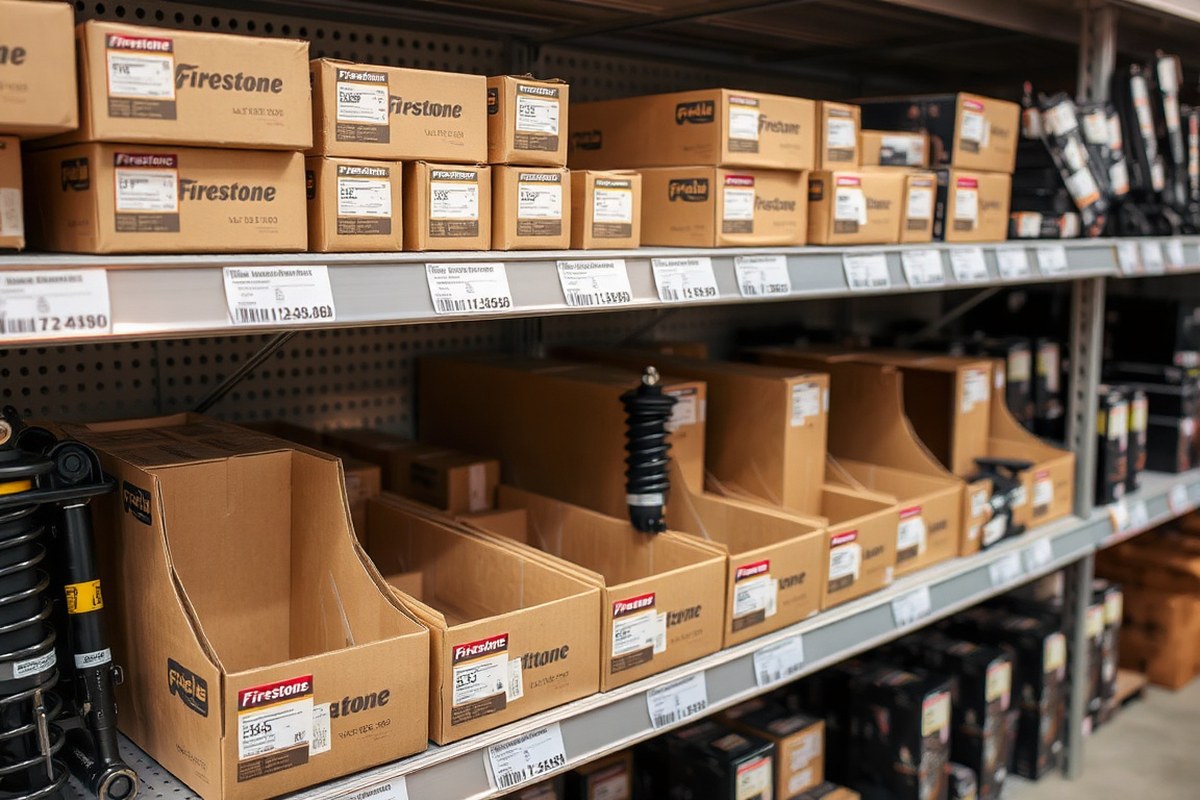
Firestone categorizes shocks and struts under the “Steering and Suspension” section in both their parts and service catalogs. This means when you are searching for replacements or repairs, you’ll find shocks and struts listed alongside other suspension components like control arms, tie rods, and ball joints. Firestone does not treat shocks and struts as a separate category but includes them within the broader suspension umbrella, which helps streamline locating related parts and services.
Knowing that shocks and struts sit within the steering and suspension category matters because it impacts how you navigate Firestone’s website or physical stores. On the website, you can go to the “Service” menu or use the “Find Parts” search function and filter by “Suspension” or “Steering and Suspension” to quickly narrow down options. For example, if you search for “shocks” or “struts,” Firestone’s catalog will return results within the suspension group, ensuring you see compatible components and service offers. Store signage typically follows this organization, grouping shocks and struts near other suspension parts, which helps you locate physical displays or service desks efficiently.
Using the steering and suspension category also affects the warranty and service details you get. Firestone provides a lifetime parts warranty on shocks and struts, with labor coverage lasting 12 months or 12,000 miles for the original purchaser. This lifetime parts warranty aligns with other suspension parts under the same category, giving you consistent coverage for that portion of your vehicle’s suspension. If you want to inquire about warranty specifics or schedule replacements, mentioning shocks and struts under the steering and suspension service streamlines communication with Firestone representatives, avoiding confusion over part classification.
To shop or schedule a shock or strut service at Firestone, start on their homepage by selecting “Shop” or “Service” and then choose “Steering and Suspension.” From there, you can select shocks or struts based on your vehicle’s make and model. The website lets you see prices, warranty coverage, and labor estimates when you book an appointment. In-store, look for signs or ask for steering and suspension parts, and technicians will guide you to the shocks and struts section. This organized approach minimizes errors and helps ensure the correct parts and services are matched to your vehicle’s needs.
Key Differences Between Shocks and Struts in Function and Design
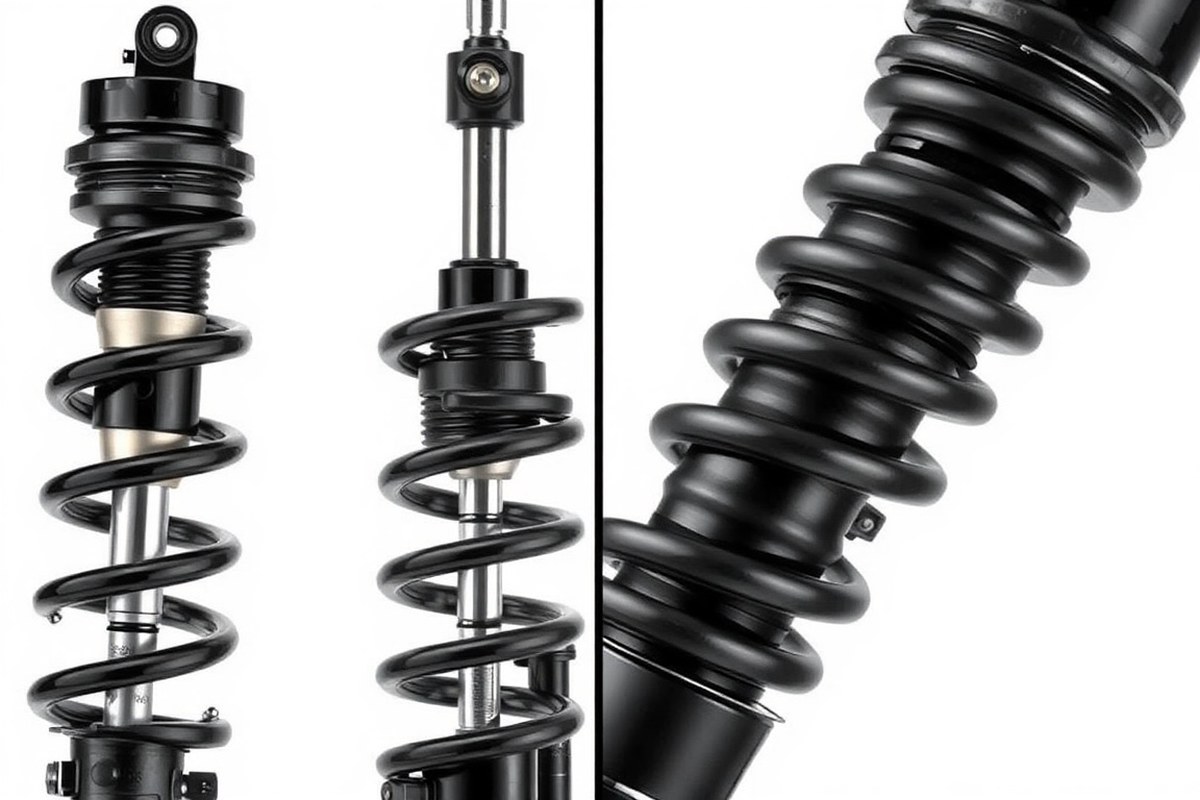
Shocks and struts both control your vehicle’s bounce and improve ride comfort, but they differ significantly in design and function. Shocks act solely as dampers that absorb and convert the suspension’s motion into heat, reducing excessive bouncing from springs. Struts combine this damping function with structural support; they include elements like coil springs and mounting hardware that affect alignment, steering, and stability directly. This distinction matters because struts are integral to the suspension system’s architecture, while shocks typically work alongside springs without supporting the vehicle’s weight or structure.
In practical terms, shocks are usually easier and less expensive to replace since they don’t carry structural loads or integrate springs. Struts require more complex replacement procedures due to their multi-function nature. Knowing whether your vehicle uses shocks, struts, or both influences maintenance and repair planning, costs, and how ride quality and safety are maintained.
| Feature | Shocks | Struts |
|---|---|---|
| Primary Function | Dampen suspension bounce by absorbing motion | Dampen motion and provide structural support |
| Includes Coil Springs | No | Yes |
| Supports Vehicle Weight | No | Yes, part of suspension structure |
| Effect on Alignment | Minimal direct effect | Significant, affects steering geometry |
| Replacement Cost and Complexity | Lower cost, simpler to replace | Higher cost, more involved service |
| Failure Impact | Increased bounce, rougher ride | Compromised stability, alignment issues, rough ride |
| Universal Fit | Often universal with auto leveling support | Often universal assemblies including mounts and springs |
Getting familiar with these differences helps you understand what your vehicle needs for optimal handling and safety. Vehicles with strut suspensions depend on those struts not only for comfort but also for maintaining proper wheel alignment and steering response. In contrast, vehicles with just shocks use them mainly for ride dampening and comfort improvement.
Tip: Have a mechanic inspect the suspension components if you notice your vehicle bouncing excessively or if brake dives and bottoming out occur; worn struts or shocks can compromise your safety and damage other parts.
How Do Shocks and Struts Affect Vehicle Alignment and Steering?
Shocks and struts play a significant role in vehicle alignment and steering, primarily because the strut is an integral part of the suspension that directly connects to the steering knuckle. Since the steering knuckle bolts right onto the strut body, any change in the strut’s position affects the wheel alignment angles, including camber and caster. Misaligned wheels can lead to uneven tire wear, poor handling, and reduced vehicle stability. For example, if a strut has weakened or shifted due to wear or damage, it can cause the wheels to tilt improperly, resulting in symptoms like uneven tire tread wear or the car pulling to one side during driving.
Worn shocks and struts don’t usually prevent a shop like Firestone from performing a wheel alignment unless the components are extremely deteriorated. However, if the shocks or struts are badly worn or damaged, they may not respond to the alignment adjustments properly, causing the vehicle to handle poorly even after the alignment is done. This happens because worn parts fail to maintain consistent contact between the tires and the road, leading to unstable steering responses and increased stopping distances over uneven surfaces.
To check if your shocks or struts are affecting alignment or steering, look for signs like excessive bouncing after hitting a bump, unusual tire wear patterns such as cupping, or a noticeable drifting or pulling during normal driving. Driving over rough roads or hauling heavy loads can exacerbate these issues and accelerate wear. Notice any of these symptoms? Have your shocks and struts inspected before paying for an alignment. Doing so ensures that the alignment will hold and that your steering feels stable and precise.
When Firestone technicians perform an alignment, they’ll assess suspension components, including shocks and struts. When these parts are loose or damaged, they may recommend replacement first. Replacing worn shocks or struts can range from about $200 to $400 per axle, including parts and labor, depending on the vehicle model. After new shocks or struts are installed, an alignment is important to ensure the wheels return to proper angles, which improves handling, reduces tire wear, and restores safe steering control.
Good results after alignment and shock or strut service include a straight steering wheel when driving straight, smooth handling over bumps, and even tire wear over time. Problems left unaddressed may cause rapid tire wear, pulling sensations, or compromised vehicle stability. Keeping your shocks and struts in good condition helps steering systems respond predictably and extends the life of your tires, making this maintenance a key part of safe vehicle operation.
When and How to Know If Your Shocks or Struts Need Replacement
Worn shocks or struts can seriously affect your vehicle’s handling and ride comfort. Detecting issues early helps you avoid more costly repairs and maintains safety on the road. You can recognize symptoms while driving and check visually at home before deciding if professional service is needed.
5 Common Driving Symptoms of Worn Shocks
Changes in how your vehicle feels on the road usually signal worn shocks or struts. These parts control how your car absorbs bumps and maintains tire contact with the road. Notice these signs while driving:
- Excessive bouncing after hitting a bump or pothole
- Vehicle nose diving during braking
- Body roll or sway during cornering
- Rear hop or trailer sway, especially on trucks or SUVs with worn rear shocks
- Increased stopping distance or uneven tire wear
Any of these symptoms indicate reduced suspension performance, which compromises control and comfort. They usually get worse over time, so it helps to take note early and monitor.
Visual Inspection Steps for Shocks and Struts
Checking your shocks or struts at home requires some simple steps and attention to detail. Focus on visible damage and fluid leaks that suggest they’re worn out or failing.
- Park the vehicle on a flat surface and turn off the engine.
- Look at each shock and strut for leaking oil or fluid, this is a clear sign they need replacement.
- Check mounts and bushings for cracks, corrosion, or other damage.
- Press down firmly near each corner of the vehicle and release. The vehicle should bounce back quickly without continuing to oscillate more than once or twice.
- Inspect tires for unusual or uneven wear patterns, which may indicate suspension issues.
These visual signs and bounce tests usually take only 10-15 minutes but give a strong indication of suspension health. Shocks and struts that leak or cause excessive bounce definitely need replacing.
When to Visit a Professional Garage
Choose professional service when symptoms continue after your home inspection or if you find leaks or damaged parts. A trained technician can perform detailed diagnostics and advise replacement options. This service usually includes measuring suspension travel and road test assessments which are difficult to do accurately at home.
You should also get a professional check if you notice steering issues, uneven tire wear, or after an accident affecting the suspension. Driving with faulty shocks or struts risks loss of control and may affect alignment or braking. Shops like Firestone in Firestone, CO, offer specialized suspension evaluation and replacement to restore safe driving conditions.
Typical Lifespan and Replacement Frequency for Shocks and Struts
Shocks and struts typically last between 50,000 and 100,000 miles under normal driving conditions. Firestone generally recommends inspection around 50,000 miles and replacement as needed, especially if signs of wear appear before 100,000 miles. Harsh driving environments, such as frequent off-road use, rough roads, heavy loads, or extreme temperatures, can reduce their lifespan significantly, sometimes requiring replacement closer to 30,000 to 50,000 miles.
Driving style plays a key role in how long shocks and struts last. Aggressive driving, hard braking, and frequent cornering put extra stress on these parts, shortening their effective life. Similarly, poor road conditions like potholes or gravel increase wear and tear. Firestone’s technicians check for leaks, compromised bounce back, and uneven tire wear during routine inspections to determine if replacement is due. This helps avoid compromising ride comfort, handling, and tire life.
The typical replacement interval at Firestone starts with a thorough evaluation around the 50,000-mile mark. If the shocks or struts still perform well, you might extend their use but expect to replace them by 100,000 miles to maintain safety and handling. For vehicles driven in harsher conditions or those towing heavy loads regularly, Firestone advises more frequent checks, sometimes every 30,000 to 40,000 miles.
Replacing struts is more complex and costly than shocks due to their integrated design and positioning within the suspension system. Labor charges can push total replacement costs to $1,200 or more, according to Firestone estimates. Shocks generally cost less to replace because parts and installation are simpler. For best results, Firestone recommends replacing shocks or struts in pairs on the same axle to maintain balanced performance and alignment.
Regular inspection and timely replacement of shocks and struts protect your vehicle from uneven tire wear and poor handling. Watch for symptoms like excessive bouncing, nose-diving during braking, or unstable steering. Taking your vehicle to Firestone for an inspection during routine maintenance ensures these parts are assessed accurately and replaced according to your driving conditions and vehicle type.
Never ignore signs of worn shocks or struts, as delayed replacement can lead to costly tire damage and unsafe handling, especially at higher speeds.
How Much Does Firestone Charge to Replace Shocks and Struts?
Replacing shocks at Firestone typically costs between $270 and $450 per front pair, including parts and labor. Strut replacement tends to be more expensive because they are structural components requiring more labor time and often include coil springs. Front struts generally cost from $260 to $410 each for the parts and take about 2 to 2.8 hours to install for both sides, excluding labor rates which you need to confirm at your local Firestone store. Rear shock replacement is usually less expensive than front struts but varies by vehicle type and whether the rear uses shocks or struts.
Price differences between front and rear replacements arise because front assemblies on many vehicles use struts, which are more complex, while the rear often uses simpler shock absorbers. Labor for front replacements including alignment setup is longer, which adds to the total cost. Rear shocks usually take less time to replace, but labor rates at Firestone vary, so ask your service advisor for an estimate tailored to your vehicle.
| Replacement Type | Part Cost Range (per unit) | Labor Time Estimate (hours) | Typical Total Cost Range* |
|---|---|---|---|
| Front Shock Assembly (pair) | $130, $205 each (parts) | 2.0, 2.8 (for both sides) | $270, $450 (parts + labor) |
| Front Strut Assembly (per unit) | $130, $205 | Included in above | $260, $410 (parts only) |
| Rear Shock Replacement (per unit) | Varies (usually less than front strut) | Typically less than front | Depends on vehicle and labor rate |
*Estimates do not include local labor hourly rates or additional fees such as wheel alignment, which is often necessary after shock or strut replacement. Firestone offers a 12-month/12,000-mile warranty, so you only pay for labor if a part fails within that period. Replacing all four shocks or struts at once may help balance handling and reduce future labor costs but will increase immediate expenses.
Expect possible extra fees for wheel alignment, which is important after changing struts or shocks to ensure safe steering and tire wear. Alignment costs can vary, so you should ask Firestone whether it’s included or a separate charge. Because parts markup happens at the counter (often 1.4 to 1.8 times internet retail prices), the $130, $205 range for strut assemblies could be higher depending on your location.
What Warranty and Financing Does Firestone Offer on Shocks and Struts?
Firestone offers a Limited Lifetime Warranty on shocks and struts parts, paired with specific labor warranty terms and financing options under its Firestone card. The warranty protects you against defective parts as long as you own your vehicle, while labor coverage has a shorter duration. Financing through the Firestone credit card includes deferred interest but requires careful attention to payment terms to avoid charges.
Firestone Limited Lifetime Parts Warranty
The Limited Lifetime Warranty applies to shocks and struts purchased and installed at Firestone, covering parts that prove defective or unserviceable for as long as you own the vehicle. This warranty excludes air shocks, air springs, any components designed to modify ride height, and electronic parts, which means not all suspension elements fall under the lifetime coverage. The warranty is valuable because it removes the cost of replacement parts during the vehicle’s ownership, which benefits those looking for long-term reliability. To maintain eligibility, the original purchaser must keep the vehicle and provide proof of purchase upon returning to Firestone.
In practice, if your shock or strut fails due to a manufacturing defect, Firestone will replace the part for free without charging for parts or labor associated with the replacement during the warranty period. This type of warranty generally does not cover damage caused by accidents, off-road use, or improper installation. Being aware of this ensures you can request warranty work with confidence and minimize your out-of-pocket expenses on suspension repairs.
Labor Warranty Coverage Explained
Labor on shocks and struts replacements is covered under a separate warranty from parts, which typically lasts for a set period, such as 12 months or 12,000 miles from the service date. During this time, if the installation service is found defective, such as improper mounting or faulty workmanship, Firestone will correct it at no extra charge. This limited labor warranty gives you peace of mind that the job will hold up and that you won’t pay twice if the work needs correcting shortly after completion.
It’s important to save your receipt and return to the same Firestone location to claim labor warranty service. Labor coverage does not extend indefinitely because wear and tear on parts and shifting vehicle conditions can cause issues unrelated to the original installation quality. Understanding the labor warranty timeframe helps you plan follow-up inspections or repairs if problems emerge within the covered window.
Understanding Firestone Financing Terms
The Firestone credit card offers customers the option to finance shock and strut installations with deferred interest financing. Deferred interest means you won’t pay interest if you pay the full balance within the promotional period, commonly six to 12 months, but interest will accrue retroactively if you don’t pay off the balance by then. This can make it easier to afford sudden suspension repairs, especially if you budget to pay the amount off before interest starts.
Annual percentage rates (APR) on these financing plans can vary and are typically higher than standard credit cards; therefore, paying on time is essential to avoid costly interest charges. You can apply for the Firestone card in-store or online, then use it immediately toward shocks, struts, and other automotive services. Careful attention to your billing cycle and minimum payment requirements ensures you maximize the benefits of this financing option without unexpected costs.
Should You Replace Shocks and Struts Together or Separately?
Replacing shocks and struts together usually delivers better ride quality and consistent vehicle handling. When both front shocks or both rear shocks wear out, replacing just one side can create uneven performance and faster wear on the new unit. This mismatch can cause your vehicle to pull to one side or experience unstable steering. For most passenger vehicles and light trucks, replace shocks or struts in pairs on the same axle at the same time.
Some situations allow replacing shocks or struts independently. If only the rear shocks show wear signs but front struts are still in good condition, you can replace the rear units alone. The key is to inspect all shocks and struts carefully and confirm the rest meet safety and performance standards. For SUVs and trucks used for towing or heavy loads, it’s often best to replace shocks and struts simultaneously because those vehicles rely heavily on suspension stability.
Risks of replacing only one shock or strut include uneven tire wear, compromised braking, reduced ride comfort, and faster deterioration of suspension components. Driving with mismatched shocks or struts can stress your vehicle’s alignment and make controlling the car more difficult, particularly in emergency maneuvers or on rough roads.
- Check for leaks, dents, or corrosion on all shocks and struts before deciding on replacement.
- Replace both shocks or struts on the same axle, not just one side.
- For heavy-use vehicles or SUVs, replace front and rear sets together when possible.
- Test drive your vehicle to notice uneven ride or handling before deciding.
- Firestone can inspect your suspension system and recommend which parts to replace.
- Pair replacement often costs less per unit than single-shock repairs due to labor efficiencies.
- Consider vehicle age, mileage, and typical road conditions to plan replacements.
Replacing shocks or struts in pairs helps maintain balanced handling and prevents extra wear on your tires and suspension components.
You can save money by prioritizing replacements based on wear signs and usage, but replacing shocks or struts singly should only be done if the opposite side is nearly new and functioning well. Always consult with a trusted mechanic or Firestone technician to assess your vehicle’s specific needs and get the best advice for your driving conditions and vehicle type.
What to Ask Before Booking Shock or Strut Replacement at Firestone
Before scheduling shock or strut replacement at Firestone, ask clear questions about cost, warranty, and service details. Knowing exactly what’s included helps you avoid surprises and makes sure your vehicle gets the right care. Here’s a list of essential inquiries and tips for confirming the full scope of the job.
Confirming Part and Labor Prices
Start by getting a detailed price breakdown of parts and labor. Pricing can vary depending on your vehicle make and model, and whether you’re replacing shocks, struts, or both. Request a written estimate covering all costs to prevent unexpected charges.
Use this exact question to ask the advisor: “Can you provide a written estimate that itemizes the parts and labor costs for the shock or strut replacement?” This ensures clarity on what you’ll pay before any work begins. Typically, parts for shocks or struts range from $50 to $200 each, while labor might take 1 to 2 hours. Confirm the total price including any taxes or fees.
Verifying Warranty and Labor Coverage
Firestone offers a warranty on their repairs, but its details matter for your protection. You want confirmation on how long the warranty lasts on both parts and labor, as well as what is covered if an issue arises after service. Never rely on verbal assurances alone.
Ask exactly: “What is the length and coverage of the warranty on my shock or strut replacement, including labor, and can you include this in the invoice?” Firestone often provides a 24-month or 24,000-mile labor warranty on steering and suspension services. Service problems within that period should be corrected again at no extra cost. Having this in writing avoids confusion.
Clarifying Replacement and Alignment Procedures
Shocks and struts directly affect your vehicle’s handling and safety. After replacing them, a wheel alignment almost always is necessary to restore proper steering and tire wear. Confirming this service is included is critical.
Use this question to clarify: “Will you perform a post-replacement alignment as part of the shock or strut service, and is that included in the price?” A proper alignment ensures your car drives straight and reduces uneven tire wear. Skipping alignment may cause your steering to feel off and lead to premature tire wear.
Also, ask: “How long will the entire process take, including the alignment?” Repairs typically take around 2 hours. Knowing this helps you plan your day.
Checking for Potential Additional Repairs
Sometimes worn shocks or struts coincide with other suspension or steering issues. Firestone technicians often inspect related parts during the job but may need your permission to proceed with extra repairs. Understanding what might be needed ahead of time prevents surprise bills. Try asking: “What other issues should I watch for during the inspection, and how will you communicate any recommended additional repairs before starting?” Clear communication on repairs outside the shock or strut replacement keeps you informed and in control of costs.
- Confirm the total cost includes parts, labor, and alignment
- Get the warranty terms in writing on your invoice
- Ask if post-service alignment is included and why it’s important
- Request timeframe for full service completion
- Ask how you’ll be informed about any extra repairs or costs
- Verify if the warranty covers redos or adjustments within its period
- Ensure the technician will use parts compatible with your vehicle model
These questions and tips equip you to have a transparent and trouble-free repair experience with Firestone. Staying informed and confirming specifics avoids hidden costs and ensures your shocks and struts get the proper replacement and support your vehicle needs.
Step-by-Step Action Plan to Manage Your Vehicle’s Shocks and Struts
Follow this plan to check, maintain, or replace your shocks and struts, ensuring a safer and smoother ride.
- Immediately: Locate the shocks and struts category at Firestone’s parts section online or in-store to understand options and prices.
- Within a week: Inspect your vehicle for signs of worn shocks or struts like excessive bouncing or nose-diving when braking; schedule a diagnostic if unsure.
- Within two weeks: Contact Firestone to get an estimate for inspection and possible replacement, including warranty and financing details.
- Before any replacement: Ask Firestone if replacing both shocks and struts together is recommended for your vehicle model to maintain balance and alignment.
- After installation: Test drive to confirm improved steering and ride comfort; monitor tire wear patterns over next month as an alignment check.
- Ongoing every 50,000 miles: Plan regular checks of shocks and struts as part of vehicle maintenance to catch wear early and avoid costly damage.
Frequently Asked Questions
What Category Is Shocks and Struts on Firestone?
Shocks and struts are listed under the suspension category at Firestone. This category covers parts that affect your vehicle’s ride and handling.
How Much Does Firestone Charge to Replace Shocks?
Firestone’s shock replacement typically includes a warranty, but prices depend on your vehicle and location. Getting a quote from your local store helps clarify costs.
Are Struts and Shocks Considered Suspension?
Yes, both struts and shocks are part of your vehicle’s suspension system. They work together to absorb bumps and maintain control.
Does Firestone Replace Shocks and Struts?
Firestone does replace both shocks and struts as part of their suspension services. They offer professional installation and warranty coverage on these parts.
Are Struts Included with Shocks?
Struts are not included with shocks; they are separate components but often replaced together for balanced suspension performance.
Do Shocks and Struts Affect Tire Wear?
Yes, worn shocks or struts can lead to uneven tire wear and shorten tire life. Replacing them can improve tire longevity.
The Bottom Line
Shocks and struts fall under suspension parts at Firestone, playing a key role in ride comfort and handling. Knowing when to inspect and replace them helps you avoid uneven tire wear and steering issues. Take the next step by booking a professional inspection at your local Firestone to keep your vehicle running safely and smoothly.