

How Tight Should a Tonneau Cover Be: A Complete Guide for Optimal Fit and Seal
How tight should a tonneau cover be? The cover should fit snugly without excessive tension that strains the rails or fabric. Aim for a firm seal that eliminates gaps but still allows easy operation.
Start by aligning the cover evenly on the bed rails, then tighten clamps gradually to avoid bunching or warping the cover. Proper tension ensures a weather-resistant seal and prevents flapping while driving.
Key Takeaways
- A tonneau cover must be tight enough to prevent water and dust intrusion but loose enough to avoid damaging rails or fabric.
- Even tension distribution avoids gaps, especially where front and rear bed widths differ by just a quarter inch.
- Soft covers generally require less clamp pressure than hard folding variants to maintain flexibility and avoid tearing.
- Use a rubber mallet and socket wrench to adjust clamps and rails evenly for consistent fit.
- Loose rails or weak clamps cause rattling and flapping; check these first if you hear noise during driving.
- Inspect seals and tension yearly, especially after harsh weather, to maintain optimal tightness and prevent leaks.
How Tight Should a Tonneau Cover Be for Proper Fit and Seal?

The optimal tightness for a tonneau cover balances firm clamp pressure with preventing damage or distortion. The cover should sit snugly against the truck bed rails, creating an even seal without squeezing the material too tightly. This means the rails should maintain manufacturer-specified spacing, usually around 1/4 to 1/2 inch clearance, avoiding any binding or scraping when opening and closing the cover. Clamps need to grip securely without bending the rails or warping the cover panels. Correct rail parallelism is essential; rails must be evenly aligned front to back to ensure consistent latch engagement on both sides.
Proper tightness directly impacts water resistance and cover longevity. A well-tensioned cover minimizes gaps where water could seep in during rainstorms, while an overly loose cover risks leaks and poor protection. However, overtightening increases stress on seams, latches, and fabric or panels, which can lead to cracks, tears, or latch failure over time. The cover material needs enough compression to contact seals fully but not so much that it deforms the frame or cover surface. A gently firm tension allows the seals to compress evenly and flex under weather changes without permanent damage.
To achieve the best fit, start by measuring rail spacing at both front and rear points, adjusting clamps and rails so the cover aligns evenly. Test latch engagement by locking and unlocking both sides; they should engage smoothly without excessive force, indicating the right pressure. Check for smooth cover movement with no binding or scraping noises. A small, uniform gap at rail edges should remain, enough for the cover to move slightly under wind pressure or temperature changes without stretching or distorting. Tighten clamps incrementally, stopping as soon as the cover feels secure and the seals sit flat against the bed rails.
Allow for variations due to cover type and weather. For example, hard folding covers generally need tighter clamp pressure and precise rail alignment compared to soft roll-up covers, which are more forgiving. Seasonal temperature shifts can cause materials to expand or contract, so slight readjustments in the first few months are normal. If you live in a region with heavy rain or snow, leaning slightly toward a firmer tension helps preserve water resistance, but avoid overtightening that could damage seals or latches.
Costs for adjustments range from simple DIY steps using basic measuring tools and screwdriver clamps to professional tuning that may cost $50 to $100, depending on complexity. Achieving proper tension saves money in the long run by preventing premature wear and costly repairs. By ensuring the rails stay parallel, clamps hold without distorting, and latches lock evenly, you get a secure, weather-resistant fit that is easy to operate and extends the life of your tonneau cover.
Signs Your Tonneau Cover Is Too Tight or Too Loose
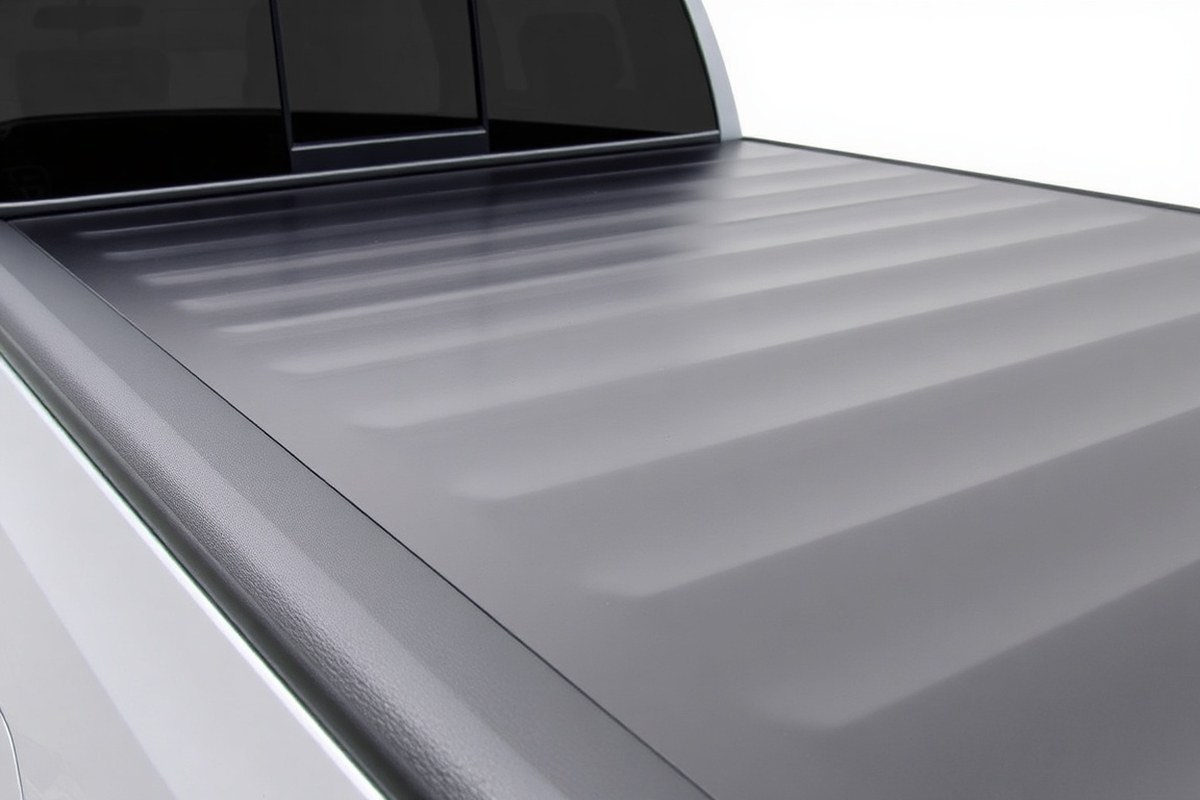
Signs that your tonneau cover rails are too tight or too loose are usually clear once you inspect how the cover fits and behaves. Over-tightened rails can cause issues like binding, scraping, and difficulty closing the cover. You might also notice the cover sitting higher than normal, which creates gaps and uneven seal compression. Loose rails, on the other hand, let the cover move around, resulting in rattling, weak latch engagement, and side leaks due to uneven seal contact.
Rail spacing influences several key cover functions: how the cover seals, how well the latches engage, and how smoothly it opens and closes. Improper spacing, rails too close or too far apart, can cause panel rubbing, latch resistance, or retractable cover track drag. Uneven or shifting rails often lead to one-sided latch problems or poor clamp pressure distribution, amplifying these symptoms.
Below is a symptom checklist that contrasts problems from rails being too tight versus too loose. This will help you pinpoint whether you need to adjust clamps, rail spacing, or check if rails are parallel.
| Symptom | Too Tight Rails | Too Loose Rails |
|---|---|---|
| Cover Height | Raised panels and cover sits high, causing gaps | Cover may sag or not fully align with bed rails |
| Seal Compression | Uneven, difficult to compress; may bind or pinch seals | Uneven or weak seal contact; leaks are common |
| Latch Engagement | Hard closing; latches resist or bind | Weak latch engagement; sometimes one-sided |
| Movement | Scraping, binding, or jamming during opening/closing | Rattling or loose movement at highway speeds |
| Rail Alignment | Rails may not be parallel; clamp distortion possible | Rails can shift or be unevenly spaced |
| Drainage and Canister Issues | Possible drainage blockage or scraping of drainage areas | May cause water leaks due to poor drainage |
To identify these problems yourself, check the cover’s seal all around the bed rails. Look for spots where the seal doesn’t sit flat or appears pinched. Close the cover slowly and listen for scraping or rubbing sounds. Test each latch for smooth but firm engagement without forcing it. Inspect the rails visually to ensure they look straight and parallel along the truck bed. Feel for any loose sections by moving the cover edge gently up and down. Check clamps aren’t over-tightened or so loose the rails shift.
Do not tighten the front clamps all the way before loosely installing the rear ones; this can pull rails unevenly and cause gaps or binding along the cover.
Uneven seal compression or binding often indicates that the rails are either not perfectly parallel or clamping pressure is uneven. Adjust clamps gradually by loosening and re-tightening in sequence: start with front clamps, then side clamps, finally rear clamps to allow even rail movement. This helps balance pressure and avoid hard closing or rattling. For retractable or folding covers, make sure rails follow manufacturer-recommended spacing to maintain smooth track operation and prevent canister drainage problems.
How Different Tonneau Covers Affect Tightening Needs
Tonneau cover tightening varies depending on the type and material of the cover. Soft roll-up and tri-fold covers require moderate tension to prevent flapping but still allow easy rolling or folding. Hard folding and retractable covers demand firmer clamping for a secure seal given their rigid structure and heavier materials.
Soft Covers: Roll-Up and Tri-Fold
Soft tonneau covers, typically made of vinyl or fabric, need enough clamp pressure to keep the cover taut but not so tight that the material overstretches or tears. Roll-up covers require even tension around the rails to avoid flapping in crosswinds, especially with models like the Extang Trifecta 2.0. Tri-fold soft covers benefit from slightly looser clamps near the fold points to allow smooth operation.
These covers demand more frequent adjustments due to material stretch caused by temperature changes and wear. Proper tightening ranges from hand-tight to lightly using a ratchet with around 10 to 15 ft-lb of torque on clamps, enough to hold the cover in place without damaging it. Soft covers are more prone to flapping if left too loose, which can lead to premature wear and water leakage.
Hard Covers: Folding and Retractable
Hard folding and retractable tonneau covers require a tighter clamp setting to maintain their structure and weather seal. Their frames, made of aluminum, composite panels, or fiberglass-reinforced polymer, hold heavier loads and resist deformation better than soft covers. For example, hard folding covers can support evenly distributed weights up to 400 lbs, making secure tightening essential to handle the load and prevent rattling.
Clamp torque on hard covers usually ranges from 20 to 30 ft-lb, depending on the model and manufacturer recommendations. Hard folding covers from brands like LINE-X feature dual-action seals and heavier panels that need firm clamping to keep water out and maintain security against tampering. Retractable covers, which slide inside the bed rails, require consistent tension along the track but less torque than folding covers because of their rolling mechanism.
Material Impact on Clamp Tightness
Material type influences how tight clamps should be set. Vinyl or fabric soft covers must avoid overtightening to prevent tearing, while aluminum or ABS hard covers tolerate and require higher clamp tension for proper sealing. ABS hard covers, being lighter than fiber or aluminum, may need moderate torque but still benefit from tight clamps to resist wind lift. Here is a comparison summarizing tension guidelines and maintenance notes for popular tonneau cover styles and materials:
| Cover Type | Material | Typical Clamp Torque or Tightening | Pros Related to Tension | Cons Related to Tension |
|---|---|---|---|---|
| Soft Roll-Up | Vinyl/Fabric | Hand-tight to ~15 ft-lb torque | Easy to adjust, lightweight | Prone to flapping if too loose, frequent retightening needed |
| Soft Tri-Fold | Vinyl/Fabric | Light clamp tension, ~10-15 ft-lb | Quick access, flexible | Soft materials stretch over time, hinges need careful tension |
| Hard Folding | Aluminum, Composite, Fiberglass-Reinforced Polymer | 20-30 ft-lb torque | High durability, supports heavy loads, superior seal | Requires firm clamping, higher maintenance torque checks |
| Hard Retractable | Aluminum, ABS | 15-25 ft-lb torque along rails | Smooth operation, good seal with proper tension | Track tension must be consistent, less tolerant of uneven clamping |
Proper clamp tension prevents damage and extends cover lifespan across all styles. For soft vinyl covers, expect to retighten clamps each season or after heavy wind exposure. Hard covers demand less frequent tightening but must be checked regularly to keep bolts torque within specified ranges. Adjust tension gently using a torque wrench or ratchet with a calibrated setting to avoid over-clamping.
Tools and Steps to Adjust Tonneau Cover Rails and Clamps
To adjust your tonneau cover rails and clamps properly, you’ll need a few hand tools and a clear sequence to ensure even tightness without warping the rails. This process helps you avoid leaks, locking issues, and uneven gaps while securing a snug, functional fit for your truck bed cover.
Essential Tools for Adjusting Rails and Clamps
Gather a ratchet wrench or socket set that fits your clamp bolts, a torque wrench for precise tightening, a tape measure or ruler for checking rail spacing, and a screwdriver for any rail or bracket adjustments. Most rail clamps use bolts sized between 8mm and 13mm depending on the vehicle model. A torque wrench is important to avoid over-tightening, which can bend rails or damage clamp mounts.
Proper Clamp Tightening Sequence
Start by sliding the rails onto your truck’s bed rails. Position clamps evenly, spacing them every 12 to 18 inches along the rails. Hand-tighten all clamps initially to hold the rails loosely in place. This prevents misalignment and allows final adjustments when the cover is seated. The general sequence:
- Position the rails and apply all clamps spaced evenly.
- Hand-tighten each clamp enough to hold the rail securely but allow slight movement.
- Set the cover panel or roll onto the rails, ensuring it fits correctly without forcing.
- Use the torque wrench to tighten each clamp to manufacturer specs, typically around 15 to 20 foot-pounds.
- Retighten clamps on one side first, then move to the opposite side, alternating sides to maintain even pressure.
- After reaching torque, recheck the rail spacing and clamp positions. Adjust if any clamps shifted during tightening.
Measuring and Verifying Rail Spacing
Uniform rail spacing is critical for a proper seal and secure latch engagement. Use your tape measure to check the distance between side rails at the front near the cab and towards the tailgate. The manufacturer often specifies this spacing, but the cover itself should sit flat without bending rails inward or outward.
Check measurements twice: once before final clamp tightening and again after torqueing bolts. Rail movement during tightening is common and can cause latch misalignment or water leaks on one side if spacing is off. Adjust clamps gently if spacing shifts beyond a quarter inch from the original or recommended dimensions.
Hand-Tightening Tips vs. Using a Torque Wrench
Hand-tightening clamps initially makes positioning easier and avoids premature binding of rails or cover parts. It allows small adjustments to rail placement before full clamping force is applied. Use your hands to tighten bolts until you feel consistent resistance, but avoid forcing or wrench use at this stage.
Switch to a torque wrench for the final tightening step, aiming for the recommended torque range, usually between 15 and 20 foot-pounds. This prevents over-tightening that can strip bolts or warp the rails. Too loose, and the cover may flap or allow water intrusion; too tight risks deforming rails or damaging clamps.
Step-by-Step Rail and Clamp Adjustment Checklist
Follow these ordered steps for a thorough, even rail and clamp adjustment:
- Gather tools: ratchet, torque wrench, tape measure, screwdriver.
- Slide rails onto truck bed rails, aligning with factory mounting points.
- Space clamps every 12 to 18 inches along the rails.
- Hand-tighten all clamps securing rails, allowing slight movement.
- Set the tonneau cover panel or roll into place, checking fit.
- Using a torque wrench, tighten clamps alternately side-to-side to 15, 20 foot-pounds.
- Measure rail spacing at front and tailgate ends; ensure consistent spacing within 0.25 inches.
- Adjust clamps if spacing deviates, then retorque as needed.
- Verify latch engagement is even and seals contact properly without forcing the cover.
Common Installation Mistakes That Affect Cover Tightness and Seal
Uneven rail spacing often results from rushing the installation or skipping the step of measuring the distance between rails before tightening the clamps. When rails are too far apart or squeezed too close, it prevents the tonneau cover from aligning correctly. This misalignment allows water infiltration and causes gaps that reduce weather sealing. It also puts uneven strain on the cover, which may lead to fabric wrinkles, premature wear, or latch failures. Checking and adjusting rail spacing with a tape measure before securing the clamps ensures the cover fits flat and evenly across the truck bed.
Uneven clamp pressure is another frequent problem. When one clamp is tightened more than others or clamps are not evenly spaced, it can deform the rail or pinch the cover at certain points. This pressure imbalance damages the seal and stresses the cover material, leading to tears or sagging. It also produces areas where dirt and water can enter, reducing the overall effectiveness of your cover’s protection. Toning down or balancing the clamp torque evenly along both sides of the bed keeps the rails straight and maintains proper seal contact.
Prechecking the condition and straightness of the bed rails is critical before installing the cover. Bent rails, damage from prior uses, uneven bed caps, or tailgate misalignment all affect how the cover sets. If these base components are out of alignment, the tonneau cover won’t sit tight or properly seal no matter how well you tighten the clamps. Inspecting the rails for visible bends or dents and ensuring the tailgate closes flush with the bed prevents many installation headaches. Minor rail issues might be fixed by adjusting or replacing damaged caps, but severe bends may require professional attention.
- Failing to measure and space rails evenly before tightening clamps, leads to cover misalignment and leaks
- Over-tightening one clamp while under-tightening others, causes uneven pressure and material stress
- Ignoring bent or damaged bed rails, results in poor cover seating and frequent adjustment issues
- Not confirming tailgate alignment, affects latch function and creates gaps at the back
- Forgetting to recheck clamp pressure after the first drive, allows movement and noise
Always measure rail spacing and check for bed rail bends before tightening clamps to prevent leaks and cover damage.
Fixing these issues involves loosening all clamps, measuring rail distances side-to-side at multiple points, and adjusting rails until the width matches the cover’s specifications. Use a torque wrench to apply consistent clamp pressure according to your cover manufacturer’s guidelines, typically around 15 to 20 ft-lbs for hard covers and slightly less for soft roll-ups. Straightening or replacing damaged bed rails or caps avoids constant realignment or seal failure. Finally, check the tailgate closes flush with the rails so the rear seal seats correctly. Taking these steps costs from just a few minutes of careful adjustment to potentially a few hundred dollars if rail parts need replacement but can save you major headaches from recurring leaks and wear.
When and How to Maintain Your Tonneau Cover Tightness over Time
Maintain your tonneau cover’s tightness by regularly inspecting and adjusting the clamps every 2 to 3 months. This schedule helps ensure the cover stays secure, watertight, and properly tensioned as weather and use affect its fit. Frequent checks prevent the cover from loosening due to vibrations or stretching, especially after rough drives or exposure to temperature swings.
Temperature changes can cause the cover material to expand or contract, affecting clamp tension and seal integrity. Cold weather may tighten the cover, risking damage if clamps are over-tightened, while heat can loosen rails and seals. Avoid over-tightening clamps during adjustments to prevent rail distortion or harming the liner. Instead, tighten them just enough to hold the cover firmly without strain.
Cleaning and protecting the cover and clamp surfaces also help preserve their grip and function. Use cleaners made for vinyl on soft covers, like the Worksport vinyl tonneau, to prevent material degradation. Keeping clamps free from dirt and corrosion maximizes their holding power and avoids slippage. Hard covers with UV-stable coatings require less frequent surface care but still benefit from routine inspections.
- Inspect all clamps and latch mechanisms every 2-3 months.
- Clean vinyl covers with a vinyl-specific cleaner to maintain flexibility.
- Wipe clamp rails and fasteners to remove debris and prevent rust.
- Check cover tension in varying temperatures to adjust without over-tightening.
- Lubricate latch moving parts lightly for smooth operation.
- Look for any signs of material wear or damage and act promptly.
- Avoid using household detergents that can dry out or degrade cover materials.
Stick to this preventive routine to keep your tonneau cover stable through changing conditions. Proper care avoids flap noise, water leaks, and premature wear. Replacing or repairing damaged covers only becomes necessary if maintenance detects multiple failure points. Investing a few minutes every few months in these steps helps protect your truck bed and extends the lifespan of your cover without professional help.
Professional Workflow to Adjust Rails and Clamp Tension Correctly
Adjusting the rails and clamps of a tonneau cover evenly and to factory specifications ensures a proper seal and smooth operation. The process requires measuring, marking, loosening, realigning, and tightening clamps in a specific order. Following a professional workflow prevents gaps, binding, and premature wear.
Mark Current Clamp Positions
Start by marking where each clamp currently sits on the rails. This reference helps you return clamps to their original spots if adjustments don’t improve the fit. Accurate markings keep the process organized and prevent uneven tension caused by misplacement.
Use a permanent marker or masking tape to mark clamp edges on the rails. Measure the distance from a fixed point, such as the rail end near the tailgate, for front and rear clamps separately. Record these measurements before loosening any clamps.
Loosen and Adjust Side Rails Evenly
Loosen every clamp on both rails just enough to allow them to slide but not fall off. Slight clamp looseness avoids rail movement during your measurements while allowing modest adjustments.
Measure the rail spacing at both the front and rear. Adjust rails evenly to align with manufacturer specs or to sit flat without bending. For example, on a Ford F-150, rail position varies with bed length, liner type, and tailgate alignment; verify clearance and profile visually before tightening. Avoid pushing rails inward or upward, which can raise panels on one side and cause leaks or latching issues.
Test the cover by opening and closing it several times to verify smooth operation and seal. Rails not seating properly? Check the bed for irregularities or cargo gear blocking rail placement. You may need to realign or remove these before final tightening.
- Measure and mark all current clamp positions on both rails.
- Loosen clamps just enough to slide along rails.
- Measure rail spacing at front and rear; note any unevenness.
- Adjust rails evenly to factory-spec spacing or until rails sit flat without tension.
- Cycle the cover slowly open and closed to check alignment and panel seating.
- Misalignment still a problem? Look over the truck bed and any accessories that might be getting in the way of the rails.
- Re-mark clamp positions if adjustment shifted them.
Tighten Clamps with Proper Torque
Tighten clamps carefully in a front-to-back sequence to maintain even rail pressure. Snug clamp bolts without over-torquing to avoid rail distortion or clamp damage. Typical torque specs for tonneau cover clamps range from 7 to 12 ft-lbs, but check your cover’s manual for exact values.
Use a torque wrench to apply consistent pressure. Tighten each clamp to about 8 ft-lbs for hard folding covers, which need a firm seal but cannot tolerate overtightening. Uneven tightening risks creating gaps or stressing cover panels.
After tightening, cycle the cover again to ensure smooth operation and secure latching. Look for any signs of binding or panel misalignment, then make minor adjustments by loosening and re-tightening clamps as needed. Proper torque maintains the cover’s integrity and extends its lifespan.
How to Troubleshoot Flapping, Leaking, and Latch Problems
Flapping in the wind usually indicates that your tonneau cover is not tight enough or that clamps and rails are uneven. When the cover moves excessively, wind can get underneath and cause noise or movement that stresses the cover material. To diagnose this, open and close the cover several times while watching for any twisting or effort required to latch. Drive your truck briefly at highway speeds and listen closely for rattling or flapping sounds. These tests highlight where the cover may be loose or where rails might need adjustment.
Weak latch engagement often happens when the cover is too loose or the rails have shifted. Latches rely on consistent tension to hold the cover securely. Leaks usually show up along the edges where water can sneak in through gaps caused by uneven clamps or rails that are not flush. Adjusting these components improves security and water resistance by ensuring the cover sits flat against the truck bed.
- Check if clamps are tightened evenly along both sides of the rails.
- Inspect rails for any bending or gaps between them and the truck bed.
- Open and close the cover several times to feel for rough spots or resistance indicating misalignment.
- Test latch function by engaging and releasing a few times to ensure smooth operation.
- Look for visible gaps or loose seams where water might enter during rain.
- Drive the truck and note any new noises related to wind or cover movement.
Quick fixes include tightening all clamps incrementally to balance tension without over-tightening, which can warp rails. Try loosening clamps slightly if the cover feels strained or the latches don’t close smoothly, then re-tighten evenly. For leaks, check that the rubber seals inside the rails are intact and properly seated; replacing worn seals usually costs $20 to $40. Adjusting or replacing latch components can cost $15 to $50 depending on your tonneau cover model.
Use a torque wrench or hand tool with marked settings to achieve even pressure on clamps. Lower or raise clamps progressively to reduce wind noise by ensuring the cover’s edges seal properly without wrinkles. Avoid tightening clamps unevenly, as this can cause cover panels to flex or bind during use.
Always follow manufacturer instructions for clamp torque and latch adjustment to avoid damaging the cover or reducing its lifespan.
Important Safety Tips When Adjusting Tonneau Cover Tension
Personal protective equipment (PPE) is essential when adjusting or installing a tonneau cover to prevent injuries. At minimum, wear work gloves to protect your hands from sharp edges on clamps or rails. Safety glasses safeguard your eyes from dust, debris, or accidental tool slippage. Steel-toed boots help protect your feet in case you drop heavy cover sections during handling.
Damaging the truck bed or cover during adjustments is a common risk but can be minimized with careful handling. Avoid using excessive force on clamps or rails to prevent denting or scratching the bed. Protect painted surfaces with painter’s tape or a protective cloth when working close to the truck’s finish. Use only tools recommended by the cover manufacturer, as improper tools may strip bolts or damage mounting points.
- Wear gloves and safety glasses during all adjustments
- Place towels or foam pads on the truck bed edges to prevent scratches
- Do not over-tighten clamps; follow torque recommendations often between 7-12 ft-lbs
- Use manufacturer-approved tools and avoid makeshift devices
- Lift heavy covers with at least one assistant or mechanical aid
- Inspect bed rails for damage before tightening clamps
- Test latch function after each adjustment to ensure secure closing
Handling covers weighing 30 to 60 pounds, such as hard folding tonneau covers, requires planning. Lift with your legs, avoid twisting motions, and get help for larger models to prevent back strain or dropping the cover. Snap-on soft covers may weigh less but still need careful alignment to avoid stressing snap fasteners during adjustment.
Consult a professional installer in situations where the cover design is complex, you notice bed damage, or your clamps are stripped or not engaging properly. Experts have torque tools, lifting equipment, and experience that reduce risk of damage or injury. Repair costs from DIY mistakes often exceed professional service fees, which can range from $100 to $300 depending on adjustments needed.
Proper preparation, protective gear, and following manufacturer instructions reduce risks during tonneau cover tension adjustments and installation. Taking these safety steps prevents damage and keeps you safe while maintaining the cover’s fit and seal.
Step-by-Step Action Plan to Achieve Proper Tonneau Cover Tightness
Follow these steps to adjust your tonneau cover for a secure fit and reliable seal. Check after each step to ensure the cover sits firmly without gaps or excessive tension.
- Before installation: Inspect your tonneau cover and truck bed rails for damage or dirt, cleaning any debris to ensure smooth rail clamping.
- During installation: Attach the rails evenly along the bed, using manufacturer-recommended clamps and tightening them just enough to hold rails firmly without warping.
- Right after installation: Pull the cover taut and fasten the latches; the cover should have minimal slack but stretch slightly to avoid strain or creases.
- Day 1, first check: Look for wrinkles or loose panels which signal too loose or too tight tension; adjust clamps incrementally to balance tension evenly.
- Week 1: Test cover opening and closing; if you hear flapping or feel water seepage after rain, re-tighten clamps and check seals for gaps.
- Month 1: Inspect the clamp tightness again and adjust as needed to compensate for material settling or stretching.
- Every 3 months: Clean covers and rails, then re-examine tension, tightening clamps gently if slack appears or loosening if excessive strain is detected.
Frequently Asked Questions
How Tight Should a Tonneau Cover Be?
A tonneau cover should be snug enough to create a tight seal without causing panel distortion or difficulty closing. This balance prevents leaks and wind noise while protecting your truck bed.
What Are Some Common Problems with Tonneau Covers?
Common issues include leaks, flapping in the wind, latch failure, and uneven wear due to improper fit or damaged rails. Regular inspection helps spot these problems early for timely fixes.
Should I Get a Soft or Hard Tonneau Cover?
Choose a hard tonneau cover for better theft protection and durability; soft covers are lighter and easier to remove but offer less security. Your choice depends on budget, security needs, and ease of use.
How to Make a Tonneau Cover Tighter?
Adjust the clamps or rail tensioners gradually to tighten the cover without stressing the panels. Ensure even pressure on both sides to maintain proper alignment and a good seal.
Why Is My Tonneau Cover Flapping in the Wind?
Flapping usually occurs because the cover is too loose or the latches aren’t fully engaged. Tighten the clamps and check latch operation to reduce movement and wind noise.
Can a Tonneau Cover Cause Damage to My Truck Bed Rails?
Yes, overly tight clamps or poorly aligned rails can cause scratching, bending, or wear on the bed rails. Adjust carefully and inspect rail condition regularly to avoid damage.
Before You Go
Your tonneau cover should strike a balance: tight enough to prevent water entry and road noise but not so tight that it strains the material or hardware. Regularly checking and slightly adjusting the clamps and tension will maintain that balance. Start by inspecting your clamps and seals today to catch early signs of loose or tight tensions before they cause wear or leaks.


