What to Use on Tonneau Cover: Complete Guide to Clean & Protect
What to use on tonneau cover depends on the material and the protection needed. Use a cleaner and protectant spray designed for leather, vinyl, or fabric covers, such as Tyger Cleaner & Protectant or 303 Protectant Spray. Always clean your cover first with gentle methods to avoid damage and ensure proper adhesion of protectants.
Key Takeaways
- Clean your tonneau cover every 4 to 6 weeks to maintain its condition under normal use.
- Apply a protectant every 3 to 6 months for optimal UV resistance and surface protection.
- Choose protectants compatible with your cover’s material to avoid discoloration or damage.
- Wait until the cover’s surface is below 85°F before applying any protectant for best curing.
- Use a gentle pressure washer nozzle under 1,200 psi at least 18 inches from the surface when cleaning.
- Check vinyl covers regularly for mold, especially if folded when wet or stored in heat.
Best Products to Use on Your Tonneau Cover
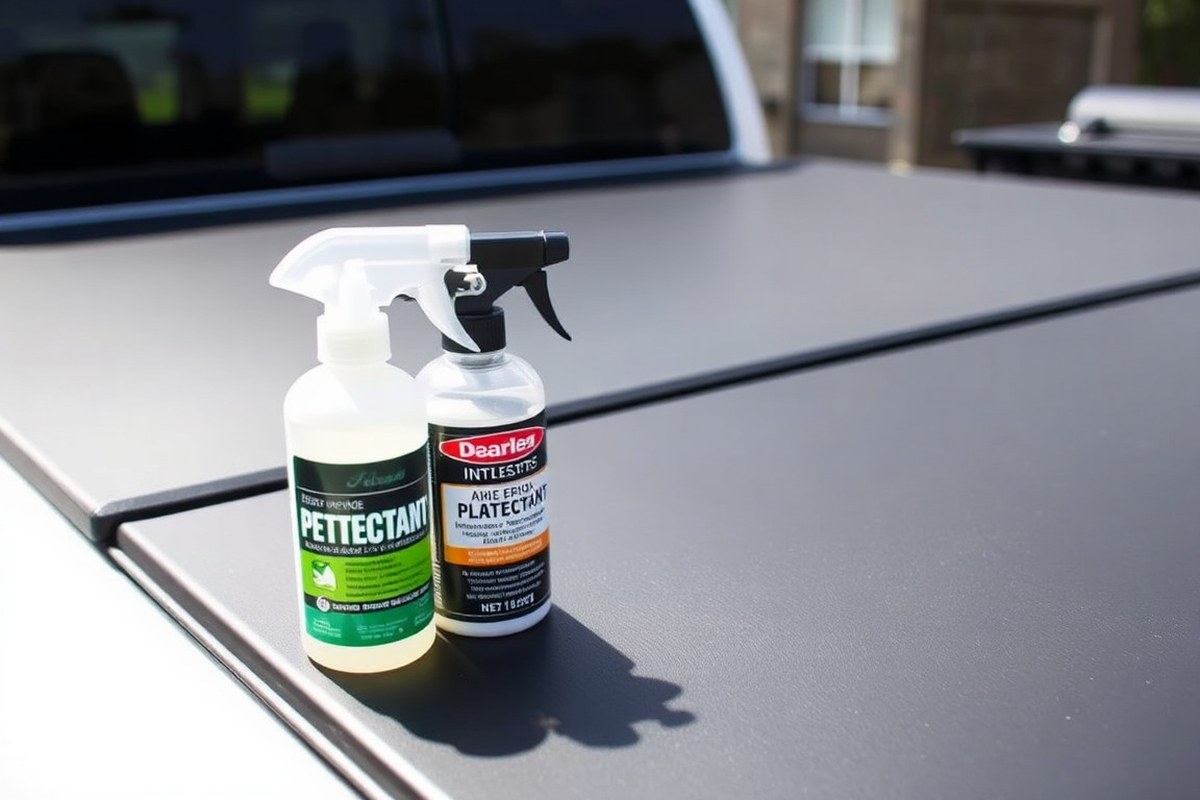
For vinyl and soft tonneau covers, choosing the right care products is essential to maintain flexibility, prevent cracking, and protect against UV damage. Vinyl covers benefit from cleaners and protectants that specifically target vinyl without harsh chemicals. Kits like the 303 Vinyl Top Cleaning & Care Kit offer an effective combined clean and protect solution tailored for these materials. These products usually come with a cleaner and a protectant spray that guards against sun damage and water intrusion.
Multi-purpose protectants that also clean can simplify maintenance by removing dirt and conditioning the cover in one step. Pro-Tex Soft Tonneau Protectant Spray, for example, cleans, conditions, and protects vinyl tonneau covers. It also works well on tires and trim, making it a versatile option for truck owners aiming to keep multiple exterior surfaces in good shape.
Weather and UV resistance are the main reasons truck owners apply protectants regularly. Advanced Kotings Tonneau Cover Protectant Spray (PSNP01TC) is notable for maintaining covers enduring intense sun and severe weather conditions. It’s designed to prolong the life of covers exposed to harsh elements. Applying protectants every 3 to 6 months aligns with general recommendations to preserve appearance and material strength.
| Tonneau Cover Protector | Features | Suitable For | Price Range (USD) | Customer Rating* |
|---|---|---|---|---|
| 303 Automotive Protectant | Superior UV protection | Vinyl, rubber, plastic, leather | $15 – $20 | 4.5 / 5 |
| Pro-Tex Soft Tonneau Protectant Spray | Cleans, conditions, protects | Vinyl tonneau covers, tires, dash, trim, convertible tops | $12 – $18 | 4.3 / 5 |
| Tyger Cleaner and Protectant | Specialized for leather/vinyl/tonneau surfaces | Vinyl, coated leather, plastic, Tyger tonneau covers | $15 – $22 | 4.1 / 5 |
| Wolfsteins Tonneau Cover Vinyl Protectant | Repels dust, grease, dirt | Vinyl covers | $13 – $19 | 4.0 / 5 |
| Advanced Kotings Tonneau Cover Protectant Spray (PSNP01TC) | High UV and weather resistance | All tonneau cover types, especially outdoor exposed | $18 – $25 | 4.6 / 5 |
When applying these protectants, ensure the tonneau cover is clean and dry. Spray a thin, even coat and allow it to absorb before wiping off excess with a microfiber cloth. Avoid over-applying, which can cause stickiness or attract dirt. The best results happen with regular cleaning every 4 to 6 weeks and protectant application every few months. Soft vinyl covers need gentler formulas, while hard covers require products matched to their rigid materials like fiberglass or aluminum.
How to Identify Your Tonneau Cover Material

Identifying the material of your tonneau cover is essential to choosing the right cleaning and protectant products. Different materials like vinyl, aluminum, or fiberglass require specific care to maintain their durability and appearance. Knowing what your cover is made of lets you avoid damage from incompatible products and extend the life of your cover.
Common Types of Tonneau Cover Materials
Tonneau covers come in several standard materials, each with distinct features and care needs. Soft roll-up covers usually feature vinyl or fabric, known for flexibility and weather resistance. Folding covers involve hard panels made of vinyl or aluminum that fold in sections. Retractable covers contain aluminum slats that slide back into a canister, providing sturdy protection. Hinged covers are built from fiberglass or aluminum and lift open like a truck hood. Each type’s material influences how you clean and protect it, so recognizing the base material is your first step.
Visual and Physical Characteristics Checklist
You can identify your tonneau cover’s material using a quick set of checks based on appearance and touch. Use this checklist to assess your cover before selecting cleaning or protective products:
- Vinyl: Smooth surface with a slight gloss, flexible to the touch, and soft but durable. Often found in roll-up or folding covers.
- Fabric: Matte or slightly textured surface, feels like cloth or canvas, usually on soft roll-up covers.
- Aluminum: Hard, metallic, cold to the touch, and generally heavier than other materials. Found in folding, retractable, and hinged covers.
- Fiberglass: Hard but lighter than aluminum, matte or semi-gloss finish, can have a painted look, mostly in hinged covers.
Assessing flexibility is key: vinyl and fabric covers will flex or roll, while aluminum and fiberglass remain rigid. Surface texture and weight also help distinguish between them. This physical inspection costs nothing but saves money by preventing product damage later.
Why Material Matters for Product Compatibility
Material type directly affects which cleaning agents or protectants will work best without causing damage. Vinyl and fabric covers benefit from gentle vinyl protectants like 303 Aerospace Protectant, which guards against UV damage and cracking. Using the wrong products, such as harsh solvents on aluminum or fiberglass, can damage coatings or the material itself. Aluminum and fiberglass covers usually need products designed for hard surfaces rather than flexible protectants.
Choosing a product incompatible with your cover’s material can lead to fading, cracking, or moisture buildup, all of which shorten the cover’s lifespan. For instance, vinyl protectants often contain conditioners that keep soft materials supple but can leave residues that attract dirt on hard covers.
Steps to Confirm Your Tonneau’s Material
- Examine the cover visually: look for gloss, texture, and shape (roll-up, folding, retractable, hinged).
- Test flexibility gently: try rolling or folding a small section if possible.
- Feel the surface temperature: metal feels colder than vinyl or fabric.
- Check weight by lifting or pushing against the cover (aluminum and fiberglass weigh more).
- Consult your truck’s or cover’s manual or label for specific material details.
Taking 5 to 10 minutes for these observations helps you avoid buying incompatible products or risking damage when cleaning and protecting your tonneau cover.
Always test a small, inconspicuous area first with a cleaner or protectant to ensure no discoloration or damage occurs.
Adjusting for Variations and Special Cases
Some tonneau covers combine materials, such as soft vinyl panels with aluminum frames or hard covers with vinyl coatings. In these cases, focus your cleaning and protection efforts on the dominant surface material and avoid harsh methods on delicate parts. Covers exposed to extreme temperatures or constant sunlight need products with improve UV resistance.
In colder climates, vinyl covers can become stiff, requiring protectants designed for flexibility at low temperatures. Similarly, folding covers with aluminum panels may need lubricants for hinges along with surface care. Tailoring your care routine to these variations maintains both functionality and appearance.
How to Properly Clean a Tonneau Cover Before Protecting
Properly cleaning your tonneau cover before applying protectants ensures better adhesion and longer-lasting protection. Use gentle, material-appropriate cleaning agents and handle the cover carefully to avoid damage. Follow a step-by-step process that removes dirt, stains, and mildew while preserving the cover’s integrity.
Choose Appropriate Cleaning Agents
Select mild, pH-neutral cleaning solutions specifically formulated for your tonneau cover’s material, such as vinyl or fabric. Harsh detergents, solvents, or abrasive cleaners can strip protective coatings and cause fading or cracking. A simple mix of dish soap and water often works well for light dirt and dust. For mildew or stubborn stains, look for cleaners designed to gently remove biological growth without damaging the surface.
Avoid products that leave oily or greasy residues since those can attract more dirt and negatively affect the appearance. When your cover is vinyl, try a cleaner such as Extang Tonno Tonic Vinyl Cleaner for effective and safe cleaning.
Safe Washing Techniques to Avoid Damage
Using low pressure is key when washing your tonneau cover with a pressure washer, as high pressure can cause tears or delamination. Avoid using a pressure washer by opting for soft brushes or microfiber cloths to loosen dirt and grime. Avoid scrubbing too hard to prevent scratches. Always wash on a cool surface, ideally in the shade and on a dry day, to prevent rapid drying that can leave water spots.
Remove loose debris first by rinsing with water. For mildew or greasy buildup, gently scrub with a soft brush dipped in your chosen cleaner. Rinse thoroughly to remove all soap residue, which can attract dirt if left behind.
- Rinse the tonneau cover with plain water to remove loose dirt and debris.
- Mix a mild dish soap or specialized cleaner with water in a bucket.
- Apply cleaning solution using a soft sponge or microfiber cloth.
- Gently scrub any stains or mildew spots with a soft brush.
- Use a low-pressure water spray or garden hose to rinse off all soap.
- Check for missed spots and repeat cleaning on stubborn areas if needed.
- Avoid pressure washing at pressures above 1200 PSI to prevent damage.
Drying and Inspecting Before Protection
After cleaning, dry the tonneau cover thoroughly with a clean microfiber towel or allow it to air dry completely in a shaded area. This step prevents moisture from getting trapped under protective products, which can cause mold or damage. Inspect the cover carefully for any leftover stains, cracks, or damage that need addressing before applying protectants.
Ensure no dirt or soap residue remains. The surface should feel smooth to the touch and look evenly clean. Proper drying and inspection maximize the effectiveness of protective coatings and extend your tonneau cover’s lifespan.
Applying Protectants: Best Practices to Avoid Damage
Apply protectants to a clean, dry tonneau cover in mild weather, using soft applicators for even coverage. Avoid sticky or greasy residues by following product instructions carefully and spreading protectant thinly and evenly. Proper application extends the cover’s lifespan and maintains its appearance without buildup.
Ideal Temperature and Weather Conditions
Choose a dry day with temperatures between 50°F and 85°F to apply protectants. High heat can cause the protectant to dry too fast, leading to streaks or uneven layers. Cold or damp conditions slow drying and reduce adhesion, increasing the chance of a tacky or sticky finish.
Avoid applying protectants under direct sunlight, which may accelerate curing unevenly and encourage residue buildup. Early morning or late afternoon shade provides the best environment for smooth, consistent results. Also, ensure the tonneau cover is completely dry after washing before you start.
Preferred Application Tools and Techniques
Use clean, soft microfiber cloths, foam applicator pads, or dedicated protectant applicator sponges to apply product evenly. Spray protectants designed for tonneau covers, like Tyger Cleaner & Protectant, can be sprayed directly on the surface or onto the applicator to control coverage.
Follow a deliberate pattern, either in straight lines or circular motions, to spread the protectant. Work in small sections around 2 to 3 square feet to maintain control and thorough coverage without over-applying. Buff lightly with a dry microfiber cloth after application to remove excess protectant and achieve a matte or satin finish.
- Apply protectants in thin, even layers
- Use dedicated foam or microfiber applicators
- Work in shaded, well-ventilated areas
- Buff lightly after application to avoid residue
- Follow manufacturer’s recommended wait times before exposure
- Use products compatible with your tonneau cover material
- Repeat application every few weeks in harsh conditions
This approach ensures a smooth finish with no visible streaks or patches, protecting your tonneau cover’s surface without leaving a slippery or sticky feeling.
Avoiding Common Application Mistakes
Smearing thick protectant or rushing through application are leading causes of greasy residues or uneven coverage. Avoid heavy-handed application; too much product can pool in crevices and attract dirt. Using incompatible chemicals, such as those with solvents, risks damaging the cover’s material or degrading protective coatings.
Always confirm the protectant suits vinyl, fabric, or plastic tones of your tonneau cover to prevent damage. Let each coat dry completely, usually 10 to 15 minutes depending on temperature, before applying another if needed. If residue does develop, gently wiping with a clean microfiber cloth typically removes excess without harming the surface.
Understanding UV Protection and Its Importance
Ultraviolet (UV) rays from the sun cause significant damage to tonneau covers by breaking down materials, leading to fading, cracking, and loss of flexibility. Without effective UV protection, vinyl and hard covers can dry out, become brittle, and develop cracks over time. This deterioration not only harms the visual appeal of your cover but also reduces its ability to protect your truck bed from weather and debris.
Ideal UV protection for a tonneau cover should block most harmful UVA and UVB rays, which are primarily responsible for material breakdown. Look for protectants specifically formulated for your cover’s material, vinyl protectants for soft covers and specialized hard surface protectants for rigid covers. These products often contain UV inhibitors that can extend protection for 30 to 90 days depending on climate and product strength. Protective treatments designed for automotive use tend to balance durability with a non-greasy finish that keeps your cover looking clean without attracting dust or dirt.
Frequency of reapplication depends on your local climate and cover type. In hot, sunny regions like the Southwest or Southeast, apply UV protectant every 30 to 45 days to maintain effective defense. Milder or cooler climates may only require reapplication every three months. Hard tonneau covers exposed to significant sun should receive UV treatment at least once or twice a year, especially if the cover’s material shows early signs of sun damage. Consistent maintenance ensures the lifetime value of your investment by preserving both appearance and strength.
Spend roughly $10 to $25 for a UV protectant product that covers one to two truck beds, which is a small cost compared to potential replacement expenses. When choosing a product, verify it’s compatible with your cover material; using a vinegary or petroleum-based product can accelerate degradation. Managers of vinyl covers often recommend specially formulated protectants that also create water beading, improving weather resistance without compromising UV defense.
Always test a UV protectant on a small, inconspicuous part of your tonneau cover first to ensure it does not cause discoloration or stickiness.
Applying protectant is simple: clean your cover thoroughly, then spray or wipe on the UV defense product evenly. Allow it to dry without wiping off the residue, as this layer builds your sun barrier. Avoid applying protectant under direct sunlight or on a hot surface since that can reduce its effectiveness. Regular UV protection helps your tonneau cover resist sun damage that otherwise appears within months of neglect, keeping your truck bed shielded and your cover looking newer longer.
Frequency and Timing: When to Clean and Apply Protectant
Cleaning your tonneau cover every two to four weeks under normal conditions helps keep dirt, debris, and pollutants from damaging the material. Driving often on dusty roads or parking under trees calls for more frequent cleaning. Each cleaning should be followed by applying a UV protectant to maintain the cover’s surface and prevent fading or cracking caused by sunlight.
A good rule of thumb is to apply the protectant every two to three cleaning sessions, or roughly every six to twelve weeks. Frequent application extends the cover’s lifespan by sealing in moisture and blocking harmful UV rays. After cleaning and drying your cover thoroughly, apply the protectant evenly with a soft cloth or sponge. Let it dry naturally without exposing it to direct heat or sunlight immediately, which can degrade the product’s effectiveness.
Seasonal changes also affect maintenance schedules. In spring and fall, when weather conditions are milder, a cleaning and protectant application every six weeks usually suffices. Winter brings harsher conditions like snow, ice, and road salts, which require more vigilant care. After any winter storm or exposure to de-icing chemicals, clean your tonneau cover promptly to prevent corrosion or material breakdown. Skip the protectant during freezing conditions if the product’s instructions advise against it, applying it once temperatures rise above 50°F to ensure proper absorption.
Summertime often means increased sun exposure, requiring more frequent protectant use. Applying it every month during hot, sunny periods helps combat UV damage. Regularly hauling heavy or abrasive loads means you should inspect and clean the cover more often. Dirt and grit can scratch or wear the surface, requiring earlier applications to preserve appearance and function.
Costs for cleaning supplies and protectants vary widely, from $10 to $30 per bottle or tube of UV protectant, which typically lasts multiple applications. Cleaning usually involves mild soap, water, and a soft brush or cloth, costing only a few dollars. The time investment averages 15 to 30 minutes per maintenance session, depending on your cover’s size and condition.
Good maintenance results show up as a clean, flexible, and evenly colored cover free of cracks, dull spots, or brittle patches. Ignoring routine cleaning or protectant application can cause discoloration, stiffness, or permanent damage, forcing costly repairs or cover replacement. Staying on a regular schedule, especially after weather events or heavy use, helps protect your investment and keeps your tonneau cover looking and functioning well for years.
Common Mistakes to Avoid When Caring for Tonneau Covers
Using harsh chemicals or household cleaners on your tonneau cover can cause irreparable damage, including cracking, fading, or weakening of the material. Avoid any product not specifically designed for your type of tonneau cover, such as bleach, ammonia, or petroleum-based solvents. These chemicals break down the protective UV layers and may lead to premature aging or discoloration. Instead, choose a cleaner formulated for automotive or fabric covers, like the 303 Convertible Top Cleaning Kit, especially for fabric tonneau covers exposed to heavy sun and dirt.
Mold and mildew buildup often results from moisture trapped under or on the cover due to poor drying or infrequent cleaning. Prevent this by removing dirt and organic debris regularly, at least once a month, with gentle washing and thorough drying afterward. Store the cover rolled up in a dry, ventilated area whenever possible to reduce humidity exposure. If you live in a humid or rainy climate, consider applying a water-resistant protectant that also allows breathability to avoid moisture trapping.
Applying protectants incorrectly can leave residue that attracts dirt or clog seals and tracks, causing your cover to function poorly or degrade faster. Overapplication of products, applying on a dirty surface, or neglecting to follow drying times can do more harm than good. For the best results, clean your cover thoroughly first, apply the protectant in thin, even layers using a microfiber cloth or spray applicator, and let it dry completely before folding or using the cover. Pay close attention to seals and tracks; clean these gently with a soft brush and avoid protectant buildup there.
- Avoid harsh household cleaners and solvents
- Clean frequently with specialized products to prevent heavy dirt buildup
- Dry the cover completely after cleaning to prevent mold and mildew
- Use water-resistant, breathable protectants suited for your cover’s material
- Apply protectants in thin layers only on a clean, dry surface
- Keep seals and tracks free of residue and clean them gently
- Repair small tears promptly using a fabric repair kit or adhesive patch
Small tears or punctures should not be ignored because moisture and dirt can worsen damage and lead to failure. Clean the damaged area with mild soap and water, let it dry, and apply a repair product designed for your tonneau cover material. These kits generally cost under $20 and can extend the cover’s life by preventing the tear from expanding. Skipping these repairs can lead to costly replacements much sooner than expected.
Environmental and Seasonal Factors Affecting Tonneau Care
Rain, snow, and heat all affect how well products perform on your tonneau cover, so adjusting care routines according to the season makes a big difference. Water exposure, especially during wet seasons, can cause mildew or mold if your cover stays damp for too long. The EPA notes that wet materials left undried for 24 to 48 hours promote mold growth. Vinyl covers folded up in the heat are especially vulnerable, creating a moist, warm environment ideal for mold. To prevent this, make sure to unfold and air-dry your cover after rain or snow as soon as possible, ideally within a day. This simple step limits moisture buildup and helps your protectant seal remain intact.
Heat and sun exposure demand attention to UV protection, which can degrade covers over time without the right product. Protectants designed for tonneau covers create a barrier against UV rays, rain, and other environmental factors. Long-lasting protectants maintain their effectiveness up to 11 months after application, saving maintenance time and expenses. Apply these products when the surface is clean and dry, and always avoid application during direct sunlight or when temperatures exceed 85°F, as heat can cause the product to evaporate too quickly or not bond properly. Early morning or late afternoon on a mild day works best.
Winter and cold conditions require a slightly different approach. Snow and ice buildup add weight and trap moisture, which can damage the cover’s material and seams. Regularly removing snow with a soft brush keeps the weight down and prevents water accumulation once the snow melts. Protectants that repel moisture help reduce the risk of water soaking in and causing damage during freeze-thaw cycles. Applying these during milder fall or early spring days ensures the protective layer is in place before extreme cold or wet weather.
During periods of heavy rain, it’s important to check your cover for pooling water or standing puddles. Some covers are not fully waterproof and rely on proper tension and installation to shed water. Keeping the cover tight prevents sagging areas where water collects. Monthly cleaning followed by protectant application before wet seasons starts reinforces the water-resistant barrier, helping your cover resist damage from prolonged moisture exposure. Neglecting this leads to faded, cracked material and increased maintenance costs.
Never apply protectants in wet or humid conditions; doing so can trap moisture under the product and accelerate mold growth.
Creating a routine that matches your local climate keeps your tonneau cover in excellent shape year-round. During dry and warm months, focus on applying UV-resistant protectants every 6 to 11 months, depending on product instructions. In wet or snowy seasons, prioritize drying, snow removal, and moisture-repelling treatments. This upfront investment reduces future repair needs and ensures your truck bed stays protected regardless of weather challenges.
When to Call a Professional for Tonneau Cover Maintenance
Recognizing when to call a professional for your tonneau cover maintenance can save you time, money, and potential damage. Minor cleaning and simple repairs on soft covers usually take 15 to 30 minutes and are manageable on your own. However, if your cover is a hard folding type, expect maintenance to take 1 to 2 hours, and if it’s a retractable or electric model, the process may extend to 2 to 3 hours or more, often requiring expert assistance.
Hard and electric covers are more complex because they involve mechanical and electrical components. Attempting DIY repairs on these systems risks voiding warranties or causing costly damage. For instance, retractable covers have motors and tracks that need precise adjustment and specialty tools. Problems such as motor failure, bent frames, or electrical faults clearly indicate the need for a professional with the right experience and equipment.
Always evaluate the condition before deciding on DIY or professional service. A useful rule is to handle straightforward cleaning, minor fabric tears, or small scuffs yourself. When damage affects structural integrity, functionality, or involves electrical parts, seek professional care. Also, covers with stubborn stains or surface damage that won’t clear after standard cleaning products are good candidates for expert attention.
Finding a qualified service starts with checking local truck accessory shops or dealerships specializing in tonneau covers. Look for certifications or manufacturer endorsements, especially for hard and electric covers. Request estimates and ask about experience working with your specific cover type and brand. Transparent pricing helps avoid surprises, with professional maintenance often priced between $100 and $300 depending on repair complexity and cover type.
What good results look like includes a cover that seals properly, opens and closes smoothly, and shows no signs of wear or damage after maintenance. Poor outcomes often involve incomplete cleaning, persistent leaks, or cover misalignment. Professionals use appropriate tools and follow manufacturer guidelines, ensuring your cover maintains weather resistance and functionality. Taking this approach extends its lifespan and keeps your truck bed protected.
DIY works well for routine upkeep and minor repairs on soft covers, saving you money and time. Reserve professional services for hard, electric, or complicated issues to avoid costly mistakes. Regularly inspect your cover for problems, and don’t hesitate to reach out when something goes beyond simple cleaning or patching. This balance protects your investment and keeps your tonneau cover in top shape.
Step-by-Step Action Plan for Tonneau Cover Care
Follow these steps to clean and protect your tonneau cover effectively and keep it in good shape.
- Before you start: Identify your tonneau cover material by checking the manufacturer’s guide or labels to choose the right cleaning products.
- Day 1: Clean the cover using mild soap and water, then rinse thoroughly. The surface should look free of dirt, grease, and residue.
- Day 2: Allow the cover to dry completely in the shade to avoid sun damage before applying any protectant.
- Day 3: Apply a UV protectant designed for your cover’s material evenly. It should absorb without leaving a sticky or oily finish.
- Week 2: Inspect the cover for any signs of wear or damaged sealing. Address small issues or plan for professional repairs if needed.
- Month 1: Repeat cleaning and protectant application to maintain UV defense and flexibility, especially after exposure to harsh weather.
- Ongoing: Monitor environmental conditions like sun intensity and road salt during winter, and adjust cleanings or treatments accordingly.
Frequently Asked Questions
What Cleaner Is Safe for All Tonneau Cover Materials?
Use a cleaner specifically made for your tonneau cover’s material, such as Tyger Cleaner & Protectant for leather or vinyl. This avoids damage from harsh chemicals and keeps the surface intact.
How Often Should I Apply a Protectant to My Tonneau Cover?
Apply a protectant every 3-6 months to maintain UV protection and material integrity, keeping your cover looking new and preventing cracking.
Can I Use Household Cleaners on My Tonneau Cover?
Household cleaners often contain harsh chemicals that can degrade tonneau cover materials, so it’s best to use cleaners designed for automotive or vinyl surfaces.
Is It Necessary to Clean My Tonneau Cover Before Applying a Protectant?
Yes, cleaning first removes dirt and grime that could trap beneath the protectant, ensuring better coverage and longer-lasting protection.
What Type of Product Provides the Best UV Protection for Vinyl Tonneau Covers?
The 303 Aerospace Protectant Spray is highly effective for vinyl covers, offering strong UV defense to prevent fading and cracking.
How Do I Know If My Tonneau Cover Needs Professional Maintenance?
Seek professional help if you notice persistent damage, mechanical issues, or if the cover is difficult to secure properly after cleaning.
Final Thoughts
Using the right products and methods for your tonneau cover can greatly extend its life and keep it looking good. Start with identifying your cover’s material now so you can pick the proper cleaner and protectant. Taking this practical first step sets the stage for smart maintenance and reliable protection.