How Long Does It Take to Install a Tonneau Cover? A Complete Guide for Beginners
Installing a tonneau cover generally takes from 15 minutes to 2 hours, depending on the type and your skill level. Soft roll-up covers usually go on within 20 to 40 minutes. Hard covers that require assembly can need as much as 2 hours. Having proper tools ready and a clean bed will make the job quicker.
Key Takeaways
- Soft roll-up tonneau covers usually install within 30 to 60 minutes using basic hand tools.
- Hard folding or hinged covers require more time, often around 1 to 2 hours for full installation.
- Experienced installers generally complete installation 30 to 60 minutes faster than first-timers.
- Pre-assembling parts before installation reduces overall setup time for complex covers.
- Having common tools like screwdrivers and clamps ready cuts down delays during installation.
- Carefully following manufacturer instructions avoids mistakes that can add significant time.
How Long Does It Usually Take to Install a Tonneau Cover?
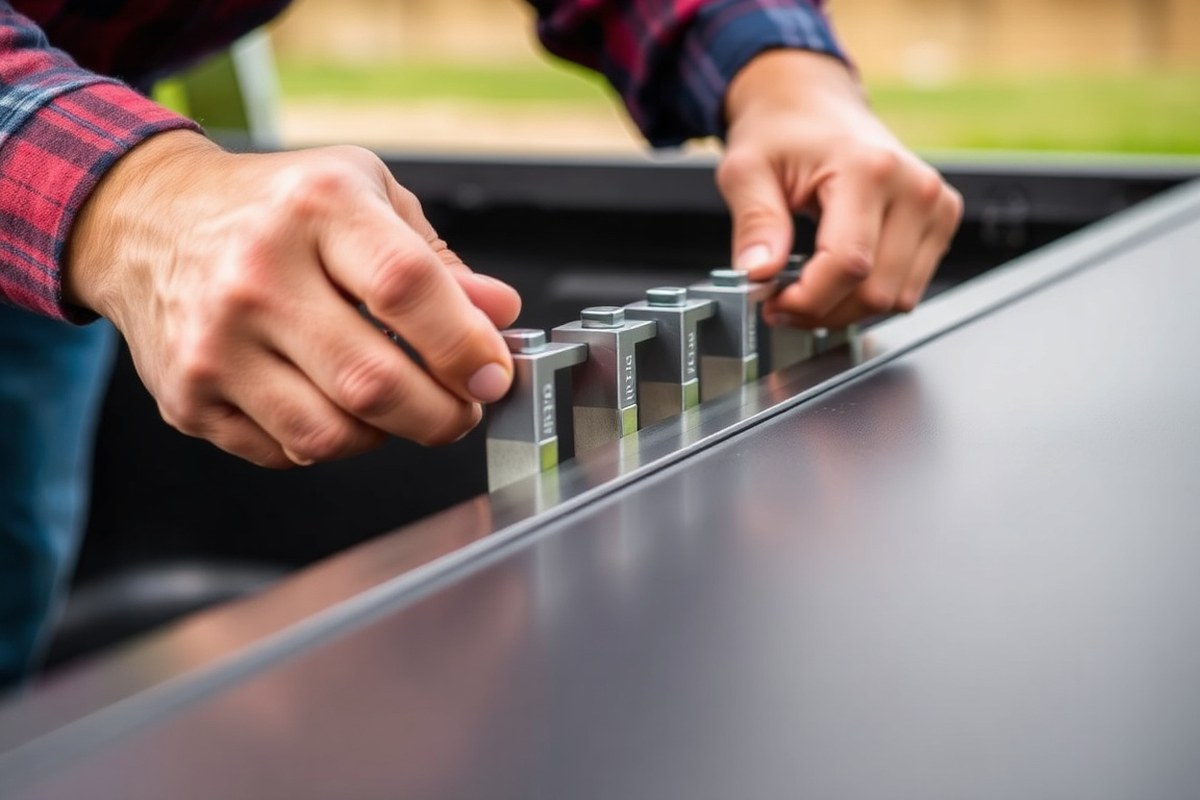
Installing a tonneau cover typically takes between 20 minutes and two hours, depending on the cover type and your experience. Soft roll-up covers are usually the quickest, averaging 25 to 35 minutes for most installers. They often come with straightforward clamping or rail systems that make alignment and attachment relatively simple. Hard folding covers generally require more time, often between 45 and 60 minutes, since they involve installing multiple hinges and panels that must fit precisely to ensure proper sealing and functionality.
One-piece hinged tonneau covers usually take about 20 to 30 minutes to install because they involve mounting a single panel with hinges at the front of the truck bed. These covers typically require fewer adjustments and offer a faster installation process. Retractable covers are the most time-consuming, with typical installation times ranging from 90 to 120 minutes. Their complex mechanisms and tracks need careful alignment and secure fastening, often involving several steps to ensure smooth operation.
Experience plays a significant role in how long the installation takes. Experienced installers often complete a tonneau cover installation within 45 to 90 minutes. They know how to handle the clamps, align rails precisely, and secure fasteners without unnecessary trial and error. Beginners or first-time installers can expect the process to take two to three hours, especially if they are unfamiliar with the mounting hardware or if the instructions are unclear. Paying attention to alignment, double-checking measurements, and taking extra time with the seals can prevent issues later on but will add to the installation time for less experienced users.
For the fastest installation, soft roll-up and hinged tonneau covers are generally easiest to handle alone or with one helper. They involve fewer parts and simpler attachment methods, allowing quick setup. Hard folding and retractable covers often benefit from having two people to assist with lifting and holding panels during assembly. These covers require careful calibration and tighter fits, so patience is key to avoid installation errors that might lead to leaks or rattles on the road.
Planning your installation according to your skill level and the tonneau cover type can help manage expectations and reduce frustration. Taking between a half-hour and an hour is reasonable for most installers with some experience, while new installers should schedule more time and avoid rushing. Proper installation ensures your tonneau cover fits tightly and operates as intended, protecting your truck bed and cargo effectively.
How Installation Times Vary by Tonneau Cover Type

The type of tonneau cover you choose greatly affects how long installation takes, the tools needed, and whether you’ll need to drill into your truck bed rails. Soft roll-up covers are the simplest and fastest to install because they typically clamp directly onto the bed rails with minimal parts. Hard folding covers require more assembly and adjustment steps, extending installation time. Retractable covers often have the most components and require precise alignment, so they take the longest to install and might occasionally need drilling or professional assistance.
| Cover Type | Estimated Installation Time | Tools Needed | Drilling Required? |
|---|---|---|---|
| Soft Roll-Up | 15, 30 minutes | Socket set, clamps | No |
| Hard Folding | 45, 60 minutes (up to 2 hours with assembly) | Socket set, torque wrench, clamps | Usually no |
| Retractable | 90, 120 minutes (or more) | Socket set, torque wrench, clamps, alignment tools | Sometimes |
Soft roll-up covers generally attach by clamping over the bed rail and require little to no mechanical assembly, making them suitable for first-time installers who want the job done quickly. Hard folding covers feature multiple panels and folding hinges, so the rails must be aligned carefully. Flat, firm surfaces help prevent warping during installation. Retractable covers include tracks, locking mechanisms, and often a more complex sealing system. These components demand detailed attention to fit and operation, increasing installation time and occasionally requiring drilling to secure mounting points for stability.
Pre-fitting all parts before tightening clamps can help avoid misalignment and save time, especially for hard folding and retractable covers.
Remember that estimated times can vary with truck bed size, accessory complexity, and installer experience. Tools like torque wrenches ensure clamps are tight enough to seal but not overtightened, which can cause damage. Avoid rushing through retractable cover installations since misaligned tracks or poorly secured rails may cause the cover to malfunction or wear prematurely.
Tools and Preparation Needed Before Installation
Having the right tools and preparing your truck bed are essential first steps to installing a tonneau cover efficiently. This upfront work helps you avoid delays, reduces frustration, and ensures the cover fits securely, protecting your truck bed as intended. Clearing the bed, measuring correctly, and organizing tools set a solid foundation before you begin installation.
Essential Tools for Different Tonneau Covers
Hard folding and hard tri-fold tonneau covers typically need more tools than soft roll-up types. For hard covers, include a torque wrench, clamps, screwdrivers (Phillips and flathead), and a ratchet with sockets around 7mm to 10mm. If your cover requires drilling, keep a cordless drill handy with bits matching the mount hardware.
Soft roll-up covers generally install without drilling and need only basic hand tools such as screwdrivers and adjustable wrenches. Always check the included instructions for your specific cover type and model to confirm the exact tools required. Having all tools ready before starting shortens your installation time by avoiding interruptions.
Preparing Your Truck Bed Before Installation
Start by clearing the truck bed completely, removing debris, old clamps, or any cargo that could interfere with the fit. Clean the bed rails and the surface where the tonneau cover will sit to ensure no obstacles prevent a tight seal or secure mounting. Dirt or leftover material can cause gaps that let water in or reduce the cover’s durability.
Inspect your truck bed rails for damage or aftermarket accessories like bed liners or rails that might require removal or adjustment. Using a clean, dry cloth and a mild cleaner can quickly remove dust, grease, or grime that builds up during daily use. This cleaning step only takes about 10-15 minutes but pays off with a smoother installation process.
Accurate Measuring and Alignment Tips
Measuring your truck bed before beginning installation confirms the tonneau cover matches the bed dimensions exactly. Use a tape measure to record the length and width between the mounting points, extending from the bulkhead to the tailgate edge. Write down these dimensions and compare them to the manufacturer’s specifications for your cover.
Double-check the alignment by laying the tonneau cover loosely on the bed rails without fastening. Confirm it sits squarely and evenly on each side. This practice avoids costly misalignment that leads to leaks or installation problems. Accurate initial measurements can save 15-30 minutes of troubleshooting during installation.
Organizing Tools and Parts for Efficiency
Arrange all your tools and parts on a clean surface near the truck before you start. Group screws, clamps, rails, and brackets by type or installation step to prevent searching through mixed hardware during assembly. Use trays or small containers to keep small parts from rolling away or getting lost.
Organizing your workspace helps maintain steady progress and avoids distractions. Ensure good lighting and enough flat workspace for resting parts as you work. This preparation step can reduce installation time by as much as 20%, especially for complex hard tonneau covers.
- Torque wrench and clamps for hard covers
- Screwdrivers (Phillips and flathead) and adjustable wrenches
- Ratchet with socket set (7mm to 10mm)
- Cordless drill with matching bits if drilling is required
- Clean cloth and mild cleaner for truck bed preparation
- Tape measure for accurate bed sizing
- Containers or trays to organize small parts
Pre-Installation Checklist for a Smooth Start
Before you begin, go through this checklist to save time and hassle during installation: the truck bed is empty, clean, and dry; all needed tools are at hand and organized; the tonneau cover and hardware have been unpacked and identified; measurements match truck bed dimensions; and your workspace has good lighting and enough room for assembly. Following these steps means you won’t have to interrupt your work to find a tool or clean an overlooked spot. This preparation can keep your installation within the typical 30 to 60 minute range most tonneau covers require, avoiding unnecessary delays or damage risks.
Step-By-Step Process for Installing Common Tonneau Covers
Installing a tonneau cover involves careful positioning, securely attaching the side rails with clamps, and making final adjustments to ensure a tight, weatherproof fit. Each cover type, soft roll-up, hard folding, or retractable, has a specific sequence that suits its design and hardware. Taking the time to follow exact steps helps avoid common fit issues and streamlines installation.
Soft Roll-Up Cover Installation Steps
Soft roll-up covers are the fastest and simplest to install, typically taking 15 to 30 minutes. They clamp directly onto the truck’s bed rails using C-clamps or tension clamps and often feature Velcro for additional sealing. Precise measurement and cleaning of the rails help ensure a secure fit and prevent leaks.
- Measure the truck bed width and rail spacing with a tape measure to confirm compatibility.
- Clean the top edges of the bed rails using isopropyl alcohol and a microfiber cloth to remove dirt and oil.
- Place the clamps on the bed rails at the suggested clamp points, usually near the corners and midpoints.
- Position the cover’s frame or side rails on top of the clamps, aligning it parallel to the bed sides.
- Tighten the clamps with a screwdriver or socket tool to the manufacturer’s torque specs, often between 6 and 10 ft-lb.
- Attach the cover fabric by securing Velcro strips or snaps along the rails.
- Roll the cover forward and backward to test smooth operation and adjust clamp tightness if needed.
Hard Folding Cover Installation Steps
Hard folding covers require more precise alignment and usually take 30 to 60 minutes to install. They attach to the truck using side rails, which are clamped or bolted, and then the folding panels are laid onto these rails. Proper positioning avoids clearance issues and seals out water.
- Verify your truck bed length and measure rail spacing carefully with a tape measure.
- Clean the top of the bed rails with isopropyl alcohol and install any foam seals or gaskets provided, trimming excess with a utility knife.
- Set the side rails on the bed rails, aligning them flush with the truck box edges and ensuring they are straight.
- Attach the side rails using C-clamps or torque the provided bolts to firm specs, usually between 9 and 14 ft-lb for hard rails.
- Lay the folding panels onto the installed rails, making sure each fold fits correctly and that all hinges operate smoothly.
- Secure the panels with the manufacturer’s latch mechanism or fasteners.
- Make any necessary adjustments by loosening clamps to realign rails or panels for a snug fit without gaps.
- Check the folding action and re-tighten all clamps and bolts once final positioning is confirmed.
Retractable Cover Installation Steps
Retractable hard covers take longer, approximately 60 to 90 minutes, due to the complexity of mounting a canister housing and rail system. Proper alignment is essential to ensure smooth retraction and locking functions. The canister must be bolted in place before the rails and cover panels are installed.
- Measure and clean the bed rails thoroughly, then apply any foam seals or adhesive strips as instructed.
- Position the canister housing at the front bulkhead of the bed, ensuring it is centered and level.
- Bolt the canister securely using the supplied hardware, following torque specifications carefully to avoid damage.
- Attach the side rails along the bed rails, aligning them with the canister ends and securing with clamps or bolts.
- Install the retractable cover panel inside the rails, making sure it slides smoothly along the tracks.
- Connect any lock components or mechanisms integrated with the cover and test their operation.
- Adjust the side rails or canister positioning slightly if the cover binds or does not seal properly, then retighten hardware.
Common Mistakes That Extend Installation Time and How to Avoid Them
One common mistake that extends the time it takes to install a tonneau cover involves poor alignment. Misaligning the cover with the truck bed rails often requires multiple adjustments or a full redo of the fit, adding 30 minutes or more. To avoid this, start by loosely placing clamps and positioning the cover carefully before fully tightening anything. Confirm the cover lies evenly with consistent gaps along the sides and front edge. Use a measuring tape to check that the distance between the tonneau cover and the truck bed rails is uniform across the length.
Incorrect tightening of clamps is another frequent issue. Over-tightening risks damaging mounting hardware or warping the cover frame, while under-tightening causes shifting or leaks. Aim for clamp torque within the recommended 10 to 150 ft-lb range, depending on your cover model. Use a torque wrench to achieve consistent pressure, and tighten clamps gradually in a crisscross pattern. Avoid rushing this step; tightening clamps in the wrong order or unevenly often means you’ll have to loosen and redo the process, doubling your install time.
Taking your time to double-check clamp torque with a proper tool can prevent costly rework and keeps your cover securely installed.
Other mistakes that add time include improper sealing and failure to clear debris from the truck bed rails before installation. Dirt, dust, or small objects under the cover can cause leaks, seal damage, or trouble closing the cover fully. Clean the rails thoroughly with a damp cloth or brush, then dry before positioning the seal. Pay special attention to corner seals to ensure they sit flush against the truck bed. Check seals visually and by pressing gently along the edges after initial placement.
- Double-check cover alignment before tightening clamps fully
- Use a torque wrench to tighten clamps evenly within the specified range
- Clean truck bed rails thoroughly to avoid debris interfering with seals
- Work during mild, dry weather between 50-80°F for easier adjustments
- Have a second person help with retractable or folding covers to reduce install time
- Test cover opening and closing before final tightening to detect fit issues
- Follow manufacturer’s instructions exactly for sealing and clamp placement
Redoing installation steps mainly happens when these common errors pile up. Taking a few extra minutes upfront to measure gaps, use proper tools, and confirm seal placement prevents wasted time later. Even simple patience during fitting can reduce the trial-and-error approach. Avoid rushing the installation to prevent misalignment or clamp damage, and you will save considerable time overall.
Factors That Impact How Long Installation Takes
The size of the truck bed greatly influences the installation time for a tonneau cover. Larger beds demand more accurate measurements and extra handling of the cover parts, which can add 15 to 30 minutes to the job. Tonneau covers designed for beds longer than 6.5 feet typically require additional clamps or support bars, making the process more complex. Measuring carefully before beginning prevents incorrect fits that could mean undoing work and wasting time.
Weather conditions directly affect both the speed and quality of your installation. Warmer temperatures between 60°F and 80°F make materials like vinyl or soft folding covers more flexible, allowing easier alignment and tightening. Cold weather below 40°F can stiffen these materials, increasing installation time by up to 30 minutes and risking stress cracks or improper sealing. Avoid installing in rain or high humidity since moisture can affect seal adhesives and cause slipping, leading to a suboptimal and longer install. Planning your installation during mild, dry weather ensures better ease and a lasting finish.
Your experience level dramatically influences total installation time. Someone familiar with installing tonneau covers may complete the process within one hour, while a first-timer could take closer to two hours. Knowing your truck model’s quirks, having all tools ready, and following step-by-step instructions reduce delays. Using accurate measuring tools upfront prevents adjustments later. Watching tutorial videos or rehearsing the steps before actual installation can also cut down time. New installers should plan for additional time to prevent mistakes and frustration during assembly.
Tips to Speed Up Your Tonneau Cover Installation Without Sacrificing Quality
Preparing your workspace and tools before starting your tonneau cover installation can cut time significantly. Clear the truck bed and work around a sturdy, flat surface with good lighting. Gather essential tools such as a torque wrench, a Phillips screwdriver, adjustable wrenches, and clamps. Having everything at hand reduces interruptions and helps maintain steady progress.
Using your tools efficiently involves knowing the correct torque specifications and tightening sequences for the clamps and bolts. Most clamp bolts should be hand-tightened first, then secured with a torque wrench to the manufacturer’s recommended setting, often between 5 and 7 foot-pounds. Tightening clamps in an alternating sequence around the bed rail keeps the tonneau cover aligned and prevents strain or warping.
Working with a helper speeds up several key steps, especially aligning the cover and holding clamps in place while tightening. You can position the cover on the rail corner to corner, ensuring even spacing and avoiding common misalignment problems. This approach reduces rework, which accounts for most lost time during installation.
- Read and follow instructions thoroughly before beginning
- Gather all necessary tools, including torque wrench and clamps
- Clear and prepare your workspace to keep parts organized
- Tighten clamps in an alternating pattern rather than sequentially
- Use a torque wrench to apply manufacturer’s clamp torque specs
- Enlist a helper to hold parts steady and align the cover precisely
- Double-check alignment before final tightening to avoid rework
Avoid rushing fasteners tight at first, which can cause crooked installation and damage the clamps or bed rails. Make small incremental adjustments, especially with soft roll-up or folding covers that rely on simple clamps. Confirming the cover fits snugly and seals properly after initial assembly avoids the time-consuming task of loosening and repositioning. If instructions seem complex or you lack specific tools, hiring a professional helps prevent costly mistakes that take hours to fix.
When to Call a Professional for Tonneau Cover Installation
Professional installation makes sense when the tonneau cover involves complex mounting systems, such as retractable or hard folding covers that require precise alignment and drilling into the truck bed. These types often have numerous parts and tight tolerances, so errors during installation might lead to poor fit, water leaks, or damage to your truck’s paint and structure. If your pickup’s bed has dents, rust, or misalignments, a professional can assess and adjust the mounting approach to ensure secure attachment and prevent worsening damage.
When your truck bed has custom liners, bed caps, or accessories like rails or racks, professional installers can navigate these obstacles without risking damage to your investment. They have experience with model-specific quirks, which helps avoid costly mistakes that may add hours to your installation time if attempted solo. For tonneau covers designed for specific vehicles, pros guarantee the correct fit and seal, which is important for weather resistance and security.
Professional installation time ranges from about 30 minutes for simple roll-up covers to 2 hours or more for complex hard covers. Compared to DIY setups, which can take anywhere from 1 to 4 hours depending on your skill and preparation, hiring a pro typically saves time while reducing frustration. The cost for professional installation usually falls between $100 to $300, depending on the complexity and local labor rates, but it often pays off through long-term savings from avoided damage and superior performance.
Pros can also help you avoid common problems such as uneven tension in cover fabric, improper sealing that lets in water and dust, or stripped fasteners that complicate future adjustments. By trusting a professional, you reduce the risk of delays caused by tool slip-ups, unclear instructions, or mismatched parts. This is especially true if you’re working in challenging weather conditions or limited space that can slow down a DIY job significantly.
Choose professional installation if your tonneau cover requires drilling, complicated fittings, or if your truck bed is damaged or customized; this saves time and protects your investment.
Final Adjustments, Sealing, and Testing to Complete Installation
After installing the tonneau cover, completing final adjustments, sealing, and testing ensures it fits securely and protects your truck bed from weather and debris. These steps focus on fine-tuning the alignment, tightening hardware, and verifying the cover’s operation and water resistance, which are key to long-term durability and performance.
Check and Adjust Alignment
Proper alignment prevents gaps where water and dirt can enter and ensures the cover folds or rolls smoothly without binding. Start by visually inspecting the side rails and cover edges for even spacing along the entire truck bed. Look for any areas where the cover might sit crooked or leave uneven gaps.
Adjustments often require repositioning the side rails or loosening clamps slightly to shift the cover. Pay special attention to the corners and tailgate area, as misalignment there can cause leaks and operational problems.
- Open the tonneau cover fully and visually check both driver’s and passenger’s sides.
- Look for any uneven gaps greater than 1/4 inch between the cover and side rails.
- Loosen clamps gently without removing them to allow side rails to move.
- Shift rails or the cover by small increments until the cover sits straight and even.
- Tighten clamps by hand to temporarily hold the new position.
- Close and open the cover slowly to test for smooth operation without catching.
- Re-check alignment and repeat adjustments if any binding or uneven spacing remains.
Tighten Clamps to Manufacturer Specs
Clamps hold your cover securely and maintain pressure on seals that keep water out. Under-tightening leaves the cover loose, increasing noise and water leaks. Over-tightening risks damaging clamps or your truck’s paint. Use a torque wrench if your installation instructions specify torque values, commonly between 5 to 10 ft-lbs.
Start tightening clamps once the alignment is correct and the cover moves smoothly. Check all bolts and screws, ensuring none are loose or missing. Proper fixture prevents wind noise and keeps the cover stable when driving at highway speeds.
- Consult the tonneau cover manual for recommended clamp tightness or use the typical range of 5 to 10 ft-lbs torque.
- Use a torque wrench or hand tool to tighten each clamp evenly and firmly.
- Pass over each clamp twice to ensure consistent tightness.
- Check bolts on any hinges or folding points and tighten if loose.
- Inspect and tighten any mounting hardware securing rails to the truck bed.
Test Operation and Seal Integrity
Functional testing checks that the cover opens, closes, and locks correctly, while seal testing verifies it keeps water out. Test functionality several times to ensure smooth folds or rollbacks without unusual resistance. Proper operation indicates correct tension and alignment.
To test the water seal, run a hose over the cover and around the seals. Look inside the truck bed for leaks. Check that drains on roll-up or snap covers are clear and directing water away. Addressing small leaks usually means repositioning rails, reseating seals, or cleaning drain tubes to maintain weatherproofing.
Checking for wind noise while driving can indicate loose parts needing re-tightening or additional sealing strips to eliminate vibration. Address these problems early to avoid damage and maintain cargo protection.
- Open and close the cover multiple times, noting any sticking or resistance.
- Lock the cover and shake gently to confirm it is secure without excessive play.
- Use a garden hose to spray water along the seams and seals for about 3 to 5 minutes.
- Inspect the truck bed interior for any signs of water intrusion.
- Check drain tubes to ensure water flows freely and is not blocked.
- Drive your truck at highway speeds and listen for unusual wind noise around the cover.
- Make minor adjustments to clamps or seals if leaks or noise appear during testing.
Step-by-Step Action Plan for Installing Your Tonneau Cover
Follow these steps to install your tonneau cover efficiently and ensure it fits well and performs as expected.
- Before you start: Gather all necessary tools like a screwdriver, measuring tape, and clamps. Confirm you have all parts listed in the installation guide.
- Day 1, Prepare your truck bed: Clean and dry the surface where the cover will attach. A clean bed helps the seals stick and reduces installation time.
- Day 1, Position the rails or frame: Attach and align rails along the bed sides using clamps or bolts. Check alignment with a measuring tape to ensure rails are straight and parallel.
- Day 1, Mount the cover: Place the tonneau cover onto the rails or frame, securing it according to the type (roll-up, folding, or snap-on). Confirm that the cover opens and closes smoothly.
- Day 1, Final adjustments: Tighten all bolts and clamps, then test the cover’s fit and security. Make sure there are no gaps or loose parts.
- Day 1, Seal and test: Apply any included weatherstripping or seals, then check for leaks by spraying water on the cover edges. Adjust as necessary to ensure a watertight seal.
Frequently Asked Questions
Can You Install a Tonneau Cover by Yourself?
Yes, you can install a tonneau cover by yourself if you take your time with alignment and follow the instructions carefully. Doing it alone may take longer but helps save installation costs.
Does Installing a Tonneau Cover Affect My Truck’s Warranty?
Using a well-made, compatible tonneau cover and installing it without altering your truck typically keeps your warranty intact. Before starting the installation, review your warranty terms to be sure.
How Does Weather Affect Tonneau Cover Installation Time?
Weather conditions, especially rain or cold, can slow down installation because materials can be slippery or harder to handle. It’s best to install in dry, moderate temperatures for smoother work.
Is Professional Help Needed for Hard Tonneau Covers?
Professional help is recommended for hard tonneau covers that require assembly since they often take 1 to 2 hours and need precise fitting. It ensures a secure installation and may prevent damage.
Can Truck Accessories Like Bed Liners Affect Installation Time?
Yes, bed liners or other truck bed accessories can add time because you may need to adjust the cover’s fit or mounting process to accommodate them properly.
How Often Do I Need to Adjust My Tonneau Cover After Installation?
Minor adjustments may be needed occasionally to maintain a tight seal, especially after extreme weather changes or heavy use. Regular checks help extend the cover’s lifespan.
Before You Go
Installing a tonneau cover usually takes between 30 minutes and a few hours depending on its type and your preparation. Getting your tools ready and following clear steps will help you finish the job confidently. Start by reading your cover’s instructions carefully to match your truck’s make and model before you begin installation.