Will a 2018 Silverado Tonneau Cover Fit a 2020? What Actually Works
Trying to use a tonneau cover from a 2018 Silverado on a 2020 model usually won’t work. Changes in the bed shape, rail design, and where the cover mounts often make them incompatible. Measure your 2020 Silverado’s bed dimensions carefully before attempting to fit an older cover to avoid problems.
Key Takeaways
- Compare bed lengths precisely since even slight measurement differences affect tonneau cover fit.
- Check for differences in bed rail shape and mounting bracket locations between 2018 and 2020 models.
- Use detailed measurements to see if your 2018 cover’s clamps and hardware align with the 2020 bed rails.
- Make small modifications to your 2018 cover rack or clamps to improve fit on a 2020 Silverado.
- Don’t assume a 2018 cover fits perfectly; test-fit before installation to avoid damage or gaps.
- Consider cover types designed with multi-year Silverado compatibility for easier swapping between models.
Does a 2018 Silverado Tonneau Cover Fit a 2020 Model?
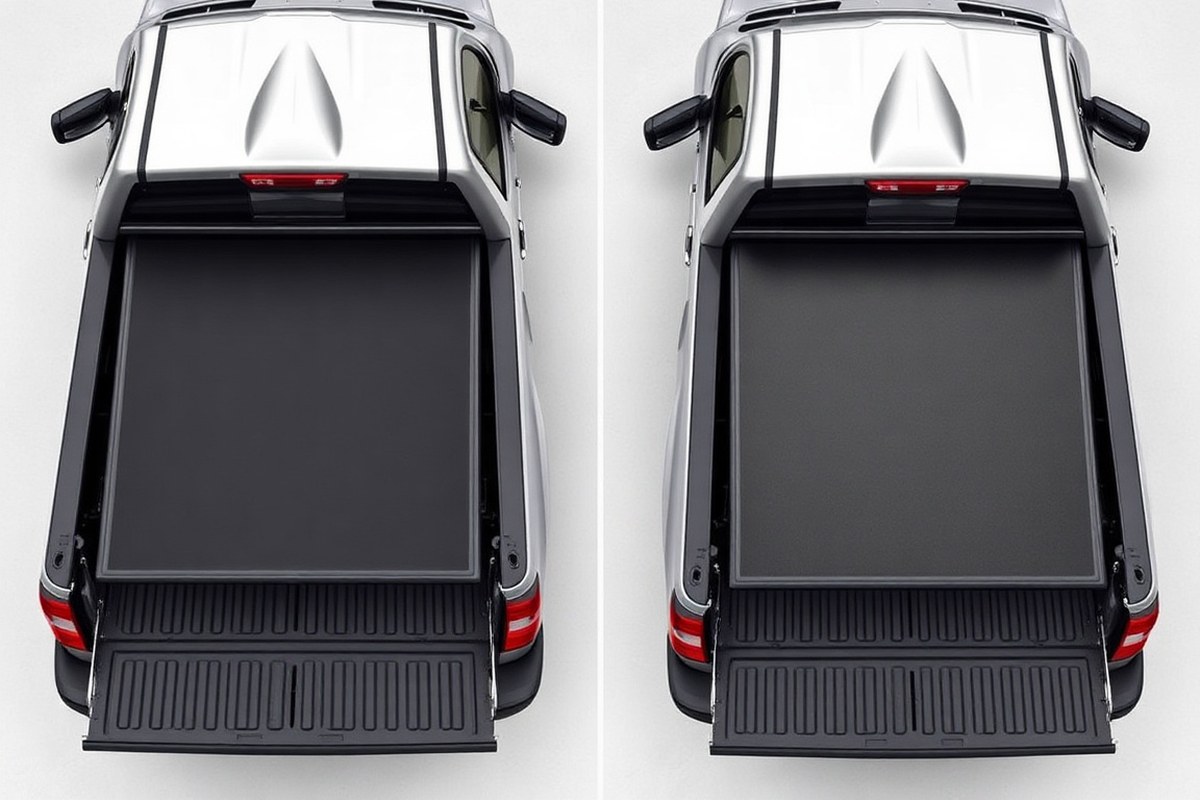
A 2018 Silverado tonneau cover will not directly fit a 2020 Silverado due to subtle but important changes between the two model years. Although bed lengths may appear similar, the bed rails on the 2020 model feature different profiles and mounting points compared to the 2018. These differences prevent the tonneau cover from aligning properly on the newer truck, causing issues with installation and secure attachment.
Pickup trucks depend on bed rails to secure tonneau covers firmly. Between 2018 and 2020, Silverado bed rail designs underwent modifications that affect where clamps or fasteners attach. The 2020 rails may have slightly altered heights, shapes, or spacing, so a cover made for 2018 rails will not fit flush without leaving gaps or stressing the mounting hardware. Tailgate and latch design changes between model years can also change how the tonneau cover fits around the bed opening, impacting both appearance and function.
To know if you can use a 2018 cover on a 2020 Silverado, you must measure your truck’s bed dimensions precisely, including rail width, height, and rail-to-rail distance. Even differences under a quarter inch can disrupt a proper seal or mounting. Some 2018 covers may come close to fitting certain 2020 trucks that share the same bed configuration, but this is not common and rarely seals completely without modification.
While a direct, bolt-on fit for a 2018 cover on a 2020 is unlikely, small adjustments can sometimes improve compatibility. Adapting rail clamps, adding spacer brackets, or trimming mounting hardware might allow installation. However, this requires careful work to avoid damaging the cover or bed and may void warranties. Modifications can also add cost and time, sometimes approaching what a new cover designed for 2020 Silverado beds would cost.
Factors blocking a perfect fit include refined bed rail contour, different clamp locations, and variations in tailgate sealing edges. These changes were made to improve durability, noise reduction, or styling on the 2020 models. Because these features influence how covers attach, using an older cover directly can lead to wind noise, water leaks, and insecure mounting.
Key Bed Size and Rail Differences Between 2018 and 2020 Silverados

The bed size measurements on the 2018 and 2020 Chevy Silverados appear similar but have small variations that can affect how a tonneau cover fits. Both model years offer three common bed lengths: 5.8 feet, 6.5 feet, and 8 feet. However, subtle differences in width and the shape of the bed rails can interfere with mounting a cover designed for one model onto the other. This includes the rail profile height and angle, and the exact positioning of mounting points, which may shift slightly from 2018 to 2020.
Rail design on the 2020 Silverado moved toward a higher, more angular profile compared to the 2018’s slightly rounded edges. This seemingly minor change impacts the clamps or fasteners that attach the tonneau cover. Mounting brackets introduced in 2020 do not always align properly with holes or clamp areas on a 2018 cover’s rail system. Tailgate hardware receiving the tonneau cover also saw updates, with 2020 models potentially having slightly different latch or hinge placements that can influence cover sealing.
| Feature | 2018 Silverado | 2020 Silverado |
|---|---|---|
| Mounting Type | Clamp-on / Rail mount | Clamp-on / Rail mount |
| Bed Length Options | 5.8′, 6.5′, 8′ | 5.8′, 6.5′, 8′ |
| Rail Style | Slightly rounded edges | Higher, more angular with minor design tweaks |
| Mounting Points | Original alignment for clamps and brackets | Updated bracket positions; may not match 2018 hardware |
| Tailgate Hardware | Standard latch and hinges | Revised latch and hinge placements affecting seal |
When you attempt to fit a 2018 tonneau cover on a 2020 Silverado, check both the bed and rail dimensions closely. Make exact measurements of the mounting points and clamp locations, comparing them with the cover’s attachment system. Differences in rail height and angle influence how flush and tight the cover will sit, and even a small mismatch can cause wind noise or water leaks. Look at the tailgate hardware carefully for any variation that may require adjustment or complete hardware replacement.
Tip: Use a tape measure and calipers to capture exact rail height, width, and mounting hole distances before trying to install a 2018 cover on a 2020 bed to avoid fitment problems.
Adapting to the 2020 Silverado’s changes means carefully removing 2018 mounting hardware and considering aftermarket clamps or brackets made for the new rail profiles. Knowing the location and type of mounting points affected will save you time and money by minimizing trial-and-error. Prioritize covers designed with adjustable or universal mounting systems if you want the best fit across these model years without extensive modifications.
How to Properly Measure Your Silverado Bed for Cover Compatibility
Accurate measuring of your Silverado’s truck bed and rails ensures you select a tonneau cover that will fit securely without modification. Focus on precise bed length, width, rail profiles, mounting points, and tailgate dimensions. Record these measurements carefully and compare them to the cover’s fit guide, allowing only small tolerances to avoid loose fit or damage.
Measuring Bed Length and Width
Start with the overall bed length and width, because these lay the foundation for cover fitment. Use a steel tape measure that is at least 12 feet long for accuracy across the entire bed and record measurements in inches. Check the truck bed from the inside, measuring between the bed walls and from the bulkhead behind the cab to the inside edge of the tailgate.
- Open the tailgate fully to allow clear access to the bed.
- Measure the bed length by running the tape from the inside front bulkhead to the inside edge of the tailgate. Record this measurement in inches.
- Measure the bed width at the front (near the cab) between the inner walls of the bed rails.
- Measure the bed width at the rear, near the tailgate, between inner walls of the bed rails again to note any taper.
- Note any bed liner thickness on the rails that could affect cover fit by measuring the rail width and subtracting the liner thickness if present.
Good measurements here reflect your Silverado bed’s actual usable size and let you catch any narrowing or widening that may affect cover rail fit.
Measuring Bed Rails and Mounting Points
Bed rails and their mounting points determine where your tonneau cover clamps or mounts, affecting secure attachment. Check rail height, width, and position of mounting holes or brackets, which may differ between model years. Use a caliper or steel ruler for precise rail width and height. Check rails at multiple points; rails can vary front to back due to trim or modifications like bed caps.
- Measure the height of the bed rails from the bed floor to the top outer edge.
- Measure the width of the bed rails across the top surface where the cover clamps will sit.
- Identify and measure distances between mounting holes or brackets along the rails, distance from front to back and spacing between holes side to side.
- Check for any new or relocated mounting points especially near the tailgate hinges.
- Note differences in rail shape, such as rounded or squared edges, which impact clamp compatibility.
Tolerances should stay within 1/8 inch for rail width and mounting hole spacing. Larger deviations risk poor clamp fit or gaps in the cover seal.
Verifying Tailgate and Latch Dimensions
The tailgate latch and hinge design changed on 2020 Silverados, affecting cover seal and mounting. Measure latch width, height, and distance from rail ends because these affect whether a 2018 cover will fit tightly or leave gaps. Note the shape and position of the latch for seal compatibility.
- Measure the tailgate width across the top edge, including latch housing.
- Measure from the inner edge of each bed rail to the nearest latch hinge point.
- Check the latch height relative to the rail surface to ensure cover clamps won’t interfere.
- Compare these measurements to the 2018 cover’s clamp and seal specifications.
- Note any reinforcement or changes to latch components that could prevent a secure seal with older covers.
Adhering closely to manufacturer tolerance limits for latch and tailgate dimensions helps avoid improper sealing, which can lead to water intrusion or cover damage during use.
Modifying a 2018 Tonneau Cover to Fit a 2020 Silverado
Installing a tonneau cover made for a 2018 Silverado on a 2020 truck usually needs some changes to handle different mounting points and alignment. You might need to move or trim mounting brackets, swap out seals to keep water out, and adjust latches so they close properly. These tweaks allow an older cover to fit better and function correctly on a newer model.
Adjusting Mounting Brackets and Rails
The 2020 Silverado features redesigned mounting points that may not perfectly match your 2018 tonneau cover’s brackets and rails. You’ll likely need to adjust or modify the mounting hardware to achieve a tight, gap-free fit. This might involve loosening brackets, trimming parts of the rails, or re-drilling holes to align with the newer truck’s bed. Careful adjustments ensure your cover holds firmly and avoids damage during driving. Follow this process to modify mounting brackets and rails:
- Remove the cover from the truck and inspect all mounting brackets for mismatch.
- Compare 2018 bracket hole locations to those on the 2020 bed rails to identify offset distances (typically less than 0.5 inches).
- Mark any mounting holes requiring repositioning or enlargement.
- Use a drill with the appropriate bits to carefully widen or relocate holes for a better fit.
- Trim rail edges with a metal file or fine saw to eliminate interference points.
- Reinstall brackets loosely and test-fit the cover to check alignment.
- Tighten all hardware securely once proper positioning is confirmed.
Wear eye protection and gloves when drilling or cutting metal parts. Avoid over-trimming brackets as this can reduce mounting strength. These adjustments typically take 1 to 3 hours depending on your skill level and tool availability.
Replacing Seals and Weatherstripping
Older seals and weatherstripping on a 2018 cover may not perfectly seal against a 2020 Silverado’s bed due to slight shape and mounting angle differences. Replacing these components can prevent water leaks, dust intrusion, and wind noise. New seals sized specifically for the 2020 bed improve protection and prolong the tonneau cover’s lifespan.
Install new seals by removing the old weatherstripping carefully, cleaning the mounting surface, and applying compatible replacement seals following manufacturer instructions. Look for seals that offer dense compression and UV resistance, which commonly cost between $25 and $80 depending on brand and length. This task usually takes 30 to 60 minutes.
Aligning Latches and Tailgate Attachments
The 2020 Silverado includes a reinforced tailgate latch and redesigned hinges that can affect how the 2018 tonneau cover latches to the tailgate. In many cases, the original latches won’t line up perfectly, causing difficulty securing the cover or allowing it to rattle.
Improving latch alignment typically requires adjusting the latch mounting points or swapping in compatible latches designed for the 2020 model. Some covers allow loosening latch bolts and sliding the latch assembly slightly to improve engagement. Steps for aligning latches:
- Open the tailgate and get the tonneau cover latches.
- Loosen mounting screws or bolts holding the cover’s latch mechanism.
- Slide or reposition latches to align with the 2020 tailgate’s locking points, checking for even contact without excessive force.
- Tighten latch fasteners securely to maintain this position.
- Test closing and locking the cover multiple times to ensure consistent engagement.
- When you can’t get the latches to line up, look into aftermarket latch kits made to fit the 2020 Silverado specifically.
Latch modifications require care to avoid damaging locking components. Misaligned latches can compromise security or scratch the tailgate surface.
Tonneau Cover Types with Multi-Year Silverado Compatibility
Retractable and folding hard tonneau covers are your best bet for fitting multiple Silverado model years, including 2018 through 2020. These designs benefit from relatively consistent bed dimensions between those years, allowing one cover to often work well on different model years without modification. Soft covers, while typically easier to install and less expensive, tend to vary more with bed rail shape changes and may not seal as tightly when crossing model years.
Hard covers, especially those that fold or retract, offer better rigidity and security but can cost anywhere from $800 to $1,500 depending on materials and brand. Soft covers might range from $200 to $600 but risk gaps or improper tension if the truck bed rails differ even slightly. You should also factor in installation complexity: folding hard covers often require drilling or precise rail fitting, while soft covers usually use clamps or snaps that accommodate some variation.
Brand choice plays an important role in cross-year fitment success. BakFlip, Extang, and Lund stand out for offering covers engineered to fit multiple Silverado bed configurations across recent model years. These manufacturers test for subtle changes in rail heights and bed lengths and provide adjustable or universal mounting kits. Selecting a cover from these brands increases the chance your 2018 cover will fit a 2020 Silverado without extra modifications.
| Cover Type | Fit Across 2018-2020 Silverado | Pros | Cons |
|---|---|---|---|
| Retractable Hard Cover | High compatibility | Secure, durable, sleek look | Higher cost, more complex install |
| Folding Hard Cover | High compatibility | Rigid protection, good weather sealing | Moderate cost, may require drill mounting |
| Soft Roll-Up Cover | Moderate to low | Affordable, easy to install | Less secure, may not seal well if rails differ |
| Soft Snap-On Cover | Low compatibility | Very easy install | Fit sensitive, less durable |
Given these differences, start by measuring your Silverado’s bed rails and length to confirm they fall within the tolerances specified by the cover manufacturer. Even among the same bed length, rail shapes and heights can shift between years, impacting soft cover fitment more than hard covers. Choosing a product from a brand with multi-year compatibility is critical for minimizing fit issues and avoiding modifications.
Check manufacturer fit guides carefully; using a cover not designed for your specific bed rail profile can lead to water leaks or mounting failures regardless of the model year match.
Common Fitment Problems When Using Older Covers on Newer Silverados
Installing a 2018 tonneau cover on a 2020 Chevy Silverado often leads to alignment problems due to differences in bed rail design. The 2020 model has a more angular bed rail profile, unlike the smoother curves on the 2018 bed. This mismatch causes the cover to sit unevenly, creating gaps where water and debris can enter. These gaps increase the chance of water leaks, especially during heavy rain or car washes, which can damage the truck bed over time.
Rail and latch mismatches are common when older covers try to attach to newer Silverado beds. The 2018 covers usually use clamp-on systems built for earlier rail dimensions, but 2020 models often have updated clamps or mounting points. This difference means the cover may not latch securely, risking wind lift while driving. Loose mounting can also cause the cover to rattle or shift, accelerating wear and potentially voiding any warranty on the cover or truck bed.
Signs of these fitment issues include visible gaps along the rail, a cover that does not sit flush with the truck bed, or difficulty securing the latches without forcing them. Check for scratched or bent edges on both the bed rails and the cover’s mounting hardware, as this damage often happens when trying to force a mismatch. A loose or uneven cover signals improper fit and may lead to damage over time.
- Uneven cover seating or gaps between cover and bed rail
- Loose or misaligned clamps and latches that don’t lock properly
- Scratches, bent rails, or damaged mounting points from forcing fitment
- Wind noise or cover movement while driving
- Water pooling inside the bed after rain or washing
- Possible voiding of the truck’s or cover manufacturer’s warranty
To assess these fitment problems yourself, place the cover on the bed without securing it fully and inspect all edges for flushness and gaps. Secure latches should engage smoothly without excessive force. Any sign of strain or uneven compression usually means the cover doesn’t match properly. Avoid prolonged use if you spot these issues since water leakage can cause rust, and loose mounts increase the risk of cover failure on the road. Getting a properly matched cover or adjusting mounting hardware suited to the 2020 Silverado’s rails can prevent these costly problems.
When to Choose a New Cover Instead of Modifying an Old One
Using a tonneau cover from a 2018 Silverado on a 2020 model can seem straightforward, but differences in bed rails or mounting points often require significant alterations. A cover that doesn’t fit securely may allow water and debris inside, causing damage to the bed and cargo. Changes to fit the cover risk weakening its structure or the truck’s mounts, which could lead to early failure. To avoid problems, verify bed size compatibility, check rail and hardware alignment, and understand how modifications might affect your warranty.
New tonneau covers designed for 2020 Silverados generally provide improved fit and protection. These covers accommodate changes in bed design and factory-installed accessories, ensuring a tight seal that keeps water, dust, and UV exposure to a minimum. For example, hard covers often feature reinforced frames and weatherproof seals that reduce wind noise and improve security compared to older models. Soft covers newer than 2018 may use advanced materials that resist fading and cracking better under prolonged sun exposure.
Cost and warranty considerations also favor buying a new cover instead of adapting an older one. While modifying a used tonneau cover might cost around $100 to $200 in parts and labor, a new, custom-fit cover for a 2020 Silverado typically ranges from $400 to $900, depending on materials and features. New covers come with warranties that protect against defects and damage for 1 to 5 years, which could be void if you alter the original product. Warranties cover issues like seal failure and mechanical components that modifications can affect.
Review the cost-benefit tradeoff before choosing modification. An adapted cover might initially cost less, but the risks include leaking, poor fit, increased wind resistance, and accelerated wear. These risks often lead to additional repairs or replacement sooner than expected, potentially increasing total costs beyond buying a new cover. On the other hand, investing in a new cover eliminates uncertainty about compatibility and protects your truck bed effectively.
To decide, start by measuring your 2020 Silverado bed length, width, and rail dimensions precisely. Compare these to the 2018 cover’s measurements using a tape measure and visual inspection of mounting brackets. Any variation over a quarter inch in measurements or brackets that do not line up exactly usually means adjustments will be hard to make or won’t work well. Detecting gaps, leaks, or a loose fit after trying the cover suggests buying the correct, model-specific cover is the safer choice. New covers tailored for your exact model year minimize fit issues and improve protection. This approach reduces future maintenance and protects your investment in your truck.
Factory Accessories and Bed Configurations Affecting Tonneau Cover Fit
Trim levels, bed liners, and factory-installed options on the Silverado can significantly affect how a tonneau cover fits and installs. Different trims often come with unique bed features such as spray-in liners, bed rail caps, or integrated tie-down systems. These variations can change the shape and surface conditions that a tonneau cover must accommodate to attach securely and perform properly.
For example, Silverado trims like the High Country and LTZ tend to have more factory-installed accessories on the bed, including spray-in liners and protective bed rail caps. These add a textured layer over the metal rails or bed floor, which can raise the mounting surface by a few millimeters to more than half an inch. A tonneau cover made to clamp directly onto bare rails from 2018 may not fit snugly or might require modification when installed over these accessories on a 2020 model. Spray-in liners can interfere by creating uneven edges, so using covers designed with adjustable clamps or brackets that can clear these differences often helps.
Many Silverado owners choose aftermarket drop-in or spray-in liners after purchase, adding further variables. Drop-in liners can be 0.5 to 1 inch thick and usually add a lip over the bed rails. This lip prevents standard clamp-on rails from gripping firmly. Choosing a tonneau cover that mounts inside the bed rails rather than over them offers a more reliable fit in such cases. Alternatively, some covers come with special adapters to work around thicker liners or rail caps.
Factory-installed tie-down hooks or cleats also affect cover compatibility. Trucks equipped with factory cargo management systems have hooks positioned slightly differently across trims and model years. Covers designed to fit older bed designs might interfere with these hooks, preventing a flush seal. Checking whether the cover’s mounting hardware aligns properly with these points is essential before installation. Adjustable mounting systems or rails with modular holes give more flexibility here.
Installing a tonneau cover on a bed with a spray-in liner or rail caps requires careful preparation. You should clean the rails and remove any loose debris before fitting clamps. Using rubber pads or protective strips under clamps prevents damage to the liner while improving grip. Some users apply weather-resistant sealant around mounting brackets to improve fit and prevent water intrusion. Expect to spend 20-30 minutes extra on preparation and fine adjustments during installation.
Choosing a cover from brands that specify compatibility with accessory-equipped Silverado beds can save time and effort. These covers usually come with the hardware needed to install over liners, rail caps, or tie-down systems without modification. Their instructions will account for the minor dimensional shifts found in 2020 models compared to 2018 models. Price premiums for such covers range from $50 to $150 more than standard versions, depending on features.
Check the thickness and height of your bed liner or rail caps before buying a cover, because clamps designed for bare rails often won’t secure properly over raised surfaces.
Verifying Fitment and Installation Before Buying or Reusing a Cover
Confirming that a tonneau cover fits your 2018 or 2020 Silverado before purchase or installation saves time and money. Checking manufacturer fit guides carefully, testing fit with your truck, and knowing when to use adapter kits or professional services are key steps. These actions help avoid common fit issues and installation problems.
Reviewing Manufacturer Fit Guides Accurately
Fit guides from manufacturers provide critical details on which truck models and bed sizes their tonneau covers support. Use them as your first reference to rule out incompatible covers. For Silverado models, focus on matching the exact bed length and rail design listed in the guide.
To use a fit guide effectively, compare your Silverado’s model year, bed length (typically 5.8, 6.5, or 8 feet), and factory bed rail style with the guide’s specifications. Some guides include notes on slight changes between years, such as rail height and inner width. Look for a printable chart or online selector tool on the manufacturer’s website.
Manufacturers may specify if a cover fits multiple years or requires year-specific parts. When the fit guide doesn’t explicitly list your year combination, assume that it requires further verification or adjustments. Guides usually come with basic installation notes to highlight steps affected by vehicle features like bed liners or tonneau rail profiles.
Performing Mock Installations and Measurement Checks
Testing a cover’s fit on your Silverado before fully installing it helps catch problems early. You can do this without tools by placing the cover on the bed rails and checking alignment at all mounting points. This practice can expose possible gaps, misalignments, or clearance issues.
Also, re-measuring the bed rails’ length and width with a tape measure confirms manufacturer claims. Measure inside dimensions from rail end to end and the width between rails. Check clearance at tailgate and cab as well. Follow these steps for a proper mock installation:
- Clean and clear the bed rails to remove debris or obstructions.
- Place the tonneau cover gently on the rails without securing clamps or bolts.
- Align the cover edges with rail edges, noting any overhang or gaps.
- Check the fit near the tailgate for full closure without obstruction.
- Look under the cover for even contact with rails and mounting points.
- Test the opening and closing mechanism to confirm smooth operation whenever possible.
- Measure all relevant dimensions again for confirmation.
Mock installations take about 15 to 30 minutes. Expect a snug fit with minimal gaps. Larger gaps or difficulty in aligning clamps often hint at incompatibility or need for modifications.
Exploring Adapter Kits and Professional Assistance
Adapter kits can bridge fit differences between model years by adjusting mounting hardware or changing seal strips. They typically cost between $50 and $150, depending on complexity and brand. Use adapter kits when the tonneau cover almost fits but requires minor adjustments, such as rail height or clamp spacing.
Professional installers offer fit verification and installation services for a fee, usually $100 to $200. They can recommend the right cover or adapter kit and handle tricky installations, especially if modifications are involved. Choosing professional help reduces risk of damage or defective fit. Consider adapter kits or professional services if:
- Your mock installation reveals small fit challenges that don’t require major alterations.
- The manufacturer fit guide lists optional parts or modifications for your model years.
- You lack tools or confidence for adjusting clamps, rails, or seal components.
Step-by-Step Action Plan for Fitting a 2018 Silverado Tonneau Cover on a 2020 Model
Follow these steps to determine if your 2018 tonneau cover fits your 2020 Silverado and what to do if it doesn’t.
- Before you start: Measure your 2020 Silverado bed width and length using a tape measure. Confirm the measurements match your 2018 bed.
- Day 1: Inspect the rail style and mounting points on both trucks. Look for any design or height differences that affect fit.
- Day 2: Test fit the 2018 tonneau cover on your 2020 Silverado. Check for secure attachment and full bed coverage.
- Day 3: Note any gaps, misalignments, or binding when closing the cover. Identify if adjustment or modification is feasible.
- Day 4: If minor modification is possible, carefully trim or adjust the cover or rail components as advised by the manufacturer, ensuring no compromises to seal or function.
- Day 5: If modifications aren’t suitable, research tonneau covers designed for multi-year Silverado compatibility or specifically for the 2020 model.
- Week 2: Verify fitment with sellers or manufacturers before purchasing a new cover. Confirm returns or exchanges policies in case the fit isn’t perfect.
- After installation: Secure the cover firmly and test it over multiple days to check that it remains stable and weatherproof.
Frequently Asked Questions
Can a 2018 Silverado Tonneau Cover Fit a 2020 Model Without Any Changes?
A 2018 Silverado tonneau cover does not properly match a 2020 model because the bed rails and mounting spots changed. Confirm the exact measurements of your truck before installing any cover.
Is It Possible to Retrofit a 2018 Silverado Tonneau Cover Onto a 2020 Truck Bed?
Yes, you can modify a 2018 cover to fit a 2020 Silverado, but it requires adjusting mounting brackets and rails. This effort might not always be practical compared to buying a new cover designed for the 2020 model.
What Specific Changes in Bed Dimensions Affect Tonneau Cover Fit Between 2018 and 2020 Silverado?
The 2020 Silverado has updated bed rail profiles and mounting brackets that differ slightly in size and shape from 2018 models. These small differences can prevent a direct fit of older tonneau covers.
How Can I Measure My 2020 Silverado to See If My 2018 Tonneau Cover Could Fit?
Measure the length and width of your truck bed, including the top rail and mounting bracket locations. Compare these against the 2018 cover specs to identify where adjustments are necessary.
Are There Any Tonneau Cover Types More Likely to Fit Both 2018 and 2020 Silverados?
Some soft roll-up or universal covers work with several Silverado model years by allowing for adaptable fitting. Hard folding or snap-on covers tend to have more precise fit requirements that vary by truck year.
When Should I Stop Trying to Modify a 2018 Cover for a 2020 Silverado?
Adjustments that fail to secure the cover or risk harming your truck indicate it’s better to choose a tonneau cover designed specifically for the 2020 Silverado. Ill-fitting covers can lead to water leaks or loss of cargo.
The Bottom Line
Most 2018 Silverado tonneau covers won’t fit a 2020 model perfectly due to changes in bed size and rail design. A proper measurement and trial fit will quickly reveal if your cover can be adapted or if a new cover built for your truck is necessary. Start by measuring your bed today and checking the rail styles before investing in modifications or new gear.