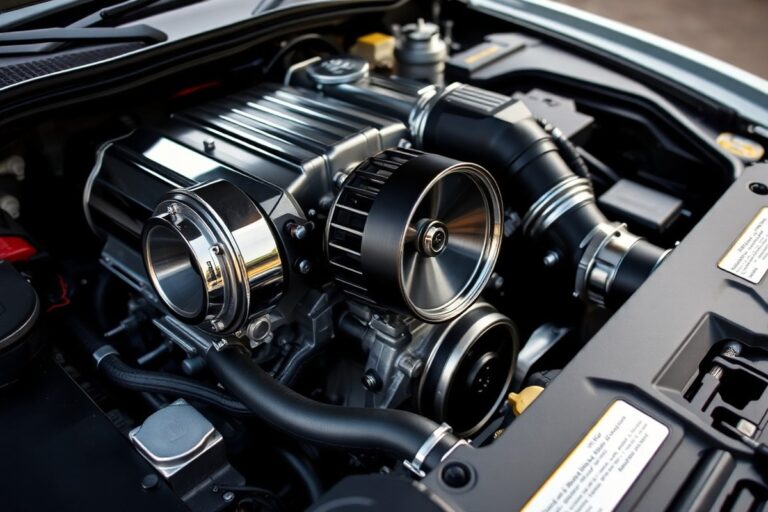
How Does Active Fuel Management Work? A Complete Guide for Vehicle Owners
How does Active Fuel Management work? It saves fuel by temporarily shutting off selected engine cylinders when your vehicle doesn’t need full power. This reduces fuel consumption without affecting performance because the system instantly reactivates the cylinders when you demand more power. The technology relies on precise control of engine components to switch between full and reduced cylinder operation smooth.
Key Takeaways
- Active Fuel Management improves fuel efficiency by deactivating half of the cylinders during light-load driving conditions.
- A solenoid disables the lifters on specific cylinders, preventing fuel and air intake to those cylinders.
- The system instantly reactivates cylinders when you accelerate or require full engine power.
- AFM is integrated with vehicle telematics to adjust operation based on real-time driving data and patterns.
- Active Fuel Management works on various GM engines, including V-6 and V-8 models like the Silverado’s 4.3L V-6 and 5.3L V-8.
- Compared to Dynamic Fuel Management, AFM switches between two cylinder modes, enabling easier control and simpler hardware.
How Active Fuel Management Saves Fuel by Deactivating Cylinders

Active Fuel Management (AFM) saves fuel by shutting down half of an engine’s cylinders when full power is not needed. On a V8 engine, such as those used in many General Motors vehicles, AFM deactivates four cylinders during light-load conditions like highway cruising. This reduction cuts fuel consumption by lowering pumping losses and fuel injection while maintaining enough power to keep the vehicle moving efficiently.
The basic mechanism involves switching off the valve lifters on selected cylinders using a solenoid system. By disabling the lifters for half the cylinders, these cylinders stop drawing air and fuel and do not produce power or consume fuel. The remaining active cylinders handle the load, delivering enough torque and horsepower to maintain smooth driving. When more power is required, such as during acceleration, climbing hills, or towing, the system rapidly reactivates the deactivated cylinders to provide full engine output without driver intervention.
AFM’s control is managed by the engine’s computer, which evaluates driving conditions and engine load continuously. It activates cylinder deactivation when the load falls below a certain threshold, often during steady cruising at moderate speeds, typically above a few seconds of light throttle or steady speed. The system calculates torque demands and user driving preferences to decide when to switch modes. For example, if the computer senses consistent low load use and engine RPMs in a range suitable for four-cylinder operation, the solenoids triggered by the computer disable the appropriate lifters.
The transition between eight-cylinder and four-cylinder modes happens automatically and smoothly. This keeps power delivery consistent and avoids noticeable loss of performance or engine roughness. The vehicle’s driver will rarely notice the change except for potential improvements in fuel economy, often up to 12% depending on driving style and conditions. This is why AFM matters: it delivers improved miles per gallon without downsizing the engine or losing responsive power when you need it.
Most AFM-equipped engines, including popular Chevrolet V8s like those in the Camaro SS and Silverado, use this technology to balance fuel efficiency and power. The costs involve complex valve lifter components and solenoids that must operate reliably. If these parts fail, symptoms like ticking sounds or misfire codes may appear, but when working correctly, AFM offers a way to conserve fuel without sacrificing the power of a large displacement engine.
Key Components That Enable Active Fuel Management Operation

Active Fuel Management relies on a combination of specialized hardware components to control cylinder activation and deactivation precisely. The system uses unique AFM lifters installed on specific cylinders, typically cylinders 1, 4, 6, and 7 in GM V8 engines. These lifters have a built-in latching mechanism that can be locked or unlocked to either engage or disengage the valve operation on those cylinders. When deactivated, the valve trains for those cylinders do not open, effectively stopping fuel consumption and combustion in them.
Solenoids play a critical role by controlling oil flow under electronic command. When the engine management system decides to deactivate certain cylinders, solenoids direct oil pressure to control ports on the AFM lifters. This pressure triggers the latching mechanism inside the lifters to disengage, preventing the valves from opening. The oil flows through dedicated AFM towers to reach these lifters. Reactivation happens when the solenoids reroute oil pressure away, allowing the lifters’ latches to return to their normal locked position, restoring full valve function.
The control unit governs this entire process by monitoring engine load, speed, and other parameters through sensors. It then decides when to activate or deactivate cylinders to optimize fuel efficiency without compromising power delivery. The intelligent control algorithms ensure smooth transitions between modes and adapt fuel delivery accordingly. Because the hardware components are integrated with the engine’s oil system, maintaining correct oil pressure and quality is important for reliable AFM function.
One practical benefit of this design is cost-effectiveness. The main hardware additions for AFM are the special lifters and solenoids, which integrate with the existing valve train and engine control system without major redesign. This simplicity means the system can be applied to various GM engine families, such as the Small Block Gen IV V8s and the EcoTec3 engines, with relatively minimal changes. The components, including solenoids and lifters, must withstand high temperatures typically found in engine oil systems, often above 200°F, to operate reliably over time.
You should note that failures in these components often show as rough idling or sudden loss of power when lifters fail to engage or disengage correctly. Replacing faulty AFM solenoids or lifters generally costs several hundred dollars for parts and labor depending on the engine and repair shop rates. Maintaining clean engine oil and switching to recommended oil types can extend the lifespan of these components and prevent premature wear.
Regular oil changes with the manufacturer’s recommended oil type are essential to keep AFM lifters operating smoothly and avoid costly repairs caused by clogged or failing solenoids.
How AFM Manages Engine Power and Fuel Efficiency in Real Time
Active Fuel Management optimizes engine operation by dynamically switching cylinders on and off based on real-time driving conditions and engine load. It adjusts fuel injection and cylinder activation to maintain a balance between power output and fuel efficiency. This system enables you to benefit from full engine power when needed while conserving fuel during lighter driving demands.
Cylinder Deactivation Triggers and Sensors
The system uses several sensors to monitor engine load, speed, throttle position, and vehicle conditions continuously. When the engine operates under light load, such as cruising at steady speeds or gentle acceleration, AFM triggers deactivation of half the cylinders in V8 engines or a proportionate number in smaller V-configurations. Sensors relay data on airflow, engine temperature, and fuel demand to the engine control unit, which evaluates if conditions meet the criteria for cylinder shutoff. For example, cruising on flat terrain with steady throttle typically triggers AFM to switch to fewer active cylinders, reducing fuel consumption without sacrificing performance.
Environmental factors, such as outside temperature and altitude, also influence activation decisions to maintain optimal combustion and emissions control. The system uses adaptive algorithms that consider real-time inputs to adjust the timing and quantity of fuel injected when cylinders deactivate. This ensures the engine runs efficiently regardless of the current load or external conditions.
Transition Timing and Smoothness
AFM transitions between activating and deactivating cylinders within milliseconds, allowing smooth power shifts without noticeable engine hesitation or noise. This transition speed depends on the engine management system’s responsiveness and the precision of the valvetrain components designed to disable hydraulic lifters in the deactivated cylinders. The system precisely controls fuel injection timing, ignition, and valve operation to synchronize cylinder activation smoothly.
During these transitions, valve lifters on the deactivated cylinders collapse, effectively disabling valve motion and cutting fuel and spark to prevent combustion in those cylinders. When load increases, the system reactivates cylinders by restoring oil pressure to the lifters, reopening valves, and resuming normal fuel injection. This instantaneous response prevents lag in power delivery when acceleration is required, preserving the driving experience.
Performance vs. Fuel Economy Balance
AFM prioritizes fuel economy when driving conditions allow by shutting down cylinders to reduce fuel use and emissions. For instance, maintaining steady highway speeds or light city driving results in significant fuel savings as the engine runs on fewer cylinders. However, when you demand more power, such as during rapid acceleration, climbing hills, or towing, AFM immediately reactivates all cylinders to provide full engine output with no performance loss.
The balance achieved depends on your driving habits and conditions. Aggressive acceleration or heavy loads reduce AFM’s opportunity for fuel savings since full engine power is required. Conversely, smooth throttle inputs and steady speeds maximize its benefits. Using AFM typically improves overall fuel economy by up to 10-15% in ideal conditions, but its effectiveness varies depending on terrain, traffic, and load.
This dynamic adjustment helps prevent unnecessary engine wear and fuel waste by matching cylinder use exactly to power needs. It enables you to enjoy the strength of a large V6 or V8 engine without constantly sacrificing efficiency, adapting instantly as road and driving demands change.
Differences Between Active Fuel Management and Dynamic Fuel Management
Active Fuel Management (AFM) and Dynamic Fuel Management (DFM) are GM’s two approaches to cylinder deactivation technology, designed to improve fuel economy. DFM advances beyond AFM by using more complex algorithms to deactivate any number of cylinders based on engine load and driver demand, rather than fixed bank deactivation. This provides smoother transitions, better fuel savings, and improve performance.
Basics of Dynamic Fuel Management
Dynamic Fuel Management is a more sophisticated evolution of the traditional Active Fuel Management. While AFM switches between 4-cylinder and 8-cylinder modes in V8 engines by shutting off an entire bank of cylinders, DFM uses an AI-driven algorithm that can deactivate anywhere from 1 to 7 cylinders individually. This allows the engine to operate with the ideal number of cylinders needed at any moment to optimize efficiency and power.
DFM use machine learning to continuously adjust cylinder activation patterns in real time. It monitors driving conditions, throttle input, and engine load to decide which cylinders to deactivate. This fine-grained control results in improved fuel economy without sacrificing engine responsiveness or creating noticeable vibrations or noise when cylinders disengage.
Fuel Efficiency Improvements
AFM-equipped engines typically achieve a 5-7% fuel efficiency gain compared to non-cylinder-deactivation engines. Dynamic Fuel Management improves on this by providing up to an additional 2-3% fuel economy gains under certain conditions. These improvements come from the ability to operate with the exact number of cylinders needed rather than the fixed half-cylinder deactivation of AFM.
The DFM system’s adaptive algorithm also reduces fuel consumption during variable driving cycles, such as city stop-and-go or highway cruising, by switching cylinder activation more precisely. This technology helps drivers save more fuel over a wider range of speeds and loads without requiring any changes to their driving habits.
Engine Families and Vehicle Applications
AFM was introduced on earlier GM V8 engines, such as the 5.3L V8 used in trucks and SUVs starting around the mid-2000s. It remains common in many existing GM vehicles built before 2019. In contrast, Dynamic Fuel Management became available starting with the 2019 Chevrolet Silverado 1500 and is featured on updated 5.3L and 6.2L V8 engines.
DFM is generally found on newer GM light-duty trucks and SUVs that prioritize a balance of power and efficiency. AFM still serves as a reliable and effective technology on older models or lower trim levels where cost and simplicity are priorities. Vehicle owners looking to understand their engine’s fuel-saving features should check the engine code and model year to identify whether their vehicle has AFM or the newer DFM system.
Common Problems and Symptoms of Active Fuel Management Failures
Active Fuel Management (AFM) systems can develop specific problems affecting engine performance, such as lifter failures, misfires, unusual noises, and diagnostic trouble codes. Recognizing and diagnosing these symptoms early helps you prevent costly repairs and keep your engine running smoothly.
Typical Symptoms of AFM Lifter Wear
Lifter wear is a common issue in AFM-equipped engines that often leads to engine misfires, especially soon after startup. A failed AFM lifter that doesn’t retract correctly can cause low compression in its cylinder, resulting in rough idling or a clear power loss. You might notice your engine hesitates or stumbles during acceleration as well.
These symptoms appear because the AFM lifters rely on pressure to lock or get the valve operation. When lifters wear or become contaminated with oil deposits, they may unlock prematurely or fail to lock, disrupting valve timing and cylinder deactivation. This often worsens over time as the engine heats up and oil viscosity changes.
Checking the lifters usually involves a physical inspection during a valve train teardown or using specialized tools to measure valve clearance and lifter travel. Addressing lifter wear early saves you from replacing the entire lifter or camshaft, which can cost several hundred dollars or more depending on labor and parts.
Diagnostic Codes Associated with AFM
AFM-related malfunctions frequently trigger engine control unit (ECU) diagnostic trouble codes (DTCs), signaling misfires or valvetrain issues. Common codes include P0300 (random/multiple cylinder misfires) and P0301 through P0308, which identify misfires in specific cylinders. Since AFM alternates cylinder deactivation, a misfire code coupled with a Check Engine light often points to a lifter or valve control problem.
Advanced scan tools can show real-time fuel trim data and misfire counters for individual cylinders. A misfire code linked to a cylinder set to deactivate might indicate the AFM system is unlocking the lifter too early. Technicians recommend clearing the codes and monitoring if they return over multiple driving cycles to confirm the issue.
Running a compression test on cylinders flagged by misfire codes can reveal if low compression from AFM lifter failure is the cause. When low compression and misfire codes coincide, replacing the affected lifters and inspecting the camshaft typically resolves the problem.
Noises Linked to AFM Problems
Squeaking, chirping, or ticking noises coming from the valvetrain are classic indicators of worn or failing AFM components. These noises often intensify under certain conditions, like during cold starts or when accelerating from idle. The sounds occur because lifters and rocker arms aren’t engaging smoothly, causing metal-to-metal contact or hydraulic noise.
Because AFM valves control half the cylinders’ lifters by disengaging them, the system can produce a rhythmic tapping or clicking if the lifters fail to maintain proper hydraulic pressure. In contrast, a persistent ticking noise even after the engine warms up often signals stuck or collapsed lifters. Persistent noises accompanied by a misfire should prompt immediate diagnostic attention to prevent engine damage.
Diagnosing AFM noise issues involves listening with a mechanic’s stethoscope or using audio recording equipment to isolate the sound source. Some owners have success using a good quality synthetic oil and scheduled oil changes to reduce lifter wear noises, but mechanical repairs are often necessary when noises develop.
Check for misfire codes along with unusual engine noises as early signs of AFM lifter trouble; ignoring these can lead to more expensive camshaft damage.
Maintenance Requirements and Oil Types for AFM-Equipped Engines
Using the correct oil viscosity is critical for engines equipped with Active Fuel Management (AFM) to ensure the lifters and system components function as designed. Most manufacturers recommend a specific oil grade, typically SAE 5W-30, to maintain proper hydraulic pressure in the AFM lifters. Choosing a higher viscosity oil like SAE 10W-40 can lead to sluggish lifter response and may impair the system’s ability to smoothly deactivate and reactivate cylinders. This reduced performance often results in noise, increased wear, and potential premature failure of AFM components.
Sticking to the factory-recommended oil change intervals is equally important for AFM system longevity. Fresh, clean oil maintains the right flow and pressure necessary for the lifters’ hydraulic operation. Neglecting timely oil changes or ignoring oil filter replacement can cause contaminant buildup, which clogs lifter passages and leads to sticking or malfunction. Typically, oil changes every 5,000 to 7,500 miles are advisable, but checking your vehicle’s service manual ensures you follow exact guidelines tailored to your engine and driving conditions.
Beyond oil type and change frequency, routine maintenance practices directly influence AFM reliability. Using high-quality oil and filters designed for modern engines minimizes problems. Running periodic engine flushes before oil changes can also help remove sludge that interferes with lifter movement. Maintaining proper engine temperature by addressing cooling system issues is critical because AFM lifters perform optimally within specific temperature ranges. Overheating can degrade oil and damage these components.
When driving in harsh conditions, such as extreme heat, heavy towing, or stop-and-go city traffic, consider shortening oil change intervals to 3,000 to 4,000 miles. These scenarios increase engine stress and can cause quicker oil degradation, risking AFM system damage. Using synthetic oils formulated for wear protection and viscosity stability under these conditions may further preserve lifter performance. The cost of premium synthetic oil and more frequent oil changes generally ranges from $50 to $80 per service but can prevent expensive repairs related to AFM failures.
Monitoring engine noise is a practical way to catch AFM-related issues early. Ticking or tapping sounds may indicate lifters are failing due to incorrect oil viscosity or poor maintenance. Addressing these symptoms promptly with an oil change or inspection can save costly repairs. Following these oil and maintenance recommendations helps ensure the AFM system remains responsive and efficient, improving fuel economy and reducing emissions over your engine’s life.
How to Identify If Your Vehicle Has Active Fuel Management
Identifying whether your vehicle has Active Fuel Management (AFM) starts with knowing what it looks like and which models commonly include it. AFM is GM’s cylinder deactivation technology used in many V6 and V8 engines to improve fuel economy by shutting down half the cylinders under light load. You can spot it by engine badging or specific codes, as well as by checking your vehicle’s build information.
Many GM vehicles from around 2007 through the mid-2010s, including Chevrolet Silverado 1500, GMC Sierra 1500, Chevrolet Tahoe, Suburban, and Cadillac Escalade, feature AFM. It’s mostly found on engines like the 5.3L V8 and 6.2L V8. Newer GM models might have updated versions but look for the same general signs. Here’s a checklist you can follow to confirm if your vehicle is equipped with AFM:
- Look for “Active Fuel Management” or “AFM” badging on the engine cover or intake manifold.
- Check your engine identification code (found on the engine block or in the VIN information); certain codes correspond to AFM-equipped engines.
- Review the owner’s manual or build sheet for mentions of cylinder deactivation or AFM technology.
- Listen for audible changes while driving; AFM typically cycles between eight and four-cylinder operation, causing subtle shifts in engine sound.
- Use an OBD-II scanner to read the engine control module data; AFM status or cylinder deactivation parameters may be displayed.
- Consult online resources or forums for your vehicle’s model and year; these often list compatible engines with AFM.
Visual cues like a stamped engine code can require some familiarity. The engine code is often near the cylinder head or on a sticker inside the driver’s door jamb. For example, some 5.3L Vortec V8s with codes like “LC9” or “LMW” indicate AFM presence. Badging on the engine cover that explicitly says “Active Fuel Management” is a direct signal but can be missing if covers have been replaced.
Using an OBD-II scanner is a practical approach if you have access to one, especially if the previous steps don’t clear things up. Many scanners display live data from the engine’s control unit, showing when cylinders deactivate during cruising. This confirms AFM functionality but might require a scan tool compatible with GM vehicles.
Checking build information can involve entering your VIN on the manufacturer’s website or third-party services to retrieve the engine details. This option is free or low cost and is reliable for determining if AFM-equipped engines were installed at the factory. Expect your VIN report to specify the engine model and features.
Pros and Cons of Disabling or Deleting Active Fuel Management Systems
Yes, you can disable or delete Active Fuel Management (AFM) systems, either through software or hardware solutions. Some owners choose to do this to avoid known issues like lifter failures or to prevent frequent oil changes tied to AFM engines. Aftermarket AFM disablers plug into the vehicle’s OBD-II port and trick the engine control unit (ECU) into permanently running all cylinders, while AFM delete kits physically remove or deactivate the AFM components, such as the lifters and solenoids.
Disabling AFM may improve engine smoothness and reduce wear on specific AFM parts, but it typically increases fuel consumption by 10% to 15%, since the engine never shuts down cylinders to save fuel. Also, deleting AFM hardware can cause the check engine light (CEL) to appear unless a tuner or a PCM reflash removes AFM system error codes. Performance gains are rare, and in some cases, the engine may run less efficiently without tuned AFM operation.
Aftermarket AFM management products range from simple plug-in modules costing $250 to $500 to full delete kits priced between $1,000 and $2,500. You will also need a professional technician or a reliable performance tuner for reprogramming the ECU, which can cost an additional $300 to $600. The process involves plugging the disabler module, installing delete hardware if chosen, then flashing the ECU software to clear AFM-related error codes and optimize engine parameters.
Choosing to disable or delete AFM depends on your priorities. To maintain fuel efficiency and keep your warranty intact, it’s best to leave AFM active and stick to regular maintenance schedules. When AFM parts frequently fail or you prefer engine sound and simpler operation over saving fuel, disabling AFM could be a reasonable choice. Note that removing or disabling AFM usually voids your vehicle’s powertrain warranty and may affect emissions compliance.
The following decision guide can help determine if disabling AFM fits your needs: Do you experience frequent lifter problems or rough transitions between cylinder modes? Are you comfortable with losing 10% or more in fuel economy? Can you handle additional maintenance costs and a possible loss of warranty? Meeting these conditions means disabling AFM might be a viable option for you. Keeping AFM active is better if your engine runs smoothly and you want to maximize fuel economy.
| AFM Option | Cost Range | Fuel Economy Impact | Engine Performance | Maintenance Impact | Warranty and Emissions |
|---|---|---|---|---|---|
| Keep AFM Active | $0 | No impact, saves ~5-10% fuel | Normal, optimized | Regular oil changes, monitor lifters | Warranty intact, emissions compliant |
| Plug-in AFM Disabler | $250, $500 + tuning | ~10-15% worse fuel economy | Smoother operation, may lose power tuning | Lower AFM part wear, possible increased engine load | Likely warranty voided, check local laws |
| AFM Delete Kit + ECU Reflash | $1,300, $3,000 total | Fuel economy loss similar or higher | Potentially rougher idle if incomplete | No AFM maintenance, watch CEL codes | Warranty void, emissions may fail inspections |
Engines with AFM often need special synthetic oils with specific additive packages suited for AFM lifters. Disabling AFM can relax these oil needs, but bear in mind your engine’s health still depends on consistent oil changes at recommended intervals. While disabling AFM can reduce some mechanical stresses, unaddressed issues like oil quality or neglected maintenance lead to bigger problems.
Using an AFM disabler or delete kit without proper ECU tuning may trigger persistent check engine lights and degrade engine performance.
Step-by-Step Action Plan to Optimize Your Vehicle’s Active Fuel Management
Follow these steps to ensure your Active Fuel Management (AFM) system operates efficiently and contributes to fuel savings.
- Before driving: Check your engine oil level and use the recommended synthetic blend or full synthetic oil suitable for AFM engines. Proper oil reduces wear on lifters and cylinder deactivation components.
- Weekly: Monitor your vehicle’s fuel economy using your onboard display or a fuel tracking app. Notice if mileage stays consistent with your engine’s typical performance.
- Monthly: Listen for unusual engine noises like ticking or lifter noise, which can indicate AFM component wear. A quiet engine usually means AFM is functioning properly.
- Every 5,000 miles: Schedule an oil change with the correct oil viscosity and quality. This maintenance interval preserves AFM system health and prevents sludge buildup.
- Every 10,000 miles: Have your technician scan for AFM-related trouble codes during routine maintenance to catch early signs of failure.
- As needed: If you experience rough idling, engine hesitation, or warning lights, have your AFM system inspected promptly to avoid costly repairs.
- Ongoing: Avoid disabling or deleting AFM unless recommended by a qualified mechanic. Understand the tradeoffs before making modifications.
Frequently Asked Questions
Will Disabling AFM Hurt the Engine?
Disabling AFM itself won’t harm your engine, but improper disabling methods might cause issues. Use approved devices like an AFM Disabler or consult a professional to avoid engine or warranty problems.
Is Disabling AFM a Good Idea?
Disabling AFM can improve engine performance by keeping all cylinders active but may reduce fuel economy. Consider your driving habits and priorities before deciding.
Can AFM Be Turned Off?
Yes, AFM can be turned off using an AFM Disabler or an AFM Delete Kit designed for GM and Chevy engines. These methods prevent the system from deactivating cylinders.
Is Active Fuel Management Good or Bad?
AFM improves fuel efficiency during light driving by shutting down half the cylinders, but some drivers report reduced engine smoothness. It balances economy and power based on driving needs.
Does AFM Affect Oil Change Intervals?
AFM may require more frequent oil changes to protect deactivated cylinders and lifters. Always follow manufacturer recommendations for oil type and service intervals.
Can AFM Cause Engine Noise or Ticking?
Yes, AFM activation can cause noticeable ticking as components switch, which is normal. Persistent loud noises could indicate a problem needing inspection.
Before You Go
Active Fuel Management reduces fuel consumption by selectively deactivating cylinders to match your driving conditions. Maintaining the system properly helps you enjoy better fuel economy without sacrificing engine power. Start by using the correct oil and monitoring your engine regularly to keep AFM working smoothly and reliably.