

Can Am Defender Shocks: A Complete Guide to Upgrades and Benefits
Can Am Defender shocks are essential for managing your vehicle’s ride quality and handling over rough terrain. Upgrading these shocks improves stability, comfort, and off-road performance by better absorbing bumps and controlling suspension movement. Starting with high-quality, adjustable shocks lets you tailor your Defender’s ride to match your load and terrain for safer, smoother rides.
Key Takeaways
- Fox 2.5″ RC2 shocks offer durable, high-performance damping tailored for Can-Am Defender HD11 models.
- Adjustable shocks like the FOX QS3 set allow fine-tuning compression and rebound for varied terrain demands.
- Most premium shock brands require a 4, 7 week lead time due to made-to-order manufacturing.
- Spring kits complement shocks to adjust vehicle height and load capacity effectively.
- Zbroz Racing exit shocks provide up to 2 inches of lift with adjustable compression and spring preload.
- Regular maintenance and timely rebuilds extend shock lifespan and keep ride quality consistent.
What Are Can-Am Defender Shocks and Why They Matter
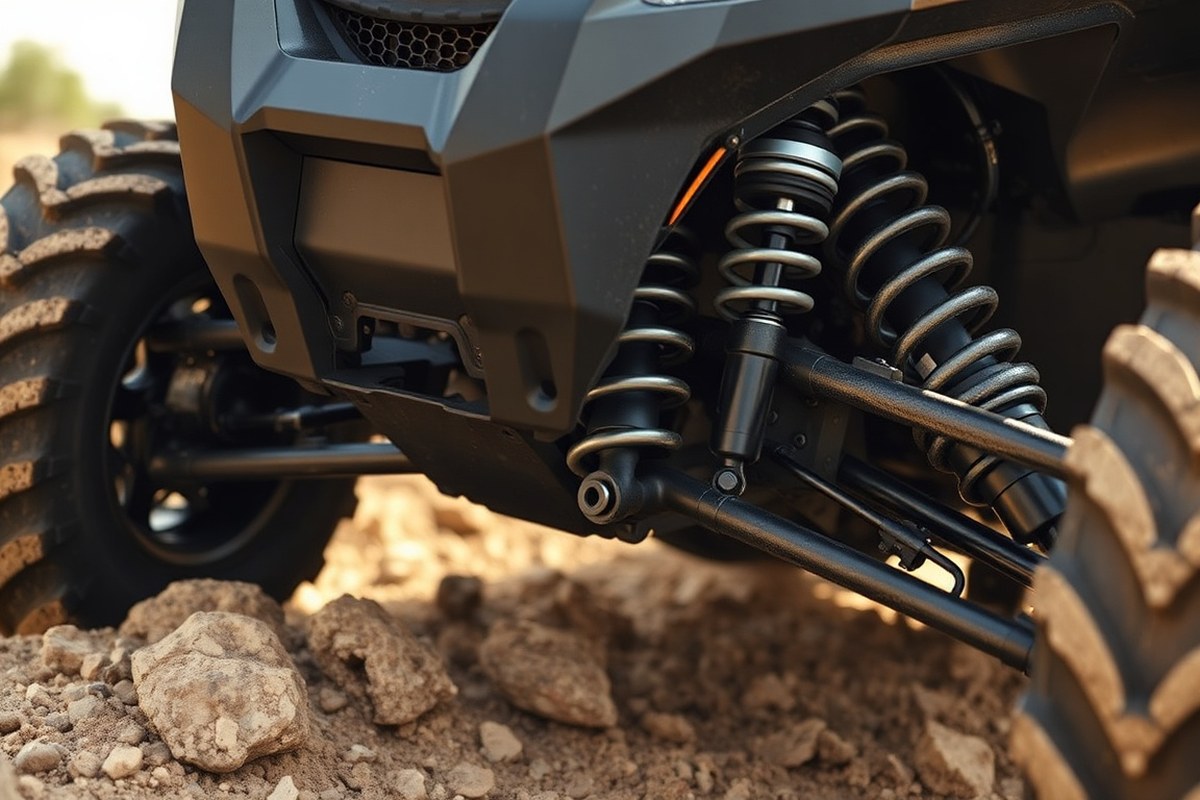
Shocks on your Can-Am Defender control how the vehicle absorbs bumps and rough terrain. They work by damping the springs’ movement, which helps keep the tires on the ground and reduces bounce. Without properly functioning shocks, the Defender’s ride can feel harsh and unstable, especially when driving off-road over rocks, ruts, or uneven trails.
These shocks play a direct role in handling by controlling body roll and traction. Strong shocks allow the Defender to corner smoothly and maintain contact with the ground, improving control during work or sport riding. At the same time, they improve ride comfort by reducing vibrations and jolts that a driver and passengers feel. For example, softer damping settings provide more comfort when cruising on smoother surfaces, while firmer settings offer better handling on rough terrain.
Many Can-Am Defender variants come equipped with shocks intended for regular riding, but they may struggle on challenging trails or with heavy cargo. Upgrading these shocks lets you improve comfort and handling based on how you use your vehicle. A popular option is the FOX Performance Series 2.0 Podium QS3 shock kit, which installs easily and offers improved damping with adjustable rebound settings. These kits generally cost near $1,400 and can improve performance without needing to replace the entire suspension system. For tougher off-road use, FOX 2.5″ RC2 shocks cost around $2,700 and provide more tuning flexibility for intense riding scenarios.
Choosing better shocks typically improves stability and extends vehicle life by reducing stress on other suspension components. Good shocks also prevent excessive body movement, which can cause fatigue on longer rides or when driving on tough trails. However, upgraded shocks usually require proper setup to match passenger weight and terrain type, meaning you may need to spend time adjusting preload or damping settings. Incorrect settings can lead to either a stiff, uncomfortable ride or too much bouncing and poor traction.
In short, shocks are important for your Defender’s performance and comfort. Thoughtful upgrades let you customize the ride quality for work-focused utility, rugged off-road fun, or smoother cruising. They help keep the vehicle controllable and comfortable in ways the original suspension often can’t match, especially if you use the Defender in demanding conditions.
Types and Brands of Can-Am Defender Shocks
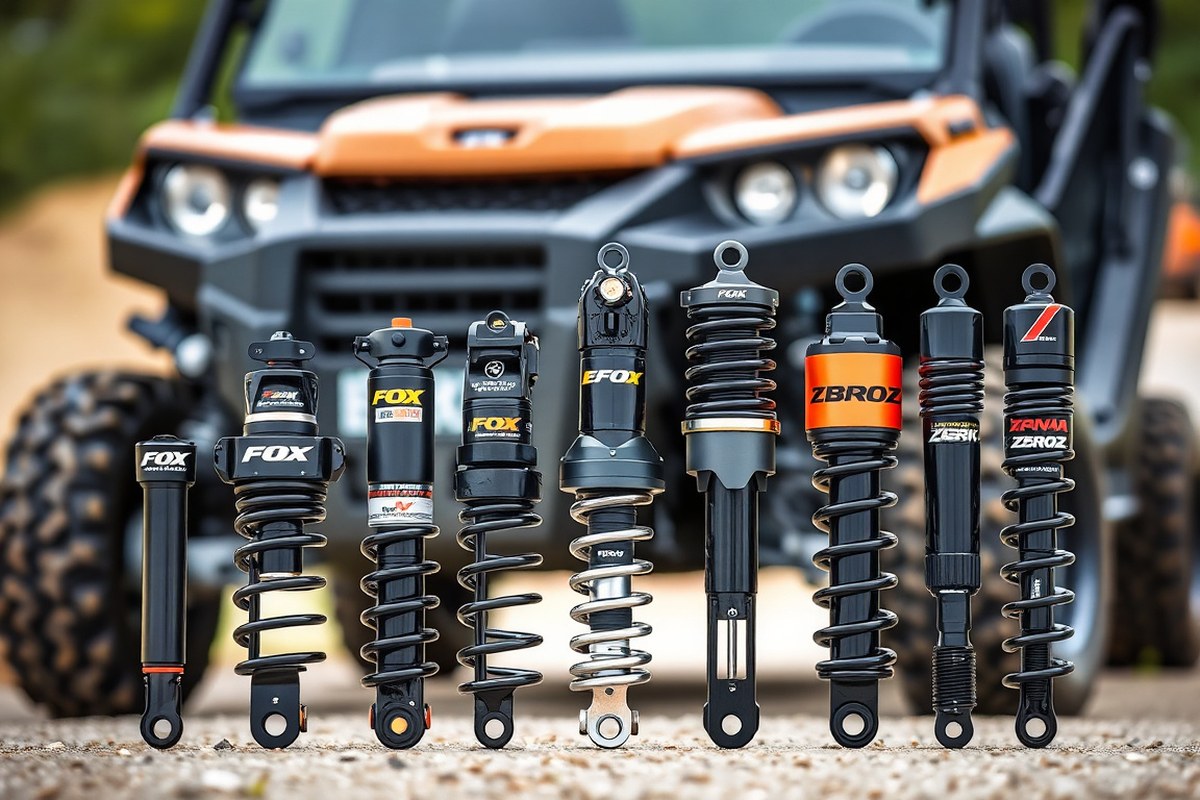
Several shock brands specialize in upgrades compatible with Can-Am Defender models, each with unique features suited for trail, utility, and off-road performance. FOX, Elka, and Zbroz stand out for their quality, adjustability, and fitment options that address different Defender builds including HD10, HD11, LoneStar, Limited, and XMR models from recent years.
FOX QS3 shocks are popular for their performance improvements and aesthetic appeal. They fit Can-Am Defender HD10 models from 2018 to 2023, including XMR, LoneStar, and Limited trims. These shocks offer fully adjustable damping for a smoother ride on rugged terrain, typically priced around $2,700 to $3,000 per set. FOX’s laser-cut construction ensures precise fitment and improve vehicle handling immediately noticeable by the driver.
Elka Suspension delivers custom-built shocks tailored specifically to your Defender’s year model, rider weight, accessories, and riding style. They serve 2020-2025 Can-Am Defender Max Lone Star HD10 and 2025+ HD11 Limited models with Smart-Lok systems. Elka shocks generally have a longer lead time of about 4 to 6 weeks due to the made-to-order process but provide a precise fit and optimized ride quality. Pricing for Elka suspensions can range around $1,680, with packages designed for trail and heavily accessorized vehicles.
Zbroz Racing offers shocks like the 2.2 x 2 series with a true 2.2-inch bore and single-rate springs. These feature fully adjustable spring preload and a 26-click compression adjuster. This gives drivers fine control over suspension stiffness, making them a versatile choice for varied terrain. Zbroz shocks are especially suited for owners who want quick tuning to their preferences without compromising durability on rugged trails.
| Brand | Compatible Models | Price Range (Set) | Features | Lead Time |
|---|---|---|---|---|
| FOX QS3 | 2018-2023 HD10, XMR, LoneStar, Limited | $2,699.95 – $2,999.95 | Adjustable damping, laser-cut fitment, performance upgrade | In stock |
| Elka Suspension | 2020-2025 Max LoneStar HD10, 2025+ HD11 Limited | ~$1,680.00 | Custom-built, tailored spring rates, supports Smart-Lok | 4, 6 weeks |
| Zbroz Racing | Most Defender models (verify fitment) | Varies | 2.2″ bore, single-rate springs, 26-click compression adjuster | Varies |
Each brand offers different warranty terms, often tied to the level of customization and use. FOX tends to provide a strong warranty reflective of their premium build and immediate availability, while Elka’s warranty may cover their built-to-order shocks under specific conditions related to customization. Zbroz, focused on racing-grade components, often provides warranties balanced with their highly adjustable, durable design but may vary by model.
Tip: Verify compatibility with your Can-Am Defender’s exact year and model before ordering shocks, especially with custom-built options that may require a longer wait and precise fitment details.
How Performance Shocks Improve Your Defender’s Ride
Upgrading to performance shocks on your Can-Am Defender notably improves ride quality by offering better absorption of bumps, dips, and rough terrain. These shocks are designed with preset damping modes like Comfort, Sport, and Heavy, allowing you to select settings tailored to your speed, terrain, and load conditions. This means that whether you’re tackling rocky trails or hauling a heavy payload, the shocks adjust the suspension’s firmness and response to maintain stability and comfort.
Adjustable shocks provide the flexibility to quickly adapt to changing terrain. With separate front and rear controls, often accessible through cab-mounted rocker switches, you can independently fine-tune the shocks’ firmness. This adjustment changes the damping force by about ±25%, allowing you to soften the ride on smooth trails or firm it up for more control during aggressive maneuvers or heavy loads. Quick switch systems enable you to switch between these settings instantly, making it easy to optimize your ride without tools or manual recalibration.
Damping refers to how the shock absorber controls suspension movement by regulating the flow of oil inside the shock. It’s important because proper damping prevents excessive bouncing, improves tire contact with the ground, and safeguards the vehicle from sudden impacts. Performance shocks often feature adjustable compression and rebound damping, giving you more precise control over how quickly the shock compresses and returns to its normal position. This fine-tuning helps maintain ride height and prevents bottoming out on sharp bumps, especially important if you’ve added larger tires or a suspension lift.
These upgraded shocks come sprung and prevalved by manufacturers like SDI and Elka Suspension to offer optimal baseline performance right out of the box. Prevalving means the internal valves are set to control oil flow effectively at certain speeds of compression, which helps maintain consistent damping even when the shocks get hot from repeated impacts. Maintaining oil viscosity is important; if the oil thins out due to heat, damping control diminishes and ride quality suffers. Piggyback shocks with a bump zone add extra compression damping at the end of travel, improving performance over big dips or jumps.
Installation with adjustable shocks lets you customize spring preload to maintain proper ride height regardless of your load, which is essential for work tasks or variable payloads. Costs vary by brand and features, but expect these upgrades to range from several hundred to over a thousand dollars. Lead times can be several weeks, as many shocks are made to order. Fine-tuning after installation is recommended to match your preference, terrain, and speed. Problems usually arise if the shocks are set too stiff or too soft for the conditions, leading to poor traction or uncomfortable rides.
How to Choose the Right Shocks for Your Defender
Choosing the right shocks for your Can-Am Defender depends on matching the shock to your model, terrain, load, and how you use the vehicle. Follow a clear checklist focusing on your Defender’s specific requirements like HD7, HD10, or HD11 models, consider rider weight and accessories, and prioritize shocks based on whether you need utility, trail comfort, or racing performance.
Model-Specific Shock Considerations
Each Can-Am Defender model calls for shocks tailored to its weight, suspension geometry, and intended use. The HD7 uses lighter-duty shocks designed for moderate loads and general trail use. For heavier loads and more aggressive riding, HD10 and HD11 models require shocks with higher damping capacity and more substantial springs.
The HD10 and HD11 often share shock components such as the sway bar link kits priced around $175, indicating similar suspension system designs. The HD11 typically needs shocks with increased durability and sometimes progressive springs, as it supports greater payloads and higher ground clearance.
Terrain and Use-Case Factors
Choose shocks suited for the terrain you ride most. Trails full of bumps and ruts call for shocks with good rebound control and softer compression to absorb shocks without transmitting harshness to the cabin. Racing and aggressive trail riding demand tighter damping and quicker response to keep the Defender stable at speed.
Utility use requires shocks that handle heavier loads and stop excessive sag when carrying cargo. The shocks should prioritize load-carrying capacity and durability over fine-tuned comfort or high-speed responsiveness.
Load and Accessories Impact on Shock Choice
Your weight plus cargo and accessories add to the overall load that shocks must manage effectively. Increased weight causes excessive sag and reduces suspension travel if the shocks are not suited for the load. Upgrade to shocks with adjustable springs or add load compensation features to maintain ride height and performance. Consider these points:
- Rider and passenger combined weight
- Typical cargo and accessories weight
- Tire size changes affecting suspension geometry
- Frequency of riding fully loaded vs. Empty
- Need for rear load compensation or electronically adjustable damping
Shocks featuring rear load compensation or adjustable settings ensure your Defender maintains proper ride height and handling characteristics regardless of load.
Adjustability and Upgrade Options
Look for shocks that offer adjustability in compression and rebound damping to fine-tune your ride. Electronic shocks allow you to control settings through the Defender’s touchscreen, making it easier to adapt to changing terrain and loads. The E-CLIK shock package not only adjusts damping but also lifts the Defender, improving ground clearance and suspension travel.
Mechanical shocks with spring preload adjustment or external reservoirs can also offer more control but require manual setup. When upgrading, prioritize systems that match your skill level and budget. Typically, quality aftermarket shocks range from $300 to $700 per shock, with electronic options costing more but providing more flexibility for different riding conditions.
Steps to Install or Replace Can-Am Defender Shocks
Replacing Can-Am Defender shocks typically takes between 1 to 2 hours, depending on your experience and the tools available. You’ll need a few basic hand tools plus a jack or lift to raise the vehicle safely. Following safety steps ensures a secure and effective installation.
Prepare Your Vehicle and Workspace
Start by selecting a flat, stable surface to work on and ensuring the vehicle’s parking brake is set. Use a sturdy jack or hydraulic lift to raise the Can-Am Defender off the ground, allowing the suspension to hang freely. Gathering the right tools beforehand can save time during the installation.
Required tools include a socket set (metric sizes 10mm to 18mm are common), a ratchet, torque wrench, and possibly penetrating oil to loosen old bolts. Have safety gloves and eye protection ready to reduce injury risk. Organize new shocks, springs, and any hardware you’re installing on a nearby workbench.
Remove Old Shocks Safely
Take care to relieve all load from the shocks before removing bolts to prevent sudden part release. Use penetrating oil on mounting bolts if they look rusted or stuck. Loosen and remove lower and upper shock mounting bolts, keeping track of washers or spacers.
- Loosen lug nuts on wheels, then lift the vehicle with a jack, securing it on stands.
- Remove wheels to access suspension components clearly.
- Spray penetrating oil on shock mounting bolts and wait 5-10 minutes.
- Use a socket wrench to remove bolts holding the shock in place, starting with the bottom mount.
- Carefully pull the shock out, avoiding damage to attached components like sway bars or brake lines.
Always support the suspension arms while removing shocks to avoid sudden shifts that can cause injury.
Install New Shocks and Springs
Match new shocks to the removed ones to verify proper size and orientation. Slide the shock into position, aligning mounts carefully to prevent binding. Insert bolts finger-tight to hold the shock before torqueing to recommended specifications, typically 20 to 30 ft-lbs depending on model.
For shocks with piggyback reservoirs like the Podium 2.0 QS3, ensure mounting brackets don’t pinch hoses or cables. Your 2024 MAX Lone Star HD10 Defender or similar model may have specific suspension geometry changes noted by the manufacturer; make sure to check for these updates. Replace springs and set preload according to the torque specs given by the manufacturer.
Post-Installation Checks and Test Drive
Lower the vehicle after all shocks are installed and mounted securely. Double-check torque on all fasteners and inspect for clearance or interference issues around suspension parts. Reinstall wheels and torque the lug nuts to factory specs, typically 80 to 100 ft-lbs.
Conduct a slow test drive on varied terrain to observe shock performance and listen for unusual noises. Pay attention to vehicle handling, ride comfort, and any signs of binding or loose hardware. Adjust preload or compression settings if your shocks offer those features.
Shock Maintenance, Service, and When to Rebuild
Maintaining your Can-Am Defender shocks involves regular inspection, cleaning, and timely servicing to keep your ride smooth and safe. Shocks should be checked at least every 12 months or after every 200 hours of use, whichever comes first. Heavy off-road use, exposure to mud, water, or extreme temperatures might require more frequent assessments. A clean shock body and seals prevent dirt and debris from causing premature wear.
Look for these signs to spot worn or failing shocks: excessive bouncing after hitting bumps, uneven tire wear, fluid leaks on the shock body, unusual noises like clunking or squeaking, and decreased handling on rough terrain. If you notice your Defender feels unstable or the shocks don’t respond consistently, it indicates service is needed.
Can-Am Defender shocks, including Stage 1 coilover shocks, can often be rebuilt to extend their service life. Rebuilding involves replacing worn seals, oil, and sometimes the piston or valves. This process restores damping performance without the higher cost of a full replacement. Rebuild kits typically cost between $100 and $200, while replacements can range from $300 to $600 per shock depending on the model. Professional rebuilding should follow detailed inspection and measurement, including checking for bent rods, damaged bushings, and oil contamination.
Proper maintenance practices include regular cleaning after each ride and storing the vehicle in dry conditions. Lubricate external mounting points and check for loose bolts. A periodic shock rebuild or seal replacement every 2 to 3 years is recommended to maintain performance.
- Inspect shocks at least yearly or after 200 hours of use
- Clean shock bodies and seals after every off-road trip
- Look for oil leaks, unusual noises, and handling changes
- Replace or rebuild shocks every 2 to 3 years, depending on use
- Use OEM or quality aftermarket rebuild kits for best performance
- Have shocks professionally rebuilt if damaged or performance drops significantly
- Document maintenance dates and findings to track shock condition
Effective shock maintenance improves your Defender’s stability and ride quality. Neglected shocks can fail suddenly, risking vehicle control and causing costly damage to suspension components. Serve or rebuild shocks promptly when signs appear to preserve off-road capability and safety on every trail.
Common Mistakes and Problems When Upgrading Shocks
Many Can-Am Defender owners run into issues when upgrading shocks, often due to incorrect shock selection or installation errors. Choosing a shock that doesn’t match your vehicle’s weight, tire size, or intended use can cause handling problems like excessive bounce, poor traction, or uneven tire wear. For example, picking shocks with too little travel or damping for larger tires or aggressive terrain restricts suspension movement and reduces control. This is why understanding exactly what your Defender needs before purchasing is key.
Installation mistakes are another common problem. Misalignment of the shocks or using inappropriate mounting hardware can lead to premature wear or noise, and even damage the suspension components. It’s important to use components designed for your specific Defender model and double-check torque specifications during installation. Over-tightening can cause cracks in mounts, while under-tightening results in loose parts that rattle or cause poor damping. Here are several issues often seen along with tips to avoid or fix them:
- Choosing shocks not rated for your Defender’s weight or tire size, always check manufacturer specifications and consider kits like the HCR Suspension Kit that allow extra clearance and better geometry.
- Installing shocks without adjusting preload or damping settings, use adjustable shocks such as the Stage 3 or electronic SDI E-CLIK system to tune firmness and responsiveness to your riding style.
- Neglecting to measure stock shock length and travel, accurate measurements prevent shocks from bottoming out or overextending, preserving suspension health.
- Using rear wheel spacers incorrectly, leading to a stance imbalance, kits like the Cedar Suspension Mid Travel Kit maintain square stance without spacers, improving stability.
- Ignoring regular maintenance and shock rebuild intervals, routine checks prevent leaks or loss of damping, which deteriorate handling over time.
Fixing suspension issues usually involves either replacing incompatible shocks with ones tailored for your setup or recalibrating adjustment settings to balance comfort and control. For example, if you’re experiencing harsh impacts, softening compression damping can help, while excessive body roll might require firmer rebound settings. Installation should always follow specific torque guidelines and alignment procedures in your Defender’s manual to ensure safe, reliable operation. Budgeting anywhere from $300 to $800 per shock, depending on brand and features, reflects quality and adjustability.
Electronic and Advanced Shock Technologies for Defender
The Can-Am Defender’s advanced suspension technology, such as the SDI E-CLIK system, offers electronic control over shock firmness for better adaptability. These systems adjust shock damping up to 500 times per second, responding instantly to terrain changes. Semi-active shocks help balance comfort and control by automatically tuning suspension settings while giving you manual mode options.
Overview of SDI E-CLIK Active Suspension
The SDI E-CLIK Active Pro System uses an electronic control unit (ECU) driven by inputs from 12 different sensors. It adjusts each shock up to 500 times per second, making real-time changes to suspension firmness based on terrain and driving conditions. This rapid response transforms the Defender from a basic utility vehicle to an adaptive off-road machine, improving handling and comfort on rough trails or varied terrain.
The system features three modes, Trail, Desert, and Street, allowing you to tailor the shock response to your driving style and environment. You can switch modes instantly using the E-CLIK Racer Quick Switch, a handy controller that lets you adjust settings without navigating touchscreen menus. This real-time control improve your ability to manage how the vehicle handles bumps, jumps, and sharp turns.
Adjustable Shock Models and Features
Several shocks designed for the Can-Am Defender offer electronic firmness adjustment, including those with the SDI E-CLIK system. These shocks typically feature adjustable 3-position compression settings, high-flow velocity-sensitive damping, and piggyback reservoirs that improve fluid heat dissipation. Hard-coated anodized bodies and 5/8-inch hard-chromed shafts help these shocks withstand the rigors of off-road use.
Using these shocks involves selecting a mode suited for your current terrain or driving preferences. For example, Trail mode softens the suspension for rough, technical paths, Desert mode firms it up for high-speed stability, and Street mode strikes a balance for everyday driving. The piggyback reservoir and bottom-out bumper protect the shock during heavy impacts, extending its service life and maintaining performance in demanding environments.
Comparing Electronic vs Mechanical Shocks
Electronic shocks adjust damping force on the fly, providing semi-active suspension. They quickly respond to changing terrain, improving ride comfort and handling performance without driver input beyond mode selection. Mechanical shocks, by contrast, have fixed or manually adjustable settings that must be changed when stopped or with tools, which limits versatility during varied driving conditions.
Semi-active systems like E-CLIK allow the Defender to maintain traction on rough trails while reducing chassis movement and rider fatigue. However, electronic shocks generally cost more, require power, and involve more complex installation and potential maintenance compared to traditional mechanical shocks. Mechanical shocks remain a good choice for simpler setups or budget-conscious riders who prefer lower complexity.
Regularly check your shock mounts and electrical connectors when using electronic suspension systems, as loose connections can cause erratic damping behavior and impact safety.
Your Can-Am Defender Shock Upgrade: Quick-Start Action Plan
Follow these steps to get the most from your new shocks and ensure a smooth, safe ride.
- Before You Start: Identify your Defender’s current shock type and condition by inspecting for leaks or damage. Knowing this baseline helps measure the upgrade’s impact.
- Day 1: Choose shocks based on your terrain and driving style, balancing comfort and performance. Confirm the specifications match your model year and payload needs.
- Day 2: Gather necessary tools and parts, reviewing the installation instructions specific to your shocks. Organize your workspace for safety and efficiency.
- Day 3: Remove your old shocks and install the upgraded ones following the recommended torque settings. Complete a visual and manual check to ensure secure mounting.
- Day 4: Test drive on familiar terrain to feel changes in handling and ride quality. Check for unusual noises or looseness after the drive.
- Week 1: Reinspect mounting bolts and fittings for tightness. Confirm no leaks or abnormalities have appeared post-installation.
- After 2 Weeks: Perform a more detailed inspection for wear patterns or damping changes. If needed, fine-tune preload or damping settings for optimal comfort.
- Monthly: Include shock checks in your regular maintenance, looking for early signs of wear or seal failure to schedule rebuilding before major issues develop.
Frequently Asked Questions
Can Am Defender Shocks Come in Various Types to Suit Different Terrain and Ride Preferences?
Yes, Can Am Defender shocks include stock, performance, and adjustable models that fit different driving needs and terrain types. Choosing the right type can improve ride comfort and control significantly.
Is Upgrading Your Can-Am Defender Shocks Worth It?
Upgrading is worth it if you need better handling, increased durability, or improved ride quality for rough terrains. Performance shocks often offer better suspension travel and can extend your vehicle’s lifespan.
How Often Should Can-Am Defender Shocks Be Inspected or Serviced?
Inspect shocks at least once a year or after heavy off-road use for leaks or damage. Regular checks prevent long-term damage and maintain ride quality.
Can I Mix Stock and Aftermarket Shocks on My Can-Am Defender?
It is not recommended to mix stock and aftermarket shocks as it can affect balance and handling. Using matched sets ensures consistency in performance and safety.
What Is the Average Lifespan of Can-Am Defender Shocks Under Normal Use?
Typically, Can-Am Defender shocks last about 30,000 to 50,000 miles with normal use and proper maintenance. Harsh conditions or heavy loading reduce lifespan.
Are There DIY-friendly Shock Kits Available for Can-Am Defender Owners?
Some shock kits, like FOX Performance Series, are designed as direct bolt-on replacements, making them suitable for DIY installation with basic tools and instructions.
Wrapping Up
Upgrading your Can-Am Defender shocks can significantly improve ride comfort and off-road performance, tailoring your experience to your specific needs. Start with a careful selection process and follow proper installation to avoid common pitfalls. Monitor your shocks regularly and maintain them to extend their life and performance. Take the first step by evaluating your current shocks today to plan an upgrade that suits your Defender’s demands.


