How to Make a Tonneau Cover Waterproof: Simple Steps for Long-Lasting Protection
How to make a tonneau cover waterproof starts with choosing the right waterproofing products for your cover material, then preparing the surface thoroughly. Seal all seams, edges, and gaps using compatible sealants or sprays to minimize water intrusion. Regular testing and maintenance, including reapplying waterproof coatings every 3 to 6 months, help ensure lasting protection.
Key Takeaways
- Match waterproofing sprays or sealants to your tonneau cover’s material for the best adhesion and effectiveness.
- Clean the cover completely before applying any waterproofing product to remove dirt and oils.
- Use a flexible, weather-resistant seam sealer on vulnerable joints and edges to fight leaks.
- Spray waterproofing products from 6 to 8 inches away using smooth, overlapping strokes for even coverage.
- Test waterproofing by gently spraying water and inspecting for any seepage into the truck bed.
- Reapply waterproofing treatments every 3 to 6 months to maintain the cover’s water resistance in varying climates.
How to Make a Tonneau Cover Waterproof in 7 Essential Steps
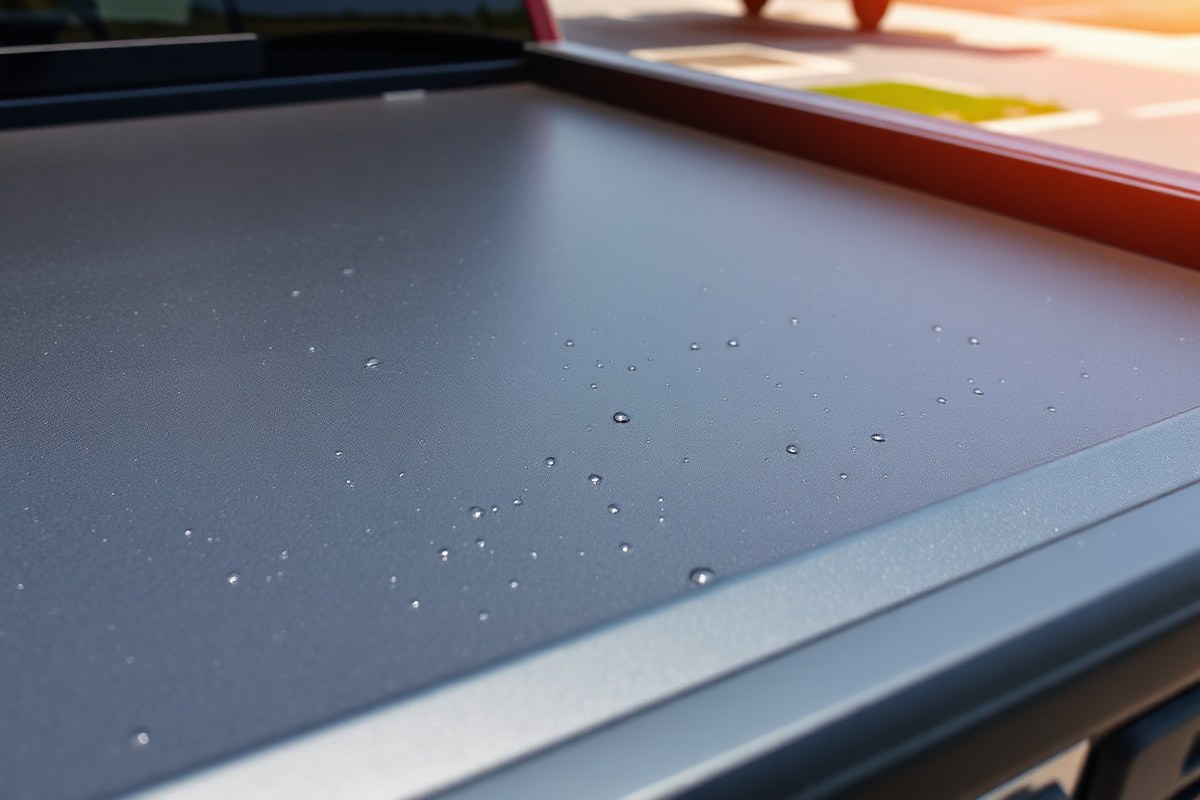
Waterproofing your tonneau cover protects your truck bed from moisture and extends the cover’s life. Thorough preparation and precise application of waterproofing products prevent water intrusion through seams, edges, and fabric. Using the right techniques creates a durable barrier that stands up to rain and weather. Typical waterproofing products need reapplication every 3 to 6 months to maintain effectiveness.
- Remove and inspect the tonneau cover. Take the cover off your truck and check for any damage, loose fasteners, cracks, or weak spots, especially around seams and edges. Identifying vulnerabilities helps target areas that need extra sealing or repairs before waterproofing.
- Clean the cover thoroughly. Use mild soap and warm water to wash away dirt, grime, and any residues that could interfere with the waterproofing product bonding. Avoid harsh cleaners or abrasive tools that could damage the cover material. Allow it to dry completely; moisture trapped inside can reduce sealant effectiveness.
- Apply weatherstripping to seams and edges. Since even small gaps let water inside, add automotive-grade weatherstripping or seal tape at seams, corners, and hinges. This creates a physical barrier that complements the waterproof coating and improves the overall seal.
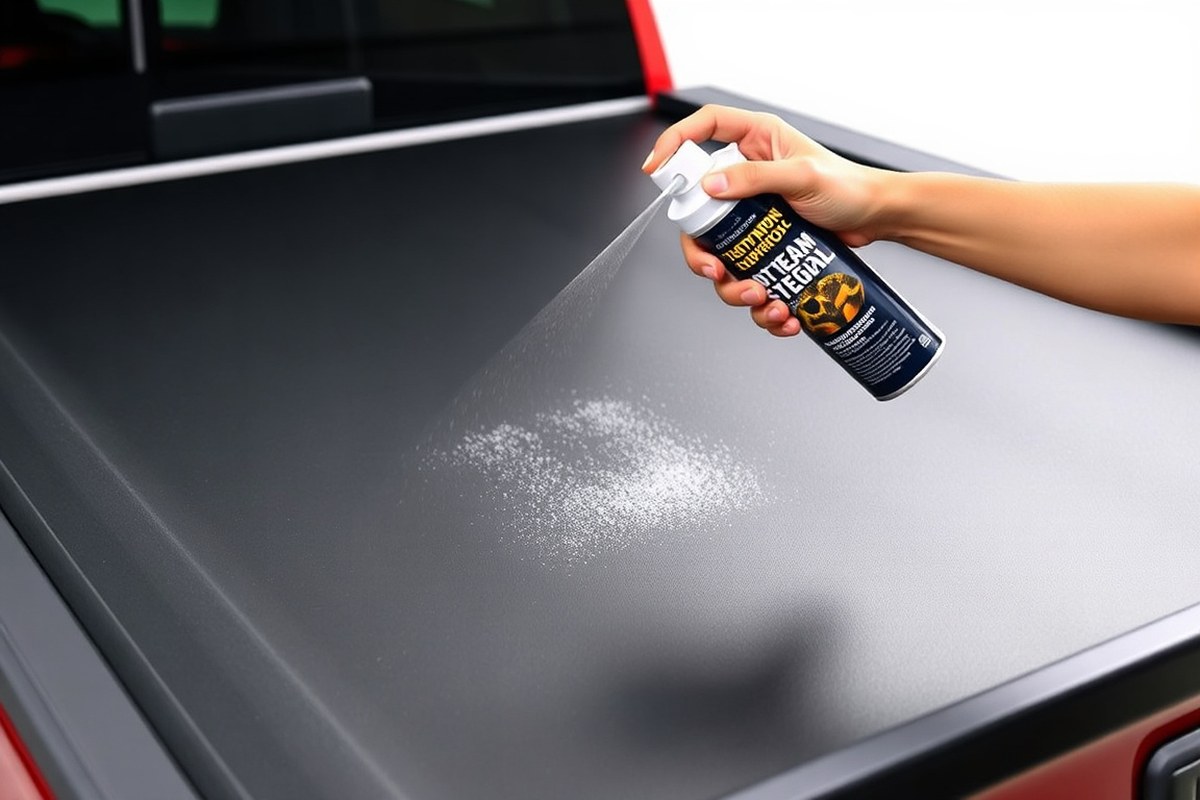
- Choose and apply a waterproofing product based on your cover material. For soft covers, use a fabric waterproofing spray, applying it in thin, even coats from about 6 to 8 inches away to prevent pooling. For hard covers, a liquid sealant or rubberized spray works best. Follow product directions for temperature and curing time. Applying in multiple light layers often yields better water resistance than a single heavy coat.
- Let the waterproofing dry fully. Most products require at least 12 to 24 hours of drying time away from direct sun or rain. Proper drying ensures the coating forms a strong bond with the cover’s surface.
- Reinstall the tonneau cover carefully. Make sure it fits securely without distorting the waterproof seals or weatherstripping. Tighten fasteners evenly and confirm that the cover closes completely to minimize water entry points.
- Check for leaks and reapply as needed. After the first rain or water test, inspect the cover for any signs of water intrusion. Small gaps or missed spots should receive additional sealant or weatherstripping. Plan to reapply the waterproofing product every 3 to 6 months depending on exposure and wear.
Choosing the Right Waterproofing Products by Cover Material
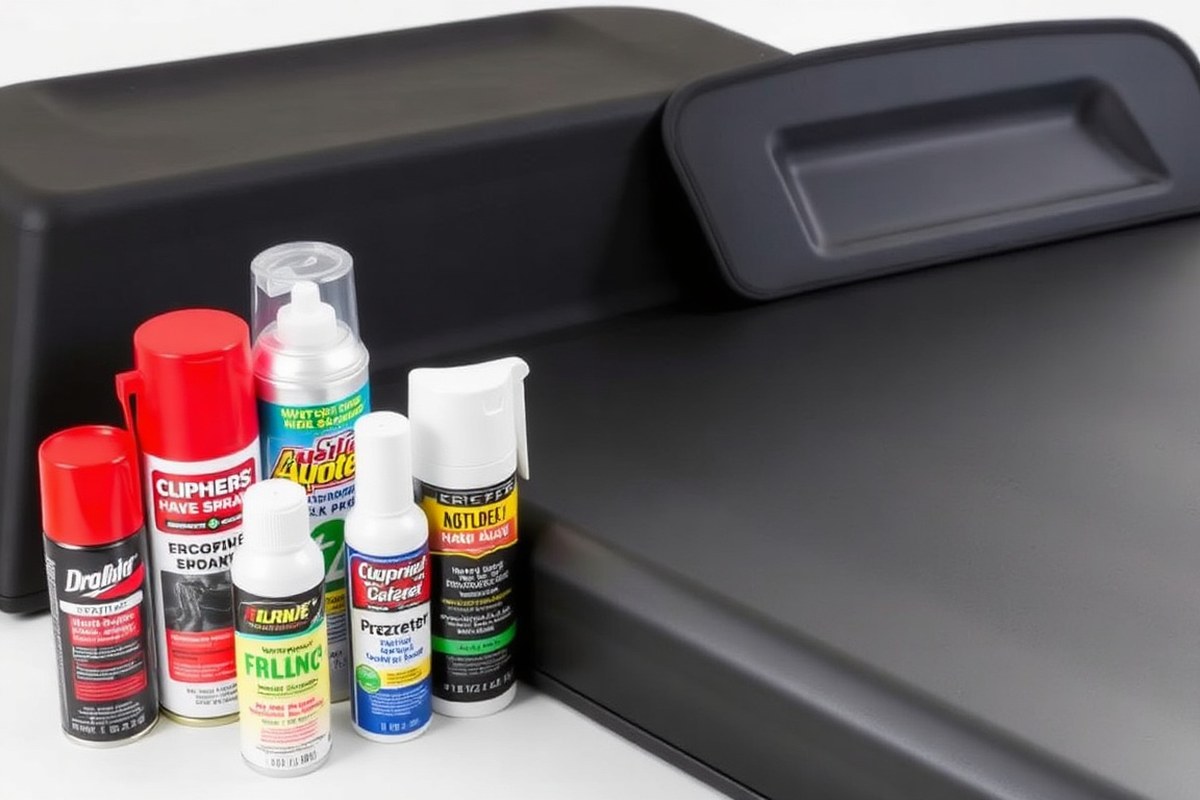
Selecting the right waterproofing products depends mainly on your tonneau cover material. Vinyl and canvas covers benefit most from waterproof sprays or liquid sealants designed specifically for fabrics. These products penetrate soft surfaces, forming a protective barrier without stiffening or cracking. Hard covers, made from aluminum, fiberglass, or plastic, require waterproof caulks or tapes applied to joints, seams, and potential leaks as sprays alone won’t seal rigid surfaces effectively.
Many waterproof sprays that work well on vinyl and fabric covers contain silicone or fluoropolymer compounds that repel water while remaining flexible. Avoid household waterproofing agents not formulated for automotive use, as they can degrade materials, especially vinyl or painted surfaces on hard covers. For hard covers, choose sealants labelled for automotive or marine use, often silicone-based caulks or butyl rubber tapes, which endure exposure to heat, UV light, and moisture without shrinking. Here’s a quick reference table outlining common cover materials, their characteristics, and recommended waterproofing products:
| Cover Material | Key Characteristics | Recommended Waterproofing Products | Notes |
|---|---|---|---|
| Vinyl | Flexible, smooth surface | Waterproof sprays with silicone or fluoropolymers, liquid sealants for vinyl | Use flexible sprays to avoid cracking, apply every 3-6 months |
| Canvas | Soft, fabric-like texture | Waterproof fabric sprays, liquid silicone-based treatments | Apply after cleaning and drying; rebound time ~24 hours |
| Aluminum | Rigid, metallic finish | Automotive-grade silicone caulk or butyl rubber tape | Focus on seam sealing; avoid sprays alone |
| Fiberglass | Hard, painted surface | Marine-grade elastomeric sealants, specialized caulks | Ensure compatibility with paint to prevent surface damage |
| Plastic | Lightweight, molded shape | Flexible rubberized caulk, waterproof adhesive tapes | Inspect joints carefully; plastic can warp from heat |
Waterproof sprays are easy to apply: clean and dry the cover completely, then spray evenly from about 6 to 10 inches away. Let the product cure 24 hours for best results. Sealants and tapes for hard covers require precise cleaning of seams, stripping old sealant if present, then applying a continuous bead of caulk or firmly pressing tape over vulnerable joints. These sealants can cost between $10 and $25 per tube or roll. Good application shows no visible gaps or bubbles and remains flexible after drying. Poor application leaves gaps or stiff areas that crack under stress.
Sprays provide quick coverage and maintain flexibility but don’t plug larger leaks; caulks and tapes seal gaps but take more prep and time. Choosing a spray plus a sealant for joints works well for mixed-material covers or where soft covers attach to hard rails and frames.
Test any waterproofing product on a small, inconspicuous area of your tonneau cover before full application to check for discoloration or material damage.
Preparing Your Tonneau Cover for Waterproofing
Preparing your tonneau cover for waterproofing starts with a thorough cleaning to remove dirt, oils, and debris. Next, inspect the surface for any tears, holes, or worn-out areas that could compromise waterproofing. Finish by ensuring the cover is completely dry and free of debris before applying sealants to achieve a durable waterproof seal.
Effective Cleaning Techniques and Products
Using mild soap and water with a soft brush removes common dirt and oils without damaging the cover’s surface or existing coatings. Avoid harsh chemicals that can degrade the material. For delicate areas such as sealing edges, use a damp cloth and mild detergent to clean without harming seals or adhesives. Drainage channels often collect debris and should be cleared carefully with compressed air or a small brush to maintain proper water flow and prevent pooling. Clean your tonneau cover thoroughly to create an optimal surface for the waterproofing products to adhere properly, extending the cover’s lifespan and effectiveness.
Inspecting and Repairing Tears or Leaks
After cleaning, closely inspect the entire cover, focusing on common stress points prone to wear, such as corners, seams, and areas that flex with cover movement. Look for tears, holes, cracks, or worn areas that will allow water to penetrate.
Repair minor damage using a suitable sealant designed for your cover’s material type. Applying the sealant to small tears or holes prevents water infiltration and ensures a uniform surface for the waterproofing treatment. Larger damage may require patch kits or professional repair to maintain effective waterproofing.
Ensuring Complete Drying and Debris Removal
Water or moisture trapped on the cover surface will prevent waterproofing products from bonding properly. Dry the cover completely using clean towels and allow it to air dry in a shaded area away from direct sunlight, which can cause heat damage or warping. Confirm that drainage channels are free of residual debris and water.
Complete drying can take several hours depending on ambient temperature and humidity. Only apply waterproofing treatments once the cover is fully dry to avoid trapping moisture beneath the sealant, which can degrade its performance and shorten the protective lifespan.
- Remove loose dirt and debris using a soft brush or compressed air.
- Mix mild soap with water and scrub the cover surface gently with a soft brush.
- Clean sealing edges with a damp cloth and mild detergent to avoid damaging seals.
- Inspect the cover carefully for tears, holes, or worn spots that need sealing or patching.
- Apply an appropriate sealant to any damaged areas following the manufacturer’s instructions.
- Dry the cover thoroughly using clean towels, then air dry in a shaded, ventilated space.
- Ensure drainage channels are clear of debris and water before proceeding.
How to Seal Vulnerable Seams, Edges, and Gaps
Seams, edges, and gaps are the main entry points for water on your tonneau cover. These areas often experience the most stress from movement and weather, making thorough sealing essential. Using silicone or rubberized caulk combined with weatherstripping and waterproof tape creates a durable barrier that prevents water infiltration. Selecting materials compatible with your cover’s surface, such as marine-grade silicone caulk for vinyl or rubber surfaces, and applying them properly will ensure the longest-lasting seal. Follow these steps to seal vulnerable spots on your tonneau cover effectively:
- Inspect the cover thoroughly. Look closely at all seams, edges where the cover meets the truck bed rails, latches, and hinge lines. Identify any cracks, gaps, or areas where water pools after a rain or spray test.
- Clean and dry all sealing surfaces. Use a cloth with mild soap or rubbing alcohol to remove dirt, oil, or old sealant. Wait until the cover is completely dry before applying any sealing product. This step ensures proper adhesion and prevents trapping moisture under the sealant.
- Apply marine-grade silicone or rubberized caulk. Use a caulking gun with a narrow nozzle to run a continuous bead along exposed seams and edges. Keep the bead even and slightly wider than the gap, pressing it gently into place for full coverage. Avoid using household caulk, which may not be waterproof or flexible.
- Add adhesive weatherstripping along contact points. Choose weatherstripping designed for outdoor automotive use with strong adhesion. Cut strips to length and press firmly along edges where the cover meets the truck bed rails or hinges. This will absorb shocks and seal small gaps that caulk can’t fully cover.
- Apply waterproof tape over any larger cracks or exposed seams. Use a tape specifically designed for automotive or marine waterproofing, which resists UV and temperature changes. Smooth down the tape edges to prevent peeling and ensure a tight seal, especially in areas prone to movement.
- Allow all sealants and tape to cure completely. Follow manufacturer instructions, usually requiring 24 to 48 hours of dry weather and moderate temperatures (above 50°F). Avoid using the cover or exposing it to rain during this curing time for best results.
- Test your seals by spraying water over the cover’s surface. Check for any leaks or dampness under the cover, paying special attention to previously vulnerable zones. Repair or reapply sealant where needed.
Sealing seams and edges well can cost between $15 and $40 depending on the caulk and tape quality but greatly extends your cover’s waterproof life. Poor adhesion often results from applying sealants over wet or dirty surfaces or using incompatible materials. Consistent maintenance of these seals will help prevent leaks and protect your truck bed.
Testing and Confirming Your Cover’s Waterproof Seal
Testing your tonneau cover’s waterproof seal is essential to confirm it keeps water out and protects your truck bed effectively. To start, use a garden hose to simulate a heavy rainstorm, focusing water over the seams, edges, and any patch areas treated with waterproofing products. Run the water for at least 10 to 15 minutes, and check inside the truck bed frequently for any signs of moisture or leaks. This method gives you a controlled environment to spot weak points before nature tests the cover in unpredictable weather.
Another way to test the cover is during a natural rain event if timing allows. Park your truck outside and closely observe during and after the rain for any damp patches or water pooling under the cover. Use a flashlight to inspect the underside of the cover for water droplets, especially near fasteners and seals. Since some leaks only appear under specific angles or water pressure, try gently lifting parts of the cover to inspect closely after the water test.
After water exposure, dry the cover and truck bed thoroughly to avoid mold or rust buildup. A simple checklist to follow looks like this: first, inspect all seams and edges for visible gaps or loose spots; second, feel inside the truck bed for dampness; third, check the cover fabric for water absorption or bubbling; lastly, confirm all latches and supports hold the cover tightly without sagging. Documenting your findings with photos or notes can help track changes over time.
In addition to visual and tactile inspections, pay attention to subtle signs such as musty odors inside the truck bed, which could suggest hidden moisture. If you detect leaks or soft spots, address those areas by cleaning thoroughly and reapplying the waterproofing treatment before retesting. Multiple test rounds might be necessary to achieve a strong, consistent seal. The tools needed are minimal: a garden hose, flashlight, and a clean cloth for drying, making it an affordable and straightforward process.
Testing matters because even small leaks can lead to water damage or cargo spoilage, especially in truck beds exposed frequently to harsh weather. Proper sealing extends the cover’s lifespan and keeps your investment protected. Expect some water resistance rather than complete waterproofing, many covers are designed to shed water rather than remain fully impervious, so effective sealing of seams and edges remains the priority.
Don’t wait for visible leaks to test your cover; early detection and repair prevent costly water damage and maintain your tonneau cover’s performance over time.
Maintaining Waterproofing: Cleaning and Reapplication Schedules
Cleaning your tonneau cover regularly helps keep its waterproofing intact by removing dirt, debris, and residues that can trap moisture or degrade treatments. For most covers, cleaning every 2 to 3 weeks works well. Use mild soap and water with a soft sponge or cloth, rinsing thoroughly to avoid leaving detergent residues. Avoid harsh chemicals or abrasive tools that can damage the cover’s surface or waterproof coating.
Reapply waterproofing sprays or sealants after every cleaning to restore protection, especially since exposure to sun, rain, and temperature changes can break down coatings over time. For soft covers made of vinyl or fabric, use a silicone- or fluoropolymer-based spray. Lightly mist the cover, then spread evenly using a clean, dry cloth. Let it dry fully, usually about 30 minutes, to form an effective water-repellent layer. For hard covers, apply a flexible polyurethane or acrylic sealant following the product instructions, typically every 3 to 6 months depending on use and conditions.
Maintaining proper tension and slope on your cover helps prevent water pooling, which can wear down waterproofing and damage the cover. Check the tension after cleaning and adjust clamps or straps as needed, ensuring water runs off instead of sitting in low spots. Ideal slope angles vary with vehicle bed design but aim for at least a slight incline to encourage drainage.
Soft covers usually require more frequent cleaning and reapplication due to their flexible materials and exposure to weather. Expect to reapply sprays roughly every month or after heavy rain. Hard covers often last longer between treatments because of their rigid construction and protective finishes; sealing twice a year can suffice under moderate conditions. Extreme weather, heavy use, or constant sun exposure will shorten these intervals.
The cost of maintaining waterproofing depends on product choice. Silicone sprays for soft covers are affordable, generally $10 to $20 per bottle covering multiple applications. Polyurethane sealants for hard covers range from $15 to $35, lasting several months. Taking the time for regular upkeep can save you from costly repairs or cover replacements due to water damage and UV degradation.
Signs that your cover needs attention include visible water pooling, dampness inside the bed after rain, or fading and cracking of the cover material. Catching these early with routine cleaning and reapplication helps keep your tonneau cover functioning well and prolongs its lifespan.
Waterproofing Considerations for Soft Versus Hard Covers
Soft and hard tonneau covers differ significantly in waterproofing methods, challenges, and maintenance needs. Soft covers require fabric-specific sprays and seam sealing to improve water resistance but may not achieve complete waterproofing. Hard covers rely on rigid seals and tight panel fits, making them inherently more waterproof with fewer additional treatments.
Soft Cover Waterproofing Techniques
Soft tonneau covers, often made from vinyl or double-layer PVC, can be waterproofed but rarely become completely watertight like hard covers. You achieve the best results by first cleaning the surface thoroughly with mild soap and water, allowing it to dry fully. Next, apply a fabric waterproofing spray designed specifically for vinyl or PVC. Such sprays create a water-repellent barrier but need to be reapplied every few months due to exposure to sunlight and weather. Sealing the seams with a flexible seam sealer or waterproof tape further reduces water intrusion, especially around the edges and fasteners, where leaks commonly occur.
Installation is usually doable solo, but be sure to evenly coat the entire fabric surface while avoiding soaking the material to prevent damage or stiffness. Expect to spend around $15 to $30 on waterproofing sprays and sealers per application. Good results look like water beading on the surface with no seepage under moderate rain. Wet spots or mildew indicate that waterproofing needs reapplication or more thorough sealing.
Hard Cover Waterproofing Approaches
Hard tonneau covers made from fiberglass or aluminum have the advantage of rigid panels and built-in seals that provide superior waterproofing from the start. Most hard covers include rubber or foam weather stripping along panel edges and clamps that compress these seals tightly against the truck bed rails. For waterproofing maintenance, keep the seals clean and replace worn or cracked weather stripping as needed. Applying a compatible sealant to any small gaps or around latch mechanisms can improve water resistance without requiring full-cover sprays.
Installation of hard covers generally requires two people because of the weight and precision needed for panel alignment to optimize sealing. Product warranties for hard covers often cover issues related to water intrusion, suggesting their superior baseline waterproofing capability. Expect to invest $100 or more for professional-grade sealants specific to your cover model. Properly maintained, hard covers should keep your truck bed dry and secure through heavy rain and even snow.
Durability and Maintenance Differences
Soft covers typically last 3 to 5 years under average conditions, with their waterproofing needing frequent reapplications every 3 to 6 months. Exposure to UV rays, temperature fluctuations, and regular handling accelerates wear. Because soft covers have lower theft resistance and lighter weight, you should also inspect fasteners and snaps regularly for water-tightness and security. Keeping the cover taut minimizes water pooling, which causes degradation and leaks.
Hard covers, although more expensive and heavier, offer durability that spans decades when well maintained. Their rigid seals require less frequent replacement, usually once every few years unless damaged. Regular cleaning and inspection ensure seal integrity and prevent water ingress. While initial waterproofing is easier, physical damage like cracks or misalignment in the panels demands prompt repair to maintain waterproofing. In the long run, hard covers provide more reliable water protection with fewer maintenance interventions but require careful installation and occasional seal conditioning.
Common Waterproofing Mistakes and How to Fix Them
One common mistake when waterproofing a tonneau cover is applying too much sealant, which causes pooling. Excess sealant can lead to uneven drying and weak spots where water collects instead of repelling. To fix this, apply thin, even layers using a foam brush or spray nozzle. Work in sections and allow each coat to dry for at least 4 hours before adding another. This approach costs little beyond the sealant price, usually $10 to $30 per application, but improves durability and water resistance.
Missing spots on edges, seams, or areas that bend often can cause leaks and reduce waterproofing effectiveness. These vulnerable areas require careful inspection and targeted sealing. Wipe down edges, particularly around hinges or clamps, and apply a compatible sealant specifically designed for your cover material. Check product labels for compatibility to avoid damage, especially for vinyl, leather, or fabric covers. Skipping this step invites water seepage that shortens your cover’s lifespan.
Another pitfall is neglecting to protect the cover from excessive weight or physical stress, which can crack or wear down the waterproof layer. Avoid placing heavy items on your tonneau cover and minimize folding or bending it beyond recommended angles. Regularly inspect the cover for signs of wear and reapply sealant every 6 to 12 months depending on climate exposure and use frequency. Consistent maintenance preserves the cover’s waterproof barrier and prevents costly repairs.
- Use a clean cloth and mild soap to remove dirt before applying sealant
- Apply sealant during dry weather with temperatures between 50°F and 85°F
- Allow sealant to cure fully, typically 24 hours, before exposing the cover to rain
- Test waterproofing with a hose spray after sealant cures to spot leaks early
- For soft covers, choose flexible sealants that move with the material
- Check and reseal after winter or heavy rain seasons
- Store the truck indoors or use a protective cover when possible to extend sealant life
Always verify that your waterproofing product matches your tonneau cover material to prevent chemical damage or reduced effectiveness.Failing to address these frequent mistakes can reduce how well your tonneau cover keeps water out and save you hassle in the long run. Stretching the waterproof seal beyond its limits or ignoring cracks and gaps allows moisture to seep under the cover. Taking time to apply sealant properly and inspect critical points ensures your truck bed stays dry and your cargo protected.
Protecting Your Cover from Weather and Physical Damage
Sun exposure can weaken the waterproofing on your tonneau cover by breaking down the protective coatings and causing materials to fade, crack, or become brittle. Ultraviolet (UV) rays degrade most synthetic fabrics and vinyl, which lowers their ability to repel water. To protect your cover from sun damage, park your truck in shaded areas or use a truck cover when it’s not in use. Applying a UV protectant spray designed for your cover’s material every few months helps maintain the waterproof coating. These sprays cost between $10 and $25 per application and usually require cleaning the cover first and allowing it to dry in the shade before spraying evenly over the surface.
Physical damage such as tears, punctures, and abrasive wear from debris can create holes or weaken seams, allowing water to seep through. Dirt and leaves left on the cover not only trap moisture but also cause abrasion from friction when driving. Removing debris daily or after each trip prevents buildup and prolongs waterproofing effectiveness. Washing the cover regularly with mild soap and water, avoiding harsh detergents, helps keep the surface clean without damaging the coating. A typical cleaning session should take 10 to 15 minutes. Inspect the cover weekly for any cuts, worn stitching, or peeling sealant, especially if you drive on gravel roads or through heavy brush.
Seals and coatings are especially vulnerable during harsh weather such as snow, ice, and heavy rain. Water pooling on the cover can freeze and expand, causing cracks or loosening seals. After bad weather, clear standing water using a soft squeegee or cloth. Minimize exposure to extreme cold by parking in a garage or covered area. For snowy climates, consider applying a flexible sealant designed for cold temperatures to vulnerable edges once a year. Protecting seals involves gently cleaning them with mild soap and water and inspecting for brittleness or cracks. Replace seals showing damage as soon as possible to maintain a tight waterproof barrier. Seal replacements run from about $20 to $50 depending on the type and size of your cover.
Maintaining waterproofing through regular upkeep means checking the condition of coatings and sealants after any severe weather event. Apply touch-up waterproof sprays or sealants as needed to affected areas. Let the cover dry completely in a shaded space before driving or reapplying products. Avoid parking the truck under direct sun immediately after applying treatments to prevent rapid evaporation and UV damage to fresh coatings. Good results appear as no water pooling or leakage beneath the cover after heavy rain. Pay attention to any dampness inside the truck bed, which signals compromised waterproofing that needs addressing promptly to prevent rust and cargo damage.
When to Call Professionals for Tonneau Cover Waterproofing
You should consider professional waterproofing or repairs when your tonneau cover shows signs of significant wear, damage, or persistent leaks despite your own maintenance efforts. If your cover has deep tears, warped or cracked seals, extensive mildew, or if water still collects under the cover after your attempts at sealing seams and edges, it’s time to call in experts. Professionals have tools and materials that offer a level of protection and durability often unattainable through standard DIY methods.
Deciding whether to hire a professional can follow this simple rule: if your waterproofing tasks take more than an hour or require specialized adhesives and sealants beyond what is readily available, professional service is worthwhile. Also, if you lack a controlled, clean workspace to properly prepare and cure coatings, a professional setup ensures the material bonds correctly. This helps avoid costly mistakes like uneven coverage or premature wear that could result from rushed or incomplete treatment.
Professional waterproofing offers the advantage of a more durable, thorough seal that can extend your cover’s lifespan by several years. Experts often apply industrial-grade products formulated for truck bed conditions, providing resistance not only to rain but also to UV damage, extreme temperatures, and road debris. Another benefit is the peace of mind that comes with a warranty on workmanship and materials. This means if problems arise, you’ll have coverage that protects your investment without extra expense.
Expect a professional service to take 2 to 4 hours depending on your cover’s size and condition. Most costs will range from $100 to $300, depending on cover type and region. Hard covers with complex hardware tend to cost more due to the careful handling and disassembly required. Soft covers might involve reapplying elastomeric coatings and replacing worn seals, which can be less expensive. Always request a detailed estimate before work begins to understand the scope and any warranty terms.
Good results from professional waterproofing show no water infiltration during pressure or hose tests performed after curing, even during heavy rainfall. The sealed seams and fasteners should look uniform with no gaps or peeling. Cover material should remain flexible without cracking weeks after service, indicating the coatings have properly adhered. Problems to watch for after professional service include sticky or cloudy surfaces, which may indicate over-application or incorrect products, usually resolved with a follow-up visit.
Even after professional treatment, maintaining your waterproof cover by regular cleaning and seasonal inspections remains essential. A professional service is not a one-time fix but part of long-term upkeep to protect your truck bed and improve fuel efficiency. Calling an expert makes sense when your own maintenance can no longer restore water resistance effectively, ensuring your cover stays reliable and your cargo dry.
Additional Waterproofing Enhancements and Upgrades
Adding weatherstripping, waterproof tape, or custom seals can significantly improve how water-resistant your tonneau cover is beyond standard waterproof sprays. These accessories form additional barriers at seams, edges, and contact points to stop water from seeping in. Proper selection and installation ensure these upgrades work well across different cover types, extending your truck bed’s protection in wet conditions.
Selecting Weatherstripping Materials
Weatherstripping forms a flexible, compressible seal between your tonneau cover and truck bed rails or tailgate edges, blocking water intrusion effectively. Choose materials designed specifically for outdoor and automotive use, such as EPDM rubber or foam strips that resist UV rays and temperature extremes from -40°F to 180°F. Strips with adhesive backing simplify installation and ensure a uniform fit.
Soft covers and some hard covers benefit from weatherstripping in different ways. Soft covers typically need strips along the perimeter where the vinyl meets the bed, while hard covers may require sealing around hinges or clamps. Measure the gap width and length carefully to select strips thick enough to fill spaces without interfering with cover operation.
Installing Waterproof Tape on Seams
Waterproof tape provides a second layer of protection for stitched seams or joint areas where water often seeps through. Choose waterproof tapes with butyl or silicone adhesives that remain flexible and stick well under vibration and temperature shifts. Clean and dry the surface before application to ensure strong adhesion lasting 1 to 3 years. Follow these steps to install waterproof tape correctly:
- Clean the seam or joint surface with isopropyl alcohol and let it dry completely.
- Measure the length of the seam needing coverage and cut a strip of waterproof tape past this length by about 1 inch on each end.
- Peel the backing off slowly, pressing the tape firmly along the seam to avoid air bubbles and gaps.
- Use a roller or the palm of your hand to apply consistent pressure and secure full contact.
- Trim any excess tape, leaving tape edges flush with the surface to reduce peeling risks.
- Repeat for other vulnerable seams or overlapping points, prioritizing areas exposed to direct rain flow.
Avoid applying tape on cold, damp, or dirty surfaces to prevent early peeling and compromised waterproofing.
Checking and Maintaining Added Seals
Added seals like weatherstripping and tape require routine inspection to ensure ongoing waterproof performance. Check these seals every 3 to 6 months and after harsh weather for peeling, cracking, or dirt buildup that reduces effectiveness. Replacement costs typically run from $10 to $50 depending on material quality and amount needed.
Cleaning with mild soap and water removes debris that can wear down adhesive or compressible materials. Dry thoroughly before reapplying any sprays or lubricants designed to maintain seal flexibility. Tighten any adjacent fasteners or clamps if the cover feels loose or leaks persist despite seals.
Step-by-Step Action Plan to Waterproof Your Tonneau Cover
Follow this clear, timed plan to waterproof your tonneau cover effectively and keep it protected over time.
- Before you start: Choose a waterproofing product suited to your cover’s material and check the weather forecast for a dry day.
- Day 1: Start by scrubbing the cover well to get rid of all dirt and leftover particles. The surface should feel smooth and clear of any grime.
- Day 2: Apply the waterproofing treatment evenly, focusing on seams and edges. It works if the product absorbs well without pooling.
- After 24 hours: Inspect the cover for dry, even coverage and no sticky spots. Touch up any missed areas immediately.
- Week 1: Test waterproofing by spraying water over the cover. Water should bead and roll off, not soak in.
- Monthly: Clean your cover gently and apply a fresh waterproofing layer if water no longer beads on the surface.
- Seasonally: Check and reseal any gaps, seams, or fasteners showing wear to maintain a strong waterproof seal.
Frequently Asked Questions
Can I Use Household Waterproof Sprays on a Tonneau Cover?
Household sprays are not recommended; use products made for automotive or outdoor fabrics to avoid damage. Specialized sprays ensure compatibility and maintain the cover’s durability and flexibility.
How Often Should I Check My Tonneau Cover for Waterproof Integrity?
Check your cover at least twice a year, after heavy rain or snow. Regular inspections help catch wear or damage early before leaks develop.
Is It Better to Waterproof a Tonneau Cover When It’s New or Used?
Waterproofing is best done when the cover is new to ensure full protection. Applying waterproof treatments later still helps but may require more prep to clean and repair.
Can Using Excess Waterproof Sealant Harm My Tonneau Cover?
Yes, too much sealant can cause buildup that cracks or peels, reducing effectiveness. Apply a thin, even layer and allow it to cure properly for the best results.
Does Temperature Affect How Well Waterproof Coatings Work on Tonneau Covers?
Temperature impacts curing time and adhesion; apply sealants in moderate temperatures between 50°F and 85°F. Extreme cold or heat can prevent proper bonding.
Are All Waterproof Tapes Equally Effective on Tonneau Cover Seams?
No, tape varies in adhesion and flexibility. Choose tape designed for automotive or marine use to withstand weather and movement without peeling.
Wrapping Up
Waterproofing your tonneau cover extends its lifespan and protects your truck bed from moisture damage. Regular cleaning and timely reapplication of waterproofing products keep the cover working as designed. Start today by selecting the right product for your cover’s material, and give your truck the protection it deserves.