Should I Roll Up My Tonneau Cover in Car Wash? A Complete Guide with Safety Tips
Should I roll up my tonneau cover in car wash? The answer depends on your cover type and the car wash method. Many manufacturers recommend keeping your cover fully closed or removing it to prevent damage from spinning brushes and high-pressure water. Always check your cover’s fit and secure it tightly beforehand to avoid issues during the wash.
Key Takeaways
- Keep soft roll-up tonneau covers closed before entering an automatic car wash to avoid damage from spinning brushes.
- Hard covers often withstand car washes better but confirm manufacturer guidelines before driving through.
- Removing the tonneau cover before an automatic wash is safest, especially with older or delicate models.
- Use only mild car wash soap and a soft brush recommended by your cover’s manufacturer for hand washing.
- Apply a UV protectant after washing to prevent sun damage and prolong your tonneau cover’s lifespan.
- Inspect the cover’s tension by tapping it; a drum-like sound indicates proper fit and helps avoid water pooling.
Is It Safe to Roll Up Your Tonneau Cover Before a Car Wash?
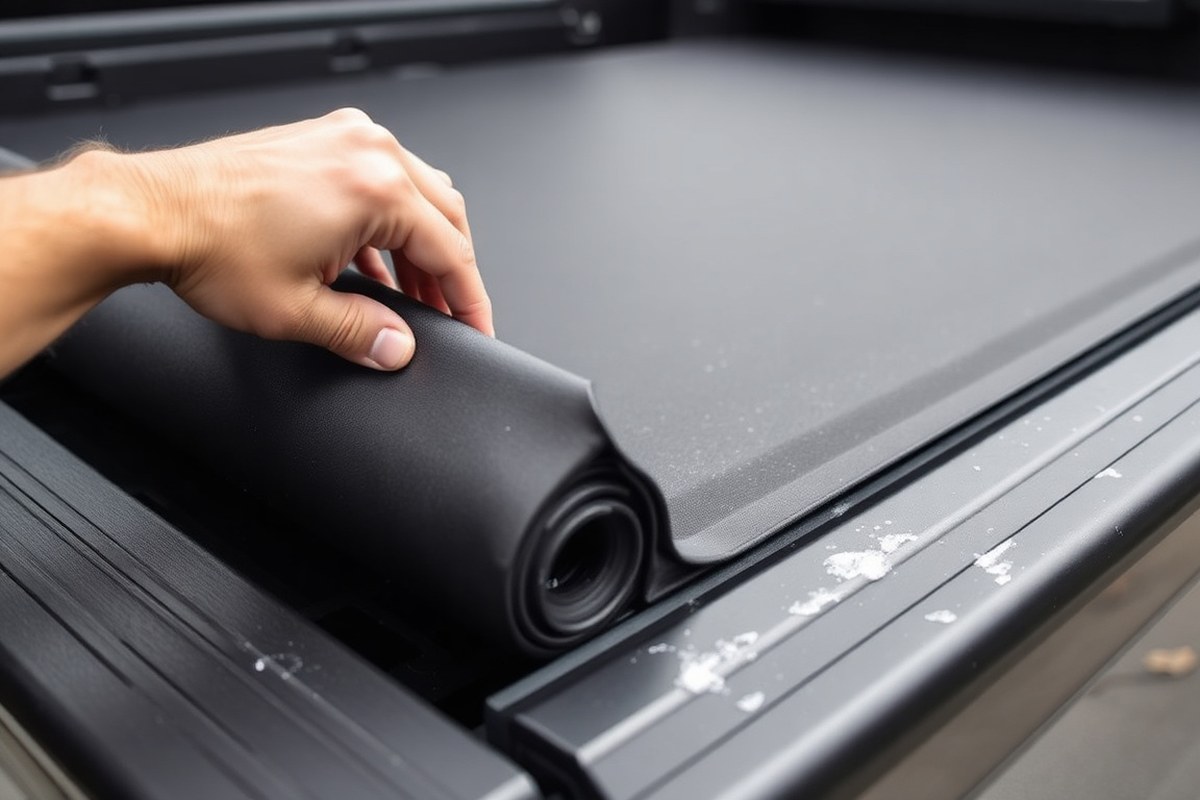
Rolling up your tonneau cover before going through a car wash can be safe or risky depending on several factors. Generally, if your truck goes through an automatic car wash with spinning brushes or high-pressure water jets, rolling up the tonneau cover is not recommended. The movement of the cover combined with brushes can cause scratches, tears, or misalignment. Also, water pressure might force dirt and debris into the edges or seams of a partially rolled-up cover, potentially causing damage or wear over time.
In cases where the tonneau cover is a soft roll-up type designed for easy folding, rolling it up before a hand wash or when washing the truck bed separately makes sense. This exposes the bed and allows you to clean under the cover thoroughly without risking damage to the cover itself. Many manufacturers advise that if you must expose your cover during washing, do so during gentle hand washes using soft brushes and mild soap. For automatic washes, keeping the cover fully closed limits the risk of damage caused by spinning brushes and minimizes dirt build-up in seams.
Situations that warrant rolling up the cover include when washing the truck bed separately by hand, especially if the cover is soft and designed for quick roll-up. It’s also helpful when the cover is dirty or has debris trapped underneath, allowing you to clean both the cover and truck surfaces thoroughly. However, rolling up your tonneau cover before entering an automatic wash that features brushes or pressurized dryers is generally discouraged. Such washes can damage both the cover’s surface and the truck’s paint.
If you do decide to roll up the cover for washing, securing it properly is critical. Use any provided straps or latches to hold it firmly in place and prevent it from unrolling or flapping during washing. This prevents water and dirt from entering underneath and avoids damage caused by the cover moving against the truck bed or car wash equipment. Leaving the cover loosely rolled up increases the chance of tearing or mechanical damage in automatic washes, so verify it’s snug and locked before washing.
The recommended approach depends on the cover type and wash method. Hard tonneau covers typically should remain closed during automatic washes to prevent damage. Soft covers made for rolling up can be rolled for hand washing but usually not for automatic washes with brushes. Hand washing your truck and tonneau cover separately, using manufacturer-approved cleaning products and soft brushes, provides the safest result for most covering types without risking damage from automatic car wash equipment.
How Different Types of Tonneau Covers Handle Car Washes
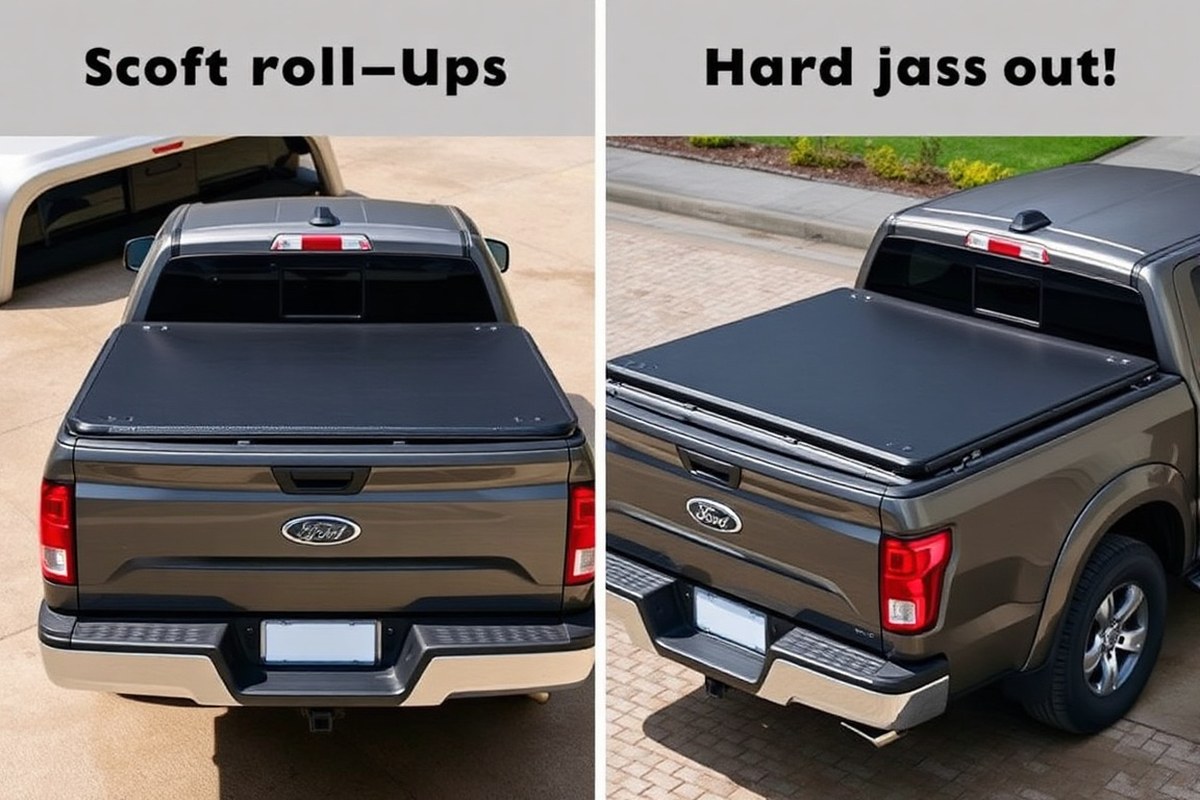
The type of tonneau cover you have affects how well it tolerates different car wash methods. Soft roll-up and soft folding covers typically require gentler handling because their vinyl or fabric surfaces can be scratched or torn by spinning brushes and harsh chemicals. Hard folding covers, retractable covers, and hard shell covers are sturdier but still need caution with automatic wash brushes that might damage their seals or scratch their finish.
Hard shell covers, made of fiberglass or aluminum, generally handle touchless washes better since there is no physical contact from brushes. Retractable covers with tracks can be vulnerable to high-pressure water jets if the seals aren’t tight, risking leaks or damage. Manufacturers usually recommend avoiding car washes with large spinning brushes, no matter the type, because these brushes can leave marks or cause mechanical wear.
Materials play a key role. Vinyl on soft covers can absorb chemicals or get scratched. Hard surfaces like fiberglass resist this but might chip if hit by debris loosened during washing. For soft covers, handwashing or self-service washes where you control the pressure and tools is usually safest. Hard covers can sometimes pass through touchless automatic washes, but avoid brush washes either way.
| Tonneau Cover Type | Material | Brush Car Wash Risk | Touchless Car Wash Risk | Recommended Cleaning | Manufacturer Guidelines |
|---|---|---|---|---|---|
| Soft Roll-Up | Vinyl/Fabric | High (scratches, tears) | Medium (chemical damage possible) | Handwash or self-service wash | Check specific model; many advise against brushes |
| Hard Folding | Fiberglass/Aluminum | Medium (scratches, seal damage) | Low to Medium (pressure concerns) | Touchless preferred, avoid brushes | Avoid harsh chemical detergents and rough brushes |
| Retractable | Aluminum/Composite | Medium to High (brush and seal risk) | Medium (high-pressure water can damage seals) | Handwash or touchless wash with caution | Manufacturer warnings on water pressure and cleaning agents |
| Hard Shell | Fiberglass/Aluminum | Medium (scratches from brushes) | Low (safe with water jets) | Touchless or handwash recommended | Avoid abrasive brushes; mild detergents only |
Touchless car washes tend to be safer for all tonneau covers since they avoid physical brushes, relying on high-pressure water and detergents instead. Still, excessive water pressure or strong chemicals can affect seals and finishes. Avoid automatic brush washes when possible, especially for soft covers prone to damage. Self-service car washes or handwashing give you control over detergents and pressure, ensuring safer cleaning that protects your tonneau cover’s watertightness and appearance.
Tip: Rinse off any loose dirt and bird droppings by hand before entering a car wash to reduce the risk of scratches and chemical damage on your cover.
What Car Wash Types Are Safe for Trucks with Tonneau Covers?
Not all car washes treat tonneau covers the same. Brush-style washes often risk scratching or damaging covers, while touchless washes provide a gentler clean with some limits. Hand washing or self-service stations give you control and reduce potential harm but can take more time and effort.
Brush-Style Car Washes Risks
Brush-style car washes use spinning brushes that rub against the truck’s surface. These brushes can catch on tonneau covers, potentially causing scratches, tears, or permanent marks, especially on soft or vinyl covers. The aggressive scrubbing action does not differentiate between the paint and the cover material, increasing the chance of damage. Many owners find brushes harsh on seals and edges, which can lead to water leaks later.
Avoiding brush car washes is generally wise if your cover is fabric, soft roll-up, or made from vinyl. Hard-shell covers and aluminum canopies are more resilient but can still suffer cosmetic damage from harsh brushes.
Touchless Car Washes Advantages
Touchless car washes use high-pressure water jets and chemical cleaners without brushes. This design avoids direct physical contact, reducing the risk of scratches on tonneau covers. Many owners prefer touchless washes because they balance convenience with safety for exterior accessories and paint.
However, touchless washes rely on water pressure and chemical action, which might not fully remove stubborn dirt or dried grime from tonneau seams and edges. They tend to be slightly more expensive than brush style, costing around $8 to $15. Be sure your cover’s seal and fastening system can withstand the water pressure to avoid loosening or water infiltration.
Benefits of Hand and Self-Service Washing
Hand washing is the safest method for tonneau covers, offering a controlled clean and the chance to inspect for wear or damage. It lets you avoid harsh brushes and adjust your pressure and soap application to cover material type. Self-service bays let you use foam guns and soft mitts, putting you in control while minimizing cost compared to professional hand washing services. Hand or self-service washing involves:
- Rinsing loose dirt with low-pressure water
- Using a mild soap safe for vinyl or hard plastics
- Cleaning with a soft sponge or microfiber mitt
- Carefully rinsing without letting water pool in seams
- Drying with a soft towel to avoid water spots
- Applying any protective treatments recommended by the manufacturer
This process can take 20 to 40 minutes depending on cover size and dirt level. It gives the best results in protection and appearance, avoiding risks of automated options. If you handle your washing gently, your tonneau cover will last longer and maintain its look.
How to Prepare Your Tonneau Cover Before Washing
Preparing your tonneau cover before washing helps prevent damage and water leaks. Securing the cover tightly and checking its fit ensures it can withstand brushes and water pressure without shifting or letting moisture inside your truck bed. Loose latches or misaligned clamps may cause water intrusion during the wash or leave marks on the cover’s surface. Testing the tension and removing unsecured cargo also protect both your cover and belongings. Follow this checklist to confirm your tonneau cover is ready:
- Close the tonneau cover fully. Lower the cover gently onto the truck bed rails, making sure it aligns evenly on both sides. A proper seal starts with a flush closure without gaps or raised edges.
- Check the latches. Engage each latch firmly. They should click into place without excessive force. Tug lightly on the cover edges to ensure the latches hold tight and the cover does not lift.
- Inspect clamps and side rails. Look along the rails to confirm the cover sits evenly without warping or lifted sections. Tighten clamps as needed to keep the cover securely seated and aligned.
- Tap the cover gently. Use your fingers to tap the surface in multiple spots. A firm, drum-like sound indicates proper tension in the cover fabric, which helps prevent sagging during the wash.
- Remove or secure cargo inside the bed. Loose items can shift and damage the cover or get damaged themselves. Pack tools or gear in sealed boxes or remove anything that might move.
- Check for worn seals or cracks. Inspect the rubber gaskets around the cover edges. Damaged or hardened seals increase leak risk from water pressure and should be replaced if possible.
Covers in good condition with tight, properly engaged latches and evenly seated rails offer the best protection during automated or hand washes. Testing tension by tapping ensures your cover won’t sag under wet conditions. Securing cargo limits shifting that could damage hinges or fabric. Neglecting these steps can result in leaks, cover misalignment, or scratches that reduce the cover’s lifespan.
Cleaning Products and Post-Wash Care for Tonneau Covers
Use gentle, vinyl-safe soaps specifically designed for tonneau covers to preserve their material and finish. Avoid harsh chemicals and wax-based products that can cause damage or leave residues. Applying suitable protectants after washing helps prevent UV damage and keeps the cover flexible and looking new.
Recommended Soaps and Cleaners
Choose cleaners made for vinyl or canvas surfaces to clean your tonneau cover effectively without harming it. COVER CARE® Cleaner is a commonly recommended product designed to maintain flexibility, color, and durability in vinyl covers. Use a mild soap solution with water if a commercial product is unavailable, but avoid anything with strong detergents, bleach, or solvents.
Cleaning should always be done with a soft cloth or sponge, rinsing well with water afterwards to remove all soap residues. A typical wash with COVER CARE® Cleaner uses about 2 ounces of concentrate diluted in a gallon of water, costing roughly $10-$15 per bottle, which lasts for many washes.
Protectant Options and UV Prevention
Protectants specifically formulated for tonneau covers help maintain material flexibility and resist UV fading. These products often contain UV blockers that shield the cover from sun exposure and reduce cracking or discoloration. Apply protectants after the cover dries completely to avoid trapping moisture.
Use a clean microfiber cloth to apply a thin, even layer of the protectant. Avoid over-application, which can leave a sticky surface that attracts dirt. Common protectants for vinyl or canvas covers are silicone-free to preserve warranty coverage and prevent buildup.
Always check the product label to confirm it is safe for use on vinyl or canvas tonneau covers before applying.
Chemicals and Waxes to Avoid
Waxes and silicone-based coatings are not recommended for tonneau covers, as they can leave difficult-to-remove stains and may void the warranty. Abrasive cleaners or those containing bleach, ammonia, or strong solvents can prematurely degrade both vinyl and canvas materials.
Harsh car wash brushes or scrubbing pads risk damaging the stitching and sealing components of your cover. Steer clear of products that do not specifically list compatibility with tonneau covers or vinyl materials.
- Do not use wax, silicone-based, or oil-based protectants
- Avoid bleach, ammonia, and solvent-heavy cleaners
- Skip abrasive brushes or harsh scrubbing pads
- Do not apply protectants on wet covers
- Stay away from general household cleaners not labeled for vinyl or canvas
Common Mistakes and How to Avoid Damage During Car Washes
One common mistake truck owners make is neglecting to check the tonneau cover for debris before entering a car wash. Dirt, twigs, or small stones can cause scratches or tearing when pressed by brushes or high-pressure jets. Always sweep off the cover with a soft brush or cloth prior to washing to prevent surface damage.
Another error is applying wax or polish products to the tonneau cover. Unlike vehicle paint, many covers have specialized coatings or textures that wax can clog or degrade, leading to a dull appearance and possible water repellency loss. Avoid wax entirely; instead, use cleaning solutions designed for vinyl, fabric, or hard covers depending on your model.
Ignoring minor leaks after a wash can also cause long-term issues. Even high-quality covers might let in water droplets during intense spray cycles, especially around seals and rails. Check for wet spots inside the bed after every wash. Leaks that appear can be fixed by inspecting and replacing worn seals or resealing edges, a straightforward step that stops rust and cargo damage.
- Not lubricating the rails and hinges regularly can lead to stiffness or breakdown of moving parts, especially if you wash your truck frequently.
- Forgetting to roll or fold the cover properly before automatic washes with tight space or heavy rotating brushes may cause tearing or jams.
- Using high-pressure nozzles too close to seals and folds risks forcing water under the cover.
- Failing to follow manufacturer guidelines for your specific tonneau model increases damage risk.
- Leaving heavy snow or ice on the cover before entering a wash can strain the material and affect function.
Deciding whether to roll up or remove your cover depends on the car wash type and local weather conditions. Using an automatic wash with hard brushes means rolling or removing the cover reduces the risk of mechanical damage. For touchless washes, leaving the cover closed and intact is usually safer, but double-check that seals are in good condition. Avoid pressure washers set above 2,000 psi for edges or seams, as this can force water inside.
Damage signs include splitting seams, surface scratches, loose or broken latch mechanisms, and persistent water spots inside the bed after drying. Fixing these often involves replacing faulty parts or resealing edges, which can cost from $50 to $200 depending on parts and labor. Prevention is less expensive and involves inspecting, cleaning, and lubricating your cover at least every few weeks, especially in rainy or snowy seasons.
When to Remove Your Tonneau Cover Before Washing
Removing your tonneau cover before a car wash depends on the type of cover you have and the specific conditions of the wash. Soft covers often can stay on during many washes, but some hard covers and certain washes require complete removal to prevent damage. Proper removal and storage are key to avoiding costs and hassle later on.
Soft Covers and Removal Advisability
Soft tonneau covers, usually made of vinyl or fabric, are flexible and often stay safe during automatic or touchless car washes. They generally do not require removal unless the wash has high-pressure sprays that could lift or damage them. Removing a soft cover is usually quick and simple, as most roll-up types unclip in under 5 minutes and fold for easy storage, keeping the process low risk.
These covers can catch soap residue or dirt more easily, so a quick rinse with just the cover off sometimes helps with deeper cleaning. Removing the cover before washing only your truck bed can cause dirt and grime buildup along uncovered edges, so balance this with a thorough bedside cleaning. When left on, be sure to check for water pooling or soap buildup afterward to prevent mildew.
Hard Covers That Require Removal
Hard tonneau covers, such as fiberglass or aluminum folding models, sometimes must be removed before car washes. Washes with brushes or tight clearance can scratch or damage these covers if left on. Some hard covers have locking mechanisms or tight seals that interfere with conveyor systems in automatic washes, risking damage to both the cover and the machinery.
Removing hard covers is usually more time-consuming and may require tools, with average removal times ranging from 10 to 20 minutes depending on the model. Costs for professional removal services can run $50 to $100 per session. Leaving these covers on during incompatible washes can lead to dents, cracked paint, or broken hinges that result in pricey repairs.
Storage Tips During Car Washing
After removal, store your tonneau cover in a clean, dry place away from direct sunlight to prevent warping or UV damage. Soft covers can be folded and laid flat or rolled up in a protective bag. Hard covers should be placed on padded surfaces or stands to protect their finish and shape.
Handle covers gently to avoid bending or scratching. When reinstalling the cover soon after washing, wipe the truck bed and the cover’s underside to clear dirt and avoid trapping grime that could cause scratches. Check manufacturer instructions for any special removal or storage steps to maintain warranty coverage and long-term function.
Seasonal and Environmental Factors Affecting Tonneau Cover Washing
Temperature and weather greatly affect how you should wash and care for your tonneau cover. Soft covers, especially those made of vinyl or fabric, can stiffen or crack if exposed to freezing temperatures while wet. Avoid washing these covers outdoors when temperatures drop below 32°F (0°C) to prevent moisture freezing on the surface, which can damage the material. In snowy or icy conditions, it’s better to wait for a mild day or wash your truck indoors at a heated facility. Dry soft covers thoroughly within a few hours after washing to stop mold or mildew growth. You might roll them up only after they are fully dry in cold weather to avoid trapping ice or moisture inside.
Summer heat brings its own challenges. High temperatures can cause soft tonneau covers to become pliable but also more prone to stretching or UV damage from the sun. Washing your cover in direct, intense sunlight can cause soap residue to dry quickly, leaving spots and possibly weakening the material. Choose a shaded area or early morning wash time when temperatures are cooler, typically under 85°F (29°C). Applying a UV protectant designed for tonneau covers after washing helps keep the surface from fading and cracking.
Seasonal maintenance varies but generally follows a quarterly schedule, with extra attention in winter and summer. In spring and fall, clean and inspect your cover for tears, loose fasteners, and material wear. Once winter arrives, apply a waterproofing treatment to help repel snow and ice. This treatment usually costs around $10 to $20 and lasts for about 2 to 3 months. Check your cover each month during winter for any signs of cracking or stiffness. In summer, cleanse the cover more frequently, every 4 to 6 weeks, and reapply UV protection every 6 to 8 weeks to maintain flexibility.
The thickness and material of your tonneau cover influence how quickly damage appears. Thicker vinyl handles cold better but still needs complete drying. Fabric covers dry faster but may absorb more water and need more frequent waterproofing. Stiff or cracked areas on the cover surface indicate poor seasonal care, which can lead to leaks or permanent damage.
Always let your tonneau cover dry completely before rolling it up, especially in cold weather, to prevent trapped moisture from freezing and causing damage.
Step-by-Step Action Plan for Washing Your Truck with a Tonneau Cover
Follow these steps to protect your tonneau cover during a car wash and keep it in good shape.
- Before the wash: Check your tonneau cover type to know if rolling it up is recommended. Verify the manufacturer’s guidelines to avoid damage.
- Right before the wash: Clean loose dirt and debris from the cover with a soft brush or cloth to prevent scratches during the wash cycle.
- At the car wash entrance: Select a touchless or hand wash option where possible. Avoid automated brushes that may snag or scratch your cover.
- During the wash: Keep your tonneau cover fully extended and securely fastened unless the cover type specifically advises rolling it up for car washes.
- Immediately after the wash: Inspect the cover for soap residue or water spots. Rinse with clean water to remove leftover cleaning agents.
- Once dry: Apply a UV protectant suitable for your tonneau cover’s material to maintain flexibility and prevent fading.
- After a week of regular washes: Check for any signs of wear or loosening fasteners and tighten or adjust as needed.
Frequently Asked Questions
Should I Roll Up My Tonneau Cover in a Car Wash?
You should avoid rolling up your tonneau cover in most automatic car washes because spinning brushes and pressurized water can damage it. Keep the cover fully closed to protect it during washing and consider hand washing for safer cleaning.
Can a Tonneau Cover Go Through a Car Wash Without Damage?
Some tonneau covers handle car washes well if closed properly, but many manufacturers recommend removing the cover for automatic washes to prevent scratches or mechanical damage. Check your cover’s instructions before deciding.
Can You Drive Through a Car Wash with the Truck Bed Open?
Driving through a car wash with an open truck bed usually isn’t safe, as water, soap, and brushes can damage interior parts and the bed itself. Always close or remove the tonneau cover before washing to avoid this risk.
Is a Rolling or Folding Tonneau Cover Easier to Maintain During Washes?
Rolling covers can be more vulnerable to damage in automatic washes due to moving parts, while folding covers often provide more rigid protection. Either way, following manufacturer care instructions is key to avoid wear during washing.
Are Tonneau Covers Completely Waterproof in All Weather?
Most tonneau covers resist water well but aren’t 100% waterproof, meaning heavy rain or snow may allow some moisture inside. Regular cleaning and proper sealing help minimize water intrusion.
Can Chemicals from Car Washes Harm My Tonneau Cover?
Some waxes or silicone-based treatments from car washes can leave residue on your tonneau cover, interfering with its operation or appearance. Use mild soap and water and avoid harsh chemicals to keep your cover in good shape.
Wrapping Up
Rolling up your tonneau cover before a car wash is usually not recommended unless your cover’s instructions say otherwise. Keeping it extended protects the cover from potential damage caused by car wash machinery. Your next step is to review the care instructions for your specific tonneau cover model to confirm the best washing practices tailored to it.