How to Fold a Tonneau Cover Safely with Easy Steps and Maintenance Tips
How to fold a tonneau cover properly involves knowing the type of cover you have and following specific steps to avoid damage. Start by identifying whether your cover is a tri-fold, bi-fold, or roll-up style to use the right folding method. Preparing the truck bed and cover before folding ensures the seal stays intact and the cover functions smoothly.
Key Takeaways
- Identify your tonneau cover type, tri-fold, bi-fold, or roll-up, before attempting to fold it.
- Allow the seal to settle for 10 to 15 minutes after installation for a secure fit.
- Always lower the tailgate fully before unfolding or folding the tonneau cover.
- Fold covers carefully to prevent bending or breaking hinges and locking mechanisms.
- Driving with a tri-fold tonneau cover folded open is comfortable and safe if secured properly.
- Keep the truck bed clean and dry before folding to avoid debris damaging the cover.
How to Fold a Tonneau Cover Step-by-Step
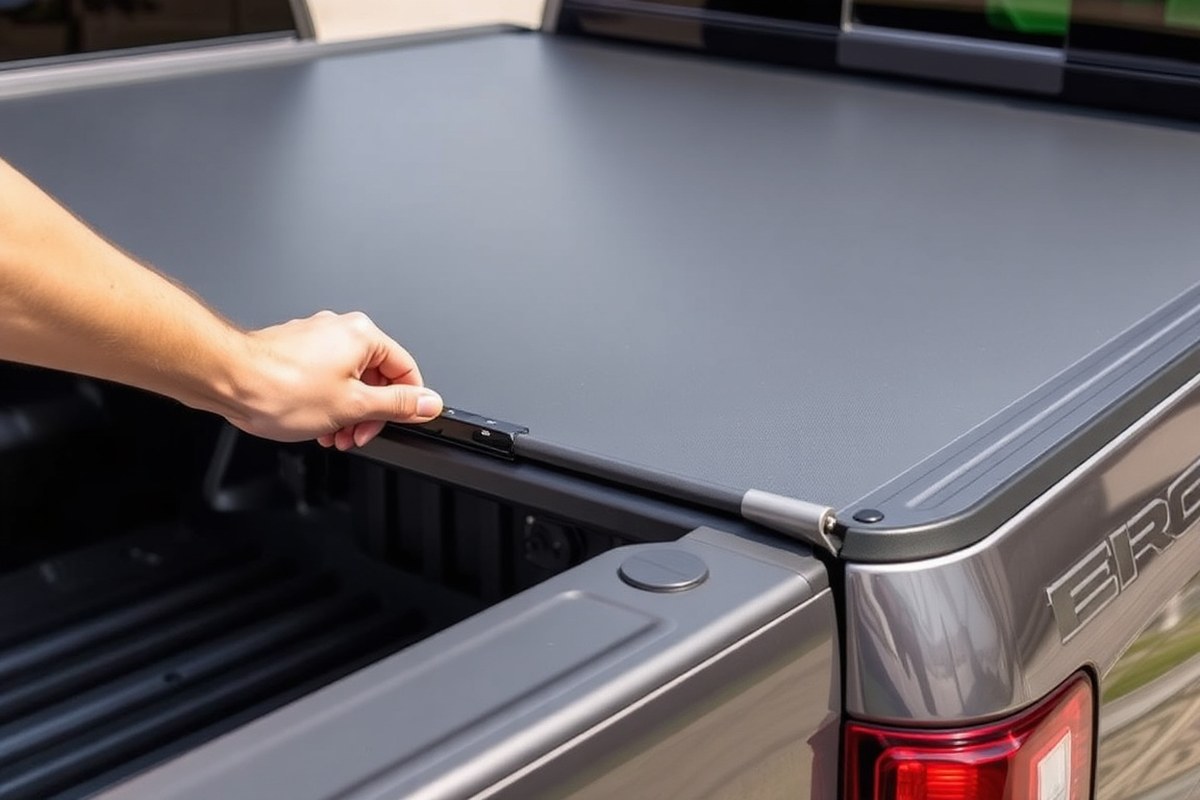
Folding a tonneau cover requires releasing the latches at the tailgate, then following the specific folding method based on your cover type. Knowing where these latches are and how to unlock them safely is the first step. After unlatching, fold your cover carefully toward the cab, securing it in place to prevent damage or unwinding during travel.
Unlocking the Tonneau Cover Latches or Clamps
The latches that secure a tonneau cover are typically located on both sides near the tailgate. They lock the cover firmly to the truck bed rails, preventing it from lifting while driving. Unlocking these latches is essential before folding, as forcing the panels without release can damage hinges or the cover material.
These latches may be manual clamps or lever-style locks, depending on your tonneau style. To unlock, pull or flip the latch handles outward or upward from the cover edges. Doing this on both sides of the tailgate allows the cover to lift freely for folding. Take care not to apply excessive force; if a latch sticks, applying a small amount of lubricant can help release it smoothly.
Folding Tri-Fold and Bi-Fold Covers
Tri-fold and bi-fold covers fold along hinged panels that run crosswise on the truck bed. Folding them properly keeps the panels aligned and prevents wear on the hinges and material. The process involves folding sequentially toward the cab and securing each fold as you go.
- Release the side latches at the tailgate on both sides to free the cover.
- For tri-fold covers, fold the panel closest to the tailgate upward and toward the cab.
- Fold the next panel back toward the truck cab, aligning edges carefully.
- Complete the fold by bringing the final panel flush against the cab’s back window.
- On bi-fold covers, simply fold the single hinge panel toward the cab.
- Ensure each fold sits flat and lines up to avoid damaging the vinyl or metal.
Handling these panels with care during folding reduces stress on hinges and extends the cover’s lifespan. You can avoid creases or cracks by folding slowly and making sure no debris is trapped underneath before folding.
Rolling Up Soft Tonneau Covers
Soft roll-up covers require a different folding method to maintain their durability. Rather than folding panels, these covers roll back in a smooth motion toward the cab. This rolling action prevents sharp bends in the vinyl or fabric that can lead to cracking over time.
- Get the clamps or latches at the tailgate to free the cover.
- Begin rolling the cover backward from the tailgate toward the cab in a tight, even roll.
- Keep tension even as you roll to prevent wrinkles or loose fabric sections.
- Stop rolling once the cover reaches the cab to expose the truck bed fully.
Rolling works best on soft covers made of vinyl or cloth-like materials. Avoid folding or creasing soft covers, since constant sharp bends shorten their usable life. For most soft covers, regular rolling is quicker and easier than folding panels.
Securing the Folded Cover
After folding or rolling your tonneau cover, securing it is important to avoid movement while driving. Many covers come with retaining clips or straps to keep the folded panels or roll in place, preventing the cover from unfolding or flapping.
- Locate any built-in retaining clips or straps near the folded or rolled cover.
- Engage these clips or fasten straps tightly around the cover to lock it in position.
- Double-check that the cover is snug and cannot shift when pushed by hand.
- Close the tailgate gently, ensuring it does not press on the folded cover awkwardly.
Failing to secure the folded cover risks damage from wind or sudden stops. Properly locked panels reduce wear by keeping hinges aligned and prevent noise or distraction while driving. Use the fasteners every time you fold or roll up your cover for best results.
Identifying Tonneau Cover Types and Their Folding Styles
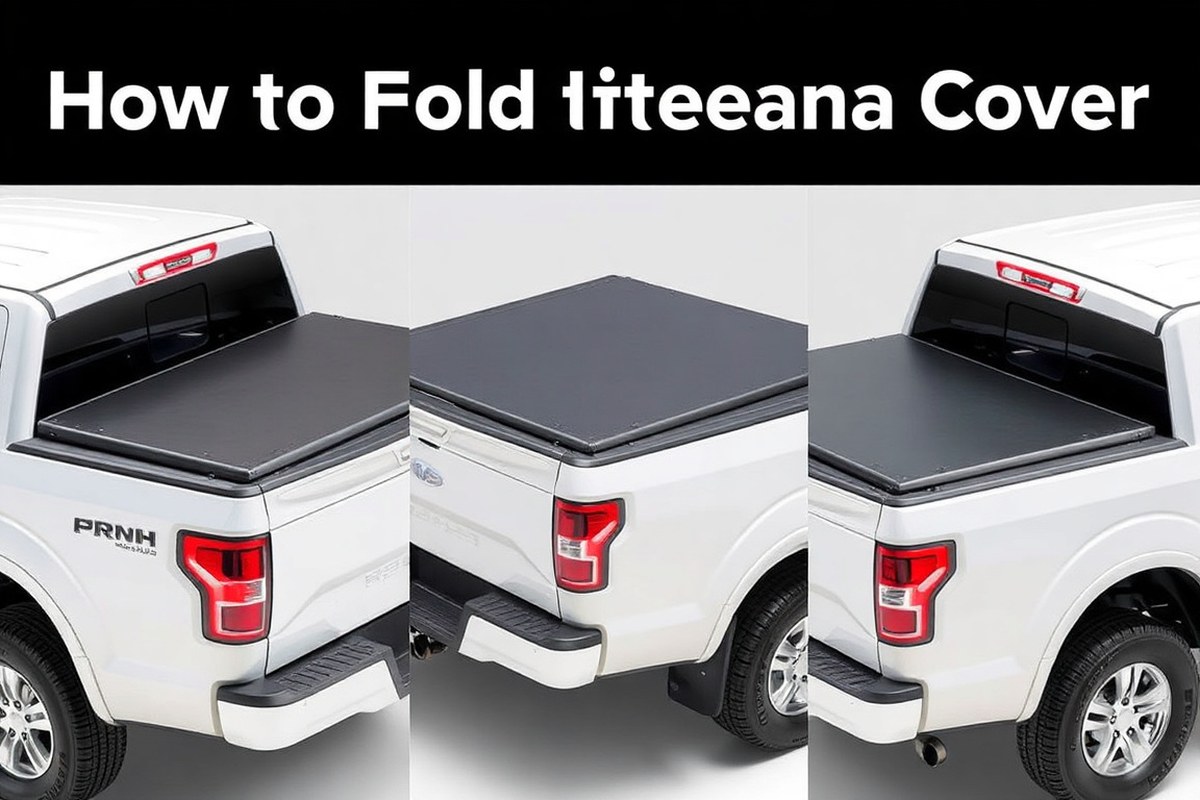
Some tonneau covers require folding to access the truck bed, primarily those made from soft or hard panel materials. Their folding methods vary based on the cover’s design and construction, which affects ease of use, security, and maintenance. Identifying your tonneau cover type determines how to fold it properly without damage.
Soft Roll-Up Covers
Soft roll-up covers are usually made from vinyl or another flexible material, making them lightweight and easy to handle. They roll from the tailgate toward the truck cab, allowing quick access to the bed. The soft material helps avoid the struggles often experienced with hard folding covers.
To roll up a soft tonneau cover, release the latches near the tailgate. Then, lift and roll the cover toward the bulkhead in one smooth motion. This process requires minimal strength, and the cover usually folds compactly without stress on the material.
Tri-Fold Covers
Tri-fold covers come in both soft and hard panel varieties, folding into three parts that stack near the cab. Hard tri-folds are often made from materials like aluminum or fiberglass connected by hinges, providing durability and security. Soft tri-folds tend to use vinyl panels, which are lighter but less secure.
Folding a tri-fold cover involves releasing the latches at the tailgate, then folding the cover panels back sequentially toward the truck cab. Hard tri-fold covers are heavier and may require two people to fold safely without dropping or damaging the panels. Soft tri-folds can be folded solo with less effort.
Bi-Fold Covers
Bi-fold covers have just two folding panels and typically fold once toward the cab. These covers are usually hard panels connected by a hinge, secured with latches near the tailgate and sometimes mid-bed. Their simpler folding style makes them quicker to open, though they may offer less flexibility in bed access compared to tri-fold covers.
To fold a bi-fold cover, release all latches, then lift and fold the panel(s) back toward the cab smoothly. Pay attention to latch locations to avoid forcing the cover and causing damage to hinges or locking mechanisms.
Each folding style has specific characteristics that affect how you handle your tonneau cover. The table below compares key factors between soft roll-up, tri-fold, and bi-fold covers, helping you understand the differences and choose the right folding method for your pickup.
| Cover Type | Material | Folding Style | Number of Panels | Typical Folding Direction | Ease of Folding | Security Level |
|---|---|---|---|---|---|---|
| Soft Roll-Up | Vinyl or soft fabric | Roll back | 1 (one continuous sheet) | Roll from tailgate toward cab | Very easy, lightweight | Low to moderate |
| Tri-Fold (Soft or Hard) | Soft vinyl or hard panels (aluminum/fiberglass) | Fold in three parts sequentially | 3 panels | Fold back toward cab | Moderate; hard types can be heavy | Moderate to high, depending on material |
| Bi-Fold (Hard panels) | Aluminum or fiberglass | Fold once in half | 2 panels | Fold back toward cab | Easy | High |
Understanding these differences helps prevent common mistakes like forcing a hard panel cover designed to fold differently, which can cause damage or wear. Selecting the right folding method cuts down on folding time and maintains your cover’s condition over time.
Always release all latches before folding to avoid straining hinges and panels unnecessarily.
Preparing Your Truck Bed and Cover Before Folding
Preparing your truck bed and tonneau cover properly before folding prevents damage and ensures the cover folds smoothly. Taking a few minutes to clear debris, inspect seals, and gather needed materials will save you time and protect your investment. Proper prep also helps avoid common problems like scratches, misalignment, and water leaks.
Clearing Debris and Cargo
Removing leaves, dirt, dust, and any loose materials from your truck bed and cover surface is essential. Debris trapped under the cover can scratch both the tonneau surface and the truck bed. It may also block the folding mechanism or cause misalignment that prevents smooth folding.
Start by visually inspecting the entire truck bed for any small items, tools, or cargo that might shift during folding. Clear everything out for a completely empty bed before you begin. Even a thin layer of dirt can cause damage or clog drainage pathways built into the cover system.
- Remove leaves, twigs, and dirt using a hand broom or your hands
- Clear the cover surface gently to avoid scratches
- Inspect corners and crevices for trapped debris
- Pick up any loose tools or cargo and put them away
- Check and clear drain tubes if your cover has them
Keeping the bed clear helps maintain your cover’s fit and function. Dirt or objects left behind can cause scratches or interfere with clamps and rails.
Inspecting the Cover and Seals
Before folding, examine your tonneau cover closely, especially at the weather seals around the edges. Dirt, damage, or loose strips on these seals can cause leaks or prevent a tight fold. Gently wipe the seals and cover surface to remove dust or residues.
Check for cracks, tears, or worn areas on seals and the cover itself. Damaged seals often cause water to seep in when driving in wet conditions. Tighten any loose bolts or clamps nearby to avoid noise and ensure the cover stays secure after folding.
Inspecting this area helps maintain weatherproofing and prevents problems like water leaks or the cover catching during folding. Regular checks also keep your cover in good shape for longer use.
Gathering Tools and Materials Needed
Having the right tools and materials at hand before you start folding saves hassle and speeds up the process. A few simple items go a long way in cleaning, adjusting, and protecting your tonneau cover and truck bed.
- Microfiber cloth for wiping dirt and dust gently
- Mild spray cleaner safe for tonneau covers (avoid harsh chemicals)
- Soft brush or small broom for debris removal
- Lubricant suitable for hinges or folding joints (check manufacturer recommendations)
- Socket wrench or screwdriver for tightening clamps or bolts
- Replacement weather seals or tape if you detect damage
Gather these items before you start. Cleaning materials ensure the cover folds without catching on dirt, while tools let you fix loose parts that could interfere with folding or cause rattling noises when driving.
Securing and Driving with a Folded Tonneau Cover
After folding your tonneau cover, securing it properly is important to prevent it from unfolding or shifting while driving. Start by aligning the cover panels neatly as you fold them toward the cab. Make sure each panel clicks or locks into place according to your cover’s design. Tighten all clamps firmly, especially the four main clamps if your cover uses them, to hold the folded sections tightly together. Double-check that all locks, straps, or latches are engaged to keep the folded cover stable.
Driving with the folded tonneau cover is safe if you ensure it is fully secured and does not block your rearview or vehicle operations. The cover must lie flat or be folded completely and fastened to the cab. Loose or partially secured covers risk flapping, damage, or detachment, which can create hazards for you and other drivers. Remove any debris, snow, or ice before folding, as foreign objects could prevent tight closure and lead to shifting on the road. Here are key tips to secure a folded tonneau cover correctly for safer driving:
- Align panel edges evenly and lock each section firmly as you fold.
- Tighten all four clamps or locking points fully to prevent movement.
- Check and secure any straps or latches to hold folded panels together.
- Remove debris, ice, or snow before folding for smooth closure.
- Verify the cover does not obstruct mirrors or rear visibility.
- Inspect the folded cover for any looseness before driving off.
Following these steps usually requires no special tools and takes just a few minutes. The effort ensures your folded tonneau cover will stay in place during transit and avoid damage. Poorly secured covers often cause rattling noises, flap in the wind, or unfold unexpectedly, which can be costly and unsafe. When the cover sits flat and locked or folded and fastened tightly, it maintains its condition and protects your truck bed effectively throughout your drive.
Common Folding Problems and How to Troubleshoot Them
Stuck latches and misaligned panels are common problems when folding your tonneau cover. These issues often result from dirt buildup, damaged hinges, or improper folding technique. Cleaning and inspecting the hardware before folding can prevent many problems. Folding gently, without forcing the panels, helps maintain alignment and preserves the cover’s condition.
Latch problems frequently occur because dirt or debris gets inside the latch mechanism, causing it to stick. To fix this, clean the latch area with a soft brush and mild soapy water, then dry it completely. Lubricate the latch lightly with a silicone spray or a lubricant recommended by your cover’s manufacturer. Avoid oil-based lubricants as they can attract more dirt and cause fouling over time.
Aligning your cover panels correctly is key to smooth folding. Panels should fold neatly toward the truck cab, following the hinges or snaps designed to connect sections. Over time, panels might shift out of alignment due to repeated use or damage. To realign, unfold the cover fully, loosen the bolts or screws at the hinges slightly, then adjust the panels so edges line up evenly. Tighten the fasteners and test folding again.
| Common Folding Problem | Cause | How to Fix | Expected Outcome |
|---|---|---|---|
| Stuck latches | Dirt buildup inside latch | Clean latch, dry thoroughly, apply silicone lubricant | Latches open and close smoothly |
| Panels not folding smoothly | Misaligned hinges, improper folding angle | Unfold fully, loosen hinge bolts, realign panels, retighten | Panels fold evenly without force |
| Hinges appear damaged | Wear and tear or physical damage | Inspect for cracks, replace hinge parts as needed | Secure, functional folding mechanism |
| Difficulty folding cover | Forcing panels, skipping hinge guides | Fold panels gently toward cab using hinges/snap guides | Smoother fold, avoids damage |
| Seal doesn’t settle after folding | Too soon after installation | Allow seal 10-15 minutes to settle before folding | Better seal and folding alignment |
Practising unfolding and folding the tonneau cover regularly will make the movements feel natural. Each panel is connected by hinges or snaps that serve as folding guides. Follow these points in sequence to avoid forcing the cover and causing damage or misalignment.
Give your tonneau cover’s seal at least 10 to 15 minutes after installation to settle properly before folding the panels.
Maintaining and Cleaning Your Tonneau Cover for Longevity
Cleaning your tonneau cover regularly helps keep it looking good and extends its lifespan. Ideally, you should clean the cover about once every two weeks, or more often if you drive in dusty or muddy conditions. Dirt and grime can degrade the material, especially on soft vinyl covers, so maintaining cleanliness is key to preventing cracks and fading.
Use a vinyl-safe cleanser like Wolfsteins Pro-Series Premium Tonneau Cover Cleaner or Soft Topp Jeep Fabric & Vinyl Cleaner. These products gently remove dirt without harming the cover’s finish. For hard covers, plain water and mild car wash soap usually work fine. Avoid harsh chemicals or car detergents not meant for vinyl or the vehicle’s paint, as they may cause damage. Here are some maintenance tips for your tonneau cover:
- Rinse off loose dirt with water before applying cleaner to avoid scratches.
- Use a soft sponge or microfiber cloth for cleaning to protect the surface.
- After cleaning, apply a vinyl protectant or leather conditioner like Wolfsteins Pro-Series Vinyl Protectant or Masterson’s Leather Conditioner to restore moisture and color.
- Inspect seals and hinges monthly to check for cracks, stiffness, or rust.
- Lubricate hinges and latches with a silicone-based spray to keep them moving smoothly.
- Wipe down rubber seals with a clean, damp cloth and apply a rubber conditioner to maintain flexibility and prevent leaks.
- Avoid folding covers when they are wet to prevent mold and mildew buildup in the folds.
Properly maintaining the seals prevents water leaks into your truck bed and protects the cover edges from drying out and cracking. Using silicone lubricant on hinges saves you from stiffness and squeaking, which can affect how easily the cover folds. Applying a vinyl conditioner every few months keeps the material supple and less prone to UV damage, preserving the original look for years.
Watching for early signs of wear and cleaning as part of your regular truck care routine costs little time and money but pays off by keeping your tonneau cover functional and attractive. Ignoring maintenance risks harder-to-fix damage such as torn seals or brittle vinyl that may require costly replacement parts or professional repair.
Proper Storage Methods for Folded or Removed Covers
Storing a folded tonneau cover carefully prevents damage and extends its lifespan. Use a storage bag or breathable protective cover to shield it from dust, dirt, and moisture. This also helps stop mold or mildew from forming, especially if the cover has vinyl or fabric components. Avoid plastic covers that trap moisture, which can cause mildew and degrade materials over time.
Choose a storage location that is dry, shaded, and well-ventilated to minimize exposure to sunlight and humidity. Direct sunlight accelerates fading and dries out seals, while moisture can cause corrosion or mildew. Keep the cover off the ground by placing it on a shelf or a pallet to avoid damage from dampness and pests. Ensure the area stays between 50°F and 80°F, avoiding extreme temperature swings that might warp or crack parts.
Handle the cover gently when removing or folding it. Lift it carefully to avoid sharp edges or rough surfaces that may tear or scratch it. Make sure it’s completely dry before storing to eliminate the risk of mold. If you need to transport the folded cover after removal, secure it firmly to prevent shifting or folding in unintended ways.
- Use a breathable storage bag or custom cover suited for tonneau covers
- Select a dry, shaded, and ventilated storage spot away from direct sunlight
- Keep the cover improve, off the floor, on shelves or pallets
- Allow the cover to dry fully before storage to prevent mold formation
- Lift and handle the cover gently, avoiding sharp edges or sudden movements
- Secure the folded cover with straps or clamps to maintain shape during storage
- Maintain storage temperature between 50°F and 80°F to protect materials
Using the right storage bag costs between $30 and $60, depending on cover size and brand. This investment is small compared to replacing a damaged tonneau cover that wasn’t stored properly. A worn-out cover often shows cracked seals, fading, or mildew spots. Proper storage means your cover stays flexible, easy to use, and looks good, keeping it ready for your next haul or trip.
When to Call a Professional for Folding or Repairs
Recognizing when your tonneau cover needs professional folding or repairs can save you time and prevent further damage. Avoid forcing the cover if you feel unusual resistance or if the panels don’t align properly. Signs such as torn or frayed fabric, broken hinges, warped frames, or malfunctioning locks usually indicate the need for expert help. Attempting repairs without the right tools or knowledge can lead to costly mistakes or void warranties.
Professional assistance matters because technicians can diagnose hidden issues and ensure your cover folds smoothly without compromising its durability. They have the correct replacement parts and tools to fix damaged seals, hinges, or locks that affect your tonneau cover’s performance. For example, a minor tear can worsen without proper repair, letting water seep inside the truck bed, which damages cargo over time.
To find qualified service, start by contacting the retailer where you bought your cover or reaching out to manufacturers’ authorized service centers. JEGS, for instance, offers tech support specialists who help with selecting parts and may recommend local trusted repair shops. You can also search online for certified installers or repair technicians with good customer reviews focused on pickup truck accessories. Before calling for professional help, check the following checklist to determine if intervention is necessary:
- Visible damage such as tears, dents, or bent metal parts
- Difficulty folding sections despite lubrication or cleaning
- Hinges or locks that stick or fail to secure properly
- Uneven folding causing gaps or misalignment
- Water pooling or leakage inside the truck bed
- Unusual noises like grinding or clicking while folding
- Cover unable to stay in folded or deployed position
Never force your tonneau cover closed or open if it resists movement; this can cause tears or break components, making professional repair necessary.
Costs for professional folding assistance vary and typically depend on the complexity of the repair. Minor fixes like hinge lubrication or seal replacement may cost between $50 and $150, while frame repairs or fabric replacements can cost several hundred dollars. Always request an estimate before work begins.
Getting professional help ensures your tonneau cover maintains its functionality and protects your truck bed efficiently. It also preserves your investment and helps you avoid larger repairs from worsening issues. Check for authorized service providers in your area, and keep documentation of your cover’s model and purchase details ready to speed up service requests.
Step-by-Step Action Plan for Folding and Maintaining Your Tonneau Cover
Follow these steps to fold your tonneau cover properly and keep it in good condition for long-term use.
- Before you start: Clear any dirt or debris from the truck bed and cover surface to prevent scratches. You’ll see a clean surface ready for folding.
- First fold: Unlock or unlatch the cover edges carefully according to your model’s instructions. Confirm the cover releases smoothly without resistance.
- Folding phase: Fold your tonneau cover along its designed seams, making sure each panel lies flat as you go. Check the folded cover fits neatly without gaps or warping.
- Securing phase: Use built-in straps or clamps to secure the folded cover to the truck bed. The cover should be stable and not shift when you gently push on it.
- Maintenance check: Clean the cover with a mild soap and water solution after folding, then inspect for tears or loose parts. Your cover should look clean and damage-free.
- Storage phase: Store the cover in a dry, shaded area indoors if removing it, or fold it on the truck bed if driving. The cover remains protected from harsh weather and UV damage.
- Ongoing care: Inspect and lubricate any hinges or latches monthly to ensure smooth operation. These parts should move easily without sticking or grinding.
- Professional help: Contact a professional if you notice tears, bent frames, or faulty locking mechanisms that you can’t fix. The cover should work reliably and safely.
Frequently Asked Questions
How to Fold a Tonneau Cover?
Release the tailgate latches, fold the cover towards the cab, and secure any retaining clips before driving. This keeps the cover safe and your cargo protected.
Can You Fold a Roll-Up Tonneau Cover?
Yes, roll-up covers fold by rolling the material towards the cab, unlike tri-fold styles that fold in sections. Handle them gently to prevent tears.
Is It Okay to Drive with a Partially Folded Tonneau Cover?
Driving with a partially folded cover is not recommended; secure it fully to avoid damage or hazards. Always double-check clips and latches before driving.
How Do You Protect a Tonneau Cover While Folded?
Use retaining clips or straps to secure the folded cover and prevent wind damage. Cleaning the cover before folding also avoids scratches.
Can Heavy Snow Damage a Folded Tonneau Cover?
Yes, heavy snow can strain and warp a folded cover. Clear snow off promptly before folding to maintain its shape and function.
Do All Tonneau Covers Fold the Same Way?
No, folding steps depend on the cover type, tri-fold, bi-fold, or roll-up each fold differently. Identifying your type ensures correct handling.
Key Points to Remember
Properly folding and maintaining your tonneau cover helps protect your truck bed and extends the cover’s lifespan. Taking time to clean, inspect, and store your cover correctly prevents common issues and keeps it working smoothly. Start by carefully folding your cover following the design, then keep up with regular care to avoid problems. This approach saves you time and money in the long run.