

How Long Does Fuel Stabilizer Last? A Complete Guide to Maximizing Fuel Life
How long does fuel stabilizer last depends on both the stabilizer type and how you use it. Many fuel stabilizers keep gasoline fresh for up to a year, while some high-grade products can protect fuel for as long as three years. Always add stabilizer to fresh fuel and run the engine a few minutes to ensure proper mixing and maximum effectiveness.
Key Takeaways
- Use fuel stabilizer as soon as you buy gasoline to extend freshness up to 12 months or longer with premium products.
- Run the engine for 5 to 10 minutes after adding stabilizer to circulate treated fuel through the system and avoid gum buildup.
- Store stabilizer bottles in a cool, dry place to maintain potency for up to two or three years after opening.
- Follow the manufacturer’s dosing instructions precisely, typically 1 ounce per 2.5 to 10 gallons of fuel, depending on the product.
- Avoid using fuel mixes older than 30 to 60 days for small engines, even with stabilizer, to prevent performance issues.
- Match the fuel stabilizer to the engine type, such as marine-specific formulas for boats or multi-cycle blends for lawn equipment.
How Long Does Fuel Stabilizer Keep Gasoline and Diesel Fresh?
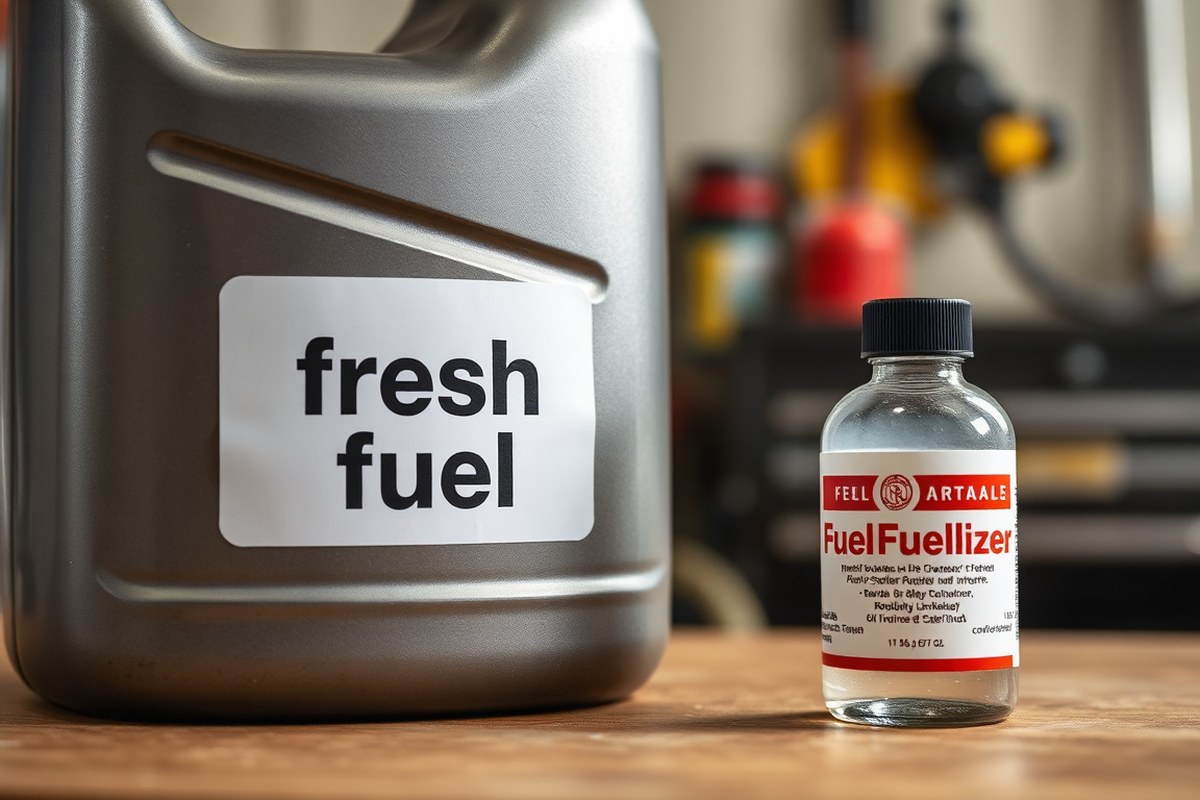
Fuel stabilizer can keep gasoline fresh for about 12 to 36 months, depending on the product and fuel type. Most stabilizers extend gasoline life in tanks or containers to around 24 months, especially for gasoline with ethanol blends. Diesel fuel treated with a stabilizer also remains stable for at least 24 months, with specialized diesel stabilizers offering similar or better protection. The key is that stabilized fuel slows oxidation and phase separation, which degrade fuel quality over time.
Gasoline with ethanol breaks down faster than ethanol-free gas, so treated fuel with ethanol generally has a shorter shelf life, closer to 12 months. For diesel, stabilizers protect against microbial growth and breakdown, making treated diesel last up to 2 years under proper storage conditions. Premium products like VP Gasoline Fuel Stabilizer claim up to 3 years of fuel freshness and also lubricate ethanol to help reduce engine wear.
The recommended maximum storage time for fuel treated with stabilizer is commonly 24 months. Briggs and Stratton and STA-BIL both support this timeline for 4-cycle engines and ethanol blends. Beyond that, fuel may start to deteriorate even if treated, leading to hard starts or engine issues. For short-term uses, like 1 to 2 months, just adding stabilizer and running the engine occasionally is sufficient, but longer storage needs fresh stabilizer added annually or a full drain of the tank. Below is a comparison of fuel stabilizers and their duration recommendations for gasoline and diesel:
| Fuel Stabilizer | Recommended Max Storage (Gasoline) | Recommended Max Storage (Diesel) | Best Feature |
|---|---|---|---|
| VP Gasoline Fuel Stabilizer | Up to 36 months | Not specified | Up to 3 years, ethanol lubrication |
| STA-BIL Storage | Up to 24 months (ethanol blends up to E85) | Up to 24 months (STA-BIL Diesel) | Good budget option, no alcohol |
| Briggs and Stratton Fuel Stabilizer | Up to 24 months | Not specified | Removes need to drain before storage |
| PRI-D (Diesel) | Not specified | Up to 24 months | Diesel-specific compression treatment |
| Lucas Oil Safeguard | 12 to 24 months | 12 to 24 months | No alcohol, easy to use |
| Sea Foam | Up to 12 months | Up to 12 months | Versatile, works in multiple fuel types |
For best results, stabilize fuel before storing it for more than a month, topping up stabilizer every year if the fuel isn’t used. Avoid using treated fuel after two years as degradation can start affecting performance. Diesel stabilizers often include additives to prevent microbial growth, especially important for longer storage.
Keep in mind that stabilizer effectiveness depends on storage conditions. Keep fuel containers sealed, cool, and out of direct sunlight to extend life. The cost per gallon treated varies but usually is between 7 and 34 cents, making fuel stabilization an affordable way to maintain fuel quality for your outdoor power equipment or emergency generators.
How to Use Fuel Stabilizer Correctly for Maximum Duration
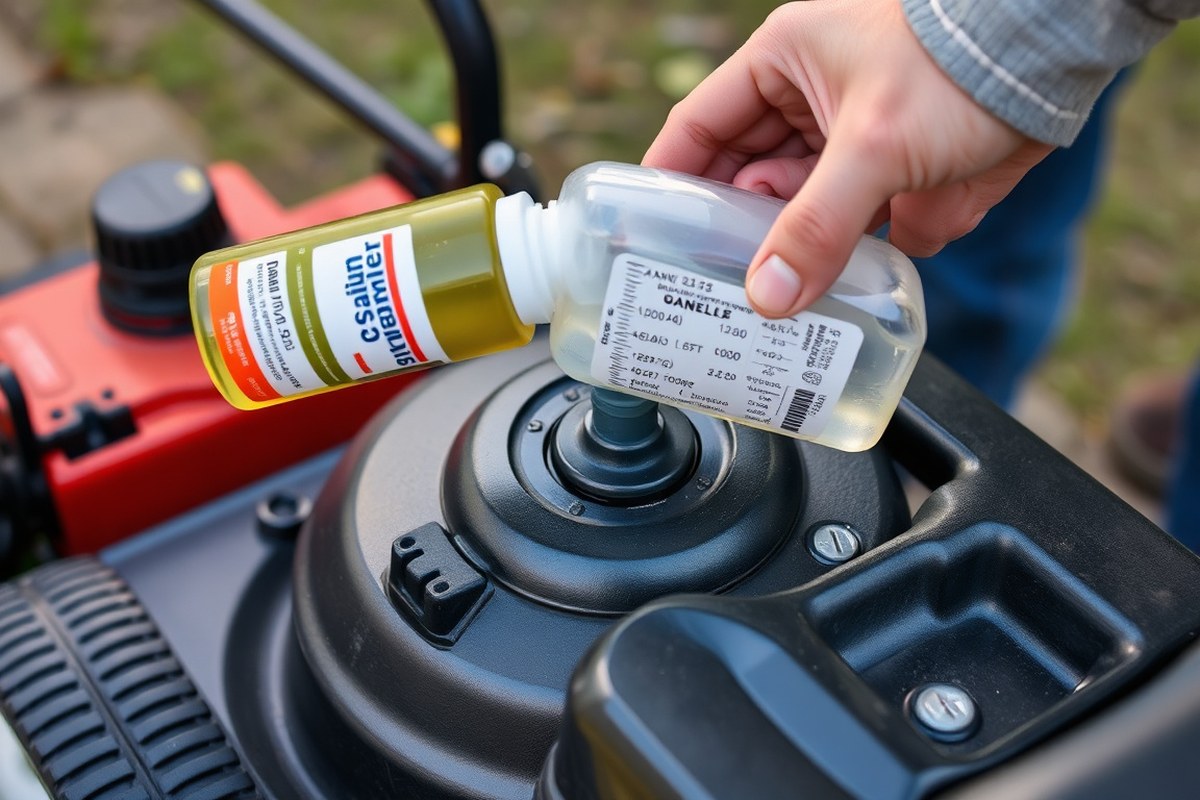
Use fuel stabilizer immediately after filling your gas container or fuel tank, dosing exactly as directed on the product label. Proper mixing and running the engine for a few minutes allow the stabilizer to protect your equipment’s fuel system from degradation and buildup during storage.
Measuring and Adding the Right Dose
The correct amount of fuel stabilizer varies by brand and how much fuel you’re treating. Common ratios range from 1 ounce per 2.5 gallons to 1 ounce per 16 gallons, depending on whether you’re using a general-purpose or concentrated stabilizer.
For example, STA-BIL recommends 1 ounce per 2.5 gallons of gasoline, which works well for small engines like lawnmowers or snow blowers. Star Tron suggests 1 ounce per 16 gallons for heavy use but 1 ounce per 8 gallons for smaller engines or equipment. VP Racing Fuel Stabilizer uses 1 ounce per 10 gallons.
Accurate measurement using the cap or a syringe ensures the stabilizer blends properly without overdosing, which won’t improve preservation and may cause issues. Adding too little reduces effectiveness and risks fuel degradation during storage.
Best Practices for Mixing Stabilizer in Fuel
Adding fuel stabilizer to fresh fuel gives the best protection. When filling gas cans, add stabilizer before or immediately after filling; then seal the container tightly.
When adding stabilizer directly to a fuel tank, pour the recommended amount into the tank first, then fill the tank with fuel to mix. This method reduces the risk of stabilizer sitting undiluted, which can harm engine parts.
Some users add stabilizer to the fuel can first, then fill with gas to promote even mixing. However, for fuel already stored, it’s better to add stabilizer to the tank before topping off with gas to rejuvenate the treated fuel.
- Measure the recommended stabilizer dose for the volume of fuel you have.
- When using a gas can, pour the stabilizer in first.
- Add fresh fuel to the gas can or fuel tank after adding stabilizer.
- Seal the gas can tightly or cap the fuel tank.
- When treating fuel in the tank, top off the tank after pouring stabilizer in.
- Insert the fuel cap securely on the tank or gas can.
- Start the engine and run it per the recommended time to circulate stabilized fuel.
Adding stabilizer to fresh gas immediately after purchase improves how well it protects your engine during storage.
Engine Running Times to Ensure Proper Mixing
Running the engine for 5 to 10 minutes after adding stabilizer helps the product reach the entire fuel system. This practice prevents gum, varnish, and corrosion from forming inside the carburetor or fuel injectors.
Five minutes of engine operation is generally enough to circulate stabilized fuel through the system. However, running for up to 10 minutes is beneficial for larger or more complex engines with longer fuel lines and injectors to ensure complete mixing.
For small engines like those on lawnmowers or chainsaws, five minutes of idling or moderate throttle usually suffices. Generators and larger machinery may benefit from longer running times to ensure the additive penetrates all fuel passages.
Never add stabilizer without running the engine afterward; untreated fuel in the fuel system can still degrade and cause problems.
Factors That Affect How Long Fuel Stabilizer Remains Effective
Fuel stabilizer effectiveness depends heavily on the storage environment and fuel type. High temperatures, sunlight, ethanol content, and container materials can reduce how long a fuel stabilizer keeps gas fresh. Understanding these factors helps you optimize fuel storage duration and avoid engine problems.
Temperature and Sunlight Impact on Stabilizer Longevity
Heat accelerates chemical reactions that break down treated fuel faster. Ideally, keep your fuel container in a cool place below 70°F to slow degradation. Direct sunlight also warms fuel and can degrade stabilizer chemicals, shortening their effectiveness. A shaded, indoor storage area with stable temperatures extends fuel life up to the 12- to 36-month range stabilizers claim.
Adding stabilizer before fuel exposure helps. For example, STA-BIL recommends adding 1 ounce to every 5 gallons, before filling your tank. This ensures the stabilizer molecules mix thoroughly with fresh fuel, providing maximum protection from start.
How Ethanol Content Affects Fuel Stability
Ethanol-blended fuels are harder to stabilize because ethanol attracts water and can cause fuel to separate (phase separation). This creates pockets of ethanol and water that deteriorate engine parts and block fuel lines. Fuel stabilizers formulated for ethanol fuels improve shelf life but may only protect fuel for about 9 to 12 months, compared to ethanol-free fuel’s longer life.
Ethanol-free gasoline tends to form gum and varnish over time but avoids water problems. Treating ethanol-free fuel with stabilizer still prevents varnish buildup, preserving engine performance for up to 3 years under ideal conditions.
Effects of Storage Container Materials
Plastic and metal containers interact differently with stored fuel. Gasoline containers commonly use high-density polyethylene (HDPE) plastic, which is resistant to fuel degradation but can allow slight air permeability. This can reduce stabilizer effectiveness over time if fuel evaporates or oxygen enters.
Metal containers, typically steel, limit air intake better and help preserve fuel quality longer. However, if not coated inside, rust can contaminate fuel and shorten storage life. Using approved containers designed for fuel storage is important to maintain the stabilizer’s protective function.
Key Environmental and Fuel Factors Affecting Stabilizer Life
The following factors determine how long fuel stabilizer remains effective in your stored fuel:
- Storage temperature consistently below 70°F
- Protection from direct sunlight or UV exposure
- Fuel type: ethanol vs. Ethanol-free gasoline
- Use of approved, airtight storage containers (plastic or metal)
- Adding stabilizer before fuel fills the container
- Minimal exposure to air during storage
- Regular rotation or usage within 12 to 36 months
Keeping fuel containers sealed tightly and away from temperature swings is the most practical way to maximize stabilizer effectiveness.
Tips for Optimal Storage Environments
Store treated fuel indoors in a cool, dry place like a basement or garage away from windows and heat sources. Avoid storing fuel near water heaters, windows, or in hot sheds where temperatures fluctuate daily.
Label fuel containers with the date and type of stabilizer used, so you track storage time accurately. Larger fuel tanks may require measuring and adding stabilizer slowly to ensure thorough mixing.
Refreshing fuel every year or two helps avoid engine issues. High-value equipment or emergency generators especially benefit from periodic fuel replacement despite using stabilizer because aging fuel still loses some combustibility.
Shelf Life of Fuel Stabilizer Bottles and How to Store Them
Most unopened fuel stabilizer bottles last about two to three years when stored properly. Fuel stabilizers contain chemicals that degrade over time, especially if exposed to heat or air, which reduces their effectiveness. Manufacturers like STA-BIL recommend using the product within two years after opening the bottle to ensure optimal performance. Once opened, tightly sealing the cap and keeping the bottle in a cool, dry place away from direct sunlight helps maintain its freshness. Avoid storing stabilizers near heat sources or in areas where temperatures fluctuate wildly since high heat accelerates chemical breakdown.
To find the manufacturing or expiration date on a stabilizer bottle, look for a stamped code or printed date usually located on the back label or bottom of the container. Some manufacturers use a simple MM/YYYY format, while others employ batch codes. For example, a batch code might appear as “210523,” which you can interpret as the 21st week of 2023. When the code isn’t immediately clear, check the product’s website or contact the manufacturer directly for a decoding guide. Knowing the age helps you decide whether the stabilizer is still within its viable shelf life or should be replaced.
Opened stabilizer bottles typically retain their effectiveness for up to two years if stored correctly. After this, the chemicals may start to separate or degrade, although you might still be able to use the product as a fuel system cleaner if there are no visible sediments or flakes. Shaking the bottle before each use helps redistribute any separation in the ingredients. Avoid transferring stabilizer into other containers, as exposure to oxygen and contaminants speeds up decomposition. Keeping the bottle closed tightly with its original cap limits air exposure and preserves the formula.
Proper storage conditions extend a stabilizer’s shelf life. Store bottles in a temperature-controlled space, ideally between 50°F and 77°F (10°C to 25°C). Avoid damp areas and direct sunlight, which can break down chemicals faster. Keep multiple types of fuel additives clearly labelled and sealed to prevent mix-ups. Some bottles include integrated measuring cups, which help avoid contamination from using dirty utensils. Using the correct dose during fuel treatment ensures the additive’s chemicals remain balanced and effective throughout the treated fuel’s storage.
Fuel Stabilizer vs. Draining Fuel: When to Choose Which Method
Choosing between fuel stabilizer and draining fuel depends on how long your equipment will sit unused and what type of engine it has. For seasonal storage, typically under a year, fuel stabilizer is an effective way to keep gasoline from breaking down and forming varnish or gum. Adding stabilizer to fresh fuel prevents oxidation and moisture buildup, helping your small engines start smoothly when you return. Use the stabilizer exactly as directed, usually mixing one ounce per 10 gallons of fuel, and run the engine briefly to circulate treated fuel through the carburetor.
For storage exceeding a year, draining fuel often becomes the safer option. Honda and STIHL both recommend draining the tank and carburetor for longer-term storage to avoid gum deposits that stabilizers cannot fully prevent. Leftover fuel, even when treated, can still degrade and clog jets or valves if stored too long. Engines with small carburetors, like those in 2-stroke tools, are particularly vulnerable to varnishing from stale fuel.
Leaving stabilized fuel in the tank carries some risks. Stabilizer extends fuel usability but does not stop it entirely; changes in temperature, fuel quality, and container seal can reduce effectiveness. Persistent moisture or partial fuel evaporation increases the chance of corrosion or phase separation in ethanol-blended fuels. Draining eliminates these risks but requires time and effort to properly store and dispose of old gas. Here is a decision guide to help choose the best method:
- Use fuel stabilizer for storage periods of up to 12 months, especially if you want a quicker start-up.
- Draining fuel suits storage beyond one year to prevent build-up of varnish and gum in carburetors.
- For 2-stroke engines, drain fuel for any storage longer than a few months to avoid damage.
- When draining, run the engine until it stops to clear the carburetor and fuel lines.
- Add stabilizer to fresh fuel only, old fuel can’t be stabilized effectively.
- Always store drained fuel safely in approved containers away from heat or sparks.
- Regularly inspect stabilized fuel tanks for signs of water or sediment.
Treat fresh fuel with stabilizer immediately before storage to maximize protection and prevent engine damage upon restart.
Considering cost, a small bottle of fuel stabilizer, typically under $10, can treat a full tank of gas, making it an economical choice for seasonal use. Draining involves zero added material cost but requires more labor and care with disposal. When you plan storage, estimate how long the equipment will be idle and the engine’s tolerance for stale fuel to decide. Letting stabilized fuel sit too long can cause gum deposits and startup issues, while draining can leave seals dry if done improperly. Balancing time, engine type, and your comfort with maintenance effort guides the best choice for preserving your small engines.
Signs That Fuel Stabilizer-Treated Gas Has Gone Bad
Fuel treated with stabilizer can still go bad over time, especially if it’s stored for many months beyond the stabilizer’s effective period. You should watch for changes in appearance and engine performance as clues that the fuel is no longer good. Bad fuel often looks cloudy or darker than fresh gasoline. It may form sediment or separation layers inside the tank. A strong, sour or varnish-like smell is another warning that the fuel has degraded, even when treated.
Using fuel that has broken down can harm your engine despite the stabilizer. It may cause hard starting, rough running, and poor spark plug condition. Deposits can clog fuel filters and carburetors or fuel injectors. To avoid these problems, replace stabilized fuel that shows deterioration or has been in storage longer than the stabilizer’s recommended timeframe, usually 6 to 12 months depending on the product and storage conditions. Here’s a checklist of signs you can look for to assess fuel condition:
- Cloudiness or visible sediment in the fuel tank or container
- Dark or unusually tinted fuel color compared to fresh gas
- Strong, unpleasant, or sour odour instead of a fresh gasoline smell
- Engine exhibits hard starts, hesitation, or stalling during operation
- Excessive smoke or poor throttle response indicating combustion issues
- Corroded or fouled spark plugs after running the engine on treated fuel
For a more direct test, you can drain a small amount of fuel into a clear container. Let it sit for a few minutes to see if layers separate or particles settle. Smell the fuel closely outdoors to avoid inhaling fumes, checking for any off-putting odours. Running the engine briefly on the fuel can confirm performance issues, but only if your equipment allows safe testing without risking damage.
To prevent fuel-related troubles, store treated fuel in a sealed, stable environment away from heat and sunlight. Always treat fresh fuel right after purchase. Avoid topping off tanks with old fuel; instead, use fresh treated fuel when refilling. Regular maintenance, like changing filters and cleaning carburetors or injectors annually, helps manage minor fuel degradation before it causes bigger problems.
Common Mistakes That Shorten Fuel Stabilizer Effectiveness
Overdosing fuel stabilizer generally does not improve protection and can sometimes cause engine issues, so following the product’s recommended dosage is important. Adding too much stabilizer wastes money and may affect combustion, while too little reduces how long the fuel stays fresh. Brands differ widely in their dosing instructions; always check the label for exact measurements to match the fuel volume.
Adding stabilizer after fuel has already started to degrade or sit for too long can limit its effectiveness. Once gasoline begins to oxidize and produce gums or varnishes, stabilizer cannot reverse that process. Treat fresh fuel promptly to maximize protection. If the fuel has been sitting for several months without any treatment, the stabilizer might help slow further degradation but won’t restore the original quality.
Portable fuel cans require regular stabilizer applications to maintain fuel quality, especially if you store fuel for several months or more. Adding stabilizer every time you refill a gas can helps keep the fuel stable and ready for equipment use. This habit costs little, typically a few dollars per bottle that lasts for many gallons, and avoids expensive engine problems caused by stale fuel buildup. Common errors that shorten fuel stabilizer effectiveness include:
- Using incorrect dosing: ignoring the label’s specific amount per gallon or liter.
- Delaying treatment: adding stabilizer after fuel has been sitting for months.
- Improper storage: keeping treated fuel in containers exposed to heat or direct sunlight.
- Failing to mix: not shaking or stirring the treated fuel to distribute stabilizer evenly.
- Adding stabilizer inconsistently: treating only once and then topping off fuel without additional stabilizer.
- Using old or expired stabilizer, especially past the product’s shelf life.
Consistent fuel stabilizing habits should include treating fuel within a few days of purchase, shaking the container after adding stabilizer, and storing fuel cans in a cool, shaded spot. For gas stored in portable containers, adding stabilizer with every refill ensures that concentration remains effective over time. Maintaining these practices helps avoid costly maintenance issues with small engines or equipment.
Which Fuel Stabilizers Last Longest and How to Choose One
Fuel stabilizers vary in how long they keep fuel fresh, which fuels and engines they suit, and how much you must use. Products like VP Racing can preserve gasoline for up to three years, while Star brite offers up to two years, especially useful for ethanol blends. Choosing between gasoline-only, diesel-only, and dual-purpose stabilizers depends on your engine and fuel type.
Top Fuel Stabilizer Brands and Features
Many fuel stabilizers on the market target either gasoline or diesel, but some offer dual-purpose formulas suitable for both. VP Racing stands out with its promise to keep gasoline fresh up to three years, making it a popular choice among professionals and hobbyists. Star brite’s stabilizer protects fuel for about two years and uniquely helps manage ethanol fuel by preventing phase separation.
The amount of stabilizer needed depends on the fuel volume, typically a few ounces per gallon. Concentrated formulas require less product per gallon but may cost more upfront. Consider this when selecting a brand to balance cost and storage duration.
| Brand | Fuel Type | Freshness Duration | Treatment Ratio | Special Features |
|---|---|---|---|---|
| VP Racing | Gasoline | Up to 3 years | 1 oz per 2.5 gallons | Long shelf life; professional-grade stability |
| Star brite | Gasoline (ethanol blends) | Up to 2 years | 2 oz per 1 gallon | Prevents phase separation; disperses water droplets |
| Dual-Purpose Brand X* | Gasoline and Diesel | Up to 1 year | Varies by fuel (check label) | Safe for both fuel types; moderate preservation time |
The star brands provide different benefits depending on your needs, from the longest fuel storage to ethanol blend compatibility or multi-fuel safety.
Best Stabilizers for Gasoline and Diesel
Most stabilizers easily work with gasoline containing ethanol, which is common in pump fuels. Some are tailored specifically to protect against ethanol-related issues such as phase separation and water accumulation. These features are especially important if you plan to store fuel for more than six months.
Diesel fuels require additives that prevent microbial growth and fuel degradation. Dual-purpose stabilizers can be safe for both fuels but often offer shorter storage times than single-fuel formulas. Use dedicated diesel stabilizers for longer diesel storage, while gasoline engine owners may benefit from extended-life brands.
Use the correct treatment ratio on the label to avoid engine problems and to maximize fuel preservation time.
Choosing Stabilizer by Engine and Fuel Type
For small gasoline engines like those in chainsaws, lawn mowers, or dirt bikes, look for stabilizers formulated for gasoline, ideally ones proven effective with ethanol blends. Two-stroke engines often need fuel treated with stabilizers that do not interfere with the oil-fuel mix.
Diesel engines, including generators and some water pumps, benefit from stabilizers specifically designed for diesel fuel to maintain clean injection systems and prevent clogging over storage periods longer than a year. Dual-purpose options work for mixed fleets but may require more frequent fuel refresh cycles.
Choosing the right stabilizer depends on your engine type, fuel kind, and how long you plan to store the fuel. Longer storage times call for premium products with proven multi-year preservation.
Step-by-Step Action Plan for Long-Lasting Fuel Storage
Follow these steps to maximize how long your fuel stays fresh using stabilizer and proper storage techniques.
- Before storage: Add the recommended amount of fuel stabilizer to fresh gasoline or diesel before filling your tank or container. Check the label for exact dosage.
- Right after adding stabilizer: Mix fuel thoroughly by running the engine for 5 minutes if possible, or shaking the container gently. This ensures even distribution and effectiveness.
- Weekly checks: Inspect stored fuel containers for signs of leaks or damage. Ensure caps and seals remain tight to prevent moisture or air exposure.
- Every 3 to 6 months: For fuels treated with stabilizer, test fuel freshness before use by smelling for sour odours or checking for sediment. Replace fuel if signs of degradation appear.
- Before long-term storage: Use fuel stabilizer approved for your engine type and ensure containers are stored in a cool, dry place away from direct sunlight to slow chemical breakdown.
- After 1 year: Consider draining or replacing fuel treated with stabilizer, especially if stored in temperatures fluctuating above room temperature, since stabilizer effectiveness typically lasts about 12 months.
- When removing fuel: Drain tanks if you expect not to use the equipment for more than a year or if fuel has gone bad despite treatment. Fuel stabilizer is not a permanent solution for indefinite storage.
Frequently Asked Questions
Is It Better to Drain Gas or Use Stabilizer?
Using a fuel stabilizer is usually better for long-term storage because it prevents gas from breaking down and clogging your engine, unlike draining which risks residual fuel harming parts. Stabilizer keeps fuel ready to use, especially in lawnmowers or generators stored for months.
How Long Is Gasoline Good for with a Fuel Stabilizer?
Gasoline treated with fuel stabilizer can stay good for up to 24 months, according to brands like STA-BIL and VP Racing. This helps avoid gum and varnish buildup that clogs engines during storage.
Can You Put Too Much Fuel Stabilizer in Gas?
Yes, adding more fuel stabilizer than recommended won’t improve storage and can cause fuel issues. Follow label instructions carefully, such as one ounce per 10 gallons for VP Racing Fuel Stabilizer.
Is It Okay to Use a Fuel Stabilizer All the Time?
Regular use of fuel stabilizer when storing or in portable cans is fine and recommended by manufacturers like Honda to keep fuel fresh and engines clean. However, it’s not necessary for daily use with fresh fuel.
How Long Does Fuel Stabilizer Last Once Opened?
Once opened, most fuel stabilizer bottles remain effective for about 2 to 3 years if stored tightly sealed in a cool, dry place away from sunlight. Check the label for specific shelf life details.
How Much Fuel Stabilizer Do I Need for My Gas Can?
Always add the amount listed on the stabilizer label per gallons of gas, like one ounce per two to ten gallons depending on the product, then fill the gas can and seal it tightly.
Wrapping Up
Fuel stabilizer keeps gasoline and diesel fresh for about 6 to 12 months when used and stored correctly. Using the right stabilizer and following the recommended steps protects your equipment’s engine and fuel system. Check your fuel periodically and replace stabilizer as needed to maintain performance. Take action now by adding stabilizer before your next storage period to keep your equipment ready for use.


