Why Do Spark Plugs Break Glass? How and Why They Shatter Car Windows Safely
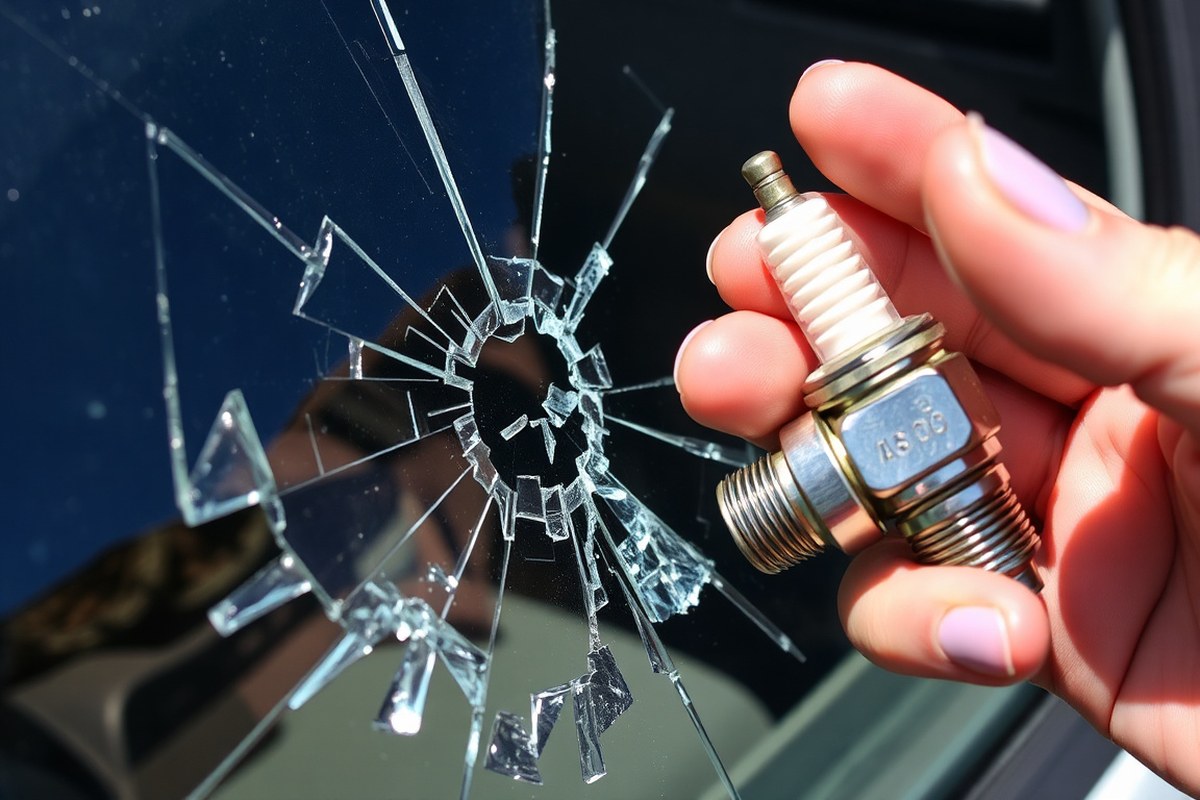
Why do spark plugs break glass? Their very hard ceramic tips can shatter tempered car windows when struck sharply. Tempered glass is designed to break into small, blunt pieces under impact, making it possible to safely escape. Keep a spark plug in your emergency kit to break car windows if you get trapped.
Key Takeaways
- Tempered glass breaks easily from sharp, hard impacts, unlike laminated glass which is much tougher.
- Iridium and platinum spark plugs have strong ceramic tips that can crack car windows effectively.
- Copper spark plugs are softer and wear out faster but can still break glass in emergencies.
- Always hit the glass at the corners or edges where tempered glass is weakest for easier breakage.
- Never try to break laminated glass with a spark plug; it’s designed to resist shattering.
- Store a spark plug in a small, secure container within your car’s emergency kit to keep it accessible.
Why Can Spark Plugs Break Car Windows?
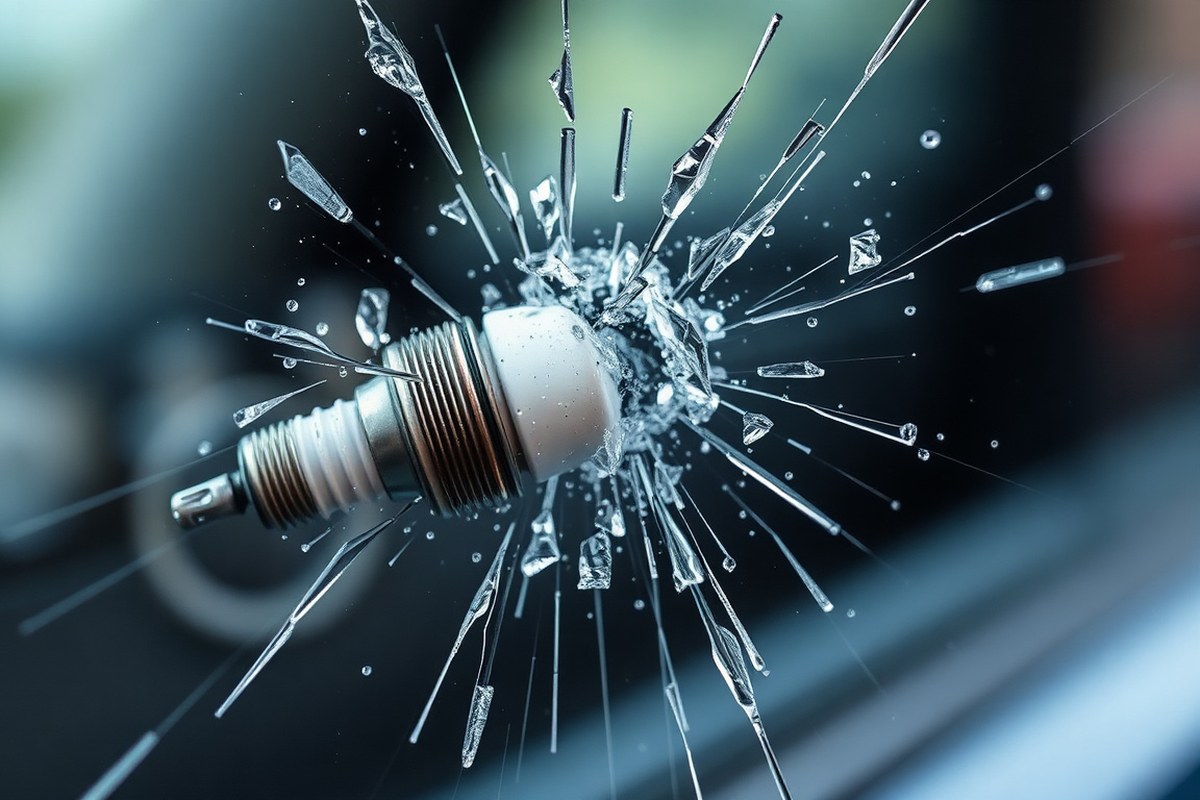
A spark plug can break a car window because of its hard material and sharp shape concentrating force on a small area. Car windows are typically made from tempered glass, designed to shatter safely when damaged but also to resist blunt force. A spark plug’s ceramic insulator and metal core are extremely hard, with a hardness rating around 15.71 GPa on the Vickers scale, which is much higher than tempered glass. This allows the spark plug to apply focused pressure and create small cracks that disrupt the glass’s structural integrity, causing it to shatter.
Tempered glass is manufactured by heating and then rapidly cooling the glass surface, putting the outer layers into compression and the inner layers into tension. This stress balance means the glass can endure regular impacts but will break explosively if the integrity is compromised at one point. When a spark plug strikes the glass, its hard tip damages the compression layer locally. This small flaw interrupts the stress balance, causing the entire window to break into small, less dangerous pieces.
The ceramic material of the spark plug is not only very hard but also rigid and dense, enabling it to concentrate the impact energy onto a very small surface area. Unlike blunt objects, the pointed or sharp edges of a spark plug focus the force, requiring less overall effort to initiate glass breakage. This makes spark plugs effective for emergency escape scenarios where breaking a car window quickly is essential. The ceramic insulator withstands cracking itself under the striking force, passing most of the energy to the glass rather than absorbing it.
Using a spark plug to break a car window involves striking the glass with the tip of the spark plug at moderate force. Ideally, the plug is held tightly and aimed at a corner or edge of the window, where tempered glass is most vulnerable. Pieces of broken spark plug ceramic can be used to hit the glass if the whole plug is too large to wield effectively inside a vehicle. The sharp edges and hardness allow the ceramic shards to initiate cracks more easily than a blunt metal object like a wrench or headrest rod.
This method is practical because spark plugs are compact, common, and made of materials engineered to survive extreme conditions inside an engine. Removing one from your engine and keeping it as an emergency tool costs little and takes minimal space. However, it requires some strength to use effectively, especially compared with purpose-made spring-loaded window breakers. Passing that force through the hard, pointed ceramic makes it possible to break tempered glass with much less effort than using other blunt tools.
In emergencies, having a spark plug ready can be a lifesaver, especially where electric or mechanical escape tools aren’t available. The key is the spark plug’s combination of hardness and concentrated shape, which overcomes tempered glass’s resistance. Car owners should remember tempered glass shatters only when its stress is interrupted locally, so delivering a sharp, hard impact like that from a spark plug tip is an effective way to break car windows safely and reliably.
Types of Spark Plugs and Their Glass-Breaking Potential
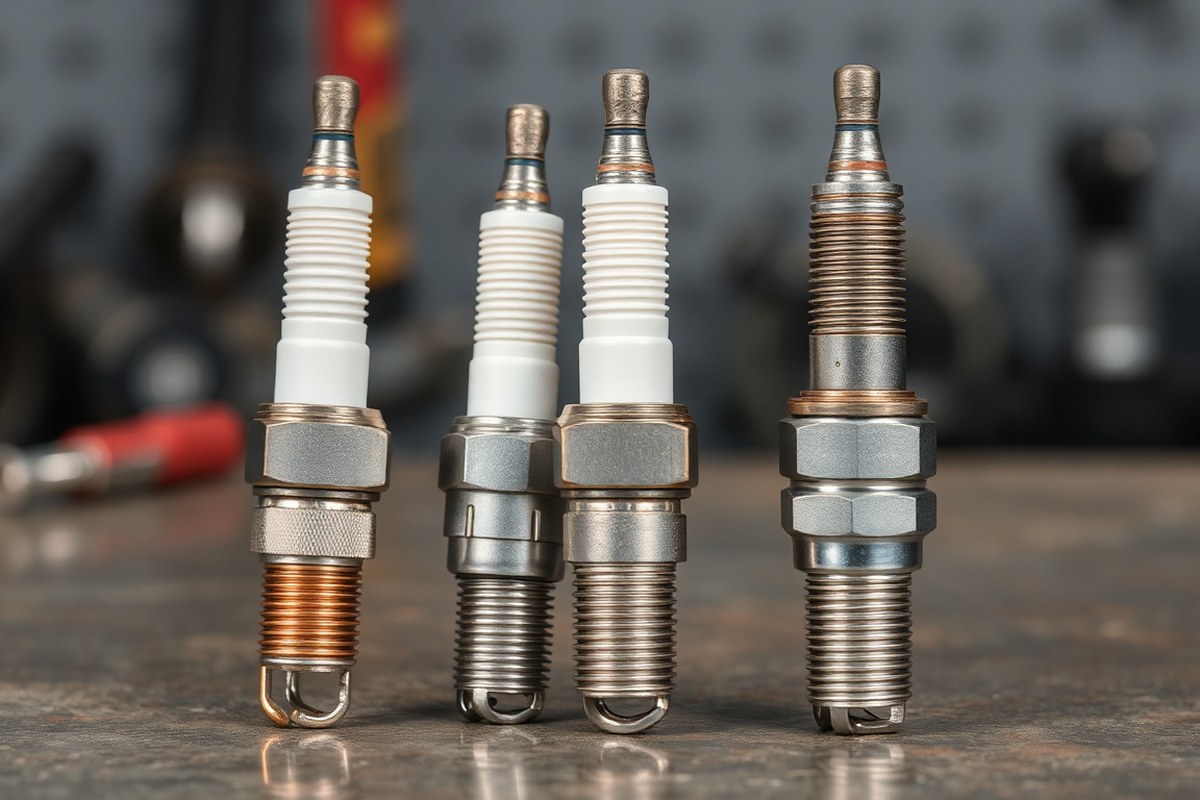
Not all spark plugs break glass equally. Differences in the materials of the spark plug electrodes, copper, platinum, and iridium, affect their hardness and durability, which play a key role in the ability to shatter tempered glass. Generally, iridium spark plugs have the hardest tips, followed by platinum, and then copper, making iridium plugs the most effective choice for breaking glass.
Copper Spark Plugs: Characteristics and Durability
Copper spark plugs feature electrodes made of copper due to its excellent electrical and thermal conductivity. This makes them effective for delivering strong sparks in engines. However, copper is a relatively soft metal. This softness means copper plugs wear out faster and are less durable against impact compared to platinum or iridium plugs.
The softer copper tip reduces the spark plug’s ability to concentrate force sharply enough to break tempered glass efficiently. While copper plugs can break glass, they require more effort or multiple hits because they do not maintain a sharp, hard point as well as other types.
Platinum Spark Plugs: Hardness and Lifespan
Platinum spark plugs have electrodes coated with platinum, a much harder metal than copper. There are single platinum plugs, which coat only the center electrode, and double platinum plugs, which coat both center and side electrodes. This coating extends durability and helps maintain a sharper electrode tip over time.
The increased hardness of platinum electrodes gives these plugs an edge in breaking tempered glass more reliably than copper plugs. Their sturdy yet slightly softer surface compared to iridium still allows enough impact hardness to create the stress necessary to shatter glass.
Iridium Spark Plugs: Extreme Hardness and Glass Breaking
Iridium spark plugs are designed with electrodes coated in iridium, one of the hardest metals available. They are highly resistant to wear from heat and pressure, making them the toughest and longest-lasting among common spark plug types.
Their extreme hardness produces a strong, focused impact point, making iridium spark plugs the most effective for breaking tempered glass in emergencies. Their durability ensures the tip stays sharp and reliable even after repeated use, which can be critical when you need to break a car window quickly. Comparing these materials, the hardness and durability directly affect how well a spark plug can break a tempered car window. The chart below summarizes these key differences:
| Feature | Copper | Platinum | Iridium |
|---|---|---|---|
| Electrode Material | Copper (soft metal) | Platinum-coated electrode(s) | Iridium-coated electrode (hardest metal) |
| Durability | Low; wears out quickly | Moderate; lasts longer than copper | High; extremely long-lasting |
| Hardness | Soft | Harder than copper | Hardest among common types |
| Glass-Breaking Efficiency | Least efficient, requires more force | Moderately efficient | Most efficient; breaks glass with less force |
| Cost (Approximate Market Price Per Plug) | $2, $5 | $5, $10 | $10, $20 |
This comparison shows copper plugs are the least effective but also the cheapest. Platinum plugs strike a balance between cost and performance. Iridium plugs offer the best performance for breaking glass but come with a higher price tag.
Tip: Use the sharp end of an iridium spark plug against a corner of tempered glass to maximize breaking efficiency and minimize effort.
How Tempered Glass Reacts to Spark Plug Impact
Tempered glass is specially designed to be stronger and safer than ordinary glass used in vehicles. It undergoes a heating process where the glass is heated to around 1200 degrees Fahrenheit and then rapidly cooled. This creates a balance of compressive stress on the surface and tensile stress inside the glass. The compressive stress makes the glass much tougher to crack during impacts distributed over a wider area.
Despite its strength, tempered glass breaks easily when struck by small, sharp, and hard objects like fragments from spark plugs. The reason lies in the way tempered glass handles stress. The internal tensile stress inside the slab is balanced, but when a localized point of force breaches the surface compressive layer, the tensile stress causes the glass to shatter suddenly. The break pattern looks like many small, granular pieces rather than large shards, which reduces the risk of injury but results in complete breakage of the glass pane.
The force required to break tempered glass is much lower at a sharp, concentrated point compared to a blunt impact. Due to the internal stresses, a very small impact area needs only a few pounds of force to initiate the shattering. For example, a spark plug’s hard ceramic tip or metal piece, when thrown or dropped with moderate force, applies localized pressure exceeding the strength of the surface layer. This causes rapid expansion of cracks within milliseconds, shattering the entire window.
Laminated glass, in contrast, is made of two glass layers bonded by a plastic interlayer. It resists shattering because the interlayer holds the broken pieces together, requiring significantly more force to break through both glass layers and the plastic sheet. For this reason, tempered glass is easier to break with sharp objects, while laminated glass often withstands small impacts without fully failing.
In emergency situations, understanding the properties of tempered glass helps you apply just enough force in the right spot to break a window efficiently. The key is to focus on a small, hard point of contact where the compressive layer can be compromised quickly. Using spark plug fragments takes advantage of this by concentrating force on a tiny area, initiating the rapid crack propagation unique to tempered glass’s internal stress design.
Step-by-Step: Using Spark Plugs to Break Car Windows Safely
Breaking a car window with spark plug fragments requires precision, force, and safety precautions. Correctly breaking the window allows a quick escape during emergencies without causing unnecessary injury.
Removing and Breaking the Spark Plug into Fragments
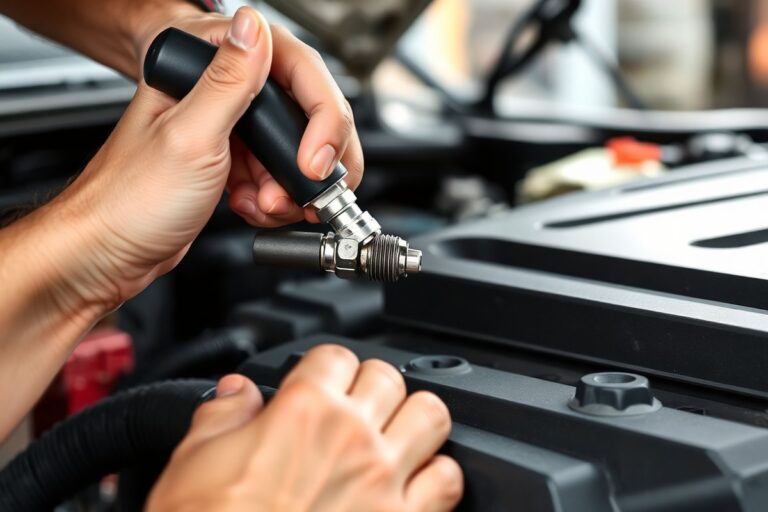
Start by safely removing a spark plug from your vehicle’s engine compartment using the proper tool, usually a spark plug socket and ratchet. Avoid prying or twisting it harshly to prevent damage or injury. The ceramic insulator in the spark plug is the part used to break the glass.
Once removed, break the ceramic insulator into small shards by firmly hitting it against a hard surface or using a tool like pliers. These fragments focus impact force on a tiny point, which is necessary to shatter tempered car glass.
- Park in a safe, well-lit area to have full visibility during removal.
- Use a spark plug socket and ratchet to carefully loosen and remove the spark plug.
- Hold the spark plug securely and strike the ceramic insulator against a solid, stable surface.
- Break the insulator into fragments approximately 0.5 to 1 inch in size for optimal force concentration.
- Wear gloves and eye protection to prevent cuts or debris injuries during breaking.
- Store the fragments in a safe container readily accessible in emergencies.
Positioning Yourself Safely for Window Breaking
Stand or sit close to the window you need to break, but keep your body slightly angled to avoid flying glass shards. Position your non-throwing hand behind you or to the side of the window as a barrier to protect your skin from shards.
Wear long sleeves and gloves if possible. Cover your face with a cloth or use a face shield to block glass particles from hitting your eyes and face during impact.
Throwing Technique for Maximum Impact
Use a firm grip on a sharp-edged ceramic fragment. Swing your arm back, then throw the fragment directly at one of the lower corners of the tempered window. Corners are weaker points and more prone to breaking.
Throw the fragment with as much force as you can without losing control. The goal is to focus the impact force on a tiny area to create cracks and shatter the glass efficiently.
Post-Break Safety and Exiting the Vehicle
After the glass breaks, carefully clear away loose shards from the opening with a cloth or gloves before attempting to climb out. Avoid using bare hands to prevent cuts.
Exit through the broken window area safely, moving slowly to avoid contact with sharp edges. Once outside, move to a safe location away from the vehicle and glass debris.
Comparing Spark Plugs with Other Window-Breaking Tools
Spark plugs can be an effective emergency tool to break car windows because when thrown with enough force, the small concentrated tip focuses energy on a tiny area, making tempered glass shatter. However, they are not always the easiest or fastest tool to use. Other common objects like center punches, steel hammers, or specialized spring-loaded glass breakers are also capable of shattering car windows. Each option has tradeoffs related to availability, force required, and precision.
The main advantage of spark plugs is their small size and sharp tip, which allows them to concentrate impact energy efficiently. They are easy to carry and can break glass without large, heavy equipment. On the downside, throwing a spark plug accurately and with enough force takes some practice and space, which might not be feasible during an emergency. In contrast, spring-loaded window breakers are designed for quick, easy shattering but may cost $10, $30 and require prior purchase and storage. Simple tools like hammers or center punches require less skill but can be bulky or risk injury if misused.
| Tool | Force Required | Size / Portability | Ease of Use | Cost | Effectiveness on Tempered Glass |
|---|---|---|---|---|---|
| Spark Plug | Moderate (requires a strong throw) | Small and portable (2-3 inches) | Requires skill and space to throw | Free (if you keep spares) | High, when thrown properly |
| Spring-Loaded Glass Breaker | Low (built-in force) | Compact (keychain size) | Very easy (push to break) | $10-$30 | Very high |
| Center Punch (metal rod) | High (needs hammer strike) | Medium-sized, less portable | Moderate (needs hammer and aim) | $5-$15 | High |
| Hammer or Wrench | High (manual swinging strength) | Bulky, not easy to carry | Moderate (requires aim and strength) | Varies | Medium to High |
In emergency situations where breaking a car window is needed quickly and safely, professional rescue tools often outperform improvised methods. Firefighters and first responders use tools designed specifically for rapid entry with minimal injury risk. If a situation allows waiting or you cannot confidently break the glass with a spark plug or simple tool, calling professionals is safer. They avoid potential injuries from flying glass shards and ensure quick access.
Always cover your hand with a cloth or glove to protect against flying glass when attempting to break a car window.
Limitations: When Spark Plugs Can’t Break Glass
Spark plugs cannot break every type of automotive glass. Laminated and bulletproof glass resist spark plug impacts due to their construction and materials. Laminated glass, found mostly in windshields, consists of two layers of glass bonded with a plastic interlayer. This design distributes force across the surface, preventing shattering from point impacts like spark plugs. Bulletproof glass uses thicker, multiple layers of glass and polycarbonate materials to absorb and dissipate energy, making it nearly impossible for a small, hard object like a spark plug to break it.
Modern car windows often feature laminated or treated glass that affects how well spark plugs can break them. Side and rear windows are usually tempered glass, designed to shatter into small, less harmful pieces when struck sharply. Spark plugs can break tempered glass because the force concentrates on a small point, triggering the glass to shatter. Laminated glass, however, does not shatter easily because the plastic layer holds the glass together even if cracked.
The plastic interlayer in laminated glass typically measures about 0.02 to 0.05 inches thick and adds significant resistance to breakage. To break laminated glass, you’d need a larger tool or more force spread over a greater area than a spark plug can provide. Bulletproof glass is even tougher, with thicknesses ranging from half an inch to several inches, designed to absorb impacts from firearms. The small, sharp contact of a spark plug simply won’t penetrate these materials.
For emergency window breaking, you want to target tempered side or rear windows, not windshields or any laminated glass surfaces. Attempting to break laminated or bulletproof glass with a spark plug wastes time and energy, which could be dangerous in a crisis. If you need to break laminated glass, using tools like specialized center punches or heavy-duty glass breakers that apply sustained, focused force is more effective.
In sum, spark plugs work best on tempered glass due to its brittle nature and tempered manufacturing process. Laminated and bulletproof glass require heavier equipment because their layers and materials absorb and redistribute impact energy. Knowing the type of glass in your vehicle can save you effort and improve your chances of successful escape during emergencies.
Common Myths and Mistakes When Breaking Windows with Spark Plugs
Many people believe spark plugs always break car windows instantly, but this is not true. A spark plug must strike the glass with the correct part, the small, hard ceramic tip. Striking with the metal side usually fails to break the glass. This mistake wastes time during an emergency and causes frustration.
Another myth is that any window glass can be broken easily with a spark plug. Car side windows are often made from tempered glass designed to shatter into small pieces when cracked. However, windshield glass is laminated and much harder to break. Trying to break it with a spark plug is unlikely to work and could lead to injury from applying too much force.
Using excessive force is a common error. Instead of hitting as hard as possible, aim for a quick, sharp impact with the ceramic tip. Hard, fast hits focus energy on a tiny point, making the glass more likely to shatter. Slow, heavy hits tend to spread the force and fail.
- Always hit the corner or edge of the window, center hits are less effective.
- Carry at least two or three spark plugs to have spares in case one breaks or misses.
- Do not try to break laminated glass, like windshields, with a spark plug.
- Protect your hands with gloves to avoid glass cuts after breaking the window.
- Position the spark plug ceramic side against the glass before striking.
- Strike sharply with a small hammer or rock; a direct impact with the hand is less reliable.
- Practice in a safe environment to understand the right amount of force and angle.
If the window does not break on the first try, do not keep striking the same spot with more force. Instead, shift to a different corner or edge on the same window using another spark plug. Continuous heavy blows risk damaging the plug or hurting yourself without effect. Having multiple plugs stored where you can quickly reach them during emergencies increases your chances of success.
Keep in mind that spark plugs are designed for ignition tasks, not as emergency glass breakers. Their success relies on how you use them and understanding window glass types. Relying solely on spark plugs without additional tools like purpose-built glass breakers risks failure in critical situations.
Preparing for Emergencies: Storing and Using Spark Plugs Effectively
Keeping a spark plug ready for emergency use helps you quickly break a car window if trapped inside. Knowing where to find the spark plug in your vehicle and how to store it properly ensures you can act without losing time. Preparing in advance is important for safety and peace of mind during emergencies.
Selecting the Right Spark Plug for Emergencies
Opt for a spark plug with a sturdy ceramic body and a pointed metal electrode, as these features contribute to breaking tempered glass effectively. Avoid worn or damaged spark plugs because cracks or chips reduce their ability to shatter windows. A new or lightly used spark plug costs between $5 and $15 at most auto parts stores, making it an inexpensive emergency tool.
It is helpful to keep a dedicated spark plug solely for emergency use, separate from those installed in your engine. This way, you ensure it stays in good condition, free from oil, dirt, or engine wear that could weaken its glass-breaking capability.
Safe Storage Options Inside Your Vehicle
Spark plugs are small and fragile, necessitating secure storage to prevent damage. A rigid container or pouch located within easy reach improve accessibility during emergencies. Placing the plug near the driver’s seat or in the glove compartment can save seconds that matter.
- Use a hard plastic case or a thick, sealed box to protect from impacts
- Store in a dry spot to prevent moisture from weakening the ceramic
- Label the storage clearly as an emergency tool to avoid accidental use
- Avoid placing under heavy items that might crush the plug
- Consider a magnetic holder if you prefer quick detachment but ensure strong enough magnetic force
These storage precautions reduce the risk of the spark plug breaking before you need it and help you locate it quickly under stress.
Regular Checks and Maintenance Tips
Verify the spark plug’s integrity every few months by inspecting for cracks or chips. Replace it immediately if any damage is visible. Periodic exposure to moisture or extreme temperatures inside a car can weaken ceramic parts over time.
Test that the storage container remains intact and that the plug stays clean. Check your car’s manual to identify the spark plug location under the hood, usually near the engine cylinders but sometimes hard to reach. This knowledge allows you to extract a spare plug and keep it handy.
Always handle spark plugs gently and store them in a place where you can grab them in under 10 seconds during an emergency.
Step-by-Step Action Plan for Breaking a Car Window with a Spark Plug
Use this plan to prepare and safely break a car window with a spark plug during an emergency escape.
- Before an Emergency: Store a clean spark plug inside your vehicle’s emergency kit within easy reach, so you can find it quickly when needed.
- Immediately When Trapped: Grab the spark plug and wrap it in a cloth to protect your hand from sharp glass fragments after breaking the window.
- Secure Your Grip: Hold the spark plug firmly by its ceramic insulator, not the metal ends, to control the strike better and prevent slipping.
- Target the Corner: Aim for a lower corner of the tempered side window (not the windshield), where forced impact is most effective.
- Strike with Force: Swing the spark plug at the glass with quick, sharp motion; the glass should shatter into small, less dangerous pieces.
- Clear Loose Fragments: Use your foot or the wrapped spark plug to push away loose glass before climbing out.
- Exit Safely: Carefully climb out of the broken window, watching for any sharp edges.
- Check for Injury: After escaping, inspect yourself for cuts and seek medical help if needed.
Frequently Asked Questions
Will a Spark Plug Break Glass?
Yes, a spark plug can break tempered car glass because its hard ceramic fragments concentrate force on a small point, causing the glass to shatter with enough impact. This makes them useful tools for emergency escape situations.
How Much Force Does It Take to Break Glass?
Tempered car windows require a concentrated impact force, not just raw strength, to shatter; materials like spark plug ceramics focus the energy efficiently, which ordinary blunt force might not achieve.
Why Did My Car Window Suddenly Shatter?
Sudden shattering often results from stress fractures or impacts, even minor ones, that weaken tempered glass until a small trigger breaks it; sharp objects or temperature changes can also cause this effect.
What Do Police Officers Use to Break Car Windows?
Police typically use specialized rescue tools that deliver focused impact, similar to how spark plug fragments concentrate force, allowing quick shattering of tempered glass without endangering occupants.
Why Can Spark Plug Fragments Easily Break Car Windows?
The aluminum oxide ceramic in spark plugs is dense and hard, focusing force onto a tiny contact point, which causes tempered glass to shatter with less overall impact energy compared to blunt objects.
Can a Spark Plug Shatter a Window?
Yes, throwing ceramic pieces of a spark plug with sufficient force can shatter a car’s tempered window, making them an effective emergency tool for escaping locked vehicles.
Key Points to Remember
Spark plugs can break car windows because their hard ceramic insulators concentrate force on a small area, causing tempered glass to shatter. Using one properly in an emergency can help you escape quickly when doors or windows fail. Keep a spark plug in your emergency kit and practice your grip so you’re prepared. Take immediate action if you find yourself trapped, focusing on the window corners for the best chance of breaking through safely.