What Is the Gap on Spark Plugs? A Complete Guide to Checking and Adjusting
The gap on spark plugs is the distance between the center and ground electrodes. It determines the size of the spark needed to ignite the air-fuel mixture in your engine. Proper gap size ensures efficient combustion and smooth engine performance. Check the recommended gap for your vehicle before installing spark plugs, since the right gap helps prevent misfires and improves fuel economy.
Key Takeaways
- Use a spark plug gap tool to accurately measure the space between electrodes.
- Adjust the spark plug gap by carefully bending the ground electrode, not the center one.
- Refer to your engine’s manual for the exact spark plug gap specifications before adjustment.
- A gap that’s too wide can cause misfires and hard starts, while a narrow gap may reduce power.
- Modern ignition systems often require smaller gaps due to stronger sparks from coil-on-plug setups.
- Replace spark plugs if electrode wear or deposits prevent proper gap adjustment.
What Is the Spark Plug Gap and Why It Matters
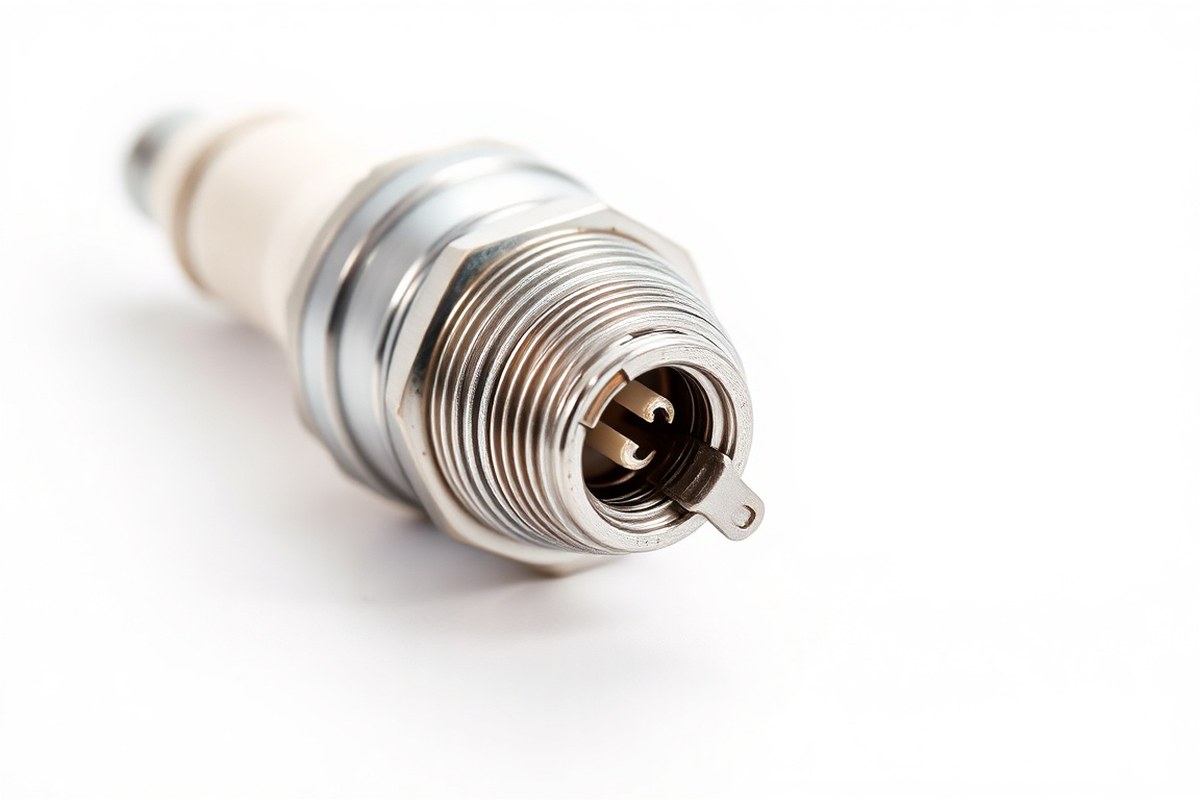
The spark plug gap is the small space between the center electrode and the ground electrode on a spark plug. This gap allows the electrical spark to jump across and ignite the air-fuel mixture inside the engine’s combustion chamber. Precise gap size is critical because it affects how well the spark ignites the fuel and how efficiently the engine runs.
The gap’s size influences the voltage needed to create a spark and the spark’s intensity. A properly set gap produces a strong spark that ignites fuel thoroughly, leading to smoother engine operation, better fuel economy, and reduced emissions. If the gap is too narrow, the spark might be weak and inconsistent, causing misfires and rough idling. A gap too wide demands more voltage, which can stress the ignition system and lead to weak or no sparks at all, reducing engine power and causing stalling.
Setting the right gap depends on your engine’s design and ignition system. Most manufacturers specify a gap between 0.028 and 0.060 inches. You can check the gap using a feeler gauge or a gap tool, and adjust it by gently bending the ground electrode. The process requires care to avoid damaging the electrodes, which can reduce plug life. Adjustments usually take only a few minutes per plug. Modern iridium or platinum plugs often come pre-gapped, but it’s still smart to verify the gap before installation.
Properly gapped spark plugs can improve throttle response and reduce hard starts. Conversely, incorrect gaps increase wear on ignition components and reduce engine performance. Environmental factors such as altitude and temperature also influence the ideal gap size. Engines operating at high altitudes might benefit from a slightly wider gap to ensure reliable combustion in thinner air. Checking the gap during routine maintenance, typically every 30,000 miles or with every plug change, helps maintain optimal engine performance and can prevent costly repairs down the road.
How to Measure the Gap on a Spark Plug
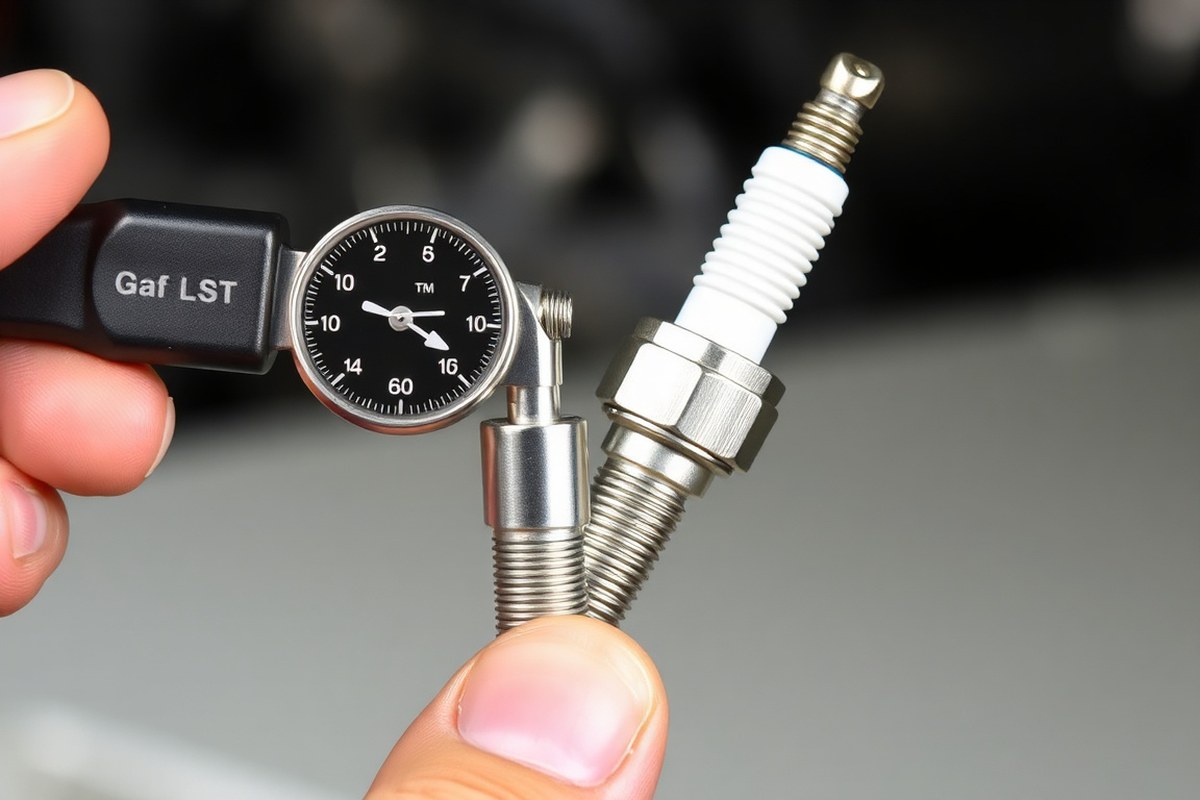
Measuring the gap on a spark plug requires the right tools and careful technique to get an accurate reading. You can use a feeler gauge or a specific spark plug gap tool to check the distance between the center and ground electrodes. Ensuring the gap matches your engine’s requirements improves ignition performance and fuel efficiency.
Tools Required for Gap Measurement
The most common tool for measuring spark plug gaps is a feeler gauge, a set of thin metal blades of various thicknesses. These blades slide between the electrodes to check the gap size precisely. Another option is a wire-type or coin-style spark plug gap tool that can both measure and adjust the gap but may be less precise than feeler gauges.
A feeler gauge set typically costs between $5 and $15 and is a worthwhile investment if you plan to adjust or check multiple spark plugs. Avoid using rulers or non-specialized tools, as these will not provide reliable measurements. Have a clean rag nearby to wipe the spark plug for a clear visual when measuring.
Step-by-Step Gap Checking Process
Follow these steps to measure the gap on a spark plug accurately. Take your time to avoid damaging the electrodes or misreading the gap size.
- Clean the spark plug: Wipe away any dirt or deposits on the electrodes using a clean rag or brush.
- Select the correct feeler gauge blade: Use the gauge thickness recommended for your engine, usually between 0.028 and 0.060 inches. Refer to your vehicle’s manual for the exact number.
- Insert the gauge blade: Gently slide the selected blade between the center and ground electrodes at the gap.
- Check the fit: The blade should slide through with a slight resistance, not too tight or too loose.
- Note the measurement: If the blade fits too easily, the gap is too wide; if it won’t slide in, the gap is too narrow.
- Adjust if necessary: Use a spark plug gap tool or gentle bending of the ground electrode to reach the correct gap size.
- Re-check the gap: Measure again with the feeler gauge to confirm the adjustment.
Handle the spark plug carefully to avoid bending electrodes excessively, they are fragile and may break if forced.
Common Measurement Errors to Avoid
Many errors occur due to poor lighting, dirty plugs, or using the wrong gauge size. Always clean the spark plug electrodes before measuring to ensure dirt or carbon deposits don’t affect the gauge fit. Use the exact thickness blade recommended for your vehicle rather than guessing or using a generic size.
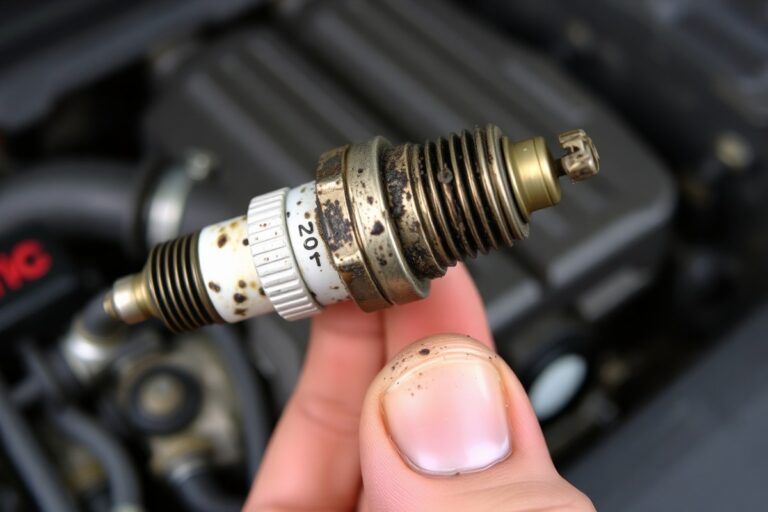
A common mistake is pressing the feeler gauge too hard between electrodes, which can widen the gap and provide a false reading. Insert the blade gently and avoid forcing it. Also, avoid measuring worn or damaged spark plugs, as gap size will not reflect proper performance and replacement is the best option in those cases.
How to Adjust the Spark Plug Gap Safely
Adjusting the spark plug gap requires a precise approach using the right tools to avoid damaging the plug. You can increase or decrease the gap with a spark plug gap tool by gently bending the ground electrode without touching the center electrode. Using proper techniques ensures the spark plug functions correctly and prevents engine misfires or premature wear.
Adjusting the Gap with a Gap Tool
A spark plug gap tool or feeler gauge is essential for measuring and adjusting the gap safely. Most gap tools have different sizes allowing you to check the current gap and then increase or decrease it according to your engine’s specifications. To adjust the gap:
- Identify the target gap size for your engine, usually between 0.028 and 0.060 inches, by consulting your vehicle’s manual.
- Measure the current gap using the gap tool set at the recommended size.
- To increase the gap, slide the tool between the electrodes and gently bend the ground electrode outward.
- To decrease the gap, carefully press the ground electrode inward using the tool’s flat end or a dedicated closer.
- Recheck the gap with the tool after each adjustment step to avoid over-bending.
- Repeat adjustments until the gap falls within the specified range.
Avoiding Damage to Electrodes
Applying too much force when adjusting the gap can damage the electrodes, causing irregular sparks or plug failure. The center electrode is delicate and should never be touched or bent during this process.
Using a gap tool specifically designed for spark plugs prevents applying uneven or excessive pressure. Avoid using pliers or screwdrivers, which can cause metal fatigue or break the electrode’s ceramic insulator. Always handle the plug carefully, especially new or platinum/iridium types, which have thinner and more brittle electrodes that are more susceptible to damage.
When to Stop Adjusting
Stop adjusting once the gap is within the manufacturer’s recommended tolerance, usually within ±0.002 inches of the target. Excessive adjusting beyond this range can weaken the electrode or cause it to snap. If the gap starts to feel too stiff, the electrode cracks, or the ceramic insulator chips, replace the spark plug instead of continuing to adjust.
After final adjustment, avoid touching the electrode to maintain the correct gap and clean surface for proper spark generation. Properly gapped plugs save fuel, improve engine performance, and reduce emissions.
Recommended Spark Plug Gap Sizes by Engine Type
Spark plug gap sizes vary depending on the engine type, vehicle model, and spark plug design. Using the correct gap ensures efficient combustion, better fuel efficiency, and reliable engine performance. Typically, most passenger vehicles use a gap between 0.028 and 0.060 inches, but high-performance or specialized engines may require different specifications.
To find the correct gap size for your vehicle, check the owner’s manual or the spark plug packaging, which often lists recommended gap values. Ignoring these recommendations can cause misfires, reduced power, and higher emissions. Different spark plug brands and types, such as copper, platinum, or iridium, might also call for slightly different gaps to match combustion chamber conditions.
| Engine/Vehicle Type | Recommended Spark Plug Gap (inches) | Notes |
|---|---|---|
| Standard Passenger Cars (Gasoline engines) | 0.030, 0.045 | Most common range for everyday vehicles |
| High-Performance Engines | 0.040, 0.060 | Larger gap for stronger spark, improves combustion |
| Diesel Engines (Glow plugs or special spark plugs) | N/A (does not use spark plugs) | Diesels rely on compression ignition, not spark |
| Older Classic Cars | 0.025, 0.035 | Smaller gaps to accommodate weaker ignition systems |
| Iridium or Platinum Spark Plugs | Manufacturer specified (often 0.040) | Designed for precise gap size, follow packaging |
Some vehicles use OEM spark plugs pre-gapped for their engine type, which reduces guesswork. Manual gap adjustment may be needed if you buy aftermarket plugs not pre-gapped. Use a spark plug gap tool to measure and adjust carefully to avoid damaging the plug’s electrodes. When adjusting, aim for the middle of the recommended range to balance spark strength and plug durability.
What Happens If the Spark Plug Gap Is Too Wide or Narrow
A spark plug gap that is too wide can cause misfires, weak sparks, and difficulty starting your engine. A spark must jump across the gap to ignite the fuel-air mixture in the combustion chamber. If the gap is too large, beyond the manufacturer’s specification, usually around 0.028 to 0.060 inches depending on the engine, the spark may not be strong enough to jump cleanly. This leads to incomplete combustion, rough idling, reduced power, and increased fuel consumption. Engines may also hesitate during acceleration and emit higher levels of unburned hydrocarbons, worsening emissions.
Conversely, a gap that is too narrow restricts the spark strength by producing a smaller and less energetic spark. A gap that is too small often results in the spark firing prematurely or inconsistently. This can cause poor combustion efficiency, dull performance, and fouled spark plugs due to carbon buildup. Narrow gaps typically lead to lower fuel efficiency because the engine cannot burn the fuel completely, and your vehicle might produce more carbon monoxide and other pollutants. The difference between optimal and incorrect gap size may seem minor, but even a few thousandths of an inch off can degrade performance noticeably.
An incorrect spark plug gap affects fuel efficiency by reducing combustion quality. When your engine’s spark plugs don’t fire with the proper intensity and timing, the fuel-air mixture doesn’t burn fully. You end up wasting fuel and increasing tailpipe emissions. This inefficiency can cut miles per gallon by a few percentage points, which adds up over time, especially if all plugs are improperly gapped. Modern engines with ignition control systems may compensate somewhat, but this won’t fully correct issues caused by a badly set gap.
Maintaining the correct spark plug gap involves checking and adjusting the spacing using a feeler gauge or a dedicated gap tool. Adjustments are usually small, bending the ground electrode gently to widen or narrow the gap. Always follow the vehicle manufacturer’s specs found in the owner’s manual or on under-hood labels. Replacement spark plugs typically come pre-gapped, but it’s wise to confirm before installation. Skipping this step can cost you more in fuel and repairs over time. Costs for an adjustment tool start under $10, making it a cheap and effective way to maintain engine performance.
Types of engines and ignition systems may have different ideal gap sizes. High-performance or turbocharged engines often require a slightly wider gap for stronger ignition, but too wide a gap on a standard engine would cause problems. Older vehicles with worn ignition components might need a narrower gap to prevent misfires.
Check your spark plug gaps regularly to avoid engine misfires and maintain fuel efficiency; a simple gap adjustment can prevent costly repairs later.
Common Mistakes and Myths About Spark Plug Gaps
Many people assume the factory-set gap on new spark plugs is always correct, but that is not the case. Manufacturing can vary, and the gap may not match your engine’s exact specification straight out of the box. Skipping adjustment could cause misfires or inefficient combustion, especially if your engine requires a nonstandard gap or runs on a specific fuel type.
Another common mistake is thinking all spark plugs have the same gap regardless of fuel type. Engines running on gasoline, E85, or LPG often require different gap widths to optimize ignition. Using the wrong gap can lead to rough starts, lower fuel economy, or increased emissions. Always check your vehicle’s manual for the recommended gap based on your fuel. Here are typical errors along with how to fix them:
- Using a feeler gauge with damaged or dirty blades, clean or replace the gauge for accurate measurement.
- Forcing the gap wider or narrower without proper tools, use a dedicated spark plug gapper to prevent electrode damage.
- Assuming new plugs are pre-gapped correctly, always measure before installation.
- Adjusting the gap on iridium or platinum-tipped plugs, minimize adjustments to avoid damaging the fragile electrodes.
- Ignoring environmental factors like altitude or fuel changes, consult a professional or reference updated specs in those cases.
Adjusting the gap takes just a few minutes per plug using a wire or coin-style gapping tool, usually costing under $15. Properly set gaps will produce a crisp, strong spark that helps maintain smooth idling and optimal engine performance. Signs of incorrect gap include hesitation on acceleration, difficulty starting, or increased fuel consumption, so don’t overlook this simple maintenance step.
How Ignition Systems Influence Spark Plug Gap Requirements
Ignition systems influence the ideal spark plug gap because different designs generate varying voltage levels and spark energy. Systems like coil-on-plug can support wider gaps compared to traditional distributor setups, allowing for better combustion efficiency. Modern ignition technology generally tolerates or even benefits from larger spark plug gaps due to its higher output voltage and control.
Distributor vs Coil-on-Plug Systems
Distributor ignition systems usually operate with a limited voltage output and rely on a single coil distributing current to multiple spark plugs, which makes them more sensitive to spark plug gap size. A narrower gap, often between 0.035 and 0.045 inches, ensures reliable spark and reduces misfires because a too-wide gap could require more voltage than the distributor can consistently supply.
Coil-on-plug (COP) systems, on the other hand, place an individual ignition coil directly on each spark plug. This placement allows the coil to send a higher voltage and stronger spark wave directly, which supports wider gaps, typically ranging from 0.040 to 0.060 inches or more. The direct coil-to-plug design reduces energy loss, allowing a larger spark gap that burns fuel more completely and improves efficiency.
Effect of Ignition Voltage on Gap
The ignition system’s voltage output directly controls how wide the spark plug gap can be. Traditional ignition coils found in older vehicles provide between 20,000 and 40,000 volts, whereas modern COP systems or transistorized ignition modules often produce voltages exceeding 45,000 volts. Higher voltage can overcome the electrical resistance of a wider air gap, producing a larger spark.
Wider gaps require more voltage to jump across the electrodes, but they create a bigger spark, improving ignition reliability and combustion quality. However, if your ignition system cannot supply adequate voltage, a gap that’s too wide causes a weak or no spark, leading to poor engine performance or misfiring. Adjusting the gap without considering voltage output risks reducing reliability and efficiency.
Gap Variation in High-Performance Ignition Setups
High-performance ignition systems, including aftermarket ignition coils and electronic ignition upgrades, often provide significantly higher voltage and more stable spark energy. These systems usually allow for spark plug gaps wider than factory recommendations, sometimes up to 0.060 or 0.070 inches, because the increased voltage can consistently jump the air gap.
Wider gaps in such setups can improve throttle response and fuel burn, especially under demanding conditions like racing or heavy towing. Adjusting the gap upward requires precise measurement with a feeler gauge and sometimes iterative testing to find the best balance between a strong spark and reliable ignition. Overly wide gaps can cause the coil to work harder and potentially wear out sooner, so changes should follow manufacturer advice or be done by a mechanic with experience in performance tuning.
When to Adjust Spark Plug Gaps or Seek Professional Help
Checking your spark plug gaps should be part of your regular vehicle maintenance, typically every 30,000 miles or during a routine tune-up. Signs that your spark plugs may need attention include rough idling, difficulty starting the engine, reduced fuel efficiency, or misfires. These symptoms could indicate that the gap is either too wide or too narrow, affecting the spark quality needed for smooth combustion.
Adjusting the gap yourself is possible if you have a feeler gauge and follow the recommended gap size for your engine. However, some modern vehicles use iridium or platinum spark plugs that should not be regapped, as their fine wire centers can be damaged. Also, if you notice excessive wear, corrosion, or carbon buildup, replacing the spark plugs rather than just adjusting the gap is advisable. In these cases, consulting a professional mechanic is the safer choice to avoid damage and ensure optimal engine performance. Here’s a quick decision checklist to help you know when to adjust spark plug gaps or seek professional help:
- Check gaps every 30,000 miles or with every tune-up
- Adjust gaps if out of specification and plugs are relatively new
- Replace plugs instead of adjusting if they show wear or damage
- Consult a mechanic for iridium/platinum plugs or if unsure about your tools and technique
- Seek professional diagnostics if engine symptoms persist after adjusting gaps
- Use manufacturer’s specifications for gap size accuracy and troubleshooting
Always use a proper feeler gauge when adjusting gaps to avoid damaging the electrode; avoid prying or bending aggressively.
Professional servicing costs vary but expect an average of $100 to $200 for spark plug replacement and inspection. Professionals can accurately set gaps, inspect the ignition system comprehensively, and recommend plug types suitable for your vehicle’s age and model. This approach helps maintain engine efficiency and prevents costly repairs down the line. Your mechanic can also check ignition timing and coil health, which influence how well the spark plugs perform.
Regularly checking and adjusting spark plug gaps on your own can save money and improve performance, but thorough evaluations or replacement are best left to experienced technicians, especially with newer vehicles or when symptoms indicate deeper ignition issues. Following this plan balances cost, safety, and engine health effectively.
Step-by-Step Action Plan for Checking and Adjusting Spark Plug Gaps
Follow these steps to ensure your spark plugs have the correct gap, improving your engine’s efficiency and reliability.
- Before you begin: Gather a spark plug gap tool and your vehicle’s recommended gap specifications from the owner’s manual or service guide.
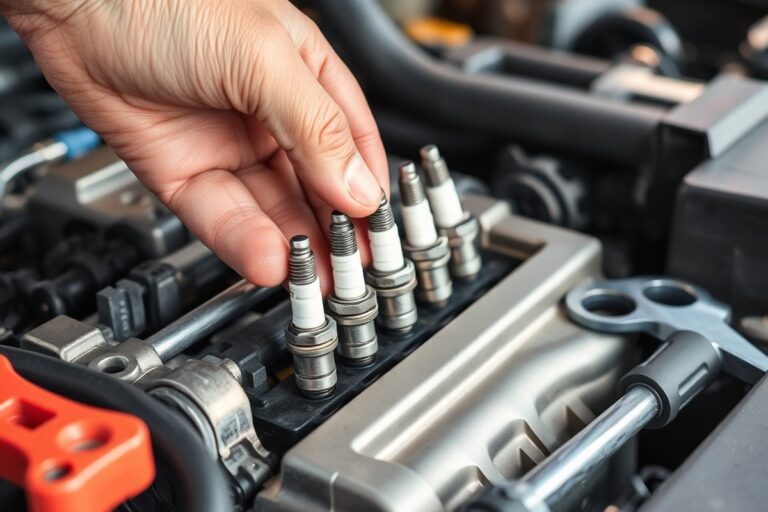
- Step 1: Remove one spark plug at a time to avoid mixing up the gaps. Use a socket wrench and handle plugs carefully to avoid damage.
- Step 2: Measure the existing gap using a feeler gauge or gap tool. Compare the measurement to the recommended size to determine if adjustment is needed.
- Step 3: If the gap is too wide, gently bend the ground electrode inward using the gap tool. When too narrow, carefully bend it outward. Re-measure after adjustment.
- Step 4: Reinstall the spark plug, tightening it to the manufacturer’s torque specification, which you can find in your service manual.
- Step 5: Repeat the process for each spark plug to ensure consistency across the engine.
- After the adjustment: Start the engine and listen for smooth idling and regular performance. Notice misfires or unusual noises? Double-check the gaps or consider professional inspection.
Frequently Asked Questions
Can Using the Wrong Spark Plug Gap Damage My Engine?
Yes, an incorrect gap can cause misfires and poor fuel efficiency, potentially leading to engine damage. Always use the gap specified in your vehicle’s manual to avoid costly repairs.
Is the Spark Plug Gap Adjustable on All Spark Plugs?
No, some spark plugs, especially iridium and platinum types, may not be designed for gap adjustment. Check the manufacturer’s guidelines before attempting to alter the gap.
How Often Should I Check the Spark Plug Gap on My Vehicle?
It’s best to check the gap every 30,000 miles or during routine maintenance to ensure optimal performance. This keeps your engine running smoothly and prevents ignition issues.
Can Cold Weather Affect the Ideal Spark Plug Gap?
Cold weather doesn’t change the ideal gap, but it can affect engine starting. A properly gapped spark plug helps ensure reliable ignition in cold conditions.
Will Aftermarket Spark Plugs Need a Different Gap Than OEM Plugs?
Aftermarket plugs may require the same or slightly different gaps based on design differences. Always verify the recommended gap for the specific aftermarket model.
Does Installing New Spark Plugs Require Regapping?
New spark plugs often come pre-gapped, but it’s wise to verify and adjust the gap to your engine’s specifications before installation.
Final Thoughts
The spark plug gap plays a key role in your engine’s performance and fuel efficiency. Keeping the gap within your engine’s recommended range avoids ignition problems and premature wear. Take time to check and adjust the gap carefully with the right tools. The next step is to set aside a suitable time this week to check your spark plugs and perform these actions. Doing so will help maintain your vehicle’s smooth running and avoid costly repairs down the line.