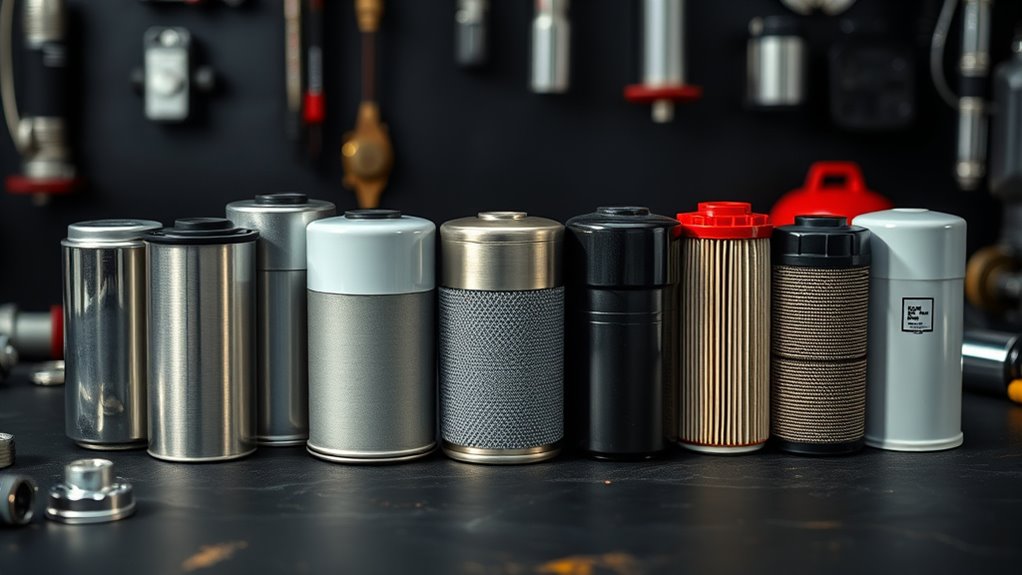
Top 10 Best Oil Filters for 2026
For your 2026 vehicle, choose oil filters that fit perfectly, with exact thread sizes and reliable anti-drainback valves to prevent dry starts.
Synthetic media filters offer superior particle capture and durability for longer oil changes, ideal for high-performance engines.
Budget-friendly options also provide solid protection for everyday use.
Trusted brands like Mobil 1 and Purolator ensure quality and authenticity.
If you want to safeguard your engine and extend its life, there’s more to explore about selecting the right filter.
Key Takeaways
- Choose oil filters with synthetic media for superior filtration, durability, and heat resistance suitable for extended drain intervals up to 20,000 miles.
- Verify filter compatibility by cross-referencing vehicle specs, thread size, anti-drainback valves, and manufacturer part numbers for exact fit and performance.
- Top brands like Mobil 1, Purolator, and AMSOIL offer high-efficiency filters that capture particles as small as 5 microns, protecting engine longevity.
- High-performance filters include silicone anti-drainback valves to prevent dry starts and ensure immediate lubrication during engine startup.
- Budget-friendly options such as MicroGard and Super Tech provide solid protection with cellulose media, ideal for daily driving and synthetic oil up to 5,000 miles.
Choosing the Best Oil Filter for Your 2026 Vehicle
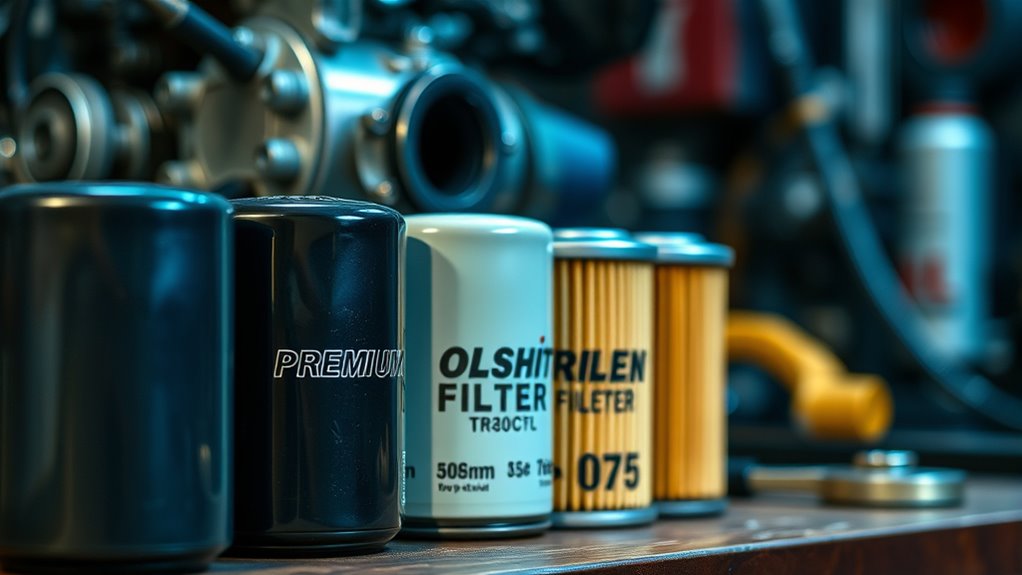
When choosing the best oil filter for your 2026 vehicle, you’ll want to start by confirming the engine’s thread size, diameter, and height as listed in your manual. Selecting oil filters that match these specifications guarantees a proper fit and essential engine protection.
Look for high-quality filters with synthetic media, as they capture particles as small as 5 microns. This is crucial for maintaining engine longevity. Trusted brands like PGI, Purolator, and MicroGard offer filters with proven reliability and features like anti-drainback valves, which help prevent oil starvation during startups.
Proper installation is key. Make sure the filter fits securely without over-tightening. Remember to replace your oil filter every 3,000 to 7,500 miles or as recommended by your manufacturer.
Also, avoid counterfeit products by buying from reputable sources and verifying packaging authenticity. Taking these steps will help keep your engine running smoothly and extend its life.
How to Ensure Oil Filter Size and Compatibility
To guarantee your oil filter fits perfectly, start by verifying the thread size, pitch, diameter, and height specified in your vehicle’s manual. Ensuring oil filter compatibility helps maintain engine performance and prevents leaks or damage. Follow these steps:
- Cross-reference your vehicle’s make, model, and engine type with trusted manufacturers’ part numbers to find compatible oil filters.
- Consult the owner’s manual or parts catalog for exact oil filter dimensions before purchase.
- Confirm the oil filter’s anti-drainback and bypass valves match your engine’s pressure and flow requirements to maintain proper function.
- Use online tools or manufacturer databases to double-check the oil filter’s size and specifications for your specific vehicle model.
Why Oil Filter Efficiency Matters for Engine Protection
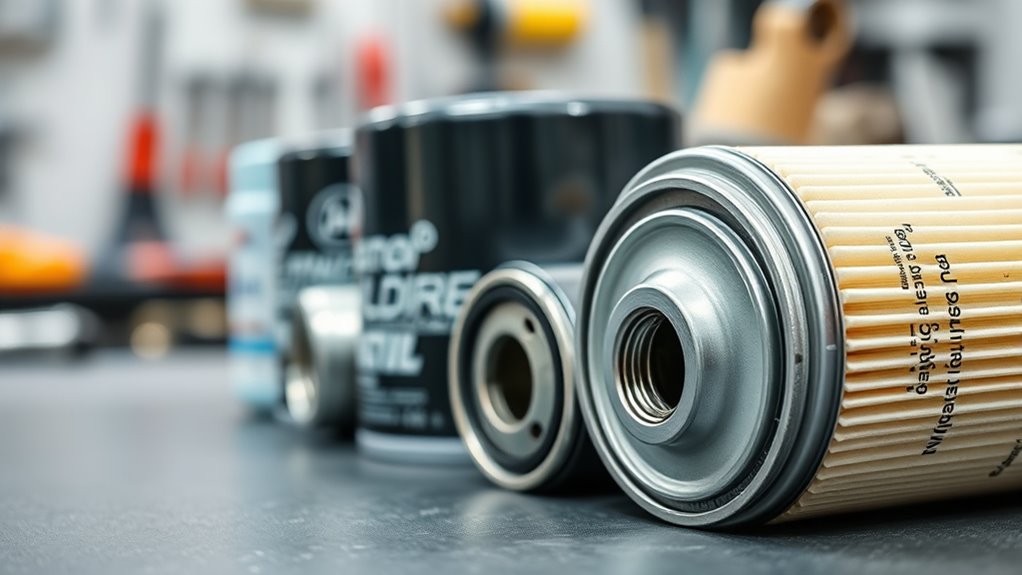
Selecting the right oil filter size and compatibility sets the stage for effective engine protection, but the filter’s efficiency plays an equally important role. When you choose high-efficiency oil filters, they capture tiny particles as small as 5 microns, preventing fine debris from causing engine wear.
Choosing the right oil filter size and efficiency is essential to protect your engine from harmful fine particles.
This level of filtration reduces sludge buildup and oil contamination, ensuring cleaner oil circulates through your engine. Superior filter media and solid construction directly protect engine components by trapping contaminants more effectively.
Filters with high micron ratings and anti-drainback valves also maintain consistent oil flow, reducing wear during startup. By regularly replacing high-quality oil filters, you sustain ideal filtration efficiency, which prolongs your engine’s life and keeps it performing at its best.
Prioritizing oil filter efficiency is key to long-term engine protection and reliability.
Comparing Oil Filter Media: Synthetic, Cellulose, and Blended
Although oil filter size and efficiency are essential, the type of filter media you choose plays a major role in protecting your engine. Understanding the differences between synthetic media, cellulose media, and blended options helps you make the best choice.
- Synthetic media offers superior filtration, capturing particles as small as 5 microns, with high heat resistance and longer life. It’s ideal for extended oil change intervals.
- Cellulose media is more affordable but filters larger particles and wears out faster under high temperatures, making it less durable.
- Blended media combines cellulose fibers with synthetic materials, striking a balance between cost and improved filtration performance.
- Choosing the right media impacts engine longevity. Synthetic and blended filters generally provide better protection and durability than pure cellulose media.
How Anti-Drainback Valves Protect Your Engine
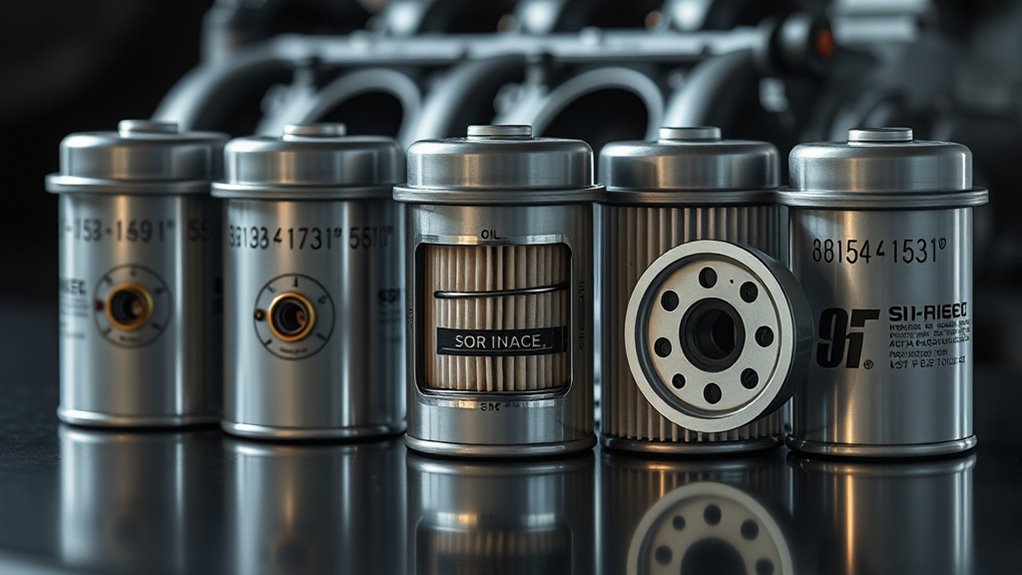
An anti-drainback valve plays a crucial role in protecting your engine by preventing oil from draining out of the filter when the engine is off. This means oil stays inside the filter, ensuring immediate lubrication the moment you start your engine.
Made from durable materials like silicone, anti-drainback valves maintain a tight seal that stops oil leaks and reduces wear during startup. By preserving oil pressure and flow, especially during cold starts, these valves help minimize dry starts that can stress your engine.
When the valve functions properly, it extends your engine’s lifespan by keeping essential parts lubricated consistently. However, if the anti-drainback valve is faulty or incompatible, you risk oil leaks that compromise engine protection.
Choosing Oil Filters for High-Performance and Turbo Engines
When you’re dealing with high-performance or turbocharged engines, you need oil filters that can handle extreme conditions without compromising protection. Synthetic filters are essential because they capture particles as small as 5 microns, ensuring your engine stays clean under higher pressures and temperatures.
To choose the right filter, focus on these key factors:
- Filtration Efficiency: Opt for synthetic media that traps tiny contaminants, safeguarding engine components.
- Anti-Drainback Valve: Look for durable silicone valves that prevent oil drainage during shutdowns, reducing wear at startup.
- Precise Fit: Ensure the filter matches your engine’s thread size and height for proper installation.
- Extended Service Intervals: Select filters designed to support oil change intervals of 15,000 to 20,000 miles, enhancing long-term reliability.
Top 5 Premium Synthetic Oil Filters for Extended Use
When you’re picking out premium synthetic oil filters, it’s important to focus on a few key things—like filtration efficiency, durability, and heat resistance. These factors help make sure your engine gets the best protection possible.
These filters are made with advanced materials that can trap even the tiniest particles. Plus, they’re built to handle high temperatures, so they last longer between changes.
Just remember to double-check that the filter you choose is compatible with your engine. That way, you’ll get the best performance and help your engine run smoothly for a long time.
Filtration Efficiency Comparison
Five top-tier synthetic oil filters stand out for their exceptional filtration efficiency, capturing particles as small as 5 microns thanks to advanced micro-glass media. When you choose these synthetic filters, you benefit from superior engine protection and extended-use capability.
Here’s what sets their filtration efficiency apart:
- Achieve up to 99.9% filtration efficiency at 20 microns, far surpassing standard cellulose filters.
- Maintain high filtration performance over 15,000 to 20,000 miles, ideal for extended oil change intervals.
- Utilize micro-glass media that traps finer contaminants, reducing engine wear.
- Outperform budget filters in both micron rating and contaminant holding capacity, ensuring cleaner oil for longer.
With these synthetic filters, you’re investing in reliable, efficient filtration that keeps your engine running smoother and cleaner.
Durability And Heat Resistance
Although engine conditions can push oil filters to their limits, premium synthetic options stand out by combining durability with exceptional heat resistance. Synthetic filters use micro-glass media that endure temperatures of 250°F or more without breaking down. This durability guarantees consistent filtration even after 15,000+ miles of use.
You’ll also appreciate their heat-resistant bypass and anti-drainback valves made from silicone or high-quality rubber, which maintain performance under extreme heat. Reinforced metal casings and advanced sealing gaskets prevent warping or leaks, protecting your engine during prolonged high-temperature exposure.
The high melting point of synthetic fibers helps these filters keep their structural integrity, so you get reliable filtration in demanding conditions. Choosing premium synthetic filters means you won’t have to worry about durability or heat resistance compromising your engine’s protection.
Compatibility With Engines
Premium synthetic oil filters don’t just excel in durability and heat resistance. They also guarantee seamless compatibility with your engine. To ascertain perfect engine compatibility, these top filters adhere strictly to precise filter specifications. Here’s what you should know:
- They match exact thread sizes, pitches, and dimensions for a secure fit across various engines.
- Advanced synthetic media efficiently captures particles down to 5 microns, protecting high-performance engines during extended drain intervals.
- Durable silicone anti-drainback valves prevent oil loss and assure immediate lubrication at startup.
- Compatibility is confirmed by cross-referencing manufacturer specifications with your vehicle manual, covering thread size, diameter, and filter height.
Brands like Mobil 1, Purolator, and AMSOIL design filters for gasoline, diesel, and hybrid engines, ensuring versatile and reliable engine compatibility.
Best Budget Oil Filters That Don’t Sacrifice Quality
When you’re looking to save money without compromising engine protection, budget oil filters like MicroGard and Super Tech deliver reliable performance. These budget oil filters typically cost between $2 and $8 but still offer essential features such as anti-drainback valves and solid construction to keep your engine safe.
Many use cellulose media, which captures basic debris effectively for everyday driving. Pairing these filters with full synthetic oil lets them reliably filter up to 5,000 miles, giving you a great balance of cost and quality. Just remember to replace them regularly, around every 3,000 to 5,000 miles, to maintain ideal performance and avoid engine wear.
Choosing budget oil filters doesn’t mean you have to settle for less. These affordable synthetic filters provide dependable protection without breaking the bank. They’re an excellent option if you want a cost-effective solution without sacrificing the quality your engine needs.
How to Spot Genuine Oil Filters and Avoid Counterfeits
Saving money on oil filters is great, but it’s equally important to make sure you’re getting the real deal. Counterfeit products can cause engine damage and cost you more in the long run. Here’s how to spot genuine oil filters and avoid fakes:
Saving money is smart, but always verify your oil filters to prevent costly engine damage from fakes.
- Inspect the packaging for high-quality printing, holograms, or security seals that verify authenticity.
- Cross-check the part number with official manufacturer catalogs or trusted retailer listings to ensure it matches genuine oil filters.
- Feel the filter’s build quality. Authentic ones use sturdy materials, while counterfeit products often feel lightweight or flimsy.
- Avoid deals that seem too good to be true. Suspiciously low prices often signal counterfeit or substandard filters.
Where to Buy Reliable Oil Filters for 2026 Models
Where can you find reliable oil filters for your 2026 vehicle? Start with authorized dealerships or trusted auto parts stores like NAPA, AutoZone, and O’Reilly Auto Parts. These retailers offer genuine oil filters from top brands, ensuring compatibility and quality.
You can also explore online options such as Amazon, RockAuto, and official manufacturer websites. There, verified customer reviews help you make informed choices. Always check for security features like holograms or seals to avoid counterfeits.
Here’s a quick guide to where you can buy reliable oil filters:
| Seller Type | Examples | Benefits |
|---|---|---|
| Authorized Dealers | Brand dealerships | Guaranteed authenticity |
| Auto Parts Retailers | NAPA, AutoZone, O’Reilly | Expert advice, in-store help |
| Online Platforms | Amazon, RockAuto, Manufacturer | Wide selection, customer reviews |
| Certified Brands | PGI, Purolator, MicroGard | Proven quality certifications |
Ensure your filter matches your vehicle’s specs before buying to keep your engine protected.
Frequently Asked Questions
How Often Should I Change My Oil Filter for Optimal Engine Health?
You should change your oil filter every time you change your oil, typically between 3,000 to 7,500 miles. However, if you use high-quality synthetic oil and a filter with excellent durability, you can extend this up to 10,000 miles.
Always consider your driving conditions. Severe environments mean more frequent changes. Regular replacements keep contaminants out and protect your engine’s health and performance, so don’t skip this vital maintenance step.
Can Using the Wrong Oil Filter Void My Vehicle’s Warranty?
Yes, using the wrong oil filter can void your vehicle’s warranty. Imagine facing costly repairs only to find out your warranty won’t cover them. That’s the risk.
Warranty implications are serious because manufacturers strictly follow their guidelines. If your filter doesn’t meet manufacturer guidelines, they can deny claims, blaming improper maintenance.
To protect yourself, always choose filters that match OEM specs and keep your proof of purchase handy.
What Are the Environmental Impacts of Disposing Used Oil Filters?
Disposing of used oil filters improperly can cause serious environmental harm, like soil and water pollution from leftover oil contaminants. You can prevent this by using recycling programs that drain and recycle filters safely, recovering valuable metals and reducing waste.
Are Oil Filter Change Intervals Different for Electric Vehicles?
When it comes to electric vehicles, oil filter change intervals are a whole different ballgame. Since you’re dealing with little to no engine oil, the filter lifespan is practically irrelevant for fully electric models.
You won’t have to worry about regular oil filter swaps like you do with traditional cars. However, if you drive a hybrid with an internal combustion engine, those filters still need attention on a schedule you can’t ignore.
How Does Oil Filter Maintenance Affect Fuel Efficiency?
You’ll notice better fuel efficiency when you keep up with oil filter maintenance because it guarantees oil purity by trapping contaminants effectively. When your filter’s lifespan extends without clogging, oil flows smoothly, reducing engine strain and improving combustion.
Neglecting this can cause debris buildup, increasing friction and fuel consumption. So, regularly replacing your oil filter helps maintain ideal oil purity and filter lifespan, directly boosting your vehicle’s fuel economy.
Conclusion
Choosing the best oil filter for your 2026 vehicle isn’t just about picking any filter off the shelf. You’ve got to evaluate size, compatibility, and efficiency to keep your engine running smooth.
Whether you go synthetic or budget-friendly, don’t overlook features like anti-drainback valves. Remember, just like a trusty pocket watch in the digital age, a quality oil filter is timeless, protecting your engine and ensuring it performs at its best, mile after mile.