What Is a Cargo Area Tonneau Cover? A Complete Guide to Benefits and Types
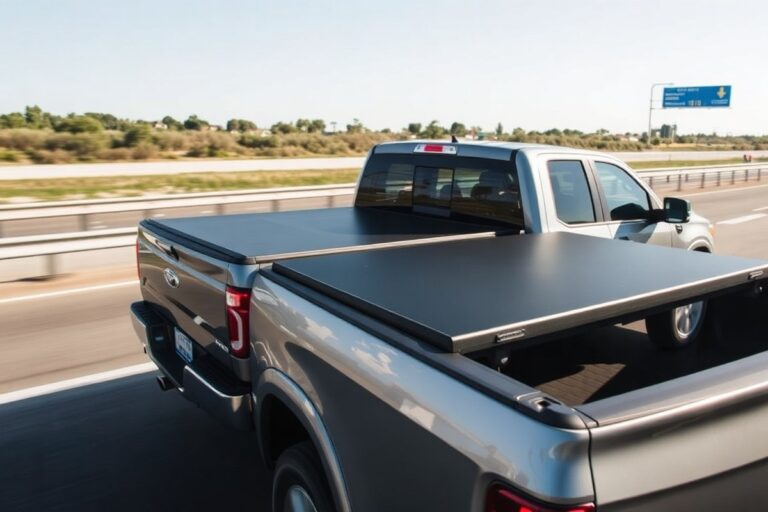
What is a cargo area tonneau cover? It’s a fitted lid that covers the open bed of your pickup truck, protecting your cargo from weather and theft. Sitting level with the bed rails, it shields your gear from above while maintaining easy access. Start by measuring your truck bed to find a cover that fits perfectly.
Key Takeaways
- Tonneau covers improve fuel efficiency by reducing aerodynamic drag, potentially saving 2, 10% on gas.
- Soft covers offer lighter weight and lower cost, but less security than hard covers.
- Retractable tonneau covers provide quick access without removing the entire cover.
- Hard tonneau covers add better weather protection but generally cost more and weigh more.
- Installing most tonneau covers takes under an hour and requires only basic tools.
- Choose a cover material and style that balances security needs with ease of cargo loading.
What Is a Cargo Area Tonneau Cover and How It Works
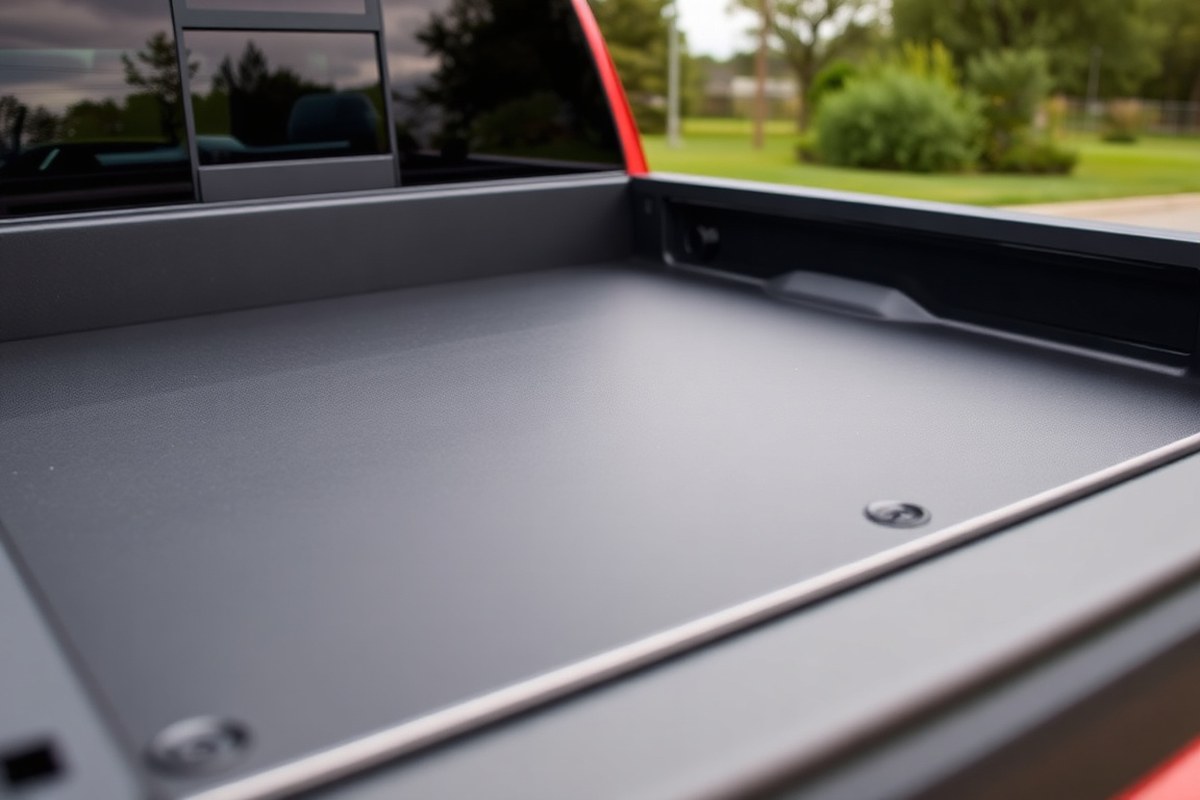
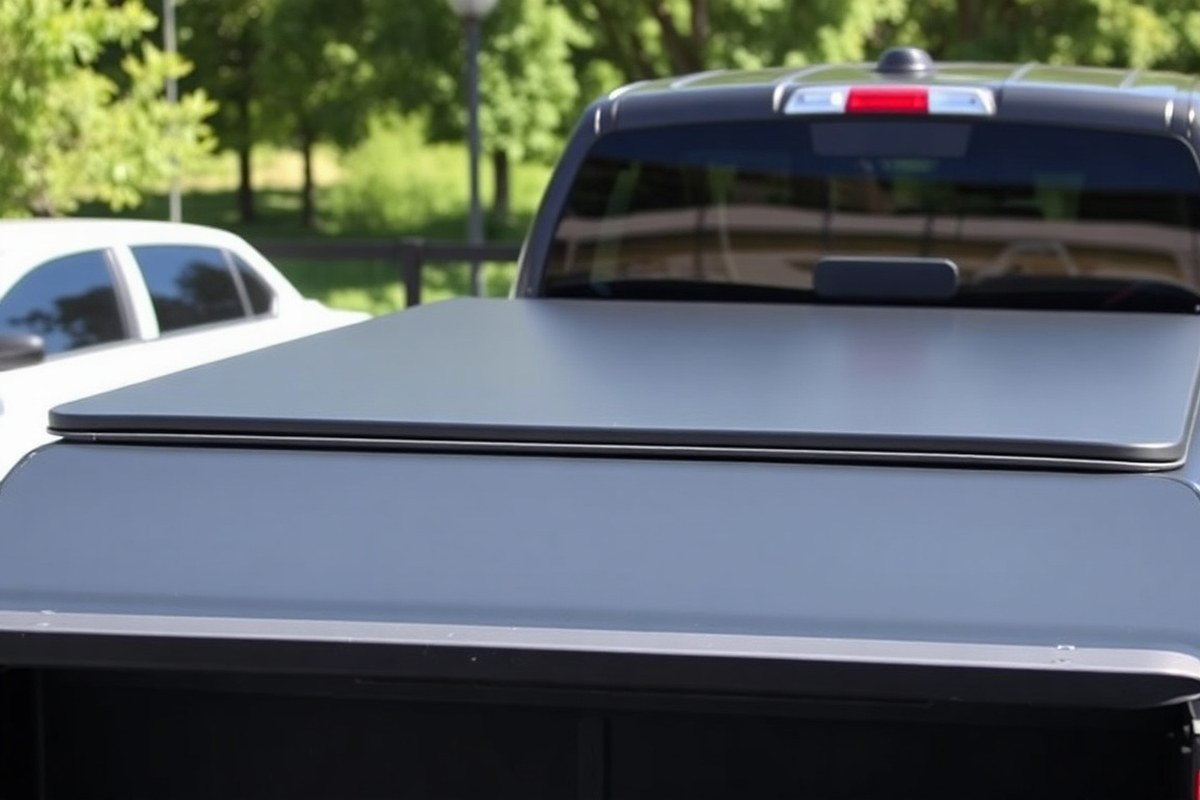
A cargo area tonneau cover is a fitted panel or lid designed to cover the open cargo bed of a pickup truck. It sits flush with the bed rails, providing a protective shield over your truck bed while allowing easy access to your cargo. The primary function of a tonneau cover is to protect items in the cargo area from rain, dust, sunlight, and unwanted attention, helping to keep your belongings secure and in better condition during transport or storage.
This cover typically comprises several key parts: the main panel or panels that span the truck bed, support rails or frame that attach the cover securely to the bed rails, and a latching or locking mechanism that holds the cover closed. Some tonneau covers come in hard or soft versions, with hard covers offering more rigid protection and soft covers typically made of vinyl or fabric for flexibility and ease of use. Many also feature designs that allow the cover to roll up, fold, or retract, increasing accessibility without the need to remove the cover entirely.
The cover protects your cargo by creating a barrier against weather elements and by limiting visibility. While it doesn’t fully seal the bed against moisture intrusion in extreme conditions, it significantly reduces exposure to rain and sun, which can damage or degrade cargo. It also deters theft by keeping items out of sight and harder to remove quickly. The way the cover mounts to the truck bed means it can handle typical road conditions without risk of flapping or damage, maintaining a streamlined, secure fit.
Installation usually involves securing clamps or brackets to the truck bed rails and fitting the cover’s frame or panels accordingly. This process varies depending on the type of tonneau cover, but many are designed for relatively quick installation without permanent modifications. Prices for these covers range broadly based on material and design, with roll-up soft covers generally on the lower end, often starting around $200, and hard covers costing several hundred dollars more.
The right cover can improve practical use of the truck bed by protecting cargo while still allowing quick access. Covers that retract or fold make it easy to reach specific items without fully uncovering the bed. However, these covers are meant for keeping cargo contained and protected rather than securing heavy loads mechanically. They are not a substitute for proper tie-downs or cargo restraints, especially for large or shifting loads. Proper installation and correct use of the latching mechanisms ensure the cover performs well and adds value to your pickup’s utility.
Types of Cargo Area Tonneau Covers and Materials Used

Tonneau covers come in several types with distinct materials, each suited for different security, durability, and convenience needs. The main types include soft covers like roll-ups, hard folding or hinged covers made from metals or fiberglass, and retractable covers combining durability and flexibility. Choosing the right type depends largely on your normal cargo, weather exposure, and how often you need quick access to your truck bed.
Soft Tonneau Covers
Soft covers typically use vinyl or reinforced fabric materials that are light and flexible. They roll up or fold easily, making them a cost-effective option for protecting against light weather and dust. These covers are good for occasional use and moderate protection but don’t provide strong security since the materials can be cut or torn.
Most soft roll-up covers you see are made from vinyl, which offers some water resistance but can fade or crack in harsh sun over a few years. Soft folding designs use similar materials but fold into panels, allowing partial access to the bed without exposing all the cargo. Installation is simple and usually requires no drilling or permanent modification.
Hard Folding and Hinged Covers
Hard tonneau covers use materials such as aluminum and fiberglass, which provide increased security and weather protection compared to soft versions. These covers are more resistant to impacts and support stacking cargo on top. Hard folding covers fold into sections, while hinged covers open like a car trunk, offering easy, secure access.
Due to their rigid construction, these covers tend to last longer and resist theft better. Aluminum models are lightweight and rust-resistant, whereas fiberglass covers offer more customization with paint and finish but can be heavier. Most hard covers require drilling or clamps for installation, which adds permanence and stability.
Retractable Tonneau Covers
Retractable covers combine hard materials, often linked panels made of aluminum or metal alloys, into a system that slides open and closed along rails. These covers provide strong weather protection and security but offer greater flexibility than one-piece hard covers. Retractable models are ideal if you need quick partial or full access to the bed without removing the cover.
They typically cost more than soft covers but less than rigid fiberglass lids. Retractable covers resist snow and rain better than roll-ups, and their interlocking panels protect cargo from theft better than fabric options. Besides security, the ability to open in sections helps with loading odd-shaped cargo without removing the whole cover. Below is a comparison of the main tonneau cover types, their typical materials, advantages, and limitations.
| Type | Material | Advantages | Limitations | Typical Use |
|---|---|---|---|---|
| Soft Roll-Up / Folding | Vinyl, Cloth, Reinforced Fabric | Lightweight, Inexpensive, Easy to Install | Less Secure, Can Tear, Limited Weather Protection | Light to moderate cargo, occasional use |
| Hard Folding / Hinged | Aluminum, Fiberglass | Strong Security, Durable, Weather-Resistant, Support Cargo Stacking | Heavier, More Expensive, Installation May Require Drilling | Frequent use, heavy-duty cargo, theft prevention |
| Retractable | Interlocking Aluminum or Metal Panels | Secure, Weather-Resistant, Flexible Access | Higher Cost, Complex Mechanism | Varying cargo sizes, quick partial access |
Choosing the right cover means balancing budget, security, weather conditions, and how you use your truck bed. For heavy-duty daily hauling in harsh weather, hard folding or retractable covers offer the best protection. Soft covers work well for lighter loads or occasional transport where ease and cost are priorities.
Check that the cover fits your truck bed length exactly and matches any factory mounts or features for proper installation and sealing against weather.
Security and Weather Protection Offered by Tonneau Covers
Tonneau covers offer a significant level of security for your truck bed, helping to protect your cargo from theft while also shielding it from weather elements. Most tonneau covers come with locking mechanisms that secure the cover to the truck bed rails, making it difficult for thieves to gain quick access to the contents. Some models, especially hard or retractable covers, feature integrated locks that engage with the tailgate latch or provide keyed locking systems, adding an extra layer of protection. Soft covers secured with Velcro or snaps generally offer less theft resistance but still serve as a deterrent against opportunistic thieves.
These covers protect cargo from rain, snow, sun, dust, and road debris by creating a barrier over the truck bed. Hard tonneau covers, often made from aluminum or fiberglass, provide a semi-rigid shield that resists water penetration and can hold up to accumulated snow. Soft covers are typically made from weather-resistant vinyl or fabric treated to repel water, but may allow small amounts of moisture through during heavy or wind-driven rain. No tonneau cover can guarantee complete waterproofing under all conditions because wind can drive rain underneath the edges. Proper installation and ensuring tight seals along the cover edges help minimize leaks and protect against dust and debris getting in.
By choosing a durable material designed for your climate, you can ensure better weather protection. For example, if you live in an area with heavy rain or snow, a hard folding or retractable cover offers superior water resistance and durability when compared to basic roll-up or snap-on models. Sun protection matters as well, covers made with UV-resistant materials help prevent cargo from fading or heat damage, and also protect the truck bed’s surface from sun exposure that can cause rust and fading over time.
Costs vary depending on the material and security features. Hard covers with integrated locks typically cost between $700 and $1,200, whereas soft covers often range from $200 to $600. The investment pays off by reducing the risk of theft and cargo damage from weather. Proper care and regular inspections of seals and fasteners keep your cover functioning effectively. Avoid leaving valuable items visible in your truck bed even with a cover, as the best covers significantly slow theft but do not guarantee complete security. Overall, a tonneau cover balances securing your cargo and protecting it from weather while allowing some level of accessibility depending on the design.
Installation Process and Time Required for Cargo Tonneau Covers
Installing a cargo area tonneau cover is generally straightforward and can take anywhere from 30 minutes to 2 hours depending on the cover type and your experience. Soft roll-up and folding covers often require less time and no special tools, while hard and retractable covers may need clamps, rails, and more precise alignment. Basic mechanical skills and careful attention to the instructions help ensure a secure, damage-free fit.
Pre-Installation Preparation
Preparing the truck bed before installing the tonneau cover helps prevent damage and creates a solid base for the cover’s mounts or clamps. Clean the bed rails thoroughly to remove dirt, grime, and debris that could interfere with clamps or cause scratching during installation. Reading the specific instructions from the manufacturer gives a step-by-step guide suited to your cover model and truck make and model.
Gather the tools recommended, commonly a screwdriver, wrench, or Allen keys are needed. Plan a clear workspace and have extra hands if the cover is bulky or heavy. Avoid rushing as careful preparation reduces the risk of mistakes.
Mounting or Clamping the Cover
Most tonneau covers attach to the truck bed using side rails, clamps, hinges, or tracks. Installation methods differ by type:
- Position the side rails along the truck bed rails, aligning with the front and rear edges specified by the instructions.
- Secure the rails using the provided clamps. Typically, clamps slide under the bed rail lip and tighten with a wrench or screwdriver without drilling, protecting the truck.
- Attach the cover itself by folding or rolling it over the mounted rails; for retractable covers, slide the cover into the tracks system installed on the rails.
- Install any hinges or locking mechanisms that enable opening and secure closing, ensuring attachment points are firm but not overtightened to avoid damaging parts.
Use manufacturer tips, like starting clamp tightening from the center and working outward to ensure even pressure and alignment. Different cover materials might require different clamp positions or tension levels.
Final Adjustments and Testing
Once fully mounted, check the tonneau cover’s fit and operation. Open and close the cover multiple times to verify smooth movement and proper sealing against water or dust intrusion. Adjust clamps if any shifting or gaps appear during operation.
Test locking mechanisms to confirm they engage securely and release properly. Verify that no parts rub excessively on the bed rails, which could cause scratching over time. At this stage, ensure the cover lies evenly across the bed without sagging or bowing to maintain adequate cargo protection.
Final adjustments may include repositioning clamps slightly or adding weatherstripping if recommended. Good results mean a secure, well-aligned cover that improves your truck’s function and appearance without making permanent modifications to the vehicle.
How Tonneau Covers Affect Accessibility and Cargo Management
Different tonneau cover styles significantly affect how easily you can load and unload cargo from your truck bed. Roll-up covers offer quick access by allowing you to pull the cover back in sections, exposing the cargo area without fully removing the cover. This makes it easy to reach items near the cab or tailgate quickly. Folding covers, which fold back in panels, provide similar quick access but may require slightly more effort to fold and secure compared to roll-ups.
Hard covers like tri-fold or one-piece designs generally require more time and space to open fully. Tri-fold hard covers can fold near the cab to open part of the bed but might limit bed organization if the folded panels take up space. One-piece hard covers usually hinge at the cab end and open vertically or tilt up. These give full bed access without removing the cover but need enough clearance above the truck, such as in a garage or low ceiling, to operate without hassle.
Soft vinyl covers, often with snaps or zippers, can be completely removed for full bed access but that takes extra time compared to folding or rolling types. Some rigid retractable covers slide open on rails, providing full bed access quickly but tend to cost more and may add weight that affects fuel efficiency.
- Roll-up covers: Quick sectional top access, no removal needed
- Folding covers: Fold panels back for partial access, may restrict bed space slightly
- Tri-fold hard covers: Fold near cab, quick partial access, can limit cargo organization
- One-piece hard covers: Lift fully open, full bed access without removal, needs overhead clearance
- Soft snap-on covers: Can be removed fully but slower access
- Retractable covers: Slide open fully on rails, fast but higher cost and weight
Consider how often you load bulky cargo versus small items to choose a cover style that matches your daily access needs.
Choosing a cover that restricts access or bed organization will likely lead to frustration and slower loading times, especially if you frequently haul gear of varying sizes. Using a roll-up or folding cover generally suits people who need frequent quick access. Hard one-piece covers work better for those prioritizing security but may slow down loading. In tight parking spaces or garages, full-opening hard covers could hit the ceiling and be impractical. Matching your cover choice with how and where you use your truck makes managing cargo easier and protects your investment without causing unnecessary hassle.
Impact on Fuel Economy and Other Practical Benefits
Using a cargo area tonneau cover can improve your pickup truck’s fuel economy by reducing aerodynamic drag. Studies suggest that covering the truck bed can improve fuel efficiency by anywhere from 2% up to around 10%, depending on factors like your driving speed, the shape of your truck, and weather conditions. The Department of Energy explains that aerodynamic accessories affect fuel economy variably, with faster speeds generally showing more noticeable benefits. For example, keeping your truck bed covered when highway driving can reduce wind resistance, helping the engine work less and saving gas over time.
Besides improving mileage, tonneau covers offer several practical advantages. They protect your cargo from rain, snow, and sun damage, which can be important for tools, gear, or materials sensitive to weather. Covers, especially hinged models, create a tight seal that also deters theft by concealing your belongings and making access more difficult. Many hinged covers can support light loads on top, like a toolbox or camping gear, providing added utility. These covers also help keep your cargo stable by minimizing movement caused by wind, improving safety during transport.
Keep in mind that some types of tonneau covers trade off convenience for these benefits. Hinged covers provide better seals and support, but unloading large or bulky items becomes less straightforward since the entire cover must be lifted. Roll-up or folding covers offer easier bed access but might not seal as tightly or bear weight on top. Installation typically takes under an hour and costs between $200 and $1,000 depending on the style and materials, which is a practical investment for many truck owners who want to improve fuel efficiency and cargo protection.
Downsides to using tonneau covers include the occasional difficulty hauling oversized items that won’t fit under the cover and possible wear or damage from heavy cargo if the cover isn’t designed to handle extra load. Some covers also require regular maintenance, like cleaning and lubrication of hinges or rails, to keep them functioning smoothly. When matching a cover to your needs, consider what you transport most frequently and balance aerodynamics, accessibility, and security accordingly.
Common Mistakes When Choosing or Using a Tonneau Cover
Choosing the wrong type of tonneau cover or using it improperly can lead to poor performance, faster wear, and added costs. One frequent buying mistake is picking a cover without checking its compatibility with your truck model or bed size. Covers that don’t fit well can cause gaps, allowing water, dust, and debris to enter the cargo area, negating the purpose of the cover.
Another common error is overlooking the warranty details. A good warranty protects your investment against manufacturing defects and premature wear. Failing to consider warranty length and coverage could leave you with costly repairs or replacements. Typically, warranty periods range from 1 year up to a lifetime, depending on the brand and material.
Improper use also damages covers more quickly. For example, leaving the cover open or partially closed during harsh weather conditions lets moisture accumulate, which can lead to mildew or mold. Using sharp objects or dragging heavy items across the cover surface will cause scratches or tears, especially on soft materials like vinyl or fabric. Another misuse is storing the cover rolled or folded incorrectly, which might create permanent creases or cracks in the material.
- Not measuring your truck bed accurately before purchase, always measure length, width, and any bed accessories first.
- Ignoring material suitability; for instance, vinyl covers are less durable in extreme heat over 100°F and may crack.
- Failing to clean and lubricate locking mechanisms and seals at least twice a year to prevent rust and stiff operation.
- Using harsh chemicals or pressure washers over 1200 PSI, which can damage or strip protective coatings.
- Leaving the cover rolled up for extended periods without support can deform panels on hard covers.
- Neglecting to secure the cover properly before driving, risking damage from wind uplift or sudden stops.
- Not following installation instructions precisely, which can cause leaks or uneven tension that stress the cover.
For maintenance, gently wash the cover with mild soap and water every month or as needed to remove dirt and road salt, which helps prolong its life. After washing, apply a UV protectant spray recommended by the manufacturer to keep colors vibrant and materials flexible, especially in sunny climates. Inspect seals and fasteners regularly, tightening or replacing parts as needed to prevent water intrusion and theft.
Spending around 1 to 2 hours on installation, either by yourself or a professional, ensures the cover fits tightly and functions well. Cost-wise, investing in a slightly more expensive model with a longer warranty and stronger material often pays off by lasting longer and reducing maintenance issues. A well-chosen and well-maintained tonneau cover can protect your cargo and keep your truck looking sharp for years.
Selecting the Right Tonneau Cover for Your Vehicle and Needs
Choosing the right cargo area tonneau cover means matching your truck’s needs, security expectations, and budget. Knowing your typical use, vehicle type, and accessory setup helps narrow down the best material and style. Prioritizing these details ensures you get a cover that both fits your truck and supports how you haul, protect, and access your cargo.
Match Cover Type to Vehicle Use
Assess how you primarily use your truck or SUV. For work purposes involving heavy or bulky items, a hard folding or retractable cover typically offers better durability and security. Recreational users who prioritize quick access and weather protection might prefer soft roll-up covers due to their light weight and easy operation. General hauling needs can be served well by snap-on or tri-fold covers, which strike a balance between protection and convenience.
The type of cover also depends on your vehicle body style. Pickup trucks usually accept all cover types, while SUVs often benefit from custom-fit soft or hard tonneau covers designed for enclosed cargo areas. Consider if you haul irregularly shaped gear, which might require a cover that easily folds or rolls away to maximize space.
Accounting for Compatibility with Accessories
Check if your truck has additional equipment like racks, bed liners, or toolboxes before selecting a tonneau cover. Many covers are compatible with Magnum truck racks, but others may need specific mounting brackets or clearance. Bed liners can affect how the cover seals against the bed, so review manufacturer recommendations to avoid water leaks or damage.
Adding toolboxes or racks often limits which cover styles fit best; hard covers with rigid frames can accommodate mounted accessories better than soft covers that rely on tension. Also, consider your local wash habits. Some tonneau covers are sensitive to high-pressure carwashes, which may force water underneath or damage seals, especially on soft covers.
Always measure your bed and check accessory compatibility before finalizing a tonneau cover purchase to avoid costly returns or fit issues.
Balancing Cost, Security, and Convenience
Decide your budget while weighing how much security and weather protection you want. Soft covers typically cost between $200 and $500, providing basic rain and dust protection but lower theft resistance. Hard covers start around $500 and can exceed $1500 for retractable options, offering stronger security and better durability but at a higher upfront cost.
Consider the lifespan and maintenance too. Hard covers often last longer and resist UV and impact damage, while soft covers might need replacement or repair after a few years. Convenience factors include how easily the cover opens and closes, and if it requires any locking mechanism or tool to operate, as this impacts daily use.
Step-by-Step Action Plan for Choosing and Using Your Cargo Area Tonneau Cover
Follow these steps to pick and install the right cargo area tonneau cover that fits your pickup truck and meets your needs.
- Before you buy: Measure your truck bed accurately to know the exact size needed. Confirm measurements by checking manufacturer specifications or user manual to ensure a perfect fit.
- Day 1: Research types and materials based on your priorities like security, weather resistance, and ease of use. Read reviews and compare features to narrow your options.
- Day 2: Decide on your budget and pick a tonneau cover type that balances quality and cost. Confirm it matches your truck model and intended cargo use.
- Day 3: Order your tonneau cover online or visit a local retailer. Check shipping or availability times so you know when it will arrive.
- Day 4 or delivery day: Inspect the cover for any damage or missing parts when it arrives. Use the included instructions to prepare for installation.
- Installation day: Follow the manufacturer’s installation guide step-by-step. Test your cover’s fit and locking system to ensure proper security and weather protection.
- After 1 week: Use the cover with your typical cargo loads to check accessibility and handling. Adjust positioning or secure fit if needed based on how easy it is to open and close.
- Monthly: Clean and inspect your tonneau cover regularly to maintain appearance and function. Check seals and locks for wear to keep it protecting your cargo effectively.
Frequently Asked Questions
What Is a Cargo Area Tonneau Cover?
A cargo area tonneau cover is a fitted lid that covers the open bed of a pickup truck. It protects your cargo from rain, dust, and unwanted attention while keeping the bed clean and organized.
What’s the Point of a Cargo Cover?
The main purpose of a cargo cover is to protect your truck bed and cargo from weather and theft. It also helps improve aerodynamics and fuel efficiency by reducing wind drag on the open bed.
What’s the Difference Between a Bed Cover and a Tonneau Cover?
A tonneau cover specifically refers to a cover that sits flush with the truck bed rails, protecting only the top of the cargo area. A bed cover can mean any type of truck bed enclosure, including full camper shells that fully enclose the bed.
Is It Safe to Go Through a Carwash with a Tonneau Cover?
Yes, most hard and soft tonneau covers are safe for automatic carwash systems if properly secured. Double-check your cover’s installation instructions to avoid damage from brushes or water pressure.
What Are the Different Types of Tonneau Covers?
Common tonneau cover types include roll-up, retractable, and hard covers made from materials like vinyl, fiberglass, or aluminum. Each type offers varied protection, security, and access options for your cargo.
Do Tonneau Covers Affect the Height of My Truck Bed?
Tonneau covers sit level with the truck bed rails and don’t increase bed height, unlike camper shells that add vertical storage space.
The Bottom Line
A cargo area tonneau cover offers a practical way to protect your truck bed haul from weather and theft, while helping with organization and fuel economy. Choose the right cover by matching it to your truck size, cargo type, and security needs to get the most from it. Start by measuring your truck bed and researching the styles that fit your daily use, then install carefully to make the cover part of your routine protection and convenience.