Top 6 Best Spark Plugs for 2026
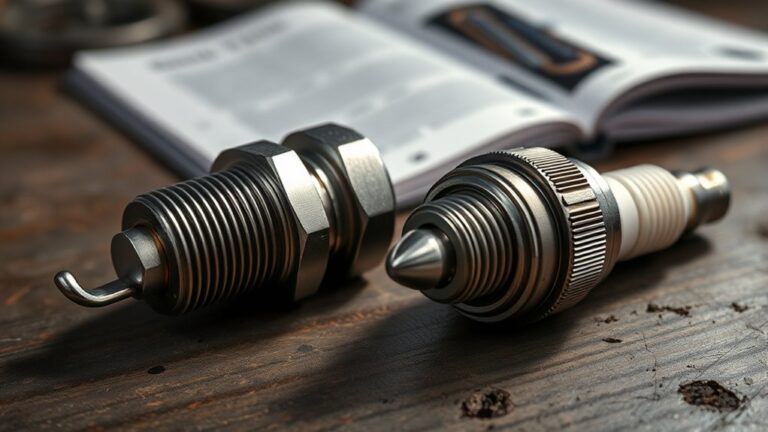
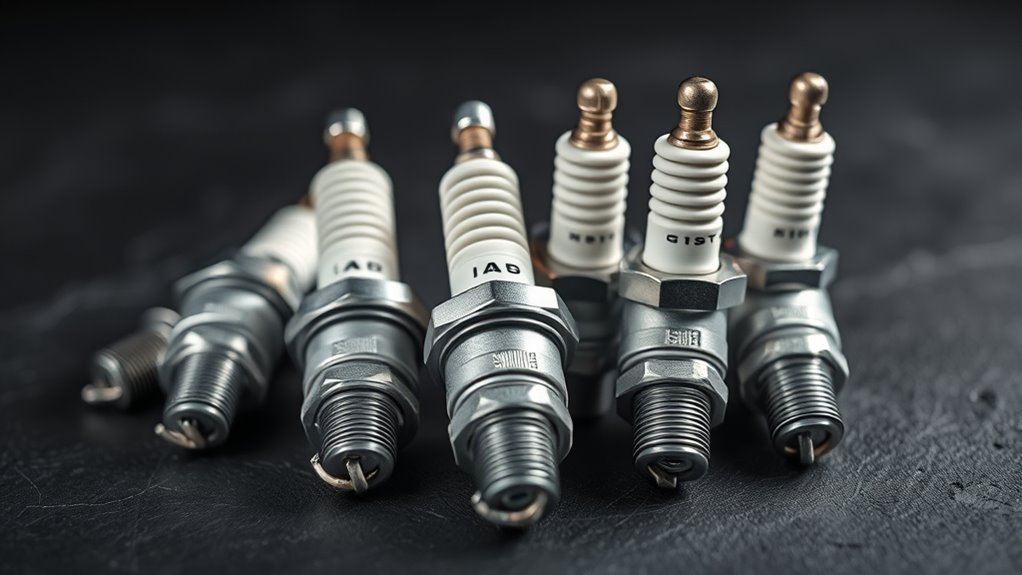
For 2026, choosing spark plugs with iridium, platinum, or ruthenium materials guarantees durability and peak performance beyond 100,000 miles. These plugs offer quick ignition, better fuel efficiency, and reduced misfires.
They often come pre-gapped for easy installation.
Look for options designed for your engine’s heat range to avoid fouling or knocking. Properly installed spark plugs keep your engine running smoothly and efficiently.
Keep exploring to discover which models top the list and how to install them correctly.
Key Takeaways
- Top 2026 spark plugs use iridium, platinum, and ruthenium for enhanced durability and performance beyond 100,000 miles.
- Advanced spark plugs feature fine electrodes to reduce misfires and improve fuel economy.
- Many top models come pre-gapped for easy installation and consistent ignition.
- High-quality plugs ensure quicker, reliable combustion for optimal engine efficiency.
- Choosing plugs with proper heat range prevents fouling, knocking, and supports high-performance engines.
How to Choose the Right Spark Plug for Your Engine
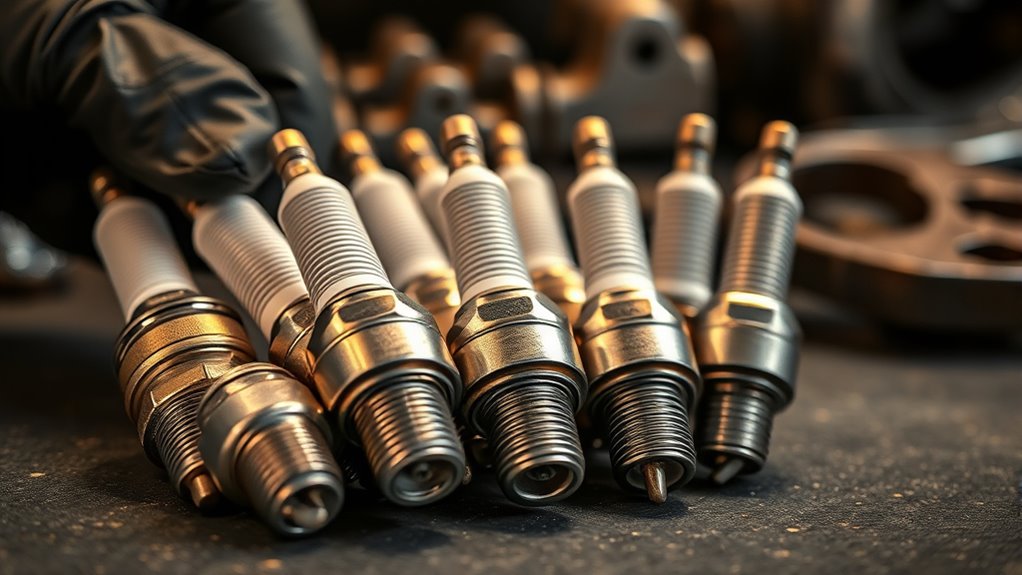
How do you select the right spark plug for your engine? Start by following the manufacturer recommendations in your vehicle’s owner’s manual. This guarantees the spark plug selection matches your engine compatibility, including the correct thread size, pitch, and electrode design for a proper fit.
Begin by consulting your vehicle’s owner’s manual to ensure spark plug compatibility and proper fit.
Next, consider the heat range. Select colder plugs for high-performance or turbocharged engines to prevent pre-ignition, while warmer plugs suit standard driving conditions. Your ignition system also plays a role; it needs spark plugs that can handle its voltage and firing pattern efficiently.
Focus on durability by choosing materials like iridium or platinum, which resist wear and fouling, improving longevity. Don’t overlook fuel efficiency. Using the recommended spark plug helps optimize combustion, reducing fuel consumption.
Finally, factor in your driving style, whether city commuting or towing, to pick a spark plug capable of handling those stresses. This approach ensures reliable performance and extends engine life.
Key Spark Plug Features That Affect Performance and Efficiency
When you pick a spark plug, the material—like iridium or platinum—really makes a difference in how long it lasts and how consistently it fires. It’s something worth paying attention to.
You’ll also want to think about the heat range. This controls how well the plug handles the heat from combustion and helps prevent problems like fouling or pre-ignition.
All these features directly impact your engine’s performance and fuel efficiency, so choosing the right spark plug is pretty important.
Material Types Impact
Three common materials—copper, platinum, and iridium—play essential roles in how spark plugs perform and last. Copper spark plugs offer excellent thermal conductivity, boosting performance, but their lifespan is shorter, around 20,000 miles, due to higher electrode erosion.
Platinum plugs feature a durable platinum disc on the center electrode, extending lifespan up to 100,000 miles while maintaining consistent performance. Iridium, one of the noble metals, has thinner electrodes, providing superior durability and fuel efficiency, often lasting beyond 100,000 miles.
Moreover, oxidation-resistant materials like ruthenium excel in high-pressure turbo engines, enhancing both performance and longevity. Choosing spark plugs made from these advanced materials reduces electrode erosion and pre-ignition risks, ensuring your engine runs efficiently and reliably over time.
Heat Range Importance
Because the heat range of a spark plug controls how quickly it sheds heat from the combustion chamber, choosing the right one directly impacts your engine’s performance and lifespan. Matching the spark plug temperature to your engine’s needs guarantees ideal combustion efficiency and prevents issues like fouling or pre-ignition.
This thermal management is especially vital for high-performance engines, where precise heat dissipation maintains engine longevity.
Consider these points when selecting the right heat range:
- Avoid plugs that run too hot to prevent pre-ignition and knocking
- Choose colder plugs for high-performance or turbocharged engines
- Ensure proper heat dissipation to reduce fouling and carbon buildup
- Match heat range to your engine’s operating temperature for best combustion efficiency
- Balance durability and performance according to driving conditions and engine design
Top 6 Spark Plugs for 2026: Features & Benefits
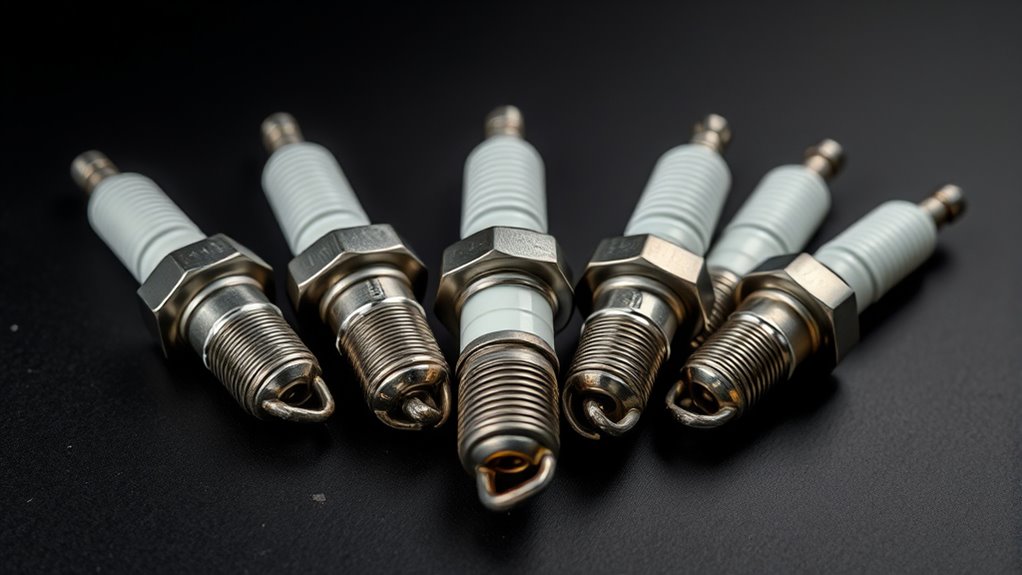
Six top spark plugs for 2026 stand out by combining advanced materials like iridium, platinum, and ruthenium to boost your engine’s performance and durability. These spark plugs, including NGK Iridium IX and Bosch Double Iridium, enhance ignition efficiency, ensuring quicker and more reliable combustion.
This improvement directly translates to better engine performance and smoother throttle response, especially in high-performance engines. With superior wear resistance, these plugs maintain peak function well beyond 100,000 miles, promoting engine longevity.
Many come pre-gapped for easy installation, saving you time while guaranteeing consistent spark delivery. Iridium plugs, in particular, are prized for their fine electrodes and durability, which help reduce misfires and improve fuel economy.
Which Spark Plugs Offer the Best Fuel Efficiency?
The spark plugs that deliver peak performance often excel in fuel efficiency as well. Choosing the best spark plugs can notably enhance your engine’s responsiveness and fuel economy by ensuring complete combustion with every ignition.
Iridium plugs, like the NGK Iridium IX and Denso Iridium Power, are top choices because their high-quality electrodes provide sharp, consistent sparks that maximize spark plug performance and reduce emissions. Proper gapping also plays a vital role in improving fuel efficiency by optimizing ignition precision.
Here’s what you should look for in spark plugs for better fuel efficiency:
- Iridium plugs for durable, efficient sparks
- Low-firing-voltage plugs to minimize energy loss
- High-quality electrodes for reliable spark performance
- Properly gapped plugs for precise ignition
- Advanced materials like Ruthenium HX for oxidation resistance
Spark Plug Installation Tips for Longer Life
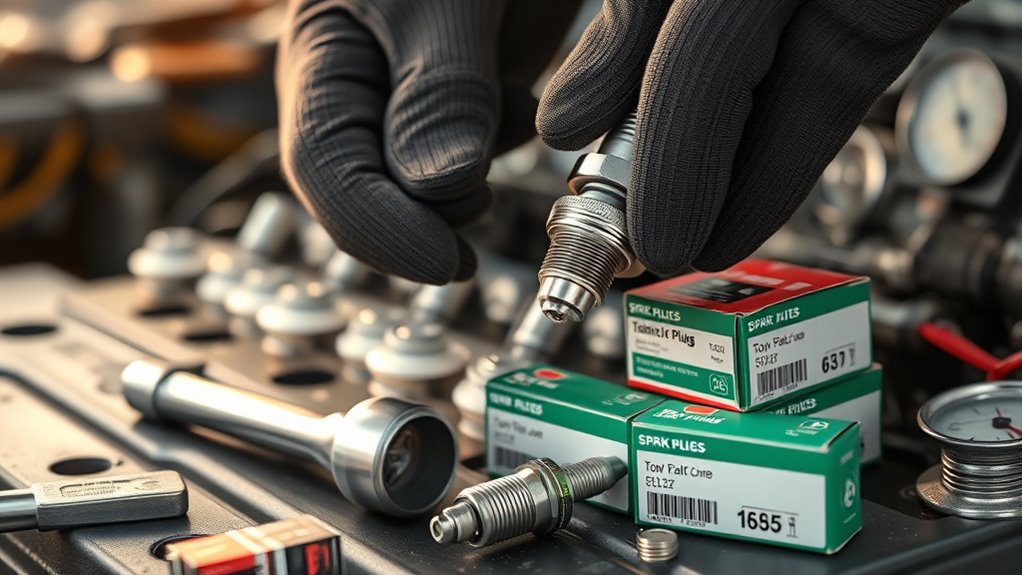
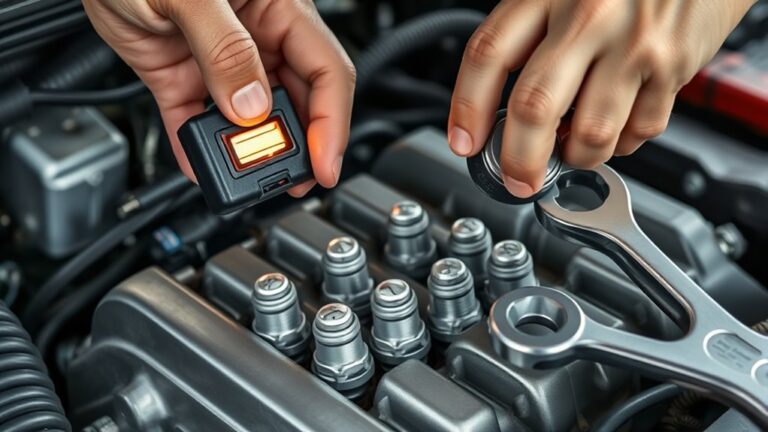
When installing spark plugs, paying attention to proper techniques can considerably extend their lifespan and maintain engine performance. Start by checking the correct spark plug gap using a feeler gauge, adjusting it to your vehicle’s manufacturer recommendations.
During spark plug installation, screw the plugs in by hand first to avoid cross-threading, which can damage the threads and cause poor sealing. Then, use a torque wrench to apply proper tightening, adhering to the specified torque, usually between 13 to 25 ft-lb, to prevent over-tightening or loosening.
Applying a small amount of dielectric grease inside the spark plug boot and on the threads helps improve insulation and reduces moisture buildup. Regular wear inspection is essential; always follow the replacement intervals suggested by the manufacturer, often between 30,000 and 100,000 miles.
When and How to Replace Spark Plugs
You should replace your spark plugs every 30,000 to 100,000 miles, depending on your vehicle and the type of plugs you have. Keep an eye out for signs like rough idling or poor fuel economy—these can be clues that it’s time for a change.
When you’re ready to swap them out, make sure to follow the proper steps to safely remove and install the plugs. Don’t forget to gap and torque them correctly to keep everything running smoothly.
Replacement Timeframes
How often should you replace your spark plugs to keep your engine running smoothly? Following replacement intervals based on your vehicle’s maintenance schedule is key. Most spark plugs last between 30,000 to 50,000 miles, but platinum or iridium models can last up to 100,000 miles. Ignoring wear and fouling can lead to performance degradation and ignition system issues.
Keep these mileage guidelines in mind for preventative maintenance:
- Replace spark plugs every 30,000 to 50,000 miles for standard types
- Expect up to 100,000 miles for platinum or iridium plugs
- Check sooner if you notice engine misfires or rough idling
- Consider earlier replacement (20,000 to 30,000 miles) for heavy use
- Always follow the scheduled replacement recommended by your manufacturer
Sticking to these guarantees peak engine performance and helps you avoid costly repairs.
Step-By-Step Procedure
Although spark plug replacement intervals vary, knowing the proper procedure guarantees a smooth, safe process. Start by making sure the engine is cool to avoid burns.
Remove old spark plugs using a spark plug socket and torque wrench. Follow the manufacturer’s torque specs for proper installation.
Before installing new plugs, check and adjust the spark plug gap to your vehicle’s specifications. Correct timing and gap are crucial for maximum engine performance and vehicle efficiency.
Inspect the ignition coils and wires during this process to prevent misfires.
Regular spark plug replacement is important engine maintenance and a key part of preventative care. Following these steps guarantees your engine runs efficiently, maintaining power and fuel economy while extending your vehicle’s lifespan.
Frequently Asked Questions
Can Spark Plugs Affect My Car’s Emissions?
Yes, spark plugs can affect your car’s emissions. When spark plug oxidation or electrode wear happens, ignition efficiency drops, causing engine misfire and carbon fouling.
This reduces spark consistency and combustion stability, which increases fuel consumption and harmful emissions. Using plugs with good thermal conductivity helps extend plug lifespan and maintains the best ignition, lowering emissions.
Regularly checking and replacing spark plugs keeps your engine running clean and efficient.
Are Spark Plugs Compatible With Electric Hybrid Engines?
You might think spark plugs and electric hybrid engines just can’t get along, but they actually work together like a well-oiled machine! Electric compatibility isn’t about batteries or charging systems. It’s about hybrid efficiency in the combustion part of your powertrain control.
Spark plugs help with power management, hybrid diagnostics, and energy recovery through regenerative braking. So, while battery integration runs electric, spark plugs keep hybrid sensors and combustion firing perfectly tuned.
How Do Spark Plugs Perform in Extreme Weather Conditions?
Spark plugs perform well in extreme weather if you choose ones with strong material durability and corrosion resistance. Their electrode design and thermal conductivity help maintain proper ignition timing, which improves fuel efficiency and engine performance.
In cold start conditions, a correctly gapped spark plug guarantees reliable ignition. Just be sure to follow installation tips carefully to avoid misfires.
Proper spark gap and durable materials keep your engine running smoothly, whether in freezing cold or scorching heat.
Do Spark Plugs Require Special Cleaning Methods?
You don’t usually need special cleaning methods for spark plugs if you inspect them regularly using proper inspection methods. When cleaning techniques are necessary, use gentle cleaning tools like wire brushes and avoid harsh cleaning solutions to prevent damage.
Follow removal procedures carefully to avoid harming the electrode. Maintenance tips include monitoring replacement intervals to guarantee performance improvement and corrosion prevention.
What Warranty Coverage Is Typical for Premium Spark Plugs?
When it comes to warranty coverage, premium brand warranties often go the extra mile to protect you. You’ll find manufacturer guarantees with warranty durations ranging from 1 to 3 years or up to 100,000 miles. These product warranties usually cover defect coverage but exclude damage from misuse or improper installation.
To make the most of replacement policies and warranty claims, don’t forget warranty registration and carefully review coverage exclusions before buying.
Conclusion
Choosing the right spark plug can mean the difference between a smooth, fuel-efficient ride and a sluggish, costly engine. While the best spark plugs for 2026 offer cutting-edge performance and durability, ignoring proper installation and timely replacement can quickly undo those benefits.
By pairing top-quality plugs with careful maintenance, you’ll enjoy a powerful engine that runs clean and efficient. This turns every drive from frustrating to flawless. Don’t settle for less when your car deserves the best.