How to Turn Off Service Park Brake Jeep Cherokee: Complete Guide with Fixes & Safety Tips
How to turn off service park brake Jeep Cherokee depends on identifying the cause of the warning light first. Usually, you reset the system by fixing issues like low brake fluid or a faulty sensor, then the warning clears automatically. Start by checking the brake fluid level and any related fault codes with an OBD-II scanner to pinpoint the problem.
Key Takeaways
- Use an OBD-II scanner to find fault codes that trigger the service park brake warning.
- Check your Jeep Cherokee’s brake fluid level regularly to prevent warning alerts.
- Manually release a stuck electronic parking brake following the model-specific procedure in your owner’s manual.
- Perform a battery reset or power cycle when the warning light stays on despite no clear issue.
- Inspect parking brake fuses and switches for damage or failure as a possible cause of the warning.
- Disable Auto Park Brake before towing to avoid unwanted electric park brake engagement.
How to Turn Off the Service Park Brake Warning on Jeep Cherokee
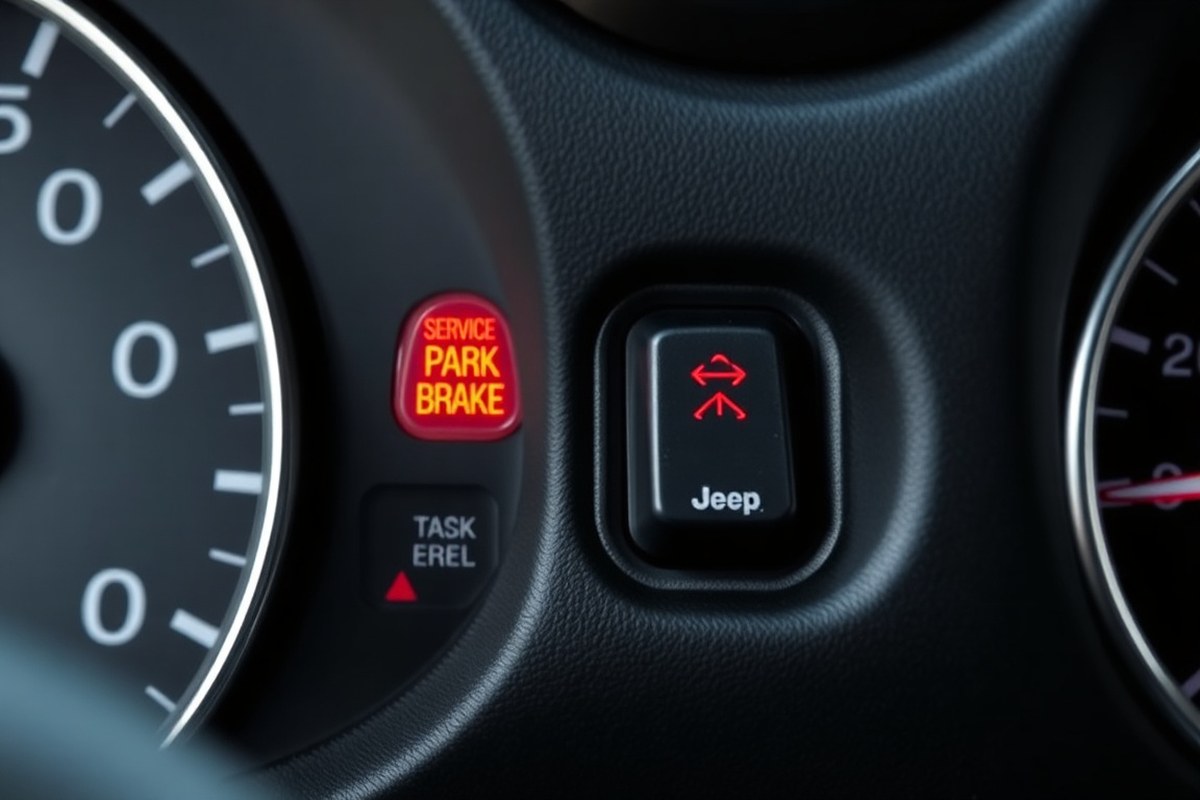
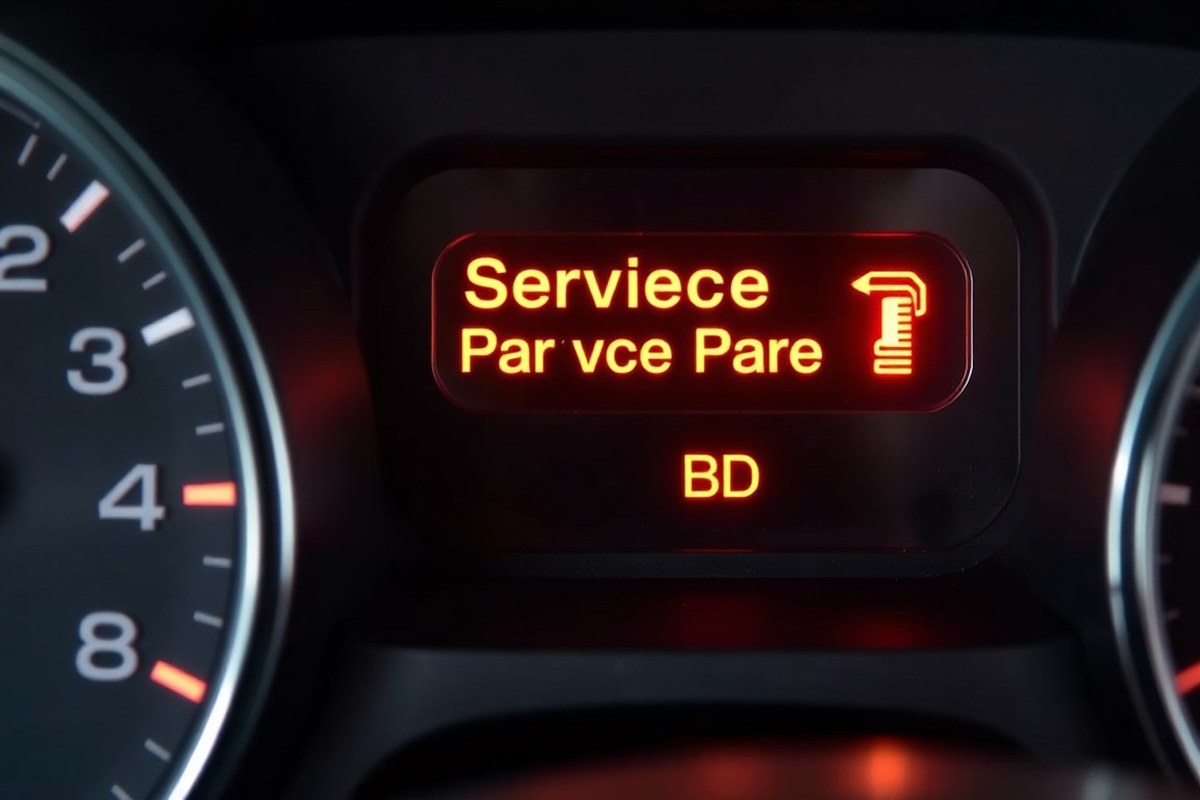
The “Service Park Brake” message on your Jeep Cherokee signals a problem with the electronic parking brake system. Acting promptly on this alert ensures the parking brake works correctly and contributes to safe driving. To reset or dismiss the warning, you must carefully inspect, release, and reset the system through dashboard controls. These steps often resolve minor glitches or temporary issues without visiting a mechanic.
Start by making sure the parking brake is fully released. Your Jeep Cherokee requires pressing the brake pedal firmly while operating the parking brake switch to release it. The warning light won’t turn off if the parking brake is still applied or stuck in place. Once the brake is released, you can reset the system using the vehicle’s onboard menu. This process refreshes the electronics and may clear the warning if the cause was a fleeting error or low voltage issue. Persistent warnings after these steps mean the system needs professional diagnostics.
- Press and hold the brake pedal firmly to ensure the system recognizes your intent to release the parking brake.
- Pull up or push down the electronic parking brake switch on the center console to disengage the brake. You should feel a slight movement or hear the brake mechanism release.
- Check the dashboard for the “Service Park Brake” warning light. A warning that stays on or blinks signals the need to proceed with the next troubleshooting step.
- Use your Jeep’s steering wheel controls to navigate to the vehicle settings menu on the dashboard display screen.
- Find the parking brake reset or electronic parking brake option within the settings menu. Select it to initiate a system reset.
- Wait for the system to refresh, which usually takes about 10-15 seconds, allowing the onboard computer to clear minor faults.
- Turn the ignition off and then back on to complete the reset. Confirm if the service park brake warning light has turned off.
- When the warning continues, use an OBD-II scanner to identify specific fault codes. Clear any stored codes related to the parking brake system to see if this resolves the alert.
This reset procedure usually costs nothing beyond your time and can solve issues related to low battery voltage, minor electronic glitches, or temporary sensor faults. Your Cherokee’s system should respond with the parking brake warning turning off promptly. Avoid driving with the warning on, as the brake may not disengage fully or could signal a more serious fault. Persistent warnings, especially accompanied by braking performance problems, call for professional brake service rather than repeated resetting attempts.
Understanding the Jeep Cherokee Electronic Parking Brake System
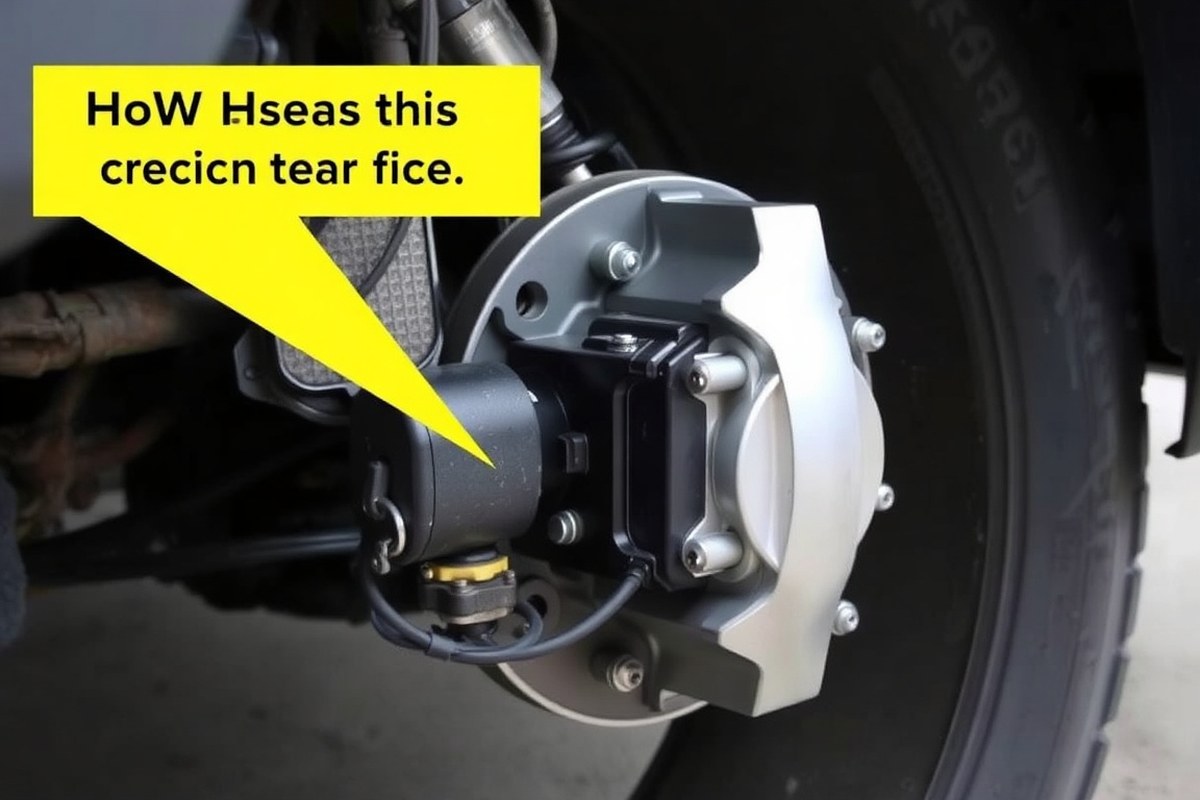
The electronic parking brake (EPB) system in the Jeep Cherokee replaces the traditional manual handbrake lever with an electrically controlled mechanism. When you activate the parking brake, either by pressing a button or the brake pedal in some models, the system uses motors to clamp the brake pads against the rear rotors, securing the vehicle in place. This system improves convenience and safety, especially on steep inclines or uneven surfaces.
There are two common types of parking brakes on the Cherokee: the manual parking brake and the auto park brake. The manual version requires you to pull a lever or push a pedal to engage it, physically applying the brake shoes. The auto park brake, by contrast, is fully electronic and can engage itself automatically when the vehicle is put into Park or when you switch off the engine. The auto system also releases the brake when you start driving, eliminating the chance of forgetting to release it manually.
Several components work together in the Jeep Cherokee’s electronic parking brake system. The key parts include an electronic control unit (ECU) that manages commands from the driver and sensors, a motorized actuator mounted on the rear brake calipers to apply the brakes, and switches or buttons inside the cabin for user input. Wiring harnesses and connectors provide power and communication between these parts. It’s essential that all connections remain clean and secure, as corrosion or loose wiring can trigger warning alerts.
Warning alerts like the “Service Park Brake” message appear when the system detects malfunctions in these components. For example, if the sensors report a failure to the control unit or the actuator doesn’t respond as expected, the system will alert you to prevent unsafe conditions like unexpected vehicle rolling. Extreme weather can also affect the system’s sensors and electronic parts, causing false warnings sometimes. The system’s diagnostics allow for recalibration and minor error clearing, but persistent alerts often signal that maintenance or inspection is needed.
Always verify electrical connections are free of corrosion and firmly seated before diagnosing electronic parking brake faults, since this simple step can prevent many service warnings.
Common Causes of Service Park Brake Warning Light and How to Identify Them
The service park brake warning light on a Jeep Cherokee signals a potential issue with the parking brake system. It typically activates to warn you about mechanical wear, electrical glitches, or environmental factors that might compromise safe operation of the parking brake.
Mechanical causes often include worn brake pads or damaged brake cables. Over time, brake pads wear down and can no longer engage the system properly, triggering the warning. Similarly, a broken or stretched cable may prevent the parking brake from releasing or applying fully.
Electrical issues can result from system faults such as a malfunctioning electric park brake switch, blown fuses, or wiring problems. The electronic system relies on the proper function of these components to communicate status. A glitch in the controller or a loose connection can cause false warnings.
Environmental conditions play a role, too. For example, extreme cold temperatures around or below 32°F (0°C) can freeze mechanical parts or moisture in the system, causing the brake to stick or the sensor readings to become erratic. Road salt and debris may accelerate wear or corrode electrical terminals.
Checking related fuses and switches is a practical step. Most Jeep Cherokees use dedicated fuses for the parking brake system and safety features like SafeHold. Inspecting these fuses helps pinpoint if electrical supply issues are causing the warning light.
| Cause | What It Is | How to Check | Typical Cost or Effort | Signs of Corrective Action |
|---|---|---|---|---|
| Worn Brake Pads | Pads lose thickness, unable to hold vehicle steady | Visual inspection of pads through wheel openings; measure thickness | $50-$150 per axle for replacement; 30-60 minutes | Warning light clears after replacement; brake holds securely |
| Damaged Brake Cable | Frayed or stretched cable reduces tension or release ability | Physically test cable tension; look for visible damage | $100-$200; about 1 hour labor | Brake applies and releases smoothly; warning light off |
| Faulty Electric Park Brake Switch | Switch sending incorrect signals to control module | Use an OBD-II scanner for error codes; test switch response | $150-$300 parts and labor | System recognizes switch input; warning light no longer appears |
| Blown Fuse | Supply cut to parking brake system | Locate fuse box; check fuse labeled for parking brake or SafeHold | Less than $10 for fuse; under 10 minutes | Fuse intact; warning light clears after replacement |
| Extreme Cold | Frozen cables or sensor inaccuracies | Visuals for ice build-up; test brake operation when warmed | No cost; allow warming time or garage parking | Brake operates normally once system thaws; light off |
Identifying the root cause requires a methodical approach. Start with a physical inspection of brake components, looking for wear or damage. Then test electrical elements including fuses and the electronic park brake switch with an OBD-II scanner if available. Consider recent weather, especially cold snaps that might affect moving parts or electrical sensors.
Correct diagnosis helps avoid unnecessary parts replacement and ensures you maintain a fully functional parking brake system, essential for vehicle safety while parked or during emergency stops. Ignoring the warning may lead to brake failure or damage to more expensive components like the electronic control module.
Safety Procedures Before Troubleshooting or Turning Off the Parking Brake
Before attempting to release or reset the parking brake on your Jeep Cherokee, set up critical safety measures to protect yourself and prevent the vehicle from rolling unexpectedly. The parking brake helps keep the vehicle stationary, especially on slopes, so releasing it without proper precautions could allow the Jeep to move. This risk is higher if the transmission is in neutral or the engine is off.
Start by switching the ignition to the ON setting without starting the engine. This activates the electronic components but leaves the vehicle stationary, so you can use controls without engaging the drivetrain. Press and hold the primary brake pedal firmly to prevent the wheels from rolling in case the parking brake slips.
Always confirm the transmission is in PARK before releasing the parking brake. This locks the driveline and prevents the Jeep from rolling. When you park on a slope, put wheel chocks or heavy stones behind the wheels to help prevent the vehicle from rolling away. Here is a quick checklist of essential safety steps before you work on the parking brake system:
- Turn ignition to ON without starting the engine
- Keep your foot pressed firmly on the main brake pedal
- Ensure the gear shift is in PARK position
- Apply wheel chocks if parked on any slope or uneven surface
- Identify the location of the parking brake button near the gear shifter
- Remove any loose items from around your feet to avoid interference
- Review your owner’s manual for any model-specific warnings or steps
Taking these precautions is especially important because the Jeep Cherokee’s electronic parking brake can engage automatically if the system detects an unsecured vehicle condition. This feature prevents rollaways but means you need to be prepared when releasing the brake yourself.
Following these safety steps improves the chances of a smooth, controlled parking brake release without the risk of the Jeep moving unexpectedly. It requires only a few minutes and no special tools. Ignoring these precautions could lead to accidents or damage if the vehicle rolls free. Your owner’s manual will provide additional detail unique to your model year and trim.
How to Manually Release a Stuck Electronic Parking Brake on Jeep Cherokee
Yes, you can manually release a stuck electronic parking brake on a Jeep Cherokee, but it requires caution and the right approach. This process involves locating the manual release point, using specific tools, and following a precise set of steps to avoid damaging the brake system.
Locating the Manual Release Point
The manual release for the electronic parking brake on a Jeep Cherokee is typically found near the brake calipers or under the vehicle, depending on the model year. Older models might have a physical lever or screw mechanism accessible through the wheel or under the car. Newer models usually require accessing a hidden release point behind the electronic switch assembly or through a designated cover in the center console or near the brake switch. Finding this point is essential because the electronic system can fail due to low battery voltage or a stuck brake caliper, preventing the normal toggle switch from disengaging the brake.
Tools Required for Manual Release
You will need a few basic tools to manually free the parking brake. The primary tools are a screwdriver or a small wrench, depending on the release mechanism, and a multimeter to check the battery voltage if you suspect a power issue. These tools are common and cost between $10 and $25 each if you don’t already own them. Wearing gloves and eye protection is recommended for safety during this process.
Step-by-Step Manual Release Process
Before starting, ensure the vehicle is securely supported with wheel chocks and on a flat surface. Press the brake pedal firmly to prevent the Jeep Cherokee from rolling as you release the parking brake. Follow these steps carefully:
- Check the vehicle’s battery voltage with a multimeter to confirm it is above 12 volts; low voltage can prevent the brake release.
- Locate the manual release mechanism based on your Jeep Cherokee model, consult the owner’s manual if necessary.
- Remove any covers or panels blocking access to the release point using a screwdriver or wrench.
- Press and hold the brake pedal to keep the front brakes engaged.
- Manually turn the release screw or lever designed to disengage the brake caliper; this might require turning it several full rotations until the brake feels free.
- Toggle the electronic parking brake switch to the off position while still holding the brake pedal.
- Test the parking brake by gently moving the Jeep Cherokee to ensure it rolls freely.
- Replace all covers and panels after confirming the brake is released.
Warning: Forcing the release mechanism or ignoring abnormal noises such as grinding could cause serious damage to the brake system and should be avoided.
Diagnostic Steps: Checking Codes, Battery, Fuses, and Switches
To diagnose service park brake issues on your Jeep Cherokee, begin by scanning for fault codes using an OBD-II scanner. Check the battery voltage and ground connections, as low power can trigger warnings. Also, inspect fuses and the electronic parking brake (EPB) switch for any failures that may cause system faults.
Using an OBD-II Scanner for EPB Fault Codes
An OBD-II scanner is essential for reading fault codes stored in your Jeep Cherokee’s control modules. Connect the scanner to the vehicle’s OBD-II port, usually located under the dashboard on the driver’s side. Follow the scanner’s prompts to read stored codes that may be linked to the electronic parking brake system.
Look for codes specifically related to the EPB actuator, switch, or communication errors between the brake control module and other systems. Clearing these codes after repairs can reset the system and often turn off the warning message. Scanning and calibration typically take 30 to 60 minutes and may cost between $80 and $160 if you have a shop perform this service.
Testing Battery Voltage and Ground Connections
Accurate battery voltage is important for the EPB system to work correctly. A weak or failing battery can cause warning lights to appear or prevent the parking brake from releasing. Use a digital multimeter to measure the battery voltage. A fully charged battery should read about 12.6 volts with the vehicle off and 13.7 to 14.7 volts when the engine is running.
Inspect the battery terminals for corrosion and tightness, along with the engine ground and chassis ground connections. Bad grounds can cause intermittent electrical faults affecting the EPB system. A quick battery reset or power cycle, disconnecting the negative terminal for 10 to 15 minutes, can sometimes clear transient errors before deeper troubleshooting.
Inspecting Relevant Fuses and the EPB Switch
Fuses protect the electronic components that control the parking brake. Locate the fuse box, usually found in the engine compartment or under the dash, and identify the fuse marked for the EPB or brake-related systems using your owner’s manual.
- Visually check for blown fuses or use a multimeter to test continuity.
- Inspect the EPB switch for physical damage or stuck buttons.
- Test the switch wiring harness connections for corrosion or looseness.
- Replace any faulty fuse with one matching the specified amperage rating.
- EPB switch replacement may take 30 to 60 minutes and cost $40 to $180 if purchased new.
System faults often stem from simple fuse or switch failures, making this inspection a cost-effective first step. If these components are in good condition, further diagnostics with a scan tool or professional service may be required.
When and Why to Perform a Battery Reset or Power Cycle
Resetting your Jeep Cherokee’s battery or cycling its power can clear service park brake warnings by refreshing the vehicle’s electronic systems. This process temporarily cuts power, allowing the electronic modules to reboot and potentially resolve glitches causing the warning light to stay on.
Turning Off the Ignition Properly
Start by making sure the ignition is fully turned off before performing any reset. Simply switching off the engine is not enough; the key or power button must be in the off position so that the vehicle’s electronic systems shut down completely. This step ensures the modules enter sleep mode and prepares them for a proper reset.
For keyless models like many Jeep Cherokees, press the Start/Stop button once to turn off the ignition fully without pressing the brake pedal. Avoid locking or opening the doors during this time, as that can wake the systems and interfere with the reset process.
Disconnecting and Reconnecting the Battery
The most effective way to perform a battery reset is to disconnect the negative terminal, which cuts power to the entire system. This removes electrical current from the modules, forcing them to reboot once power is restored. Follow these steps carefully to avoid any damage or safety issues:
- Open the Jeep Cherokee’s hood and locate the negative battery terminal, usually marked with a minus sign (-) and a black cable.
- Use a wrench to loosen the nut on the negative battery terminal clamp.
- Carefully lift the negative cable off the battery post and move it aside to prevent accidental contact.
- Wait at least 10 to 15 minutes to allow leftover energy in the system to dissipate fully.
- Reattach the negative cable securely to the battery post and tighten the clamp nut with the wrench.
- Close the hood and start the vehicle to check if the service park brake warning has cleared.
The process usually takes under 20 minutes and costs nothing except your time. Avoid touching the positive terminal or using metal tools near it to prevent short circuits.
Waiting Periods for System Reset
Allowing enough time between disconnecting and reconnecting the battery lets the electronic control modules reset completely. Waiting at least 10 minutes is critical, though some technicians recommend up to 30 minutes for stubborn warning lights. This downtime ensures capacitors drain and memory in volatile modules clears.
During the waiting period, keep all doors closed and avoid pressing any buttons or turning the key. This prevents any system signals from interfering with the reset. After reconnecting, give the vehicle a few moments before starting so the modules can initialize in the proper sequence.
When to Call a Professional Mechanic for Parking Brake Issues
You should call a professional mechanic for parking brake issues with your Jeep Cherokee when the warning light remains on after you have attempted resets, or you experience unusual brake behavior such as screeching sounds, reduced responsiveness, or a spongy brake pedal. These signs indicate problems beyond simple fixes like battery resets or switch checks. Parking brake cables often cause issues that require shop attention because they can wear out or seize over time.
The most common repairs requiring a visit to a shop relate to the parking brake cables, the electronic parking brake actuator, or the brake pads themselves if uneven wear occurs. Professional diagnosis and repair ensure that these components are properly tested, adjusted, or replaced, restoring safe operation of the parking brake system.
| Typical Parking Brake Repairs | Repair Description | Estimated Cost Range (USD) |
|---|---|---|
| Parking Brake Cable Replacement | Replacing worn or stuck cables | $150 – $350 |
| Electronic Brake Actuator Repair/Replacement | Fixing or swapping the electronic component that engages the brake | $300 – $700 |
| Brake Pad Replacement | Changing worn brake pads affecting parking brake engagement | $100 – $250 |
| Brake Fluid Flush and System Bleed | Necessary with hydraulic parking brakes to remove air and contaminants | $70 – $120 |
| Diagnostic and Reset Service | Professional scan tool diagnosis and system reset | $50 – $100 |
Costs vary depending on your Jeep Cherokee’s model year, location, and labor rates. For example, dealers may charge more for electronic actuator repairs than independent shops. An initial diagnostic visit often helps clarify the exact fault and whether parts replacement is necessary.
Before scheduling a mechanic, assess if the problem is minor, such as temporary warning lights or reset procedures. Persistent issues and any braking performance decline, however, require professional intervention to avoid safety risks. Prompt service prevents more expensive repairs like rotor damage or total brake failure.
Tip: Do not ignore persistent service parking brake warnings; driving with compromised parking brakes can lead to unsafe vehicle conditions and costly repairs.
Step-by-Step Action Plan to Turn Off the Service Park Brake Warning
Complete these steps precisely to clear the Service Park Brake warning on your Jeep Cherokee, ensuring the parking brake system is functioning correctly.
- Before You Start: Make sure your Jeep is parked on a flat surface with the ignition off. This ensures safety and proper system reset conditions.
- Day 1: Switch the ignition to ON without starting the engine, then hold down the parking brake switch until the warning light flashes or turns off. This signals the system is resetting.
- Day 1: If the warning persists, perform a manual release of the electronic parking brake using the emergency release procedure in the owner’s manual, verifying that the braking mechanism disengages.
- Day 1: Check the battery voltage with a multimeter. When the reading falls below 12.4 volts, charge or replace the battery, then power cycle the vehicle by turning the ignition off and on again to clear possible faults.
- Day 1: Inspect the parking brake fuse and related wiring for any visible damage or corrosion. Replace the fuse or repair wiring as needed, then verify the warning light status on the dashboard.
- Day 2: Use an OBD-II scanner to read parking brake-related error codes. Clear the codes after repair attempts to see if the warning resets properly.
- Day 3: If the warning remains active after all previous steps, schedule a visit with a qualified mechanic to check electronic parking brake modules and perform in-depth diagnostics.
Frequently Asked Questions
How Do I Reset the Electronic Parking Brake on My Jeep Cherokee?
You can reset the electronic parking brake using your Jeep Cherokee’s dashboard controls to clear minor glitches. This method is often quicker than manual release but requires the system to detect no serious faults first.
Can I Drive My Jeep Cherokee If the Service Park Brake Warning Light Is On?
Avoid operating your Jeep Cherokee when the service parking brake warning light is illuminated, as this signal could point to a brake system malfunction. Continuing to drive might increase the issue or create hazardous driving conditions.
How Often Should I Service the Parking Brake System on a Jeep Cherokee?
Servicing the parking brake system on your Jeep Cherokee annually or every 12,000 miles supports its reliability and helps prevent warning lights. Routine checks are key to maintaining safe brake performance.
What Type of Scanner Is Needed to Check the Park Brake Warning Codes on a Jeep Cherokee?
An OBD-II scanner compatible with your Jeep Cherokee is used to read fault codes related to the park brake system. This helps pinpoint exact issues triggering warning lights.
Is Manual Release of the Electronic Parking Brake Safe for a Jeep Cherokee?
Yes, manually releasing the electronic parking brake is safe if done according to your vehicle’s manual instructions. This method is useful if the brake is stuck or the warning won’t turn off.
Why Does the Service Park Brake Warning Not Turn Off After Checking the Brakes?
Persistent warning after checking likely means a sensor or electrical issue, requiring further diagnostics. A battery reset may help, but professional inspection is recommended if it continues.
Wrapping Up
Restoring your Jeep Cherokee’s parking brake system to normal takes careful attention to safety and proper diagnostics. Start by ensuring your battery and fuses are in good shape, then use the manual release and system resets to address common issues. A professional inspection can identify more serious electrical or mechanical issues if the warning light does not clear. Taking action soon prevents damage and keeps your vehicle safe to drive.