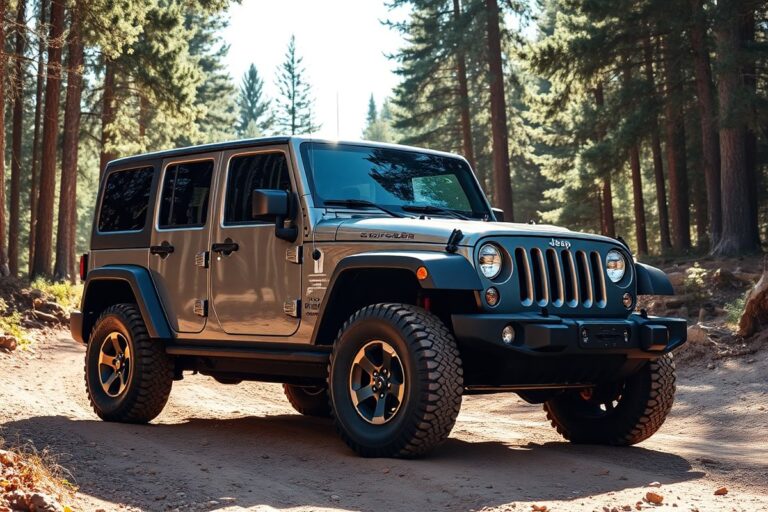
How to Open Jeep Wrangler Hood: Clear Steps and Key Troubleshooting Tips
Begin by finding the interior hood release lever in your Jeep Wrangler, commonly placed on the driver’s side close to the steering wheel or beneath the dashboard. Pull the lever firmly to release the main hood latch. Next, go to the front of the vehicle and slide your hand under the hood to disengage the secondary safety latch so the hood can lift completely.
Key Takeaways
- Always pull the interior hood release lever fully before attempting to release the secondary latch under the hood.
- Expect the hood to stay mostly down after pulling the interior lever since the heavy hood requires manual unlatching of the safety catch.
- Locate the safety latch under the front center of the hood; pushing it aside releases the hood completely.
- Lower the hood gently until it’s about 6-8 inches above the latch before engaging the secondary latch to avoid damage.
- Jeep Wrangler hood release levers are usually on the left side inside the cabin, close to the steering column or beneath the dashboard.
- After opening, secure the hood using the built-in hood prop rod to keep it stable while you work.
How to Open the Hood on a Jeep Wrangler Step-by-Step
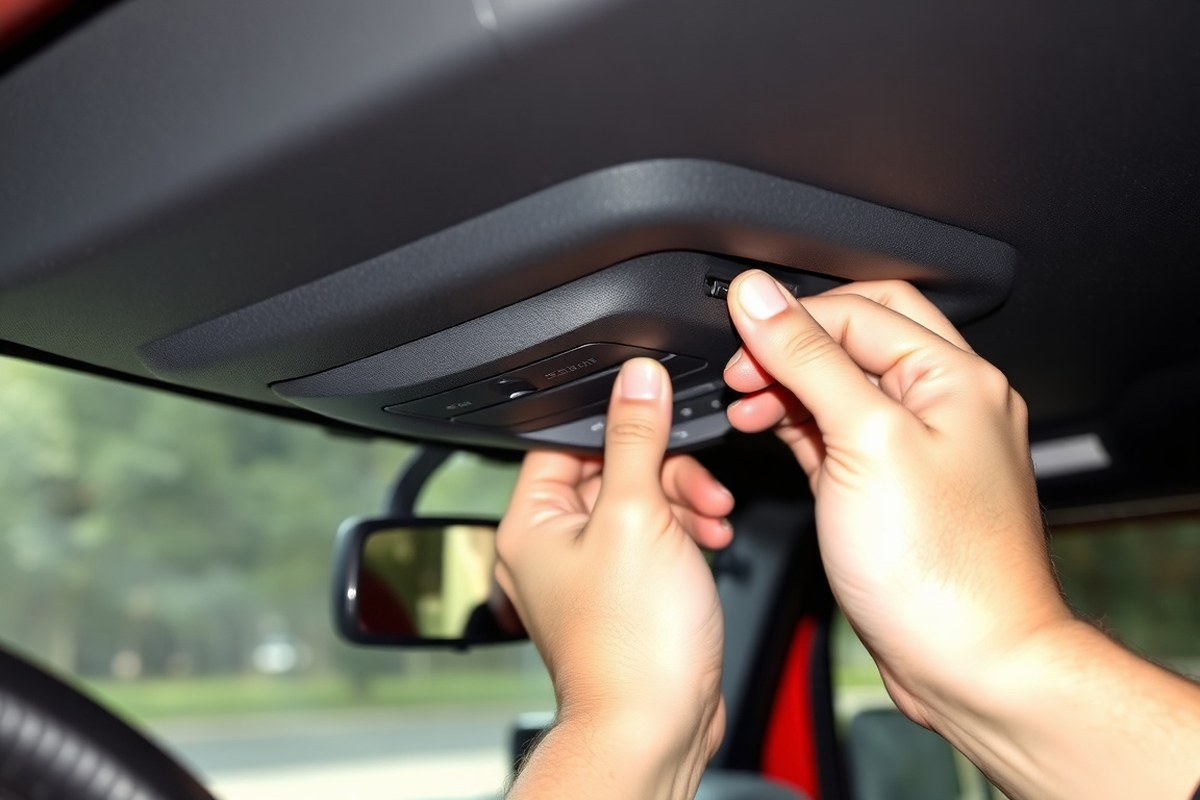
Opening the hood on a Jeep Wrangler requires releasing two latches to ensure it lifts safely and securely. You start inside the vehicle by pulling the primary hood release lever, then move outside to disengage the secondary safety latch before lifting the hood fully. This two-step system prevents the hood from accidentally opening while driving and protects you from damage to the hood or engine compartment. Follow these exact steps to open the hood without forcing anything or risking injury.
- Locate and Pull the Interior Hood Release Lever. Sit in the driver’s seat and look below the dashboard on the left side near the driver’s footwell. The lever often features a small hood icon. Pull the lever firmly to the right. You should hear the primary latch release, allowing the hood to partially lift at the front.
- Exit the Vehicle and Approach the Front of the Jeep. Walk to the front center of your Jeep Wrangler. The hood will be slightly raised but still secured by a secondary safety latch. This latch is designed to prevent the hood from opening completely unless deliberately released.
- Find the Secondary Hood Safety Latch. Reach under the front center edge of the hood where you see a small lever or tab. This secondary latch is under the hood itself, near the primary latch mechanism, and can usually be pushed sideways or lifted upward depending on your model year.
- Release the Secondary Safety Latch. Using your fingers, slide the latch sideways or lift it while gently raising the hood. This step get the hood completely, allowing you to open it without tugging hard and risking damage.
- Lift the Hood Fully. Grasp both sides of the hood near the front corners using both hands for control. Lift the hood slowly and smoothly to its full open position. Avoid jerking motions to prevent strain on the latches and hinges.
- Hold the Hood Open with the Prop Rod. Once inside the engine bay, find the metal prop rod, often fastened along one side. Take it out of its clip and fit it into the dedicated slot beneath the hood. This rod keeps the hood securely open while you handle tasks under the hood.
This approach prevents damage from forcing the hood and keeps you safe from sudden openings. The interior release lever costs nothing to operate and is located for easy driver access. The secondary latch’s design is a safety must-have, ensuring the hood never flies open while driving. Lifting the hood evenly prevents hinge wear and maintains hood alignment. Using the prop rod stabilizes the hood to avoid accidental closure. Both latches should move smoothly; avoid using force if you feel resistance. Check for rust, dirt, or cable problems that might require a mechanic’s help.
Understanding Jeep Wrangler Hood Latch and Safety Mechanisms
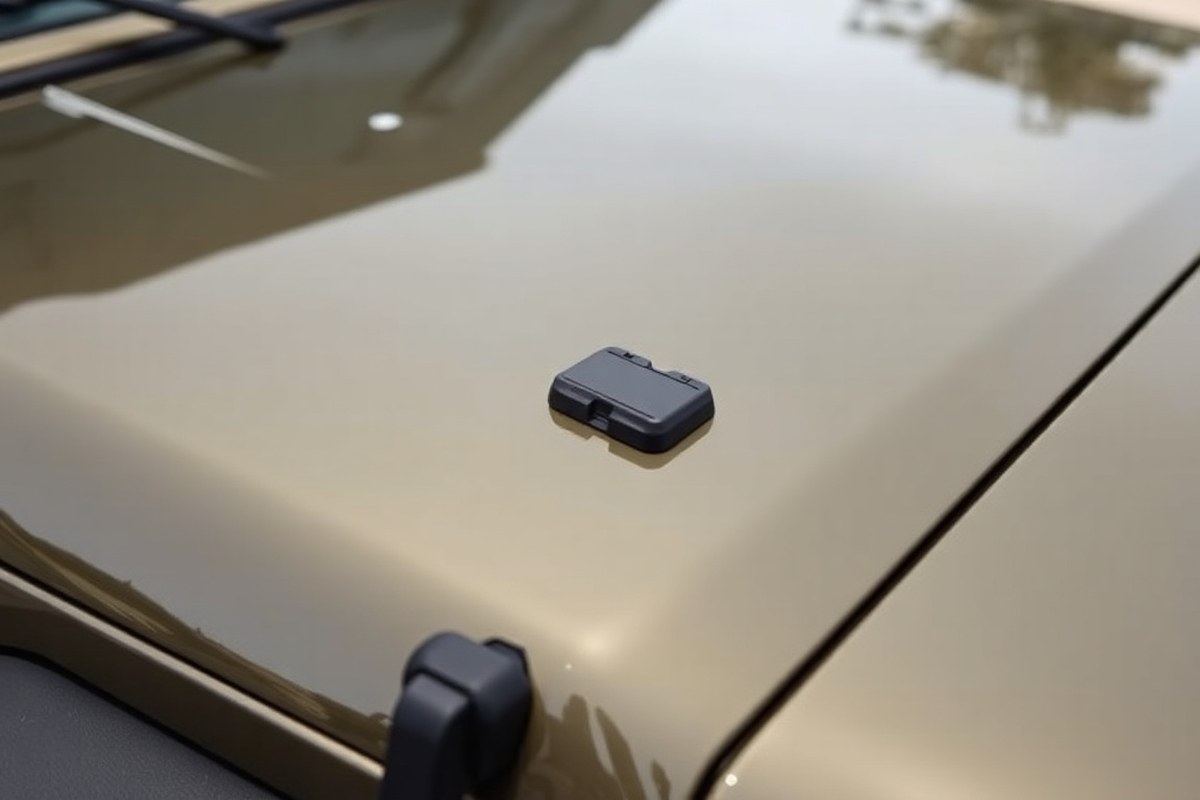
The Jeep Wrangler uses a dual latch system to secure the hood, featuring a main latch combined with a secondary safety latch. Main latches sit close to the windshield or headlights, depending on the model year, firmly locking the hood down during normal driving. To access the engine, you pull the interior hood release lever to unlock these main latches from inside the vehicle, freeing the hood on both sides.
The secondary safety latch is centrally located under the front edge of the hood, making it easily accessible once the primary latches are released. This latch acts as an extra safeguard to prevent the hood from flying open while driving if the primary latches were to fail or not be fully secured. Its purpose is to require a manual release, usually by sliding or lifting the latch, to fully open the hood. This keeps you, your passengers, and other drivers safe by preventing sudden hood movement even if the primary system is compromised.
When the secondary safety latch isn’t fully secured or malfunctions, the hood can unexpectedly open while driving, posing a safety risk. While it is rare for this to happen on the Jeep Wrangler, the results could be dangerous, blocking visibility and causing a hazard on the road. Ensuring the secondary latch clicks securely into position each time you close the hood is essential. You do this by lowering the hood until you hear or feel the secondary latch engage, then firmly pressing down to lock both the primary and secondary latches. Some models may show slight variations; modified Wranglers with engine swaps could have altered latch positions, but all standard units retain this two-step safety system.
Paying attention to this dual-latch process requires no tools and usually takes just a couple of seconds. Properly engaging both the primary and secondary latches ensures the hood remains secure during normal and off-road driving. Neglecting either latch can lead to trouble and costly repairs, so always double-check before starting your journey.
Always confirm the secondary safety latch is fully engaged by gently lifting the hood after closing, it should not move if secured correctly.
Troubleshooting Common Hood Opening Issues on Jeep Wranglers
Common issues like a stuck or hard-to-pull hood release lever, jammed latches, and cables not engaging happen due to cable damage, rust, or dirt accumulation. Fixing these problems often involves inspecting the cable and latches, lubricating moving parts, and using alternate methods if the release mechanism fails. Knowing exactly where the release lever is and how to handle these issues keeps the hood functioning properly and protects your Jeep Wrangler’s paint and structure.
Check for Cable Damage and Lubricate
Start by examining the hood release cable inside the Jeep. A cable that’s frayed, kinked, or stretched can cause the lever to feel stuck or pull without releasing the latch. Inspect the cable along its path from the dashboard to the hood latch area, looking for visible damage or snapped strands.
Apply a lubricant designed for cables, such as a silicone spray or white lithium grease, directly to the cable inside the sheath. Move the release lever back and forth several times to distribute the lubricant evenly. This reduces friction, helping the lever pull smoothly and the latch release without resistance.
- Find the hood release lever on the side of the driver’s seat, positioned low on the dashboard.
- Inspect the cable for signs of wear or kinks along its entire length
- Apply a lubricant spray specifically for cables, avoiding excess on painted surfaces
- Cycle the hood release lever multiple times to spread the lubricant evenly
- Check cable tension; replace if severely damaged or stretched
Lubrication and inspection might not solve the problem, which means you could need a new cable. Replacement usually costs between $50 and $150, including parts and labor. Prompt action prevents further damage to the release mechanism.
Address Rust or Dirt in Hood Latches
Rust and dirt often build up on the hood latches, causing them to stick or fail to disengage when pulled. Inspect the latches under the front edge of the hood for visible corrosion, accumulated debris, or grime. These blockages prevent the latch from releasing properly, making the hood feel stuck even after pulling the lever.
Use a wire brush or a stiff toothbrush to remove rust and dirt from the latch mechanisms. Follow by spraying a rust inhibitor or lubricant on the latch, such as WD-40 or a similar penetrating oil. Repeat several times, working the latch open and closed manually to restore smooth operation.
- Check both primary and secondary hood latches for rust, dirt, or grease buildup
- Scrub latches gently with a wire brush or toothbrush
- Spray a penetrating lubricant to loosen corroded parts
- Manually move latch components to free stuck parts
- Wipe excess lubricant to prevent attracting more dirt
Regular cleaning reduces the risk of latch failure. A severely rusted or damaged latch often requires replacement, with expenses ranging from $75 to $200 based on the model and labor involved.
Use Alternative Opening Methods
Broken hood release components or a stubborn latch that won’t open suggest trying alternate methods to raise the hood without causing damage. Gently pull up on the hood while pulling the release lever inside; this pressure may pop the hood enough to access the secondary latch. The secondary latch requires manual release by sliding or lifting it, usually located under the hood’s center front edge.
When the cable is broken entirely, you can reach through the Jeep grille with a straightened coat hanger or similar tool to trigger the latch directly. Insert the tool carefully between grille slats to hook or push the latch release mechanism. This technique demands patience and care to avoid scratching paint or bending components.
- Pull the interior release lever while lifting the hood slightly to engage the secondary latch
- Locate the secondary latch under the front edge of the hood and release it manually
- Use a coat hanger through the grille to pull the latch if the cable is broken
- Avoid forceful prying to prevent denting or damaging hood and grille
- Consider professional help if unsure or unable to release the hood safely
These manual methods can prevent costly damages. For persistent problems, a professional service can open the hood safely and recommend repairs to the release system.
Differences in Hood Opening Across Jeep Wrangler Models
Jeep Wrangler hood release levers are usually found beneath the dashboard on the driver’s side close to the door. This spot offers convenient reach while sitting inside and supports comfortable operation. Differences in the latch design and opening method appear depending on the model year and engine type, influencing the exact way the hood opens.
Older Jeep Wrangler models (pre-2010) use a simple, manually operated hood latch with a large release lever designed for glove-friendly use. Newer models (post-2010) maintain a similar internal lever spot but often include more secure latch mechanisms that require an additional secondary release at the front of the hood. This two-step release prevents accidental opening, especially important for higher trims or models with heavier V8 engine swaps replacing the typical four- or six-cylinder engines. Engine modifications can affect hood clearance and latch tension, sometimes making the hood harder to pop open and requiring extra force or gentle manipulation of the secondary latch.
Changes in trim levels also bring slight differences to hood opening systems. For example, Trail Rated or Rubicon trims might have reinforced or locked-down hoods that are less prone to flutter while driving off-road, but they still rely on the same basic release lever location inside the vehicle. Recognizing these variations helps avoid confusion and potential damage when opening or closing the hood.
| Model Years | Hood Release Lever Location | Latch Design | Additional Notes |
|---|---|---|---|
| 1997, 2006 TJ | Driver’s side under dashboard near door | Single manual latch with large lever | Simple release, glove-friendly |
| 2007, 2017 JK | Driver’s side under dashboard near door | Primary lever plus front secondary latch | Requires two-step release for safety |
| 2018, Present JL | Driver’s side under dashboard near door | Two-step latch with more secure locking | Improved safety on rugged trims |
| Engine Swap (V8) | Same as stock model | May require firmer latch release due to clearance | Possible hood adjustments needed |
| Older Models in Cold Weather | Same location | Latch prone to freezing or sticking | Use penetrating oil to free latch |
Knowing exactly where to reach for the hood release lever on your particular Jeep Wrangler model year reduces frustration and speeds up access when performing maintenance or inspections. This understanding also helps you prepare for any extra steps introduced in newer models, especially if you drive off-road trims or have under-the-hood modifications. Carrying a small spray of penetrating oil can be wise during winter to avoid getting stuck with a frozen latch. Performing these steps carefully ensures that you do not damage the hood or its mechanisms.
How to Safely Close and Secure Your Jeep Wrangler Hood
To close your Jeep Wrangler hood safely and securely, lower it gently, engage both the primary and secondary latches fully, and perform a safety check. These steps prevent accidental openings while driving, protecting you and your vehicle.
Lower the Hood Gently to Close
Lowering the hood softly is essential to avoid damage to the paint, latch, and hood structure. Slamming it down can bend the latch mechanism or cause dents.
- Lift the hood slightly to disengage the prop rod.
- Secure the prop rod back into its clip or holder to keep it out of the way.
- Lower the hood carefully until it is about six inches from the latch.
- Gently drop or press the hood down so it closes without slamming.
Never slam the hood shut; the Jeep Wrangler’s latch is delicate and designed to click quietly when closed properly.
Engage the Primary and Secondary Latches
The Jeep Wrangler hood has two safety latches that must both fully engage to prevent accidental opening. The primary latch holds the hood closed, while the secondary latch acts as a backup lock.
- Press down firmly on the front edge of the hood until you feel and hear the primary latch click into place.
- Check that the safety latch, located just beneath the primary latch, is in the locked position.
- Return the hood release handle to its resting position inside the vehicle.
- Confirm that the hood release lever inside the Jeep is fully pushed back to avoid accidental releases.
Applying steady but gentle pressure ensures the latches align and lock correctly without damaging the components.
Perform a Hood Safety Check
Verifying the hood is securely latched before driving is critical for safety. An improperly closed hood can fly open, obstructing your view and causing accidents.
- Gently push down on the front center of the hood to check for any movement.
- Try lifting the hood slightly at the front edge; it should not open or release the latches.
- Confirm the hood is flush with the surrounding bodywork and does not rock or vibrate.
Perform this check at every maintenance session or before driving after closing the hood to ensure your Jeep Wrangler’s hood stays secure on the road.
Maintaining the Hood Release System for Smooth Operation
Lubricating and inspecting the hood release system on your Jeep Wrangler helps keep the mechanism working smoothly and prevents problems like sticking or failure to release. You should lubricate the hood release cable and latch at least twice a year or every 6,000 miles, whichever comes first. This is often done during routine engine maintenance to save time and ensure reliable hood operation especially after exposure to dirt, mud, or moisture from off-road use.
Choose a lubricant designed for automotive use, such as white lithium grease or a silicone-based spray. These provide lasting protection without attracting excessive dirt. Avoid heavy oils that can gum up or attract debris. Apply the lubricant sparingly to the release cable casing, latch pivot points, and the interior hood release lever mechanism. Allow a few minutes for penetration before operating the release to distribute the lubricant evenly.
Inspect the hood release lever and cable for signs of wear or damage during lubrication. Check for frayed or stretched cables, loose mounting bolts, or bent levers. Any corrosion on metal parts should be cleaned with a wire brush so the lubricant can adhere properly. If the release lever feels loose or sticks during operation, adjust or replace parts as needed to maintain smooth function. Over time, cables may stretch and require tightening through the adjustment nuts located near the latch or inside the engine bay. Use this checklist each time you perform maintenance on the hood release system:
- Clean dirt and debris from latch, cable, and lever with a soft brush or cloth
- Apply white lithium grease or silicone spray to latch pivot points
- Spray lubricant lightly along the length of the release cable housing
- Check cable for fraying, rust, or stiffness by gently bending and pulling
- Ensure release lever inside the cabin moves freely without sticking
- Tighten mounting bolts and cable adjustment nuts if parts are loose
- Operate the hood release several times after lubrication to distribute grease
The cost of lubricants typically ranges from $5 to $15 for a spray tube that lasts multiple servicing sessions. Performing this maintenance yourself takes only 10 to 15 minutes and requires minimal tools, such as a socket wrench and rag. Well-maintained hood release components will feel smooth and responsive at the lever, and the hood should open without hesitation or excessive force.
Neglecting lubrication or inspections may lead to cable rusting or sticking, making the hood difficult or impossible to open. This risk increases after exposure to water, especially in wet or salty environments. Regular maintenance minimizes the chance of a stuck hood during critical moments like emergency repairs or off-road adventures.
Handling Jeep Wrangler Hood Opening in Cold or Icy Conditions
Cold weather can make opening the hood on your Jeep Wrangler more difficult because low temperatures cause moisture to freeze in the latch and cable mechanisms. This freezing can stiffen the hood release cable and lock the latch in place, preventing it from moving freely. When metal parts contract in the cold, tolerances tighten, adding to the problem. Ice buildup, snow, and road salt around and inside the latch also contribute to stiffness and corrosion, which reduce smooth operation.
To safely loosen a frozen hood latch, start by warming the area gently. Use a hair dryer or heat gun on low heat, keeping it several inches away from plastic and rubber parts to prevent damage. Focus heat on the latch and release cable entry points for about 5 to 10 minutes. Avoid direct flames or extreme heat that could warp or melt hood components. Pouring lukewarm (not hot) water over the latch can help melt ice if a hair dryer isn’t available, but make sure to dry the area right after to prevent refreezing. Applying a silicone-based lubricant spray to the latch and cable after thawing helps keep parts moving.
Slowly work the hood release lever while applying warmth to the latch mechanism. Avoid jerking the lever to prevent cable or latch damage. If the latch stays stuck after warming, gently press down on the hood while pulling the release to ease tension. For stiff cables, carefully bend the cable housing near the lever to loosen any minor ice inside. If the latch still won’t move, warming and lubricating the parts over 15 to 20 minutes usually helps free it.
Preventative measures toward winter include applying a small amount of white lithium grease or silicone lubricant on the latch and cable annually before freezing temperatures arrive. These lubricants resist moisture and protect metal parts better than oil-based sprays that can attract dust and grime. Covering your Jeep Wrangler’s front end or parking in a garage minimizes exposure to moisture and freezing conditions. Regularly clearing snow and ice from hood seams right after storms stops buildup before it freezes.
Keep a small spray bottle of silicone lubricant and a portable hair dryer with you in winter months for quick roadside thawing. These tools cost between $10 and $30 and can save time and frustration. Proper preparation reduces wear on hood release components and limits repair costs, which can range from $50 for cable adjustment to $150 or more for latch replacement depending on parts and labor. Consistent maintenance ensures that cold weather causes minimal disruption when you need to open your hood for maintenance or emergencies.
What to Do When the Hood Release Lever Fails Completely
When the hood release lever or cable breaks, you can still open your Jeep Wrangler hood using manual methods to directly access the latch. This requires patience and some basic tools. If the repair looks complicated or your efforts don’t free the hood, seeking a professional mechanic’s help is the safest choice.
Manual Hood Release Techniques
Accessing the hood latch manually involves working underneath the front grille or bumper where the latch mechanism is located. This method avoids damage to your Jeep and allows you to release the hood if the interior cable has snapped or disconnected. Follow these steps carefully to safely open the hood:
- Park the Jeep on a flat surface, set the parking brake, and engage the transmission in Park or Neutral with the engine off.
- Locate the grille or bumper area just above the license plate, where the hood latch is housed.
- Use a flashlight to clearly see the latch mechanism underneath the grille if necessary.
- Slide a long, flat tool such as a trim removal tool or a straightened coat hanger between the grille slats to reach the latch lever.
- Gently push or pull the latch lever while carefully lifting the hood slightly with your other hand.
- Once you feel the latch release, lift the hood fully and secure it with the hood prop rod.
- Inspect the hood release cable inside the engine bay to locate where it broke or detached.
Be gentle with tools around the grille to prevent scratching or bending the plastic components.
Tools Recommended for Hood Latch Repair
Replacing or adjusting the hood cable and latch requires some basic automotive tools. Having the right tools improves the chances of a smooth repair without causing additional damage. Common tools you’ll likely need include:
- A socket wrench set to remove fasteners securing the grille or latch assembly.
- Needle-nose pliers to grip and maneuver broken cable ends.
- A replacement hood release cable compatible with your Jeep Wrangler model.
- Flathead screwdriver or trim removal tool to pry off clips or trim carefully.
- Flashlight for improved visibility under the hood and grille.
Expect replacement hood cables to cost between $20 and $50, depending on model and supplier. Latches may cost $30 to $70. DIY cable replacement is possible if you are comfortable with minor mechanical tasks, but always check your Jeep’s manual for specific part numbers or detailed procedures.
Disconnect the battery before starting repairs to avoid accidental short circuits while working near the engine bay.
Knowing When to Seek Professional Help
Attempting to force the hood open or fix the latch without sufficient knowledge or tools can cause damage to the hood, grille, or latch system. Professional assistance is recommended if the manual release does not work or if you notice rust, severe cable fraying, or latch corrosion.
A licensed mechanic can accurately diagnose whether only the cable needs replacement or if the latch assembly requires full service. They have access to specialized tools and original replacement parts that might not be available to you. Signs that you should call a professional include:
- Unable to release the hood after multiple manual attempts.
- Visible damage or misalignment to the hood or latch assembly.
- Concern about warranty coverage or parts compatibility.
- Uncertainty about safe disassembly procedures, especially with newer Jeep Wrangler models that may have additional safety catches.
Professional repairs may cost between $100 and $300 depending on the extent of the issue and labor rates, but this investment avoids risk of further damage and ensures reliable hood operation.
Step-by-Step Action Plan
Follow these steps to open your Jeep Wrangler hood safely and address any issues along the way.
- Before you start: Locate the hood release lever inside the Jeep, usually on the driver’s side near the kick panel. Pull it firmly until you hear the hood pop up slightly, confirming the main latch has released.
- In under a minute: Walk to the front of your Jeep Wrangler and reach under the center of the hood to locate the secondary safety latch. Push or slide this latch to disengage it, then lift the hood fully open.
- After lifting the hood: Secure the hood support rod (if your model has one) by placing it into its designated slot to keep the hood open safely. Verify the hood is stable before performing any maintenance.
- Every month: Check the hood release lever and latch for any stiffness or signs of corrosion. Apply a small amount of silicone spray or light lubricant to keep them moving smoothly.
- During cold weather: Before opening, gently warm the hood area to reduce ice buildup on the latch or release lever. Avoid forcing the hood open to prevent damage.
- When the hood release lever doesn’t work: Remove the plastic trim panel near the lever to access and inspect the release cable. Manually pull the cable to release the hood or call a professional if you’re uncomfortable with this process.
- After closing the hood: Press down firmly on the hood to ensure the latch fully engages and test by lightly lifting the hood to check it’s secure.
Frequently Asked Questions
Can I Open the Jeep Wrangler Hood with a Remote Release?
No, Jeep Wranglers don’t have a remote hood release; use the interior lever inside the vehicle. This helps prevent accidental openings while driving.
How Do I Know If the Hood Prop Rod Is Properly Secured?
Make sure the hood prop rod is securely placed in its specific holder beneath the hood. This prevents the hood from falling while you’re working under it.
Can a Damaged Hood Latch Cause the Hood to Open While Driving?
Yes, if the hood latch is damaged or not fully secured, the hood can open unexpectedly while driving. Regular checks can prevent this risk.
Is It Safe to Open the Hood Immediately After Driving?
It’s best to let the engine cool down before opening the hood to avoid burns from hot components. Wait at least 15-30 minutes depending on engine heat.
Will the Hood Release Lever Freeze in Extremely Cold Weather?
Yes, the release lever can freeze or become stiff in cold weather, making it harder to open. Gently moving it back and forth can help thaw it.
How Often Should I Lubricate the Hood Latch and Release Mechanism?
Lubricate the hood latch and release every six months to keep them operating smoothly and prevent rust or sticking. Use a lubricant suitable for automotive parts.
Final Thoughts
Opening the hood on a Jeep Wrangler requires understanding the release system and the safety latch. Taking care of the latch mechanism and avoiding force during cold weather helps keep it working well. Persistent hood sticking calls for cautiously using the emergency cable release or contacting a professional to avoid damage. Keep your Jeep ready by regularly checking and lubricating the hood release system.