How to Install a BAKFlip MX4 Tonneau Cover: Complete Step-by-Step Guide
Learning how to install a BAKFlip MX4 tonneau cover is straightforward with the right approach and tools. Start by preparing your truck bed, ensuring it’s clean and free from debris to secure firm attachment. Follow specific steps carefully to align clamps correctly and avoid damaging your truck or the cover during installation.
Key Takeaways
- Gather necessary tools like a torque wrench, screwdriver, and measuring tape before beginning installation.
- Remove any existing bed liner or accessories that can interfere with clamp placement.
- Clamp the cover rails tightly but avoid over-torquing to protect your truck’s paint and the cover’s integrity.
- Check that the cover operates smoothly by folding and unfolding it several times after installation.
- Inspect all clamps and bolts after the first few uses to ensure they remain secure and tight.
- Refer to vehicle-specific install tips, especially for models like the Tacoma, for a precise fit.
Step-By-Step Instructions to Install a BAKFlip MX4 Cover

Installing the BAKFlip MX4 tonneau cover requires precise alignment and clamping to ensure a secure fit that fully protects your truck bed. Following a clear, step-by-step process will help you attach the rails, position the clamps correctly, and fold the panels smoothly. Proper torque on the clamp knobs and checking alignment during folding make all the difference in a professional-looking installation.
Prepare the Truck Bed and Rails
Start by cleaning your truck bed thoroughly to remove any dirt, dust, or debris. This step ensures the rails sit flush and seals correctly, preventing potential leaks or damage from trapped dirt. Inspect the factory rails; for the MX4, you don’t need to remove them since this model is designed to install directly on the existing rails.
Check the plastic bed rails on each side for any damage or looseness before beginning. Wipe down with a mild cleaner and a rag, avoiding harsh chemicals. Dry completely before the next steps to maintain adhesion and fit.
Attach Clamps and Secure Front Header
The cover rails must be positioned accurately with the silver bracket all the way forward and centered on the truck bed. Carefully placing and tightening the clamps is key to a secure mount without damaging your bed rails.
- Position the BAKFlip rail on the truck bed rail with the silver bracket pointing forward and toward the bed center.
- Starting at the front nearest the cab, attach the first clamp approximately 6 to 9 inches back, pressing down slightly to ensure flush contact.
- Evenly space additional clamps along the side, using two clamps for 8-foot beds or three for longer beds; check the enclosed clamp placement guide for exact spacing.
- Apply downward pressure on the rail as you tighten each clamp knob to ensure the rail sets flush and the seal compresses properly.
- Tighten the clamp knobs until the lock washer compresses and secures the knob firmly on the bracket, taking care not to overtighten and cause damage.
- Place the three cab bumpers along the cover’s top edge where it contacts the truck cab before completing the final tightening; this helps minimize wear and noise.
- Double-check the positioning of all clamps and front buckles to ensure they are fully seated and secure.
Position, Align, and Fold the Panels
With the rails and clamps secured, unfold the MX4 panels carefully to avoid wrinkling the side seals. Folding the panels backward toward the cab allows full access to the truck bed without removing the cover entirely. Ensure each fold is smooth and the seals align tightly to prevent water intrusion.
Check panel alignment by gently pressing along edges to verify a consistent, tight seal. Minor adjustments can be made by loosening clamps slightly and repositioning the rails until the panels fold without resistance or gaps. Secure all knobs firmly once the panels are aligned correctly.
Tools and Materials Needed for Installation
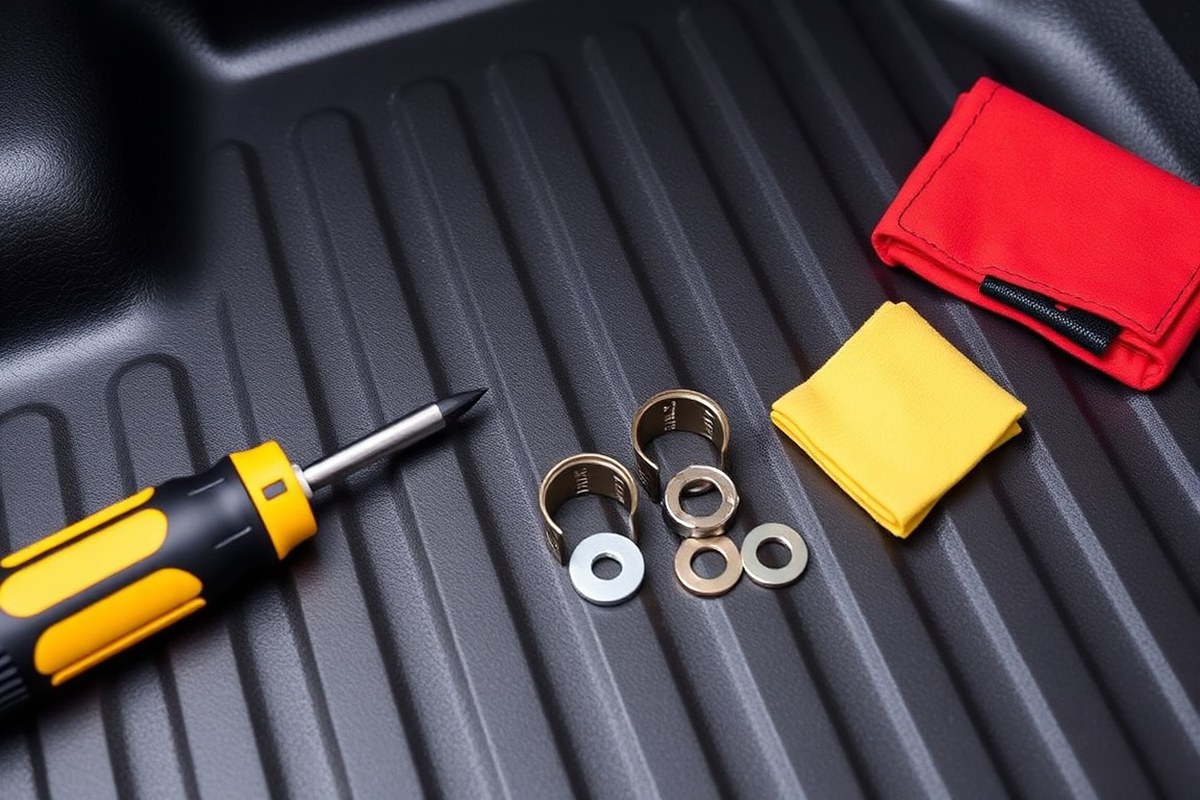
Gathering the right tools and materials before installing your BAKFlip MX4 cover ensures a smooth process and a secure fit. You will need common hand tools, cleaning supplies, and potentially specific hardware depending on your truck model. Preparing in advance helps avoid delays and fitment problems.
Essential Tools Checklist
The BAKFlip MX4 installation requires only a few basic tools, which most truck owners might already have at home. You’ll need:
- Ratchet with 10mm socket
- Torque wrench (recommended for tightening bolts to specified torque)
- Utility knife or scissors (for removing packaging or trimming seals if needed)
- Soft cloth or microfiber towels
- Rubber mallet (optional, to gently tap clamp parts into place)
- Isopropyl alcohol or mild cleaner with water (for prep cleaning)
Having these tools ready keeps the installation efficient and prevents damage to your truck or the cover’s components.
Compatibility Kits and Model-Specific Parts
The MX4 cover typically comes as a complete kit with all necessary clamps, seals, and hardware tailored for your truck’s bed dimensions. In some cases, like for Toyota Tacoma models, BAKFlip offers a version specifically improve for fit and weather sealing. Confirm that your purchase matches your truck make and bed size.
Additional compatibility kits are rarely needed unless your truck has unusual bed liners or aftermarket accessories that interfere with the clamps. For trucks without a drop-in bedliner, installing the included cab/bulkhead seal (weatherstrip) is important to prevent water ingress.
Cleaning Materials for Better Fit and Seal
Cleaning the truck bed rails thoroughly before installation is important for a tight seal and to prevent scratches or misalignment. Use isopropyl alcohol or a mild soap and water mix to wipe down all surfaces where the clamps and cover will contact the truck.
Remove dirt, debris, snow, or ice at least an hour before starting installation, allowing the surfaces to dry completely. Avoid oily or waxy residues as they can reduce clamp grip and seal adhesion.
Make sure the truck bed rails are clean and dry to ensure no gaps form between the cover and your truck, which can cause leaks or wind noise.
Materials Overview and Proper Use
The MX4 kit includes rubber washers, large flat stainless washers, lock washers, and stainless steel star finger knobs for securing clamps. The washers’ correct installation order affects clamp reliability: start with the rubber washer against the clamp, then the flat stainless washer, followed by the lock washer, and finish with the star finger knob.
Using these parts properly ensures clamping pressure is distributed evenly without damaging your truck bed rails or the cover frame. Avoid substituting hardware parts or over-tightening to prevent stripping bolts or bending clamps.
Preparation and Safety Checks Before Installation
Before installing your BAKFlip MX4 tonneau cover, preparing the truck and checking all components ensures a smooth and safe process. Start by clearing the truck bed of debris and any cargo. The surface where the cover seals should be clean and dry to promote a tight, weatherproof fit. Use a clean cloth with mild soap and water to wipe the sealing surfaces, then dry them thoroughly. Avoid harsh chemicals that could degrade the rubber seals or paint finish.
Inspect the packaging for the MX4 carefully to confirm all parts are included according to the instructions. Look for the main cover panels, hinges, clamps, seals, and hardware such as bolts and washers. Set aside any small parts in a container to prevent loss during installation. Examine each component for damage like cracks, bends, or missing pieces. Should you notice any defects, contact the supplier before moving forward to prevent voiding your limited three-year warranty. Keeping the original purchase receipt handy helps with warranty claims.
Wear appropriate safety gear throughout installation. Gloves protect your hands from sharp edges on clamps and metal parts. Safety glasses guard against potential debris or snapped springs. Working in direct sunlight or when temperatures exceed 85°F requires breaks to prevent overheating and the use of UV protection. A stable step stool or platform can prevent falls when handling large panels. Secure your workspace to prevent pets or children from disturbing tools and parts.
Condition the sealing surfaces to maintain their effectiveness. Applying a silicone-based rubber conditioner to seals extends their life and keeps them flexible. Use a small amount on a soft cloth and gently rub the seals, avoiding excess product. This step is especially valuable in dry or cold climates where seals tend to crack or harden. Check the seals for even contact with the truck bed rails; improper adhesion leads to leaks and noise.
Completing these preparation and safety checks takes about 30 to 45 minutes but reduces frustration during the actual installation. Thorough inspection allows you to detect shipment damage or missing parts before returning delays. Using the recommended protective gear minimizes injuries and improves your control over heavy or awkward cover panels. Conditioning seals preserves the manufacturer’s intended weatherproofing and extends the life of your investment. These steps safeguard your truck and ensure the BAKFlip MX4 functions as designed for the warranty period.
Common Installation Issues and Troubleshooting Tips
Clamp slipping or poor fit commonly happens when clamps aren’t positioned properly or not tightened to the right torque. The rear clamp should be about 6 inches from the tailgate to ensure solid grip and even pressure. Check for debris or paint on the clamp contact points that can reduce friction and cause slipping. Tighten clamps gradually and evenly, using a torque wrench if possible, aiming for moderate hand-tight pressure to secure without damaging the truck bed or cover frame.
Rubber seal wrinkles usually result from uneven installation or temperature fluctuations during mounting. The seals need to lay flat against the truck bed rail without bunching. To fix wrinkles, gently lift the cover panel near the affected area and smooth the seal using your fingers or a soft cloth. Warming the rubber seal slightly with a hair dryer on low heat for 30 seconds can make it more pliable. Allow the seal to cool and set in position before fully closing the cover.
Water leaks often happen if the seals aren’t seated correctly or gaps exist between panels. The MX4 cover tolerates some water and dust intrusion, so small dampness under heavy rain is normal, but standing water or heavy leaks aren’t. Check that all clamps are secure and the cover panels lock down tightly against the seal. Realign panels if you find uneven gaps, and inspect seals for damage or dirt that can prevent a tight seal. After fixing these points, test with a hose spray or after a rain to confirm the leak is resolved.
- Inspect all clamps for wear or missing parts before installation
- Place rear clamp approximately 6 inches from tailgate and ensure even spacing of clamps
- Smooth rubber seals carefully during fitting and use gentle heat if necessary
- Verify all panels close flush without gaps to prevent leaks
- Clean and dry bed rails before mounting for optimal seal contact
- Use a torque wrench or hand-tighten clamps to secure but avoid over-tightening
- Test coverage with a water spray or after rain to confirm waterproof seal
Fixing alignment problems is key to avoiding both clamp and leak issues. Misaligned panels cause uneven pressure on the clamps and the seal, leading to wrinkles and gaps. After loosely installing all clamps, close the cover panels and look down the length to ensure edges are parallel to the truck bed rails. Adjust clamp positions and panel placement slightly to achieve an even, flush fit before fully tightening. Taking your time during this adjustment phase prevents many common installation issues and extends the cover’s life and appearance.
Differences in Installing the MX4 on Popular Truck Models
Installing the BAKFlip MX4 tonneau cover varies slightly across truck models like the Ford F150, Ram 1500, and Toyota Tacoma due to differences in bed rail design, clamp placement, and bed length. Knowing these differences helps you adjust clamp positions accurately, decide if factory bed rails stay or go, and avoid drilling where unnecessary.
F150 Installation Nuances
Ford F150 bed rails usually do not require drilling for the MX4 clamps, which attach securely using the rails’ existing structure. Clamp spacing tends to be wider on the F150 due to its larger bed widths, typically around 24 to 30 inches apart. This spacing ensures even pressure on the cover and proper alignment.
The factory bed rails on most F150 models remain in place during installation. Removing them is rarely needed unless aftermarket rails are present, which can change clamp fitment. F150 owners should follow a clamp spacing guide specific to their bed length to avoid gaps or misalignment.
| Truck Model | Clamp Spacing | Factory Rails |
|---|---|---|
| Ford F150 (5.5 ft bed) | 24 inches | Leave in place |
| Ford F150 (6.5 ft bed) | 27 inches | Leave in place |
| Ford F150 (8 ft bed) | 30 inches | Leave in place |
Following these spacing rules prevents loose clamps or excessive pressure that could warp the cover. Proper clamp alignment protects your truck bed and helps the MX4 seal tightly for weather resistance.
Always check for snug fit after initial clamp tightening to avoid rattling during driving.
Ram 1500 Bed Rail Differences
Ram 1500 truck beds often come with factory-protected rails that do not require drilling or removal for the MX4 installation. These rails include drainage plugs where you can route the front drain hoses from the BAKFlip rail easily. Clamp positioning on Ram 1500s should be closer together than on the F150, typically spaced around 18 to 24 inches apart due to narrower bed widths and different rail contours.
Because Ram rails are factory-installed and protected, you won’t need to modify or remove them. The cover clamps fit directly on or inside the rails depending on bed length and rail design. This reduces installation time and preserves any truck warranty related to bed modifications.
| Truck Model | Clamp Spacing | Factory Rails |
|---|---|---|
| Ram 1500 (5 ft 7 in bed) | 18 inches | Keep, no drilling |
| Ram 1500 (6 ft 4 in bed) | 22 inches | Keep, no drilling |
Proper clamp placement on Ram trucks ensures tight sealing and prevents water leaks, especially when routing the drain hoses through bed plugs integrated into the rails.
Verify drain hose routing carefully to avoid pinching or kinking that could cause water backup.
Tacoma-Specific Installation Tips
Tacoma owners appreciate the MX4 cover for its tailored fit and ease of installation. The third-generation MX4 has improvements like redesigned clamps that fit the Tacoma’s narrow bed rails without requiring extra parts or modifications. You can keep the factory rails in place, simplifying the clamp attachment process.
Route the front drain hoses through the existing manufacturer bed plug to maintain cleanliness and prevent water pooling inside the bed. Tacoma models often need clamp placement at around 16 to 20 inches apart along the rail to accommodate the shorter bed length and rail profile.
| Truck Model | Clamp Spacing | Extra Parts Needed |
|---|---|---|
| Toyota Tacoma (5 ft bed) | 16-20 inches | None |
These model-specific details ensure the MX4 cover looks professional and performs well in sealing and weather protection, which is why it’s frequently recommended for Tacoma owners.
Double-check clamp tightness and hose routing after driving a short distance to catch any movement early.
Post-Installation Maintenance and Care Instructions
Maintaining your BAKFlip MX4 cover protects your investment and keeps the warranty valid. Proper cleaning prevents dirt buildup that can damage seals and cause leaks. Use mild soap with water and a soft cloth to wipe the cover panels and rails every 3 months or after heavy dirt exposure. Avoid harsh chemicals or pressure washers, which can degrade the seals or finish. Rinse thoroughly to remove all soap residue and dry the cover with a microfiber cloth to prevent water spots.
Regularly inspecting clamps and seals is essential to preventing leaks and ensuring the cover latches securely. Check clamp tightness every 3 to 6 months, depending on your driving conditions. If you notice rattling or the cover not latching properly, tighten clamps carefully with a wrench to the tension specified in the installation instructions, usually around 15 to 20 lb-ft, avoiding overtightening which can strip threads or damage rails.
Seal inspection should also happen every 3 months. Look for cracks, hardening, or gaps where the cover panels meet the rails. Clean the seals gently with mild soap and water to remove dirt and debris that could compromise the seal’s effectiveness. Applying a rubber seal conditioner can keep the seals flexible and help maintain a watertight closure. Replace any damaged or worn seals promptly to avoid leaks and potential warranty issues.
- Clean cover and rails every 3 months or after heavy exposure to dirt
- Use mild soap, water, and a soft cloth; avoid harsh chemicals
- Inspect clamp tightness every 3 to 6 months, especially after rough roads
- Tighten clamps to recommended torque (about 15-20 lb-ft)
- Check seals for cracks or hardening every 3 months
- Clean seals gently and apply conditioner to maintain flexibility
- Replace damaged seals immediately to prevent leaks and protect warranty
Proper maintenance after installation guards against water intrusion and cover damage. The cover panels should latch firmly and make secure contact with the side rails to form an effective seal. Failure to maintain this can void BAK’s warranty. Performing these checks yourself typically takes about 15 to 30 minutes per session and costs only basic cleaning supplies and a torque wrench if you don’t already own one. Following this routine reduces surprises like leaks or loose clamps that could affect your cover’s longevity and function.
When to Call a Professional Installer for Your MX4 Cover
Installing a BAKFlip MX4 tonneau cover is generally designed as a straightforward process, but certain situations call for professional assistance. When you’re new to truck accessories, don’t have basic tools, or can’t get help, hiring an installer saves you time and frustration. Challenges like aligning the cover correctly without damaging your truck’s paint or bed components often require experience and precision. For example, improper installation can lead to leaks or incomplete sealing, which undermines the cover’s protective benefits.
Deciding whether to call a professional depends on your confidence and the complexity of your truck’s setup. Those with aftermarket bed liners, non-standard rail systems, or modifications may find it difficult to fit the MX4 cover properly. The fact that the MX4 does not require drilling simplifies installation, but ensuring the clamps and latches are tight and secure still takes attention to detail. Doubting torque settings or concerned about voiding warranties? Hiring a professional installer is the safer option.
Professional installation costs can vary widely. Expect to pay between $100 to $200 for labor, depending on your location and shop rates. The peace of mind from a correctly installed cover that functions as intended often justifies the expense. Also, professional installers typically offer a guarantee on their work, which adds value in protecting your investment. Taking the cost into account against the potential risks of a faulty install will help you decide if it’s worth it.
Finding authorized installers near you is straightforward. Start by visiting the official BAKFlip website, which usually lists certified professionals and dealers by ZIP code. Calling BAKFlip customer support at 800-653-7089 can also connect you with authorized service centers. For local options, automotive accessory shops and truck specialty stores often provide installation services and can handle the MX4 cover. Ensure they have experience with BAK products to avoid errors.
Here’s a simple script to use when contacting installers: “I’m interested in professional installation of a BAKFlip MX4 tonneau cover on my [truck make, model, year]. Can you confirm that you are authorized to install BAKFlip products? What is your labor rate, and do you provide a warranty on your installation? Also, do you schedule appointments soon, and how long does the install typically take?” This approach gets you precise details for comparison.
The best results come from installers who understand the MX4’s unique features, like its upgraded latch housing that lets you close the tailgate without lifting the last panel. An expert will adjust and test these components thoroughly during installation. Rushing or assuming your way through the setup could leave gaps or stiff latches that reduce convenience. Accurate installation ensures you enjoy all benefits the MX4 has to offer without follow-up problems.
Step-by-Step Action Plan for Installing Your BAKFlip MX4 Tonneau Cover
Follow these practical steps to install your BAKFlip MX4 tonneau cover smoothly and securely on your truck.
- Before you start: Gather all required tools, including a torque wrench and screwdrivers. Confirm all parts match the MX4 kit for your truck model to avoid installation delays.
- Day 1: Clean your truck bed rails thoroughly. Proper cleaning ensures the clamps seal tightly and prevents scratching during installation.
- Day 1, continued: Align and loosely install the clamps along the bed rails. Check that the cover sits flush and square before tightening.
- End of Day 1: Torque all clamps to manufacturer specifications using a torque wrench. This step secures the cover firmly and prevents leaks or movement.
- Day 2: Test the cover’s operation by folding and unfolding it several times. Smooth and even movement means correct installation; stiff or uneven folding indicates a need for adjustment.
- After 2 weeks: Recheck the clamp torque and the cover alignment. Regular checks help maintain a long-lasting, tight seal and prevent wear.
- Monthly maintenance: Lubricate moving parts with a silicone-based spray and inspect seals for cracks. This preserves the cover’s functionality and weather resistance.
Frequently Asked Questions
Is the BAKFlip MX4 Easy to Install?
Yes, the BAKFlip MX4 is designed for easy installation and fits flush with your truck bed. Following clear instructions and using the recommended tools can help you install it without much hassle.
Is the BAKFlip MX4 Worth the Money?
The MX4 offers durable, high-quality coverage for your truck bed that justifies its price. It includes new features and a flush fit that many owners find valuable compared to less expensive options.
Can I Install a Tonneau Cover Myself?
You can install a tonneau cover like the MX4 yourself with the right tools and instructions. Many truck owners successfully handle it, but those without time or confidence can hire professional installers.
Does the BAKFlip MX4 Leak?
The MX4 is designed to be water-resistant and fits tightly to reduce leaks. Newer versions cover the rails fully to prevent water intrusion better than earlier models.
How Do I Adjust the Rail Clamps on a BAKFlip MX4?
Rail clamps should be tightened evenly to secure the cover without warping rails. Adjusting them correctly prevents leaks and keeps the cover flush against your truck bed.
What Is the Difference Between the BAKFlip MX4 and G2?
The MX4 offers improved sealing and rail coverage over the G2 model and fits flush with the truck bed. It costs about $80 more but adds features that improve protection and fit.
Wrapping Up
Installing the BAKFlip MX4 tonneau cover yourself saves time and lets you enjoy added security and weather protection for your truck bed. Remember to check the fit and torque as part of regular maintenance. To keep your cover performing well, try operating it a few times right after installation to spot any issues early.