How Long Do Platinum Spark Plugs Last Before Replacement?
You can expect your platinum spark plugs to last between 60,000 and 100,000 miles before needing replacement for reliable engine performance. They’re more durable than copper plugs and resist wear, but factors like driving habits, engine type, and proper installation affect their lifespan.
Watch for signs like rough idling or misfires to catch early wear. Keeping your plugs in top shape helps maintain fuel efficiency and engine health.
There’s more to learn about maximizing their life and avoiding common mistakes.
Key Takeaways
- Platinum spark plugs typically last between 60,000 and 100,000 miles before needing replacement.
- For peak performance, replacement is generally recommended around 60,000 miles.
- Lifespan depends on engine type, driving habits, fuel quality, and maintenance practices.
- Frequent short trips and overheating can shorten the plugs’ usable life.
- Regular inspections at about 50,000 miles help detect wear and prevent early failure.
What Platinum Spark Plugs Do and Why It Matters
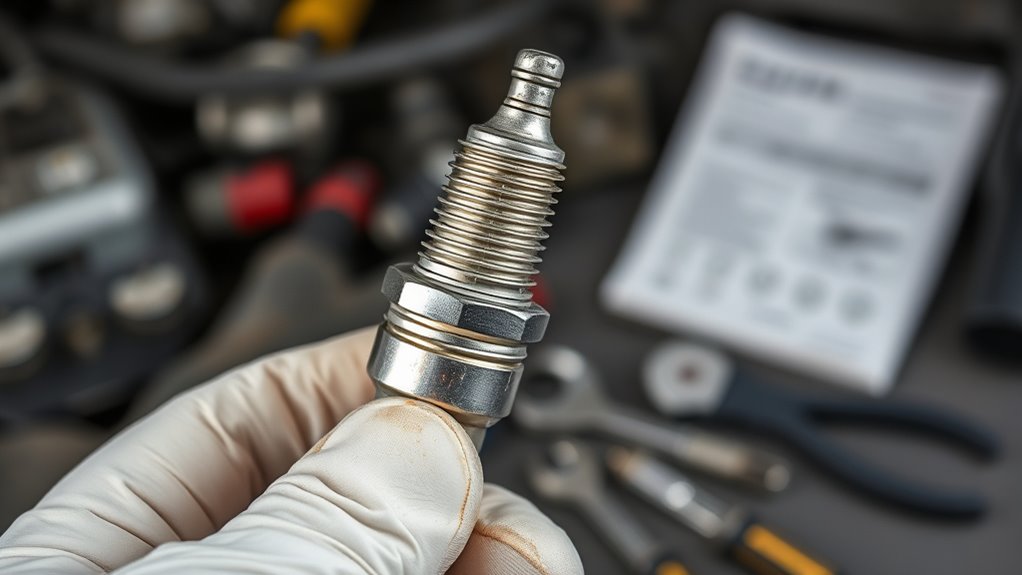
Although spark plugs may seem like small components, platinum spark plugs play a crucial role in your engine’s performance by providing consistent ignition through their durable platinum alloy electrodes. These electrodes resist wear and erosion much better than traditional plugs, maintaining a precise gap longer to ensure your engine runs smoothly.
When you use platinum spark plugs, you benefit from their high melting point, which helps them withstand extreme combustion temperatures without degrading quickly. This durability directly impacts engine performance by promoting efficient fuel combustion and reducing misfires caused by electrode wear.
Moreover, platinum spark plugs extend the replacement interval, allowing you to go about 60,000 miles or more before needing a change, depending on your driving conditions. Keeping an eye on your spark plugs during regular inspections helps you catch signs of wear early, preserving engine performance and preventing costly repairs down the road.
Typical Mileage Range for Platinum Spark Plugs
When you choose platinum spark plugs, you can expect them to last between 60,000 and 100,000 miles before needing a replacement. This mileage range reflects their enhanced durability compared to traditional spark plugs. Many manufacturers recommend replacing platinum spark plugs around the 60,000-mile mark to maintain peak engine performance.
However, with proper care and depending on your driving habits, these plugs can often exceed 80,000 miles without issues. Keep in mind that the lifespan of platinum spark plugs varies based on factors like engine condition and environmental influences. Regular inspections help you determine if replacement is necessary before hitting the upper mileage limit.
Sticking to this recommended mileage range ensures your vehicle runs smoothly and efficiently. Understanding the typical lifespan and mileage range of your platinum spark plugs helps you plan timely replacements and avoid unexpected engine problems.
Signs Your Platinum Spark Plugs Are Wearing Out
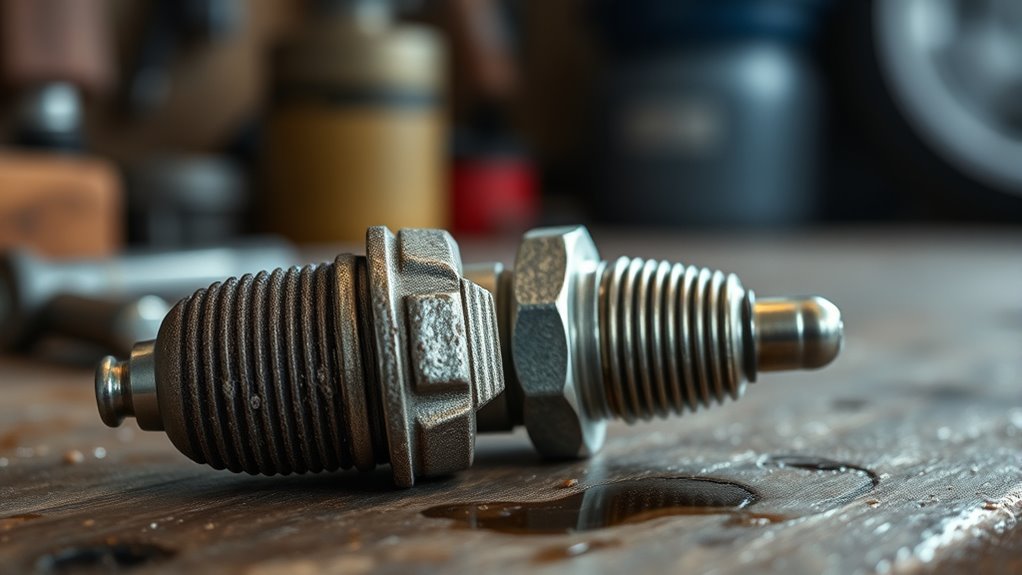
You’ll notice your platinum spark plugs are wearing out when your engine starts misfiring or idling roughly. It’s pretty common to see a drop in fuel efficiency too, and you might feel hesitation during acceleration. These are all signs that your plugs could be worn down.
If you want to be sure, take a look at the plugs themselves. Visual signs like eroded electrodes or a widened gap usually mean it’s time to replace them. Checking these things can save you from bigger engine troubles down the road.
Common Wear Indicators
If your engine starts misfiring, idling roughly, or hesitating during acceleration, your platinum spark plugs may be wearing out. Keep an eye on these common wear indicators to know when it’s time for a replacement:
- Engine misfires or rough idling occur frequently.
- A visual inspection shows heavy deposits, corrosion, or worn electrodes.
- The electrode gap has widened beyond the manufacturer’s specifications.
- You notice a drop in fuel efficiency or increased exhaust emissions.
These signs point to worn platinum spark plugs that can’t deliver peak performance. Regularly checking the electrode gap and watching for engine misfires helps you catch issues early and maintain your engine’s health. Don’t wait until performance drops greatly; address wear indicators promptly.
Performance Decline Symptoms
Although platinum spark plugs are designed for longevity, you’ll notice performance decline symptoms as they wear out. When your spark plugs get worn, you might experience rough idling or sluggish acceleration, signaling they’re no longer firing efficiently.
Engine misfires during acceleration or under load are common signs that your spark plugs need attention. You may also find your fuel efficiency dropping noticeably because worn spark plugs affect proper combustion.
Difficulty starting the engine or hesitation during acceleration can further indicate spark plug wear. If you visually inspect your plugs, look for worn electrodes, heavy deposits, or corrosion.
Recognizing these symptoms early helps you maintain smooth engine performance and avoid costly repairs down the line.
How to Inspect Platinum Spark Plugs for Wear and Damage
Before deciding whether to replace your platinum spark plugs, carefully inspect them for wear and damage. Proper spark plug inspection helps you identify issues early and maintain engine performance. Here’s how to do it:
Inspect your platinum spark plugs thoroughly to catch wear and damage early, ensuring optimal engine performance.
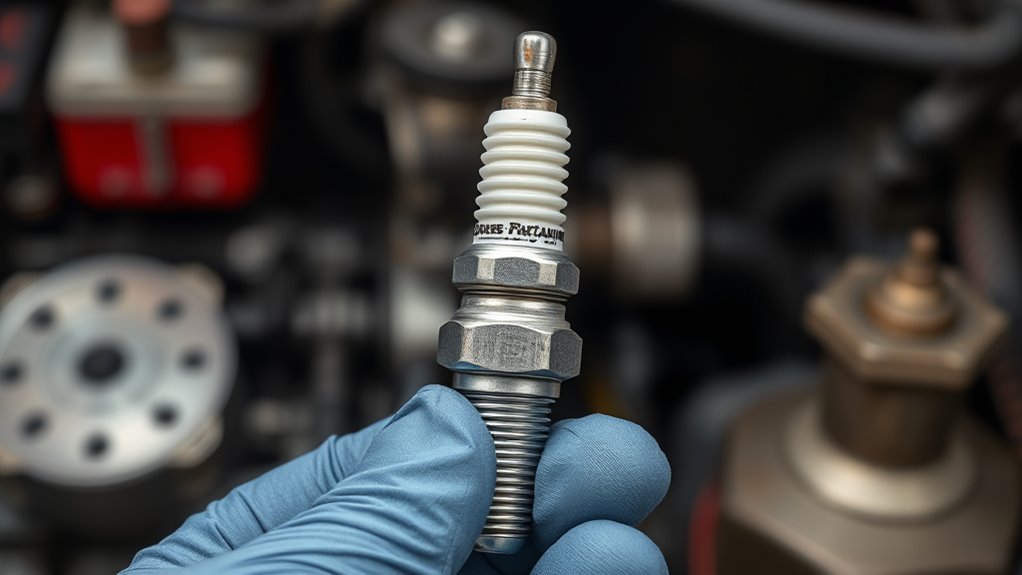
- Remove the spark plug and check the electrode for wear, erosion, or heavy deposits that affect ignition.
- Examine the ceramic insulator for cracks, chips, or discoloration indicating overheating or damage.
- Measure the spark plug gap using a feeler gauge, then compare it to the manufacturer’s specs to guarantee ideal spark.
- Look for fouling signs like oil or carbon buildup, which signal potential engine problems impacting plug wear.
Common Causes of Early Platinum Spark Plug Failure
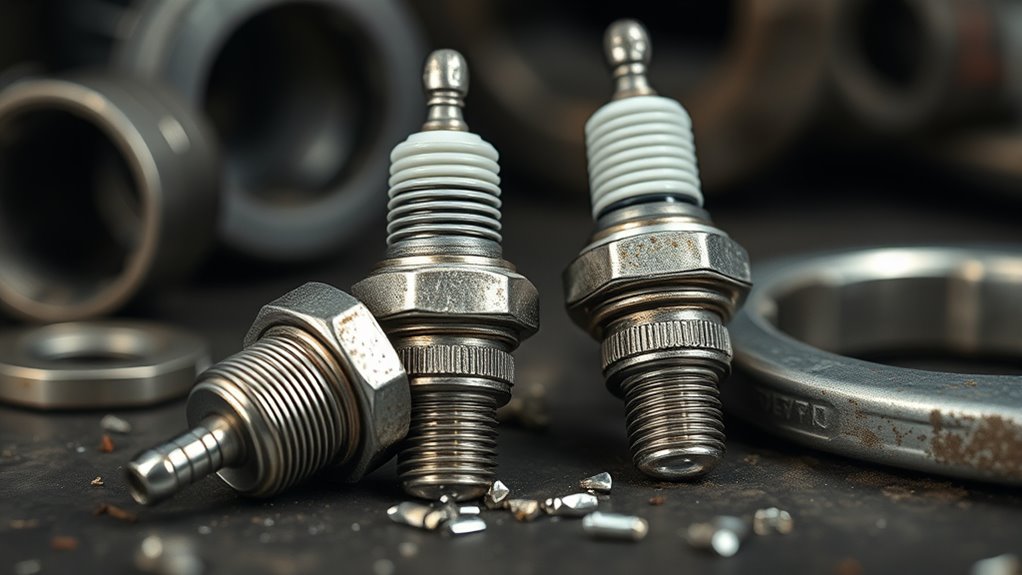
If you notice your platinum spark plugs failing early, carbon buildup is often a key culprit. It tends to coat the electrodes, which messes with their ability to spark properly.
Overheating is another common issue. When your cooling system isn’t working right, it can cause the electrodes to wear out faster than they should.
Also, don’t overlook installation mistakes or using the wrong type of plugs. Both can speed up wear and lead to performance problems down the line. So, it’s worth double-checking those details to keep everything running smoothly.
Carbon Buildup Effects
Why does carbon buildup cause your platinum spark plugs to fail prematurely? When unburned fuel and oil deposits accumulate on the electrode and insulator, they interfere with the spark plug’s ability to ignite the fuel-air mixture properly. This leads to misfires.
You should watch out for these common causes of excessive carbon buildup on your platinum spark plugs:
- Frequent short trips and idling prevent the engine from reaching the ideal temperature for complete combustion.
- Using low-quality or contaminated fuel increases carbon deposits.
- Overly rich fuel mixtures or faulty fuel injectors cause incomplete combustion.
- Neglecting regular engine maintenance, like timely air and fuel filter changes, accelerates carbon buildup.
Overheating And Installation
When your platinum spark plugs overheat or aren’t installed correctly, they can fail much sooner than expected. Overheating causes electrode melting, misfiring, and even ceramic cracking. All of this leads to early failure.
Using the wrong heat range or having oil leaks and carbon buildup around the plug traps heat and makes the problem worse. Proper installation is essential. Over-tightening or using insufficient torque can damage the ceramic insulator or electrode, which speeds up wear.
Always follow the manufacturer’s torque specifications and check that your engine’s cooling system is working efficiently to prevent overheating. By paying close attention to both overheating and installation, you can extend the life of your platinum spark plugs and avoid premature replacement due to early failure.
Recommended Replacement Intervals for Platinum Spark Plugs
Although platinum spark plugs are designed for durability, you should plan to replace them every 60,000 to 100,000 miles to maintain ideal engine performance. Following the recommended replacement intervals guarantees your engine runs efficiently and prevents misfires or reduced fuel economy.
Here’s what you need to keep in mind:
- Check your vehicle owner’s manual for the specific recommended replacement intervals for your car model.
- Some vehicles may require replacement closer to 60,000 miles due to engine design or usage.
- Driving conditions like frequent short trips or harsh environments can shorten the lifespan of platinum spark plugs.
- Schedule regular inspections around 50,000 miles to assess the condition of your plugs and replace them if needed.
How to Choose the Best Platinum Spark Plug for Your Motorcycle
Choosing the best platinum spark plug for your motorcycle can greatly impact its performance and reliability. Start by selecting platinum spark plugs made from high-quality alloys like the Denso PK20TR11 or NGK BKR6EKPB11. These are known for durability and compatibility.
Always match the plug to your motorcycle’s specifications, especially the recommended gap size, to optimize performance. Consider plugs with double-electrode designs or iridium tips. They tend to extend spark plug lifespan and improve ignition reliability.
Don’t forget to verify the heat range aligns with your engine’s needs to avoid fouling or overheating issues. Choosing a reputable brand with corrosion-resistant coatings can also reduce spark plug maintenance while ensuring long-lasting service.
Impact of Riding Habits on Platinum Spark Plug Life
Your riding habits play a crucial role in determining how long your platinum spark plugs last. Aggressive riding, frequent short trips, and harsh conditions can all impact their lifespan. To help you better understand, consider these key factors:
- Rapid acceleration and aggressive riding increase electrode wear, reducing spark plug life.
- Short trips prevent your engine from reaching ideal temperature, causing carbon buildup on platinum spark plugs.
- Stop-and-go traffic leads to more ignition cycles, accelerating erosion and decreasing longevity.
- Extreme temperatures and harsh weather expose plugs to thermal stress, shortening their durability.
Additionally, maintaining proper engine tuning and avoiding hard revving can notably extend your spark plugs’ performance. By adapting your riding habits and keeping your engine in tune, you’ll minimize wear and maximize the lifespan of your platinum spark plugs.
How to Replace Platinum Spark Plugs
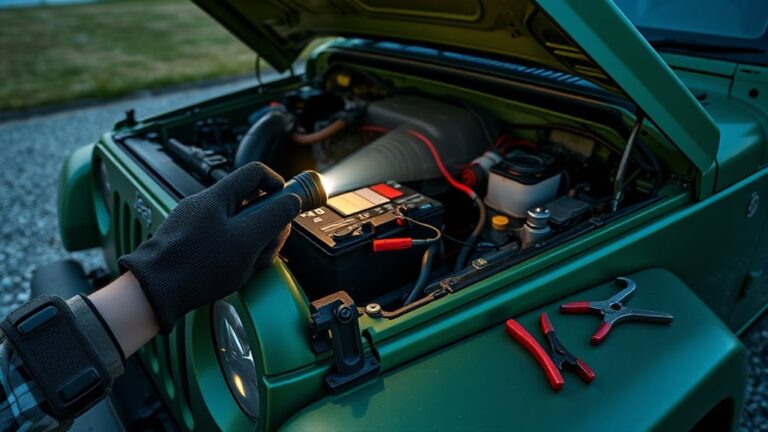
Before you start replacing your platinum spark plugs, it’s a good idea to gather the right tools first, like a spark plug socket and a ratchet. You’ll want to make sure the engine is cool before you begin, and don’t forget to disconnect the battery for safety.
Once you’ve got everything ready, you can go ahead and carefully remove the old plugs. When it’s time to install the new ones, make sure they have the correct gap and that you tighten them to the right torque. This way, everything will work smoothly and safely.
Tools Needed
Although replacing platinum spark plugs might seem straightforward, having the right tools makes the job much easier and safer. Before you start, gather these essentials:
- Spark plug socket This specialized socket fits snugly around the plug, allowing safe removal and installation without damage.
- Extension bar Use this to reach deep or recessed plugs in your engine, providing better access.
- Gapping tool Measure and adjust the electrode gap precisely to the manufacturer’s specs for *ideal* performance.
- Torque wrench Tighten the spark plug to the correct torque, preventing overtightening or loosening that can cause engine issues.
Don’t forget to wear safety gloves and eye protection to shield yourself from debris and accidental injuries during the process. Having these tools ready will help you replace your platinum spark plugs efficiently and safely.
Removal Steps
A safe and methodical approach is key when removing platinum spark plugs. First, disconnect the negative battery terminal to avoid electrical hazards.
Next, remove any engine components blocking access, like air intake hoses or engine covers.
For spark plug removal, use a spark plug socket with an extension and ratchet to carefully loosen each plug, avoiding damage to the ceramic insulator.
Once removed, inspect the spark plugs for wear or fouling to determine if replacement is necessary. These replacement steps guarantee you handle the plugs properly, protecting both the spark plugs and surrounding engine components.
Following this process helps maintain engine performance and prepares you for the next phase of spark plug replacement.
Installation Tips
When you’re ready to install new platinum spark plugs, make sure you disconnect the negative battery terminal to keep the process safe. Following proper installation tips assures a successful spark plug replacement without damage or performance issues.
- Use a gap tool or feeler gauge to set the spark plug gap to the manufacturer’s recommended clearance.
- Insert the spark plug carefully using a spark plug socket with a rubber insert to avoid damaging the electrode.
- Tighten the spark plugs to the vehicle’s specified torque specifications, usually between 13-25 ft-lb, to prevent over-tightening or loosening.
- Reinstall any removed components, like engine covers, in the correct order and torque settings.
These steps guarantee a safe, precise spark plug replacement every time.
How to Extend Platinum Spark Plug Life
If you want your platinum spark plugs to last as long as possible, you’ll need to inspect them regularly for signs of wear or fouling. Catching issues early helps you extend their lifespan and avoid unexpected performance drops.
Use high-quality fuel and keep your engine properly tuned to minimize deposits that can cause premature spark plug deterioration. Stick to the manufacturer-recommended maintenance and replacement interval, typically between 60,000 and 100,000 miles for platinum spark plugs, to ensure they perform *at their best*.
Furthermore, keep your engine’s cooling system in good condition since overheating can speed up spark plug wear. When installing new plugs, make sure to gap them correctly to maintain consistent ignition and prolong their effective life.
Top Mistakes That Reduce Platinum Spark Plug Life
Although platinum spark plugs are designed for durability, several common mistakes can considerably shorten their lifespan. To keep your plugs working efficiently, avoid these pitfalls:
Platinum spark plugs last longer when you avoid common installation and maintenance mistakes.
- Using an incorrect gap during installation leads to misfires and stresses the spark plug, reducing its life.
- Neglecting regular inspection causes carbon buildup, which fouls the plugs and accelerates wear.
- Installing low-quality or incompatible plugs results in premature erosion of the electrodes, harming performance.
- Ignoring engine overheating issues causes the plugs to degrade faster and can trigger more frequent misfires.
Comparing Platinum, Copper, and Iridium Spark Plugs
Since spark plugs play a crucial role in your engine’s performance, choosing the right type, platinum, copper, or iridium, can make a big difference in durability and maintenance. Copper spark plugs offer the shortest lifespan, typically needing replacement every 20,000 to 30,000 miles. They’re affordable but wear out faster due to softer spark plug materials.
Platinum spark plugs last much longer, with a replacement interval between 60,000 and 100,000 miles. Their advanced alloys resist erosion, maintaining sharp electrode tips that boost performance. Iridium spark plugs provide the longest lifespan, often exceeding 75,000 to 100,000 miles, thanks to superior resistance to wear and corrosion.
When deciding, consider your vehicle’s requirements and driving habits. If you want less frequent maintenance and enhanced durability, platinum or iridium spark plugs are solid choices. Copper plugs fit tight budgets but expect more frequent replacements. Understanding these differences helps you pick the best spark plug materials for your engine’s needs.
Frequently Asked Questions
Can I Use Platinum Spark Plugs in Non-Motorcycle Engines?
Yes, you can use platinum spark plugs in non-motorcycle engines. Their platinum coating offers excellent durability, and the spark plug design often suits various engine types. Just check engine compatibility to guarantee proper fit and gap size.
Following maintenance tips like regular inspections helps maximize performance. Using platinum plugs can improve ignition reliability and extend intervals between replacements, making them a smart choice for many gasoline engines beyond motorcycles.
Do Platinum Spark Plugs Improve Fuel Efficiency Noticeably?
You won’t see a dramatic fuel consumption impact with platinum spark plugs, but they do offer subtle improvements compared to standard plugs. Their spark plug longevity means you replace them less often, which helps reduce maintenance frequency.
While the performance comparison shows better consistency and combustion, the actual fuel efficiency gain is usually modest, especially in well-maintained engines. So, they improve fuel efficiency slightly, but don’t expect huge savings.
Are Platinum Spark Plugs Compatible With All Motorcycle Brands?
Think of spark plug materials like keys; you need the right one to open your engine’s potential. Platinum spark plugs aren’t compatible with all motorcycle brands because each engine demands specific designs.
While they offer excellent spark plug longevity and boost engine performance, you must check your motorcycle brand compatibility carefully. Using the wrong plug can harm performance, so always match the part number and specs to keep your ride running smoothly.
How Do Weather Conditions Affect Platinum Spark Plug Performance?
Weather conditions directly impact your platinum spark plugs’ performance. Their corrosion resistance helps against moisture and pollutants, but extreme cold can make them brittle, risking cracks.
High temperatures test their temperature tolerance and can wear electrodes faster if cooling is poor. Sudden moisture causes fouling, and thermal conductivity affects heat dissipation.
You need to monitor these factors to keep your spark plugs working efficiently in changing climates.
What Tools Are Needed for Cleaning Platinum Spark Plugs?
Think of cleaning platinum spark plugs like tuning a delicate instrument. You’ll need a wire brush or a specialized cleaning brush for carbon buildup and a spark plug cleaning machine or ultrasonic cleaner for a deep clean.
Don’t forget a gapping tool to check and adjust the electrode gap after cleaning. Use carburetor or brake cleaner for stubborn grime, but avoid harsh chemicals.
Always wear gloves and eye protection during spark plug removal and maintenance.
Conclusion
So, you want your platinum spark plugs to last forever? Well, unless you’re planning to never drive again, they’ll eventually wear out, usually around 60,000 miles. But hey, who doesn’t love surprises like rough starts or misfires just to keep things exciting?
The irony is, by regularly checking and replacing them, you actually save yourself from bigger headaches. So, treat your plugs right. They’re not immortal, but they sure can feel that way with a little care.