Can You Reuse an Oil Filter?
You can reuse an oil filter a limited number of times if you carefully drain, inspect, and guarantee it’s undamaged.
High-quality filters with durable materials handle short-term reuse better, but disposable ones aren’t designed for multiple uses and can fail, risking engine damage from clogged media or leaks.
Your driving habits and oil type also affect reuse safety.
To fully understand when it’s safe to reuse and when to replace, keep exploring key considerations.
Key Takeaways
- Reusing an oil filter is possible short-term if it is cleaned, undamaged, and properly inspected before reinstalling.
- Disposable oil filters are designed for single use and reusing them risks engine contamination and damage.
- High-quality filters with durable media and gaskets have better reuse potential than standard disposable filters.
- Driving conditions and oil type significantly affect filter contamination rates, influencing safe reuse intervals.
- Proper reuse requires draining residual oil, checking the gasket and media, and securely reinstalling without overtightening.
What Does It Mean to Reuse an Oil Filter?
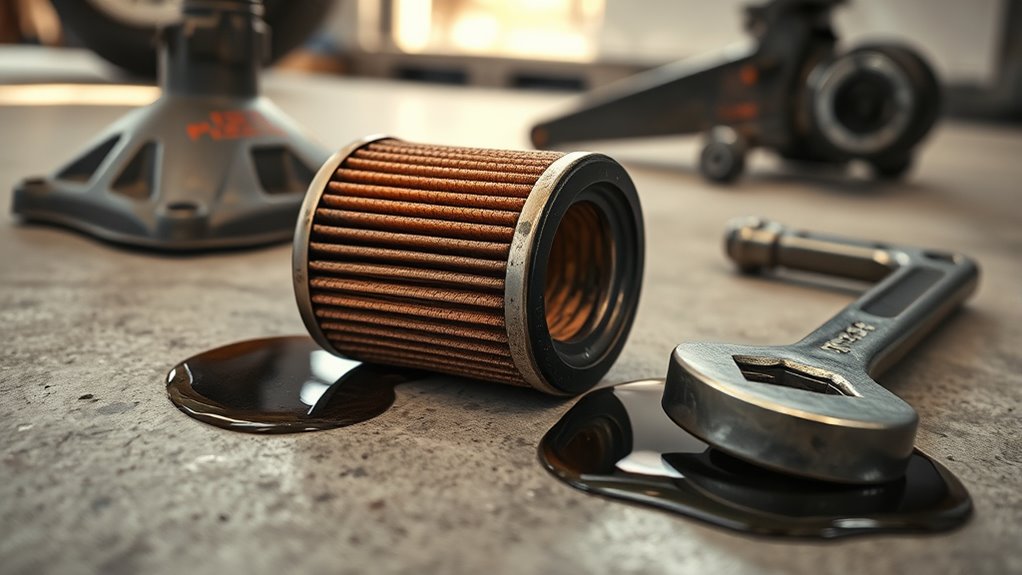
Although most people replace their oil filter with every oil change, reusing an oil filter means you reinstall the same one after cleaning or draining it. When you choose to reuse an oil filter, you’re basically extending its life beyond a single oil change cycle.
This process involves removing accumulated contaminants by cleaning or draining the filter media. Before you reuse the filter, you need to check that its gasket and media remain undamaged and in good condition.
Sometimes, you might also pre-fill or reseal the filter to prepare it for another service interval, making sure it functions properly. Reuse depends heavily on proper maintenance and inspection because a compromised filter can harm your engine.
Can You Safely Reuse a Disposable Oil Filter?
You might be tempted to reuse a disposable oil filter to save some money. But here’s the thing: these filters aren’t made to be used more than once. Their design makes it tough to clean them properly. So, if you try to reuse one, harmful particles can sneak through and potentially damage your engine. It’s really important to understand these risks before deciding to reuse a disposable filter.
Risks Of Reuse
While it might seem cost-effective to clean and reuse a disposable oil filter, doing so risks letting contaminants recirculate in your engine. The paper media traps fine particles that can’t be properly cleaned.
Reusing disposable filters can damage their filtering ability, leading to more engine wear and leaks. The anti-drain valve may also fail, causing oil drainage problems and dry startups.
Ultimately, reusing disposable filters compromises engine health and increases maintenance costs.
| Risk | Cause | Impact |
|---|---|---|
| Contaminant buildup | Trapped particles not removed | Engine wear |
| Filter damage | Cleaning process | Reduced filtration |
| Seal failure | Reuse stresses | Oil leaks |
| Valve failure | Anti-drain valve compromised | Oil starvation |
| Increased costs | Reduced filter efficiency | More repairs needed |
Filter Design Limitations
The risks of reusing a disposable oil filter stem largely from its design limitations. These filters aren’t built to be cleaned or reused, which means you’ll face several issues if you try.
The paper filter media can’t be effectively cleaned and may break down, reducing filtration quality. Gaskets and seals are designed for one-time use and can degrade, risking leaks. Bypass valves may fail if the filter media or seals are compromised.
Manufacturers recommend replacing the filter each oil change due to these inherent limitations. When you reuse a disposable filter, you compromise its ability to protect your engine effectively.
It’s safer and more reliable to replace the filter with each oil change rather than risk damage from a compromised filter.
How Many Times Can You Reuse an Oil Filter?
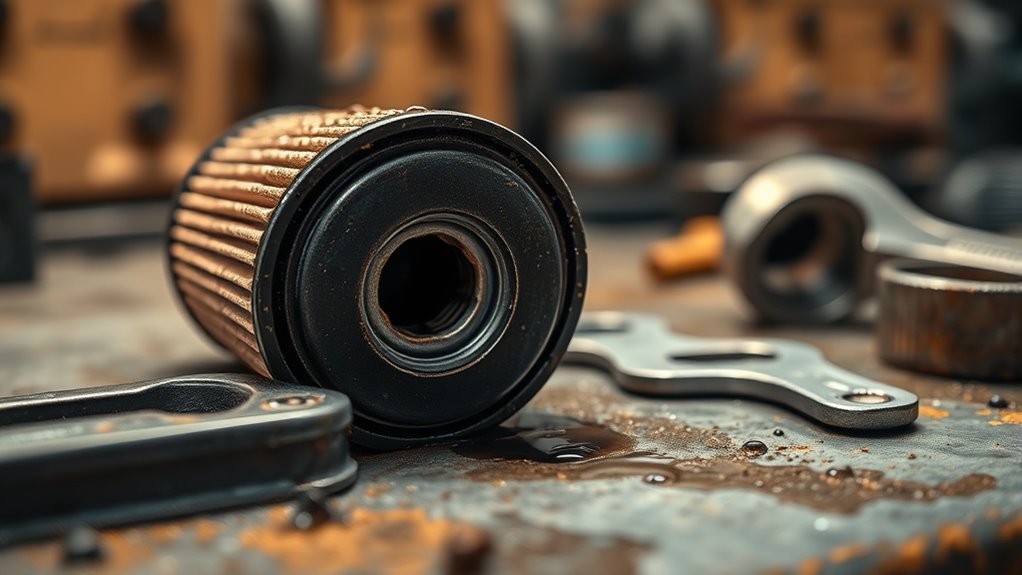
It’s important to keep the reuse short-term and always inspect the filter properly before putting it back in. Doing this helps avoid any potential engine damage down the road. So, a little care goes a long way!
Filter Durability Factors
Because oil filter designs and materials vary widely, you’ll find that some filters can be reused multiple times while others are meant for single use only. Filter durability depends largely on the filter’s construction and how well you maintain it.
High-quality filters made with metal or synthetic media can often withstand several cleaning and reuse cycles. However, the sealing gasket and internal media wear down over time, limiting durability.
Consider these key factors affecting filter durability:
- Filter design and materials (metal vs. disposable paper)
- Condition of the sealing gasket after each use
- Level of contamination encountered during operation
- Proper cleaning and maintenance procedures
Short-Term Reuse Safety
Understanding the factors that affect filter durability helps you decide when short-term reuse is safe. You can generally reuse an oil filter once or twice for short-term reuse, like during a weekend trip or a single high-stress event, as long as it was replaced at the last oil change and shows no damage.
Before reinstalling, drain the filter thoroughly to remove old oil and contaminants. Check the gasket and filter media carefully. If you spot clogging, leaks, or wear, don’t reuse it.
Keep in mind that repeated reuse without inspection risks seal failure or bypass valve problems, which could damage your engine. So, limit short-term reuse to filters in good condition and avoid pushing beyond a couple of uses to stay safe.
Disposable Filter Limits
While it might be tempting to save money by reusing a disposable oil filter, manufacturers design these filters for one-time use only. Reusing disposable oil filters risks clogging and reduced filtration, which can let harmful contaminants into your engine.
Cleaning these filters often damages their media, making them ineffective. Most experts recommend replacing disposable filters with every oil change, typically every 3,000 to 10,000 miles. Here’s why you shouldn’t push your luck with disposable oil filters:
- They’re engineered to last just one oil cycle
- Reuse increases engine wear and tear
- Cleaning can harm the filter’s internal structure
- Ignoring replacement intervals can lead to costly repairs
Stick to these limits to keep your engine running smoothly.
What Happens to Oil Filter Performance When Reused?
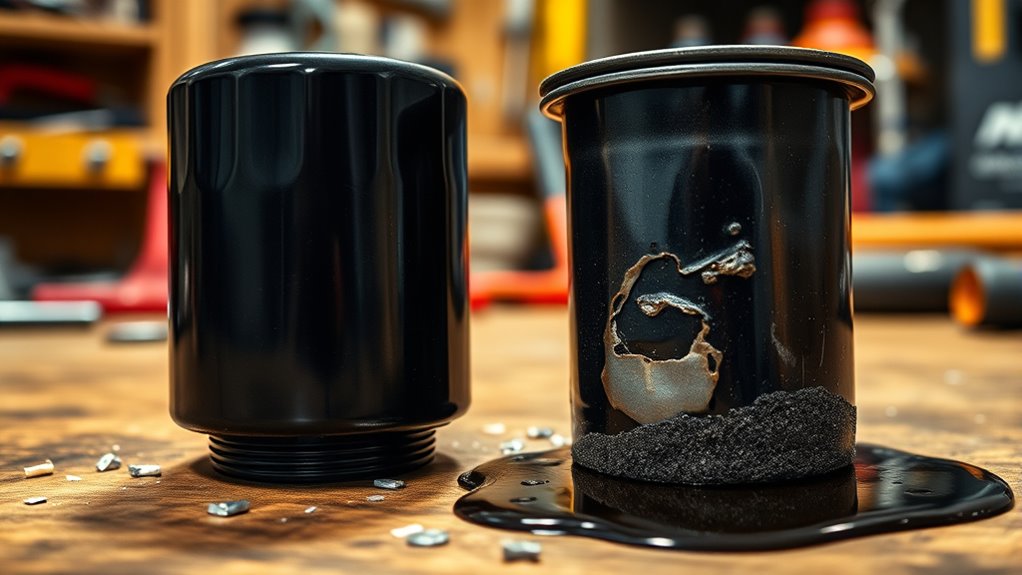
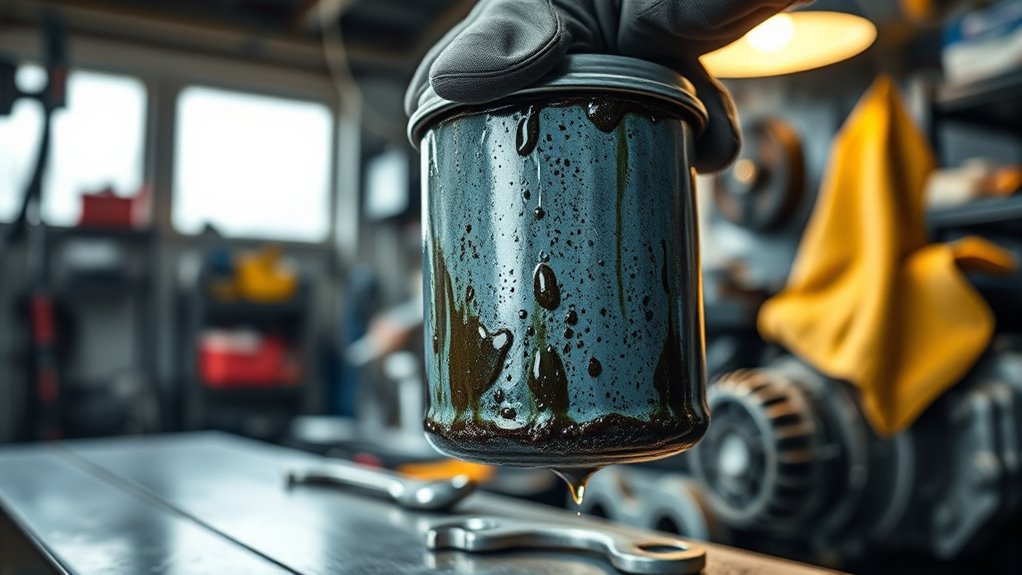
If you reuse an oil filter, you’ll likely notice a drop in its performance as the filter media clogs with debris. This limits its ability to trap new contaminants. The filter media’s efficiency decreases, causing a higher pressure drop and reduced oil flow.
Moreover, the anti-drain valve may fail, increasing oil drain-back and risking engine wear. The gasket and sealing surfaces degrade, raising leak risks and compromising overall filter performance. Over time, your reused filter won’t maintain oil cleanliness effectively, which jeopardizes your engine’s health.
| Aspect | Effect on Reused Filter | Impact on Engine |
|---|---|---|
| Filter Media | Clogs with debris | Traps fewer contaminants |
| Anti-Drain Valve | May fail | Increased oil drain-back |
| Gasket & Seal | Degrades | Risk of leaks |
| Pressure Drop | Increases | Reduced oil flow |
| Oil Cleanliness | Diminishes | Higher engine wear risk |
Should You Drain Your Oil Filter Before Reusing It?
Because leftover oil in a used filter can carry contaminants, you should always drain it thoroughly before reusing. Draining helps remove residual oil and dirt, preventing these from mixing with fresh oil during your next oil change. This step is vital, especially if the filter has been in use for a long time or under dirty conditions. Proper drainage also boosts oil flow and filtration efficiency, keeping your engine healthier.
Here’s why you should drain your oil filter before reuse:
- It removes old oil that may contain harmful contaminants.
- It reduces the risk of introducing dirt into the engine.
- It helps prevent oil leaks by allowing the filter to dry completely.
- It guarantees better oil flow and filtration performance when reused.
When Is It Okay to Reuse an Oil Filter Short-Term?
Although reusing an oil filter isn’t ideal for long-term use, you can safely reuse it short-term when the filter is clean, undamaged, and was replaced during your last oil change. Before you reuse the filter, inspect the gasket and filter media for any wear or contamination.
Make sure there are no metal particles, debris, or cracks that could compromise its performance. It’s also important that the filter seal remains intact to prevent leaks. Short-term reuse works best if your engine oil is still in good condition and you limit the filter’s use to just a few days or a single trip.
Don’t forget to drain any residual oil from the filter before reinstalling it, so it functions properly. By following these steps, you can safely reuse the filter temporarily without risking engine damage during that brief period.
What Are the Risks of Reusing an Oil Filter?
If you reuse an oil filter, the filter media can start to break down. When that happens, it loses its ability to trap harmful particles effectively. So, contaminants might end up circulating in your engine oil. This can cause increased wear and even potential damage to your engine. Basically, you’re risking your engine’s health by depending on a filter that’s no longer working the way it should.
Filter Media Degradation
When you reuse an oil filter, the filter media can quickly become clogged or damaged, which reduces its ability to trap contaminants effectively. This filter media degradation poses significant risks to your engine’s health. Here’s what happens:
The filter media can break down or tear, letting dirt bypass the filter. Clogged media lowers filtration efficiency, increasing wear on engine parts. Damaged media may fail to seal properly, causing oil leaks. Bypass valves might activate prematurely under pressure, letting unfiltered oil circulate.
Because the structural integrity of the filter media is compromised after use, reusing it without thorough cleaning and inspection isn’t safe. To keep your engine running smoothly, it’s best to replace the oil filter rather than risk filter media degradation.
Engine Contamination Risks
Because reusing an oil filter lets dirt, metal particles, and debris build up inside, you risk sending harmful contaminants back into your engine. A clogged or damaged filter can’t trap new particles, and the bypass valve may open, letting unfiltered oil circulate.
This contamination speeds up engine wear, lowers performance, and may cause leaks or seal failures. Over time, this increases oil loss and damage. Here’s a quick look at the risks:
| Risk Type | Cause | Potential Effect |
|---|---|---|
| Dirt & debris buildup | Reusing without cleaning | Accelerated engine wear |
| Metal particles | Filter media degradation | Component damage |
| Bypass valve opening | Clogging or damage | Unfiltered oil circulation |
| Seal failure | Reusing old filters | Oil leaks |
| Oil contamination | Continuous reuse | Reduced engine lifespan |
Avoid reusing an oil filter to keep your engine safe and running smoothly.
How to Safely Reuse an Oil Filter
Although reusing an oil filter can save you money, you need to verify it’s in good condition before reinstalling it. Reusing an oil filter is generally safe only if you carefully check for damage and contamination.
Reusing an oil filter can save money but requires thorough inspection for damage and contamination first.
Here’s how to safely reuse an oil filter:
Remove the filter and drain any residual oil completely. Inspect the gasket for cracks or wear, and check the filter for debris or clogging.
Pre-fill the filter with fresh oil to ensure proper lubrication during startup. Reinstall the filter securely but avoid overtightening to prevent leaks, then double-check the seal.
How Does Oil Type Affect Oil Filter Reuse?
How does the type of oil you use impact the potential to reuse an oil filter? The oil type plays a vital role in determining how long an oil filter can last.
Synthetic oils generally allow for longer intervals between changes, making it more feasible to reuse an oil filter safely. These oils break down slower and often contain fewer contaminants, which means your filter won’t clog as quickly.
On the other hand, conventional oils degrade faster and tend to leave behind more debris, increasing the risk that a reused filter will become less effective sooner. The viscosity and chemical makeup of your chosen oil type influence how quickly contaminants build up in the filter media.
While high-quality synthetic oil can extend filter life by reducing trapped particles, always follow your vehicle manufacturer’s recommendations. Different oil formulations may produce fewer contaminants, but the best practice is to evaluate your oil type carefully before deciding to reuse an oil filter.
How Do Driving Conditions Impact Oil Filter Reuse Safety?
When you drive in harsh conditions like dusty roads or heavy stop-and-go traffic, your oil filter collects contaminants much faster, cutting its effective lifespan. This means reusing the filter after an oil change becomes riskier. Your driving habits play a big role in how safe it is to reuse an oil filter.
Consider these factors:
Consider these factors that impact oil filter lifespan and influence safe reuse after an oil change.
- Frequent short trips prevent the engine from reaching ideal temperature, increasing contaminants and clogging the filter quicker.
- High-performance driving or towing adds extra stress, filling the filter with debris faster.
- Extreme temperatures can damage the filter gasket or media, reducing its sealing and filtration effectiveness.
- Driving conditions that cause more engine wear require more frequent oil changes and filter replacements.
If your driving environment is tough, you should be cautious about reusing the oil filter after an oil change to avoid engine damage and maintain performance.
Reusable vs. Disposable Oil Filters: What It Means for Reuse
Since oil filters come in two main types, reusable and disposable, knowing their differences can help you decide if reuse is a safe and practical option. A reusable oil filter is built with durable materials like steel and designed to be cleaned and used multiple times.
It often includes features such as magnets and sturdy housings that let you maintain it without damaging its filtration ability. On the other hand, disposable filters use paper media meant for single use, trapping fine particles that are nearly impossible to clean effectively.
Trying to reuse disposable filters risks damaging their media, which can reduce filtration efficiency and put your engine at risk. While disposable filters are cheaper upfront, a reusable oil filter can save you money over time through maintenance and reuse.
When Should You Always Replace Your Oil Filter?
Even if your oil filter looks fine, you should replace it every time you change your oil to keep your engine running smoothly. The oil filter works hard trapping contaminants, so reusing it can compromise your engine’s health. You should replace the filter in these situations:
- During every oil change to maintain optimal engine protection.
- If the filter gasket is damaged, cracked, or worn, as it can cause leaks or poor sealing.
- When the filter appears clogged, contaminated, or has visible debris, reducing filtration efficiency.
- If the filter was removed for any maintenance, even if it seems fine, since reinstalling it can cause issues.
Avoid the risk of clogging or reduced engine performance by replacing the filter regularly. This ensures your oil stays clean, protecting your engine parts and prolonging your vehicle’s life. Always replace the filter; you don’t want to gamble with engine wear.
Frequently Asked Questions
What Materials Are Used in Oil Filter Construction?
When you look at oil filter material composition, you’ll find filter media made from cellulose, synthetic fibers, or a blend of both to trap contaminants. The housing is usually steel or aluminum for durability under heat and pressure.
You’ll also see rubber or silicone gaskets and anti-drain back valves to prevent leaks and oil backflow. Internal parts like springs and bypass valves are generally steel, ensuring smooth oil flow during engine operation.
How Does Oil Filter Size Affect Engine Compatibility?
Oil filter size affects engine compatibility like a key fitting a lock. You need the right match. If the filter’s too small, your engine risks poor filtration and damage.
Too large, and it won’t fit or seal properly, causing leaks or malfunctions. You’ve got to choose a filter with the exact diameter, height, and thread size the manufacturer recommends to guarantee ideal engine compatibility and protect your engine efficiently.
Can Oil Filters Be Recycled After Use?
Yes, you can recycle oil filters after use, and doing so greatly reduces their environmental impact. When you bring used filters to authorized recycling centers or auto parts stores, they safely drain residual oil and recycle valuable materials like steel.
What Tools Are Needed to Change an Oil Filter?
You’ll need a few key tools to change an oil filter properly. Grab an oil filter wrench or removal tool to loosen the filter without damaging it. This helps maintain filter durability during removal.
Use a wrench or socket set to handle stubborn filters. Don’t forget a drain pan to catch oil spills and a clean rag to wipe the mounting area. These tools make the job easier and protect your engine’s health.
How to Properly Dispose of Used Oil Filters?
Think of your used oil filter as a leaking time bomb if not handled right. To minimize environmental impact, you should puncture or crush it to drain leftover oil completely.
Then, take it to authorized recycling centers or auto parts stores that accept used filters. Avoid tossing it in regular trash, as that risks oil contamination.
Conclusion
When it comes to reusing an oil filter, remember: “Better safe than sorry.” While some filters might handle a second round, most disposable ones aren’t built for it.
Reusing can risk engine health and performance, especially if you don’t drain or consider your driving conditions and oil type. To keep your engine running smoothly, it’s best to replace your oil filter every time you change your oil. Your car will thank you for it!