Are Shocks and Struts the Same Thing? Clear Differences and Essential Facts
Are shocks and struts the same thing? No, they serve similar but distinct roles in your vehicle’s suspension system. Shocks control the movement of your springs to keep your ride smooth, while struts combine shocks with structural support to your suspension. Identifying which your vehicle has helps you maintain safe handling and a comfortable drive.
Key Takeaways
- Inspect your shocks and struts after 50,000 miles to catch wear before it affects handling or safety.
- Shocks primarily dampen spring movement, while struts also act as a structural part of the suspension system.
- Look for fluid leaks or uneven tire wear as signs that your shocks or struts might need replacement.
- Replacing struts is more labor-intensive and costly than shocks due to integrated components and required realignment.
- Choose performance shocks or struts if you want improved handling, but ensure they fit your vehicle’s suspension type.
- Tire wear patterns can help identify worn suspension parts, check tires regularly for cupping or uneven wear.
Are Shocks and Struts the Same Thing?
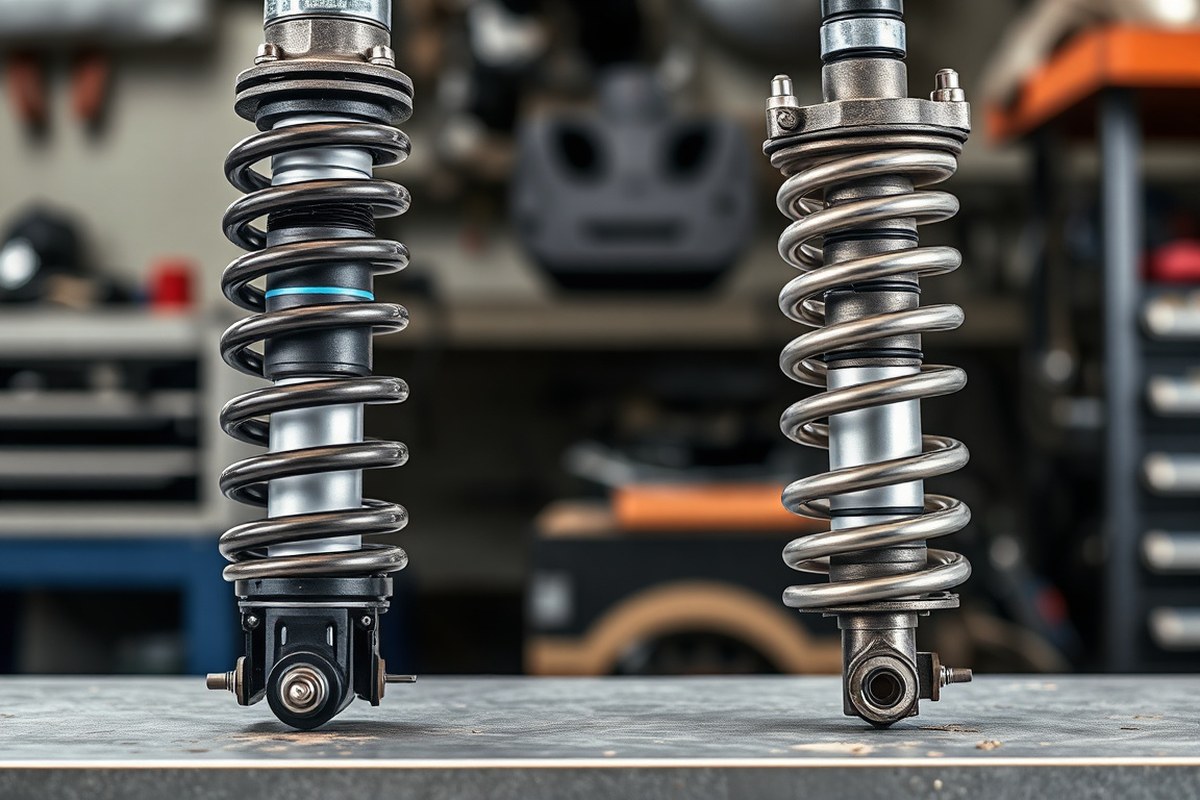
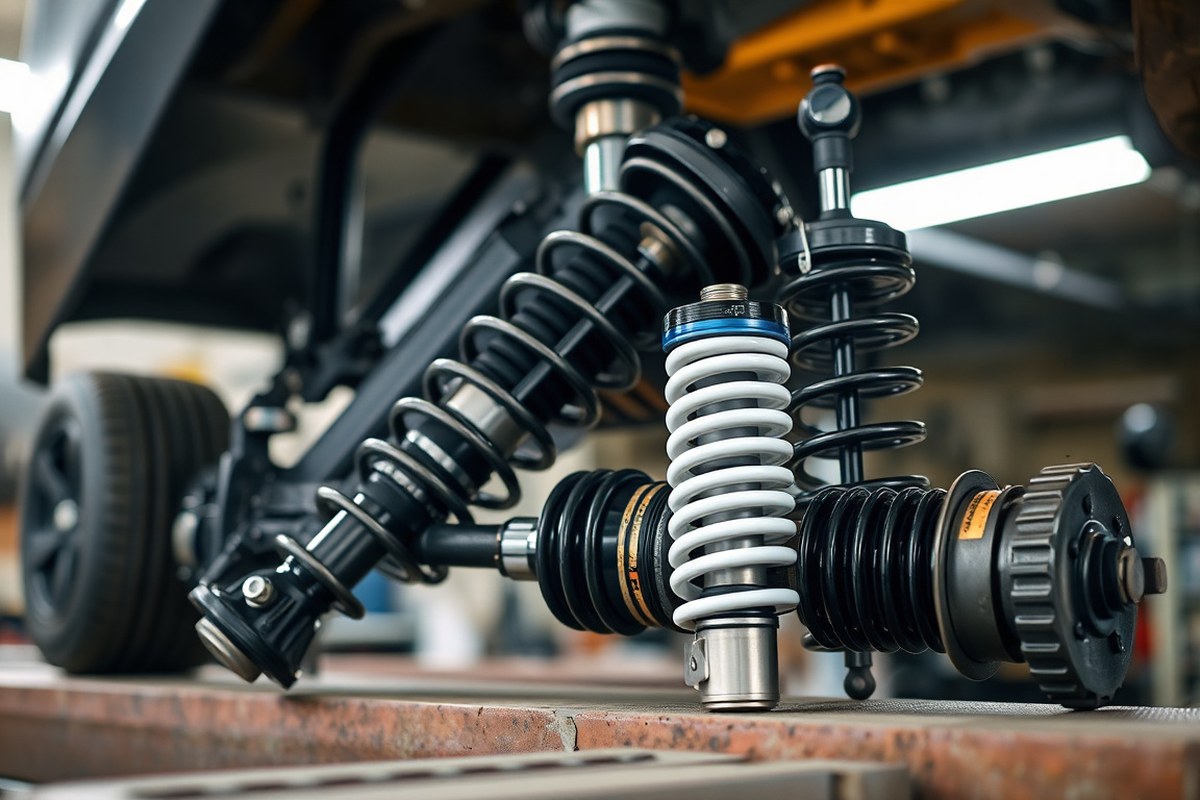
Shocks and struts are not the same parts, even though they work toward similar goals in a vehicle’s suspension system. Both help control how your car rides and handles by managing the motion of the springs. However, shocks are separate components that primarily dampen the movement of the wheels, while struts combine the shock absorber with structural support for the suspension.
People often confuse shocks and struts because they both reduce bouncing and improve ride comfort, so it’s natural to use the terms interchangeably. Also, some parts called “struts” by manufacturers are technically coilover shocks, which adds to the confusion. The key difference lies in their design and role. A shock absorber is a simple cylinder filled with hydraulic fluid that slows down spring compression and rebound. Struts not only perform that damping but also hold up part of the vehicle’s weight and attach to other suspension components, acting as a key part of the suspension geometry.
Knowing the distinction matters for maintenance and repairs. Shocks are usually found on the rear suspension or on vehicles with separate coil springs. Struts are common in front suspensions where they support the upper part of the wheel assembly and sometimes incorporate the coil spring around the shock absorber. This integration allows struts to affect alignment angles and steering, which shocks do not.
You can tell if your vehicle uses shocks or struts by looking at the suspension layout. If you see a large assembly with a spring wrapped around the shock absorber near the wheel hub, that’s a strut. A shock will be a simpler, standalone cylinder separate from the spring. Replacement intervals for both generally fall between 50,000 and 100,000 miles, depending on driving conditions and manufacturer recommendations. Ignoring worn shocks or struts can lead to issues like excessive bouncing, uneven tire wear, or problems with braking stability, so understanding their roles helps you spot symptoms and decide when to get them inspected or replaced.
How Shocks and Struts Work in Vehicle Suspension
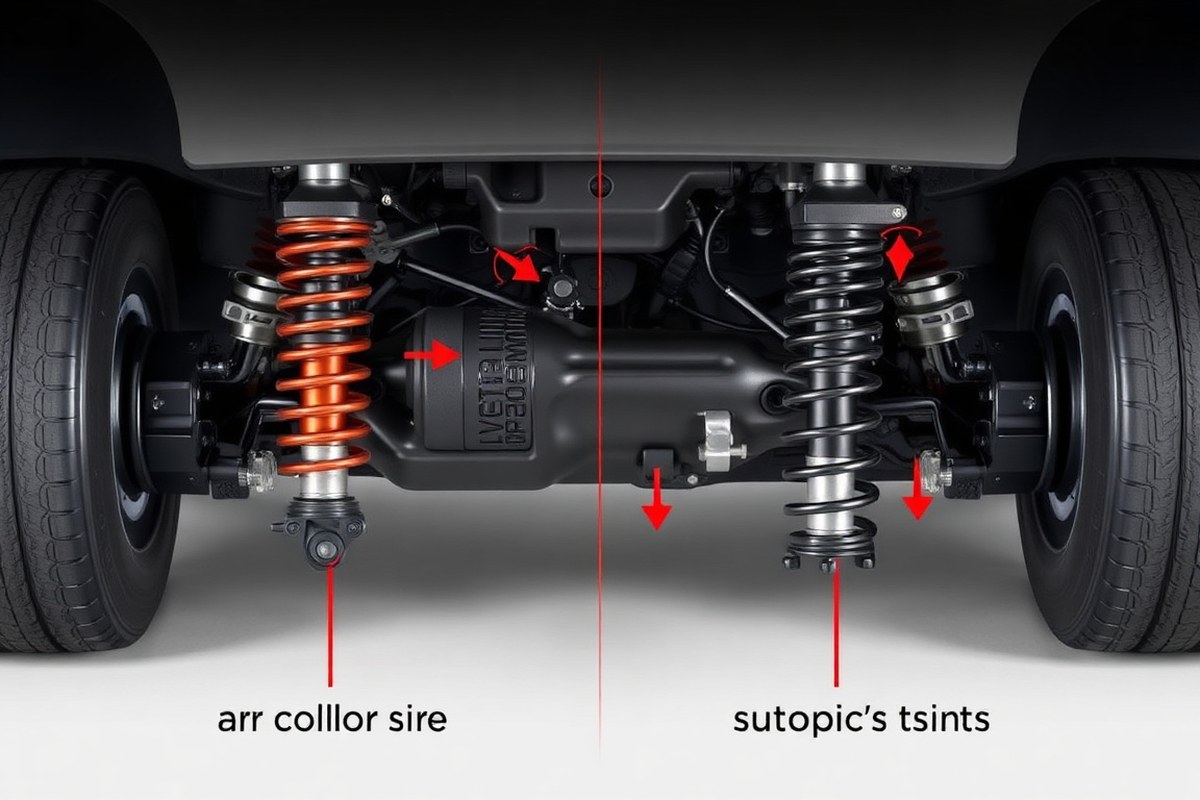
Shocks, or shock absorbers, manage the up-and-down movement of your vehicle’s springs and suspension. When your vehicle hits a bump, the springs compress and then expand to absorb the impact. Shocks control the speed of that movement, preventing your car from bouncing excessively and losing contact with the road. They do this by forcing hydraulic fluid through small orifices inside the unit, creating resistance that slows the suspension’s rebound and compression.
Struts perform the same damping function as shocks but go beyond that by serving as a key structural part of the suspension system. They consist of a housing that supports the coil spring, which carries the vehicle’s weight, and a damper inside that controls spring motion. Unlike shocks, struts carry side loads, act as a pivot point for the steering system, and help maintain the suspension geometry. This means struts hold the tire in an aligned position and directly influence your vehicle’s handling and steering response.
By controlling suspension movement, shocks and struts keep your tires in contact with the road, which is essential for stability and safety. Shocks reduce the impact force from irregular surfaces to improve ride comfort without bearing weight. Struts, because they also provide structural support and influence suspension alignment, affect ride comfort, braking efficiency, and tire wear. Removing struts would cause that vehicle corner to collapse, while shocks can be removed temporarily, though this is unsafe and uncomfortable.
For vehicles equipped with struts, replacing them often requires compressing the coil springs and realigning the wheels afterward. This is why strut replacement is typically more complex and costly, often between $450 and $900 for a pair at the front, including labor and alignment. Shock replacement is usually simpler and costs between $150 and $400 for a pair. Maintaining these components ensures your vehicle handles predictably and absorbs road impacts effectively.
Regularly check for leaking fluid or uneven tire wear; these signs often mean your shocks or struts need replacing to keep your ride safe and comfortable.
Key Components and Differences Between Shocks and Struts
Shocks and struts differ mainly in structure and function within a vehicle’s suspension system. A shock absorber is a simpler, standalone component designed to dampen movement, while a strut combines several parts into one assembly that also supports the vehicle’s weight and contributes to steering. Understanding each part helps you know why struts are typically stronger and more complex.
Shock Absorber Parts Explained
A shock absorber consists primarily of a piston, coil, and hydraulic fluid inside a sealed cylinder. The piston moves through the hydraulic fluid to control the suspension’s bounce and sway as the car travels over uneven surfaces. Although sometimes equipped with coil springs, many shock absorbers are separate from the spring system. Their key role is to reduce impact and stabilize the vehicle but they do not support the car’s weight or structural integrity.
Since shocks are mounted between the frame and suspension, you can replace a shock absorber without affecting the vehicle’s structural stability. This makes them a simpler, less expensive part to manage if your car feels bumpier or less stable on the road.
Strut Assembly Components
A strut assembly contains several suspension parts integrated into one unit: a shock absorber, a coil spring, and a rigid housing that connects to the vehicle’s frame and wheel assembly. The coil spring absorbs the impact of bumps, while the shock inside the strut damps the spring’s motion to prevent excessive bouncing. The rigid housing provides structural support, meaning the strut bears the vehicle’s weight and helps maintain the wheel’s alignment during steering and suspension movement.
Because struts serve both suspension and structural roles, they typically take up less space and are built stronger than shock absorbers. Struts are a key component of vehicles with certain suspension designs, and they require more involved replacement, often impacting vehicle alignment and suspension geometry.
Comparison Table: Shocks vs. Struts
This table outlines the main structural and functional differences between shock absorbers and strut assemblies to help you identify their roles and components at a glance.
| Feature | Shock Absorber | Strut Assembly |
|---|---|---|
| Physical Parts | Piston, coil, hydraulic fluid (in a sealed cylinder) | Shock absorber, coil spring, rigid housing (structural framework) |
| Structural Role | Stand-alone; does not support vehicle weight | Weight-bearing; integral to suspension and steering |
| Mounting | Mounted between frame and suspension | Mounted as an assembly connecting frame and wheel |
| Space Usage | Requires separate coil spring | Takes up less space due to combined parts |
| Function | Dampens suspension movement | Dampens suspension and supports alignment, steering |
| Replacement Impact | Simple replacement, no effect on steering/geometric setup | Replacement affects wheel alignment and suspension geometry |
| Strength | Lighter load handling | Designed to be structurally stronger and more strong |
Choosing between shocks and struts depends on your vehicle’s suspension design. Knowing these components helps you understand the greater complexity behind struts and why their replacement often requires more time, skill, and cost than shocks. Both components contribute significantly to ride comfort and safety by managing how your vehicle handles bumps and road irregularities.
How to Identify If Your Vehicle Has Shocks or Struts
To determine whether your vehicle has shocks or struts, first check the owner’s manual, then look under the car for key components. Many cars have struts in front and shocks at the rear, but setups differ by model. Use a step-by-step checklist during your inspection to improve accuracy, and if you remain uncertain or notice driving issues, seek advice from a professional mechanic.
Checking Your Vehicle’s Owner Manual
The quickest way to know if your vehicle has shocks or struts is by looking at the owner’s manual. This document will describe the suspension system layout and components specific to your model and year. Since many modern cars feature struts in the front and shocks in the back, the manual will confirm if your vehicle follows that pattern or uses a different setup.
Locate the section about suspension or vehicle maintenance. It will often use terms like “shock absorbers,” “struts,” or list part numbers for these components. This can save you the trouble of getting under the vehicle and guessing based on appearance alone. The manual may also tell you about replacement intervals, helping you know when to check for wear.
Physical Inspection Tips Under the Car
Performing a physical inspection is the best way to confirm what suspension parts are installed. It matters because struts and shocks affect ride quality differently and require specific maintenance or replacement procedures. Typical passenger cars place struts on the front axle and shocks on the rear axle, but some may vary or have both on one axle.
Before starting, park your vehicle on a flat surface, engage the parking brake, and use wheel chocks for safety. You don’t need special lifts, but better lighting and a flashlight will help. Here are the steps to follow:
- Look behind the front wheels and near the rear wheels for the suspension components.
- Check if the suspension unit mounts directly at the wheel hub and extends upward to the car body; this usually indicates a strut as part of the steering assembly.
- A cylindrical part mounted separately from the coil spring and attached lower on the axle typically indicates a shock absorber.
- Identify if coil springs are separate from the suspension unit; separate springs with a small cylinder point to shocks instead of struts.
- Note if both front and rear have units that look like struts or shocks, as some cars use both types depending on drive configuration.
- Compare your observations with pictures or descriptions from reliable automotive resources or forums related to your car make and model.
Checking the front and rear axles is essential, as some vehicles have struts in front and shocks or coil springs with shocks in the rear. Front struts often wear faster, especially on front-wheel-drive cars which carry more weight upfront.
When to Consult a Professional Technician
Difficulty telling shocks and struts apart, or noticing signs like too much bouncing, front-end dipping when braking, or uneven tire wear suggests having a professional examine your suspension for a proper diagnosis. Trained automotive technicians can quickly identify the suspension type and assess wear.
A technician can also perform tests, such as push-down bounce tests or visual inspections after lifting your car, more safely and accurately. They will advise if replacements are needed and recommend the correct parts. Replacing struts requires wheel alignment afterward, unlike shocks, so understanding your suspension type helps avoid extra costs.
Scheduling an inspection can cost from $50 to $100 at most shops, which is often worth it to prevent damage from worn suspension parts and maintain vehicle safety. Regular checks every 50,000 miles or earlier if you notice handling issues are recommended.
When and Why to Replace Shocks and Struts
Shocks and struts should generally be replaced around every 50,000 miles, depending on your driving conditions and vehicle type. Rough roads, frequent off-roading, or heavy loads can wear them out faster. The manufacturer’s maintenance schedule is a good place to start, but pay close attention to signs of wear that demand immediate attention.
Common symptoms that your shocks or struts are failing include excessive bouncing or swaying when driving, a longer stopping distance under braking, and noticeable vibrations on rough surfaces. You might also see visible fluid leaks around the shock or strut body, which indicates worn seals. Uneven tire wear can point to damaged suspension components, though it can also result from alignment or tire pressure issues, so it helps to rule those out. When shocks or struts display dents or clear physical damage, you need to replace them to keep the suspension working correctly.
Neglecting to replace worn shocks or struts can create safety risks. Poor damping leads to reduced vehicle control, longer braking distances, and increased body roll on turns. This makes handling unpredictable, especially in emergencies or bad weather. Worn suspension parts also accelerate wear on tires, ball joints, and other suspension components, leading to more expensive repairs down the line.
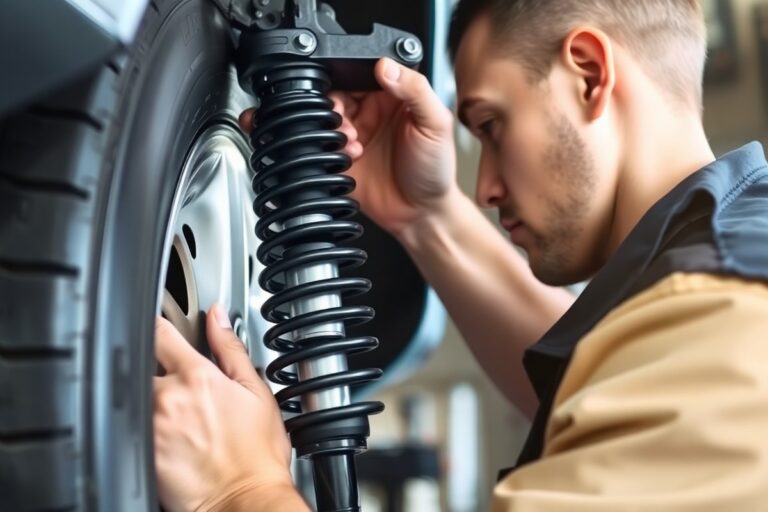
When replacing shocks or struts, always replace them in pairs on the same axle. Doing just one can cause imbalance and uneven handling. The process typically involves lifting the vehicle safely, removing wheels, loosening mounting bolts, and carefully swapping the parts. Replacement costs vary widely but expect to pay between $200 and $500 per pair for parts and labor in most cases. For DIY enthusiasts, replacement can be done with basic hand tools and a spring compressor when dealing with struts. Always follow safety procedures, especially with coil springs under tension.
Driving smoothly after replacement, you should notice improved ride comfort, reduced noise, and responsive handling without excess bounce. Persisting symptoms can point to issues with the suspension system or wheel alignment needing attention. Some drivers consider upgrading to performance coilovers for better handling, but these cost more and may affect ride quality. Standard shocks and struts remain the reliable choice for daily driving and safety.
Replacing both shocks or struts on the same axle at the same time helps ensure balanced suspension and prevents handling problems.
Cost Differences and What to Expect When Replacing Shocks or Struts
Replacing shocks generally costs less than replacing struts, but both can vary significantly by vehicle type and service needs. Expect shock replacement parts alone around $50 to $150 per shock, while struts typically run $100 to $300 each. Additional labor and alignment fees can add several hundred dollars, especially for strut replacements where alignments are usually necessary.
Typical Shock Replacement Costs
Shock absorbers primarily cushion impacts and control bounce, so replacing them often involves fewer parts and less labor. Parts usually cost between $50 and $150 each, depending on the quality and brand. Labor for two shocks generally takes 1 to 2 hours, costing about $100 to $200 based on local rates.
Many vehicles have either two rear or two front shocks, so it’s common to replace shocks in pairs to maintain balanced handling. Shock replacement usually does not require an alignment unless stated by the manufacturer or if the suspension was disturbed during service.
Strut Replacement Price Range
Struts are more complex as they combine shock absorption with structural support for the suspension, often requiring coil springs and mounts. Replacement parts range from $100 to $300 per strut depending on vehicle type, brand, and whether you choose a full strut assembly or a coil-over strut.
Strut replacement involves more labor than shocks, typically 2 to 4 hours for a pair, costing $200 to $400 or more. Luxury cars, trucks, and SUVs often fall at the higher end of this price range because of heavier components and complex suspension geometry.
Additional Costs: Labor and Alignments
Labor costs generally make up a significant portion of the total expense. Shock replacement usually requires less time and does not always require wheel alignment. Struts often necessitate an alignment after installation to ensure proper handling, tire wear, and safety.
Wheel alignment costs range from $75 to $200 based on location and the type of vehicle. Skipping alignment after strut replacement can lead to uneven tire wear, pulling during driving, and compromised vehicle control.
Replacing only one shock or strut can cause imbalance, leading to uneven tire wear and poorer handling. It’s typically recommended to replace components in pairs on the same axle for consistency in suspension performance. The table below summarizes typical price ranges for components and service by vehicle type:
| Vehicle Type | Shock Replacement Parts | Shock Labor Cost | Strut Replacement Parts | Strut Labor Cost | Alignment Cost |
|---|---|---|---|---|---|
| Compact Car | $50 – $100 each | $100 – $150 | $150 – $250 each | $200 – $300 | $75 – $120 |
| Sedan / Midsize | $60 – $120 each | $120 – $180 | $180 – $280 each | $250 – $350 | $85 – $140 |
| SUV / Truck | $80 – $150 each | $150 – $200 | $220 – $300 each | $300 – $400 | $100 – $200 |
Costs vary widely based on factors like vehicle complexity, part quality, and regional labor rates. Choosing OEM parts can raise expenses but may improve durability. Always ask whether alignment is included with the strut replacement to avoid surprise fees later.
Can You Upgrade Shocks or Struts for Better Performance?
Upgrading your shocks or struts can noticeably improve your vehicle’s ride quality and handling. Performance shocks often come as monotube or twin-tube designs. Monotube shocks use a single tube with a floating piston, offering better heat dissipation and more consistent damping under demanding conditions. Twin-tube shocks feature two cylinders and provide a smoother ride for daily driving. Choosing between these depends on your driving style: monotube is preferred for spirited driving or sportier handling, while twin-tube works well for comfort-focused use.
Struts, being more complex, require upgrades that can include performance-oriented coil springs and improve damping valves. Upgraded struts deliver firmer control during cornering, reduce body roll, and improve overall stability. One way to improve both shocks and struts is by installing adjustable units that let you fine-tune ride stiffness. This lets you balance performance and comfort depending on road conditions or personal preference. Adjustable dampers usually add $200 to $400 per corner over standard replacements, but allow tailoring suspension feel.
Coilovers offer a combined upgrade by integrating shocks, struts, and coil springs into one assembly. They provide the most complete performance improvement and often include height adjustment, letting you lower or raise the vehicle to improve handling or clearance. Coilovers can cost $800 to $1,500 or more for a full set, which makes them considerably more expensive than individually upgraded shocks or struts. Apart from tuning capabilities, coilovers are stiffer than stock parts, so they produce a firmer ride that may not suit daily driving comfort.
Before upgrading, consider your driving needs, budget, and the current state of your suspension. Performance parts usually increase wear on tires and suspension bushings due to stiffer damping, which can lead to more frequent maintenance. Verify compatibility with your vehicle’s make and model, especially with strut upgrades, as struts serve as a structural suspension component integrating steering and alignment functions. Incorrect upgrades can cause alignment problems, uneven tire wear, or compromised safety.
Installation of performance shocks, struts, or coilovers typically requires tools to safely compress springs and adjust ride height. Unless you have solid mechanical skills and equipment, hiring a professional is recommended to ensure proper installation and alignment. Post-installation wheel alignment is critical to maintain handling accuracy and prevent uneven tire wear. Expect about $100 to $150 in alignment fees after upgrades.
Good results from upgraded shocks or struts include reduced body roll, improved cornering stability, and more precise steering feel. However, excessive stiffness may make the ride jarring on rough roads or lead to loss of traction if the suspension doesn’t absorb bumps adequately. Testing different damper settings when available helps find the best setup. Coilovers especially require fine-tuning to avoid excessive harshness while maximizing performance benefits.
How Struts and Shocks Affect Tire Wear and Vehicle Safety
Worn shocks and struts reduce the suspension’s ability to keep tires in firm contact with the road. When shocks or struts fail, tires bounce more over bumps and rough patches, causing uneven tire wear. This includes patches of flat spots and cupping, shortening the tire’s lifespan. Uneven wear can increase replacement costs, as tires may need changing more often or prematurely.
Compromised shocks and struts also diminish braking performance. Excessive bouncing during braking increases the distance it takes for your vehicle to stop because the tires don’t maintain consistent grip. You may notice the car lurching forward or the nose dipping sharply under braking. This instability reduces control and can make emergency stops more dangerous, especially on wet or rough roads.
Handling and steering precision suffer when struts or shocks are worn out. Struts especially play a role in steering geometry, so worn struts cause imprecise steering responses and more body roll during turns. This makes cornering feel unstable, and you may sense the vehicle skipping or swaying. Good struts reduce this motion, helping maintain a confident grip on curves and during quick maneuvers.
Driving over bumps and uneven surfaces feels harsher with failing shocks or struts. Instead of absorbing impact, the suspension lets your vehicle bounce excessively, which puts extra stress on other components like tie rods, ball joints, and control arms. Misaligned suspension parts add to uneven tire wear by causing the tires to meet the road at improper angles. It’s important to assess tire pressure and suspension alignment along with shock or strut condition to get a full picture of tire wear causes.
The cost of replacing shocks or struts varies but costs typically range between $200 and $400 per corner including labor. Investing in quality replacement parts restores proper tire contact and improves braking and handling. A smooth ride signals effective shock or strut function, while a rough, unstable ride indicates the need for replacement. After replacement, wheel alignment should be checked and corrected to prevent uneven tire wear and maintain safety.
Check your tire tread and look for uneven wear patterns every few months; this can be your first sign of worn shocks or struts affecting your driving safety.
Step-by-Step Action Plan to Maintain or Replace Your Shocks and Struts
Follow these steps to assess, maintain, or replace your vehicle’s shocks or struts and keep your suspension working safely.
- Before you start: Identify if your vehicle has shocks or struts by checking the front suspension design. Knowing this helps you select the right parts and procedures.
- Week 1: Inspect for visible leaks, dents, or broken mounts on the shocks or struts. When you discover damage, replacing the part is necessary to keep safety and performance intact.
- Week 2: Perform a bounce test by pushing down on each corner of the vehicle. Bouncing more than twice indicates your shocks or struts probably require replacement.
- Week 3: Research replacement parts matching your vehicle model, focusing on OEM or quality aftermarket options. Choose upgrades if looking for improved handling or ride comfort.
- Week 4: Schedule installation with a licensed technician or plan a DIY replacement if you have the tools and experience. Verify warranty coverage for parts and labor.
- After replacement: Check for any unusual noises or handling issues during a test drive. Properly installed shocks or struts should restore ride stability and reduce tire wear.
Frequently Asked Questions
Should I Replace Shocks and Struts in Pairs or Can I Do One at a Time?
Replace shocks or struts in pairs on the same axle to keep handling balanced and prevent uneven tire wear. Installing only one can result in uneven suspension behavior and unstable driving conditions.
Can I Drive Safely with Worn Shocks or Struts?
Driving with worn shocks or struts reduces vehicle control, increases stopping distance, and causes uneven tire wear. It compromises safety by affecting braking and steering response, so you should get them inspected promptly if you notice symptoms like excessive bouncing or nose-diving.
Do Shocks and Struts Affect My Car’s Alignment?
Struts directly affect wheel alignment because they are part of the steering geometry, so replacing them always requires an alignment. Shocks do not typically impact alignment, so you usually don’t need an alignment after replacing shocks.
How Often Should I Have My Shocks or Struts Inspected?
Schedule shock and strut inspections after around 50,000 miles or follow your vehicle’s specific maintenance guidelines. Regular checks help identify early wear and preserve ride quality and safety.
Can Upgrading Shocks or Struts Improve My Vehicle’s Handling?
Upgrading to performance shocks or struts can improve handling and ride comfort, especially if you drive aggressively or on rough roads. However, they may cost more and could yield a stiffer ride, so consider your driving style before upgrading.
What Signs Indicate My Shocks or Struts Need Replacement Besides Ride Quality?
Besides a bumpy ride, signs include uneven tire wear, fluid leaks on the shocks or struts, unusual noises during driving, or the car nose-diving during braking. Noticing any of these should prompt a professional inspection to avoid further damage.
Final Thoughts
Shocks and struts serve related but distinct roles in your vehicle’s suspension, so identifying and maintaining the correct components is key to safe driving and tire longevity. Start by checking your suspension type and inspecting for wear regularly. Acting on early signs of wear can prevent bigger issues and keep your ride smooth and secure.