How to Keep Jeep Wranglers Reliable After 100K
To keep your Jeep Wrangler reliable after 100,000 miles, stick to regular oil changes, fluid flushes, and timely replacements of belts, spark plugs, and suspension parts.
Check drivetrain components and electrical systems often, especially if you go off-road.
Proper inspections and preventative care help avoid costly breakdowns and extend your Jeep’s life.
Staying organized with maintenance records also makes future upkeep easier.
If you want to get the most from your Jeep, there’s plenty more to cover.
Key Takeaways
- Perform regular oil and filter changes every 3,000 to 5,000 miles to maintain engine lubrication and performance.
- Inspect and replace suspension, steering, and drivetrain components to ensure safe handling and prevent premature wear.
- Monitor and replace timing belts, spark plugs, and cooling system parts to avoid engine damage and overheating.
- Maintain fluid levels and quality, including transmission, differential, and coolant, to extend component lifespan.
- Keep detailed maintenance records and perform scheduled services proactively to ensure long-term reliability and cost efficiency.
Essential Maintenance Tasks at 100,000 Miles for Jeep Wranglers
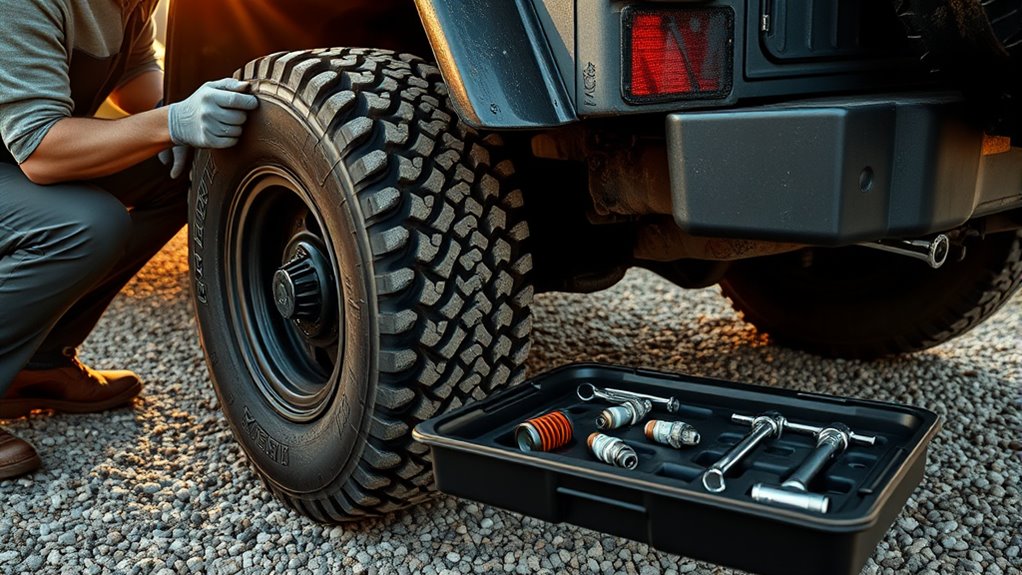
When your Jeep Wrangler hits 100,000 miles, you need to prioritize key maintenance tasks to keep it running smoothly. One of the first things to do is schedule a thorough oil change to guarantee your engine stays lubricated and performs efficiently.
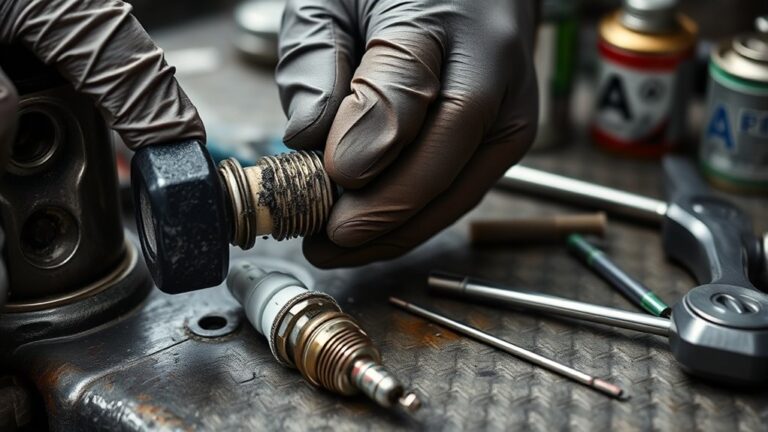
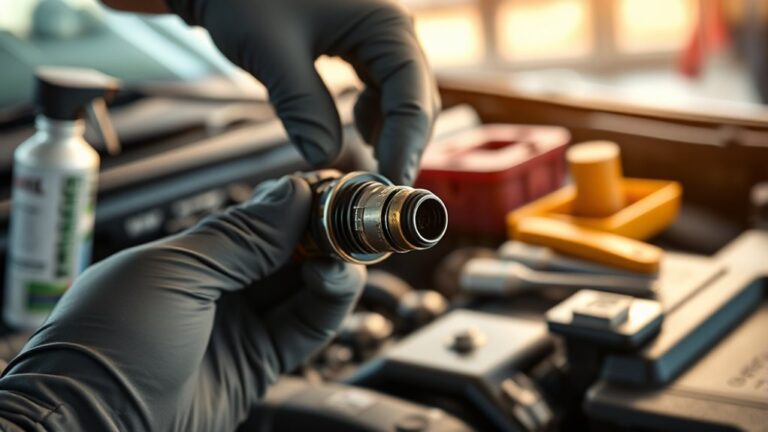
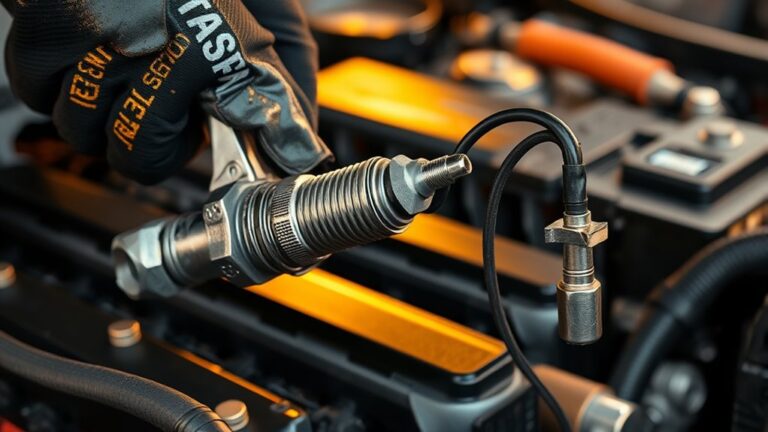
Next, replace the spark plugs and inspect the ignition components to maintain ideal engine performance and prevent misfires. Don’t forget to give the cooling system special attention. Flush and refill the engine coolant to avoid overheating and tackle any issues before they worsen.
Alongside these, check your drive belts and hoses for any cracks or signs of wear, and replace them if necessary. These steps are essential to prevent breakdowns and protect your engine’s longevity. By focusing on your oil change, spark plugs, and cooling system now, you set a solid foundation for your Jeep Wrangler’s reliability in the miles ahead.
Why Regular Maintenance Matters for Your Jeep Wrangler
You can avoid major breakdowns by staying on top of regular maintenance for your Jeep Wrangler. Simple things like oil changes, brake checks, and suspension inspections go a long way in protecting your vehicle from expensive repairs. Plus, when you keep up with these routine tasks, it helps your Jeep last longer and stay dependable for years down the road.
Preventing Major Breakdowns
How often do you think about the health of your Jeep Wrangler’s essential systems? Skipping routine maintenance, especially oil changes, can lead to engine wear and overheating. These are common causes of major breakdowns after 100K miles.
You need to inspect suspension and steering parts regularly to avoid costly failures and keep your Jeep stable on the road. Flushing the cooling system every 30,000 miles prevents overheating and coolant leaks that could damage your engine.
Don’t overlook brake checks. Replacing worn pads and lines early ensures you stop safely and avoid brake failure. Finally, keep an eye on belts, hoses, and fluid levels to catch early signs of wear.
Staying on top of these tasks helps you prevent major breakdowns and keeps your Wrangler running strong.
Enhancing Vehicle Longevity
Although Jeep Wranglers are built tough, regular maintenance plays an essential role in extending their lifespan and keeping them reliable well past 100,000 miles. You need to stick to oil and filter changes every 3,000 to 5,000 miles to prevent engine wear and maintain performance.
High-mileage vehicles like your Wrangler benefit from regular checks on suspension, steering, and brakes to catch wear early and avoid costly repairs. Don’t forget to flush and replace coolants, transmission fluids, and differential oils to prevent overheating and extend component life.
Also, monitor belts, hoses, and spark plugs per manufacturer guidelines to reduce breakdown risks. Keeping detailed service records ensures you stay on top of maintenance and spot potential issues before they become problems.
Inspect and Replace Engine Components at 100K Miles
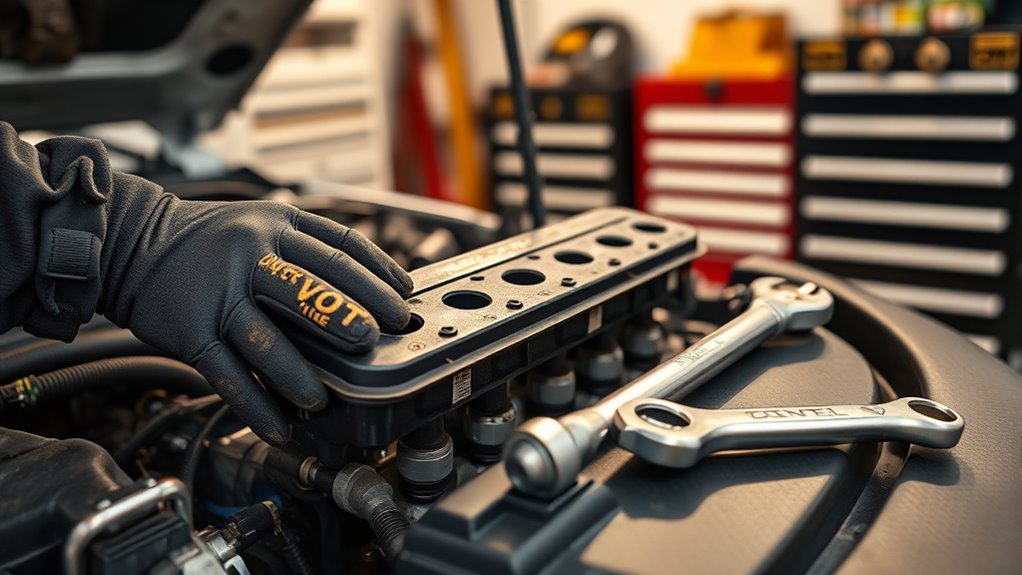
When your Jeep Wrangler hits 100,000 miles, inspecting and replacing key engine components becomes vital to keep it running smoothly. Start by checking the timing belts. If your Wrangler uses a timing belt, replacing it around this mileage is essential to avoid costly engine damage.
At 100,000 miles, inspecting and replacing key engine parts is crucial to keep your Jeep Wrangler running strong.
Also, inspect spark plugs and ignition parts for wear, swapping them out as needed to maintain peak performance. Don’t forget to examine engine coolant hoses for cracks or leaks and replace any that show signs of wear to prevent overheating.
Changing the engine oil and filter is a must if it hasn’t been done recently, as fresh oil preserves engine health and efficiency. Finally, consider running a compression or leak-down test to assess cylinder health and catch hidden issues early.
Taking these steps ensures your Wrangler’s engine components stay reliable well past 100K miles.
Check and Service Suspension and Steering Systems
Since your Jeep Wrangler’s suspension and steering systems take a lot of abuse, especially off-road, you should regularly inspect components like control arms, bushings, shocks, and steering linkages for wear or damage.
Focus on suspension components that often show wear and tear, such as bushings and shocks, because they can affect ride quality and handling. Check the steering linkage, tie rods, and ball joints for looseness or excessive play. Any signs of wear here can lead to poor steering response or safety issues.
Keep an eye out for uneven tire wear or a loose steering wheel, as these often signal alignment problems or worn suspension parts. Don’t forget to lubricate suspension and steering pivot points as your Jeep’s manufacturer recommends to prevent rust and keep everything moving smoothly.
Replace any worn or damaged suspension components and steering linkage parts promptly to maintain your Wrangler’s stability, handling, and safety well beyond 100K miles.
Jeep Wrangler Brake Inspections and Pad Replacements
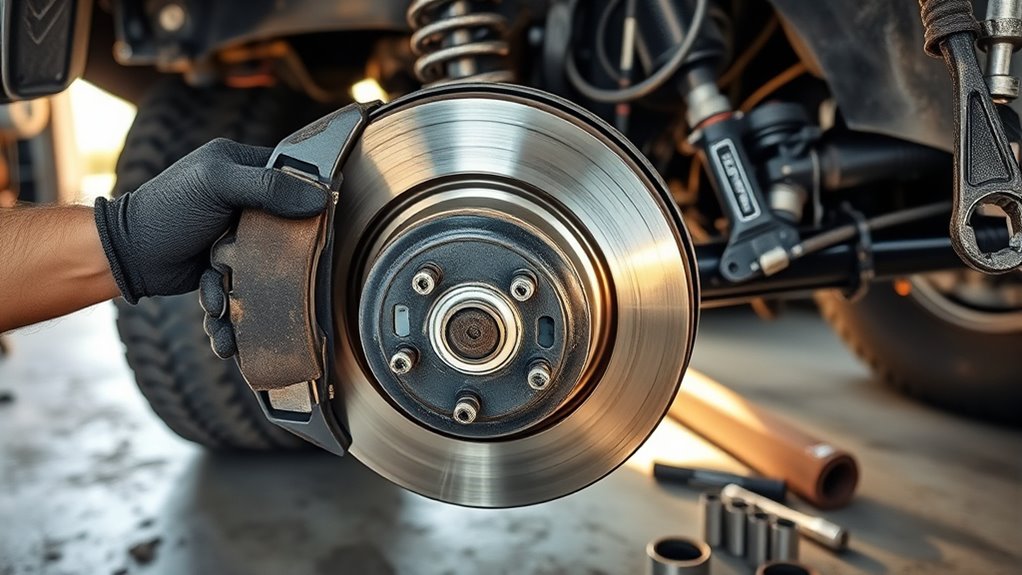
Keeping your Jeep Wrangler’s brakes in top shape is essential for safety and performance, especially if you tackle rough trails regularly. For a high-mileage Jeep, frequent brake inspections are vital. Check your brake pads regularly, and replace them when thickness drops below 3mm to maintain maximum stopping power.
At 100K miles, inspect brake rotors for warping or scoring; replace or machine them if needed. Also, examine brake lines and hoses for cracks or leaks, particularly after off-road trips, to avoid brake failure.
If you often drive in rugged conditions, consider upgrading to heavy-duty brake components to handle increased wear. Regular brake inspections help you catch issues early, ensuring your Jeep’s brakes remain reliable and responsive.
Staying on top of brake pad replacement and rotor condition keeps your Jeep safe and performing well past the 100K mark.
How to Change Fluids for Long-Term Jeep Reliability
To keep your Jeep Wrangler running smoothly, you’ve got to stay on top of changing some key fluids. That means engine oil, transmission fluid, differential fluid, coolant, and brake fluid—all need attention at the right times. If you stick to the recommended mileage and time intervals, you’ll avoid unnecessary wear and costly repairs down the road.
Essential Fluid Types
How often do you check and change the essential fluids in your Jeep Wrangler? Keeping your oil, transfer case, and other fluids clean is key to long-term reliability. Engine oil and filter should be replaced every 3,000 to 5,000 miles to prevent wear.
Transmission and differential fluids need attention too, with transmission fluid changes every 30,000 to 60,000 miles and differential fluid around 100,000 miles. Don’t forget cooling system flushes every 50,000 to 100,000 miles to avoid overheating.
| Fluid Type | Purpose |
|---|---|
| Engine Oil | Lubricates and cools engine |
| Transfer Case Oil | Maintains drivetrain efficiency |
| Differential Fluid | Protects gears from wear |
Regularly rejuvenating these fluids ensures your Jeep performs well for 100K miles and beyond.
Fluid Change Intervals
Although it may seem tedious, regularly changing your Jeep Wrangler’s fluids is essential for long-term reliability. Stick to a fluid change schedule: replace engine oil and filter every 3,000 to 5,000 miles to keep the engine running smoothly.
Change differential fluids every 30,000 to 50,000 miles to protect your axles from wear. Don’t forget to flush the cooling system every 50,000 miles to prevent overheating and corrosion.
Transfer case fluid should be replaced every 30,000 to 60,000 miles to maintain drivetrain health. Finally, change your transmission fluid every 30,000 to 60,000 miles to avoid costly repairs and ensure smooth shifting.
Consistent fluid maintenance like this will keep your Jeep reliable well past 100K miles.
Replace Spark Plugs, Drive Belts, and Hoses on High-Mileage Wranglers
When your Jeep Wrangler racks up high mileage, replacing spark plugs, drive belts, and hoses becomes essential to keep it running smoothly. Change spark plugs every 30,000 to 60,000 miles to maintain engine performance and fuel efficiency.
Regularly inspect drive belts for cracks or fraying and replace them to prevent engine damage. Check hoses for wear or leaks to avoid coolant loss and overheating.
Using high-quality parts and ensuring proper installation and tensioning will extend their lifespan and reliability.
| Component | Replacement Interval | Key Signs to Replace |
|---|---|---|
| Spark Plugs | Every 30,000-60,000 miles | Misfires, rough idle |
| Drive Belts | Inspect every 30,000 miles | Cracks, fraying, slipping |
| Hoses | Inspect every 30,000 miles | Swelling, leaks, wear |
Stay proactive with these replacements to keep your Wrangler dependable beyond 100K miles.
Monitor and Maintain Your Jeep’s Cooling System
Along with replacing spark plugs, belts, and hoses, keeping your Jeep’s cooling system in check plays a big role in reliability. You should flush and refill the cooling system every 2-3 years or about 30,000 miles to prevent corrosion and overheating.
Regularly flushing your Jeep’s cooling system every 2-3 years prevents corrosion and keeps your engine running cool.
Regularly inspect radiator hoses, the water pump, and thermostat for leaks, cracks, or wear during routine maintenance. Checking coolant levels monthly is vital. Top off with the manufacturer-recommended coolant to maintain proper engine temperature regulation.
Don’t forget to replace the radiator cap every 50,000 miles or as soon as it shows wear to prevent pressure loss and leaks. Keep an eye on your engine temperature gauge to catch issues early before they cause damage.
Staying on top of these tasks guarantees your Jeep’s cooling system works efficiently, helping you avoid costly repairs and keep your Wrangler running smoothly well beyond 100K miles.
How Off-Road Use Impacts Jeep Wrangler Wear and Maintenance
Because off-road driving exposes your Jeep Wrangler to rough terrain, mud, and water, it speeds up wear on key components like the suspension, drivetrain, and undercarriage seals. Off-road use puts extra stress on tires, axles, and CV joints, so you need to perform more frequent inspections to catch wear early.
Water crossings can let moisture into differentials and transfer cases, risking fluid contamination and faster part deterioration. Brake systems and steering components also take a harder hit, requiring regular servicing to prevent premature failure.
To keep your Jeep reliable after 100K miles, prioritize thorough post-off-road maintenance. Clean mud and debris, lubricate moving parts, and inspect seals and joints carefully. Staying on top of these steps helps reduce wear from off-road use and extends your Jeep’s lifespan without compromising performance.
Spot Drivetrain Wear and Know When to Upgrade Components
You should regularly check your drivetrain components for any signs of wear. Things like unusual noises or vibrations when you’re accelerating or making turns are good indicators that something might be off. Also, don’t forget to keep an eye on your fluid levels.
If you notice parts showing early signs of fatigue, it’s a smart idea to replace them sooner rather than later. This is especially important if you take your Jeep off-road frequently. Knowing when to upgrade parts can actually save you a lot of money by preventing costly repairs down the line.
Drivetrain Wear Signs
When your Jeep Wrangler starts making unusual clunking or grinding noises during acceleration or deceleration, it’s a clear sign that the drivetrain needs your attention. Drivetrain wear often shows through these sounds, along with excessive vibration or shuddering while driving.
You should check the universal joints for wear since they’re common failure points. Also, inspect the axle seals carefully. Cracked or leaking seals can lead to contamination and further damage.
If you notice reduced responsiveness or difficulty engaging gears, worn clutch components or transfer case issues might be to blame. Regularly inspecting and replacing worn universal joints and CV axles before they fail will keep your drivetrain healthy and prevent costly repairs.
Staying vigilant about these signs is key to maintaining your Jeep Wrangler’s reliability after 100K miles.
Upgrade Timing Indicators
Although drivetrain wear can develop gradually, catching the early warning signs lets you upgrade components before they cause breakdowns. Key timing indicators include unusual noises, vibrations during acceleration or deceleration, and sluggish engine response.
Pay close attention to these signs, as they often signal worn clutch parts or CV and universal joints needing replacement. Also, watch for fluid leaks or contaminated gear oil around the transfer case and differentials. These point to worn seals or necessary fluid changes.
Using diagnostic scans combined with real-world performance feedback helps you detect subtle drivetrain wear early. By monitoring these timing indicators, you’ll know exactly when to upgrade components, preventing costly failures and keeping your Jeep Wrangler reliable well past 100K miles.
Component Inspection Tips
Since drivetrain components undergo significant stress, especially during off-road adventures, regular inspections are essential. They help you spot wear early and decide when upgrades are necessary.
Perform routine checks on CV joints, U-joints, and drive shafts for cracks or looseness. Listen for clunking or grinding noises during turns or acceleration because they often signal worn parts.
Check axle seals and transfer case outputs for leaks. Also, inspect drive belts and hoses for cracks or slack. Upgrading to heavy-duty components before tough trails can save you costly repairs later.
| Component | Common Wear Signs | When to Upgrade |
|---|---|---|
| CV Joints | Cracks, clicking noise | At first sign of damage |
| U-Joints | Excessive play, noise | Every 100K miles or sooner |
| Axle Seals | Leaks, looseness | If leaking or damaged |
| Drive Belts/Hoses | Cracks, fraying | Replace immediately |
Common Electrical Issues and How to Check Your Wrangler’s System
Electrical issues often crop up in high-mileage Jeep Wranglers, and you’ll want to stay ahead of problems like malfunctioning sensors, worn wiring, or failing power windows and door locks. Start by regularly inspecting your electrical system, especially battery terminals, and clean any corrosion to prevent failures.
Watch for warning signs such as flickering lights, intermittent starting, or malfunctioning dashboard gauges. Using a diagnostic scan with an OBD-II reader helps you identify error codes linked to electrical faults, pinpointing specific issues quickly.
Don’t overlook checking fuses, relays, and wiring harnesses. Replacing worn or faulty components can restore reliability. Keeping your Wrangler’s electrical system maintained not only avoids unexpected breakdowns but also ensures your vehicle’s electronics operate smoothly well past 100K miles.
Regular attention to these areas will help you maintain a dependable high-mileage Jeep and avoid costly repairs down the road.
Cost-Effective Strategies and Record-Keeping for Jeep Maintenance
To keep your Jeep Wrangler running smoothly without breaking the bank, you’ll want to adopt economical maintenance strategies paired with thorough record-keeping. Keeping detailed maintenance records helps you track fluid changes, part replacements, and inspections. This prevents costly breakdowns through timely preventive maintenance.
Logging mileage and service dates lets you schedule essential tasks proactively. It extends your Jeep’s life well beyond 100,000 miles. Whether digital or paper, your service record system ensures a complete history you can share with mechanics for efficient repairs.
| Task | Frequency |
|---|---|
| Oil Change | Every 5,000 miles |
| Fluid Flush | Every 30,000 miles |
| Belt Inspection | Every 15,000 miles |
| Tire Rotation | Every 7,500 miles |
| Brake Check | Every 10,000 miles |
Using these cost-effective strategies and maintaining accurate records will keep your Jeep reliable and save you money in the long run.
Frequently Asked Questions
What Aftermarket Upgrades Improve Jeep Wrangler Reliability After 100K Miles?
You’ll want suspension upgrades like heavy-duty control arms and shocks to boost durability and handling. For engine performance, install premium spark plugs, ignition coils, and upgraded cooling parts like aluminum radiators to prevent overheating.
Don’t forget interior protection. Adding reinforced floor mats and seat covers helps maintain your Jeep’s cabin as miles add up. These aftermarket upgrades keep your Wrangler reliable and ready for any adventure after 100K miles.
How Does Climate Affect Jeep Wrangler Maintenance Needs Over 100,000 Miles?
Did you know extreme heat can cause engine cooling systems to fail up to 30% faster? Depending on your climate, you’ll need to adjust maintenance routines. In hot areas, check your coolant often to avoid overheating.
In colder climates, focus on antifreeze levels to protect the engine. Humidity and coastal air can accelerate tire wear and rust, so inspect tires and suspension maintenance regularly to keep your Jeep reliable beyond 100K miles.
Can Extended Warranties Cover Repairs Beyond 100K Miles for Jeep Wranglers?
Yes, extended warranties can cover repairs beyond 100K miles for your Jeep Wrangler, providing valuable insurance coverage against unexpected repair costs. However, be aware of warranty limitations. Some plans exclude high-wear parts like suspension or cooling system components.
To keep your coverage valid, you’ll need to document routine maintenance. Carefully review the contract to understand what’s included so you’re prepared for potential repair expenses after 100,000 miles.
What Are the Best Tires for High-Mileage Jeep Wranglers?
When it comes to the best tires for high-mileage Jeep Wranglers, you can’t go wrong with all-terrain off-road tires like BF Goodrich KO2 or Goodyear Wrangler Duratrac.
To get the most mileage, focus on tires with high tread wear ratings and keep up with regular tire rotation every 5,000 to 7,000 miles. This combo helps prevent uneven wear and keeps your Jeep rolling smoothly for the long haul.
How Often Should I Detail My Jeep to Prevent Rust and Wear?
You should detail your Jeep every 3 to 6 months to prevent rust and wear. Make sure to include interior cleaning to keep the cabin fresh and engine detailing to remove grime that could cause damage.
Don’t skip exterior waxing because it creates a protective barrier against moisture and contaminants. Focus especially on the undercarriage and wheel wells where rust often starts.
Regular detailing helps maintain your Jeep’s appearance and longevity.
Conclusion
Keeping your Jeep Wrangler reliable after 100,000 miles isn’t just about routine checks. It’s about respecting the journey you’ve shared.
Like a trusted companion, your Wrangler needs care that matches its adventurous spirit. By staying vigilant with maintenance, you’ll dodge costly repairs and keep your Jeep ready for the road ahead.
Remember, every bolt tightened and fluid changed is a promise to the freedom that only a Wrangler can deliver.