How Long Does Jeep Compass Last?
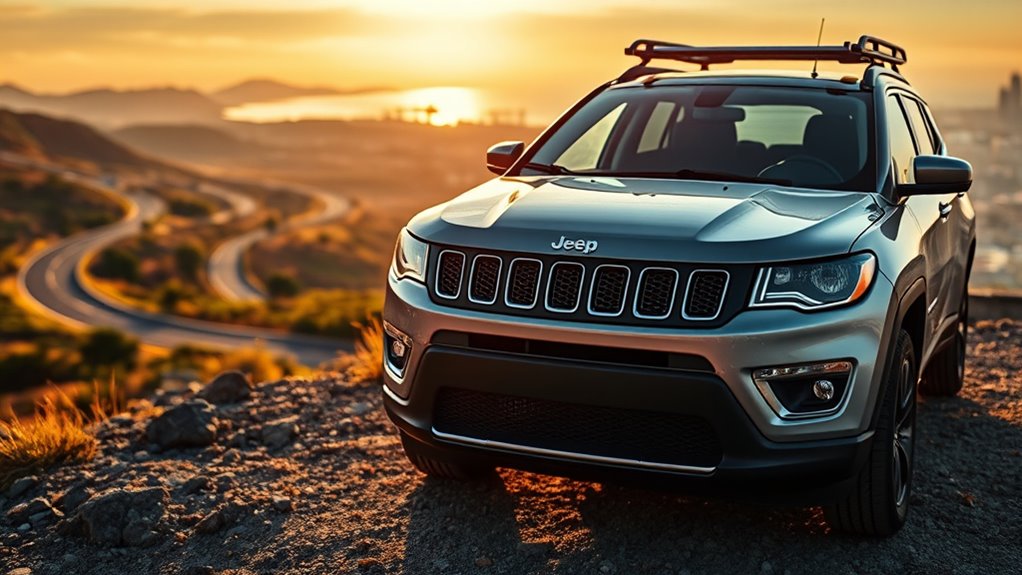
You can expect your Jeep Compass to last between 150,000 and 200,000 miles if you stay on top of regular maintenance like oil changes and tire rotations.
Avoid harsh driving and off-road use without proper care, as these can speed up wear on key parts.
Some model years, like 2018, tend to have more issues, so choosing carefully matters.
Keep an eye on warning signs and upkeep to keep your Compass running strong longer.
You’ll find tips on all this ahead.
Key Takeaways
- Jeep Compass typically lasts between 150,000 and 200,000 miles with proper maintenance.
- Models from 2017 onward generally have improved reliability and longer lifespans.
- Neglecting maintenance and aggressive driving can significantly reduce vehicle longevity.
- Early repairs and regular upkeep can help the Compass exceed 200,000 miles.
- Frequent costly repairs or severe rust are signs it may be time to replace the vehicle.
Is the Jeep Compass Reliable? Model Year Breakdown
While the Jeep Compass generally earns a solid reliability rating of 4 out of 5 from RepairPal, its dependability varies widely depending on the model year. If you’re looking at a 2018 Compass, be cautious. This year is known for engine problems and a spike in complaints.
Older models, especially those made before 2011, often had issues with electrical systems and transmissions, which hurt their overall reliability. However, if you choose a model from 2017 or later, you’ll likely benefit from improved build quality thanks to key manufacturing updates and redesigns.
To get the most reliability out of your Jeep Compass, keep up with regular maintenance and steer clear of the more problematic years. Understanding these differences helps you make a smarter choice and enjoy a more dependable ride.
What Is the Average Lifespan of a Jeep Compass?
A Jeep Compass typically lasts between 150,000 and 200,000 miles when you keep up with proper maintenance. The average lifespan depends heavily on how regularly you perform routine upkeep like oil changes, fluid checks, and scheduled servicing.
Many owners have reported their Jeep Compass surpassing 200,000 miles, especially when they stick to a consistent maintenance schedule. Newer models often offer improved reliability and durability, which can extend the vehicle’s lifespan even further.
While factors like climate and driving conditions play a role, regular maintenance remains the most vital factor in reaching the higher end of the average lifespan. By staying proactive with your Jeep Compass’s care, you’ll maximize its longevity and enjoy dependable performance for years to come.
How Your Driving Habits Impact Jeep Compass Longevity
How you drive your Jeep Compass really affects how long it lasts. When you drive smoothly and keep to moderate speeds, it helps reduce wear and tear. On the other hand, if you’re driving aggressively or making lots of stop-and-go trips, that can actually shorten your Jeep’s lifespan.
And it’s not just about city driving—off-road adventures can put extra strain on your vehicle too. So, knowing how these habits impact your Jeep Compass is key to keeping it in great shape for years to come.
Smooth Versus Aggressive Driving
Because your driving habits directly affect your Jeep Compass’s longevity, adopting smooth acceleration and braking can considerably reduce wear on the engine and transmission. When you drive gently, you ease stress on critical components, helping your vehicle last longer.
On the other hand, aggressive driving with rapid acceleration and hard braking quickly wears down parts, leading to earlier repairs and shortening your vehicle’s lifespan. Consistently maintaining moderate speeds and avoiding sudden maneuvers also improves fuel efficiency and lowers mechanical strain.
Off-Road Use Effects
When you take your Jeep Compass off-road, you put extra strain on its suspension, drivetrain, and underbody. This can shorten its lifespan if you don’t keep up with maintenance. Off-road driving exposes your vehicle to mud, water, and rough terrain, which accelerates wear and corrosion. To preserve your vehicle’s lifespan, you need regular inspections and prompt cleaning.
| Component | Off-Road Impact |
|---|---|
| Suspension | Increased wear and tear |
| Drivetrain | Extra strain, potential damage |
| Underbody | Rust and corrosion risks |
| Tires & Brakes | Faster deterioration |
| Maintenance Tips | After-trail checks and cleaning |
Impact Of Driving Frequency
Beyond the challenges posed by off-road conditions, the way you drive your Jeep Compass every day also plays a big role in its longevity. Your driving habits directly impact vehicle longevity by influencing wear and tear on key components.
Gentle, consistent driving reduces stress on the engine, transmission, and suspension, helping your Compass last longer. On the other hand, frequent aggressive acceleration and hard braking speed up component fatigue, cutting lifespan short.
Short trips that don’t let the engine warm up properly increase engine wear over time. Also, avoid excessive idling and maintain smooth driving habits to maximize durability.
How Off-Road Driving Affects Jeep Compass Lifespan
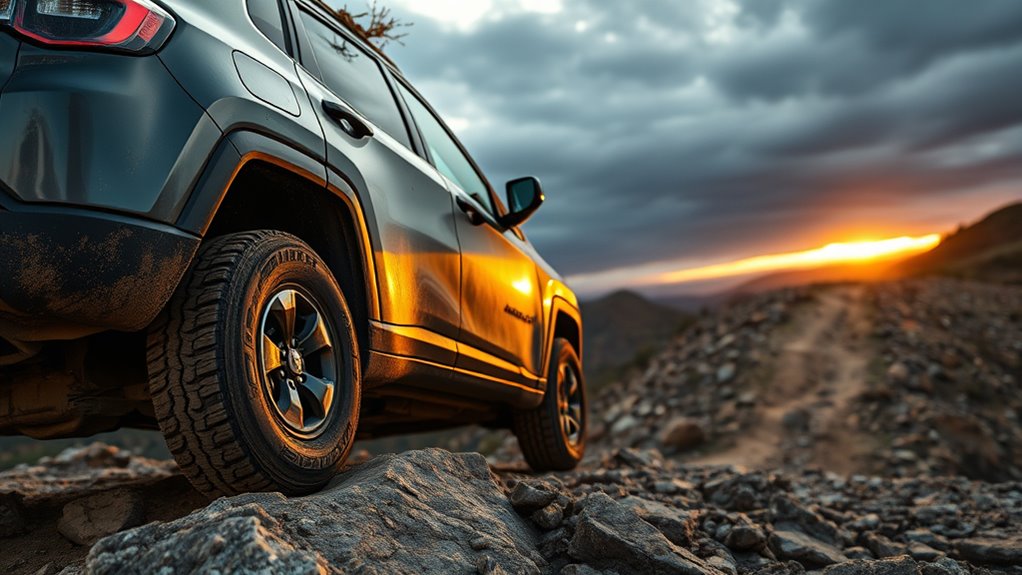
When you take your Jeep Compass off-road, its suspension and undercarriage go through extra wear and tear. Because of this added strain, you’ll want to check and maintain parts like shocks and skid plates more frequently.
Staying on top of post-trail cleaning and inspections really makes a difference. It’s the key to helping your Compass last longer and keep performing well.
Off-Road Wear And Tear
Although the Jeep Compass is built for off-road adventures, driving on rough trails puts extra strain on its suspension, tires, and underbody. This off-road wear speeds up the deterioration of parts like shocks, CV joints, and skid plates. If left unchecked, it can shorten your vehicle’s lifespan.
Mud and dirt from trails can accumulate, causing rust and corrosion, especially in wheel wells and the chassis. To keep your Compass running longer, you need regular maintenance, including thorough cleaning after off-road trips and detailed inspections of vulnerable areas.
Staying on top of this off-road wear and maintenance helps prevent long-term damage. It ensures your Jeep Compass remains durable and reliable even when you push its limits on tough terrain.
Suspension And Undercarriage Impact
Since off-road driving puts extra strain on your Jeep Compass’s suspension and undercarriage, these components wear out faster than they would during regular city driving. Mud, rocks, and rough terrain accelerate wear by 20-30%, especially on shocks, struts, and control arms.
You need to watch for damage and clean debris promptly to prevent rust and corrosion. This can further shorten the lifespan of your suspension parts.
| Component | Off-Road Impact | Result |
|---|---|---|
| Suspension | Increased stress, faster wear | Reduced shock absorption |
| Undercarriage | Mud, rocks cause abrasion | Rust and corrosion potential |
| Control Arms | Constant strain | Premature wear and failure |
| Struts & Shocks | Heavy impact | Loss of ride comfort and safety |
Protecting these parts extends your Jeep Compass’s durability.
Maintenance After Trail Runs
Because off-road driving puts extra strain on your Jeep Compass, you need to perform thorough maintenance after each trail run. Mud and debris can quickly build up on the undercarriage, so wash it off promptly to prevent rust and corrosion.
Check the oil and other fluid levels, as rough terrain can cause leaks or contamination. Pay close attention to brake inspections since trail runs increase wear on brake components.
Don’t forget to examine suspension parts and tires for damage or excessive wear. Regularly inspecting and maintaining these areas helps you catch problems early and avoid costly repairs.
Essential Maintenance Tasks for Jeep Compass Longevity
To keep your Jeep Compass running smoothly for years, you need to stick to a consistent maintenance schedule. Regular oil changes every 6,000 to 7,500 miles are vital, as fresh oil protects your engine and prevents wear.
Along with oil changes, tire rotations every 7,500 miles ensure even tire wear, extending tire life and improving safety. Maintenance remains a priority, so don’t skip brake inspections around 10,000 miles to catch early wear and avoid failures.
You should also replace the engine air filter every 15,000 to 30,000 miles to keep your engine running efficiently and fuel economy optimized. Furthermore, changing transmission fluid at 60,000 miles and swapping out coolant and spark plugs at 100,000 miles will help maintain your Compass’s performance and longevity.
Signs Your Jeep Compass Needs Repairs
When your Jeep Compass shows dashboard warning lights like check engine or oil alerts, it’s a clear sign that repairs might be necessary. Ignoring these signals can lead to more serious problems, so you should address them promptly.
Besides warning lights, pay attention to unusual noises such as squealing brakes or grinding sounds. These often indicate brake or suspension issues.
You might also notice a drop in fuel efficiency or rough idling. Both signs point to engine trouble that requires diagnostic evaluation.
Water leaks inside the cabin, especially near the sunroof or roof seals, suggest seal failure needing repair.
Ultimately, sudden changes in how your Jeep handles, like difficulty steering or abnormal vibrations, often point to suspension or steering system problems.
Common Jeep Compass Repairs and DIY Solutions
You’ll often run into repairs like replacing the throttle body, alternator, or fixing water leaks in your Jeep Compass. Some issues, like brake noise or minor fluid checks, are pretty easy to handle yourself with just basic tools. But when you’re dealing with no-start problems or more complex engine troubles, that’s usually the time to call in a professional.
Frequent Repair Issues
Although the Jeep Compass offers reliable performance, certain repair issues pop up frequently, especially as the vehicle ages. Among the most common frequent repairs are water leaks, particularly in 2014 models, often caused by sunroof or roof seal failures.
You might also encounter no-start problems, especially with 2018 models, usually linked to electrical system malfunctions that require professional diagnosis. Brake noise and wear are typical, with many owners needing to replace brake pads or rotors to stop squeaking sounds.
Keeping up with routine maintenance like changing cabin and engine air filters helps prevent bigger problems. Catching minor issues early, such as fluid leaks or sensor alerts, is key to avoiding costly repairs and keeping your Jeep Compass running smoothly for years.
Simple DIY Fixes
Many common issues with the Jeep Compass don’t require a mechanic’s visit and can be tackled with simple DIY fixes. Handling routine maintenance yourself not only saves money but also helps you understand your vehicle better.
You can easily perform tasks like changing the cabin air filter every 15,000-25,000 miles or replacing worn brake pads if you hear noise. Simple maintenance like swapping out engine oil and oil filters is straightforward with basic tools. Upgrading the battery or headlights can boost reliability and safety.
If a dashboard warning light pops up, you might just need to check fuses or reset the system.
Some easy DIY fixes include:
- Replacing wiper blades and air filters
- Changing cabin air filters regularly
- Swapping out brake pads when noisy
- Checking fuses and resetting warning lights
These quick fixes keep your Jeep Compass running smoothly.
When To See Professionals
When should you take your Jeep Compass to a professional? If you notice dashboard warning lights, unusual noises, or fluid leaks, it’s time for professional diagnostics.
Engine issues, especially common in 2018 models, often involve complex electrical and mechanical problems that need certified technician expertise. Transmission problems, like rough shifting or overheating, also require a qualified mechanic to prevent further damage.
While you can handle simple tasks such as replacing wiper blades or air filters yourself, don’t attempt repairs involving the engine or transmission. After off-road adventures, have professionals inspect your suspension and underbody components to catch rust or damage early.
Trusting experts guarantees your Jeep Compass stays reliable and avoids costly repairs down the road.
Which Jeep Compass Model Years Should You Avoid?
If you want to avoid frequent repairs and headaches, steer clear of the 2018 Jeep Compass. It’s notorious for engine failures and no-start issues. This model year has the highest number of reported engine problems despite technical service bulletins trying to address them.
Other Jeep Compass model years also come with their own challenges you should be aware of:
- 2007 and 2008 models often suffer from transmission and electrical issues, making them less reliable.
- 2014 to 2016 models frequently experience water leaks and brake noise, leading to costly repairs.
- 2018 models face widespread engine failures and high complaint rates.
- Models from 2019 onward generally offer better reliability and fewer maintenance problems.
What to Look For When Buying a Used Jeep Compass
Avoiding problematic model years like 2018 is just the beginning of buying a used Jeep Compass. You’ll want to check the vehicle’s service history carefully, making sure it’s had regular maintenance like oil changes, tire rotations, and fluid checks. These records show how well the previous owner cared for the car and can help you avoid hidden issues.
Before you commit, have a trusted mechanic perform a thorough pre-purchase inspection to spot suspension problems, leaks, or electronic glitches that aren’t obvious at first glance. It’s also smart to review owner feedback and reliability ratings for the specific model year you’re interested in to understand common problems and overall dependability.
While certified pre-owned options come with warranties and inspections, if you’re buying privately, focus on these checks to guarantee you get a reliable used Jeep Compass that’ll last you many miles ahead.
Certified Pre-Owned vs. Private Sellers: Which Is Better?
Choosing between a certified pre-owned Jeep Compass and a private seller can considerably impact your buying experience and the vehicle’s reliability. Opting for a certified pre-owned model typically means you get a thorough inspection, a warranty, and a verified maintenance history, providing peace of mind.
On the other hand, buying from a private seller might save you money upfront but carries risks like undisclosed issues and no warranty.
Consider these points when deciding:
- Certified pre-owned vehicles are usually newer with lower mileage.
- Private seller cars may be cheaper but often lack formal inspections.
- Certified pre-owned models retain value better over time.
- Private seller purchases might require more repairs due to unknown conditions.
If reliability and long-term value matter most to you, a certified pre-owned Jeep Compass is generally the better choice. However, if you’re comfortable with a bit more risk and inspection effort, a private seller could offer savings.
How to Spot Early Warning Signs Before Major Repairs
Knowing where your Jeep Compass stands regarding its condition can save you from costly repairs down the road. Start by regularly monitoring dashboard warning lights like the check engine, transmission, or oil alerts. These indicators help you detect potential problems early before they escalate.
Also, keep an ear out for unusual noises such as squealing brakes or grinding sounds, which can signal mechanical trouble. Pay close attention to changes in performance, including rough shifting or decreased acceleration, as these often point to engine or transmission issues.
Don’t forget to inspect for fluid leaks under your vehicle, especially coolant or oil, since these leaks usually indicate developing system failures. Finally, routinely check tire wear and brake function to catch early signs of suspension or braking system deterioration.
Jeep Compass Lifespan: When Is It Time to Replace Yours?
While your Jeep Compass can easily surpass 200,000 miles with proper care, you’ll want to contemplate replacement if you face persistent mechanical issues, extensive rust, or repair costs that outweigh the vehicle’s value. Knowing when to replace your Jeep Compass helps you avoid unexpected breakdowns and costly fixes.
Your Jeep Compass can last 200,000+ miles, but persistent issues or costly repairs signal it’s time to consider replacement.
Consider replacing your vehicle if you notice:
- Frequent mechanical problems that don’t improve despite repairs
- Significant rust compromising structural integrity
- Repair expenses exceeding the car’s market value
- Issues specific to certain models, like engine problems in the 2018 Compass
Your Jeep Compass’ lifespan depends heavily on how well you maintain it. Regular maintenance and addressing minor issues early can extend how long it serves you. However, if your vehicle consistently demands expensive repairs or shows serious deterioration, it’s a clear sign that its lifespan is nearing the end.
Making the switch before major failures saves you money and stress in the long run.
Frequently Asked Questions
What Are the Best Accessories to Enhance My Jeep Compass Experience?
To enhance your Jeep Compass experience, focus on interior upgrades like all-weather floor mats and window tinting to keep your cabin clean and comfortable. Off-road accessories such as a roof rack or cargo carrier boost your storage for adventures.
Don’t forget a remote start system for convenience and a dash cam for security. These additions make your rides more enjoyable, practical, and safe, whether you’re on city streets or tackling rugged trails.
How Does Jeep Compass Fuel Efficiency Compare to Similar SUVS?
You might imagine the Jeep Compass sipping fuel like a thirsty desert wanderer, but it’s actually a bit thirstier than some rivals. While you enjoy its off-road capability and interior comfort, you’ll notice it doesn’t quite match the fuel efficiency of competitors like the Honda CR-V or Toyota RAV4.
Still, if rugged trails and cozy rides matter more to you than maximum mpg, the Compass balances both worlds pretty well.
Can I Tow With My Jeep Compass, and What’s the Capacity?
Yes, you can tow with your Jeep Compass, but keep in mind its towing capacity tops out at 2,000 pounds when properly equipped. Sticking within this limit is essential to maintain vehicle durability and avoid damaging the transmission or suspension.
Make sure you have the right engine and trailer package, especially with newer models, to safely handle towing. Always follow recommended guidelines to protect your Jeep’s performance and longevity.
What Are the Top Safety Features in the Latest Jeep Compass Models?
You’ll feel like you’re wrapped in a fortress with the latest Jeep Compass’s top safety features. It’s equipped with forward collision warning, lane departure warning, and adaptive cruise control, keeping you steady whether you’re tackling off-road capability or city streets.
Plus, blind-spot monitoring and automatic emergency braking add extra layers of protection. With ample cargo space and a reinforced safety cage, the Compass balances adventure with peace of mind perfectly.
How Does the Jeep Compass Perform in Extreme Weather Conditions?
The Jeep Compass delivers solid winter durability, handling snow and ice with confidence thanks to its effective heating system and traction control. You’ll appreciate its rain performance too, as the vehicle maintains stability and grip on wet roads.
Just remember, extreme cold might mean longer warm-up times, and high heat can wear down fluids faster. Regular maintenance keeps your Compass reliable no matter the weather you face.
Conclusion
Think of your Jeep Compass like a trusty compass in the wilderness. It guides you through adventures but needs your care to keep pointing true.
With regular maintenance and mindful driving, it can last well beyond the average, steering you safely for years. Watch for early signs of trouble, and don’t hesitate to replace it when the path grows uncertain.
Your Compass is reliable, but only if you treat it like the essential tool it is.