Are Bosch Spark Plugs Good?
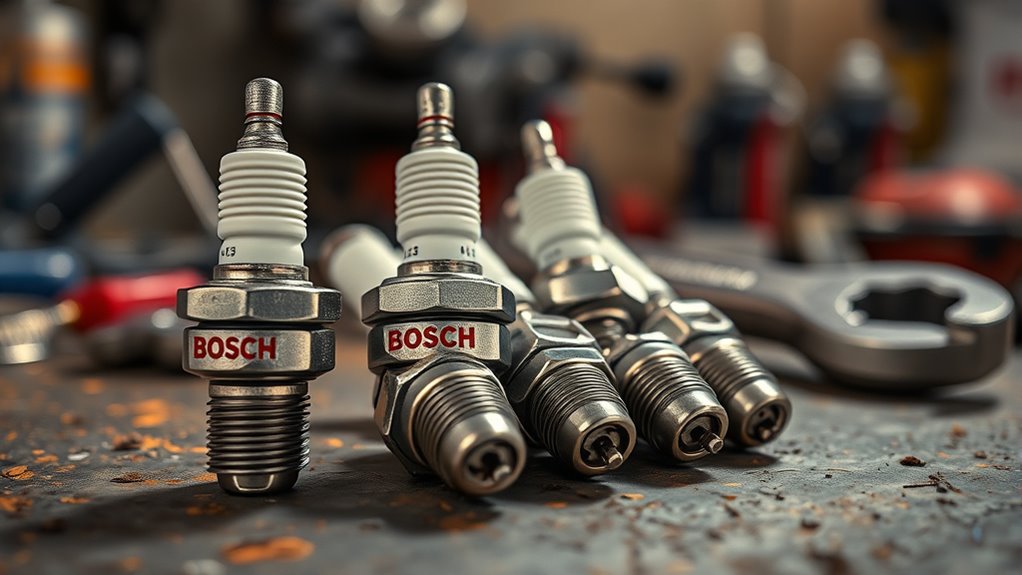
You’ll find Bosch spark plugs deliver reliable, long-lasting ignition thanks to advanced materials like iridium and platinum. They’re precision-engineered for ideal combustion, fitting perfectly and lasting up to 100,000 miles with proper care.
Bosch’s laser-welded electrodes boost durability, making their plugs competitive with other premium brands. Just make sure to buy authentic plugs from reputable sellers.
Keep going to discover how to match Bosch plugs to your engine and maintain peak performance.
Key Takeaways
- Bosch spark plugs use advanced materials like iridium and platinum for durability and consistent ignition performance.
- They last between 80,000 to 120,000 miles, offering longer service life compared to many competitors.
- Precision engineering and 360-degree laser welding ensure strong electrodes and reliable combustion.
- Bosch plugs perform well in European vehicles and compete closely with NGK and Denso in quality.
- Authentic Bosch spark plugs are verified by packaging, part numbers, and purchase from reputable retailers.
Bosch Spark Plugs: Key Features Explained
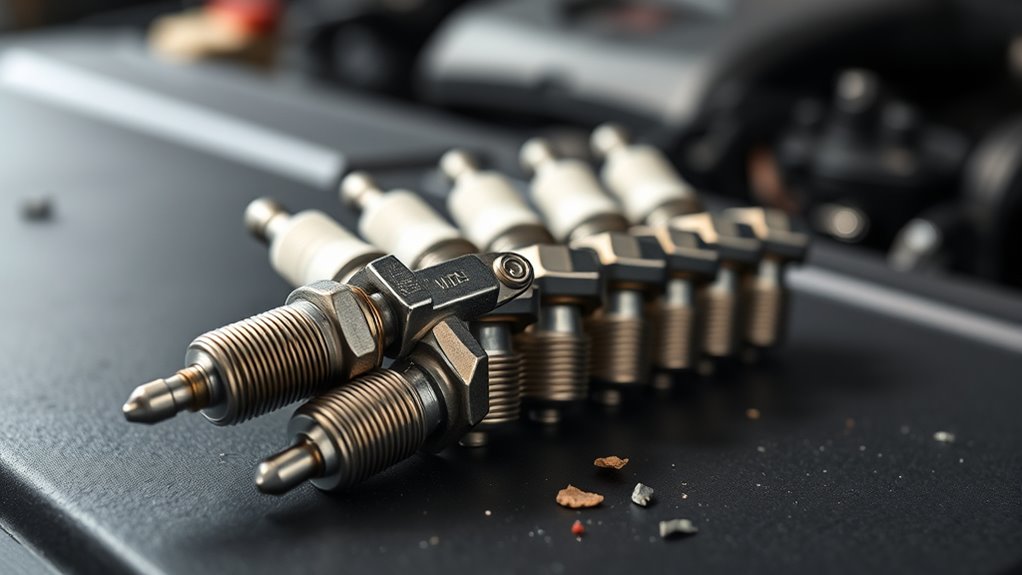
While you might not often think about spark plugs, Bosch makes sure their products deliver top performance and durability by using advanced materials like platinum and iridium. These materials help Bosch spark plugs resist wear and fouling, so you get consistent ignition and longer service life.
Bosch’s precision engineering means each spark plug fits perfectly, ensuring ideal combustion and engine efficiency. You’ll also appreciate innovations like 360-degree laser welding, which strengthens the electrode connection and improves reliability.
Bosch tests their spark plugs extensively, so you can trust them to perform well under various driving conditions, whether you’re cruising or pushing your engine hard. Plus, Bosch offers a wide range tailored to different engine types, including turbocharged and high-performance models.
When you choose Bosch, you’re getting spark plugs designed with cutting-edge technology and materials like iridium to keep your engine running smoothly and efficiently.
Comparing Bosch Spark Plugs to Other Leading Brands
When you compare Bosch spark plugs to other top brands like NGK and Denso, you’ll notice some differences in both performance and price. Bosch tends to cost a bit more, but it’s often preferred for certain European engines because of its advanced materials. So, you’ll want to think about whether the higher price is worth it based on what your vehicle really needs.
Performance Versus Competitors
How do Bosch spark plugs stack up against other leading brands like NGK and Denso? When it comes to performance, Bosch spark plugs hold their own by using advanced materials like platinum and iridium, which boost ignition consistency and fuel efficiency.
You’ll find Bosch spark plugs deliver reliable performance, especially in European vehicles, and can last between 80,000 to 100,000 miles, similar to premium competitors. However, some users notice varying durability depending on the model, which can affect overall satisfaction.
While NGK and Denso are often praised for their long-established reliability by industry pros, Bosch remains a strong contender, particularly if you prioritize advanced engineering and consistent spark plug performance tailored to specific vehicle needs.
Price and Value
Bosch spark plugs offer advanced engineering and reliable performance, but you might wonder if their higher price tags are worth it compared to other top brands. Bosch double iridium plugs cost about $9.30 each, pricier than basic brands like NGK or Denso. However, this price reflects premium materials and durability, often translating into better value over time.
| Brand | Approximate Price (each) | Value Notes |
|---|---|---|
| Bosch | $9.30 | High durability, advanced materials |
| NGK | $6.50 | Budget-friendly, reliable |
| Denso | $6.80 | Affordable, decent lifespan |
While Bosch’s price is higher, many find the longer lifespan and consistent performance justify the investment, making Bosch spark plugs a solid value choice.
Which Bosch Spark Plugs Fit Different Engines Best
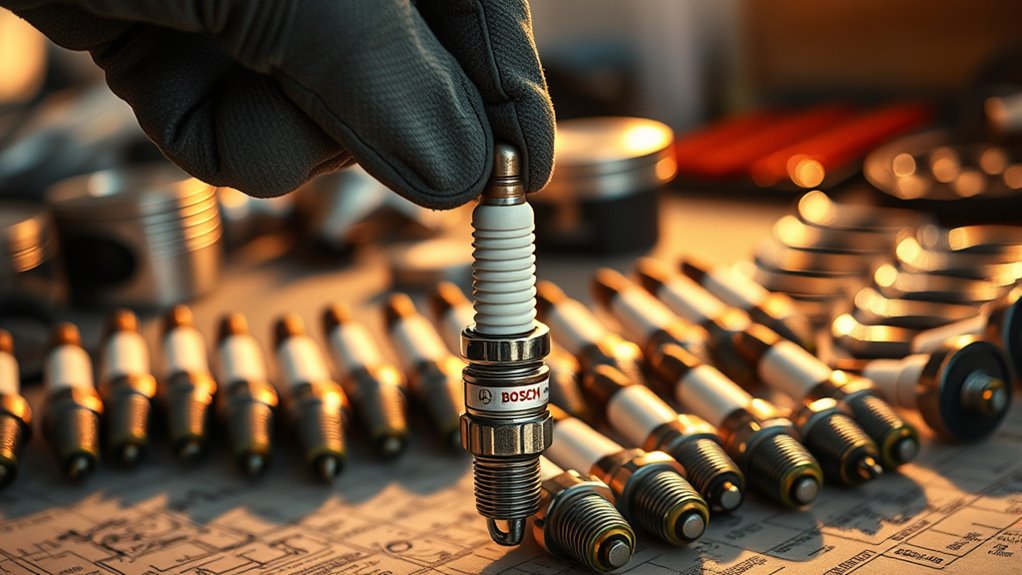
Although choosing the right spark plug might seem straightforward, matching Bosch spark plugs to your engine requires careful consideration of your vehicle’s make, model, and year. To find the best Bosch spark plugs for your engine, start by using Bosch’s online fitment guide or checking your vehicle’s owner manual.
Modern engines, especially those with high-performance or turbocharged setups, benefit most from Bosch platinum or iridium plugs like the 0 242 240 715 or 0 250 411 577 models. These guarantee ideal ignition and durability.
On the other hand, if you drive an older or less demanding vehicle, Bosch copper plugs such as the WR4LP or W4AC might be a better fit, aligning with original factory specs. To avoid mismatches that could hurt engine performance, it’s wise to consult automotive professionals or use Bosch’s official compatibility tools.
This way, you’ll pick the perfect Bosch spark plugs tailored to your engine’s specific needs.
Real-World Performance of Bosch Iridium and Platinum Spark Plugs
Selecting the right spark plug is just the start. Understanding how Bosch iridium and platinum plugs perform in real-world conditions helps you make a more informed choice.
Many users find that Bosch iridium plugs deliver reliable performance, lasting between 80,000 to 100,000 miles with proper care. Their 360-degree laser-welded design guarantees durability and consistent sparks, helping your engine run smoothly.
On the other hand, Bosch platinum plugs often provide strong mid-range power and improved fuel efficiency, especially in European vehicles.
You can expect good performance from both types for everyday driving, but keep in mind that longevity varies based on your engine type and usage. Overall, Bosch iridium and platinum plugs offer solid reliability and efficiency, making them a practical option if you want dependable spark plug performance without frequent replacements.
Common Issues and Criticisms of Bosch Spark Plugs
If you’ve ever experienced engine hesitation or rough idling, unreliable spark plugs could be the culprit. Bosch spark plugs, especially their lower-cost models, sometimes fall short on reliability. Many users and mechanics report issues like misfiring and premature wear that affect engine performance. Critics often point out inconsistent ignition, which leads to these drivability problems.
Here are common concerns with Bosch spark plugs:
- Ceramic cracking or fouling, particularly in older or budget options
- Inconsistent ignition performance causing engine hesitation
- Perception of being overpriced compared to actual reliability
While Bosch is a trusted name, these issues have led many to prefer alternatives like NGK or Denso. Those brands are praised for better durability and consistent performance. If reliability is your priority, you might want to consider these factors before choosing Bosch spark plugs.
How Bosch Spark Plug Durability Impacts Lifespan
Issues like inconsistent ignition and premature wear often stem from the durability of your spark plugs. Bosch spark plugs, especially their iridium models, are designed for high durability, typically lasting between 80,000 to 100,000 miles.
This impressive lifespan owes much to Bosch’s 360-degree laser welding, which strengthens the electrode and resists wear. However, your spark plugs’ durability and therefore their lifespan depends heavily on factors like driving conditions, fuel quality, and how well you maintain your engine.
Regular inspections and proper torque during installation can help extend their longevity. On the other hand, harsh environments or neglect can accelerate wear, cutting the effective life of Bosch spark plugs short.
Bosch Spark Plugs and Their Effect on Fuel Economy
Although spark plugs might seem like a small component, Bosch iridium spark plugs play a significant role in enhancing your vehicle’s fuel economy by promoting more efficient combustion. When you use Bosch spark plugs, you encourage a more complete ignition process, which reduces misfires and unnecessary fuel consumption. Over time, this can translate into noticeable fuel economy gains.
Here’s how Bosch spark plugs support better fuel economy:
- They improve combustion efficiency, ensuring your engine burns fuel more completely.
- Their high-quality materials help maintain ideal engine performance, indirectly boosting fuel efficiency.
- In European vehicles, they promote smoother engine operation, which enhances fuel economy during everyday driving.
Replacing worn or faulty Bosch spark plugs prevents fuel wastage caused by incomplete combustion. So, maintaining your spark plugs not only keeps your engine running smoothly but also helps you save on fuel costs.
How to Identify Genuine Bosch Spark Plugs and Avoid Fakes
Because counterfeit Bosch spark plugs can compromise your engine’s performance and fuel efficiency, it’s important to know how to spot genuine products. Genuine Bosch spark plugs come in clear, high-quality packaging displaying the Bosch logo, part number, and QR codes you can verify online. Always cross-check the part number with Bosch’s official catalog to confirm authenticity.
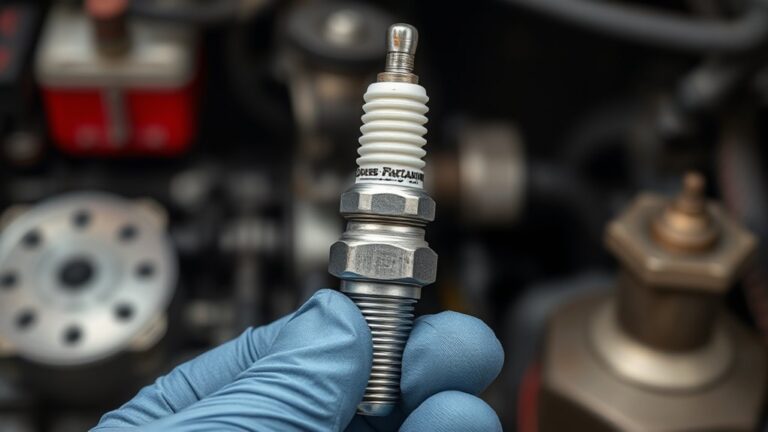
Look closely at the spark plug itself. Authentic Bosch plugs feature precise manufacturing details like laser-welded electrodes and consistent electrode gaps. These details are often missing or poorly executed on counterfeit versions.
To avoid fakes, buy only from reputable retailers or authorized dealerships. Be wary of suspicious sellers or prices that seem too good to be true, as these are common signs of counterfeit spark plugs. By staying vigilant and verifying these key factors, you’ll guarantee you get genuine Bosch spark plugs that deliver reliable performance.
When and How Often to Replace Bosch Spark Plugs
You should replace Bosch spark plugs every 60,000 to 100,000 miles, but it really depends on your vehicle and how you drive. It’s a good idea to keep an eye out for signs of wear, like electrode erosion or fouling, so you can catch any problems early on. Also, regularly checking and adjusting the spark plug gap can help keep your engine running smoothly and extend the life of your plugs.
Replacement Intervals Guide
When maintaining your vehicle, knowing when to replace Bosch spark plugs can save you from engine troubles and costly repairs. Bosch sets clear replacement intervals based on the type of spark plugs you use and your driving conditions.
Here’s a simple guide for replacement intervals:
- Iridium Bosch spark plugs last between 80,000 to 120,000 miles.
- Non-iridium Bosch spark plugs typically need replacement every 30,000 to 50,000 miles.
- Always follow your vehicle manufacturer’s recommended maintenance schedule for the most accurate intervals.
Signs Of Wear
Although Bosch spark plugs generally last between 30,000 and 60,000 miles, various factors affect how often you’ll need to replace them. You should watch for key signs of wear like worn electrodes, excessive carbon buildup, or visible cracks on the ceramic insulator. These indicate the spark plugs are no longer functioning at their best.
You might also notice reduced engine performance, misfires, or trouble starting your vehicle. These are clear signs that Bosch spark plugs need replacement. Regular visual inspections during routine maintenance help you catch these signs of wear early, preventing bigger engine issues.
Sticking to manufacturer-recommended intervals and replacing worn plugs promptly ensures your engine runs efficiently and lasts longer. Pay attention to these signs, and you’ll keep your engine firing smoothly.
Maintenance Tips
Since proper maintenance directly impacts their longevity, replacing Bosch spark plugs at the right intervals is essential for keeping your engine running smoothly. Bosch recommends swapping spark plugs every 30,000 to 50,000 miles, but iridium models can last up to 100,000 miles with good care.
To keep your spark plugs in peak condition, follow these tips:
- Inspect spark plugs during oil changes or routine service to spot corrosion or carbon buildup early.
- Use a spark plug gap tool to check the electrode gap matches the manufacturer’s specs before installation.
- Replace worn or damaged spark plugs promptly to maintain prime engine performance and fuel efficiency.
Following these maintenance steps and the vehicle manufacturer’s guidelines prolongs spark plug life and ensures your engine runs efficiently.
How to Install Bosch Spark Plugs Correctly
Wondering how to install Bosch spark plugs correctly? Start by disconnecting your vehicle’s battery to avoid electrical shorts or shocks during the installation.
Use a spark plug socket with a rubber insert paired with a ratchet wrench and extension to safely remove the old spark plugs without damaging them.
Use a rubber-insert spark plug socket with a ratchet and extension to remove old plugs safely and damage-free.
Before installing the new Bosch spark plugs, check and adjust the gap using a gap tool to match your vehicle’s specifications. Proper gap size ensures the best engine performance.
When installing, tighten the spark plugs to the torque recommended in your vehicle’s service manual. Too tight or too loose can cause issues.
Finally, reattach the ignition coil or spark plug wire securely, making sure all connections are firm. This careful installation process helps your engine run smoothly and maximizes the lifespan of your Bosch spark plugs.
Testing Bosch Spark Plugs: What You Need to Know
When you test Bosch spark plugs, you check their electrode condition, measure the gap, and perform spark tests to guarantee your engine ignites properly. Testing spark plugs helps spot wear, fouling, or cracks that affect performance.
Visual inspection alone isn’t enough; functional testing confirms their reliability. To conduct effective testing, follow these steps:
- Inspect the electrode for damage or buildup that might hinder spark quality.
- Measure the electrode gap using a gauge and compare it with Bosch’s specifications to avoid misfires.
- Use a spark plug tester to check spark strength and consistency, ensuring reliable ignition.
Regular testing helps you catch early signs of deterioration, keeping your Bosch spark plugs performing well throughout their lifespan. By combining visual and functional tests, you ensure your engine runs smoothly with optimal fuel efficiency.
Don’t skip these checks if you want to maintain top-notch ignition performance.
Where to Buy Bosch Spark Plugs Without Overpaying
Finding authentic Bosch spark plugs at a fair price starts with knowing where to look. When buying Bosch spark plugs, stick to reputable retailers like Amazon, AutoZone, or Bosch’s official website to confirm authenticity. These sources help you avoid counterfeit products that can compromise your vehicle’s performance.
Keep an eye out for seasonal sales or bundle deals at trusted auto parts stores, which can save you money without sacrificing quality. Before purchasing, always check customer reviews and seller ratings to verify the product’s authenticity.
Avoid suspiciously cheap offers from unverified sellers online, as these often indicate fakes or substandard plugs. If you want peace of mind, consider buying directly from Bosch or authorized dealers. This guarantees genuine parts and often includes warranties.
Frequently Asked Questions
Are Bosch Spark Plugs Compatible With Motorcycles and Small Engines?
Yes, Bosch spark plugs are compatible with motorcycles and small engines, but you need to choose the right model based on your engine’s specifications. When installing, you should check ignition timing and perform proper spark gap adjustment to guarantee peak performance.
Bosch designs their plugs to handle high temperatures and vibrations, so if you follow your engine manual’s recommendations, you’ll maintain efficient ignition timing and reliable spark. This boosts your engine’s overall efficiency.
Do Bosch Spark Plugs Require Special Tools for Installation?
Installing Bosch spark plugs isn’t rocket science. You don’t need fancy installation tools just to get the job done.
Most spark plug types from Bosch only require basic tools like a standard spark plug socket (often with a rubber insert), a ratchet, and a torque wrench to tighten properly.
You might want a gapping tool too, to adjust the electrode gap. But special tools are rarely necessary unless the plug has unique features.
Can Bosch Spark Plugs Cause Engine Misfires in Cold Weather?
Yes, Bosch spark plugs can cause engine misfires in cold weather, especially if you’re using older or lower-quality models. You might notice hesitation or misfires because the plugs struggle to ignite the air-fuel mixture consistently.
To avoid this, make sure you choose the right Bosch spark plugs, like iridium or platinum types, and install them properly. Regular maintenance helps keep your engine running smoothly, even when temperatures drop.
Are Bosch Spark Plugs Environmentally Friendly or Recyclable?
You care about reducing environmental impact, supporting sustainable practices, and promoting responsible disposal, and Bosch spark plugs help you do just that. They’re made with recyclable materials like platinum and iridium, making the recycling process efficient and valuable.
Bosch also follows strict environmental standards during manufacturing, minimizing waste and emissions. By properly recycling Bosch spark plugs, you actively contribute to metal recovery and reduce hazardous waste, supporting greener automotive maintenance.
What Warranty Coverage Do Bosch Spark Plugs Typically Have?
Bosch spark plugs typically come with a warranty policy covering manufacturing defects, usually lasting about 12 months or 12,000 miles, whichever comes first. This guarantees you’re protected if spark plug durability falls short.
Keep in mind, warranty terms can vary by retailer or product line, so check details before buying. To claim warranty service, you’ll need proof of purchase and must return the defective plug to an authorized Bosch distributor.
Conclusion
When it comes to Bosch spark plugs, you’re getting reliable quality that many drivers trust. They offer excellent performance across different engines, especially their iridium and platinum options.
While no product is perfect, Bosch spark plugs generally deliver solid value and durability. Remember, “a stitch in time saves nine.” Replacing your plugs on schedule keeps your engine running smoothly.
Follow installation tips, and you’ll enjoy lasting performance without breaking the bank.