Does a Bad Fuel Injector Cause a Misfire?
Yes, a bad fuel injector can cause your engine to misfire by disrupting the fuel flow and spray pattern needed for proper combustion. When injectors clog, leak, or fail electrically, your engine might run rough, hesitate, or show vibrations and decreased fuel efficiency.
These issues happen because the air-fuel mixture becomes uneven or too lean. Keep an eye on symptoms and proper maintenance to avoid problems, and you’ll find effective ways to diagnose, clean, or replace faulty injectors ahead.
Key Takeaways
- A bad fuel injector can cause misfires by delivering incorrect fuel amounts or irregular spray patterns, disrupting combustion.
- Clogged or damaged injectors lead to lean fuel mixtures, causing rough idling and engine hesitation.
- Wiring faults or electrical failures in injectors trigger diagnostic trouble codes linked to misfires.
- Symptoms of injector-related misfires include engine vibrations, fluctuating RPMs, and decreased fuel efficiency.
- Diagnosing involves checking injector operation, fuel pressure, and swapping injectors to see if misfire follows.
What Is a Fuel Injector and How Does It Work
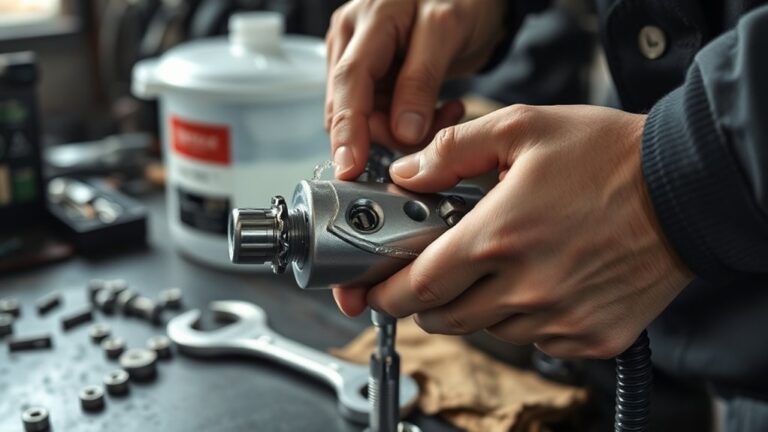
What exactly does a fuel injector do in your engine? A fuel injector is an electronically controlled valve that delivers precise amounts of fuel directly into the engine’s combustion chamber. It opens and closes rapidly, spraying fuel in a fine mist to guarantee proper atomization for efficient combustion.
The fuel injector operates within a high-pressure fuel system and receives signals from the engine control unit (ECU) to regulate timing and flow. This precise control helps maintain the ideal air-fuel mixture ratio necessary for your engine to run smoothly and efficiently.
Modern fuel injectors are built to produce a consistent spray pattern and flow rate, which is vital for performance. They often include built-in filters to prevent clogs and are made from materials that resist corrosion and high temperatures, guaranteeing durability.
Understanding how a fuel injector works gives you insight into a key part of your engine’s fuel delivery system.
How a Bad Fuel Injector Causes Engine Misfires
When a fuel injector fails to deliver the right amount of fuel, your engine will likely misfire. If an injector is stuck closed or clogged, it creates a lean air-fuel mixture that disrupts combustion, causing your engine to misfire and run roughly.
A malfunctioning injector might spray fuel inconsistently or insufficiently, which interrupts the combustion process and leads to cylinder misfires. Electrical issues within the injector, such as broken wiring or faulty solenoids, can also prevent proper fuel delivery, triggering misfires.
Because each cylinder relies on precise fuel amounts, any injector problem can throw off engine timing and performance. When an injector doesn’t work correctly, it affects overall engine operation, decreasing power and efficiency.
Understanding how a bad injector causes misfires highlights the importance of maintaining your fuel system to keep your engine running smoothly and avoid costly repairs down the line.
Common Symptoms of Fuel Injector Misfires
You’ll notice rough idling and vibrations when a fuel injector misfires, which can make your engine feel pretty unstable. Plus, it’s common to see a drop in fuel efficiency because the injector isn’t delivering fuel properly. These symptoms are clear signs that your fuel injector needs some attention.
Rough Idle And Vibrations
Although rough idling and vibrations might seem like minor annoyances, they often signal that your fuel injector isn’t delivering fuel evenly. When a fuel injector malfunctions, it disrupts the spray pattern, causing uneven fuel delivery that leads to rough idling.
You’ll notice your engine shaking or vibrating more than usual, especially when idling. This happens because a stuck injector either floods or starves the cylinder, throwing off the air-fuel balance.
As a result, your engine struggles to maintain smooth combustion, causing fluctuating RPMs and irregular engine sounds. If you experience persistent rough idling and vibrations, it’s a strong sign your fuel injector may be failing and needs inspection or replacement to restore proper engine performance.
Decreased Fuel Efficiency
Rough idling and vibrations don’t just affect how your engine feels. They often signal deeper issues that impact fuel efficiency.
When a fuel injector is faulty, it may cause incomplete combustion, forcing your engine to burn more fuel than necessary. If an injector sticks open or leaks, excess fuel floods the engine, wasting fuel and slashing your mileage.
Clogged or malfunctioning injectors disrupt the proper air-fuel mixture, making your vehicle consume more fuel to perform. You might also notice increased emissions alongside these symptoms.
Over time, your engine works harder to compensate, further dragging down overall fuel economy. Addressing fuel injector problems promptly helps restore efficient fuel use and prevents costly repairs down the line.
How to Tell If a Misfire Is Caused by Fuel Injectors or Ignition
When your engine misfires, distinguishing whether the cause lies with the fuel injectors or the ignition system can be challenging. A faulty injector typically causes inconsistent engine performance and rough idling, with misfires happening unpredictably across various engine speeds.
You might also notice a fuel smell or black smoke from the exhaust, hinting at a cylinder running too lean or rich. On the other hand, ignition issues usually produce steady, predictable misfire patterns, especially under load or at specific RPMs.
Diagnostic trouble codes like P0301 point to a misfire but don’t specify the root cause, so you can’t rely on codes alone. To tell the difference, listen for injector clicking sounds or check fuel pressure for injector problems.
If the injectors seem fine, focus on spark testing or inspecting coil packs to detect ignition faults. This approach helps you pinpoint whether a faulty injector or the ignition system is behind the misfire.
How to Diagnose If Your Fuel Injector Is Causing a Misfire
To figure out if your fuel injector is causing a misfire, you’ll want to start by testing how it’s working. Using tools like an OBD-II scanner can help you read error codes, and you can also listen closely for the clicking sound that injectors make when they’re operating properly.
Another good step is to check the fuel pressure to make sure it’s within the right range. Don’t forget to inspect the wiring too, since any faults there could cause issues.
If you’re still not sure, try swapping the injector with another one from a different cylinder. If the misfire moves along with the injector, you’ve found your culprit. This way, you can pinpoint the problem more accurately.
Testing Injector Operation
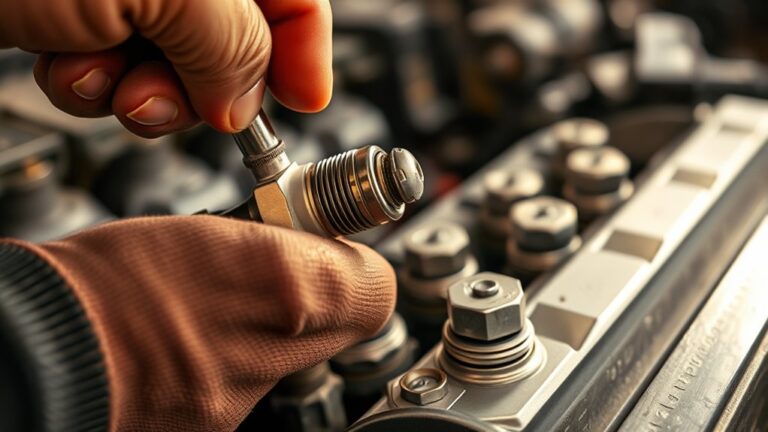
Although diagnosing a faulty fuel injector can seem complex, you can test its operation with simple tools like a mechanic’s stethoscope or a noid light. Start by listening for a clicking sound from the injector during engine startup using the stethoscope or a screwdriver. This clicking confirms the injector is opening and closing properly.
Next, use a noid light to check if the injector receives the correct electrical pulses from the engine control module. You can also perform a balance test by disconnecting the injector while the engine runs. A noticeable drop in RPM indicates the injector is active.
These straightforward steps help you determine if the injector operates correctly before moving on to more detailed diagnostics.
Identifying Injector Faults
Confirming that your fuel injector operates is just the first step; pinpointing if it’s causing a misfire requires more detailed checks. To identify injector faults, focus on these key diagnostics:
- Use an OBD-II scanner to check for codes like P0201 to P0204, which indicate injector circuit issues.
- Listen for clicking sounds from the fuel injector while the engine runs; no click could mean a faulty injector.
- Perform a resistance test on the injector’s terminals to see if it matches the manufacturer’s specs.
Additionally, swapping the suspect injector with one from another cylinder can reveal if the misfire moves. Pay attention to rough idling or power loss, as these often relate to injector problems causing misfires.
Fuel Injector Wiring Problems That Cause Misfires
When wiring connections to your fuel injector become faulty or corroded, the injector may not get the electrical signals it needs to operate correctly. Wiring problems like damaged harnesses or broken connectors can cause the injector to fail intermittently or completely, leading to engine misfires.
Electrical resistance from poor wiring reduces current flow, which disrupts the injector’s ability to spray fuel properly. Short circuits or open circuits in the wiring can prevent the injector from opening or closing as needed, causing inconsistent fuel delivery.
These issues often trigger diagnostic trouble codes such as P0201, signaling a misfire caused by wiring faults. If you notice misfire symptoms, checking the wiring for corrosion, breaks, or shorts should be a priority.
Proper wiring guarantees the injector receives the right signals, so addressing any electrical connection problems can restore smooth engine performance and prevent misfires.
How Clogged Fuel Injector Tips Lead to Misfires
If your fuel injector tips get clogged, they won’t spray fuel properly, which disrupts the air-fuel mixture and causes engine misfires. A clogged fuel injector affects how fuel atomizes, leading to an uneven mixture that hampers combustion.
When deposits or dirt build up on injector tips, the spray pattern changes, causing incomplete burning in the cylinder. This results in rough idling and noticeable misfire symptoms.
Deposits on injector tips alter spray patterns, leading to incomplete combustion, rough idling, and engine misfires.
Here’s how clogged fuel injector tips lead to misfires:
- Reduced fuel delivery causes the engine to run lean, triggering misfires.
- Irregular spray patterns create inconsistent combustion cycles.
- Partial blockages cause fluctuating fuel flow, leading to rough engine performance.
Keeping your fuel injectors clean helps maintain proper spray function and prevents these issues. Addressing clogged fuel injector tips early is key to avoiding engine misfires and ensuring smooth operation.
How to Test Fuel Injectors for Misfires
Although misfires can stem from various causes, testing your fuel injectors is a crucial step in pinpointing the problem. Start by using a noid LED tester or multimeter to check for proper voltage and ground signals at the fuel injector connector.
Next, listen closely for clicking sounds from the injector while the engine runs. This confirms it’s opening and closing correctly. You can also swap the suspect fuel injector with a known good one. If the misfire moves to another cylinder, the injector is likely faulty.
Performing a resistance test across the injector terminals helps, too. Readings outside the manufacturer’s specs indicate a bad injector. Furthermore, a flow test or using a specialized fuel injector cleaning kit can measure spray pattern and flow rate, verifying proper operation.
How to Clean Clogged Fuel Injectors to Fix Misfires
Since clogged fuel injectors can disrupt spray patterns and cause engine misfires, cleaning them is essential to restore smooth performance. You have several effective ways to clean your fuel injector and fix misfire issues.
- Use fuel injector cleaning additives like Diesel Extreme or Stiction Eliminator. These dissolve carbon deposits and help restore proper spray patterns without removing the injector.
- Remove the fuel injectors and manually clean them with specialized tools. This method clears dirt, varnish, and debris that block injector nozzles.
- Opt for professional ultrasonic cleaning. This thorough process removes stubborn deposits that typical cleaning can’t eliminate.
Best Fuel Additives to Keep Your Injectors Healthy
You can keep your injectors running smoothly by using top fuel additives like Diesel Extreme and Stiction Eliminator. These additives clean deposits, improve spray patterns, and reduce wear on your injectors.
When you use them regularly, they help prevent misfires and boost your engine’s overall performance. It’s a simple step that makes a big difference in keeping your engine healthy.
Top Injector Cleaners
How can you keep your fuel injectors running smoothly and avoid costly misfires? Using a top injector cleaner regularly can make all the difference. These fuel additives remove varnish, carbon deposits, and buildup that clog injectors, ensuring proper fuel flow and spray patterns.
Here are three injector cleaners you should consider:
- Diesel Extreme excels at breaking down stubborn deposits in diesel engines.
- Stiction Eliminator reduces injector sticking and improves fuel atomization.
- High-quality detergent-based additives protect injectors by reducing wear and extending their lifespan.
Benefits Of Fuel Additives
Maintaining clean fuel injectors goes beyond just using a good injector cleaner. It also involves regularly adding high-quality fuel additives to your tank. These additives help remove deposits, lubricate injectors, and improve fuel atomization. This enhances combustion and prevents misfires.
Using fuel additives consistently protects your engine by keeping injectors from sticking and clogging. This ensures better fuel efficiency and engine reliability.
| Fuel Additive Feature | Benefit |
|---|---|
| Deposit Removal | Maintains ideal spray patterns |
| Lubrication | Reduces wear, extends injector life |
| Detergent Properties | Cleans injectors, prevents misfires |
Incorporating the best fuel additives into your routine is key to keeping your injectors healthy and your engine running smoothly.
When to Replace a Fuel Injector to Stop Misfires
Although cleaning and repairing fuel injectors can fix many issues, you should replace them when visible damage like cracks or leaks appears, or when internal parts fail beyond repair. A faulty fuel injector disrupts your engine’s fuel system, leading to misfires and reduced efficiency. Proper diagnosis is essential to determine if replacement is necessary after troubleshooting.
Consider replacing your fuel injector if you notice these symptoms:
- Persistent engine misfire despite checking wiring, coil packs, and spark plugs.
- Diagnostic tests reveal electrical faults or damaged solenoids that can’t be repaired.
- Symptoms like engine hesitation or rough idle continue after cleaning and repair attempts.
Ignoring these signs can worsen engine performance. Timely replacement restores proper fuel delivery, stops misfires, and improves overall fuel efficiency. Always rely on thorough diagnosis to guide your repair or replacement decisions for the best engine health.
Preventing Future Misfires With Regular Injector Maintenance
If you want to keep your engine running smoothly and avoid future misfires, regular injector maintenance is essential. Using fuel system cleaners like Diesel Extreme or Stiction Eliminator helps prevent deposits that clog injectors.
Changing your fuel filter on schedule maintains clean fuel flow and extends injector life. Driving at varied speeds stops fuel stagnation and reduces varnish buildup.
Also, professional fuel system inspections catch early signs of injector wear before misfires start. Ultimately, always fill up with high-quality fuel to minimize contaminants.
Here’s a quick injector maintenance checklist:
| Maintenance Step | Benefit |
|---|---|
| Fuel system cleaners | Prevents injector deposits |
| Fuel filter replacement | Ensures clean fuel flow |
| Varied speed driving | Stops varnish buildup |
| Professional inspections | Detects early injector wear |
| Using high-quality fuel | Reduces contaminants and clogging |
Sticking to these steps keeps your injectors in top shape and misfires at bay.
Frequently Asked Questions
Can a Bad Fuel Injector Affect Fuel Economy?
Yes, a bad fuel injector can definitely affect your fuel economy. When an injector malfunctions, it disrupts the fuel efficiency by delivering too much or too little fuel, causing your engine to burn fuel inefficiently.
This inefficiency forces your engine to work harder, wasting fuel and lowering overall fuel efficiency. You’ll notice you’re refilling more often, and emissions increase, all because your fuel injectors aren’t performing properly.
Are Fuel Injector Problems Covered by Car Warranties?
You’d think every fuel injector problem would be instantly covered by warranty coverage, but it’s not that simple! If your injector issues stem from manufacturing defects and you’re still within the warranty period, you’re usually in luck.
However, if damage comes from contaminated fuel or neglect, warranties often won’t help. Always check your specific policy carefully, and get a professional diagnosis to boost your chances of getting a repair covered.
How Much Does It Cost to Replace a Fuel Injector?
You can expect the cost to replace a fuel injector to range from $300 to $1,000, depending on your vehicle’s make, model, and whether you choose OEM or aftermarket parts. Labor usually accounts for 50% to 75% of the total cost, so accessibility really matters.
If you replace all injectors at once, the cost jumps to $1,000 to $4,500. Luxury or high-performance cars might cost even more because of specialized parts and labor.
Can Bad Fuel Injectors Damage the Catalytic Converter?
A bad fuel injector can be a ticking time bomb for your emission system. When it leaks or sprays too much fuel, unburned fuel floods the catalytic converter, causing it to overheat and fail. This damages the converter’s delicate internal parts and clogs it with carbon deposits.
If you want to keep your emission system running smoothly, don’t ignore faulty injectors. They can turn your catalytic converter into a costly headache.
Does Bad Fuel Injector Cause Engine Stalling or Only Misfires?
A bad fuel injector can cause both engine stalling and engine hesitation, not just misfires. When an injector is clogged or stuck closed, it can stop fuel flow completely, leading to engine stalling.
If the injector delivers fuel inconsistently, you’ll notice engine hesitation and misfires. So, depending on the severity of the injector’s problem, you might experience anything from hesitation and misfires to full engine stalling.
Conclusion
A single clogged fuel injector can cause your engine to misfire up to 1,000 times per minute, seriously affecting performance. By understanding how fuel injectors work and spotting symptoms early, you can avoid costly repairs.
Regular maintenance, cleaning, and using quality fuel additives keep your injectors healthy and your engine running smoothly. Don’t wait for a misfire to remind you. Take action now to prevent engine trouble down the road.