Does a Bad Fuel Pump Cause Engine Misfire?
Yes, a bad fuel pump can cause your engine to misfire by disrupting the steady flow of fuel your engine needs for smooth combustion. When fuel pressure drops or fluctuates, cylinders don’t get enough fuel, leading to hesitation, sputtering, and power loss during acceleration.
You might also notice rough idling or trouble starting.
Understanding how the fuel pump affects engine performance and recognizing its signs can help you diagnose and fix misfire issues effectively.
Key Takeaways
- A bad fuel pump causes inconsistent fuel pressure, leading to insufficient fuel delivery and engine misfires.
- Engine hesitation, sputtering, and rough idling during acceleration often indicate fuel pump-related misfire problems.
- Contaminated or low-quality fuel damages the fuel pump, increasing the risk of misfires due to disrupted fuel flow.
- Diagnosing fuel pump failure involves measuring fuel pressure and using OBD2 tools to detect pressure drops causing misfires.
- Fuel pump issues mimic ignition faults, so checking both fuel delivery and ignition components is essential to identify misfire causes.
How a Fuel Pump Works and Its Role in Engine Performance
Although you might not notice it, the fuel pump plays an essential role in your engine’s performance by drawing gasoline from the tank and delivering it through fuel lines to the injectors. Modern electric fuel pumps are usually located inside the fuel tank, which helps reduce noise and boost efficiency.
The fuel pump maintains proper fuel pressure, which is critical for ideal engine performance and smooth acceleration. Without consistent fuel pressure, your engine won’t get the steady fuel flow it needs to run efficiently.
A properly functioning fuel pump operates silently but works hard to guarantee the fuel injection system receives the right amount of fuel at all times. This steady and consistent flow prevents issues like stalling and keeps your engine running smoothly.
Can a Bad Fuel Pump Cause Engine Misfires?
When your fuel pump fails to deliver a steady flow of fuel, your engine can misfire due to improper combustion. A bad fuel pump causes inconsistent fuel pressure, which means some cylinders don’t get enough fuel, leading to engine misfires.
You’ll often notice hesitation, sputtering, or loss of power during acceleration if the pump isn’t working right. However, engine misfires from a faulty fuel pump rarely occur alone; they usually happen alongside other issues like clogged injectors or ignition problems.
To accurately diagnose if your fuel pump is the culprit, you need to measure the fuel pressure and watch for drops under load. If the pressure falters when you accelerate or drive hard, it’s a clear sign the fuel pump is failing.
Common Causes of Engine Misfires in Gasoline Engines
A faulty fuel pump can definitely cause engine misfires, but it’s just one piece of the puzzle. Engine misfire often results from multiple factors beyond fuel pump issues. For example, low fuel pressure due to a failing pump can disrupt the fuel mixture, but faulty fuel injectors might clog or spray unevenly, causing misfires as well.
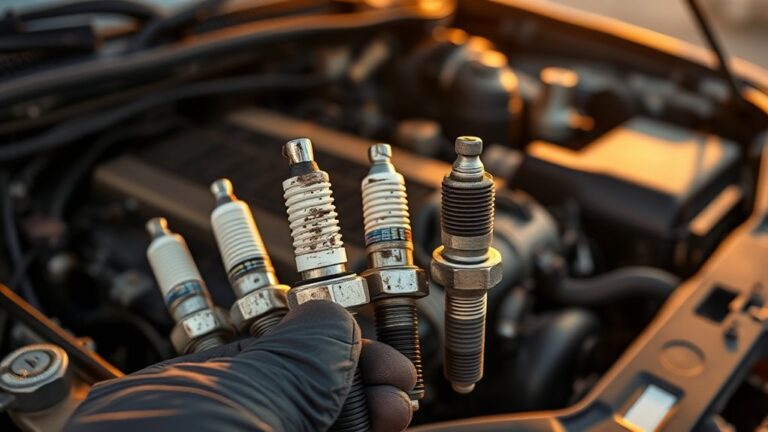
Likewise, ignition system problems like worn spark plugs or bad ignition coils can interrupt combustion independently of fuel pump health. You should also consider sensors such as the mass airflow or oxygen sensors. If they send wrong data, the engine won’t get the right fuel-air mix, leading to misfires.
Contaminated or poor-quality fuel can clog injectors and upset combustion, too. In short, while fuel pump failures do affect fuel pressure and can cause engine misfire, you need to check ignition components, injectors, sensors, and fuel quality to diagnose the real cause accurately.
Signs Your Fuel Pump Is Failing
If your fuel pump starts to fail, you’ll notice several warning signs that affect how your engine runs. Fuel pump failure disrupts the steady fuel pressure needed for smooth engine operation, leading to noticeable issues. Watch for these key signs:
- Engine hesitation during acceleration When the fuel pump can’t maintain proper fuel pressure, you’ll feel a lag or stumble as you press the gas pedal.
- Rough idling and sputtering Inconsistent fuel delivery causes unstable engine performance, making your engine idle roughly or sputter unexpectedly.
- Difficulty starting or stalling A weak fuel pump struggles to supply enough fuel, especially after the car sits, resulting in hard starts or engine stalls.
Paying attention to these symptoms can help you catch fuel pump failure early before it causes more severe engine misfires or damage.
How to Diagnose Fuel Pump Misfires With Pressure Tests
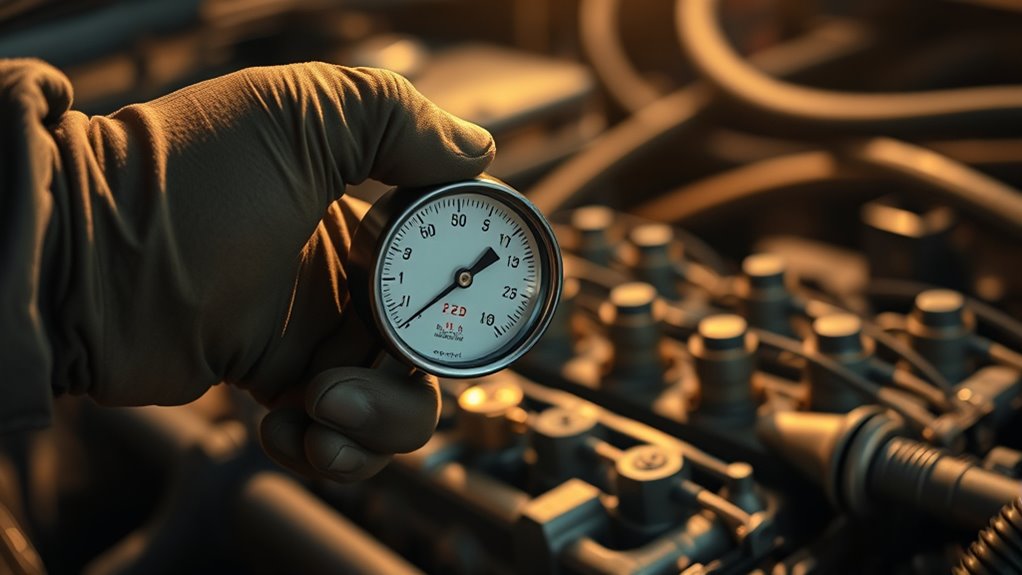
Noticing symptoms like rough idling or stalling often points to fuel pump issues, but confirming the cause requires more precise checks. To diagnose misfires linked to the fuel pump, start by connecting a fuel pressure gauge to the fuel rail. This lets you measure the actual pressure within the fuel system and evaluate the fuel pump module’s performance.
Since many modern vehicles lack a dedicated test port, you might need external adapters or T-fittings for an accurate reading. Perform pressure tests before and after starting the engine; a drop in pressure could signal a faulty pump or check valve.
Monitor pressure at idle, during acceleration, and when shutting down to see if the fuel pump module maintains consistent pressure under different loads. If you notice consistently low or fluctuating pressure, it’s a clear sign the fuel pump or related components are failing and causing misfires.
Telling Fuel Pump Problems Apart From Ignition Issues
When your engine misfires, distinguishing between fuel pump problems and ignition issues can save you time and money. Both can cause similar symptoms, but their root causes differ considerably.
A bad fuel pump affects fuel delivery, causing hesitation or stalling, especially under load. Ignition issues disrupt spark generation, leading to consistent misfires regardless of engine demand.
To tell them apart, follow these steps:
- Check fuel pressure: Use a gauge to see if the fuel pump maintains proper pressure. Low pressure points to fuel pump trouble.
- Perform spark tests: Inspect spark plugs and coils for wear or damage, which usually indicate ignition issues.
- Observe misfire conditions: Misfires triggered mainly during acceleration often signal fuel pump problems, while constant misfires suggest ignition faults.
How Fuel Pump Problems Affect Fuel Injector Performance
Understanding how fuel pump issues impact your engine means looking closely at the fuel injectors. When your fuel pump fails or weakens, it can’t maintain consistent fuel pressure. This inconsistency means your fuel injectors don’t get the right amount of fuel.
Fuel pump problems disrupt fuel pressure, causing injectors to deliver uneven fuel and affecting engine performance.
Without proper fuel pressure, injectors spray unevenly or insufficiently, disrupting the air-fuel mix inside the engine. You’ll notice rough idling, hesitation, or misfires because the engine runs lean, not enough fuel to burn smoothly.
A faulty fuel pump causes fluctuating fuel supply, making the fuel injectors work irregularly and impairing their spray patterns. This directly affects combustion efficiency and overall engine performance.
To keep your engine running smoothly, your fuel pump must deliver steady fuel pressure, enabling each fuel injector to provide the precise fuel amount needed. Ignoring fuel pump problems risks damaging the injectors and leads to ongoing misfire issues, reducing your vehicle’s reliability and drivability.
Common Misfire Codes Linked to Fuel Delivery Issues
You might notice misfire codes like P0300 or P0301 showing up when your fuel pump isn’t delivering enough pressure. These codes basically indicate inconsistent fuel delivery, which causes lean mixtures and leads to engine misfires. Knowing what these codes mean can really help you figure out if fuel delivery is what’s causing your engine trouble.
Misfire Codes Explained
Since your engine relies on consistent fuel delivery, misfire codes like P0300, P0301, or P0302 often point to issues with fuel flow. These codes indicate random or cylinder-specific misfires, which can stem from problems with your fuel pump or fuel pressure.
A failing fuel pump can’t maintain steady fuel pressure, causing incomplete combustion and triggering misfire codes.
Here’s what you should know about misfire codes linked to fuel delivery issues:
- P0300 signals random misfires across multiple cylinders.
- P0301 and P0302 identify misfires in specific cylinders (1 and 2).
- Fluctuating fuel pressure from a bad fuel pump often causes these codes.
Understanding these codes helps you pinpoint if your fuel pump is behind the misfires you’re experiencing.
Fuel Delivery Impact
How does a failing fuel pump affect your engine’s performance? When the fuel pump can’t maintain consistent fuel delivery, your engine often experiences misfires.
This happens because insufficient fuel pressure causes a lean air-fuel mixture, triggering common misfire codes like P0300 or cylinder-specific errors. You might notice hesitation during acceleration, sputtering, or vibrations. These are all signs of poor fuel delivery.
Since the fuel pump controls how much fuel reaches the injectors, any fluctuation or drop in pressure prevents proper combustion and leads to engine misfire. Using a fuel pressure gauge can help you diagnose if a weak fuel pump is behind these symptoms.
How Fuel Quality Impacts Fuel Pump Life and Misfires
When fuel contains impurities or contaminants, it can quickly clog or damage your fuel pump, reducing fuel pressure and causing engine misfires. Poor fuel quality not only shortens the fuel pump’s lifespan but also disrupts consistent fuel delivery. This leads to engine hesitation and sputtering. You’ll want to avoid these common issues by understanding how fuel quality impacts your vehicle:
- Contaminants in bad fuel cause wear and tear on the fuel pump components, accelerating failure.
- Water or harsh additives in fuel corrode the pump, impairing its function and increasing misfire risk.
- Using low-quality or degraded fuel results in inconsistent fuel flow, triggering engine misfires and performance problems.
When to Replace a Faulty Fuel Pump
You’ll want to replace your fuel pump if you notice symptoms like prolonged cranking, loss of power, or engine stuttering during acceleration. These signs usually mean the pump isn’t delivering fuel properly.
Before swapping it out, it’s a good idea to use a fuel pressure gauge to check for inconsistent or low pressure. That way, you can be sure the pump is the problem.
If the tests do show failure, it’s best to act quickly. Doing so helps prevent further engine damage and keeps your car running smoothly.
Identifying Replacement Symptoms
Although engine misfires can stem from various issues, a faulty fuel pump often signals its failure through specific symptoms. Recognizing these signs early helps you avoid severe engine damage and keeps your vehicle running smoothly.
Here are three common symptoms indicating it’s time to replace your fuel pump:
- Prolonged cranking or difficulty starting the engine, often due to inconsistent fuel delivery.
- Noticeable loss of power, engine hesitation, sputtering, or rough idle, all pointing to insufficient fuel pressure.
- Absence of the usual humming noise from the fuel pump when you turn the ignition on, signaling a failing pump.
Pay close attention to these fuel pump symptoms, especially if you’re experiencing engine misfire. Replacing the pump promptly ensures better engine performance and reliability.
Diagnostic Testing Methods
How can you be sure your fuel pump is the root cause of engine misfires? Diagnostic testing is key. Start by using a fuel pressure gauge to measure the fuel pressure at the rail. It should match your vehicle’s specs, usually around 60-65 psi.
If the pressure drops quickly after the engine shuts off or fluctuates during operation, it often signals fuel pump failure or a faulty check valve. You can also use modern tools like OBD2 scanners or FORScan to read live fuel pressure data and sensor signals. This helps pinpoint pump issues accurately.
Don’t replace the fuel pump based on symptoms alone. Confirm low or inconsistent fuel pressure through proper diagnostic testing first to avoid unnecessary repairs.
Timing And Maintenance Tips
Once you’ve confirmed that a faulty fuel pump is causing engine misfires through proper diagnostic testing, knowing when to replace it becomes the next step. Timing your fuel pump replacement is essential to maintain engine performance and avoid costly repairs.
Here are key maintenance tips to guide you:
- Replace your fuel pump between 100,000 and 150,000 miles, depending on driving conditions and fuel quality.
- Watch for signs like prolonged engine cranking, sputtering during acceleration, and loss of power under load. These indicate it’s time to act.
- Regularly test fuel pressure with a gauge to spot fluctuations early and prevent engine misfire caused by inconsistent fuel delivery.
Following these tips ensures your fuel pump stays reliable and your engine runs smoothly.
How Mechanics Fix Fuel Pump Failures Causing Misfires
When you bring a vehicle in with engine misfires, mechanics start by measuring the fuel pressure using a gauge to check for consistent delivery. They listen for the fuel pump’s humming sound during startup and use diagnostic tools like OBD2 scanners or Ford-specific software to verify fuel pressure data.
If inconsistent pressure or bleeding down is detected, they inspect the fuel pump relay, fuse, and electrical connections to guarantee the pump receives proper power. Should these components be in good condition but the fuel pump still fails to maintain adequate pressure, mechanics replace the fuel pump and any faulty check valves.
This restores proper fuel delivery, eliminating the engine misfire. By systematically diagnosing and addressing fuel pump failures, mechanics guarantee your engine runs smoothly without hesitation or rough idling caused by fuel pressure issues.
This targeted approach resolves misfires stemming directly from fuel pump problems efficiently and reliably.
Tips for Maintaining Your Fuel Pump to Avoid Misfires
Although fuel pump issues can cause frustrating engine misfires, you can prevent many problems by maintaining your pump properly. Keeping your fuel pump in good shape helps guarantee steady fuel pressure and smooth engine performance.
Here are three tips to maintain your fuel pump and avoid misfires:
- Replace the fuel filter regularly. A clean fuel filter prevents debris from reaching the fuel pump, reducing clogging and the risk of misfires.
- Use high-quality, clean fuel. This minimizes contamination and eases the strain on your fuel pump, helping it last longer.
- Monitor fuel pressure with a gauge. Keeping an eye on fuel pressure helps you detect lean conditions early, so you can prevent misfires caused by inconsistent fuel delivery.
Frequently Asked Questions
Can a Bad Fuel Pump Cause Misfires in Diesel Engines?
Yes, a bad fuel pump can cause misfires in diesel engines. If you neglect fuel quality, it can shorten the pump lifespan, leading to inconsistent fuel delivery.
When your engine misfires, use diagnostic tools to check fuel pressure and pump performance. Poor fuel flow disrupts combustion, causing rough idling or stalling.
How Does Altitude Affect Fuel Pump Performance and Engine Misfires?
Altitude effects definitely impact your fuel pump’s performance and can cause engine misfires. As you climb higher, pressure fluctuations reduce air density, making your fuel pump work harder to maintain proper fuel vaporization.
This strain can lower pump efficiency, disrupting fuel delivery and combustion quality. So, if you don’t adjust your fuel system for these altitude effects, you’ll likely face misfires caused by inconsistent fuel pressure and poor vaporization.
Are Electric and Mechanical Fuel Pumps Equally Prone to Causing Misfires?
No, electric and mechanical fuel pumps aren’t equally prone to causing misfires. You’ll find mechanical pumps more likely to cause misfires due to wear, pump noise, or installation issues disrupting fuel delivery.
Electric pumps usually maintain consistent pressure and are less affected by fuel quality, but poor installation can still cause problems. So, while electric pumps are generally more reliable, any pump can cause misfires if installation or fuel quality isn’t up to par.
Can Intermittent Fuel Pump Failures Cause Random Engine Misfires?
Imagine your engine’s rhythm suddenly skipping like a scratched record. That’s what intermittent fuel pump failures can do. Yes, they can cause random engine misfires by disrupting the fuel quality and delivery just when you least expect it.
Even if your ignition timing and spark plugs are spot on, inconsistent fuel pressure starves the cylinders, leading to those frustrating, unpredictable hiccups. You’ll need to check the pump alongside other components to keep things running smoothly.
Do Aftermarket Fuel Pumps Increase the Risk of Engine Misfires?
Yes, aftermarket fuel pumps can increase the risk of engine misfires if you don’t pay attention to fuel quality, pump durability, and installation issues. Poor-quality pumps might not regulate pressure well, causing inconsistent fuel flow that leads to misfires.
If you install the pump incorrectly or choose a less durable model, you’ll likely face reliability problems. To avoid this, pick high-quality aftermarket pumps designed for your vehicle and guarantee proper installation.
Conclusion
A bad fuel pump can definitely cause engine misfires, disrupting your car’s performance. Did you know that nearly 30% of engine misfire issues are linked to fuel delivery problems like a failing pump?
Keeping your fuel pump in top shape guarantees smooth engine operation and prevents costly repairs. Regular maintenance and timely replacements can save you from unexpected breakdowns and keep your ride running smoothly for miles to come.