
10 Sounds That Do Bad Spark Plugs Sound Like
If your spark plugs are bad, you’ll notice sharp tapping or clicking sounds, especially during acceleration or idling.
Your engine might idle roughly with jittery noises and occasional popping or backfiring.
Hesitation, stalling, or rhythmic misfires also signal spark plug wear.
You may hear uneven, irregular ticks that worsen under load, and a drop in engine power could follow.
These noises all point to spark plug trouble, and understanding their patterns can help you pinpoint the issue more clearly.
Key Takeaways
- Sharp tapping or clicking noises during acceleration or idling often indicate misfires caused by bad spark plugs.
- Popping or backfire sounds during acceleration signal disrupted combustion from fouled or worn spark plugs.
- Rough, jittery engine idle with irregular clicking suggests spark plug wear or ignition irregularities.
- Rapid, rhythmic tapping that intensifies with engine load points to spark plug misfires affecting performance.
- Hesitation or stalling during throttle application combined with fluctuating RPMs indicates spark plug deterioration.
What Do Bad Spark Plugs Sound Like on Your Engine?
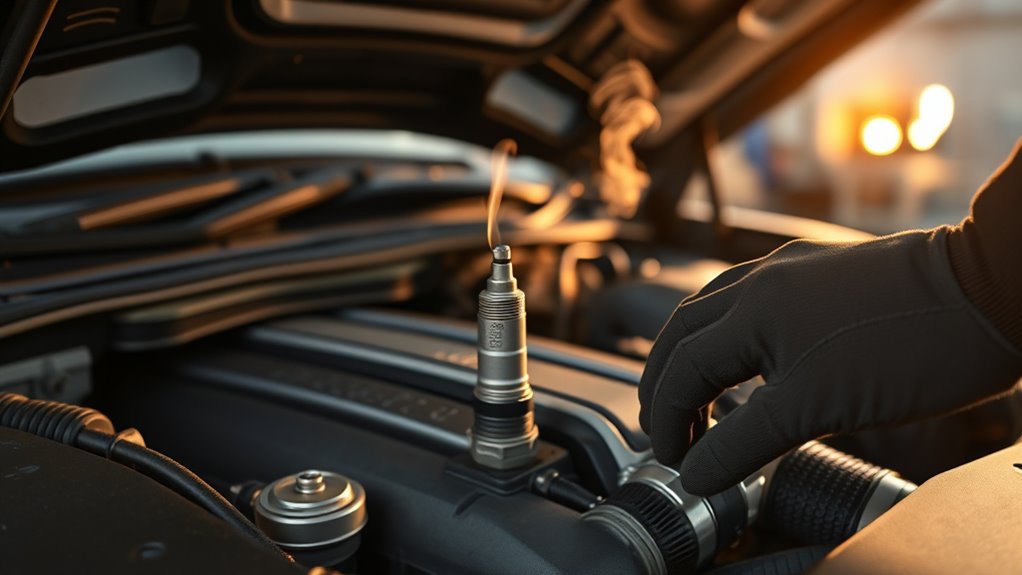
When your spark plugs go bad, you’ll often hear tapping or clicking noises as your engine accelerates or idles. These spark plug sounds stand out because they’re sharper and more intermittent than the usual engine noise you’re used to.
Tapping or clicking noises during acceleration or idling often signal failing spark plugs.
You might notice a rough, uneven idle with jittery sounds that signal worn or fouled spark plugs. Sometimes, faint knocking or misfire-like sounds creep in, indicating the plugs aren’t firing correctly.
Sudden popping or backfire noises during acceleration also point to spark plug misfire or fouling. These unusual noises differ from the steady hum of a healthy engine, making it easier for you to pinpoint when something’s off.
Paying attention to these signs helps you catch spark plug issues early, preventing further engine damage and improving your vehicle’s performance. Don’t ignore these spark plug sounds; they’re your engine’s way of telling you it needs attention.
Tapping and Clicking Noises That Signal Spark Plug Issues
You might hear tapping or clicking noises that get louder when you accelerate or even when your car is just idling. These sounds usually follow a certain pattern, which can actually help you figure out if your spark plugs are worn out or fouled.
If you learn to recognize these sharp, irregular noises and how they differ from other engine sounds, it could save you from bigger issues later on. It’s a handy skill to have when you want to keep your engine running smoothly.
Common Tapping Patterns
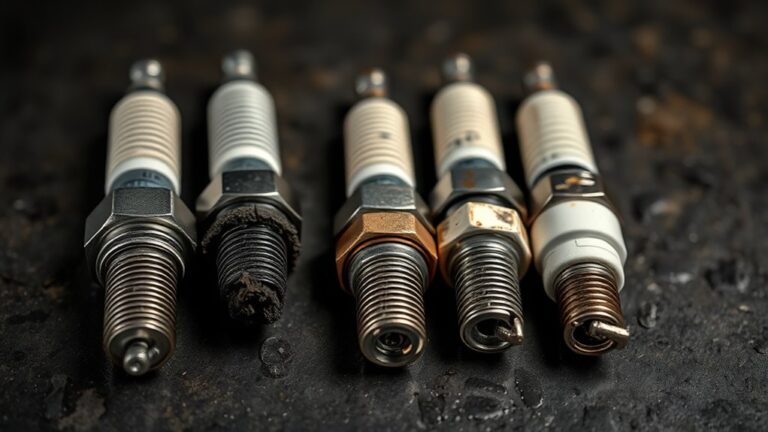
Although spark plugs are small components, they can produce distinctive tapping or clicking noises that often signal underlying issues. When you hear a spark plug sound, it usually follows common tapping patterns: sharp, irregular ticks that don’t maintain a steady rhythm.
These tapping patterns often point to misfiring caused by fouled electrodes or ignition timing problems. The noise intensity can vary, becoming more noticeable when your engine idles or accelerates.
Recognizing these patterns early helps you catch spark plug problems before they lead to more severe misfires or engine damage. Unlike engine knocking, the tapping sound directly relates to spark plug performance, so paying attention to these signals can save you time and costly repairs.
Clicking During Acceleration
Tapping patterns from spark plugs don’t just show up at idle. They often become more pronounced during acceleration. When you hear clicking noises as you press the gas, it usually means your ignition system is struggling.
Weak or fouled spark plug electrodes cause misfires. This makes the clicking sharper and more rhythmic than the usual engine hum. The noise syncs with misfire cycles, especially under load or at high RPMs when the spark plug can’t keep up.
Ignoring these sounds risks further engine damage from ongoing misfires.
Watch for these signs during acceleration:
- Rapid, consistent tapping sounds
- Noises that get louder with engine load
- Rhythmic clicks matching engine speed
- Increased misfiring or rough running
- Noticeable drop in engine power
Distinguishing Spark Plug Sounds
When your engine produces sharp clicking or tapping noises, especially during acceleration or idle, it often signals spark plug problems. These sounds are typically sharper and more intermittent than the steady hum of a healthy engine.
You might notice irregular popping or clicking aligning with engine misfires, or a jittery idle with subtle knocking, classic signs of worn or fouled spark plugs. It’s important to distinguish these from noises caused by vacuum leaks, which can produce similar but distinct sounds.
Using AI from the post, you can analyze these sound patterns to better identify spark plug issues. If you’re setting up a new account for vehicle diagnostics, focus on these specific noises to catch spark plug problems early and avoid further engine damage.
Why Faulty Spark Plugs Cause Popping and Backfiring
When your spark plugs wear out or get fouled, unburned fuel can ignite in the exhaust, which causes those popping or backfiring sounds. You’ll usually hear these noises when you’re accelerating or decelerating, and they’re a sign of misfires or uneven combustion. Catching these signs early is really important because it helps you avoid bigger engine problems down the road.
Causes Of Popping
Why does your engine pop or backfire during acceleration or deceleration? It often comes down to faulty spark plugs disrupting the combustion process. When spark plug coatings wear out or ignition coil interactions falter, the spark timing goes off, causing incomplete combustion. This leads to unburned fuel igniting in the exhaust, creating that popping sound.
Poor cylinder compression can worsen the issue by allowing misfires, which produce sharp, intermittent backfires.
Here’s why popping happens:
- Worn spark plug coatings degrade ignition efficiency
- Faulty ignition coil interactions cause misfires
- Improper spark plug gaps lead to inconsistent sparks
- Damaged electrodes prevent proper combustion
- Unburned air-fuel mixtures ignite in the exhaust system
Addressing these can prevent engine damage and noisy backfires.
Backfire Sound Signs
Popping and backfiring noises often point directly to faulty spark plugs disrupting the combustion process. When spark plugs misfire or fail to ignite fuel correctly, unburned air-fuel mixtures ignite later in the exhaust, causing sharp backfire sounds.
This usually happens if ignition timing is off or the plugs are fouled or damaged. If you hear these signs, don’t ignore them. Checking spark plug pricing and exploring brand comparisons can help you find reliable replacements.
Recognizing Rough Idle and Jittery Engine Sounds

If your engine sounds jittery or the idle feels rough, bad spark plugs are often to blame. These faulty plugs can cause misfires that lead to uneven engine vibrations and inconsistent RPMs. You might also hear tapping or clicking noises during idle, which differ from the normal smooth hum of a healthy engine.
Early signs are subtle but important to catch before they worsen. Sometimes, what seems like ignition coil issues or fuel injector noise can actually be traced back to dirty or worn spark plugs. Regular spark plug cleaning can help prevent these problems.
Watch out for these signs:
- Irregular tapping or clicking noises at idle
- Noticeable engine vibrations or trembling
- Fluctuating RPM gauge readings
- Subtle irregular sounds differing from the usual engine hum
- Difficulty maintaining smooth idle despite no obvious ignition coil issues
Spotting these early helps you avoid costly repairs and keeps your engine running smoothly.
How Misfires Create Skipping and Stumbling Noises
When spark plugs misfire, you’ll often hear a skipping or stumbling noise that feels like the engine is hesitating or missing beats. This happens because weak or faulty sparks fail to ignite the air-fuel mixture properly during combustion cycles.
The uneven firing creates those sharp, irregular sounds, especially noticeable when accelerating or under load. Problems with the ignition coil or a clogged fuel injector can cause misfires, disrupting the timing and consistency of the spark.
Furthermore, an exhaust leak can alter engine pressure, further contributing to the irregular noises you hear. These skipping noises differ from normal engine hum. They’re sudden and inconsistent, signaling incomplete combustion.
Catching these sounds early helps you pinpoint spark plug problems before they escalate into costly repairs. So, if your engine stumbles or skips, it’s a good idea to check the spark plugs along with related components like the ignition coil, fuel injector, and potential exhaust leaks to keep your engine running smoothly.
Telling Spark Plug Sounds Apart From Vacuum Leaks
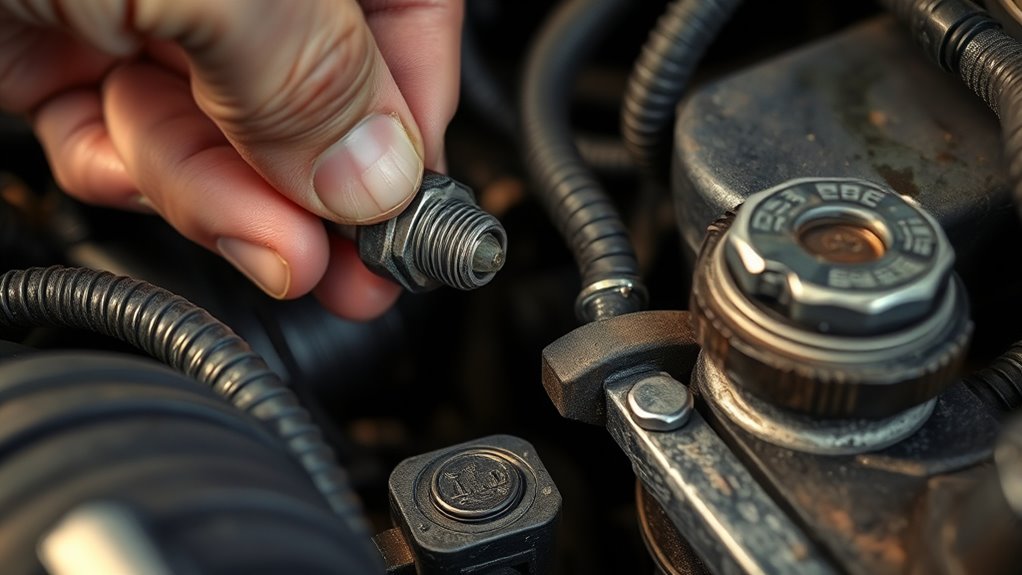
You’ll usually notice spark plug problems because they cause tapping or knocking sounds that come and go depending on the engine load. On the other hand, vacuum leaks tend to create a steady hissing or a high-pitched whistle that stays constant, even when the engine is idling. Knowing how to tell these sounds apart can really help you figure out what’s wrong faster and save you from unnecessary repairs.
Identifying Spark Plug Noise
Although both bad spark plugs and vacuum leaks create unusual engine noises, you can tell them apart by paying close attention to the sound characteristics. When a spark plug electrode wears out or fouls, it disrupts the ignition timing and fuel mixture, causing irregular tapping or clicking sounds that coincide with engine misfires.
These noises are sharper and more intermittent than normal engine hum and often worsen under acceleration.
Look for these signs to identify spark plug noise:
- Intermittent tapping or clicking during misfires
- Sounds intensify under load or acceleration
- Faint knocking or popping noises
- Irregular noise patterns linked to ignition timing issues
- No consistent hissing or rattling typical of vacuum leaks
Distinguishing Vacuum Leak Sounds
Since vacuum leaks create sounds that can easily be mistaken for spark plug issues, it’s important to know how to tell them apart. Vacuum leaks typically produce a steady, high-pitched whistle or hissing sound that grows louder with engine RPM.
This differs from the tapping or clicking caused by bad spark plugs, ignition coils, or fuel injectors, which tend to be irregular and intermittent. You might notice a sudden change in engine idle or a hissing noise during acceleration if a vacuum leak is present.
Using a stethoscope or a simple length of hose helps isolate the source, distinguishing the constant hiss of a vacuum leak from the sharp misfire noises. Remember, unlike an exhaust leak, vacuum leaks affect engine vacuum and cause distinct whistling sounds.
Key Sound Differences
When you hear tapping or clicking noises that come and go with engine misfires, you’re likely dealing with bad spark plugs rather than a vacuum leak. Spark plug installation issues often cause irregular popping or knocking that worsens with acceleration. Vacuum leaks produce a steady hissing sound.
These key sound differences help you pinpoint the problem and protect your engine’s performance and fuel efficiency. Listen for:
- Sharp, intermittent clicking aligning with misfire patterns
- Rough idling and engine hesitation
- Noise changes with engine temperature
- Popping or knocking sounds during acceleration
- Absence of continuous hissing typical of vacuum leaks
Recognizing these signs ensures timely spark plug maintenance, preserving your vehicle’s fuel efficiency and smooth operation.
What Hesitation and Stalling Say About Spark Plugs
If your engine hesitates or stalls during acceleration, your spark plugs might not be delivering a consistent spark. Worn or fouled spark plugs cause intermittent firing, leading to power drops and stalling. This can disrupt ignition timing, affecting engine temperature and decreasing fuel efficiency.
Timely spark plug cleaning or replacement helps maintain smooth acceleration and prevents rough idling.
Here’s a quick overview of what hesitation and stalling say about your spark plugs:
| Symptom | Possible Cause |
|---|---|
| Hesitation on throttle | Fouled or worn spark plugs |
| Engine stalls | Intermittent spark delivery |
| Rough idling | Misfiring plugs under load |
| Reduced fuel efficiency | Poor combustion, bad plugs |
Addressing these issues early ensures better engine temperature regulation and peak fuel efficiency. Don’t ignore hesitation; it’s a clear sign your spark plugs need attention.
How Spark Plug Gap and Wear Affect Engine Noise
Although you might not immediately connect engine noise to spark plug condition, the gap and wear of your spark plugs play a crucial role in the sounds your engine makes. The spark plug materials affect how well the spark forms, influencing ignition timing and overall combustion efficiency.
Spark plug gap and wear significantly impact engine noise, ignition timing, and combustion efficiency.
When the gap is too wide, misfires become more likely, causing faint knocking or rattling as engine compression struggles to ignite the fuel-air mixture properly. Worn electrodes disrupt the spark’s consistency, producing tapping or popping noises that reflect incomplete combustion.
Maintaining the correct spark plug gap ensures a smooth engine hum and ideal ignition timing, reducing unwanted sounds.
- Excessively large gaps increase misfire and rattling risks
- Worn electrodes cause subtle popping or backfiring
- Correctly gapped plugs create a smooth engine hum
- Small gap adjustments can eliminate misfire noises
- Spark plug materials influence durability and noise patterns
Paying attention to gap and wear helps keep your engine running quietly and efficiently.
Diagnosing Spark Plug Problems by Engine Load and RPM
Understanding how spark plug gap and wear affect engine noise sets the stage for diagnosing problems by engine load and RPM. When you notice misfires or rough idling at low RPMs, it might hint at early spark plug issues.
However, these symptoms often worsen under higher engine loads or specific RPM ranges, like during acceleration or climbing hills. You’ll hear popping, backfiring, or unusual hesitations that aren’t just spark plug problems.
Ignition coil issues can mimic these sounds, and fuel injector noises might add to the confusion. Exhaust leak noises also complicate diagnosis, as they can mask or amplify misfire symptoms.
To accurately diagnose, pay close attention to when misfires occur—whether at idle, moderate, or high RPM—and how engine performance changes under load. This approach helps you pinpoint if spark plug faults cause hesitation or stumbling, distinguishing them from other common engine noises and ensuring you address the root cause effectively.
When and How to Replace Spark Plugs Based on Noises
When your engine starts producing irregular tapping, clicking, or rough idling sounds, it’s a clear sign that your spark plugs may need attention. To replace them effectively, consider the spark plug materials, as some engines require specific types like iridium or platinum for durability. Also, guarantee ignition coil compatibility to avoid misfires after installation. Your engine control modules monitor performance and can alert you to faulty plugs via diagnostic codes.
Here’s when and how to replace spark plugs based on noises:
Listen for popping or banging during acceleration, signaling fouled plugs. Note faint knocking or misfiring under load as a replacement cue. Inspect plugs if noise worsens at high RPMs or under boost.
Follow manufacturer intervals to maintain engine health. Use correct spark plug materials and verify ignition coil compatibility for smooth operation.
Replacing plugs promptly restores smooth engine performance and prevents further damage.
Frequently Asked Questions
Can Bad Spark Plugs Affect Fuel Efficiency?
Yes, bad spark plugs can definitely affect your fuel efficiency. When your ignition system struggles, it causes incomplete combustion, making your engine burn more fuel than necessary.
While fuel injector issues and exhaust leaks also play roles in reducing efficiency, faulty spark plugs often lead to misfires and rough idling, further wasting fuel. Keeping your spark plugs in good shape helps your engine run smoothly and saves you money at the pump.
Do Spark Plug Sounds Differ Between Engine Types?
Yes, spark plug sounds do differ between engine types. You might hear spark plug ticking in some engines, especially inline ones, while V engines often produce distinct misfire noises.
If your engine has bad spark plugs, you could also notice rough idling, but the exact sound varies depending on the engine’s design and fuel system. Paying attention to these differences helps you diagnose issues faster.
How Do Spark Plug Materials Influence Noise?
You might think all spark plugs produce the same noise, but spark plug material actually plays a big role. The metal composition affects noise frequency because different materials conduct heat and electricity differently, influencing spark stability.
Copper plugs, for example, often cause louder tapping sounds due to softer electrodes wearing faster. In contrast, iridium or platinum, with harder metals, usually create fewer or subtler noises, making material choice key to quieter engine operation.
Can Weather Conditions Change Spark Plug Sound Symptoms?
Yes, weather conditions can definitely change spark plug sound symptoms. When it’s cold, moisture and frost can affect your ignition coil and spark plug gap, causing your engine to misfire more often.
These misfires lead to popping or knocking noises that you might not hear in warmer weather. So, if you notice unusual sounds during certain weather, it’s a good idea to check those components for wear or damage.
Are Spark Plug Sounds Linked to Emission Problems?
Yes, spark plug noise is definitely linked to emission impact. When your spark plugs misfire or produce irregular sounds, they cause incomplete combustion, which hurts your engine performance.
This inefficiency leads to more unburned fuel entering the exhaust, increasing harmful emissions. If you ignore these noises, you risk failing emissions tests and damaging your engine.
Fixing spark plug issues improves both engine performance and reduces your vehicle’s emission impact.
Conclusion
Now that you know the 10 sounds bad spark plugs make, can you afford to ignore them? Those tapping, popping, and stumbling noises are your engine’s way of asking for help.
Catching these signs early means smoother rides and fewer costly repairs. Don’t wait until hesitation or stalling leaves you stranded. Keep an ear out, check your spark plugs regularly, and replace them when needed to keep your engine running strong.