Can Diesel Fuel Explode?
Diesel fuel won’t explode spontaneously because it needs higher heat and vapor concentration to ignite. You can prevent most risks by avoiding sparks, heat, and confined vapor build-up.
Diesel vapors become dangerous when they reach 0.6% to 7.5% concentration in air and find an ignition source. Proper storage, ventilation, and maintenance reduce explosion chances.
If you want to understand how heat, pressure, and safety practices impact diesel explosions, there’s more to uncover.
Key Takeaways
- Diesel fuel vapors can explode when their concentration in air reaches 0.6% to 7.5% and an ignition source is present.
- Diesel has a high flash point (52°C–96°C), requiring significant heat to produce flammable vapors for ignition.
- Spontaneous diesel fuel explosions are rare; ignition usually needs sparks, flames, or hot surfaces.
- Diesel mist or spray greatly increases explosion risk due to higher vapor dispersion and flammability.
- Proper storage, ventilation, and handling minimize vapor buildup and prevent explosion hazards.
What Is Diesel Fuel and How Does It Ignite?
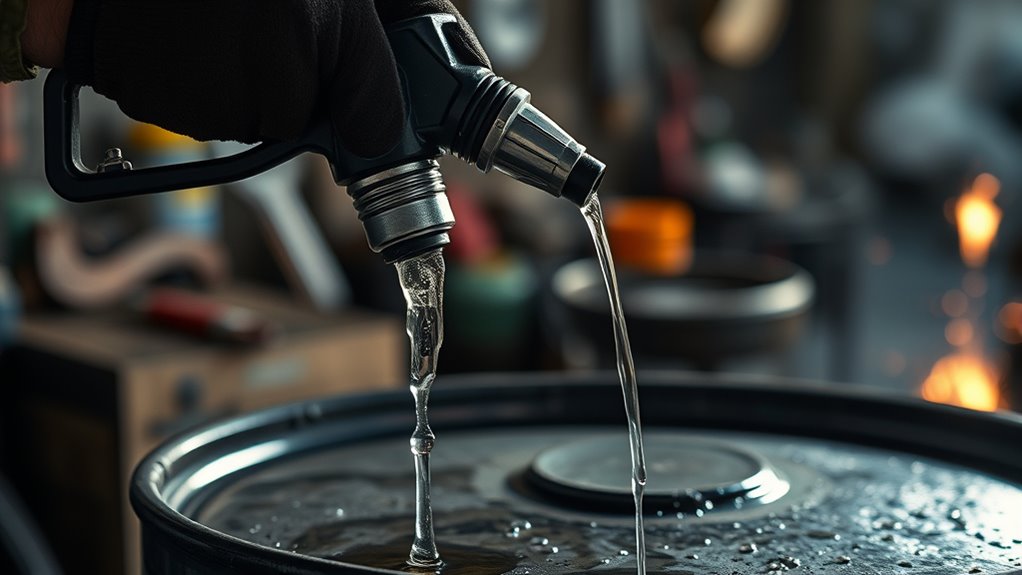
Although diesel fuel doesn’t ignite as easily as gasoline, understanding its ignition process is essential for safe handling. Diesel has a flash point between 52°C and 96°C, meaning it must reach these temperatures to produce enough vapor to ignite. At normal temperatures, diesel is less volatile and won’t ignite easily. You need either higher heat or pressure for ignition to occur.
Diesel vapors can ignite when mixed with air in a flammable range of 0.6% to 7.5%, especially near sparks or open flames. However, diesel’s self-ignition point is about 220°C under standard atmospheric pressure, so it won’t spontaneously ignite without external heat. Typically, diesel ignites due to an external heat source or spark, not through spontaneous combustion in normal storage.
Knowing this helps you handle diesel fuel safely by avoiding conditions that could heat it past its flash point or expose it to ignition sources.
Why Diesel Fuel Is Less Flammable Than Gasoline
Because diesel fuel has a much higher flash point than gasoline, it’s less likely to ignite under everyday conditions. Diesel’s flash point ranges from 52°C to 96°C, while gasoline’s is around -43°C. This means diesel needs considerably more heat to produce enough vapors for ignition.
You won’t see diesel evaporating quickly at room temperature like gasoline does. Gasoline’s high volatility creates a flammable vapor-air mixture more easily, increasing its flammability. In contrast, diesel produces fewer vapors under normal temperatures, so it’s much less prone to catching fire from small sparks or moderate heat sources.
When you consider flammability, the lower vapor production and higher flash point make diesel safer to handle in terms of accidental ignition. That’s why diesel fuel is less flammable than gasoline in typical environments, reducing the risk of fires from everyday heat or sparks.
How Diesel Vapors Can Explode

You need to understand that diesel vapors can explode when their concentration in the air hits a certain flammable range. It’s not just about the vapors themselves—heat and pressure really play a big role in pushing those vapors to that dangerous point. This is especially true in enclosed spaces where the vapors can build up.
Now, if you introduce a spark or flame into that mix, an explosion becomes a real risk. So, it’s important to be careful and avoid anything that could ignite the vapors when they’re in that flammable range.
Vapor-Air Explosion Risks
When diesel fuel heats above its flash point of around 55°C, it releases vapors that can become explosive if they mix with air in concentrations between 0.6% and 7.5%. This flammable range creates a serious explosion hazard, especially in confined or poorly ventilated spaces where diesel vapor can accumulate.
Even a small spark or static electricity can ignite these vapors, leading to a dangerous explosion. You need to be aware that diesel mist or spray increases this risk by dispersing vapor more widely.
Environmental factors like temperature and airflow affect vapor concentration, so maintaining good ventilation and controlling heat sources is vital. Understanding these vapor-air explosion risks helps you handle diesel safely and minimize the chance of an unexpected explosion.
Heat And Pressure Effects
Although diesel fuel itself doesn’t easily ignite, its vapors can become highly explosive under the right conditions of heat and pressure. When diesel heats up, it produces more vapors, increasing the chance they reach a flammable concentration between 0.6% and 7.5% in the air.
This flammable mix can ignite if exposed to sparks or flames, especially under high pressure. The flash point of diesel, the lowest temperature at which it produces enough vapor to ignite, plays an essential role here.
Elevated temperatures lower this flash point, making spontaneous ignition more likely. If vapors accumulate in confined spaces without proper venting, pressure builds up, creating a dangerous environment.
You need to control temperature and guarantee good ventilation to prevent vapor pressure from reaching explosive levels.
Under What Conditions Can Diesel Fuel Explode?
Because diesel fuel vapor must reach a specific concentration in air and encounter sufficient heat or pressure to ignite, it only explodes under certain conditions. For diesel to become an explosive substance, its vapors need to mix with air within the flammable range of 0.6% to 7.5% concentration, typically in confined spaces.
You won’t see diesel spontaneously explode at room temperature since the vapors must reach their flash point, which ranges between 52°C and 96°C. If the vapor concentration is too low or too high, it won’t ignite.
You also need an ignition source like static electricity, sparks, or open flames to trigger an explosion. Risks increase if fuel tanks are overfilled or if leaks produce diesel mist, as this can raise vapor concentration to dangerous levels.
Understanding these factors helps you recognize when diesel fuel poses an explosive hazard, ensuring you handle and store it safely.
Heat, Pressure, and Diesel Fuel Explosions
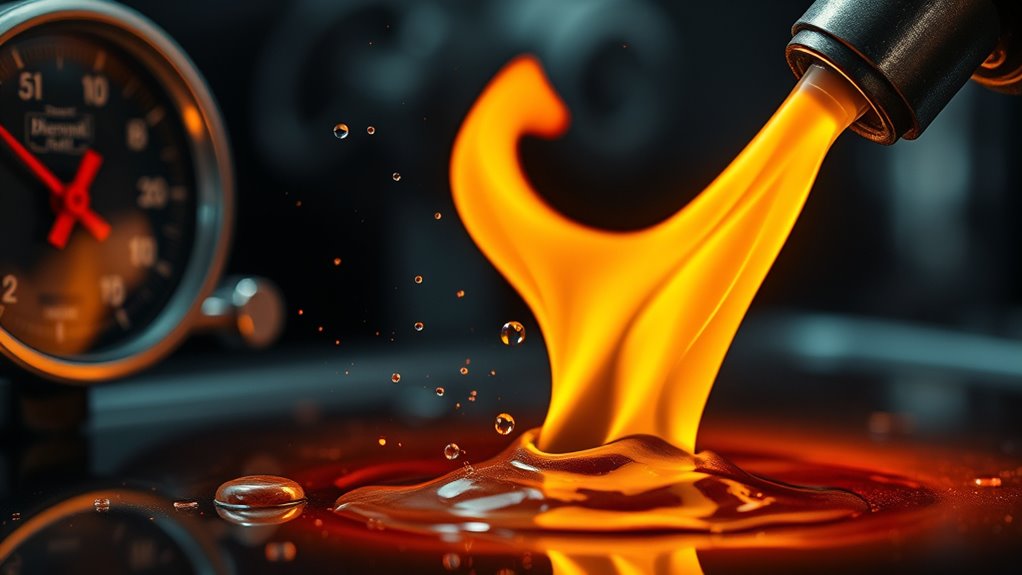
You need to understand how heat and pressure work together to trigger diesel fuel explosions. When diesel vapors mix with air within certain limits, even a small rise in temperature or pressure can ignite them. So, it’s important to know how these factors create risks you should watch out for. Let’s explore this a bit more.
Heat Impact on Ignition
Raising the temperature around diesel fuel increases vapor production, pushing it closer to flammable concentrations that can ignite or even explode if mixed with air within the right range. Diesel’s flash point sits around 60°C, meaning it can ignite when exposed to an open flame at this temperature.
However, its self-ignition point under normal atmospheric pressure is much higher, about 220°C. When you heat diesel above its flash point, vapor forms rapidly, increasing ignition risks, especially in confined or poorly ventilated spaces.
Proper temperature regulation is essential because excessive heat can lead to vapor ignition, sparking fires or explosions. Understanding how heat impacts diesel’s ignition helps you manage storage and handling safely, preventing dangerous situations before they start.
Pressure’s Role In Explosions
Heat alone increases the risk of diesel vapor ignition, but pressure plays an equally important role in causing explosions. When diesel fuel is confined, increasing pressure compresses vapors, raising their temperature toward the flash point.
This combination can trigger an explosion, especially in sealed containers like tanks or pipes. You should know diesel doesn’t explode at normal ambient pressure. It needs the right high-pressure conditions.
If pressure builds up without proper venting, the risk of vapor ignition skyrockets. Also, pressure helps form explosive vapor-air mixtures within specific concentration ranges. When combined with an ignition source, such as a spark, high pressure greatly increases the chance of a dangerous explosion.
Vapor-Air Mixture Risks
How do diesel vapors turn into a serious explosion hazard? When diesel heats to around 55°C, it releases vapors that can mix with air in an explosive concentration range of 0.6% to 7.5%.
If this vapor-air mixture forms in a confined or poorly ventilated space, it becomes highly flammable. Under added heat or pressure, these vapors can ignite at temperatures much lower than diesel’s 220°C self-ignition point.
A small spark, static discharge, or open flame can trigger an explosive reaction. You need to understand that the risk isn’t from liquid diesel but from the vapor mixed with air.
Managing heat, ventilation, and eliminating ignition sources is essential to prevent explosive vapor-air mixtures and keep diesel handling safe.
Common Causes of Diesel Fires and Explosions
Although diesel is less volatile than gasoline, you still need to be careful because leaks near ignition sources or hot surfaces can easily ignite vapors and cause fires or explosions. One common cause is static electricity buildup during fueling or fuel transfer, which can generate sparks that ignite diesel vapors.
Damaged or faulty storage tanks, especially if overfilled or poorly vented, also increase the risk of leaks and subsequent fire hazards. Using improper handling equipment or skipping regular maintenance raises the chances of leaks or vapor ignition.
Furthermore, high-pressure activities like welding or cutting near diesel tanks can trigger ignition and explosions. To prevent these dangers, always ensure equipment is in good condition, avoid spills, and keep ignition sources away from fuel areas. By understanding these causes, you can better protect yourself and your surroundings from diesel fires and explosions.
Diesel Fires in Vehicle Tanks: What Happens?
While diesel fires can start from leaks or faulty equipment, understanding what actually happens when a vehicle’s diesel tank catches fire helps you grasp the real risks involved. Diesel’s flash point, ranging from 52°C to 96°C, means it needs significant heat to ignite, so spontaneous explosions in tanks are rare.
When a diesel fire does occur in a vehicle tank, it’s usually due to poor maintenance or electrical faults, not the fuel itself igniting on its own. Once ignited, diesel burns steadily and produces large, intense flames that are tough to extinguish.
Although these fires can be dangerous because of their heat, the risk of an explosive rupture in the tank remains minimal. Most diesel fires in tanks don’t result in explosions but still demand immediate attention to prevent serious damage or injury.
Knowing this helps you stay aware of the actual hazards without overestimating the explosion risk.
Safety Risks of Diesel Vapors in Enclosed Spaces
Because diesel vapors can form flammable mixtures with air, you need to be especially cautious in enclosed spaces where vapors might accumulate. Diesel vapors become explosive within a concentration range of 0.6% to 7.5%, posing serious explosion hazards if they reach these levels.
Diesel vapors can form explosive mixtures in enclosed spaces at concentrations between 0.6% and 7.5%.
When diesel heats to its flash point of about 55°C, it releases vapors that can ignite if an ignition source is nearby. In confined, poorly ventilated areas, these vapors can build up quickly, increasing the risk.
Diesel mist, produced during leaks or dispensing, is even more flammable; just 0.06% mist in air can create a hazardous environment. Without proper ventilation, enclosed spaces allow dangerous vapor concentrations to form, making explosion hazards more likely.
You must recognize that controlling diesel vapor buildup is critical to safety in storage or handling areas. Understanding these risks helps you avoid accidents related to diesel vapors in enclosed environments.
Best Practices for Handling and Storing Diesel Fuel
When you handle and store diesel fuel, following strict safety protocols is essential to prevent accidents and guarantee a safe environment. Proper fuel tank maintenance and storage practices minimize risks and keep your workspace safe.
Here are the best practices you should follow:
- Store diesel in approved, sealed containers in well-ventilated areas, away from heat sources to prevent vapor buildup.
- Regularly inspect your fuel tank for leaks, rust, or damage, and keep it filled to reduce air contact and oxidation.
- Use clear signage and labeling, secure storage areas, and restrict access to prevent accidental spills or ignition.
- Handle diesel carefully during refueling and transfers, avoiding overfilling and keeping ignition sources far away.
Basic Guidelines for Diesel Tank Cleaning and Safety
Properly cleaning diesel tanks complements safe handling and storage by reducing the risk of fire or explosion during maintenance. When you clean tanks used for diesel storage, flush them with water and detergent to remove residual fuel and minimize flammable vapors.
Always use approved tools and guarantee proper ventilation when opening tanks to prevent vapor buildup. Partially filling tanks with water cuts down air space, lowering vapor ignition chances.
Before cutting or welding, remove all residual diesel and flush tanks thoroughly to eliminate combustible residues. Handle tanks carefully, avoiding sparks or heat sources, and seal caps tightly during cleaning.
Keep fire extinguishers nearby, ready in case of emergencies. Following these guidelines helps you maintain a safer working environment and reduces hazards associated with diesel fuel.
Safety Gear and Steps to Prevent Diesel Fires
Although diesel fuel is less volatile than gasoline, you still need the right safety gear to protect yourself from harmful vapors and accidental fires. To prevent diesel fires, follow these essential steps:
Diesel fuel is less volatile than gasoline, but proper safety gear remains crucial to prevent harmful vapors and fires.
- Always wear chemical-resistant gloves, safety goggles, and respirators to shield yourself from vapor inhalation and skin contact.
- Use fire extinguishers rated for Class B fires, such as foam, dry powder, or liquid CO₂, to quickly suppress any diesel fire.
- Guarantee proper ventilation during fuel transfer and storage to avoid vapor buildup that could ignite.
- Regularly inspect tanks, fuel lines, and equipment to detect leaks or static buildup early, reducing fire risks.
How Regular Maintenance Helps Prevent Diesel Fires
You can prevent diesel fires by regularly inspecting electrical components—this way, you catch sparks before they even have a chance to start a fire. It’s also really important to keep your fuel system intact and leak-free because any leaks can quickly turn dangerous. Plus, sticking to scheduled safety checks helps make sure everything runs smoothly and cuts down the risk of ignition hazards. Keeping up with maintenance might seem like a hassle, but it’s definitely worth it for your safety.
Electrical Component Inspections
When you regularly inspect electrical components in diesel systems, you catch faults like damaged wiring or connectors before they spark and ignite fuel vapors. This proactive approach reduces the risk of static electricity buildup, which can create dangerous ignition sources.
To keep your diesel system safe, focus on these key inspection steps:
- Check wiring and connectors for damage or wear.
- Look for corrosion that could cause short circuits.
- Test electrical components to verify they function properly.
- Schedule routine maintenance to identify issues early.
Fuel System Integrity
Regularly inspecting electrical components helps reduce ignition risks, but maintaining the entire fuel system plays a bigger role in preventing diesel fires. You need to perform regular maintenance to catch leaks, damaged seals, and faulty parts early. This stops fuel vapour leaks before they become dangerous.
Cleaning and inspecting fuel injectors, filters, and tanks prevents debris buildup or corrosion that can weaken the fuel system and cause leaks or vapour pockets. Checking pressure relief valves and venting systems ensures they work properly. This avoids pressure buildup and potential tank ruptures.
Scheduled Safety Checks
Although diesel fuel is less volatile than gasoline, skipping scheduled safety checks can leave you vulnerable to leaks, vapors, and faulty components that increase fire risks. Regular maintenance plays a vital role in preventing diesel fires by catching problems early. Here’s how scheduled safety checks help:
- Inspect and repair electrical wiring and fuel systems to prevent sparks and leaks.
- Decontaminate diesel tanks and remove vapors before welding or repairs.
- Check seals, vents, and safety devices to avoid pressure buildup and leaks.
- Maintain ventilation and vapor control to reduce flammable vapor accumulation.
Frequently Asked Questions
Can Diesel Fuel Explode When Mixed With Other Chemicals?
Yes, diesel fuel can explode when mixed with other chemicals due to chemical reactions that produce flammable vapors. If these vapors reach their flammable range and ignite, an explosion can occur.
You need to follow strict safety precautions, like avoiding mixing diesel with oxidizers, solvents, or gasoline to prevent dangerous reactions. Always handle diesel carefully and store it separately from incompatible substances to keep yourself and others safe.
How Long Do Diesel Vapors Remain Explosive After a Spill?
Think of diesel vapors as a hidden flame flickering in the shadows. You can’t see it, but it’s there, ready to ignite. After a spill, these vapors can remain explosive for hours, sometimes days in confined spaces if you don’t act fast.
To prevent vapor ignition, you’ve got to focus on spill containment and thorough ventilation. The longer you wait, the greater the risk, so acting quickly keeps you and others safe.
Does Diesel Fuel Explode Differently in Cold Weather?
Diesel fuel doesn’t explode differently in cold weather because its ignition temperature stays around 220°C regardless of temperature.
In cold weather, the fuel becomes thicker, and vapor formation slows down, making it harder for the fuel to reach that ignition temperature. So, you won’t see explosions happening more easily; in fact, cold conditions make it less likely for diesel to ignite or explode since vapors don’t form as readily.
Can Diesel Fuel Explosions Cause Environmental Damage?
When diesel fuel bursts into flames, it paints the sky with a dark, choking veil, signaling serious environmental impact. You’ll see harmful pollutants drifting, contaminating soil and water, which means contamination cleanup becomes urgent and challenging.
If you don’t act swiftly, those toxic clouds and spills can disrupt ecosystems and water quality for years. Taking quick, careful steps protects the environment and helps restore balance after such an event.
Are Diesel Fuel Explosions Covered by Standard Insurance Policies?
Standard insurance policies often cover diesel fuel explosions if fuel ignition results from a covered peril like fire or accident. However, you might face exclusions if negligence or improper handling caused the explosion.
To guarantee coverage, you need to follow explosion safety guidelines and prove proper storage and maintenance. Always review your policy carefully so you know whether diesel fuel explosion damages are included or if you need additional coverage.
Conclusion
Just like a dragon’s breath needs the right spark to ignite, diesel fuel won’t explode without specific heat and pressure conditions. You might think diesel is harmless, but ignoring proper storage and safety is like playing with fire in a powder keg.
Stay vigilant. Wear your safety gear, keep tanks clean, and maintain your equipment regularly. By respecting diesel’s power, you’ll keep yourself and others safe from unexpected fiery surprises.