How Long Do Jeep Renegades Last and How to Maintain Them
You can expect your Jeep Renegade to last between 100,000 and 150,000 miles, often reaching up to 200,000 miles with proper care. To keep it running smoothly for 8 to 12 years, stick to regular oil changes, brake checks, and fluid replacements.
Drive gently, avoid overloading, and protect it from harsh weather and rust. Choosing reliable model years and trims also helps.
Want to learn how to maximize your Renegade’s durability and spot common issues early?
Key Takeaways
- Jeep Renegades typically last 100,000 to 150,000 miles, with some reaching up to 200,000 miles with proper care.
- Regular maintenance, including oil changes every 5,000-7,500 miles and annual brake inspections, extends vehicle lifespan.
- Gentle driving and avoiding overloading reduce wear on the engine, transmission, and suspension components.
- Model years 2015-2018 and 4×4 trims offer higher reliability and better durability, especially for off-road use.
- Rust prevention through yearly undercarriage treatments and frequent washing helps protect against corrosion and environmental damage.
How Long Does a Jeep Renegade Last in Miles and Years?

While the lifespan of a Jeep Renegade varies, you can generally expect it to last between 100,000 and 150,000 miles with proper care. With consistent maintenance, many Jeep Renegades push beyond 150,000 miles, and some even reach up to 200,000 miles.
Regarding years, your Jeep Renegade will typically serve you well for about 8 to 12 years before requiring major rebuilds. The key to maximizing this lifespan lies in regular servicing and addressing issues promptly.
Maintenance routines like oil changes, brake checks, and fluid replacements directly impact how long your Jeep Renegade stays reliable. Keeping up with these tasks helps avoid costly repairs and extends the vehicle’s overall usability.
Driving Habits That Impact Jeep Renegade Lifespan
Because how you drive directly affects your Jeep Renegade’s durability, adopting good driving habits is essential for extending its lifespan. Aggressive actions like hard braking, rapid acceleration, and frequent high-speed driving increase wear on the engine, brakes, and transmission. This leads to more frequent maintenance and shorter longevity. You should avoid carrying loads beyond capacity, as this strains the drivetrain and suspension.
Gentle driving habits, such as smooth acceleration and braking, help preserve your Renegade’s components and reduce maintenance costs. Here’s a quick comparison:
| Driving Habits | Impact on Jeep Renegade |
|---|---|
| Aggressive driving | Increases wear, reduces lifespan |
| Overloading | Strains drivetrain, shortens life |
| Smooth driving | Enhances longevity, lowers maintenance |
How Weather and Terrain Affect Jeep Renegade Lifespan

Harsh weather and challenging terrain put extra strain on your Jeep Renegade, speeding up wear and tear on key components. Extreme heat, cold, or high humidity can accelerate corrosion, especially if your vehicle isn’t properly cleaned and protected.
If you live in a winter climate, road salt exposure can cause rust. So, regular washes are essential to prevent damage. Driving off-road or on rugged terrain adds stress to the suspension and drivetrain, increasing the risk of mechanical issues over time.
Weather conditions also affect tires and electrical systems, requiring more frequent maintenance to keep your Renegade running smoothly. By understanding how weather and terrain impact your Jeep, you can take proactive steps to reduce corrosion and wear, extending its lifespan even under tough conditions.
Staying on top of maintenance is key when your Renegade faces harsh environmental challenges.
Which Jeep Renegade Model Years and Trims Last the Longest?
You’ll find that Jeep Renegades from 2015 to 2018 are some of the most reliable and longest-lasting models. If you’re looking for durability, the Trailhawk trim really stands out. It comes with off-road features and tougher components that help it hold up over time.
Best Model Years
Which Jeep Renegade model years stand out for lasting the longest? The best model years to evaluate are generally between 2015 and 2018, as these have higher reliability and fewer reported issues. Choosing one of these can help your Jeep Renegade last longer with proper maintenance. Avoid early 2014 models, which tend to have more problems.
To maximize longevity, focus on these key points:
2015-2018 models offer improved build quality and updated technology.
Trailhawk trim provides rugged durability for tough conditions.
Latitude trim balances comfort and reliability for everyday use.
Durable Trim Options
After narrowing down the best model years, it’s important to take into account which trims provide the most durability over time. Among durable trim options, the Trailhawk stands out for its rugged build and upgraded components, giving it a longer lifespan.
If you want a balance between comfort and durability, the Latitude trim is a solid choice for longevity. Models from 2015 to 2018 combined with four-wheel-drive (4×4) further enhance durability, especially when paired with proper maintenance.
Keeping up with routine care, like timely oil changes and inspections, can considerably extend your Jeep Renegade’s life, particularly for trims with higher-quality parts like the Trailhawk. Choosing the right trim and staying consistent with maintenance will help you enjoy your Renegade for many years.
Off-Road Capability
While off-road adventures demand more from your vehicle, certain Jeep Renegade model years and trims handle the challenge better and last longer. The Trailhawk trim stands out with its off-road durability, thanks to rugged suspension and reinforced components.
Model years from 2015 to 2018 also offer superior off-road build quality, making them reliable choices for lasting performance. To keep your Renegade going strong, focus on maintenance of key off-road features like the four-wheel-drive system and suspension.
Enjoy confidence with Trailhawk’s heavy-duty off-road design. Preserve longevity by maintaining critical off-road components. And enhance durability with proper upgrades like heavy-duty tires.
Choosing the right model and caring for it guarantees your Renegade thrives on any terrain.
Is 150,000 Miles High Mileage for a Jeep Renegade?
Although 150,000 miles might seem high, it’s actually within the typical lifespan for a Jeep Renegade when properly maintained. Many Jeep Renegades last between 100,000 and 150,000 miles, so hitting that mark doesn’t automatically mean the vehicle is worn out.
With diligent upkeep and careful driving, some Renegades can even reach 200,000 miles. However, 150,000 miles is generally considered high mileage, and you should expect more frequent repairs and normal wear on components beyond this point.
How long your Jeep Renegade lasts depends heavily on its maintenance history, your driving habits, and conditions. If you’re looking at a Renegade with 150,000 miles, check its service records to ensure it’s been well cared for.
Keep in mind that high mileage can also reduce resale value and increase repair costs, so weigh these factors before making decisions about ownership or purchase.
What Common Problems Affect High-Mileage Jeep Renegades?
When your Jeep Renegade starts piling on the miles, you might notice a few common issues cropping up. Suspension problems, like worn shocks, are pretty typical. Electrical quirks, such as faulty wiring, can also become more frequent as time goes on.
On top of that, the engine might start drinking more oil than usual because of wear and tear. Transmission troubles can show up too, often causing rough or hesitant shifting. Knowing about these common problems ahead of time can save you from some pretty costly repairs down the road.
Suspension And Electrical Issues
If you’ve driven your Jeep Renegade past 100,000 miles, you’ll likely notice suspension and electrical issues starting to surface. Suspension problems like worn-out control arms and shock absorbers often cause a rough ride and poor handling.
Electrical malfunctions, such as faulty sensors and wiring failures, frequently trigger warning lights or system errors. In high-mileage Jeep Renegades, these problems become more common because of heavy use and exposure to harsh environments.
You might experience uncomfortable, bumpy rides that make driving stressful, annoying warning lights that won’t clear, or unexpected electrical failures that disrupt your journey.
Regular inspections and timely replacements can help you catch these issues early and keep your Renegade safe and reliable for many miles to come.
Engine And Transmission Wear
As your Jeep Renegade racks up miles beyond 150,000, you’ll likely face engine and transmission wear that impacts performance and reliability. High mileage often brings transmission wear issues like rough shifting or slipping, especially if transmission fluid changes weren’t consistent.
Engine problems are common too, including heavy oil consumption, cooling system failures such as radiator leaks, and timing belt failure. These issues can reduce compression and overall performance.
Aggressive driving accelerates transmission wear, so keeping a steady pace helps. To keep your high-mileage Renegade running smoothly, prioritize regular transmission fluid replacements and engine tune-ups.
Staying on top of these maintenance tasks helps prevent early wear and extends the life of your Jeep’s essential components, ensuring it remains dependable well past the 150,000-mile mark.
Essential Maintenance Tasks to Extend Jeep Renegade Life
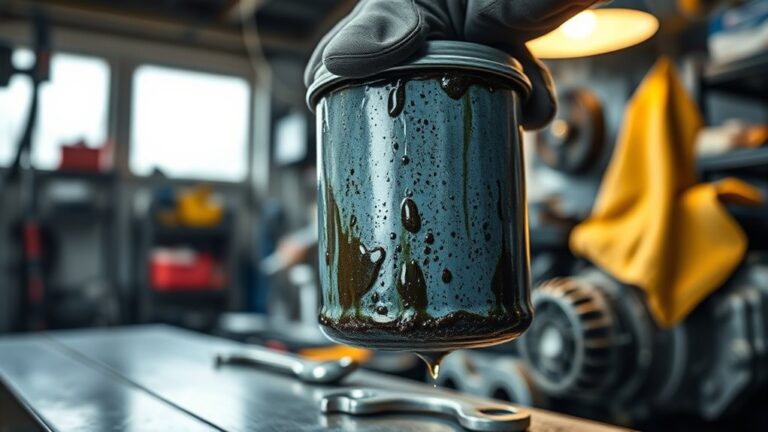
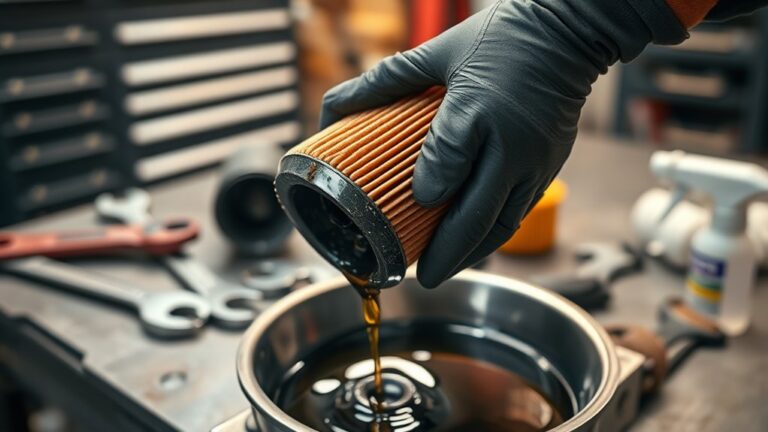
To keep your Jeep Renegade running smoothly for years, you need to stay on top of essential maintenance tasks. Regular oil changes every 5,000 to 7,500 miles protect your engine from wear and boost performance. Along with routine maintenance, tire rotations every 6,000 to 8,000 miles ensure even tread wear, which improves safety and extends tire life. Don’t overlook annual brake system inspections to keep your stopping power reliable.
Regular oil changes, tire rotations, and brake inspections keep your Jeep Renegade safe and running smoothly.
Focus on these key tasks to extend your Jeep Renegade’s lifespan:
- Get timely oil changes to avoid engine damage and maintain efficiency.
- Schedule routine tire rotations for balanced wear and better handling.
- Perform regular brake inspections to ensure safety on every drive.
When Should You Replace Key Jeep Renegade Parts?
Knowing when to replace key parts on your Jeep Renegade can save you from costly repairs and keep your vehicle running safely. Pay close attention to wear signs on brake pads and change them promptly when they thin or squeak.
Replace engine oil and filter every 5,000 to 7,500 miles to minimize engine wear and maintain performance. Other critical parts like shocks, timing belts, and batteries also need timely replacement to avoid breakdowns.
| Part | Replacement Interval | Key Signs to Watch For |
|---|---|---|
| Engine Oil | Every 5,000 – 7,500 miles | Dark oil, engine noise |
| Brake Pads | As needed | Squeaking, reduced braking |
| Suspension | Around 50,000 miles | Excessive bounce, uneven wear |
| Timing Belt | 60,000 – 100,000 miles | Cracks, engine misfires |
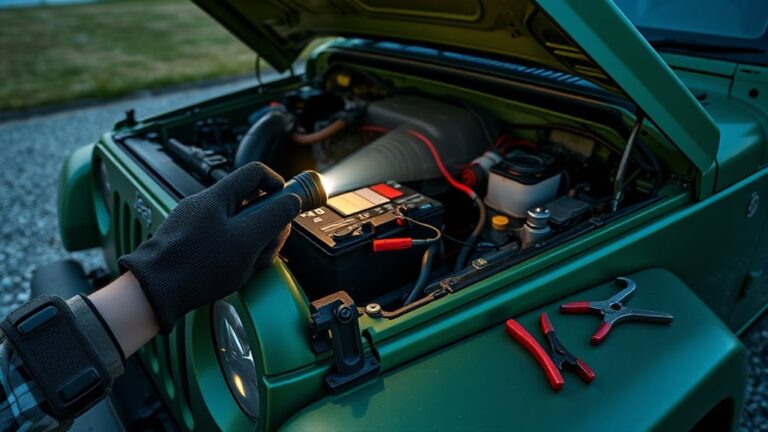
| Battery | Every 3 – 5 years | Slow starts, dim lights |
Stay proactive to keep your Jeep Renegade safe and reliable.
Used Jeep Renegade Inspection Checklist Before Buying
Keeping up with maintenance schedules helps extend your Jeep Renegade’s life, but when buying a used model, you’ll want to verify its condition yourself. Start by reviewing the maintenance records to confirm regular oil changes, brake checks, and other key services. This helps assure the previous owner cared for the vehicle properly.
Next, carefully inspect for rust or damage, especially on the undercarriage and wheel arches. These areas can indicate neglect or costly repairs ahead.
Don’t skip a thorough pre-purchase inspection by a trusted mechanic. They’ll spot potential engine, transmission, or suspension issues that aren’t obvious at first glance. Also, check the tires for uneven wear or dry rot and test all electrical components like lights and infotainment systems.
Remember these key steps when buying a used Jeep Renegade:
- Verify maintenance records for consistent care
- Inspect for rust and body damage
- Schedule a detailed pre-purchase inspection
This checklist helps you buy confidently and avoid surprises.
How Off-Road Upgrades Can Boost Jeep Renegade Durability and Longevity
When you equip your Jeep Renegade with off-road upgrades like lift kits and all-terrain tires, you not only improve its performance but also boost its durability. These enhancements help your vehicle better withstand rough terrains, reducing wear and tear.
Upgrading the suspension and its components protects your Renegade from damage on rocky or uneven trails, preventing premature parts failure. Adding a cold air intake eases strain on the engine and drivetrain, extending lifespan during rugged use.
Reinforced underbody skid plates shield crucial components from impacts with rocks and roots, enhancing long-term reliability. However, to keep these benefits, you must commit to regular maintenance.
Checking for loose bolts, inspecting tire wear, and servicing upgraded parts ensures your off-road upgrades continue to protect and strengthen your Jeep. By pairing smart off-road modifications with proper upkeep, you maximize your Renegade’s durability and enjoy more years of dependable adventure.
Protecting Your Jeep Renegade From Rust and Wear
To keep your Jeep Renegade lasting longer, it’s important to focus on rust prevention. Make sure you wash it regularly and apply protective coatings.
You’ll also want to check for wear and damage often, especially underneath where rust can sneak in without you noticing. Using high-quality waxes or sealants helps create a strong barrier against moisture and road salts that cause corrosion.
Taking these simple steps can really make a difference in keeping your Jeep looking and running great for years to come.
Rust Prevention Techniques
Although rust can gradually undermine your Jeep Renegade’s durability, you can considerably slow its progress by applying a quality rust-proofing spray to the undercarriage each year. This vital step shields your vehicle from corrosion caused by salt, dirt, and moisture.
Beyond rust-proofing, you should also wash the undercarriage regularly, especially after winter drives, to remove corrosive substances. Installing rust-resistant skid plates and protective liners helps guard vulnerable areas.
Maintain your paint and clear coat with frequent waxing and touch-ups to minimize exposed metal.
These techniques protect your Jeep, keeping it strong and reliable. By taking proactive rust prevention measures, you preserve your Renegade’s longevity and value while enjoying worry-free adventures on any road.
Regular Wear Inspections
Since rust and wear can develop quietly over time, you should perform regular inspections on your Jeep Renegade to catch issues early. Regular inspections help you spot rust, dents, and paint damage before they cause serious corrosion or structural problems.
Pay close attention to tire wear, as uneven or worn tires increase the risk of blowouts and affect handling. Check for fluid leaks, too, since coolant, oil, and transmission fluid can accelerate rust if left unaddressed.
Keeping your vehicle clean, especially the undercarriage, removes dirt and salt buildup that promotes wear and corrosion. By staying consistent with these inspections and rust prevention efforts, you’ll protect your Jeep Renegade from premature damage and help extend its lifespan on the road.
Protective Coating Options
Keeping up with regular inspections is just one part of preventing rust and wear on your Jeep Renegade. Applying a high-quality protective coating, like rust-proofing or undercoating, shields your vehicle from corrosion caused by salt, moisture, and dirt.
These treatments create a durable barrier that preserves your Renegade’s body and chassis. To keep your Jeep in top shape, consider using rubberized or ceramic-based coatings for extra resistance against chipping and rust.
Also, reapply protective coatings every 2-3 years to maintain full effectiveness. Protect your investment by preventing rust that can lower resale value.
How Regular Maintenance Helps Your Jeep Renegade Last Longer
When you perform regular maintenance on your Jeep Renegade, you help prevent engine wear and extend the life of key components. Regular maintenance, like oil changes every 5,000 to 7,500 miles, keeps your engine running smoothly and avoids costly damage.
Rotating your tires every 6,000 to 8,000 miles guarantees even wear, so your tires last longer and provide safer handling. Checking your brake system regularly and replacing parts when needed reduces risks and expensive repairs.
Addressing mechanical issues as soon as they arise stops small problems from turning into major repairs, keeping your Jeep Renegade lasting longer. Scheduled tasks such as fluid checks and replacing worn batteries or filters also play a big role in your vehicle’s durability.
Frequently Asked Questions
What Is the Average Resale Value of a High-Mileage Jeep Renegade?
You can expect the average resale value of a high-mileage Jeep Renegade to range between $8,000 and $15,000, depending on its condition. If you’ve kept up with maintenance, the Jeep Renegade interior stays comfortable, and safety features remain reliable, buyers will pay more.
Its off-road capabilities also boost value, especially if you’ve avoided suspension or transmission issues. Keeping service records handy will help you get the best price.
How Does Jeep Renegade Fuel Efficiency Change Over Time?
You’ll notice Jeep Renegade fuel efficiency gradually declines over time due to engine performance wear and aging parts. If you skip regular maintenance, like oil changes and air filter swaps, fuel consumption worsens, increasing your maintenance costs.
Harsh driving and rough roads only speed this up. To keep fuel efficiency steady, stick to proper upkeep and gentle driving habits, helping your Renegade run smoother and save you money in the long run.
Are There Any Special Warranties for Extended Jeep Renegade Lifespan?
Yes, Jeep offers extended warranty options like the Jeep Maximum Care, covering up to 8 years or 125,000 miles. These warranties include coverage details for major components such as the engine and transmission.
When you need repairs, the warranty claim process is straightforward and often handled through authorized dealers. You can also find third-party customizable plans that give you extra protection to keep your Renegade reliable for many years.
Can Jeep Renegades Handle Long Road Trips at High Mileage?
You bet your boots Jeep Renegades can handle long road trips at high mileage! With their off-road adventures spirit, solid towing capabilities, and surprisingly comfy interior comfort, they’re built to keep going.
Just make sure you stay on top of maintenance, and they’ll treat you well beyond the odometer’s numbers. Don’t forget a pre-trip check to avoid surprises, and you’ll enjoy every mile like it’s a fresh journey.
How Do Aftermarket Parts Affect Jeep Renegade Reliability?
Aftermarket parts can either boost or harm your Jeep Renegade’s reliability. You’ll want to focus on brand reputation effects, as high-quality parts usually offer better aftermarket parts durability.
Poor choices might lead to costly repairs, increasing your aftermarket installation costs. Always pick reputable suppliers and guarantee proper installation to avoid issues.
Doing this helps maintain your Jeep’s performance and longevity while keeping unexpected expenses at bay.
Conclusion
Think of your Jeep Renegade as a trusted hiking companion on a long trail. With careful steps, like regular maintenance and mindful driving, you’ll navigate rugged paths and changing weather without losing stride.
Just as a well-prepared hiker avoids pitfalls, safeguarding your Renegade from rust and wear guarantees it goes the distance. Keep it cared for, and your Jeep won’t just last; it’ll thrive, ready for every adventure miles ahead.